 The Sheraton Portsmouth: What a Conventional Hotel Actually Buys You
The AC Hotel Portsmouth: One Decision About Which Way You Face
River side or town side is the whole decision here, and the tide decides how good the river side is.
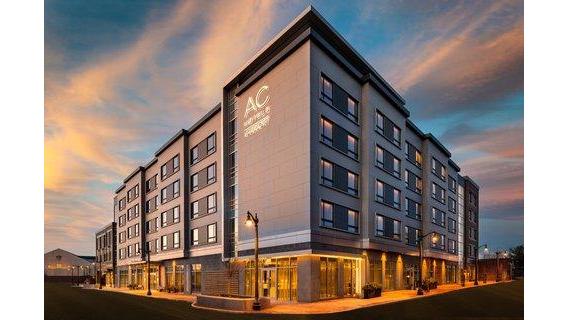
The AC Hotel sits in downtown Portsmouth, New Hampshire, a contemporary hotel positioned between the historic centre and the Piscataqua River, with rooms and spaces facing in both directions.
That gives the venue one governing decision and it is worth making deliberately rather than by accident: are you working the river or the town? They are not variations on a theme. The river side gives water, bridges, working harbour, open sky and a horizon — but it is tidal, it is exposed, and its quality changes through the day in ways nobody mentions. The town side gives brick and clapboard streets, narrow lanes, period frontages and low-rise architecture at human scale, none of which depends on the tide at all.
This is about that fork. We have not photographed a wedding at the AC Hotel; contemporary hotel interiors, tidal rivers and low-rise historic streets behave the same wherever they meet. Which rooms and event spaces face which way is a question for their events team, and it is the first one to ask.
The AC Hotel Portsmouth at a glance
| Where | Downtown Portsmouth, New Hampshire, beside the Piscataqua |
| Character | Contemporary hotel between the historic centre and the river |
| The fork | River side or town side — two different venues |
| The river variable | It is tidal; high and low water look nothing alike |
| Ask first | Which rooms and spaces face which way |
The river side, and the tide nobody checks
The Piscataqua is a strongly tidal river with a substantial range, and that single fact changes the photographs more than the weather does. At high water you have a full channel, reflections, boats floating at their moorings and a clean waterline — the version everybody pictures. At low water you have exposed mudflats, weed-covered pilings, boats sitting on the bottom and a waterline well below the quay.
Neither is wrong and both can be good, but they are completely different frames and only one of them is usually what the couple imagined. Tide times are published and entirely predictable, so checking them for the date is a two-minute job that no venue brochure will do for you. If the river frames matter, the portrait block should be scheduled around the tide as well as the sun.
The river also brings wind, because a broad channel with no shelter accelerates it. That makes a veil a held-or-removed decision rather than a hope, and it makes any unweighted light stand a liability near a quay edge. It is also colder than the town by a noticeable margin in spring and autumn, which shortens how long anyone stands out there.
The compensations are real. Water bounces light upward into faces, filling the shadows a high sun carves. An open horizon over the river means post-sunset colour is available with nothing blocking it — a genuine extra block of usable light twenty minutes after the sun has gone. And bridges give structure: a long lens along the channel stacks them into layers, which is a composition the town side cannot produce.
The town side, and why it is the more reliable choice
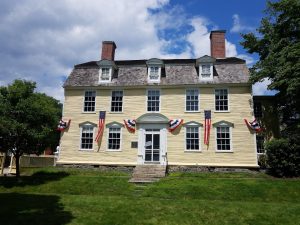
Portsmouth’s historic centre is unusually good material for a photographer and it is the more dependable of the two options. The streets are narrow and lined with brick and painted clapboard, which means they behave like large soft boxes: light arrives from the strip of sky above and bounces between facing elevations, giving soft even light with a mid-toned building rather than a blown sky in the background.
It is also low-rise, and that matters more than it sounds. In a city of tall buildings, the streets lose the sun by mid-afternoon and street-level golden hour never happens. Here low evening sun reaches the ground and runs the full length of a street, lighting one side and shading the other. Finding which streets run roughly east-west is a ten-minute site visit and it is the most useful preparation available.
The material rewards the same treatment as any painted historic frontage. Pale clapboard clips in direct sun with nothing underneath to recover, so choose the darker painted elevations where there is a choice — a red or slate frontage is a mid-tone that holds detail and separates pale clothing. And lapped boarding has built-in texture that raking light lifts and flat light erases.
The town side is also weather-tolerant in a way the river is not: narrow streets give shelter from wind, awnings and doorways give cover from rain, and the light in a lane barely changes under cloud. If the forecast is poor, the town is the answer and the river is the casualty.
What works in your favour
- Two genuinely different registers from one address, with no transit
- Narrow historic streets act as soft boxes and shelter from wind
- Low-rise town, so street-level golden hour actually happens
- Open river horizon for post-sunset colour and stacked bridges
- Contemporary interiors as a dependable weatherproof fallback
What to plan around
- The river is tidal; low water gives mudflats rather than reflections
- River-side wind and cold shorten any outdoor block
- Pale clapboard clips with nothing underneath to recover
- Contemporary interiors supply no character of their own
- The two registers do not mix; a careless set reads as two weddings
The interiors, and how to use both sides coherently
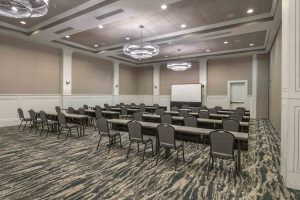
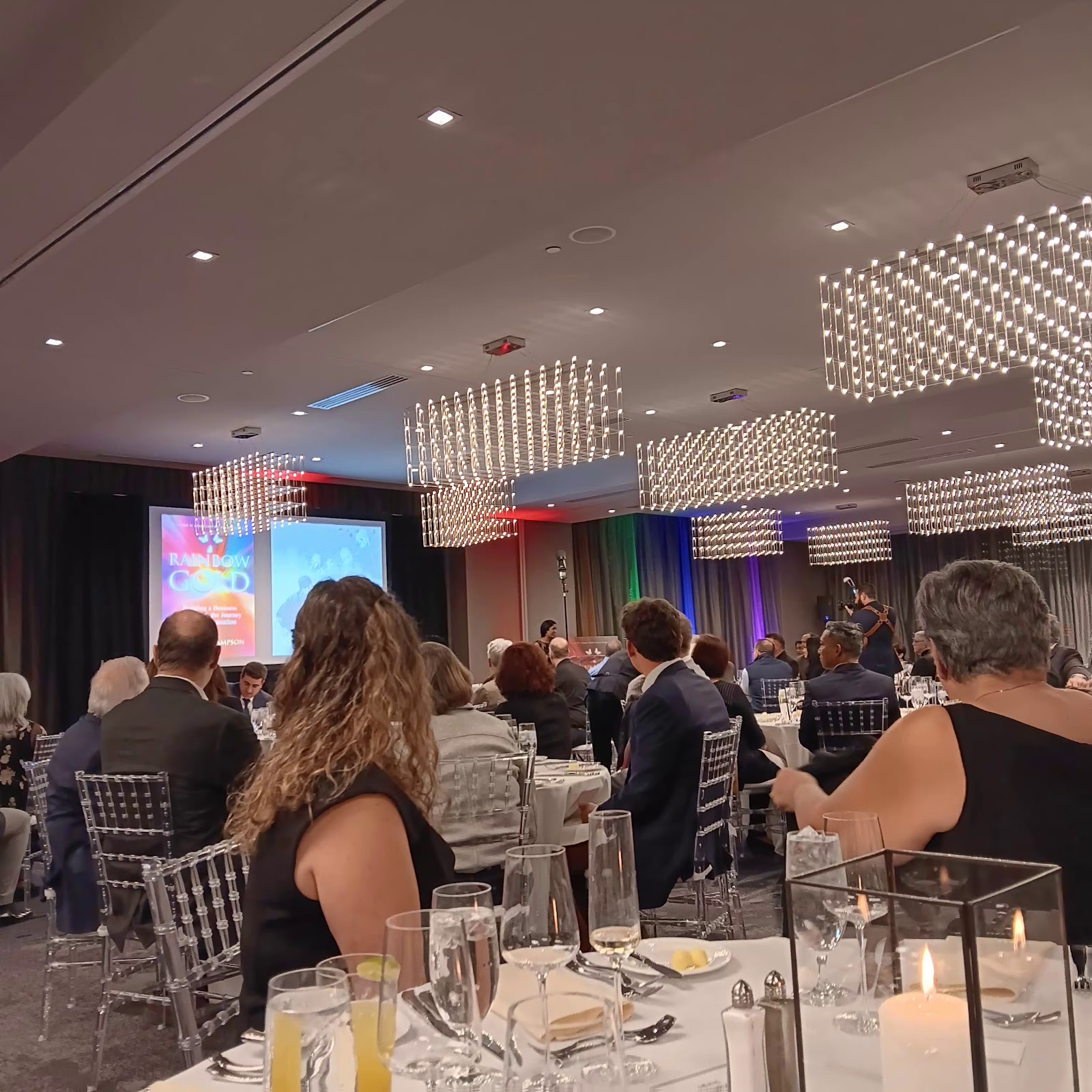
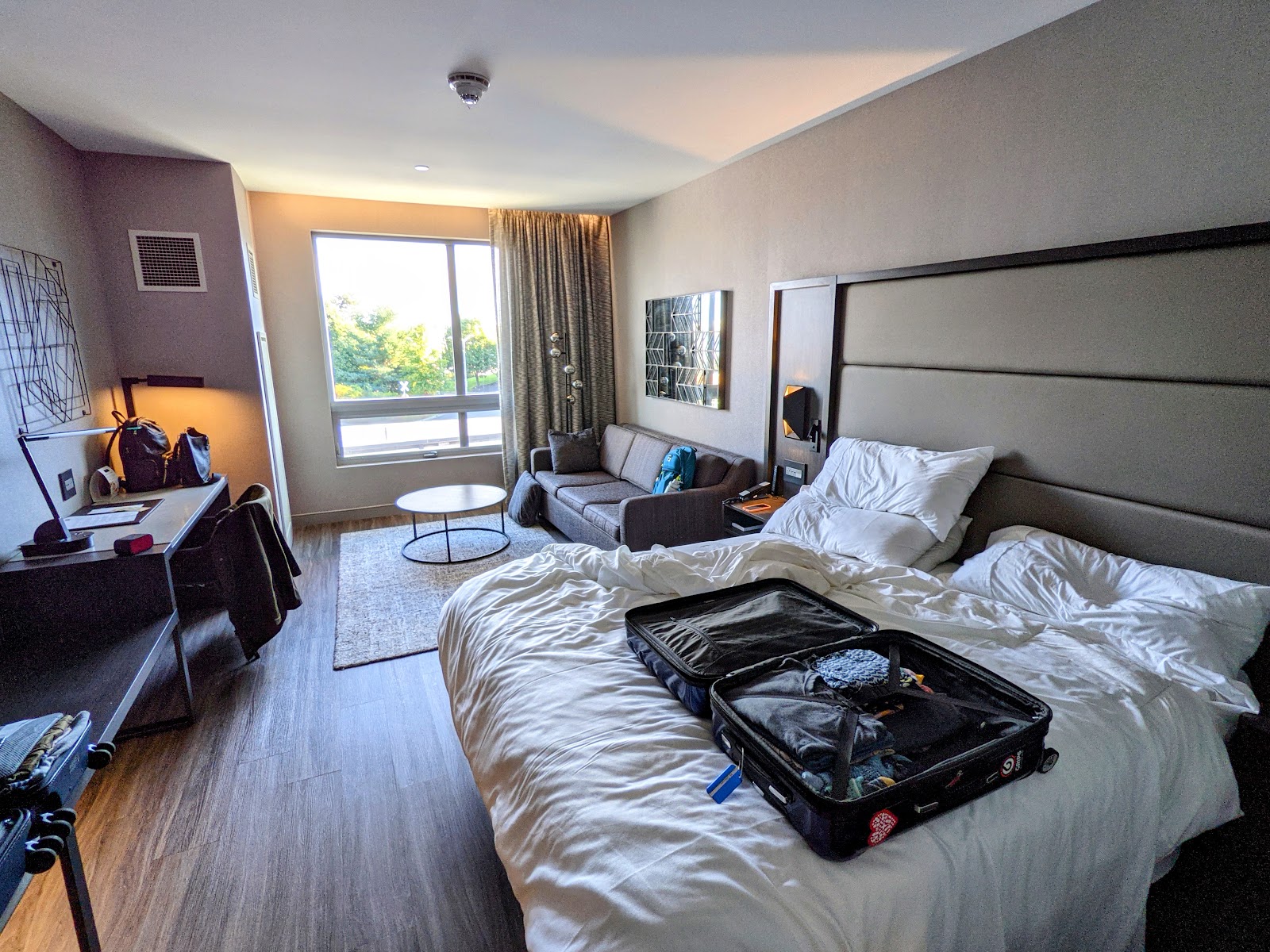
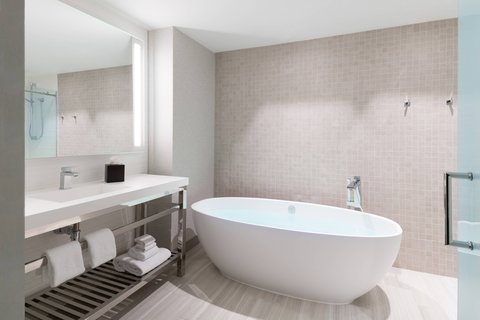
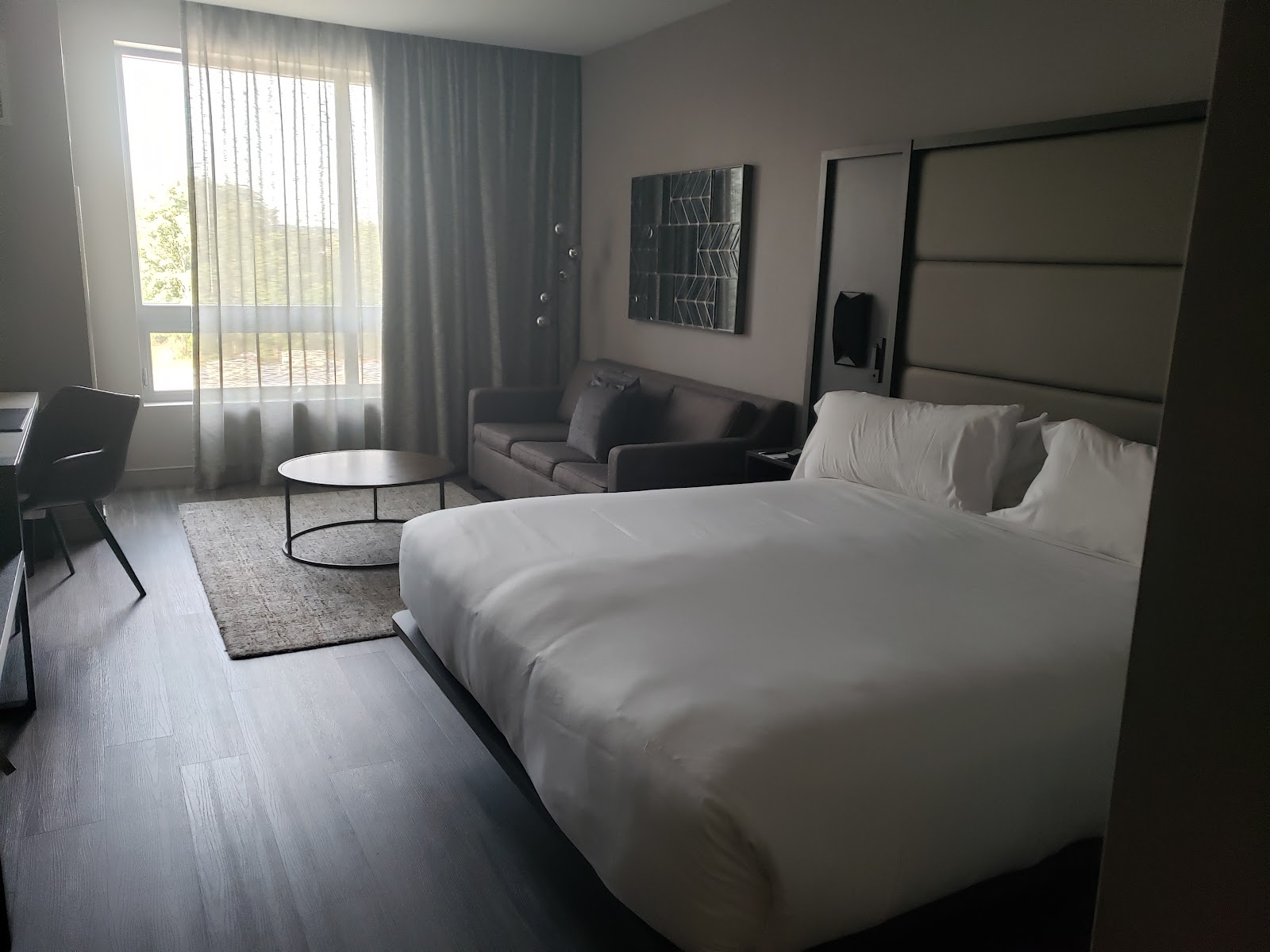
The hotel interiors are contemporary and restrained, which is the familiar modern condition: clean lines and a narrow palette mean nothing competes with the subject, and nothing supplies any interest either. The photographer has to create it, and the tools are light and precision — a directional source rather than the room’s even ambient, and exact framing, because in a spare room a slightly crooked line or an ambiguous near-symmetry is glaring.
The guest floors are where the light is. A large window on the shaded side is a big soft directional key with natural fall-off, which is better than anywhere in the public spaces and free; ask for it specifically for the preparation block, then switch off the overheads and move the lamps out, since mixed tungsten and daylight is the commonest cause of inconsistent skin tone across a morning.
River-facing rooms have the additional advantage of an unobstructed window — no buildings opposite means no shadowing and no bounce, so the light is cleaner and more directional than a town-facing window at the same hour. That is an argument for river-facing rooms for preparation even if the portraits happen in town.
For keeping the two registers coherent, the answer is the one that applies to any two-sided venue: split them by time rather than interleaving them. The town works through the middle of the day, because narrow streets are soft and sheltered whatever the sun is doing. The river works in the last hour and the twenty minutes after sunset, when low light and open sky are what it uniquely offers. That sequence uses each for what it does best and gives the gallery range without confusion.
One last frame worth looking for on a site visit: a position where brick or clapboard frontage and the river both appear in the same image. That single frame contains both registers by design rather than accident, and it is the establishing image the gallery wants.
More frames from The AC Hotel Portsmouth
The AC Hotel Portsmouth wedding photography: common questions
What decides the river side?
The tide. The Piscataqua has a substantial range, so high water gives a full channel and reflections while low water gives mudflats, weedy pilings and boats on the bottom. Tide times are published — checking them for the date takes two minutes and no brochure will do it.
Which side is more reliable?
The town. Narrow brick and clapboard streets behave like soft boxes, shelter from wind, give cover from rain, and barely change under cloud. The river is better but conditional; the town works almost regardless.
Does street-level golden hour really happen in Portsmouth?
Yes, because the centre is low-rise. In a city of tall buildings the streets lose the sun by mid-afternoon; here low evening sun reaches the ground and runs the length of a street. Find which streets run east-west before the day.
Which rooms should be used for preparation?
River-facing, if available, and on the shaded side. An unobstructed window with no buildings opposite gets cleaner, more directional light than a town-facing one at the same hour — even if the portraits happen in town later.
How do you avoid the gallery looking like two weddings?
Split the registers by time rather than interleaving them. Town through the middle of the day, when narrow streets are soft and sheltered; river in the last hour and the twenty minutes after sunset, when open sky is what it uniquely gives.
What about the clapboard?
Pale painted boards clip in direct sun with nothing underneath to recover, so favour darker painted frontages where there is a choice — a red or slate elevation is a mid-tone that holds detail and separates pale clothing.
More New Hampshire venue guides
We are writing a photographer’s guide to every venue we would happily shoot in New Hampshire. Here are three more, plus the full index:
- Discover Portsmouth Center: Field Notes on a Small Museum Venue
- The Hotel Portsmouth: Working a Venue at Domestic Scale
- The Loft at The Press Room: Field Notes on a Small Upper Room
Planning a wedding at The AC Hotel Portsmouth?
Two venues at one address, and the tide decides one of them. Tell us your date and we will check the tables with the sunset.