 Indianapolis Zoo: Reading a Day From Open Grounds to Underwater Glass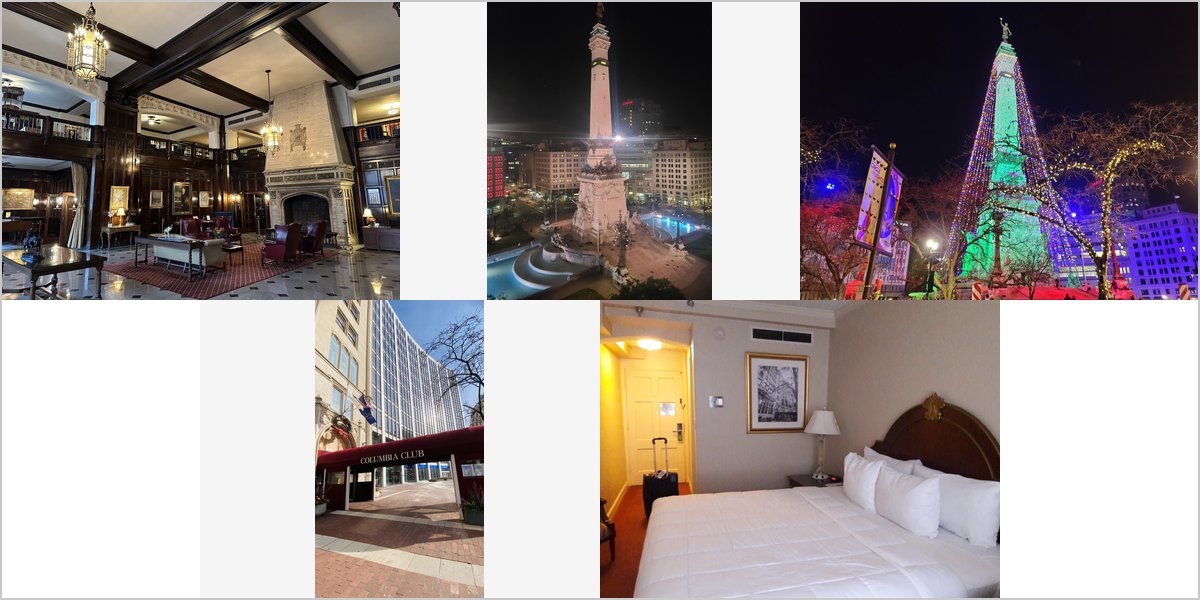
The Columbia Club: Field Notes on Photographing a Private Club
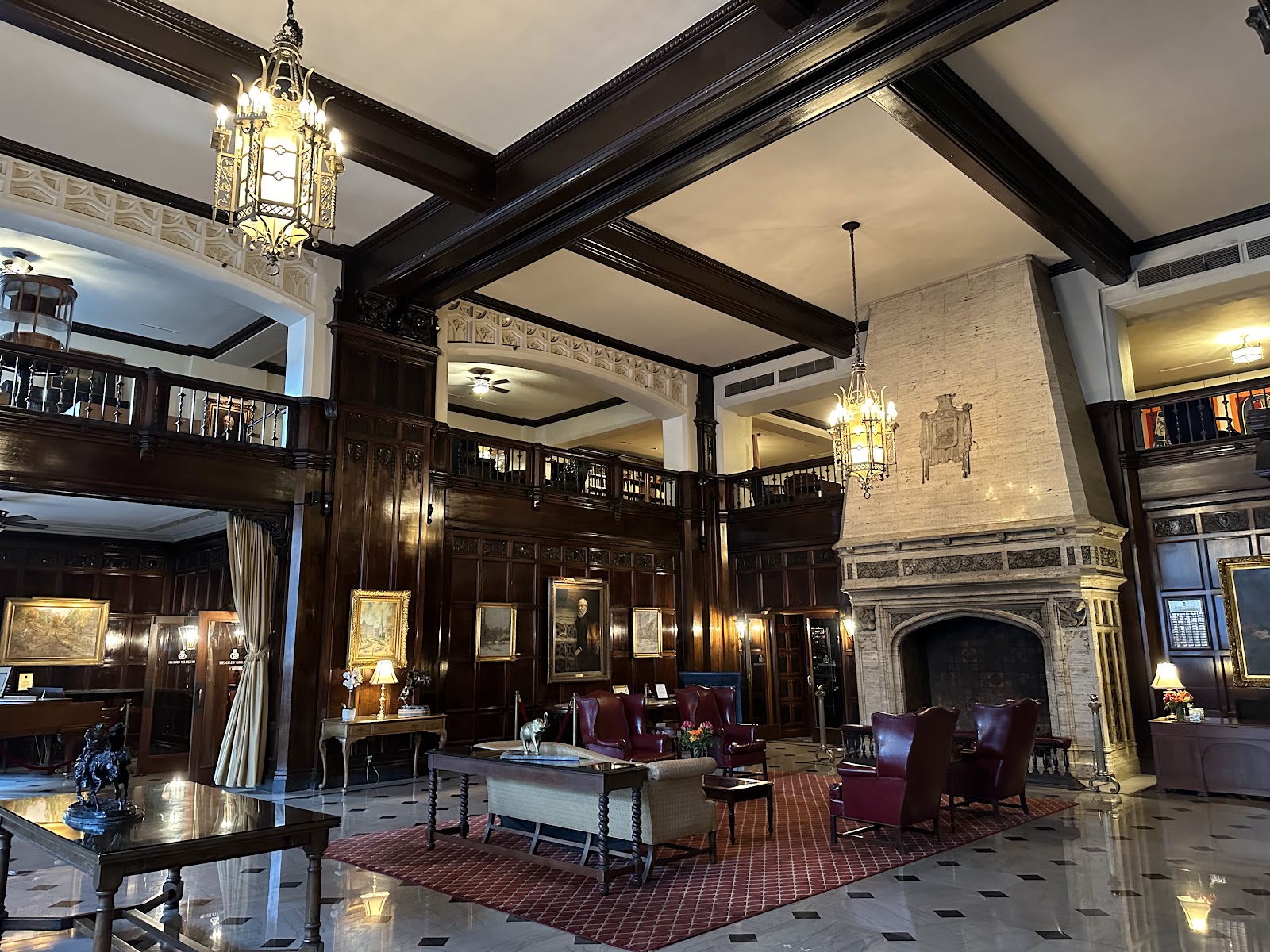
Club interiors are dark wood, deep colour and low light on purpose. That is three problems and one considerable gift.
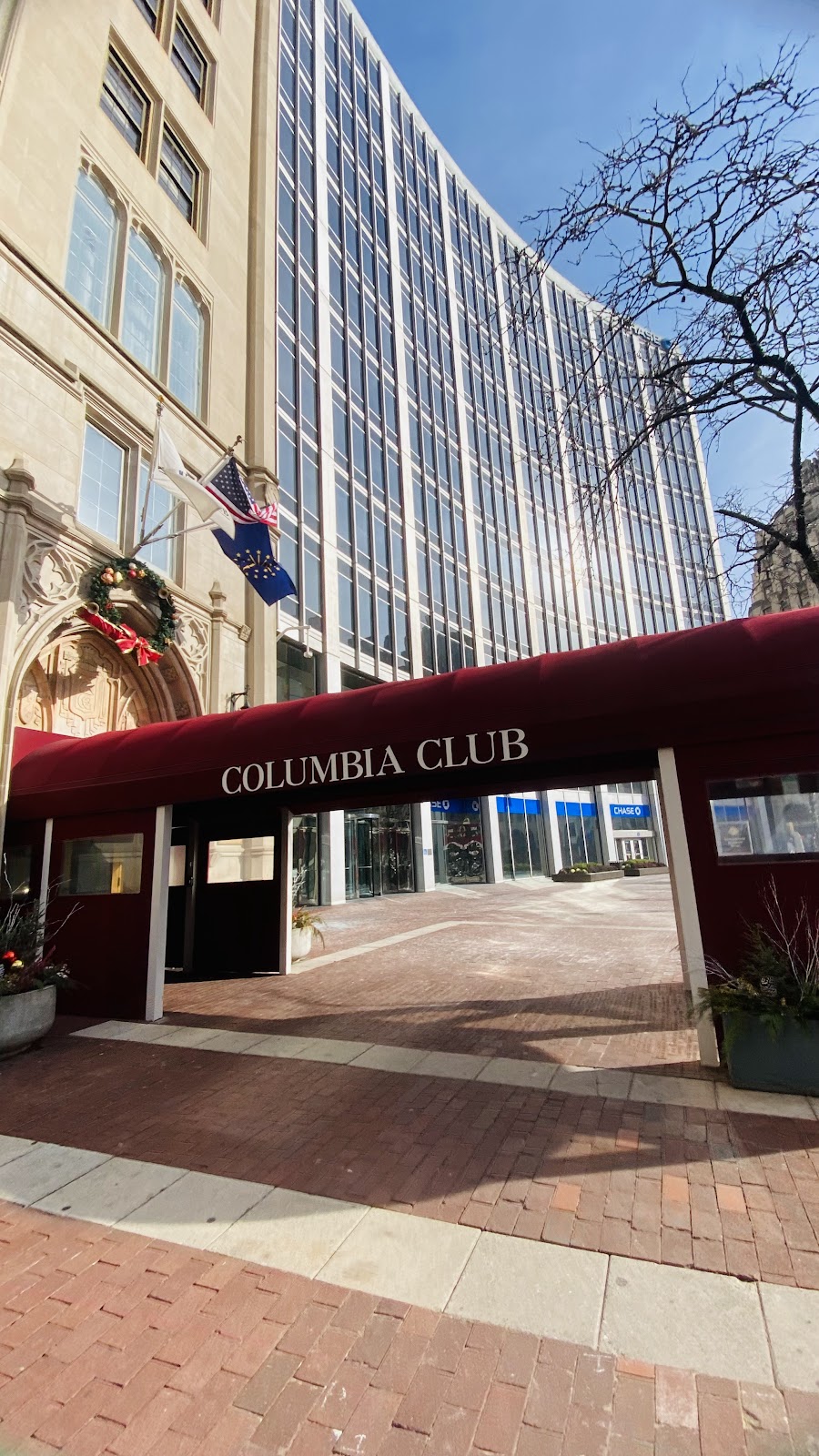
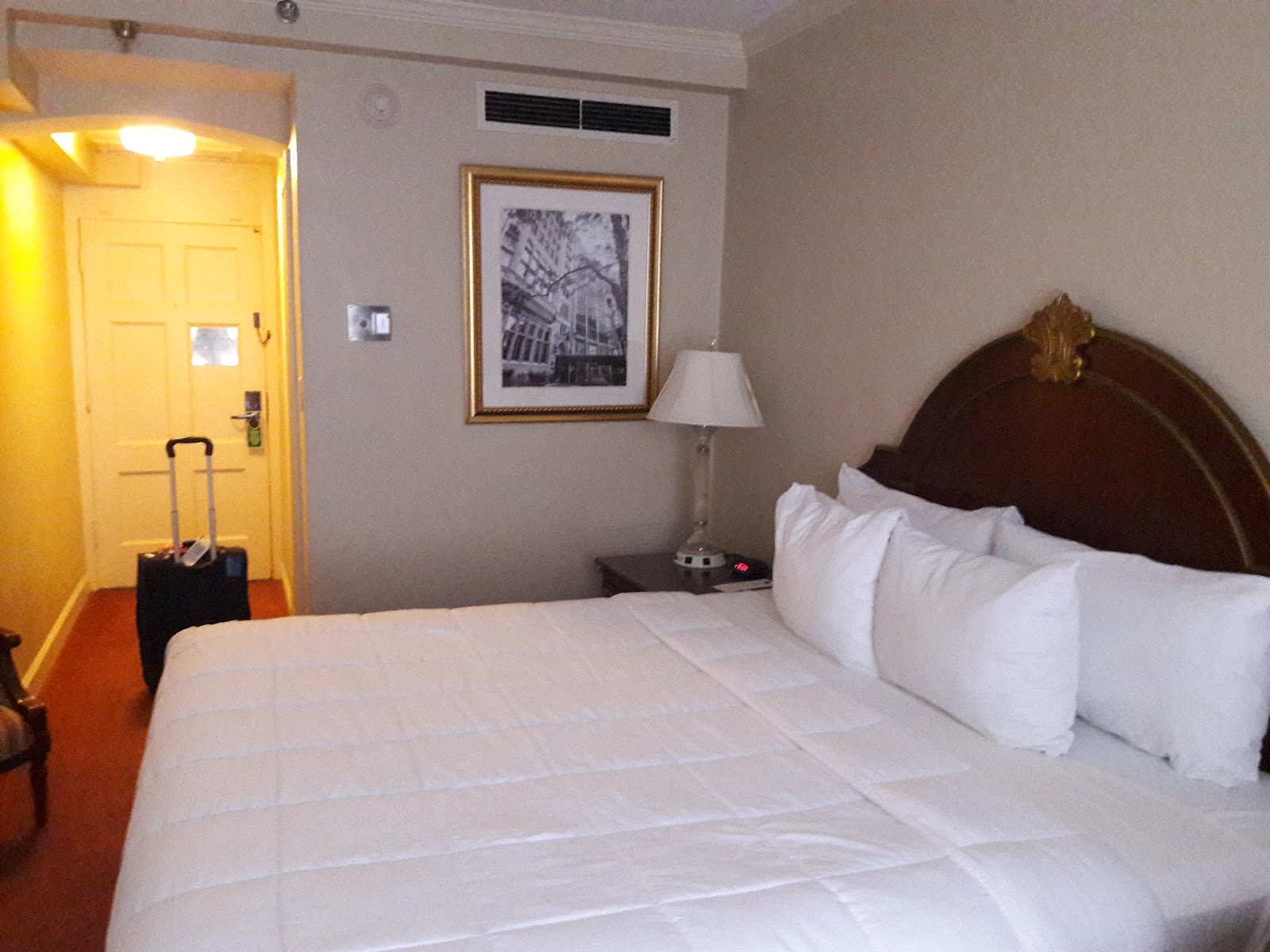
The Columbia Club occupies a tall early-twentieth-century building on Monument Circle in downtown Indianapolis, a private club whose interiors run to the register that clubs of that period share: dark panelling, deep colours, heavy joinery, patterned carpet and a main ballroom with older detailing.
Private clubs photograph unlike hotels even when the two look superficially similar, and the differences are worth knowing before arriving. They are darker, because panelling absorbs light rather than returning it and the lighting was designed for comfort rather than visibility. They are more vertical, because club buildings sit on small city plots and stack their rooms over many floors. And they are more restricted, because they are private premises with members present and rules that a function venue does not have.
These are field notes on each of those, and on what the register gives in return. We have not photographed a wedding at the Columbia Club; panelled club interiors behave the same wherever they were built. Which rooms are allocated, what the club’s photography and access rules are, and whether members’ areas are off limits, are questions for their events team — and the last one shapes the day.
The Columbia Club at a glance
| Where | Monument Circle, downtown Indianapolis, Indiana |
| Character | Early-1900s private club — panelling, deep colour, heavy joinery |
| Problem one | Dark wood absorbs light, so bounce flash barely works |
| Problem two | A tall building on a small plot; every move is a lift journey |
| Problem three | Private premises with members present and real access limits |
Problem one: panelling absorbs, so bounce stops working
Every pale-walled room a photographer has ever worked in has been helping quietly: light bounces off the walls and ceiling, fills shadow, wraps faces and raises the whole ambient for free. Dark-stained panelling does the opposite. It absorbs the light that lands on it, so the ambient is low, the fall-off from any source is steep, and a flash aimed at a timber ceiling returns almost nothing.
The correction is to light directly rather than by bounce — a modifier you brought, pointed where you want light, because the room will not distribute it for you. And to place people near windows where they exist, because in a room with steep fall-off a metre of position is worth more than a stop of ISO.
Colour is the second half. Warm-stained wood reflects strongly orange, so what little does bounce arrives carrying that cast, and mixed with tungsten fixtures and a cool window it is three sources that no single white balance serves. Decide which one owns the faces — usually your own light or the window — set for that, and let warm wood read as warm wood, which is how it looks to the eye anyway.
The gift in exchange is real and worth stating: the frames are deep, warm and enveloping in a way no pale modern room can produce, and because the ambient is so low, a single well-placed light has enormous relative effect. A modest kit goes a long way in a club interior, which is the opposite of what people expect.
Problem two: the building is vertical
Clubs of this generation were built on small downtown plots and stacked their functions: dining on one floor, a ballroom on another, guest rooms above, lounges below. That means moving between spaces is a lift journey rather than a walk, and a lift journey in an occupied building is the wait, the ride and the reassembly at the other end.
It scales badly with people and with equipment. A wedding party of twenty needs several lift loads with waits between, and a lighting kit cannot share a passenger car politely at a busy hour. What reads as a two-minute transition on a schedule is routinely fifteen, and the time comes out of the coverage.
Two responses cover most of it. Group everything that happens on a floor into one continuous pass rather than planning a return — going back for a forgotten item costs the full fifteen minutes. And ask whether a service lift can be made available, which is the highest-return question at any vertical venue and one almost nobody asks.
It also produces a subtler failure: people get separated. Half a wedding party arriving before the other half means the moment you were there to photograph happens to some of them while the rest are still downstairs. Vertical venues lose moments, not just minutes.
- Light directly; bounce off dark panelling returns almost nothing
- Place people near windows — a metre of position beats a stop of ISO
- Decide which source owns the faces and let the wood stay warm
- Group each floor into one pass; never plan a return trip
- Ask for a service lift, and confirm which areas are members-only
Problem three: it is somebody's club, and the gift that comes with it
A private club is not a function venue with rules attached; it is premises belonging to a membership, in use by that membership, which happens to host events. That has practical consequences worth establishing in advance rather than negotiating in the moment: which rooms and corridors a wedding may use, whether members’ lounges and dining rooms are off limits, whether photography is permitted in circulation areas, and whether lighting stands may be placed in shared spaces at all.
Those answers shape the plan directly. If the grand stair is in a members’ area, it is not available regardless of how good it looks. If light stands are not permitted in the lobby, the frame there has to work handheld in ninety seconds. Knowing this before the day is the difference between a smooth afternoon and an awkward one, and clubs generally answer clearly when asked.
Discretion is also part of the job here in a way it is not at a hotel. Members using their club have not agreed to appear in a wedding gallery, so frames in shared areas need composing to exclude them, and a photographer moving quietly through a club rather than treating it as a set is doing the work properly.
The gift is that a club interior is genuinely distinctive. Panelling, old joinery, worn leather, brass, patterned carpet and period ballroom detail give frames character without any styling at all — the opposite of a modern function room, where the photographer has to supply every scrap of interest. A gallery shot in a club has a warmth and specificity that is very hard to manufacture.
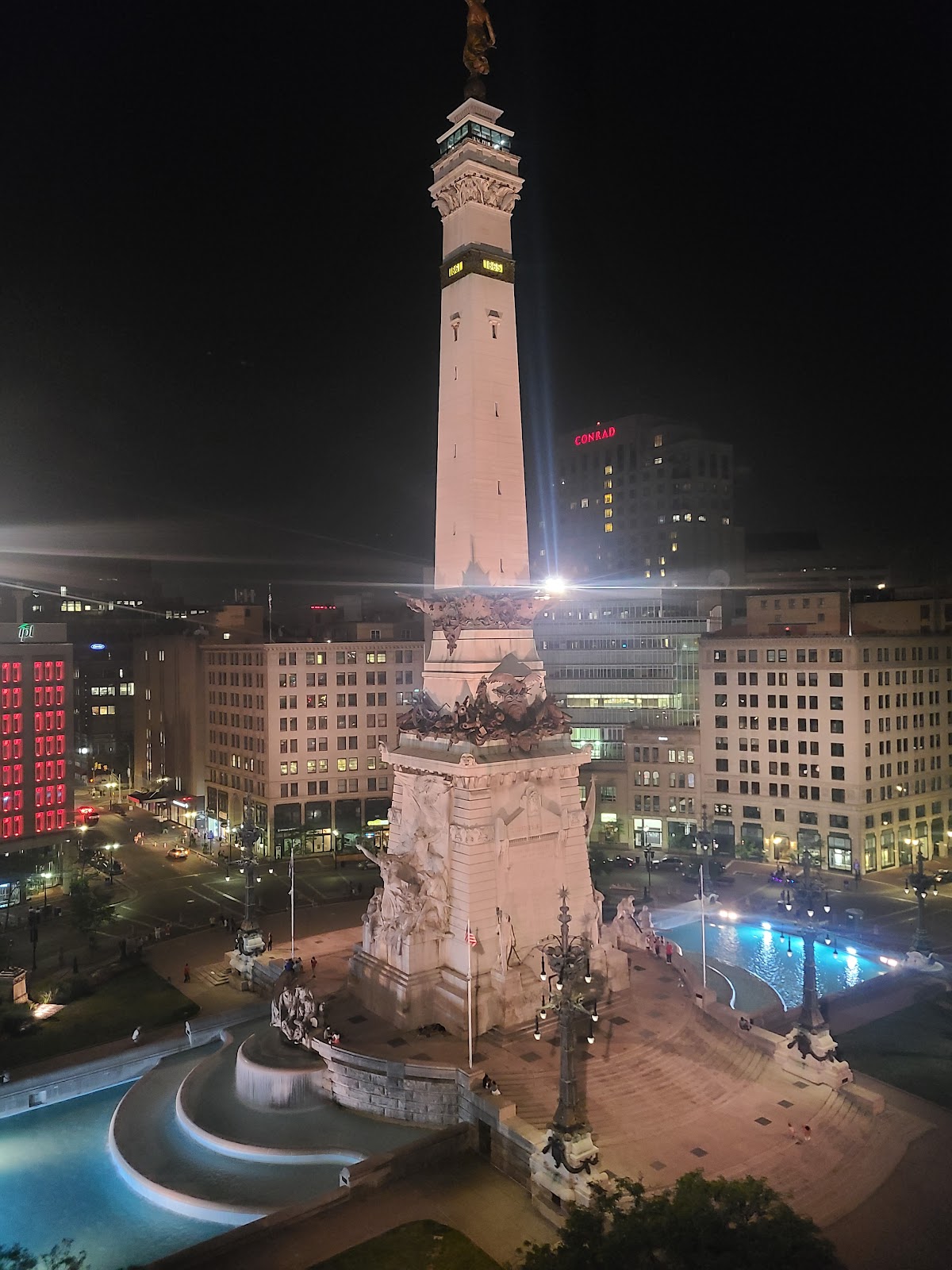
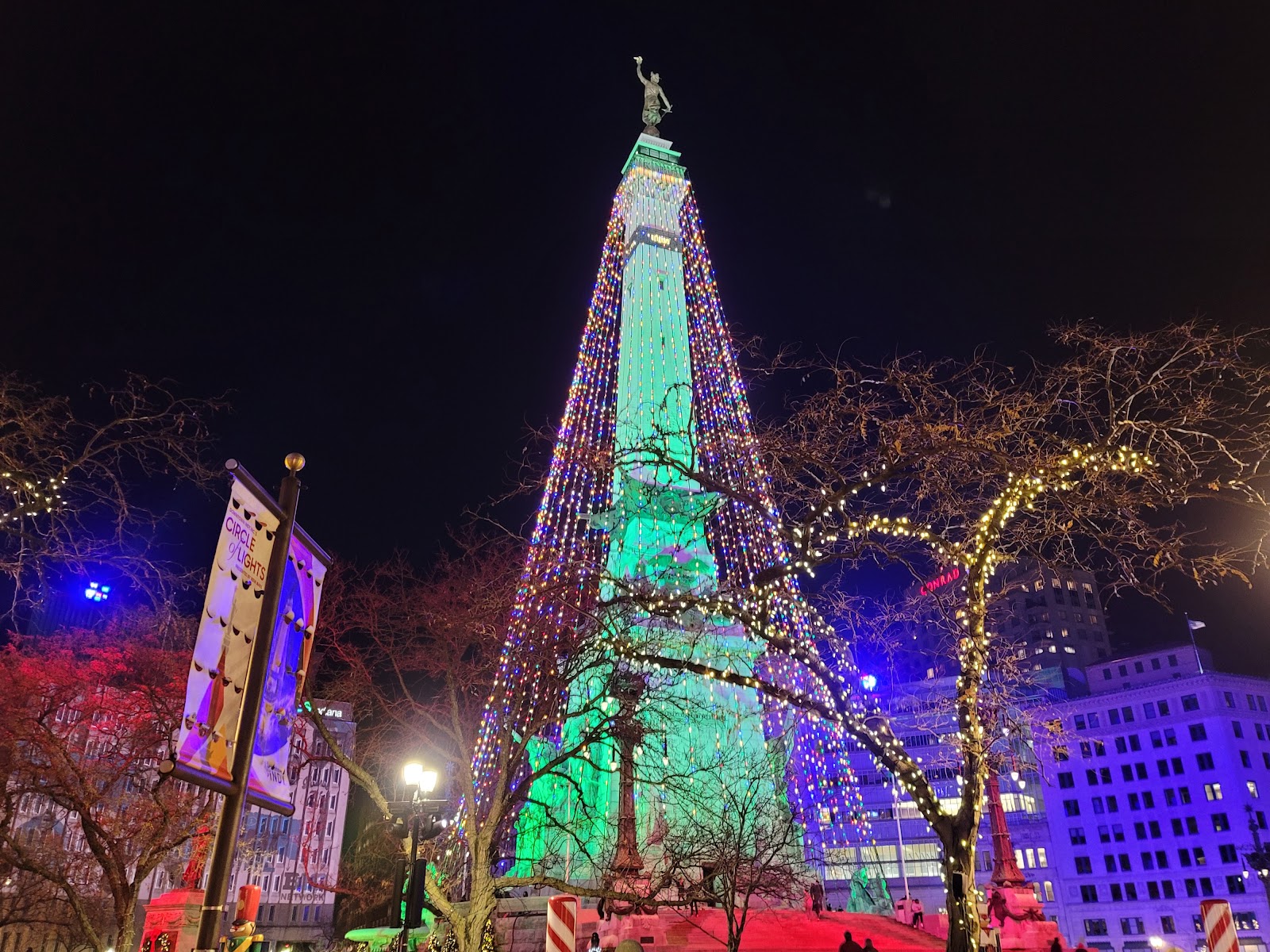
Outside, Monument Circle is immediately there: a circular plaza with a monument at its centre and streets radiating off it, which is strong architectural material within a minute of the door. It is entirely public, so long lenses, tight framing and the hours at either end of the day. And because the building is tall, the street below is in shadow for much of the day while upper-floor windows get clean unobstructed light — which is another argument for doing portraits upstairs and establishing frames downstairs.
What works in your favour
- Panelling, brass and old joinery give character with no styling
- Very low ambient means one light has enormous relative effect
- Upper-floor windows get clean unobstructed directional daylight
- Monument Circle immediately outside for architecture
- Period ballroom detail that a modern function room cannot imitate
What to plan around
- Dark panelling absorbs light and defeats bounce flash
- Three mixed sources — wood bounce, tungsten, cool window
- A vertical building, so every transition is a lift journey
- Private premises: members present, and real access restrictions
- Street level is in the building’s shadow for much of the day
More frames from The Columbia Club
The Columbia Club wedding photography: common questions
Why does my flash underperform in a club interior?
Because you are bouncing it off dark panelling, which absorbs light instead of returning it. A flash aimed at a timber ceiling sends almost nothing back. Light directly, with your own modifier pointed where you want light.
Is a club darker than a hotel?
Considerably, and deliberately. Panelling absorbs, deep colours absorb, and the lighting was designed for comfort rather than visibility. The compensation is that a single well-placed light has enormous relative effect, so a modest kit goes a long way.
How do you handle the mixed colour?
Pick which source owns the faces — usually your own light or a window — set white balance for that, and let warm wood read as warm wood. Wood bounce, tungsten fixtures and a cool window are three sources that no single balance serves.
What should be established before the day?
Access. Which rooms and corridors a wedding may use, whether members’ areas are off limits, whether photography is allowed in circulation spaces, and whether light stands may be placed at all. A grand stair in a members’ area is not available however good it looks.
Why does the vertical layout matter?
Because every transition is a lift journey — the wait, the ride and the reassembly — and it scales badly. A party of twenty needs several loads. A two-minute transition on paper is routinely fifteen, and it can separate people so a moment happens to half of them.
Where is the best light in the building?
Upper-floor windows. A tall building on a narrow street means street level is shadowed for much of the day while the upper floors get clean unobstructed light — which is an argument for doing portraits upstairs and establishing frames downstairs.
More Indianapolis, IN venue guides
We are writing a photographer’s guide to every venue we would happily shoot in Indianapolis, IN. Here are three more, plus the full index:
- The Eiteljorg Museum: One Decision About Which Way You Face
- The Hilbert Circle Theatre: Photographing a 1916 Movie Palace
- The Indiana Roof Ballroom: How to Photograph an Atmospheric Ceiling
All Indianapolis, IN Wedding Venues →
Planning a wedding at The Columbia Club?
Clubs are dark, vertical and private, and all three are plannable. Tell us your date and we will confirm access before anything else.