 The Hotel St. Francis: A Walk-Through of Santa Fe’s Oldest Hotel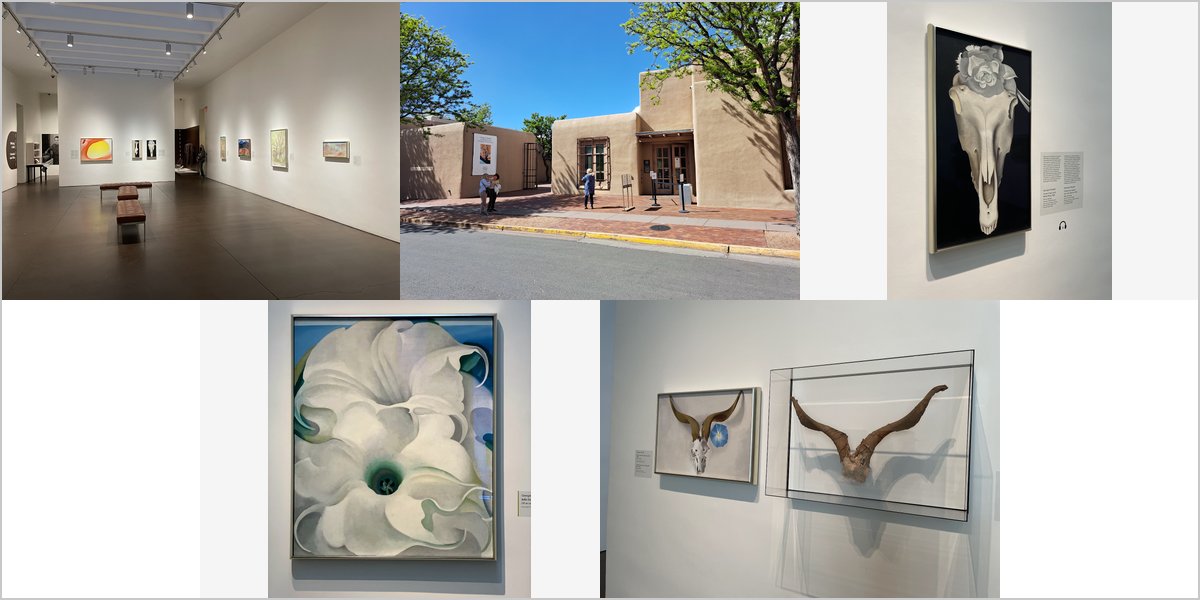
May 13, 2026
The Georgia O’Keeffe Museum: Who This Venue Suits
A small museum with a great collection and very little room. It suits a particular kind of wedding extremely well and most others not at all.
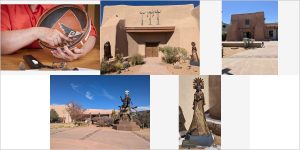
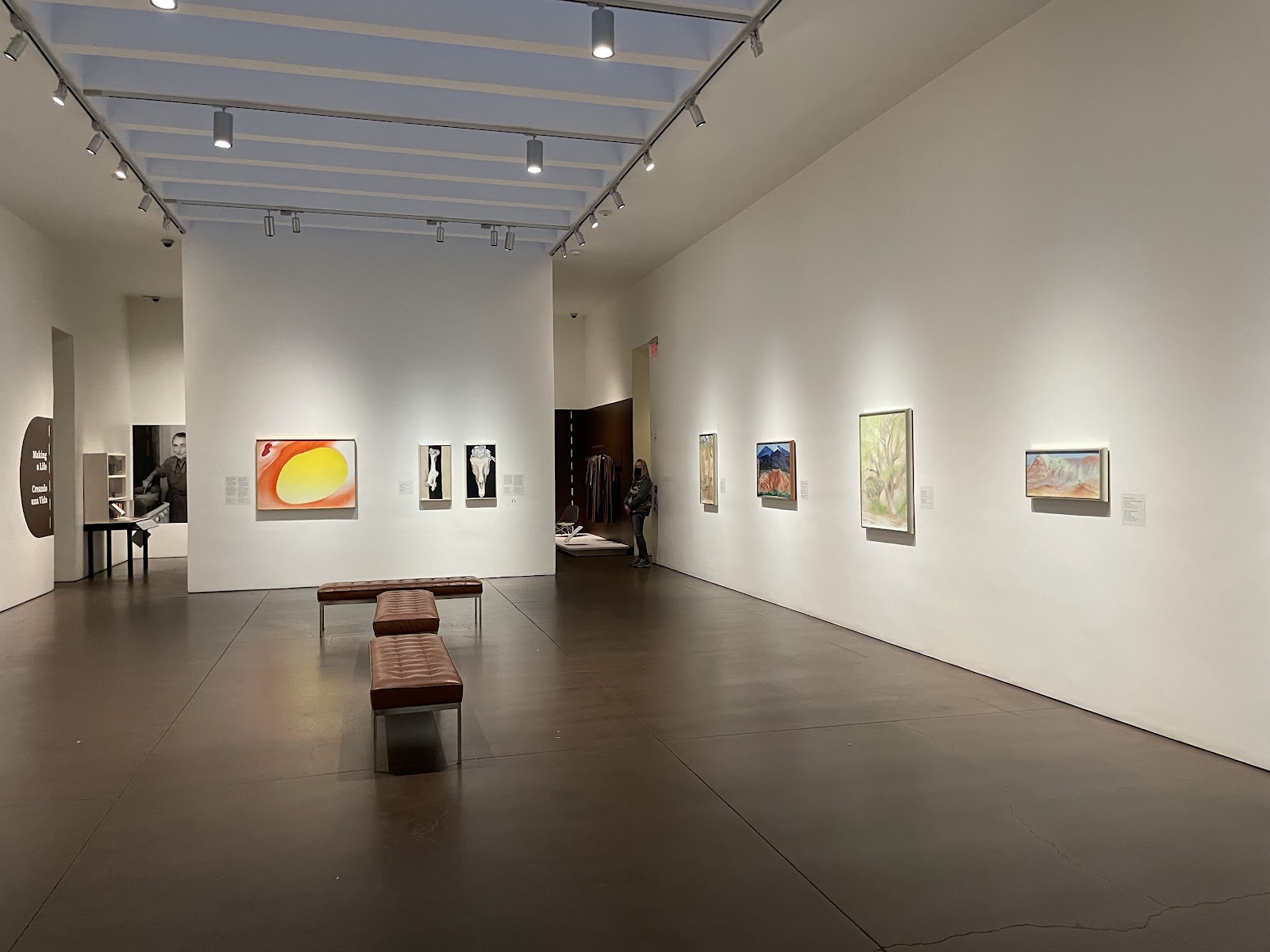
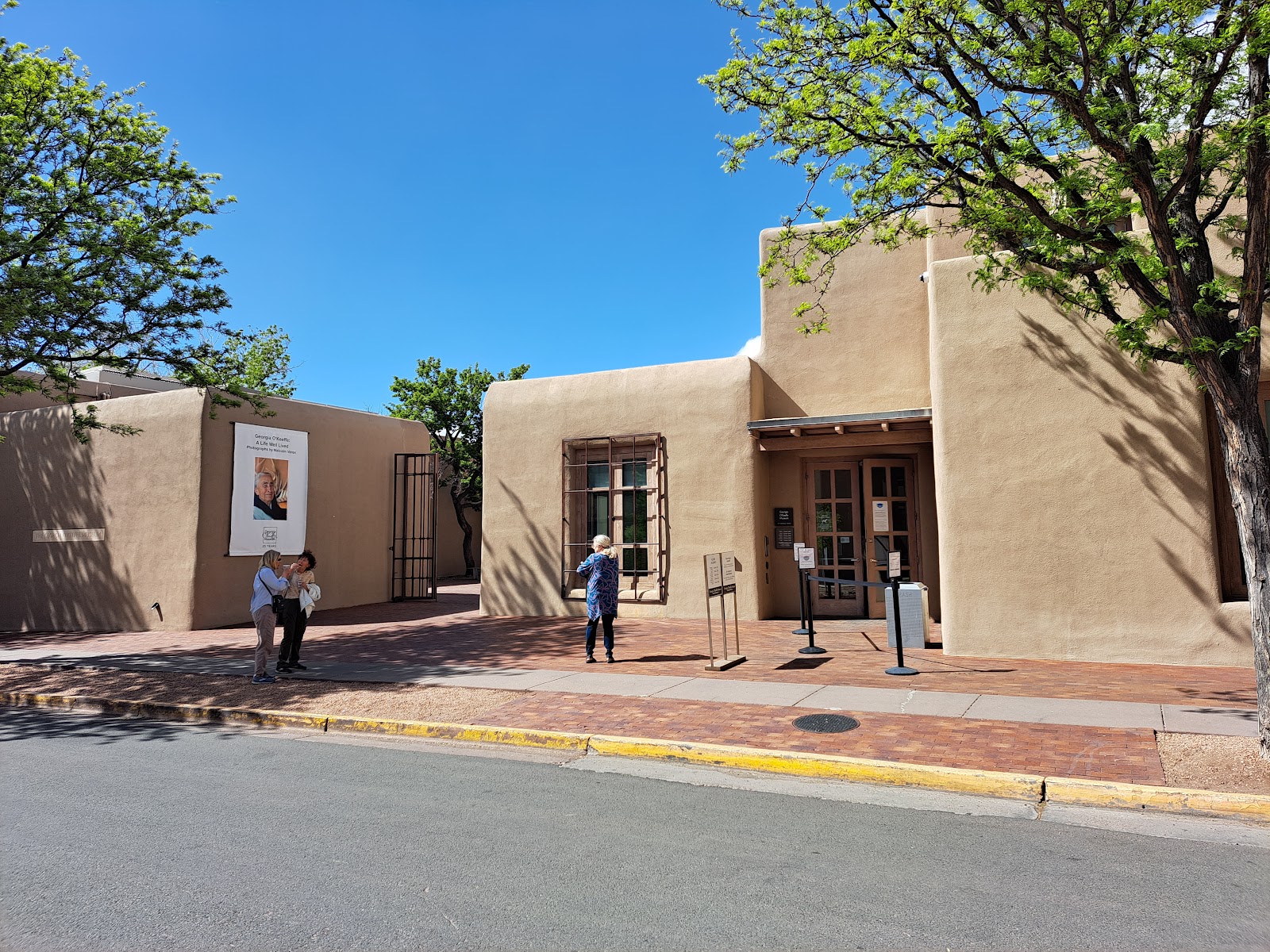
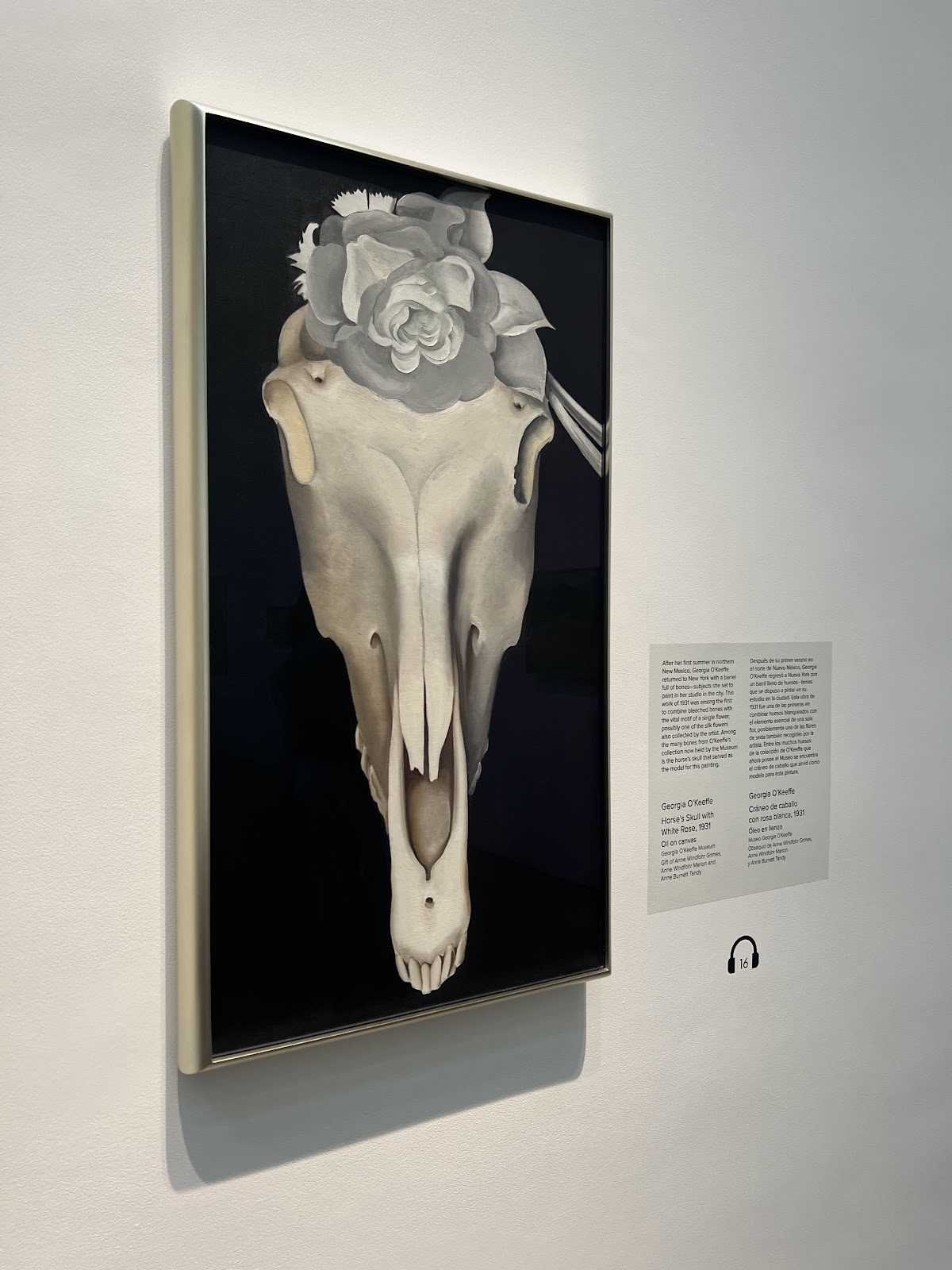
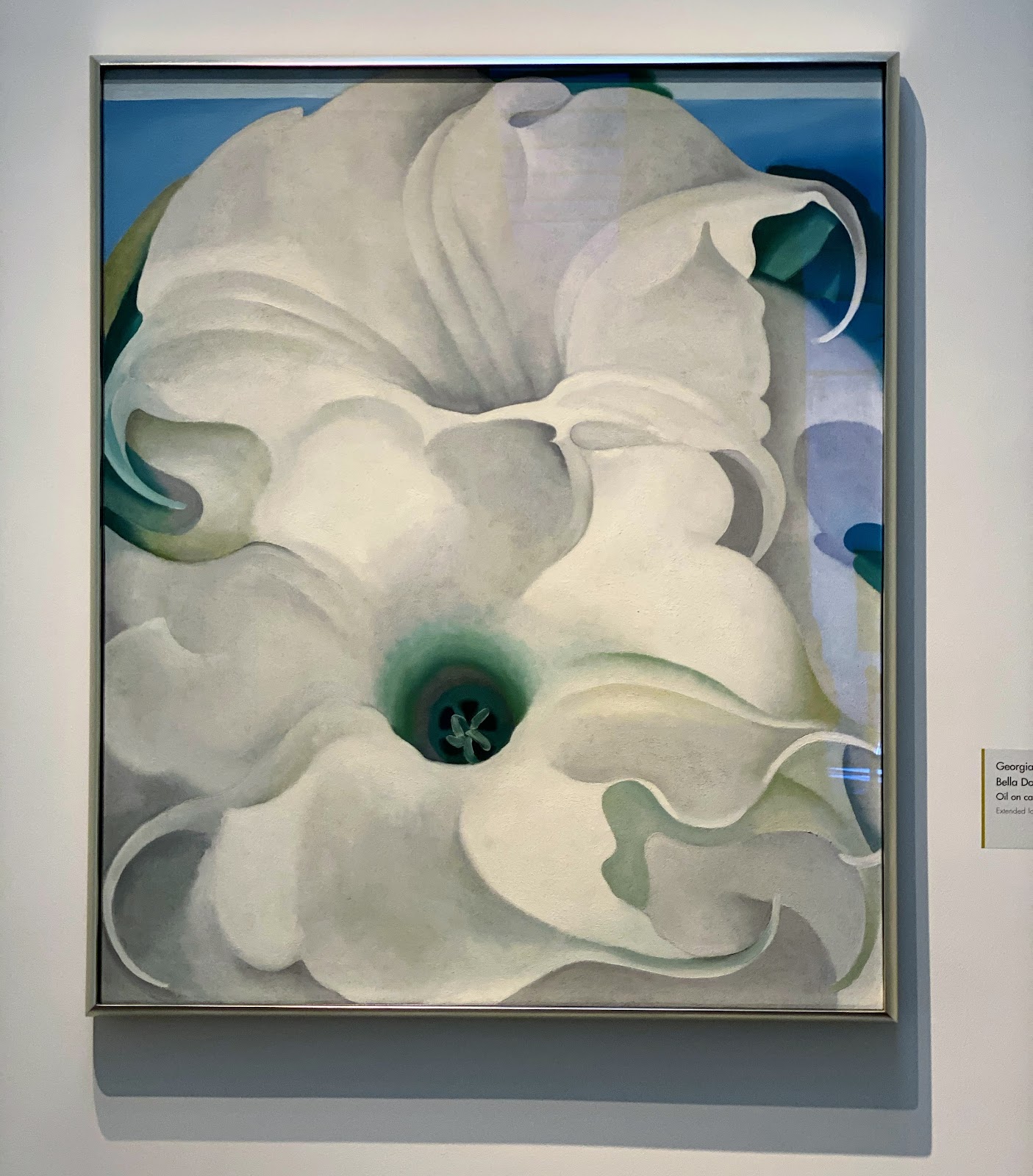
The Georgia O’Keeffe Museum opened in 1997 in downtown Santa Fe, occupying adobe-form buildings a short walk from the Plaza, and holds the largest collection of O’Keeffe’s work anywhere. The galleries are intimate in scale, with a small courtyard, and the architecture follows the Santa Fe idiom of thick walls and deep window reveals.
Photographically the question here is scale rather than technique. This is a small museum, not a grand institution — the galleries are modest, the circulation is tight, and there is no large volume anywhere. That produces intimate, close photographs and rules out almost everything else.
So this is a fit assessment. We have not photographed a wedding at the O’Keeffe Museum. Gallery lighting and adobe architecture behave predictably; capacity, which spaces are included and the museum’s flash and access rules are entirely for their events team, and at a museum with a collection of this value expect them to be firm.
Georgia O'Keeffe Museum at a glance
| Where | Johnson Street, downtown Santa Fe, a short walk from the Plaza |
| Opened | 1997; holds the largest collection of Georgia O’Keeffe’s work |
| Character | Intimate adobe-form galleries with a small courtyard |
| Light | Gallery lighting, dim and pooled; deep reveals where there are windows |
| Assume | Firm conservation rules: no flash near works, limited access, capped numbers |
What a small museum actually gives you
Intimacy, and a specific kind of prestige. A wedding at a museum devoted to one of the most significant American artists of the twentieth century carries meaning that a hotel cannot, and for couples who care about that it is the whole point.
It also gives you close photographs. Small galleries put the camera near the subject, which produces faces, hands, reaction and detail rather than wide establishing frames. That is a stylistic commitment and it happens to suit the setting — a gallery of intimate paintings and a set of intimate photographs agree with each other.
What it does not give you is scale, grandeur, or room for a group. There is no atrium, no staircase of consequence, no large volume. If any of those matter to you, this is the wrong building and the honest answer is to look elsewhere.
It is worth adding that a venue like this changes what the photographs are about. At a hotel the building is a container and the day is the subject. At a museum devoted to a single artist, the place itself carries meaning, and the frames that end up mattering are often the quiet ones — a hand on a doorway, two people standing in a gallery with nobody else in it, the particular quality of light through a thick wall. Couples who book here for the collection rather than for the room tend to be the ones who are happiest with the results.
Who this venue suits
Four kinds of couple, and the fit is narrow.
- Very small weddings and elopements. Ten to forty people. The galleries are modest and the museum’s capacity will reflect that.
- Couples for whom O’Keeffe means something. If the collection is the reason you want to be there, the photographs will carry that and the venue is unmatched for it.
- Anyone whose reference images are close and quiet. This building produces intimate documentary work, not grand portraiture.
- Couples treating it as a ceremony-and-portraits venue. Marry there, photograph there, celebrate elsewhere. That structure plays to every strength.
Who should look elsewhere
Being direct, because a small museum with firm rules is an expensive place to discover a mismatch.
- Anyone with more than about forty guests. The galleries will not take it and crowded gallery space photographs badly.
- Couples wanting a reception here. Treat it as ceremony and portraits; plan the celebration at a hotel or restaurant.
- Anyone who needs to light the space. Assume no flash near works. That is not negotiable and it shapes everything.
- Couples wanting the artwork prominently in frame. Even where photography is permitted, works are lit for conservation and viewing, and a painting behind a couple competes rather than complements. One considered frame at most.
Making it work, and Santa Fe outside
The method is to accept the constraints and work with what the building does well. Gallery lighting is dim and pooled, so place people at the edge of a light pool where it rakes across their faces rather than directly beneath a fixture — the same discipline as any museum. Fast primes wide open, ISO accepted in advance, white balance set manually because gallery fixtures are warm and rarely match each other.
Where there are windows, the deep adobe reveals are the best light in the building: light entering a thick wall is shaped by the reveal and falls off fast, giving contained directional illumination for free. Find those and use them.
The courtyard, if included, is the one place with daylight and the only sensible spot for even a small group. Adobe walls bounce warm light inward and shelter it from wind, which in Santa Fe is the characteristic good light.
Then go outside, and here the location is excellent. Downtown Santa Fe’s adobe streets are a few minutes’ walk, the Plaza is close, and the whole historic centre photographs superbly in raking late light — thick warm walls, deep shadows, carved doors. Budget twenty minutes for it, because it is where the full-length portraits and the wider frames will happen.
One scheduling point specific to a museum this size: the access window will be short and the building will not absorb a slipping timeline. There is no second room to move to while something is reset, and no corridor to wait in comfortably. That makes punctuality unusually consequential here, and it makes a first look before the ceremony a genuinely good idea — it front-loads the portraits into a period you control rather than one dictated by how long the drinks take.
What works in your favour
- Genuine cultural meaning for couples who care about O’Keeffe’s work
- Intimate galleries produce close, quiet, documentary photographs
- Deep adobe window reveals give contained directional light for free
- A courtyard with warm adobe bounce, sheltered from wind
- Downtown Santa Fe’s adobe streets and the Plaza a few minutes away
What to plan around
- Very limited capacity — realistically under forty guests
- No scale, grandeur, atrium or staircase; no room for a group indoors
- Assume no flash near works, which rules out lit setups in the galleries
- Gallery lighting is dim and pooled, hostile to faces without careful placement
- Not a reception venue; the celebration happens elsewhere
More frames from Georgia O'Keeffe Museum
Georgia O'Keeffe Museum wedding photography: common questions
How many guests does this venue suit?
Realistically ten to forty. The galleries are intimate in scale and the museum’s capacity will reflect that. Above roughly forty the space cannot flatter the day, and crowded gallery rooms photograph badly — strangers in frames and no clean backgrounds.
Can we use flash in the galleries?
Assume not. A museum holding the largest collection of O’Keeffe’s work will restrict flash near the paintings, and that is neither negotiable nor unreasonable. Plan a natural-light approach: fast primes wide open, high ISO, and careful placement at the edge of light pools.
Will the artwork appear in our photographs?
Perhaps in one considered frame, if permitted. Works are lit for conservation and viewing rather than as backdrops, and a painting behind a couple competes with them rather than complementing. The stronger frames here are the architecture and the intimate moments, not the collection.
Where is the best light inside?
Wherever there is a deep adobe window reveal. Light entering a thick wall is shaped by the reveal and falls off fast, which gives contained directional illumination without any equipment. That, plus the courtyard if it is included, is the good light in the building.
Should this be the whole wedding?
We would treat it as ceremony and portraits, with the celebration elsewhere. That plays to every strength the building has — meaning, intimacy, close photographs — and avoids its limits. Downtown Santa Fe is a few minutes away for the wider portraits and full-length frames.
Is punctuality more important here than elsewhere?
Yes. A small museum has a short access window and no spare rooms, so there is nowhere to absorb a delay and nowhere comfortable to wait while something is reset. A first look before the ceremony front-loads the portraits into a period you control, which at this venue is worth more than at a hotel with three lounges.
More Santa Fe venue guides
We are writing a photographer’s guide to every venue we would happily shoot in Santa Fe. Here are three more, plus the full index:
- The Hotel St. Francis: A Walk-Through of Santa Fe’s Oldest Hotel
- The Inn and Spa at Loretto: A Walk-Through of a Pueblo Revival Inn
- La Fonda on the Plaza: Reading High-Desert Light at 7,000 Feet
Planning a wedding at Georgia O'Keeffe Museum?
A small museum with a great collection is the right venue for a particular kind of wedding. Tell us your guest number and we will be straight with you about whether it fits — and plan the Santa Fe streets for everything it cannot do.