 The Henry Clay: Lighting a 1920s Lodge Building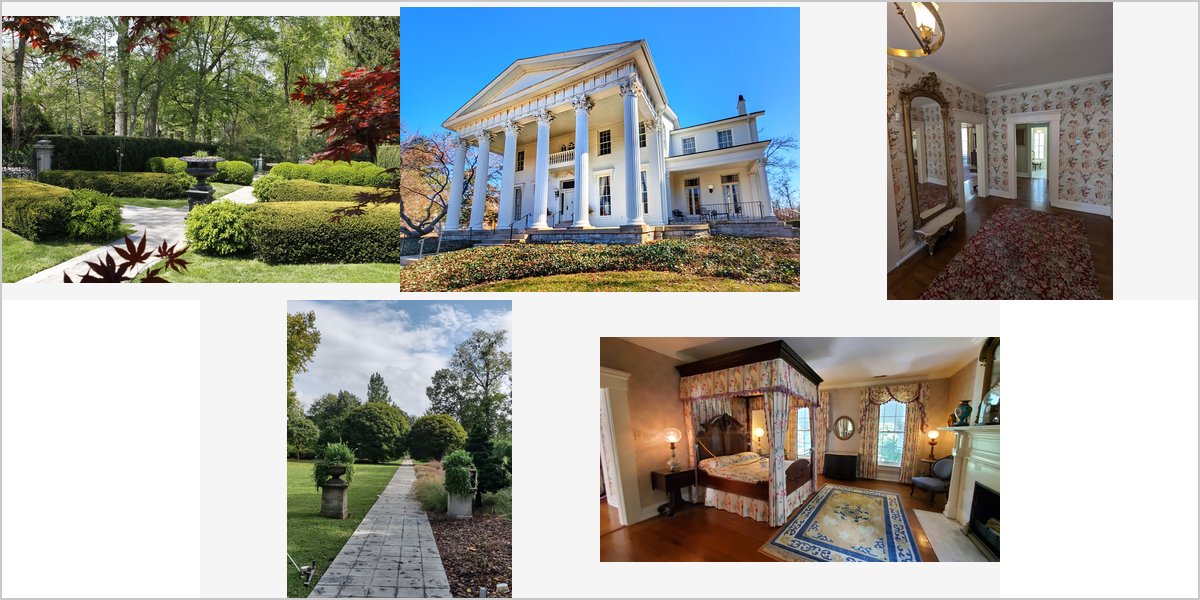
May 15, 2026
Whitehall: A Season-by-Season Photography Guide
White columns, formal gardens and mature trees. The building barely changes; the season changes everything about how it photographs.
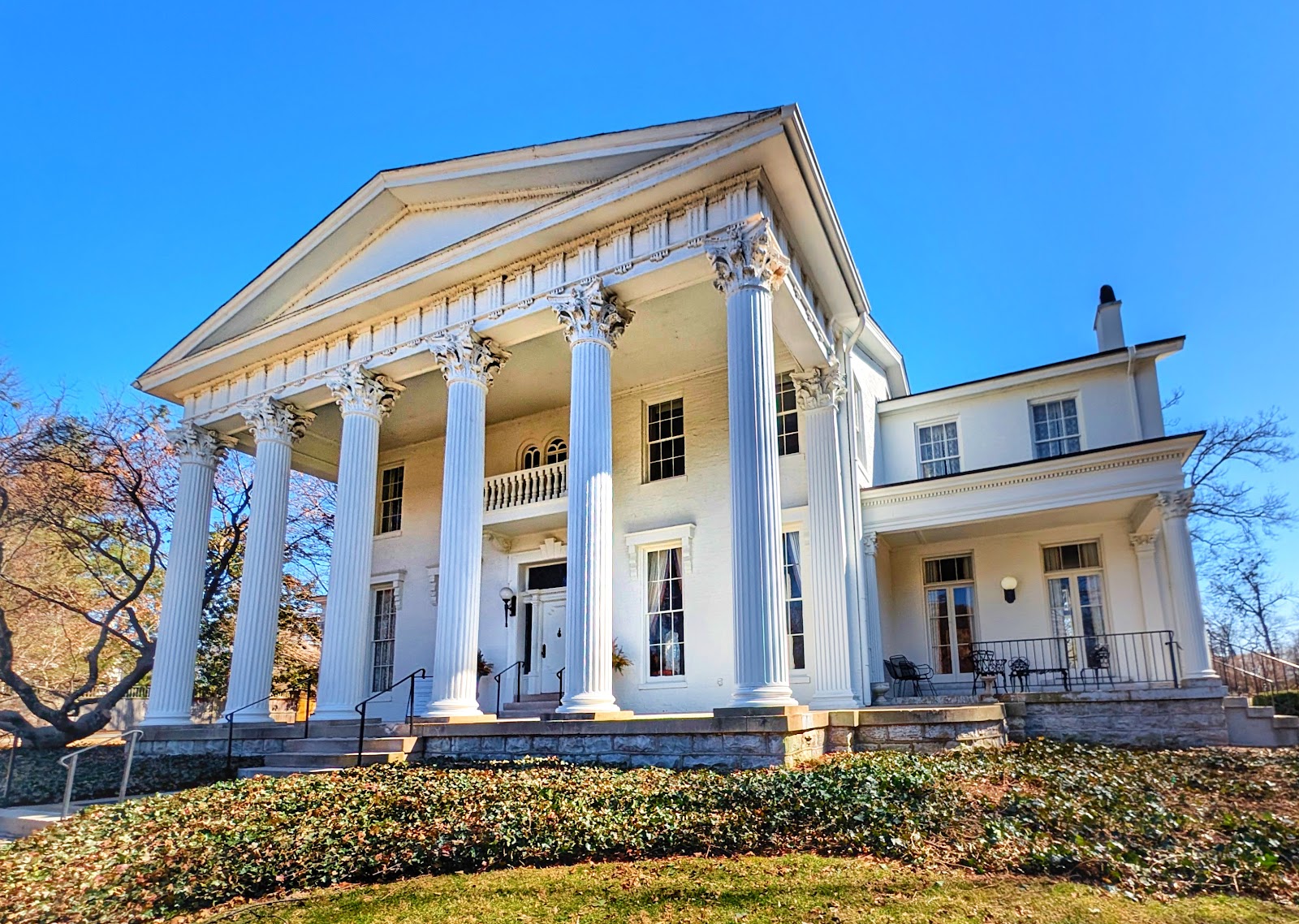
Whitehall is a nineteenth-century Louisville house that was remodelled in the early twentieth century into a Classical Revival mansion — white-painted, columned, symmetrical — set in formal gardens with mature trees in the Highlands area. It operates as a historic house with event use.
Photographically the defining feature is the colour of the building. A white or near-white facade behaves quite differently from brick or stone: it reflects a great deal of light, which means it acts as an enormous bounce surface for anyone standing near it, and it blows out easily if you expose for shaded faces. Both of those facts are useful once you know them.
Because the grounds carry much of the venue’s value, the season matters more than anything else. This guide is organised accordingly. We have not photographed a wedding at Whitehall; the behaviour of white facades, formal gardens and Ohio Valley seasons is predictable. What is bookable and what the house permits are for their team.
Whitehall Mansion at a glance
| Where | The Highlands, Louisville, Kentucky |
| Character | Classical Revival white-columned mansion with formal gardens and mature trees |
| Light | A white facade acts as a giant reflector; gardens give open shade and lawn |
| Seasonal swing | Spring planting and autumn colour are the peaks; summer midday is harsh |
| Plan around | Ohio Valley humidity, and a white building that blows out easily |
Spring: formal gardens at their best
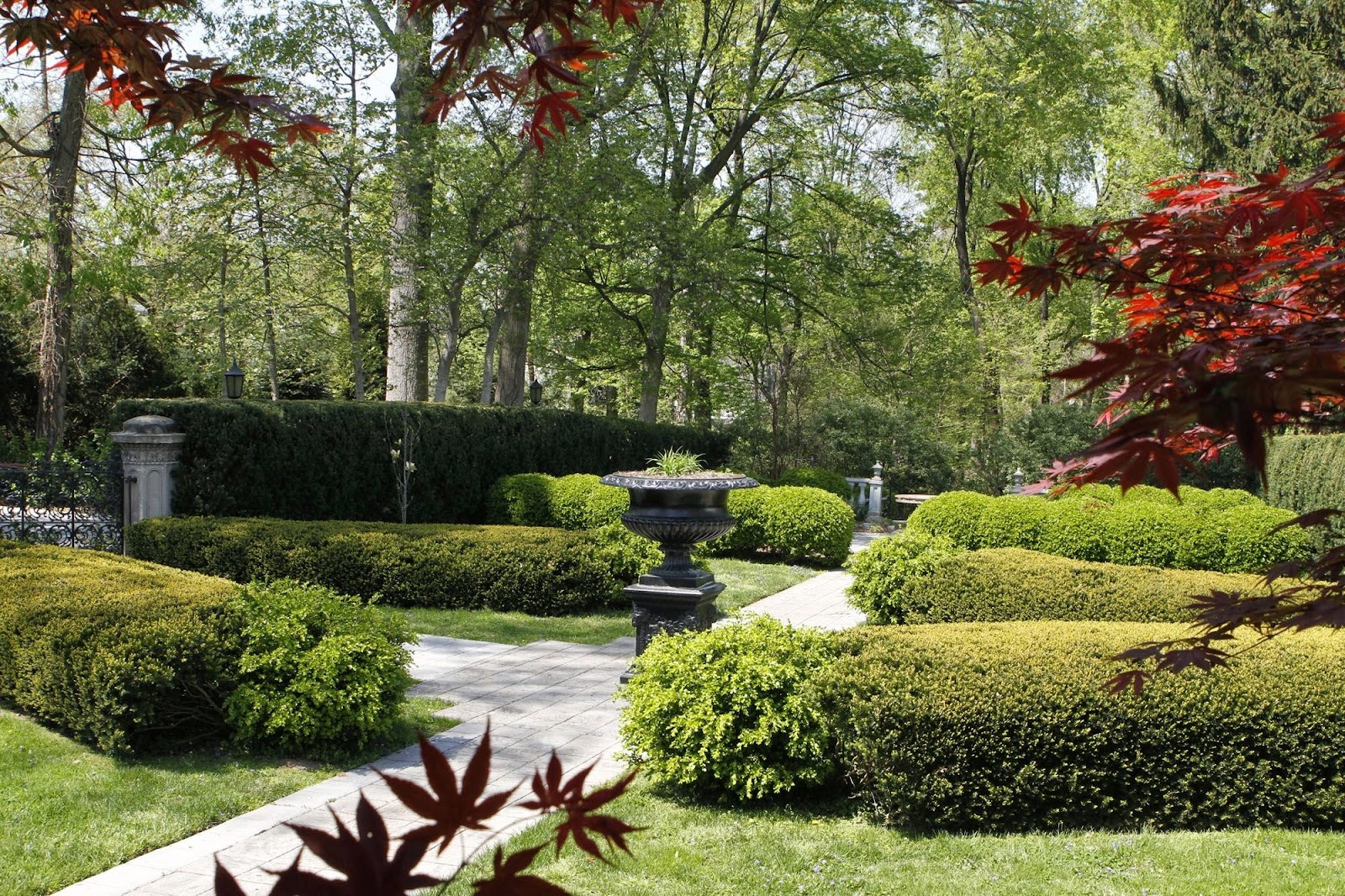
Formal gardens are designed to peak, and spring is when they do. Structured beds, flowering trees and fresh planting give you colour, pattern and depth in a way that later in the year they do not — by August a formal garden is green and tidy rather than spectacular.
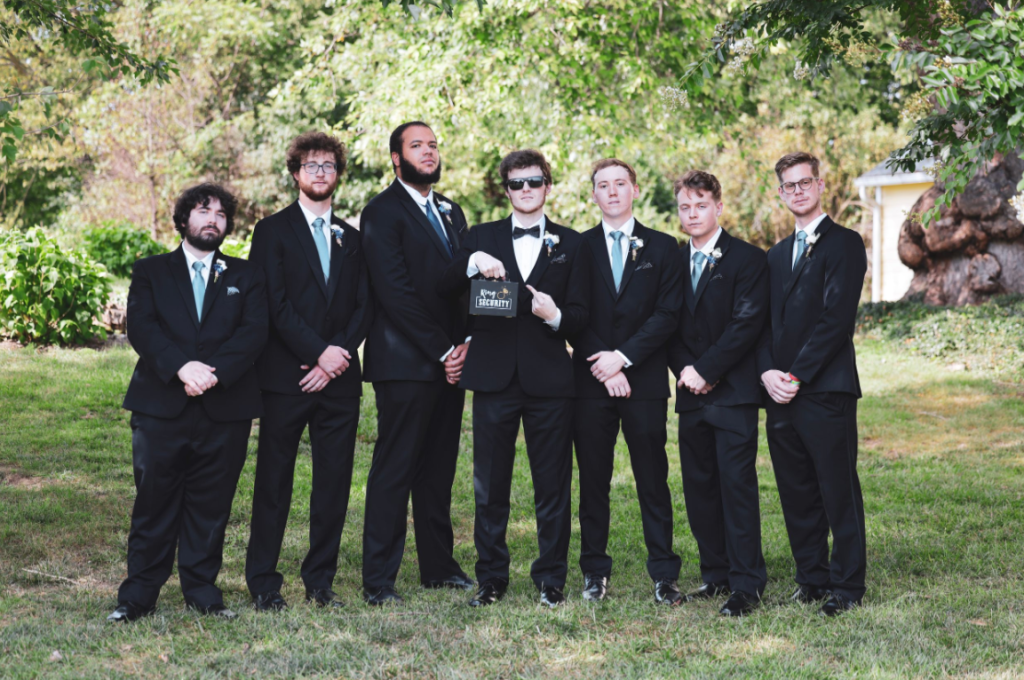
The light in April and May is also close to ideal: strong enough for long days, low enough not to be punishing, and the canopy of mature trees is only partly leafed so more of it reaches the ground. Portraits under partly leafed trees get dappling that is soft rather than harsh, which is the one brief period each year when dappled light is an asset.
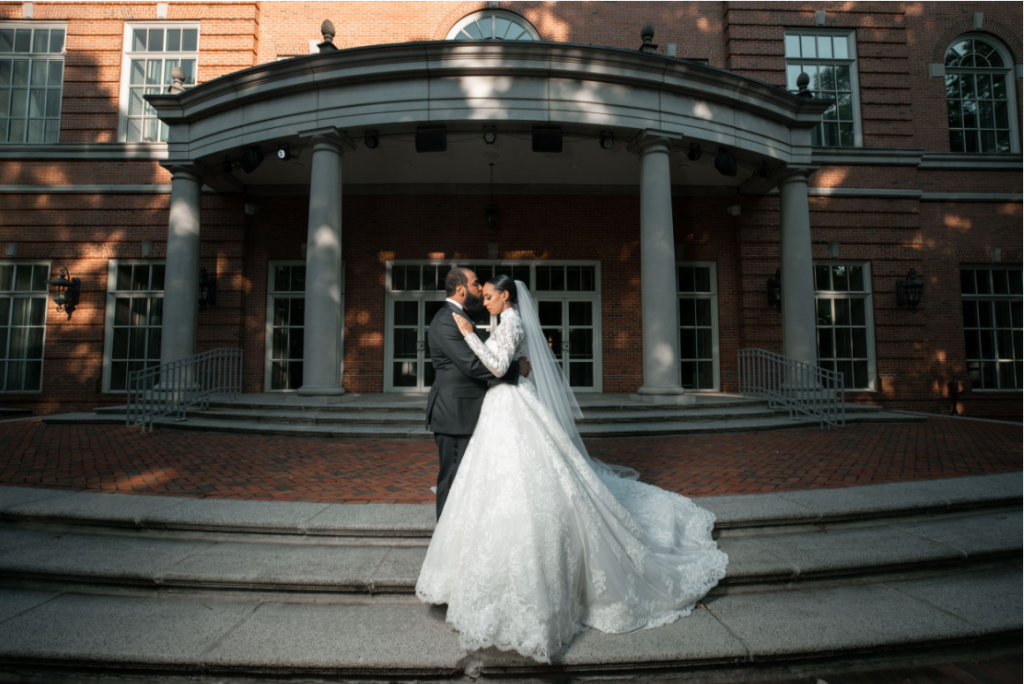
The white facade works particularly well in spring because the light is less intense. On a bright May afternoon you can place a couple in the shade of the portico and use the sunlit white wall opposite as a reflector, which gives soft directional fill from a direction no equipment would reach.
Summer: the white building becomes a problem
In a Kentucky July, high sun on a white facade is genuinely difficult. The wall reflects so much light that it sits several stops above a shaded face, which means you cannot hold both in one exposure. Photographs of a couple in the portico shade with the sunlit facade behind will either have a blown-out white wall or dark faces.
The workable answers are to avoid the combination or to manage it. Avoid it by placing people so the white wall is not in frame, or by working entirely in the garden shade. Manage it by adding light to faces to bring them within a few stops of the wall — which is exactly what a flash is for, and one of the few occasions where daytime flash outdoors is clearly the right call.
Humidity is the other summer factor. The Ohio Valley is humid, which affects comfort in formalwear, hazes distant backgrounds, and fogs a lens moving from an air-conditioned interior to the garden. Keep the outdoor blocks short, and let equipment acclimatise before it is needed.
Autumn: the best all-round season
Late October is the strongest window for this venue. Mature trees turn, the light stays low through most of the afternoon so the good window is hours rather than minutes wide, and the intensity has dropped enough that the white facade no longer fights you — it reflects warm low light gently instead of glaring.
Autumn colour against a white columned building is also a genuinely good pairing. Warm foliage tones read strongly against a neutral facade in a way they do not against brick, which competes. It is the combination that makes the venue look its best in photographs.
The constraint is daylight length. By late October the Louisville sunset is in the early evening and usable light on a treed site goes earlier still. Portraits need to happen before the ceremony or immediately after, not after dinner — by then there will be nothing left outside.
Winter: architecture without softness
With the trees bare, the venue becomes a study in architecture: white columns, symmetry, structure, and clean sightlines that the summer canopy hides. That is austere rather than romantic, and whether it works depends entirely on what you want. A symmetrical white portico against a grey winter sky is a strong graphic image; it is not a warm one.
Snow, if it comes, is the best thing that can happen here. A white building in snow with bare trees is coherent in a way it never is in summer, and snow reflects light upward into faces, which is unusually flattering. It also solves the exposure problem — with everything bright, nothing is fighting anything else.
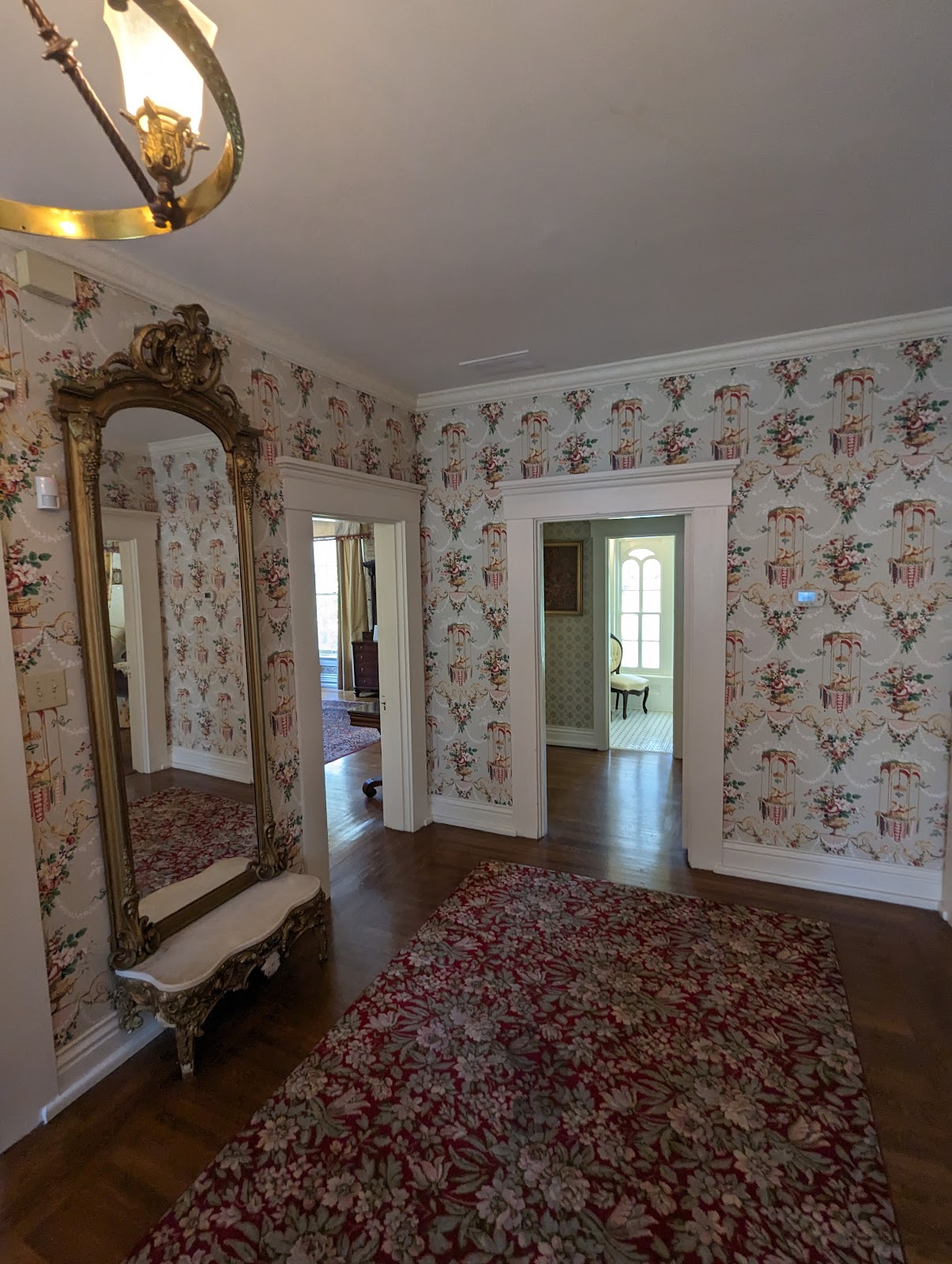
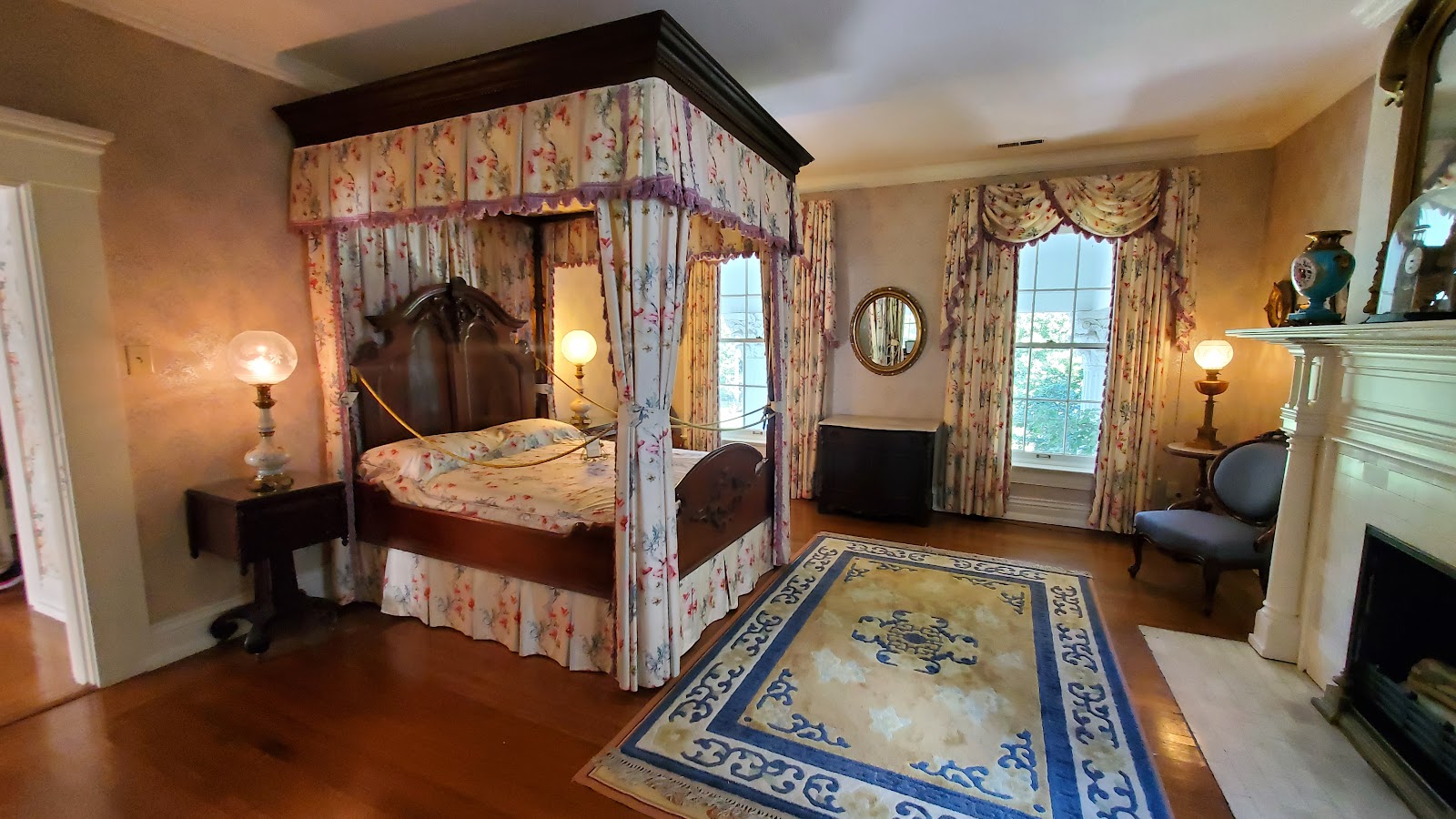
The practical warnings are the standard winter ones: short days, an early sunset, cold that limits outdoor time to a brief planned excursion, and the interior having to carry the whole day. Ask what the indoor options are and what they look like, because in winter they are not a backup — they are the venue.
What works in your favour
- A white facade acts as a large natural reflector, giving soft fill from unexpected directions
- Formal gardens peak in spring with real colour, pattern and depth
- Autumn foliage against a neutral white building is the venue’s strongest pairing
- Mature trees give high open shade, the most flattering outdoor light there is
- Snow makes the site unusually coherent and lights faces from below
What to plan around
- High summer sun on a white facade is several stops above shaded faces — no single exposure holds both
- Ohio Valley humidity affects comfort, hazes backgrounds and fogs lenses
- Usable light on a treed site disappears well before sunset in late autumn
- Winter is architecturally handsome but austere rather than warm
- Much of the venue’s value is outdoors, so the indoor fallback needs checking properly
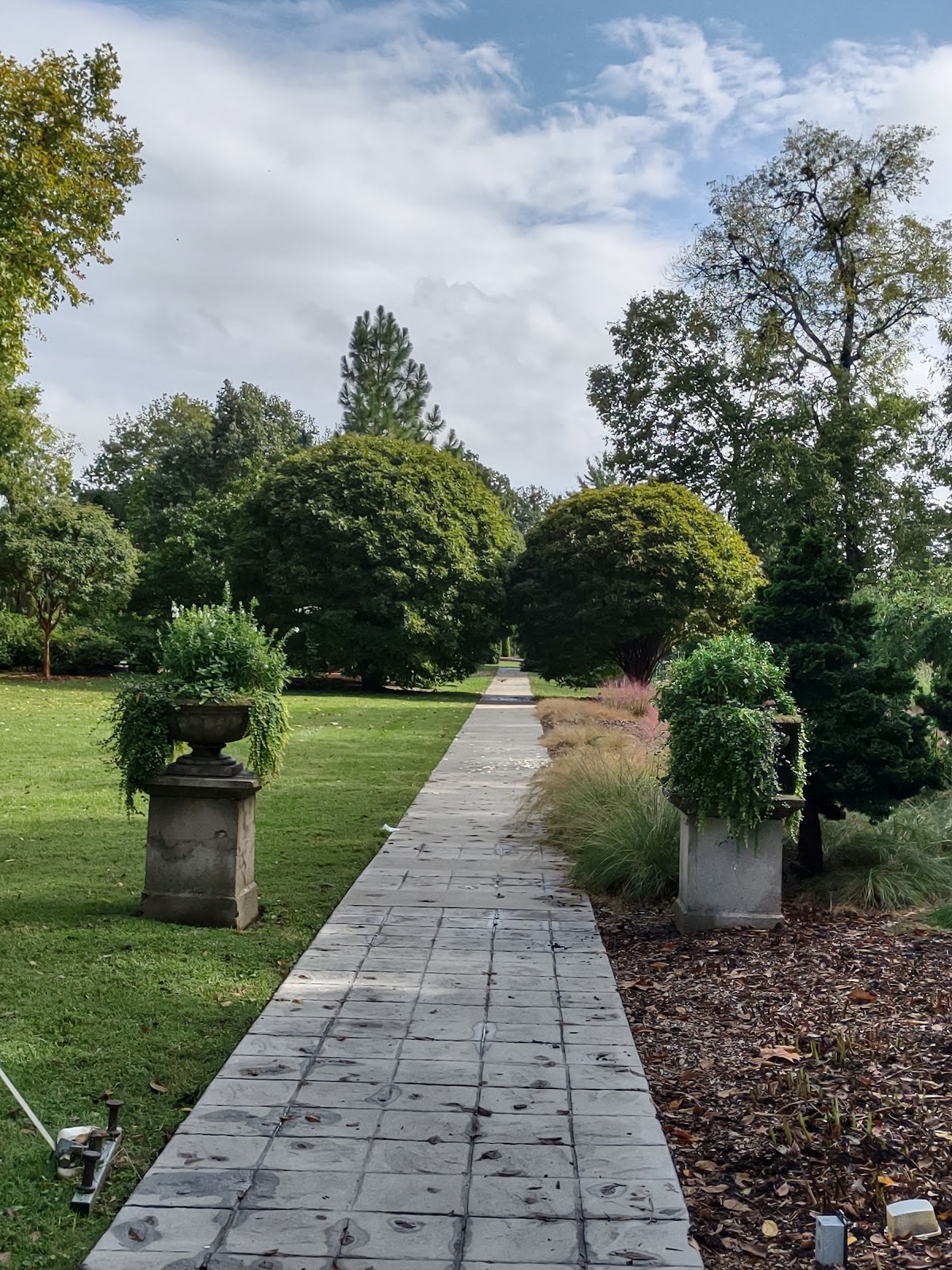
More frames from Whitehall Mansion
Whitehall Mansion wedding photography: common questions
What is the best season at Whitehall?
Late October. The trees turn, the sun stays low through most of the afternoon so the good light window is hours rather than minutes wide, and the light has softened enough that the white facade reflects warmly instead of glaring. Autumn colour against a neutral white building is the venue’s best pairing.
Why is a white building harder to photograph in summer?
Because it reflects so much light that a sunlit white wall sits several stops above a face in shade, and no single exposure holds both. You either keep the wall out of frame, work entirely in garden shade, or add flash to faces to bring them within a few stops of it.
Is the white facade ever an advantage?
Yes, frequently. In gentler light it works as an enormous reflector — place a couple in the portico shade and the sunlit wall opposite bounces soft directional fill onto them from a direction no equipment could reach. That is free, flattering light.
When does the light run out in autumn?
Earlier than the almanac says. By late October the Louisville sunset is in the early evening and usable light on a treed site goes sooner still. Portraits should happen before the ceremony or straight after it — after dinner there will be nothing left outdoors.
What about a winter wedding?
It works if planned as an interior wedding with a short outdoor excursion. Bare trees make the architecture and symmetry read clearly, which is graphic rather than warm. Snow is the exception — a white building in snow is coherent and the snow bounces light up into faces, which is unusually flattering.
More Louisville venue guides
We are writing a photographer’s guide to every venue we would happily shoot in Louisville. Here are three more, plus the full index:
- The Brennan House: Who This Small Venue Suits
- The Brown Hotel: Reading the Light in a 1923 Grand Hotel
- Churchill Downs: Who This Venue Suits
All Louisville Wedding Venues →
Planning a wedding at Whitehall Mansion?
Tell us your date and we will tell you what should be flowering or turning that week, and how we would handle a white facade under whatever light you get.