 Tulsa Country Club: Field Notes on a 1908 Club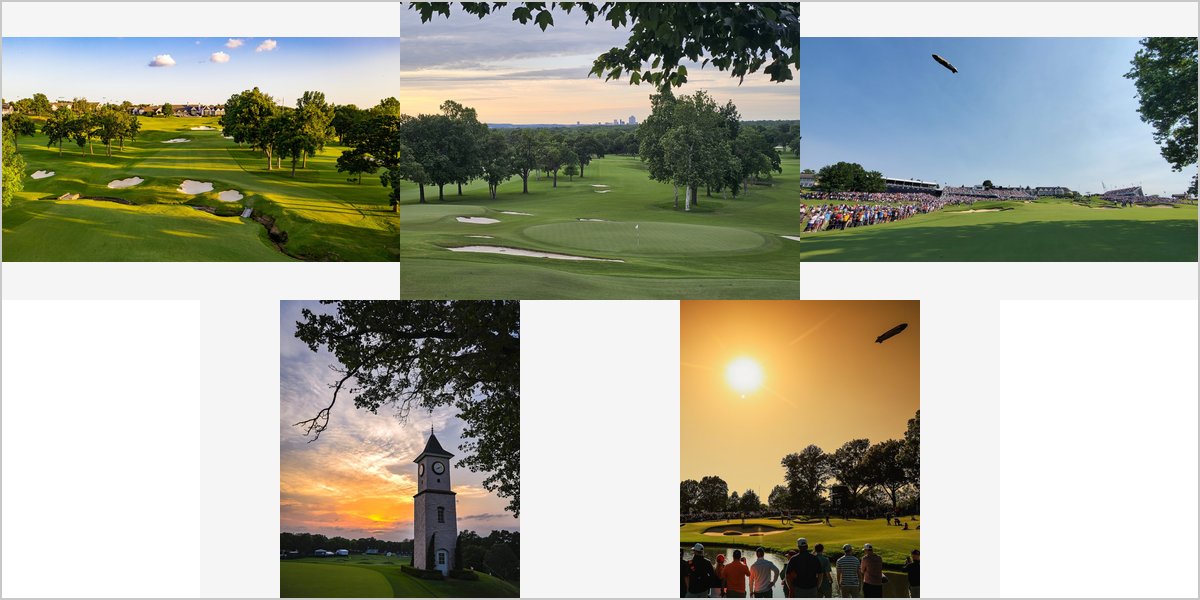
May 22, 2026
Southern Hills Country Club: Who This Venue Suits
A championship golf course and a private clubhouse. Superb landscape, complete privacy, and the strictest rules of any venue type.
Southern Hills Country Club was founded in 1936 in Tulsa, with a golf course designed by Perry Maxwell that has hosted multiple major championships. It is a private members’ club with a substantial clubhouse, and it is one of the more significant golf venues in the United States.
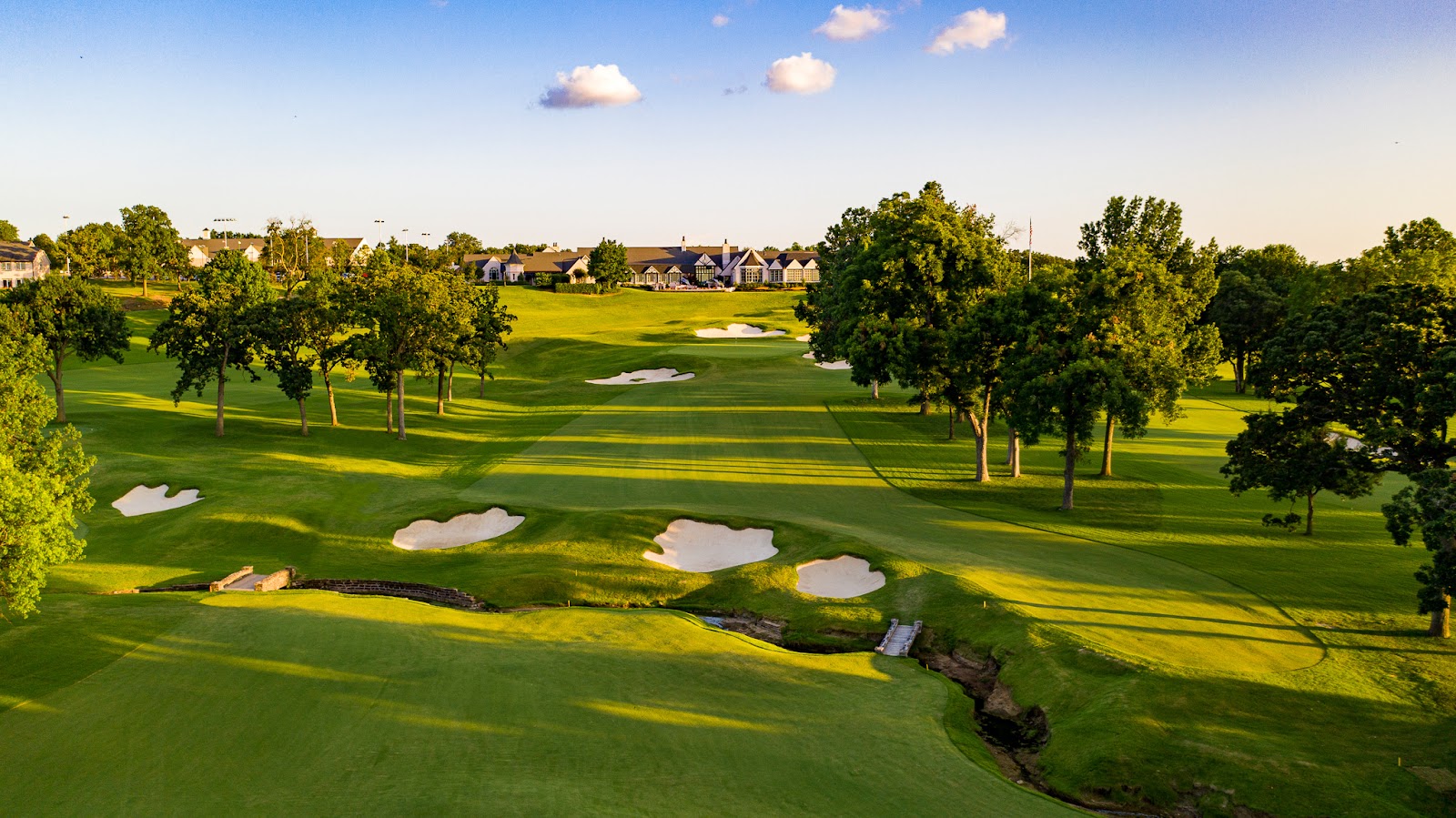
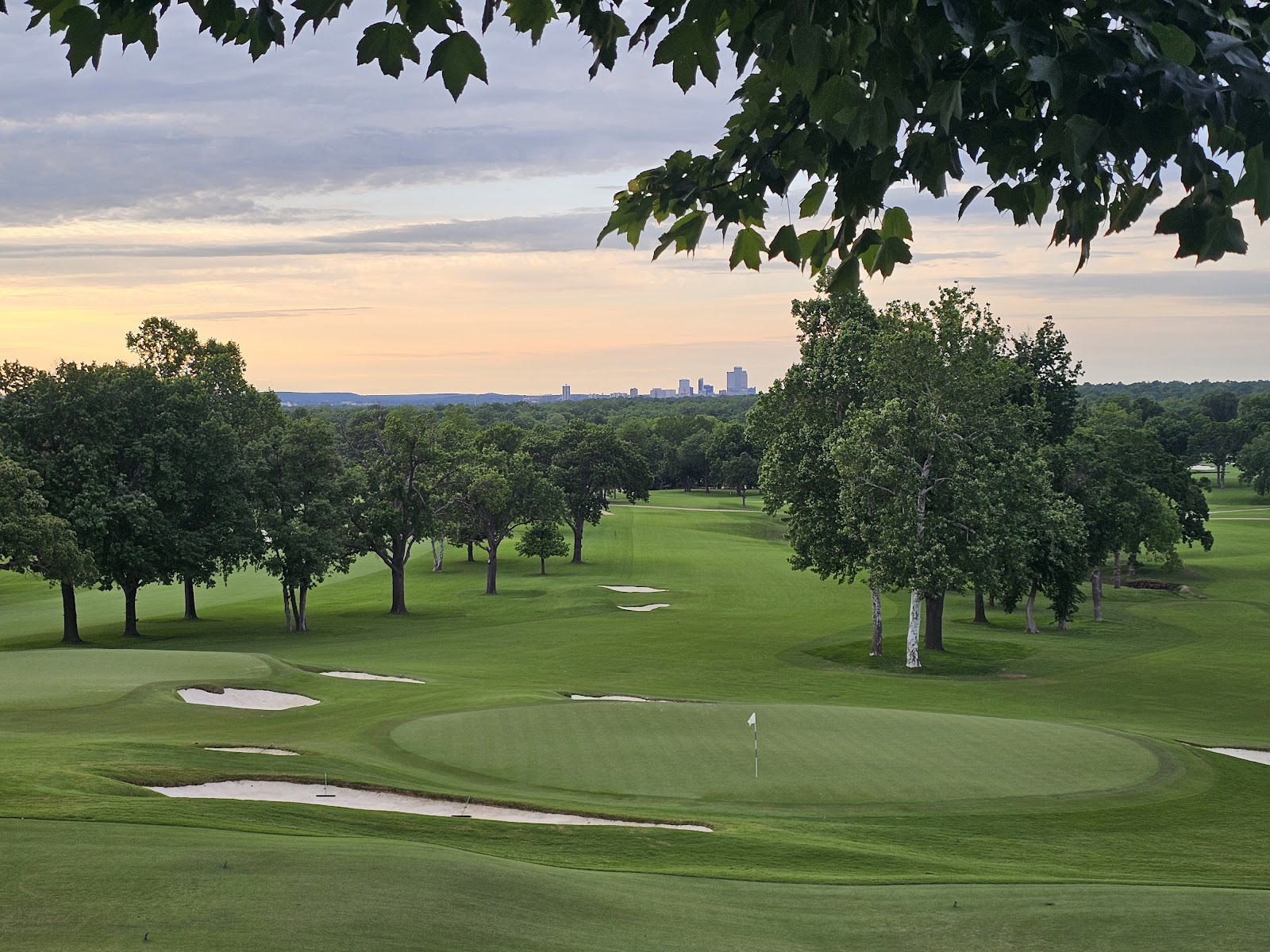
Photographically a championship golf course is a genuinely good landscape and an under-appreciated one. Maxwell’s design uses the rolling Oklahoma terrain, with mature trees, bunkering and long sightlines — which gives you elevation changes, clean sky backgrounds, high open shade under specimen trees and room for groups of any size. It is essentially a large managed parkland with better contours than most public parks.
The constraint is that it is a private club at the serious end, and private clubs have the firmest rules of any venue type. This is a fit assessment. We have not photographed a wedding at Southern Hills; golf course landscapes and clubhouse interiors behave predictably. Membership requirements, course access, dress codes and photography rules are entirely for the club, and they should be settled before anything else.
Southern Hills Country Club at a glance
| Where | South Lewis Avenue, Tulsa, Oklahoma |
| Founded | 1936; Perry Maxwell championship course, host to multiple majors |
| Landscape | Rolling terrain, mature specimen trees, bunkering and long sightlines |
| Light | Excellent varied outdoor light; clubhouse interiors conventional and artificial |
| Ask first | Member sponsorship, course access, dress codes and photography rules |
Why a golf course is a better landscape than people expect
A championship course is a designed landscape maintained to an extraordinary standard, and that produces several things a photographer values. Contour: rolling ground lets you place people on a slope and shoot slightly upward so nothing but sky sits behind them, which is the cleanest background available and the topography provides it for free.
Mature specimen trees give high open shade, the most flattering outdoor light there is, and they are individually placed rather than massed — which means each one is usable as a portrait location in its own right. Long sightlines down a fairway give depth and recession that a park lawn cannot. And bunkering gives graphic shape and a bright element in the frame.
The maintenance matters too, in a way that is easy to underrate. Grass cut to a consistent length and free of clutter photographs as a clean surface. There are no bins, no signposts, no parked cars and no other users in frame. For groups in particular, a fairway is about as good a surface and background as exists.
Who this venue suits
Four kinds of couple.
- Anyone with a genuine connection to the club or the game. If it means something, the photographs carry it and the venue is unmatched.
- Couples who value privacy above spectacle. A private club means no strangers in frames, no waiting for crowds and no hurrying — which produces consistently better candid coverage.
- Larger, more formal guest lists. Clubhouses are built for numbers and formal service, and the logistics run smoothly.
- Anyone who wants landscape rather than architecture. The course is the venue’s photographic asset; the clubhouse is where the party happens.
Who should look elsewhere
Directly, because private clubs are where mismatches are most expensive.
- Couples without a route in. Member sponsorship is likely to be required. That is the first question and it may also be the last.
- Anyone wanting architectural drama. A clubhouse is handsome and conventional. If you want ornate plasterwork or a landmark interior, a downtown grand hotel is the answer.
- Couples unwilling to work within firm rules. Expect dress codes that may apply to suppliers, restrictions on where photography is permitted when members are present, and limits on course access during play.
- Anyone wanting a distinctive-looking venue. A well-kept clubhouse interior photographs cleanly and anonymously — the course is what identifies the place, not the rooms.
The practical work: course access, heat and wind
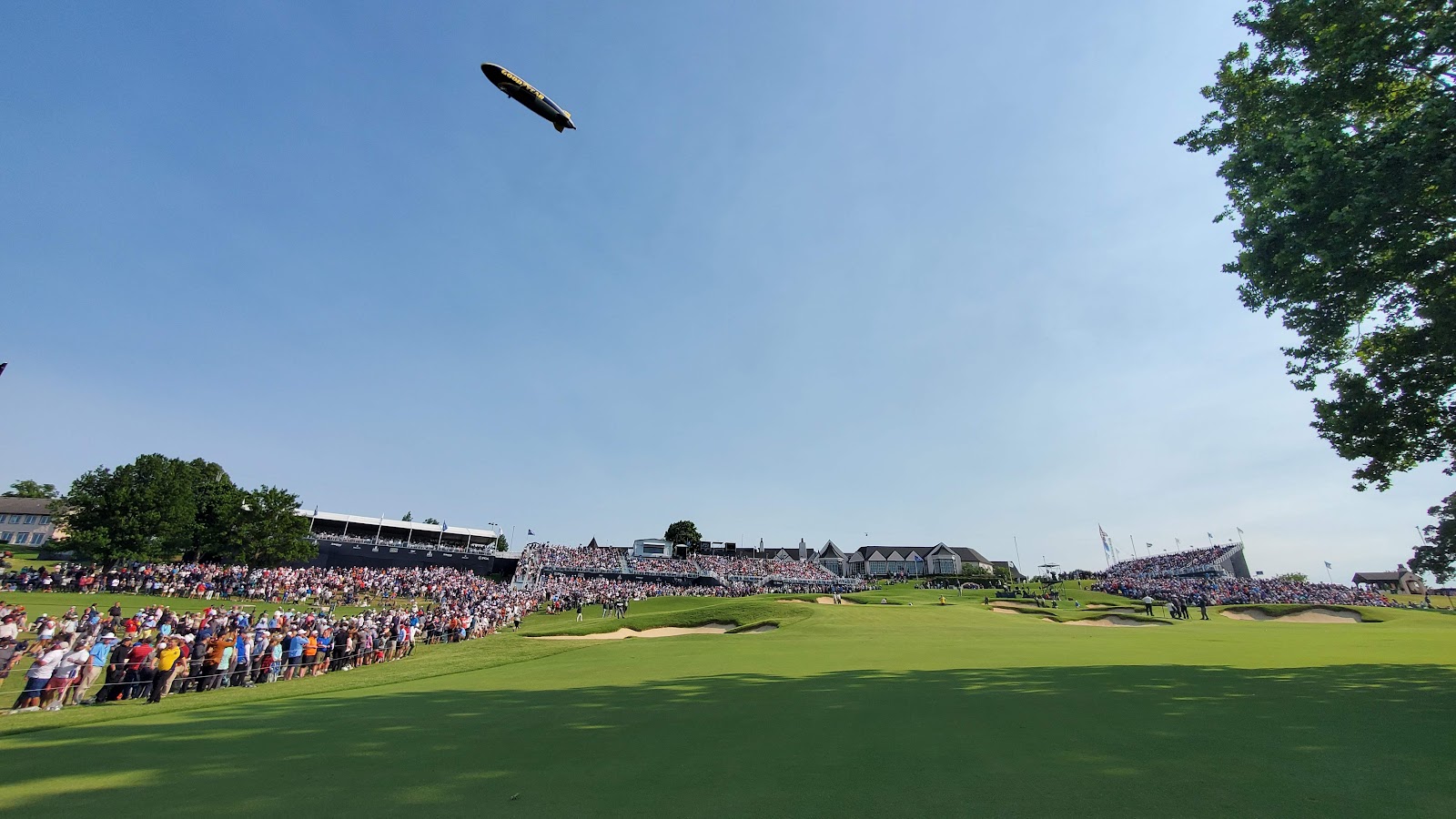
Course access is the question that determines the gallery. A course in play cannot host a wedding party wandering across it, so access is likely to be limited to specific times, specific holes, or after play has finished. Establish exactly what you get, because the difference between a fairway at golden hour and the clubhouse terrace is the difference between an outstanding gallery and an ordinary one.
Oklahoma’s climate governs the timing. Summers are hot and humid and a fairway offers no shade at all, so open-course frames belong in the last ninety minutes or the early morning. The specimen trees are the answer for the middle of the day.
Wind is the factor to plan for. Oklahoma is persistently windy and an open course has nothing to break it, which makes large light modifiers impractical and moves veils and hair continuously. Bare or minimally modified flash, and shoot bursts.
Indoors, clubhouse interiors are conventional — moderate ceilings, neutral finishes, artificial light — which means bounce flash actually works and lighting is straightforward. What they will not do is carry a frame, so plan portraits outside and let the clubhouse host the reception. Keep the room warm in white balance and faces slightly cooler, as always.
One logistical point specific to courses: distances are deceptive. A hole that looks close from the clubhouse terrace may be a four or five minute walk across uneven ground, and a wedding party in heels does not cross a fairway quickly. If a cart or buggy is available, ask for it — at a venue this size it can double the number of locations you get through, and it is the difference between one good course frame and three.
What works in your favour
- A designed, immaculately maintained landscape with contour, specimen trees and long sightlines
- Rolling ground gives clean sky backgrounds for free
- Complete privacy: no strangers, no crowds, no hurrying, better candids
- Fairways are an excellent surface and background for large groups
- Clubhouse interiors are easy to light — bounce flash genuinely works
What to plan around
- Member sponsorship is likely to be required; that may decide the matter
- Course access will be limited by play and must be established precisely
- No shade on open fairways; Oklahoma summer middays are unusable
- Persistent wind rules out modifiers and moves veils continuously
- Clubhouse interiors are handsome but anonymous and will not carry a frame
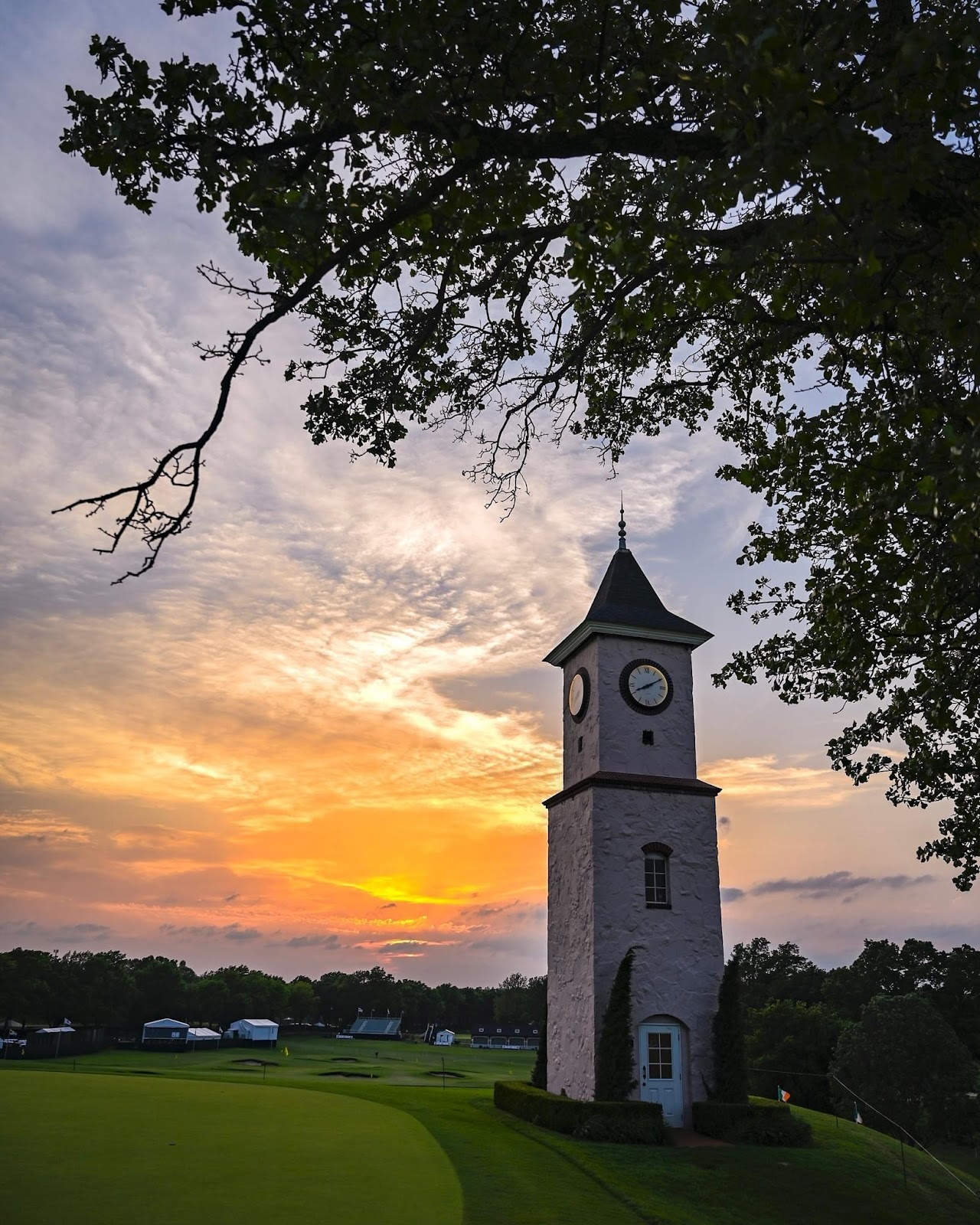
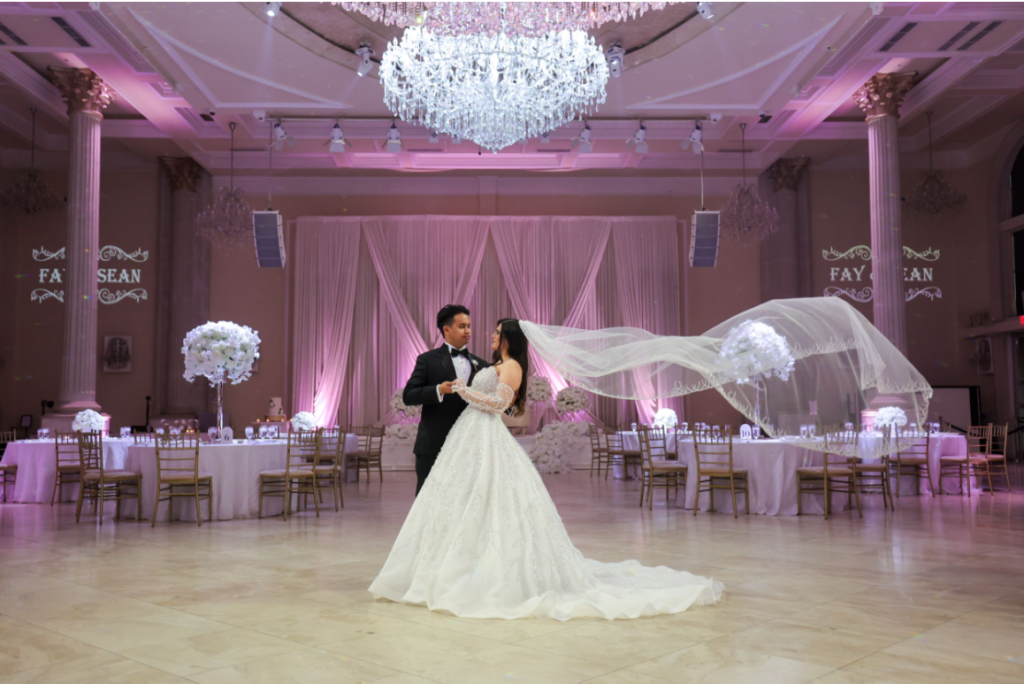
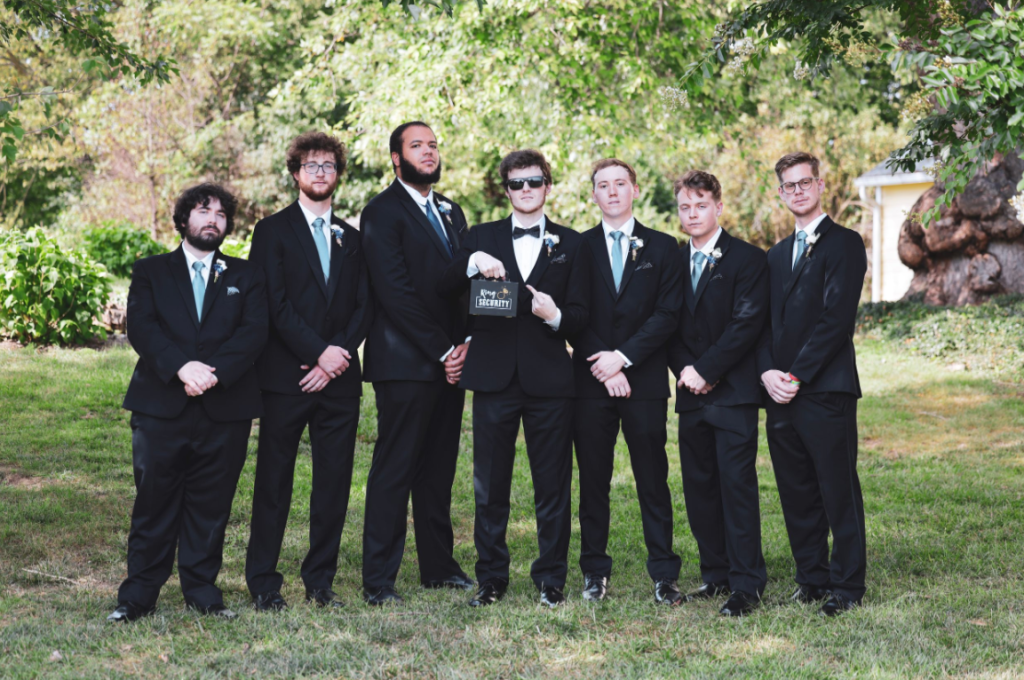
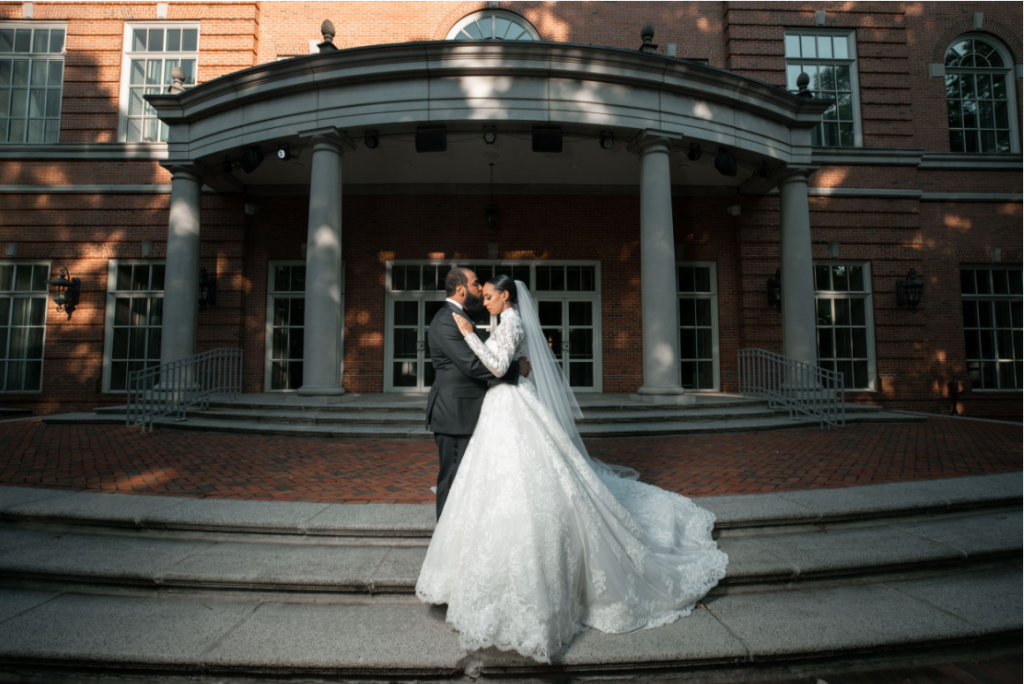
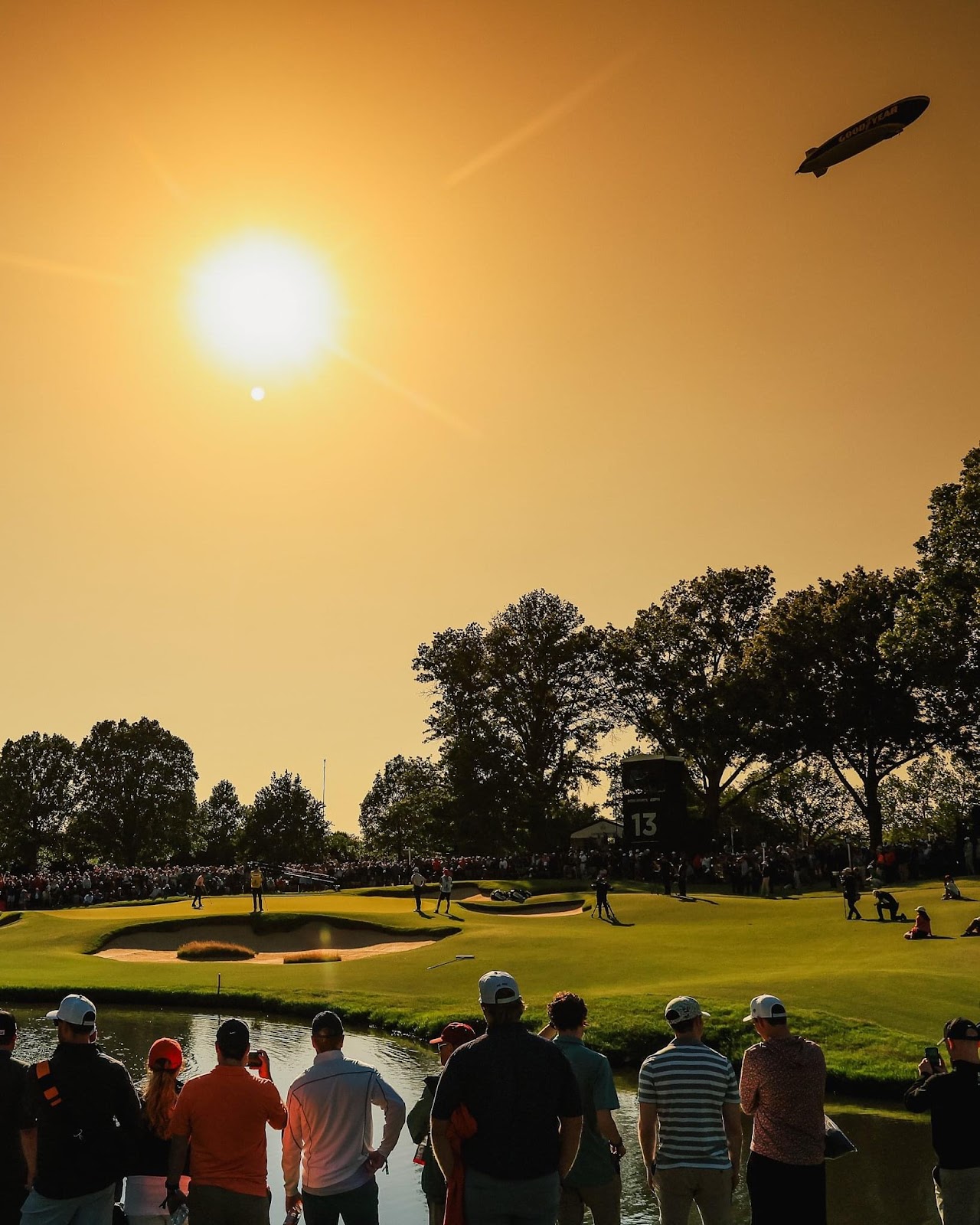
More frames from Southern Hills Country Club
Southern Hills Country Club wedding photography: common questions
Is a golf course actually good for wedding photographs?
Better than most people expect. It is a designed landscape maintained to an extraordinary standard: rolling contour lets you shoot slightly upward so only sky sits behind people, specimen trees give high open shade, fairways give depth, and there are no bins, signs, cars or other users in frame.
What is the first question to ask?
Whether member sponsorship is required. At a private club of this standing it very likely is, and that single answer may decide whether the venue is available to you at all. After that, ask precisely what course access you get, because it determines the quality of the gallery.
When can we photograph on the course?
Whenever the club permits, which will be limited by play — specific times, specific holes, or after play finishes. Within that, the last ninety minutes or early morning, because a fairway has no shade and an Oklahoma summer midday is unusable. Use the specimen trees during the day.
How much does the wind matter?
A great deal. Oklahoma is persistently windy and an open course has nothing to break it, so large light modifiers are impractical and veils and hair will move continuously. Plan bare or minimally modified flash and shoot bursts so the movement works for you.
Are the clubhouse interiors good for portraits?
Easy to light but not distinctive. Moderate ceilings and neutral finishes mean bounce flash genuinely works, which is a real advantage over a historic ballroom — but the rooms photograph cleanly and anonymously. Plan portraits outside and let the clubhouse host the reception.
More Tulsa venue guides
We are writing a photographer’s guide to every venue we would happily shoot in Tulsa. Here are three more, plus the full index:
- The Summit Club: Working a Private Club at the Top of a Tower
- Tulsa Country Club: Field Notes on a 1908 Club
- The Tulsa Zoo: A Photographer Answers Your Questions
Planning a wedding at Southern Hills Country Club?
The course is the reason to book and the club rules decide whether you can. Tell us your date and what access you have been offered, and we will tell you what the gallery can realistically be.