 The Audubon Aquarium: Field Notes on Photographing Through Glass
St. Louis Cathedral, New Orleans: Photographing a Working Cathedral
A working cathedral on the busiest square in the city runs to its own clock, not to a wedding’s.
St. Louis Cathedral stands on Jackson Square in New Orleans, and light filtering through its stained glass paints the interior in amber and blue — which is the detail most people notice first and not the one that shapes the day.
What shapes the day is that this is a working cathedral in the most visited square of a heavily visited city. That produces a logic of its own, and it is a logic of constraint rather than of light: ceremony slots are fixed and often short, because the building has its own liturgical schedule; a photographer’s positions are prescribed rather than chosen; the square outside is full of people at every hour; and the building is among the most photographed in the United States, which means an ordinary frame of it looks like a postcard rather than like a wedding.
So this follows the venue’s own logic, which is about timing and position before it is about technique. We have not photographed a wedding at the cathedral; working cathedrals behave consistently. What the parish permits — where a photographer may stand, whether movement during the ceremony is acceptable, whether flash is allowed, how long the slot runs — is set by the church and should be established in writing well before the day.
St. Louis Cathedral at a glance
| Where | Jackson Square, New Orleans, Louisiana |
| Character | A working cathedral on the busiest square in the city |
| The logic | Fixed slots, prescribed positions, crowds outside, a famous exterior |
| The light | Amber and blue through stained glass — background, never a portrait key |
| Ask first | Slot length, permitted positions, flash, movement during the ceremony |
The slot, the positions, and working inside them
A fixed short slot changes the whole approach to coverage, and the change is towards preparation rather than towards speed. When there is an hour rather than an afternoon, the frames that get made are the ones that were decided in advance — which means walking the building beforehand, at approximately the hour of the ceremony, and leaving with a short list of specific positions rather than a general impression.
Prescribed positions are the second constraint and they are usually strict in a cathedral: a rear position, perhaps a side aisle, sometimes a gallery, and frequently no movement during the liturgy itself. That sounds limiting and is less so than it seems, because the frames that matter most from a ceremony — the aisle, the exchange, the faces of the people watching — are all available from a fixed point with a long lens. A 70-200 from a rear or side position covers a ceremony properly, and a second body with a wider lens covers the room.
Restraint is part of the job in a place of worship, and it is worth stating plainly: a cathedral is not a venue that happens to host weddings, and the difference shows in how a photographer behaves. Work within what is permitted without testing it, keep movement minimal, and treat the liturgy as the event rather than as a backdrop.
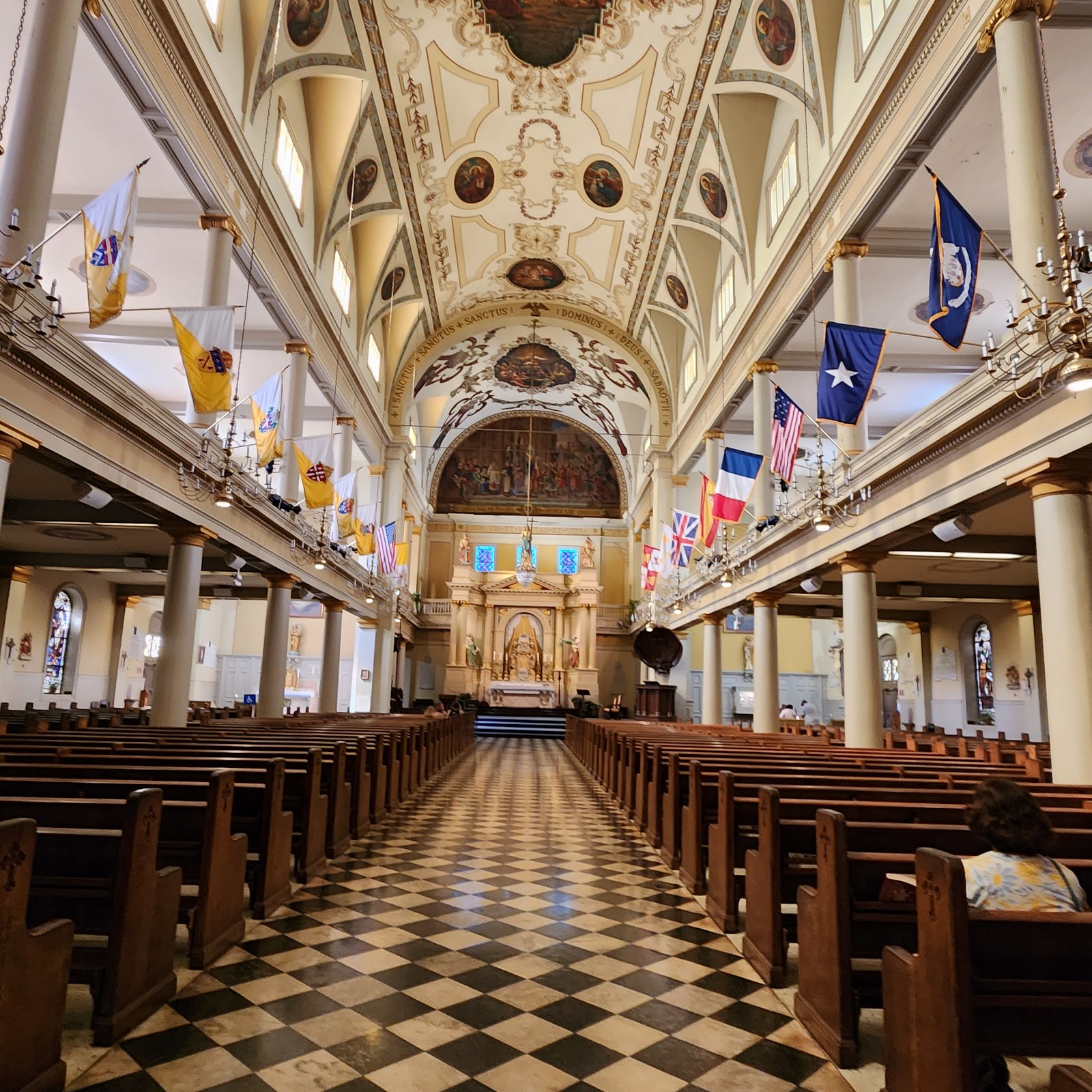
The long view down the nave is the frame the building reliably gives and it rewards precision. A cathedral nave is symmetrical and axial, so a frame down the centre line collapses if the camera is off centre or a degree out of level — the near-miss is the only failure available. Level, centre exactly, and let the arcade converge on the couple.
Ambient inside a masonry cathedral is low, the volume is tall so bounce returns nothing, and the ornament is three-dimensional so it reads only when light crosses it at an angle. A fast lens at a raised ISO is the baseline; where flash is permitted at all, one warm-gelled source at face height, off the camera axis, exposed so the building still reads as the dim resonant space it is, is the whole solution. A cathedral lit to an even brightness stops being a cathedral.
Amber and blue: coloured light as background
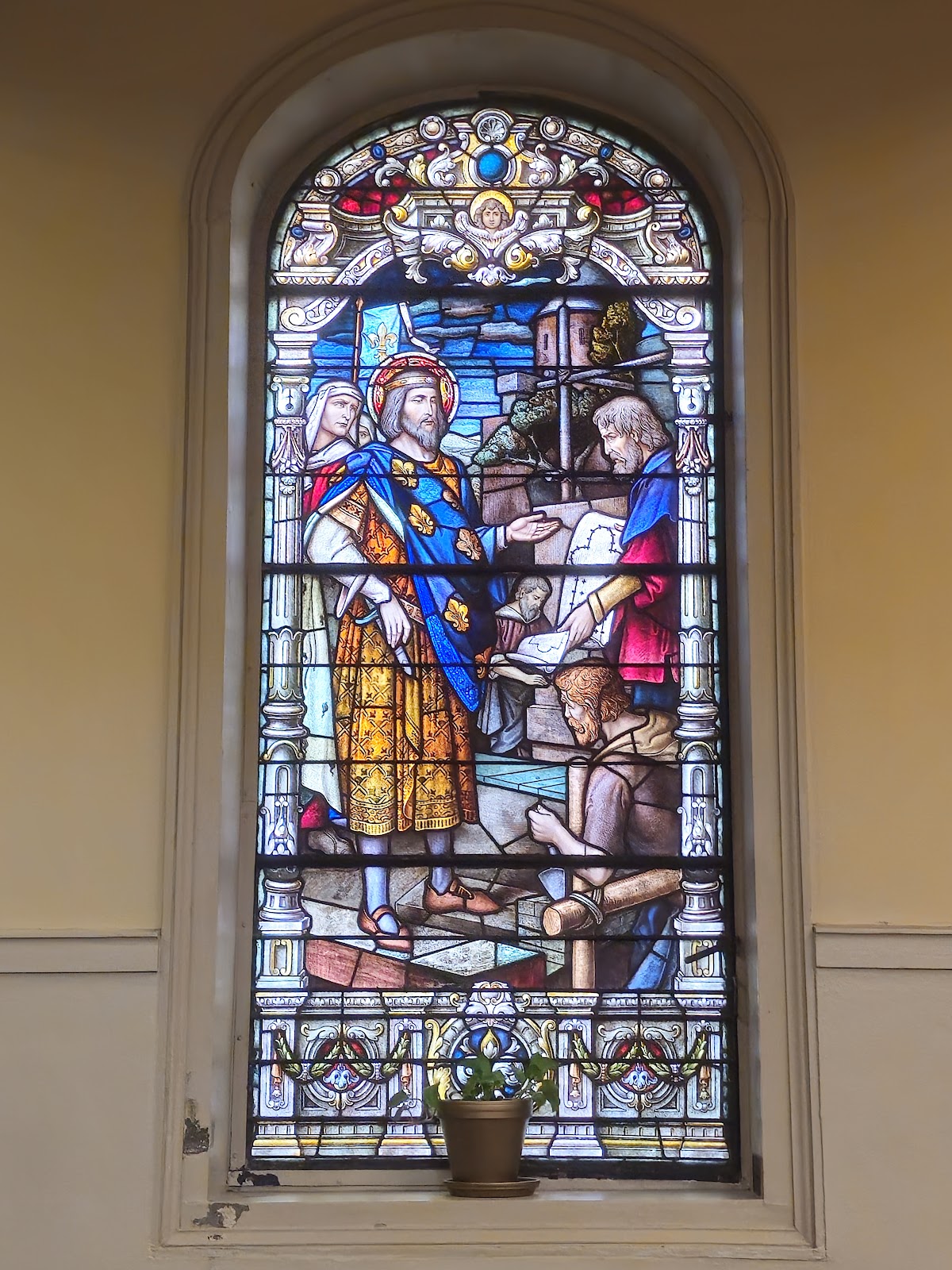
Light that has passed through stained glass is genuinely coloured rather than white light that looks coloured, because the glass transmits only the wavelengths it passes. When it lands on skin, skin reflects what it receives — so an amber patch records as amber and a blue one as blue, with no information in the other channels to recover from.
That is why it cannot be edited away. White balance is a single global adjustment: correcting an amber cast on one side of a face pushes the blue side further blue, and correcting the blue does the reverse. A face lit half in amber and half in blue has two problems at once and no single solution.
So the rule is simple and it governs every frame: coloured light is background and atmosphere, never a portrait key. Patches of amber and blue on stone, on pews, along a pillar or across an aisle read as the effect they are and photograph better than they look, because a camera records the saturation that the eye automatically corrects away.
The frame to aim for is the couple standing in neutral light with coloured patches behind or beside them. That shows the cathedral doing what it does while the faces remain faces, and in most churches it is a matter of moving two or three metres rather than of equipment.
Finding the neutral light is the practical skill. Some areas are lit by reflected light from pale stone rather than directly, some windows are lightly tinted, and the area near a west door is often close to neutral. One walk at roughly the ceremony hour, looking for where a hand held out reads as skin rather than as colour, locates the day’s positions.
The hour matters because the patches move. Coloured light sweeps across a nave as the sun moves, at a rate that puts it somewhere different every twenty minutes — so a position checked in the morning is not the same position in the afternoon, and the check has to be done at the hour that counts.
- Walk the building at the ceremony hour and leave with specific positions
- A long lens from a fixed permitted position covers a ceremony properly
- Level and centre the nave frame; the near-miss is the only failure
- Coloured patches behind or beside the couple, neutral light on the faces
- Find where a hand reads as skin rather than as colour, and work there
Jackson Square, the crowds, and the weather
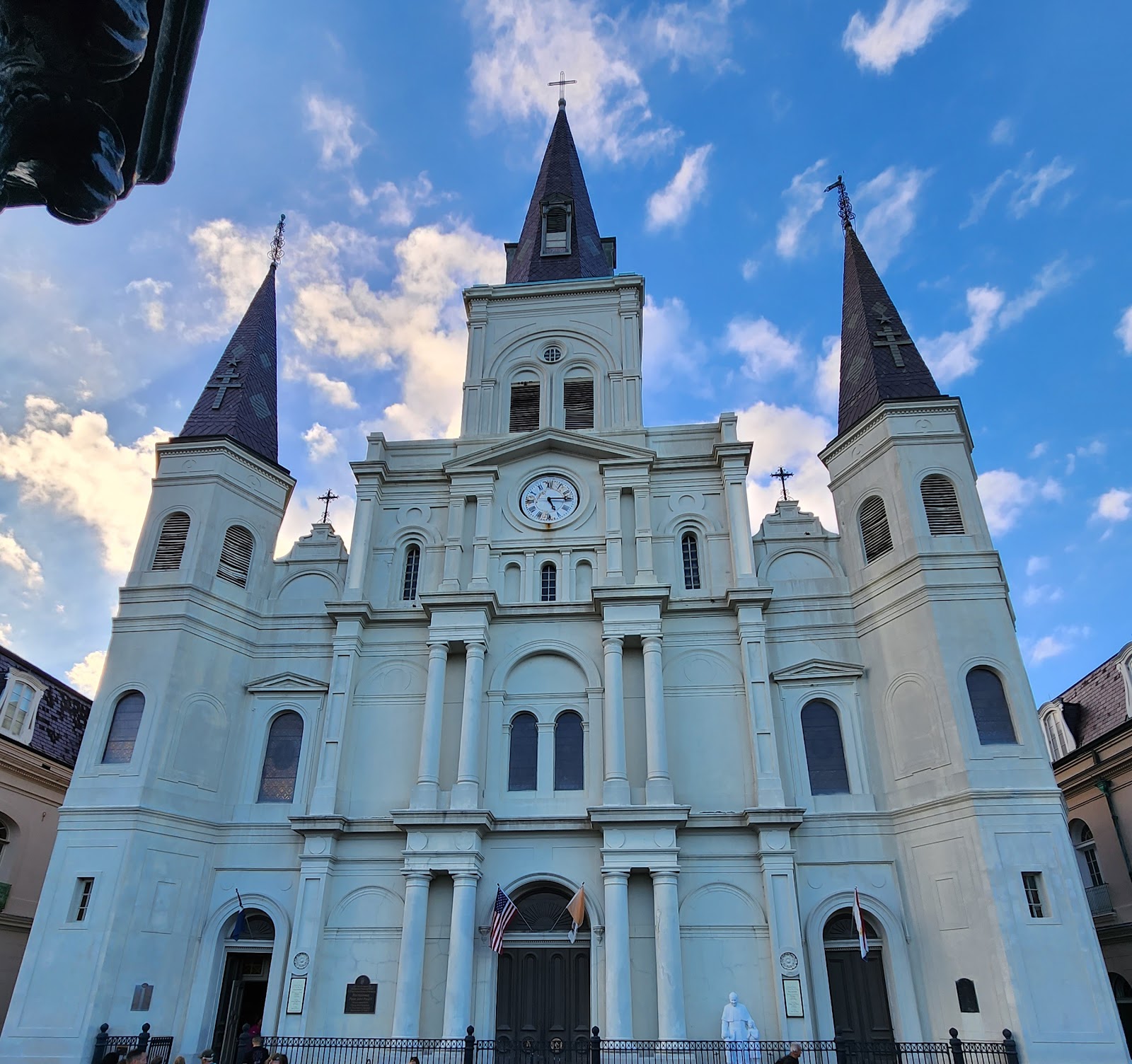
Outside, the square is the problem and the opportunity in the same place. It is one of the most photographed locations in the country, which means a straightforward frame of the cathedral facade already exists in a million copies — so the frames worth making are the ones that treat the building as context rather than as subject. A couple small against the facade with the square’s life around them is a photograph; a centred facade with two people in front of it is a postcard with an addition.
Crowds are constant and they are not avoidable at any hour a wedding happens. The tools are long lenses, which compress and blur a busy background into unreadable tone; tight framing, which excludes; and low angles, which put more sky and less pavement into the frame. Waiting for a gap does not work in Jackson Square.
The Quarter around the square is genuinely exceptional material and it is a short walk. The defining photographic feature is the cast-iron galleries and balconies that overhang the pavements: they create continuous covered shade along whole streets, which in this climate is an architectural softbox at street scale — a roof blocking the sky and an open side giving horizontal directional light, available all day and in rain.
Pastel stucco is the other Quarter-specific fact and it needs managing. Walls painted pink, yellow, green or ochre bounce their own colour strongly onto anyone standing near them, and because the cast is localised, white balance cannot correct it. Either use it deliberately — a warm wall as a reason for warm light — or move a couple of metres away from it, and set white balance on a face in the position you are actually using.
New Orleans weather governs everything outdoors. Heat and humidity make long blocks genuinely difficult in formal clothes; afternoon thunderstorms are close to a daily feature of a Gulf Coast summer rather than an occasional event, which means the confetti, the group and the departure all need a wet version — and the galleries are the answer, since a covered pavement is both shelter and good light.
Humidity produces the region’s specific equipment problem in its most severe form: kit chilled by a strongly air-conditioned interior fogs comprehensively and immediately outside, and can take a long time to clear. In a building with a short fixed slot that is a real risk, and the handling is to arrive early with the camera already at ambient rather than walking in cold at the last moment.
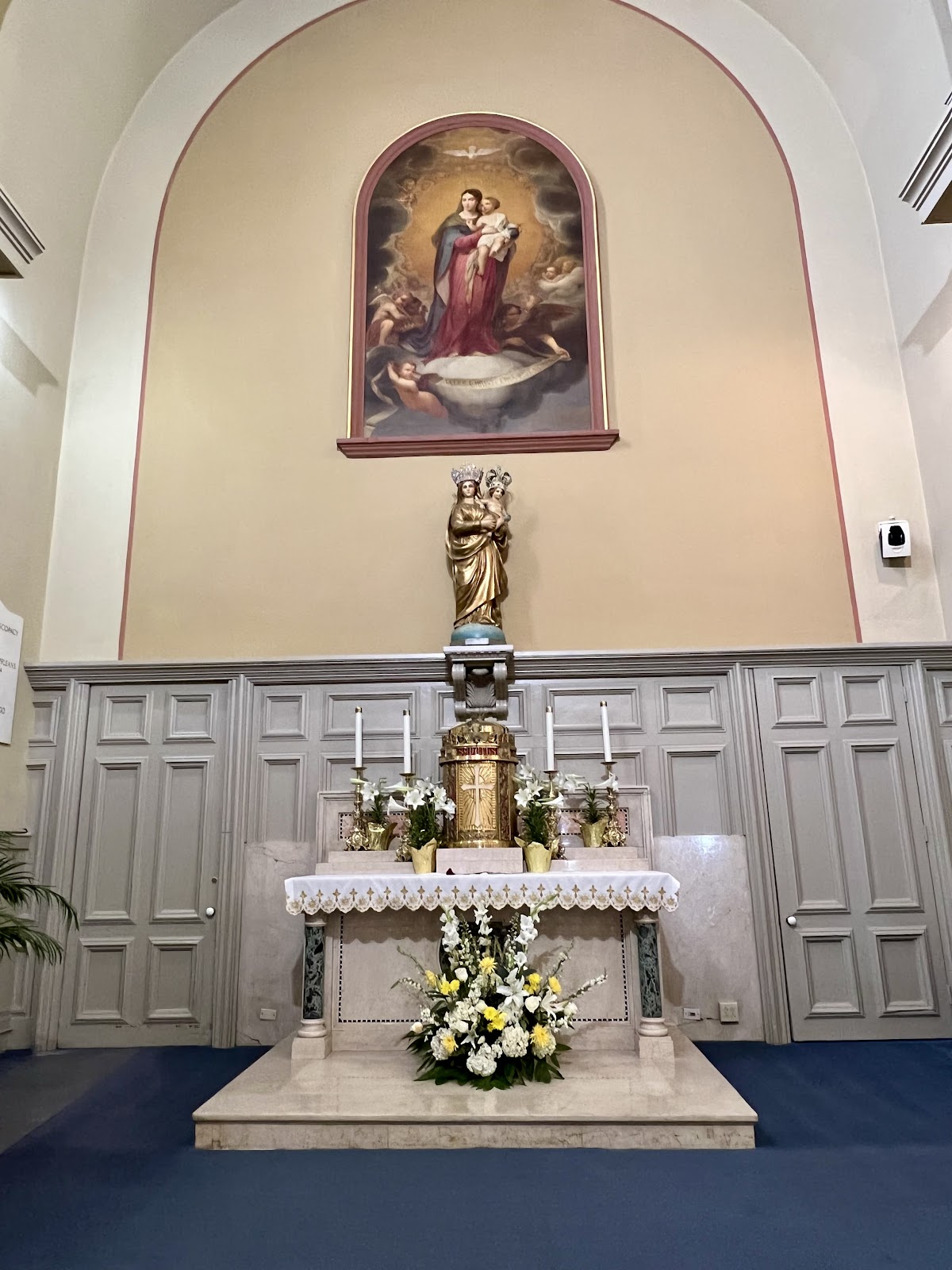
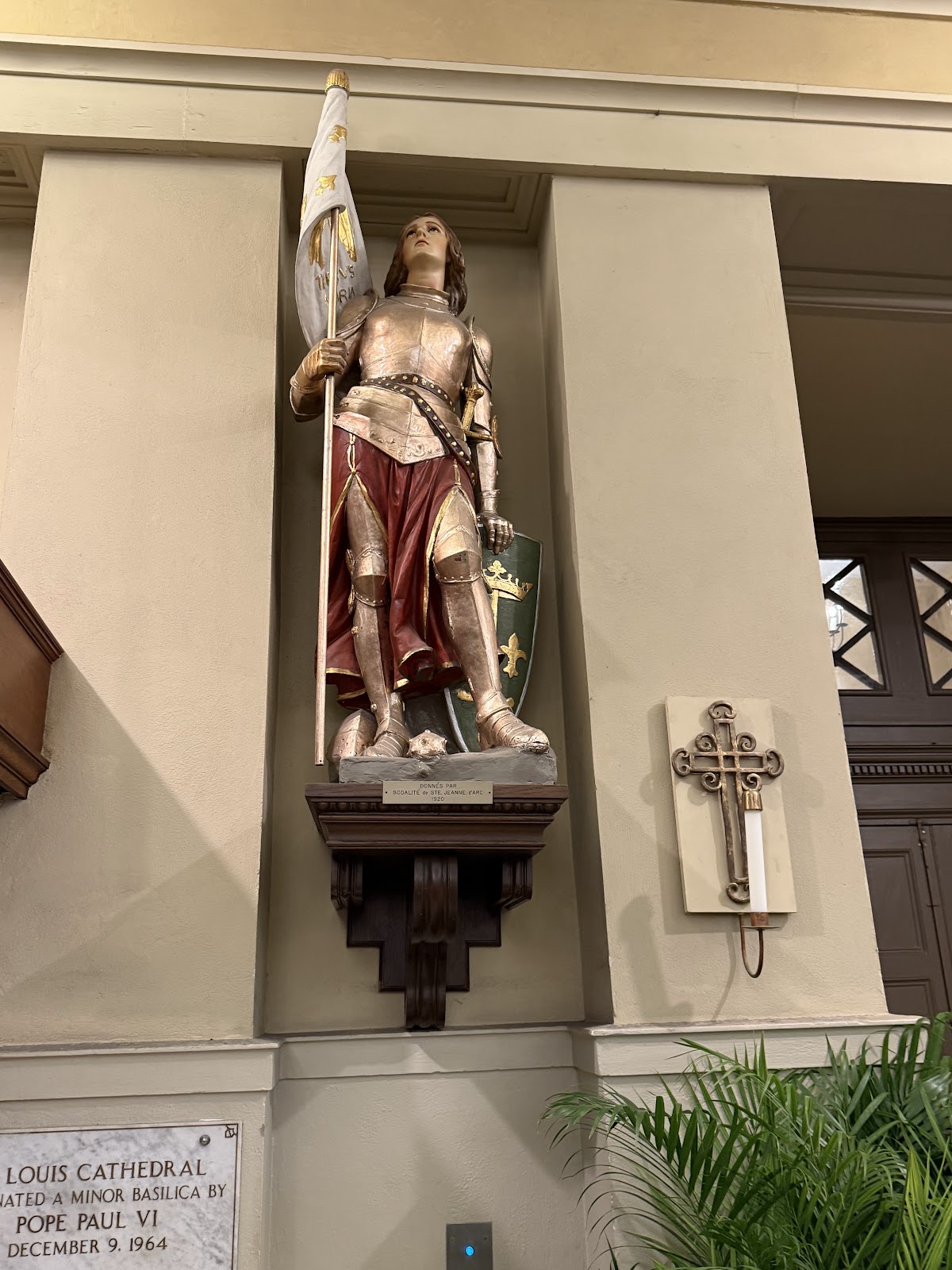
More frames from St. Louis Cathedral
St. Louis Cathedral wedding photography: common questions
What shapes the day most here?
Not the light — the constraints. A working cathedral has fixed and often short ceremony slots, prescribed photographer positions, and a permanently crowded square outside.
How do you cover a ceremony from a fixed position?
With a long lens. The aisle, the exchange and the faces of the people watching are all available from a rear or side position on a 70-200, with a second body covering the room wider.
Why can't the coloured light be corrected?
Because the glass transmits only certain wavelengths, so the light really is amber or blue. White balance is global — correcting one side pushes the other further wrong.
What is the frame to aim for inside?
The couple in neutral light with coloured patches behind or beside them. Walk the nave at the ceremony hour and find where a hand held out reads as skin rather than as colour.
How do you photograph the exterior without making a postcard?
Treat the building as context rather than subject. A couple small against the facade with the square’s life around them is a photograph; a centred facade with two people in front of it is not.
What is the French Quarter's best photographic feature?
The cast-iron galleries overhanging the pavements. They give continuous covered shade along whole streets — an architectural softbox at street scale, available all day and in rain.
More Louisiana venue guides
We are writing a photographer’s guide to every venue we would happily shoot in Louisiana. Here are three more, plus the full index:
- The Destrehan Plantation, Destrehan: The Light Through the Day
- The Houmas House, Darrow: The Venue’s Own Logic
- The Laura Plantation, Vacherie: Suits and Does Not Suit
Planning a wedding at St. Louis Cathedral?
Short slots reward preparation. Tell us your date and we will walk the building first.