 Roots Run Deep, Fruita: The Site’s Own Logic
The Evergreen Lake House, Colorado: The One Decision That Governs Everything
Still mountain water can be a mirror or a background. It cannot be both in the same frame.
At a lake house the governing photographic decision is what the water is for, and it is a decision because the two options are mutually exclusive within a frame.
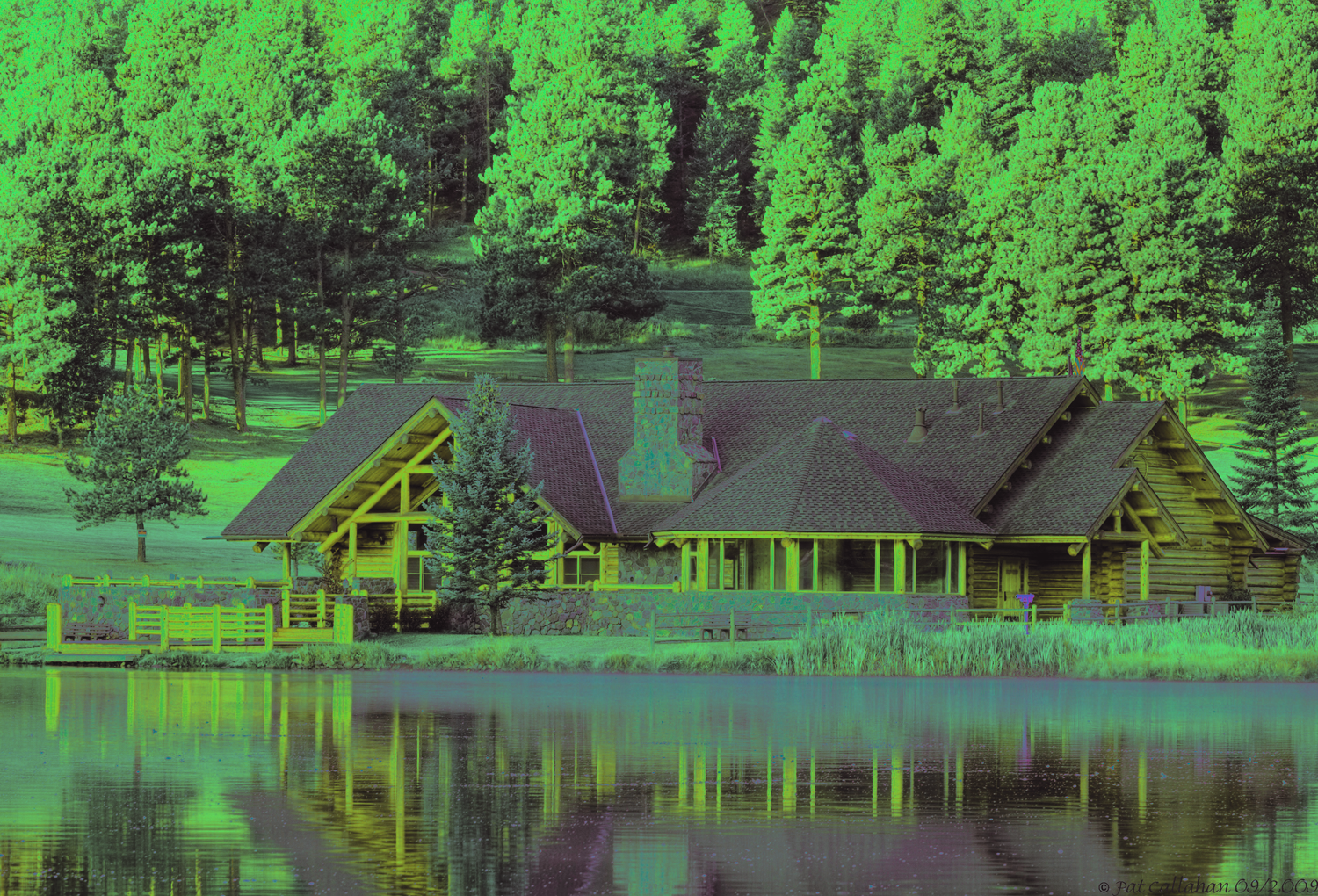
As a mirror, the water doubles everything — the timber building, the conifer slopes, the sky, the couple — which requires a low camera looking across the surface, still air, and a composition built around the reflection as the subject.
As a background, the water is a plain field of tone behind a subject, which requires a higher camera looking down onto it so the surface shows its own colour rather than a reflection, and which gives a clean uncluttered backdrop that a wooded shore cannot.
Those need different camera heights, different hours and different weather, and half a metre of camera height switches between them. So the decision is made per frame rather than for the day, but it has to be made deliberately — because the default, a mid-height camera, gives a surface that is partly reflective and partly transparent, which reads as neither.
We have not photographed a wedding at the Evergreen Lake House; mountain lakes and timber buildings behave consistently. Which spaces are included, whether the shoreline is available and whether the lighting is adjustable are questions for their team.
The Evergreen Lake House at a glance
| Where | Evergreen, Colorado, in the foothills at about 7,000 feet |
| The decision | The water as a mirror, or the water as a background |
| Mirror | Low camera, still air, reflection as the subject |
| Background | Higher camera, the surface as a plain field of tone |
| Ask first | Spaces included, shoreline access, lighting control |
The mirror, and the background
The mirror is the frame a mountain lake exists to give and it has three requirements.
Camera height is the first and it is absolute: low across the surface, ideally as close to water level as the position allows. That is what makes the surface reflective rather than transparent, and the difference between a camera at eye level and one at knee height is the difference between a mirror and a view of the bottom.
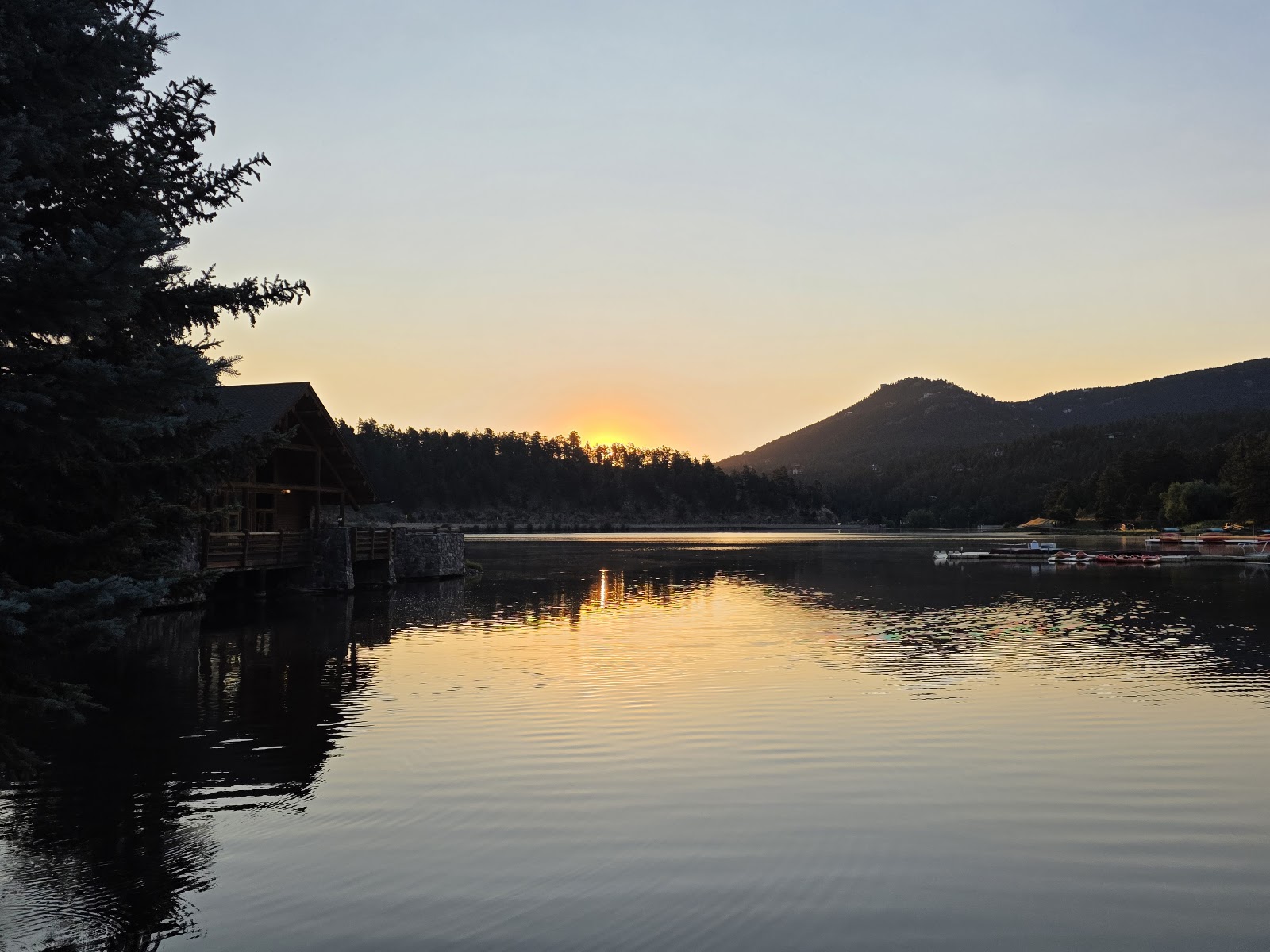
Still air is the second. A rippled surface reflects nothing, which means the mirror frames are only available when the water is calm — and at altitude in the foothills that means early morning, before the day’s heating stirs the air, and the last hour as it settles. The middle of a summer day is generally the windiest and therefore the least reflective.
The third is what is being reflected. A lake surrounded by dark conifer reflects dark conifer, which gives a low-contrast, tonal, moody frame; a lake reflecting a lit slope or a colouring sky gives a bright one. So the mirror frame’s character is decided by what is lit on the far shore, and a short walk round to find a position where something bright is opposite is worth more than any equipment.
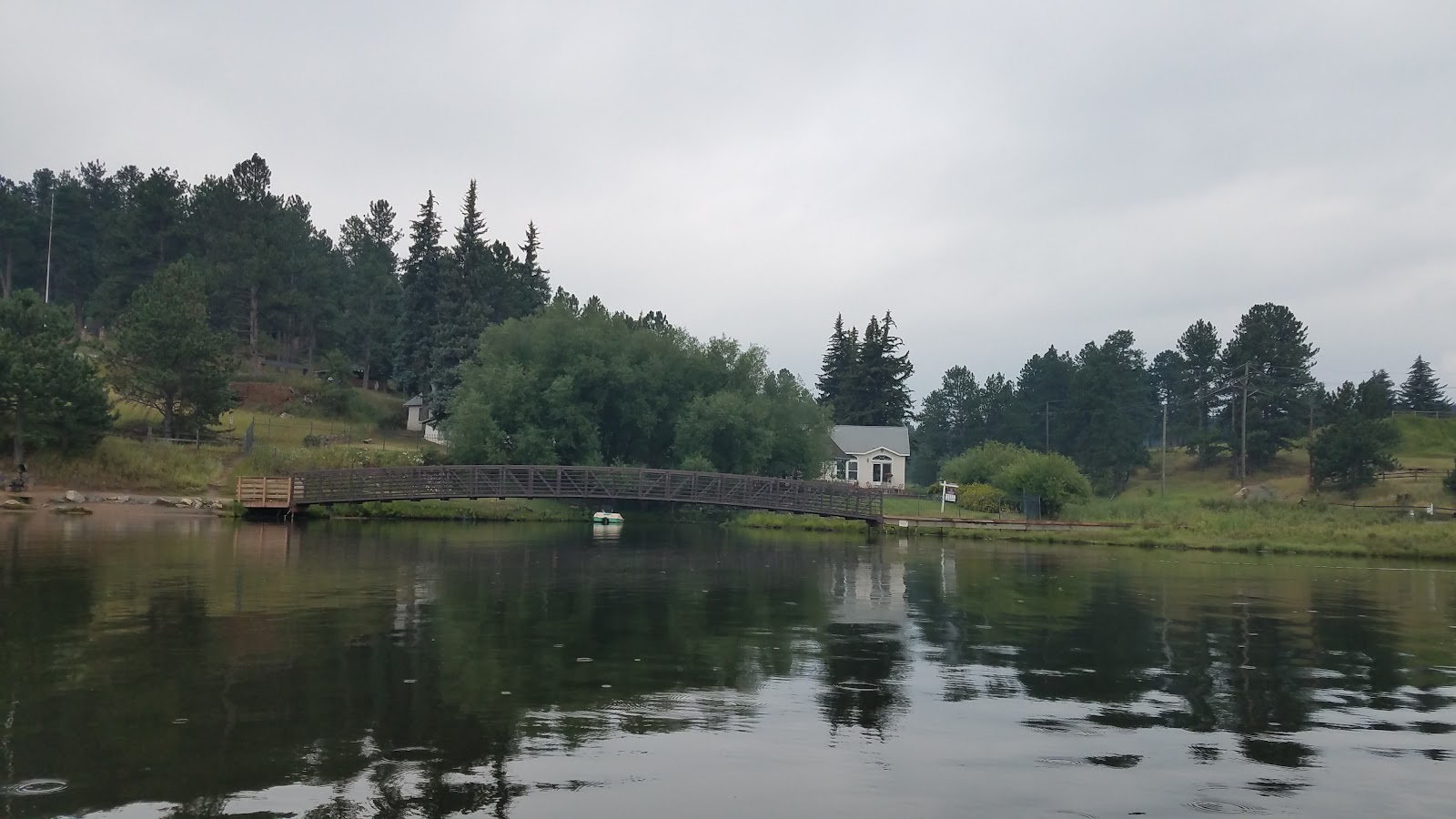
The background use is the other option and it is more available, because it does not require stillness. A camera looking down onto water sees the surface’s own colour — which on a mountain lake is a deep grey-green or blue — and that is a plain, even field of tone with nothing in it to compete with a face.
That is genuinely valuable in a wooded landscape, because the alternative backgrounds are busy: conifer is dark but textured, aspen is bright and vertical, and a shoreline is cluttered. A plain field of water is the cleanest background on the site, and it needs only the camera raised and angled down.
A polariser is the tool that separates the two uses. It reduces surface reflections, which makes water transparent and its own colour more visible — so it goes on for the background frames and comes off for the mirror frames. Polarise to see into water; remove it to see the sky in water. That is the single most useful thing to know at a lake.
And the water does a third thing regardless of which use is chosen: it bounces light upward, filling exactly the shadows a high sun carves under eyes and chins. At altitude, where the sun is hard and the shadows deep, that upward fill matters more than it would lower down — so a shaded position beside water is materially better light than the same shade away from it.
What follows: the building, the conifer, the altitude
Once the water’s use is chosen, the rest of the site follows.
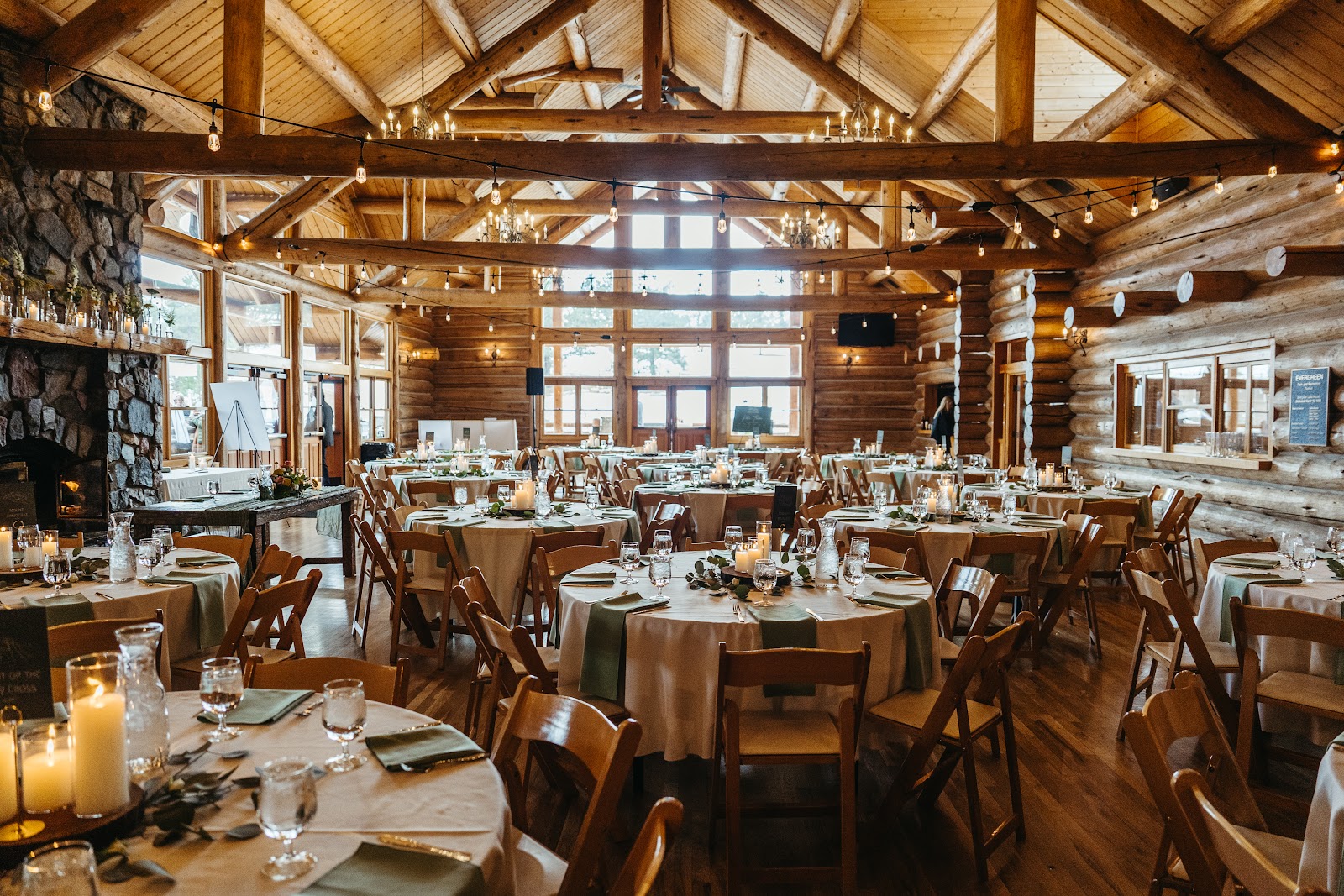
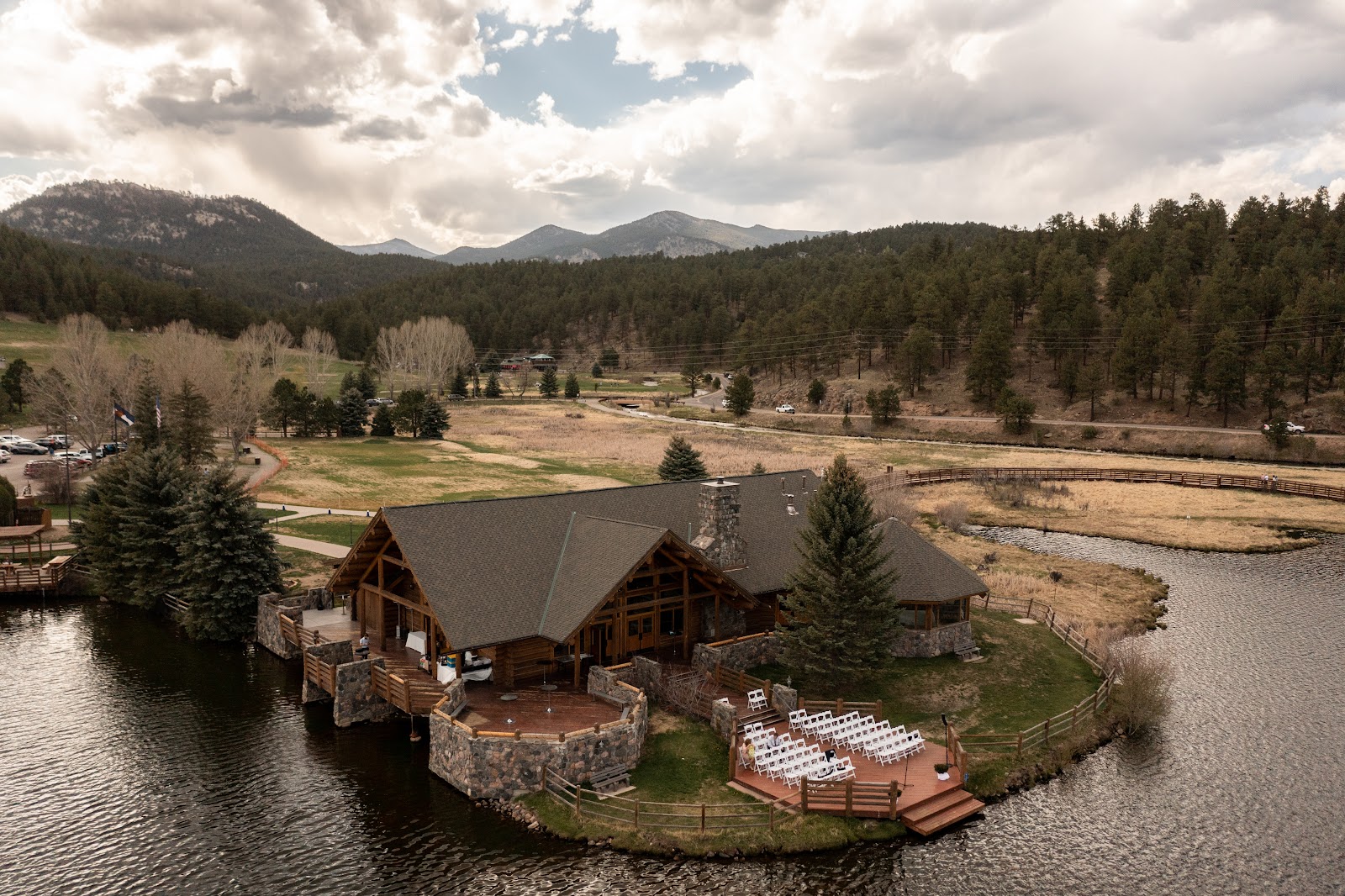
The building is timber, which has two consequences. Outdoors, a sunlit timber elevation is a mid-toned warm reflector rather than a dark absorber — so a couple three or four metres out from one, facing it, is lit by a source the size of the wall, needing a custom white balance set on a face because timber bounce is markedly warmer than daylight.
Indoors, the same timber absorbs. A timber-lined room sits a stop or two below a pale one with identical fittings and returns very little to a bounced flash — one test frame aimed at the ceiling settles it, and the usual answer is to light directly into a modifier, gelled warm with white balance set to the gel.
Steep fall-off is the interior compensation: three metres of distance in a timber-lined room puts natural darkness behind a subject with no equipment. And the windows are the good interior light, with the lake outside them providing a plain tonal background — largest window on the shaded side, fittings off, two to three metres back.
There is a lake-specific bonus indoors: water outside a window bounces light upward into the room, which means a lakeside window is brighter and fills better than a window facing dry ground. Where there is snow on the lake or the shore, that effect is much stronger.
The conifer is the second thing that follows and it is the region’s free separation. Dense spruce and fir absorb almost all the light falling on them, so a subject in front of a stand is separated by three or four stops with no equipment — and unlike a deciduous background it does not change through the day or the season.
It carries one exposure trap and it is the important technical point here: a meter looking at dark conifer tries to lift it towards mid-grey, which overexposes everything else in the frame by two stops or more. So the background must be allowed to stay dark, which means metering on the faces and working in manual — particularly because a bright water or snow frame a minute later fools the meter the other way.
The altitude is the third. At around seven thousand feet there is meaningfully less atmosphere overhead to scatter sunlight, which means direct sun is harder, shadows go deeper, and a face half in sun is beyond rescue rather than merely difficult. So the full-shade rule is absolute — and the shade here comes from the building and from dense conifer rather than from ponderosa, which has a high open crown that filters into hard patches rather than blocking.
The test is universal: look at the face rather than the ground, and any bright spot means move a metre.
And ultraviolet increases with elevation, which is a welfare point: a party outdoors for an hour here burns faster than expected, including under cloud and over water, which reflects it upward.
- Camera low for the mirror, higher for the background — half a metre decides
- Still air only for reflections: early morning and the last hour
- Polarise to see into water; remove it to see the sky in water
- Work in manual; conifer and water fool a meter in opposite directions
- Full shade only, and the shade is the building or dense conifer
The Colorado year
Colorado’s governing variable is elevation and at seven thousand feet beside water the year divides sharply.
Summer afternoons bring the state’s defining hazard and it needs naming plainly. Mountain convection builds almost daily from July into September, and these storms produce lightning — which beside open water on high ground is genuinely dangerous rather than inconvenient. Colorado has one of the highest rates of lightning casualties in the country, and exposed high terrain under afternoon convection is precisely why.
So a named indoor alternative is a requirement and the decision to use it belongs to whoever is responsible for the party. It also argues for a morning or early ceremony in July and August, which aligns conveniently with the mirror frames: the calm water and the stable air happen at the same hour.
The compensation is that building cumulus over the foothills is the best diffusion the state offers — and on a lake it does something specific, because a dramatic cloudbase reflected in still water is the strongest weather frame the site can produce, doubled.
Outside the storm season the sky is frequently cloudless, which means waiting for diffusion is not a plan. The building, the conifer shade and the calm hours are the plan.
Autumn is the best window of the year and on a mountain lake it is emphatic. The air is at its clearest, the afternoons stabilise, low sun arrives at a civilised hour, and the aspen among the conifer turn gold — typically in the second half of September into early October at this elevation. Gold aspen reflected in still dark water is the frame this site gives that almost nothing else can.
Aspen turn differently from eastern hardwood: a grove is clonal, so the whole stand turns at once rather than tree by tree, which gives a uniform gold mass and a short sharp window — a week either side of peak rather than a month. Worth asking the venue what their own slopes did in recent years.
Winter is long at this elevation and it changes the water entirely. A frozen lake is not a mirror but a flat pale plane, sometimes with wind-scoured snow patterns across it — which is graphic rather than reflective, and a completely different and genuinely striking background. Access onto ice is a safety matter rather than a photographic one and belongs to whoever manages the site.
Snow does two things: outdoors it is the best natural fill available, lifting exactly the shadows a low sun carves while fooling a meter by about two stops toward underexposure; and indoors it turns the lake and shore into an enormous reflector, which transforms the windows of a timber building whose main problem is absorbent walls.
Snow against dark conifer is the widest natural brightness range a photographer meets here — expose for the snow, which holds the detail, and let the conifer go near-black. And the December midday sun at this latitude reaches only about twenty-seven degrees above the horizon, so the whole short day is raking light.
The diurnal swing is the constraint: twenty degrees Celsius between afternoon and evening at altitude in dry air, and a lake basin holds cold air, so a party comfortable at four is genuinely cold by seven.
More frames from The Evergreen Lake House
The Evergreen Lake House wedding photography: common questions
What is the one governing decision?
Whether the water is a mirror or a background. They need different camera heights, and half a metre switches between them.
When are the mirror frames available?
When the air is still — early morning before the day’s heating, and the last hour as it settles. The middle of a summer day is the least reflective.
Should a polariser be used?
On for the background frames, off for the mirror frames. Polarise to see into water; remove it to see the sky in water.
Why work in manual?
Because dark conifer makes a meter overexpose by two stops and bright water or snow fools it the other way, and both can appear a minute apart.
What is the shade here?
The building and dense conifer. Ponderosa has a high open crown that filters hard altitude light into patches rather than blocking it.
When is the site at its best?
The second half of September into early October, when clonal aspen groves turn gold all at once and reflect in still dark water.
More Colorado venue guides
We are writing a photographer’s guide to every venue we would happily shoot in Colorado. Here are three more, plus the full index:
- The Four Seasons Vail: The One Decision That Governs Everything
- Gateway Canyons Resort, Grand Junction: A Walk Through the Site
- The Lafayette Hotel, Colorado: A Walk Through a Town Hotel
Planning a wedding at The Evergreen Lake House?
Mirror or background, chosen per frame. Tell us your date and we will time the calm.