 Indianapolis Zoo: Reading a Day From Open Grounds to Underwater Glass
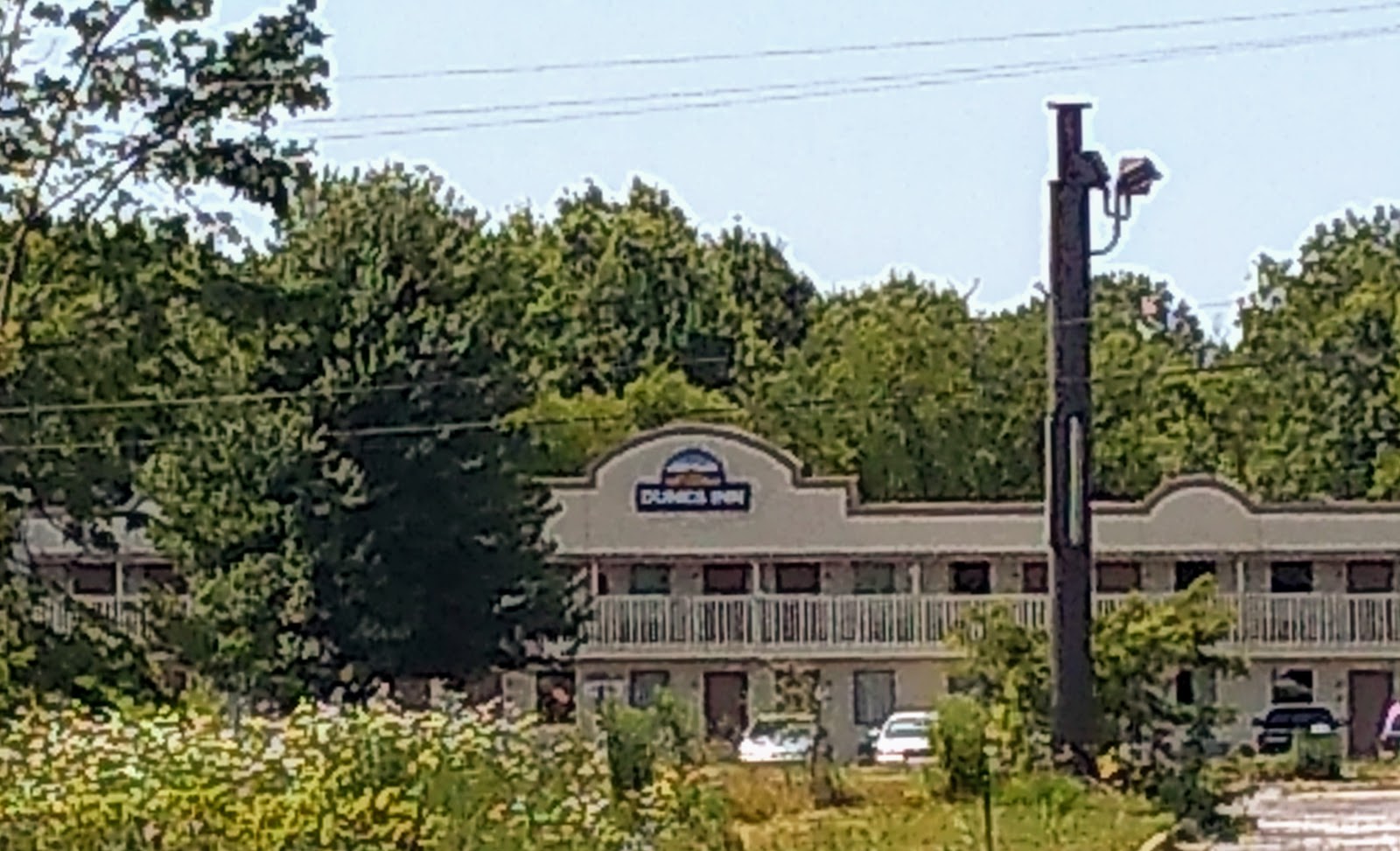
The Dunes Walk Inn, Michigan City: One Frame and How It Is Made
Two golden hours over water. The morning one is the better picture.
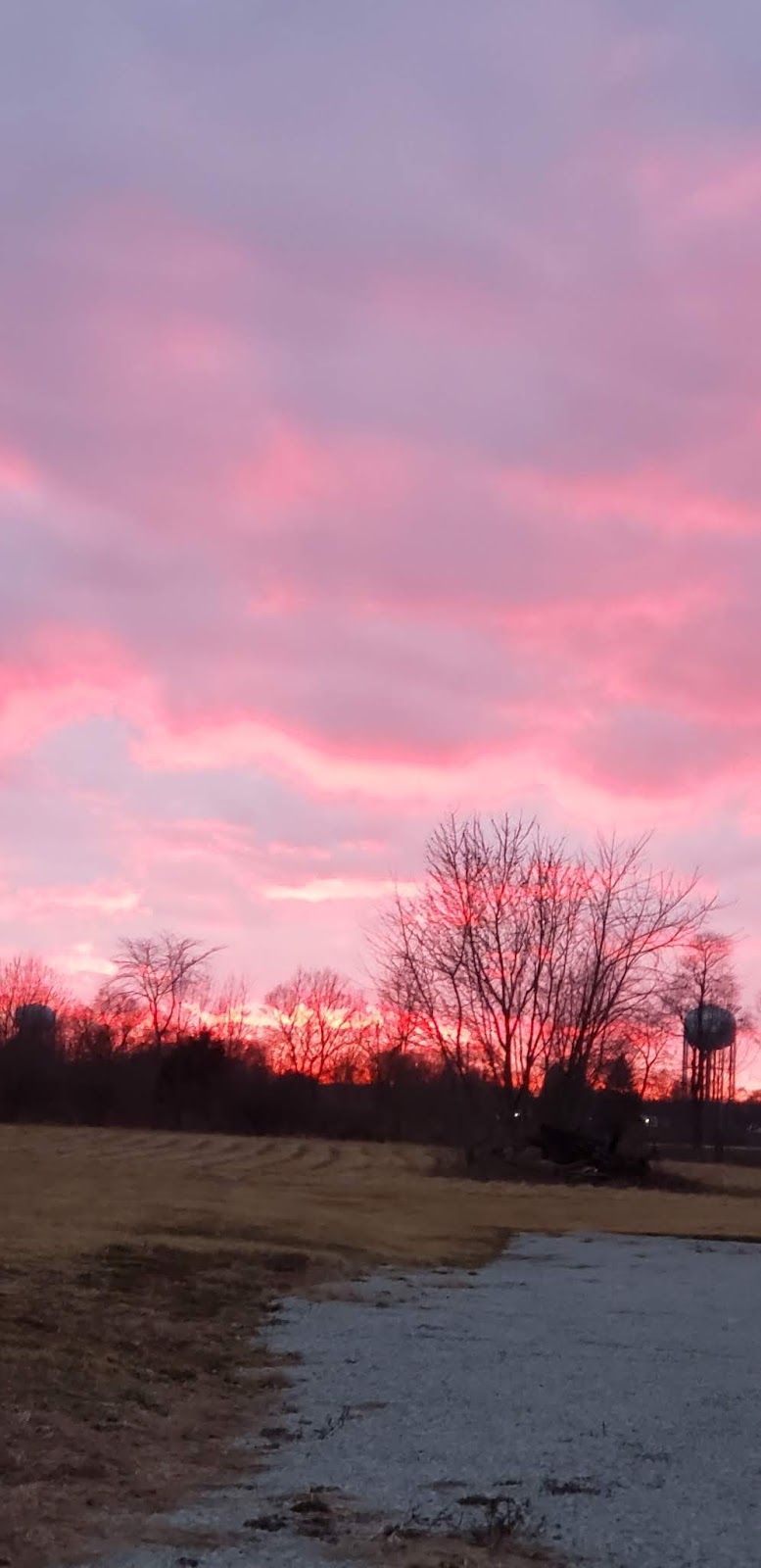
There is one frame worth planning this whole day around and it happens at dawn, which is why almost nobody makes it.
The reason it exists is geographic. Lake Michigan’s southern shore faces north, and at this latitude in summer the sun rises well north of east and sets well north of west — which means from this shoreline both ends of the day are out over the water.
That is unique in this guide. Every other lake and coastal venue here faces either east or west and gets its sun-over-water frame once. This shore gets it twice, and the two versions are quite different.
The evening version is the one everybody expects: a low sun over the lake, a couple in front of it, and a warm backlit frame. It is a good photograph and it is also the busiest hour on a heavily used recreational shoreline in summer, with the air at its haziest after a warm day and the water at its most disturbed after an afternoon of lake breeze.
The morning version is the better picture and it is better for three specific reasons. The air is at its clearest, because a night of cooling has dropped the haze out of it. The water is at its calmest, because the lake breeze has not developed — which means the reflection is a mirror rather than a texture. And the beach is empty.
So the frame is this: the couple on the sand at sunrise, with a low sun coming out of the lake behind them, an unbroken mirror surface reflecting it, and nobody else in the picture. It is made of four decisions, and the first one is whether the couple will get up.
Michigan City sits at about forty-one and three-quarter degrees north. The June noon sun reaches around seventy-one and a half degrees, sunrise at the solstice is before half past five, days run from about nine hours to fifteen hours fifteen, and civil twilight is around thirty-one minutes.
We have not photographed a wedding at this inn. Which rooms and grounds are included, what access there is to the shore, and what the permitted hours are, are questions for their team — and shore access before the day starts is worth establishing early.
The Dunes Walk Inn at a glance
| Where | A historic inn near the Indiana dunes at Michigan City, Lake Michigan |
| The geography | A north-facing shore: both sunrise and sunset are over the water |
| The frame | The couple at sunrise, a low sun out of the lake, a mirror surface, nobody else |
| Why morning | Clearest air, calmest water, empty beach |
| Ask first | Shore access and timing, included rooms and grounds, hours |
Building the frame
Scout it the day before, in daylight. At half past four in the morning there is no time to discover where the water’s edge is, which way a sandbar runs, or that the best camera position is behind a dune with no route to it.
The scouting questions are specific: where does the sand run level enough to stand two people on it; where can the camera get low without being in the water; and which direction is the sun actually going to come up — because at this latitude in midsummer the sunrise azimuth is well north of east, and guessing it wrong by thirty degrees puts the whole frame in the wrong place.
Arrive before civil twilight, not at sunrise. The thirty-one minutes before the sun appears are the half of the sequence most people miss, and the light in them is the best of the day for a different kind of picture: a soft cool even glow with no direction, a pink band above the horizon opposite the brightening sky, and a water surface that holds colour without any hard highlight in it.
That is a forgiving, shadowless light that suits large groups and people who do not want to be posed, and it is entirely wasted by arriving at sunrise.
Then the exposure decision, and it is the one that makes the frame. When the sun clears the horizon, the brightness range opens very quickly: within a few minutes there is a sun and its reflection in the same frame, running eight or ten stops above a shaded face.
Three approaches work and they are the standard three. Add a close source, warm-gelled to match the low sun, at about a stop over the ambient on the faces, and expose for the sky and water — which keeps the lake’s colour and gets the frame most people want. Expose for the sky alone and silhouette, which works unusually well here because Lake Michigan’s horizon is completely unbroken and a silhouette has a clean graphic field to sit in. Or turn around and use the low sun frontally with the dunes behind, which cannot fail.
That last option deserves emphasis on this shore, because it is the only frontal low light available here at all. A north-facing beach never gets a low sun from behind the camera when looking at the water — the sun is always over the lake when it is low — so the frontally lit frame means facing inland at the dune landscape. It is warm, directional, easy, and it shows the place rather than the water.
The mirror is the fourth decision and it is a matter of timing rather than technique. Calm water belongs to the hour around sunrise and nothing else in the warm months, because the land heats faster than the lake and sets up a breeze that breaks the surface by mid-morning.
When it is a mirror, compose so the reflection is of something with tone in it rather than of blank sky: the sun’s own path on the water, the dune line, or a boat. A reflection is about a stop darker than what it reflects, so a reflection of a bright sky is a flat grey field and a reflection of the sun’s disc and the dunes is a picture.
And the sand does something useful throughout. The dunes here are very pale quartz with a high albedo, which fills faces from below — precisely where a high sun or a bright sky leaves them dark — and which makes a meter underexpose by a stop or more in any frame containing much of it. Compensate deliberately and check on skin.
The inn, the dunes and the rest of the day
A historic inn is domestic in scale and that changes the interior approach relative to a hotel. Expect moderate ceilings, ordinary windows in ordinary numbers, and light that is adequate rather than generous.
The method is a single-window setup: subject at forty-five degrees to a window, at a distance that sets the ratio, metered on skin, with the room falling away behind. Where the finishes are dark the fall-off is free — three or four stops to the wall behind — and where the room is pale the problem inverts to separation, which means finding something dark or adding a source a stop over ambient so the subject has a shadow side.
A deep reveal around an older window acts as a snoot, narrowing the beam and steepening the fall-off, which makes the effect stronger than a modern window of the same size. Small movements change the ratio noticeably; precision pays.
The specific advantage of a building near a bright sand landscape is that the light coming through the windows has bounced off pale sand rather than off grass — which makes it brighter and much more neutral than a typical inland window. On a bright day the lake-facing rooms are exceptionally well lit.
The dunes are the exterior asset and they divide by species in a sequence that is legible here because this shoreline is where the study of ecological succession began. Marram grass on the foredune is a foreground rather than cover — knee-high, fine and constantly moving, which makes it excellent texture at the bottom of a frame. Cottonwood behind it is the pioneer tree: large glossy leaves on flexible stalks, constantly moving, which gives shifting dapple — background, not cover.
Black oak and jack pine on the stabilised dunes are the useful pair. Jack pine is dense and dark, which makes its edge good separation: a subject a metre inside it has soft directional light in front and three stops of dark behind. Black oak savanna is widely spaced with a broken canopy, so it dapples in sun and is soft and even under overcast — an overcast-only position.
The midday problem applies as everywhere: at seventy-one and a half degrees of June elevation the sun puts eyes in shadow and foreheads in light, and open dune has no cover. The answers are the jack pine edges, the inland woodland, and the building.
Two practical notes for this shoreline. It is a heavily used recreational area in summer, which means a frame that reads as an empty beach usually has to be composed to exclude what is beside it — a longer lens, a lower camera with sand across the bottom, or a tighter crop. That is ordinary work, and it is another argument for the dawn frame, where the problem does not exist.
And northwest Indiana sits in the Great Lakes severe-weather region with a peak from April into June. On an open beach with no cover at all, a named indoor alternative in those months is a requirement rather than a courtesy.
- Scout the position and the sunrise azimuth the day before
- Arrive before civil twilight, not at sunrise — thirty-one minutes of it
- Compose the reflection on the sun’s path and the dune line, not blank sky
- Facing inland is the only frontal low light this shore gets
- Compensate a stop for the pale sand, and re-check as the framing changes
The south shore year
Four real seasons, and a lake that makes each of them behave unlike the same season inland.
Winter is the most distinctive. Lake-effect cloud is persistent and this stretch is in the snowbelt, so grey skies are the normal condition from November through February and snowfall can be heavy and localised. What that produces is either flat overcast — soft, forgiving, directionless light, excellent for faces and useless for landscape — or, on the clear days that follow a cold front, the best light of the year.
A snow-covered dune landscape in low winter sun is one of the more unusual things in this guide: pale sand under white snow, near-black jack pine and dark oak trunks on it, and a lake that runs from steel grey to ice-fringed. Snow is the best natural fill available, lifting shadows to within a stop and fooling a meter by about two, so open up deliberately.
The December noon sun at around twenty-five degrees means the whole short day rakes rather than floods, which puts the good light in the middle of the afternoon. And the dawn frame described above still exists in winter, at a far more civilised hour — sunrise is after eight in late December — with the sun rising well south of east and the beach entirely empty.
Shelf ice along the southern shore in a hard winter is a genuine photographic subject: wave action and freeze-thaw build stacked plates and ridges unlike anything a sea produces. Access onto it is a safety question and the answer is no.
Spring is late on this shore because the cold lake holds the air temperature down — leaf-out runs a week or two behind inland Indiana. April is bare and grey; May brings the new foliage and the fog season, because warm humid air moving over a still-cold lake condenses.
Lakeshore fog in May and June is common and it is a very large diffuser: it removes every shadow, compresses the scene, and erases the horizon — which turns any lakeward frame into a subject against nothing. Beautiful used once, monotonous used five times.
The costs are the severe-weather peak from April into June and the late, cold water.
Summer is the season and the days are very long: over fifteen hours at the solstice, sunrise before half past five, and thirty-one minutes of civil twilight at each end. That gives two full golden hours over water and an unhurried blue period at both ends of the day — which no other venue in this guide can offer.
The costs are the middle of the day, humidity haze, and crowds.
Autumn is the best season overall. Northern Indiana turns in the first half of October, and the dune country’s palette is specific: cottonwood a clean bright yellow that moves constantly in any wind, black oak russet, sassafras orange-scarlet, and maple orange in the inland woods — all of it against pale sand and dark jack pine.
October also brings the clearest air of the year, thinner crowds, and a lake still warm enough to lie flat on a settled morning, which makes the dawn frame at its best in the first two weeks of the month. By November the lake-effect cloud has arrived and the shore has gone grey.
More frames from The Dunes Walk Inn
The Dunes Walk Inn wedding photography: common questions
Why are both sunrise and sunset over the water here?
Lake Michigan’s southern shore faces north, and at this latitude the midsummer sun rises well north of east and sets well north of west — both out over the lake.
Why is the morning version better?
Clearest air after a night of cooling, calmest water because the lake breeze has not developed, and an empty beach.
When should I arrive?
Before civil twilight, which is about thirty-one minutes long here. The soft shadowless light in that window is the half of the sequence most people miss.
How do I compose a reflection?
On the sun’s path on the water and the dune line, not on blank sky. A reflection runs about a stop darker than what it reflects.
Where is the frontal low light?
Facing inland at the dunes. A north-facing shore never gets a low sun from behind the camera when looking at the water.
When is the frame at its best?
The first two weeks of October: clearest air of the year, thin crowds, and a lake still warm enough to lie flat at dawn.
More Indiana venue guides
We are writing a photographer’s guide to every venue we would happily shoot in Indiana. Here are three more, plus the full index:
- French Lick Resort, French Lick: The Venue’s Own Logic
- Harrah’s Hoosier Park, Anderson: What It Suits and What It Does Not
- Indianapolis Motor Speedway: The One Decision That Governs Everything
Planning a wedding at The Dunes Walk Inn?
The best frame here happens before breakfast. Tell us your date.