 Indianapolis Zoo: Reading a Day From Open Grounds to Underwater Glass
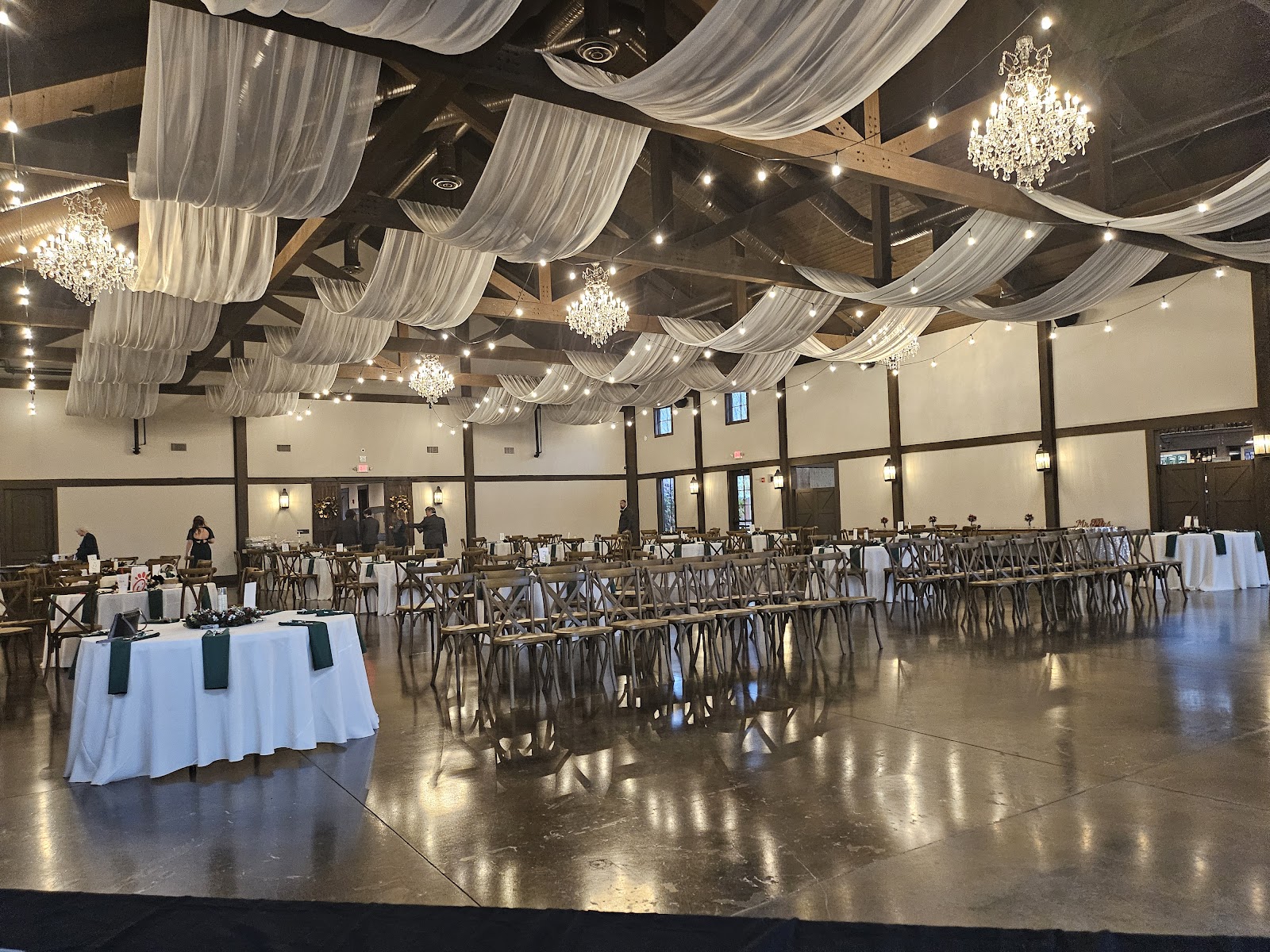
The Barn at Bay Horse, Valparaiso: A Walk Through the Site
Rolling ground, big fields, and a dark wall of conifer at every edge.
The best way to describe this site is to walk it, because the elements are simple and each one does something specific.
There are four: the barn, the open fields, the windbreaks, and the gradient. Valparaiso sits on the Valparaiso Moraine — the ridge of glacial debris left at the southern limit of an ice advance — which gives this part of Indiana rolling ground and deep fertile soil, and produces a farmed landscape of large fields separated by planted rows of conifer.
Each of those four elements solves a different problem, and knowing which does what is the practical content of this page.
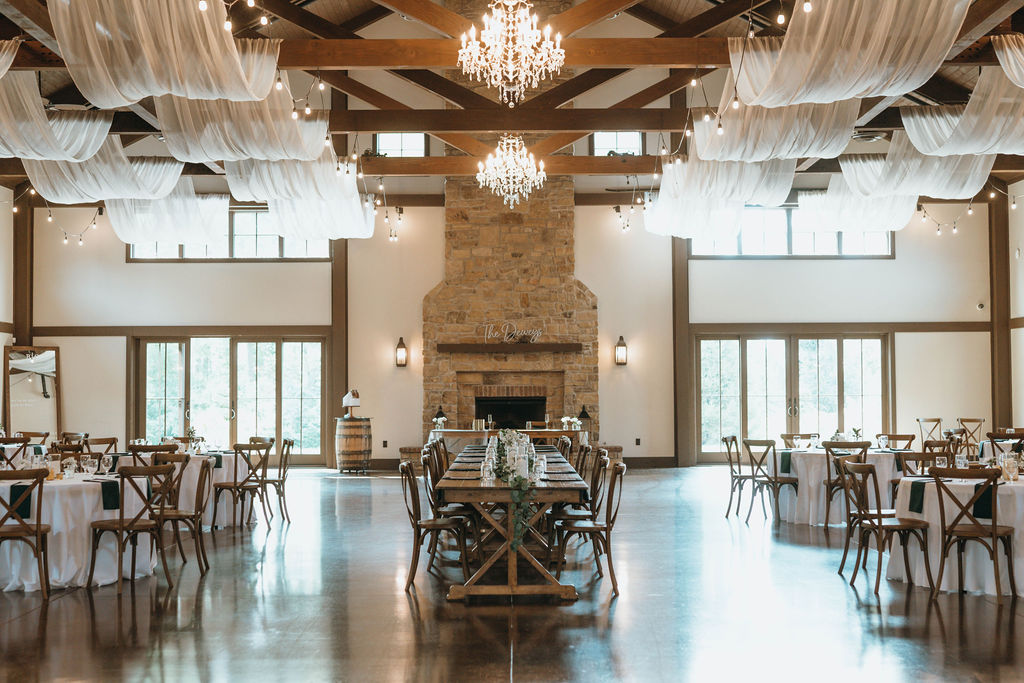
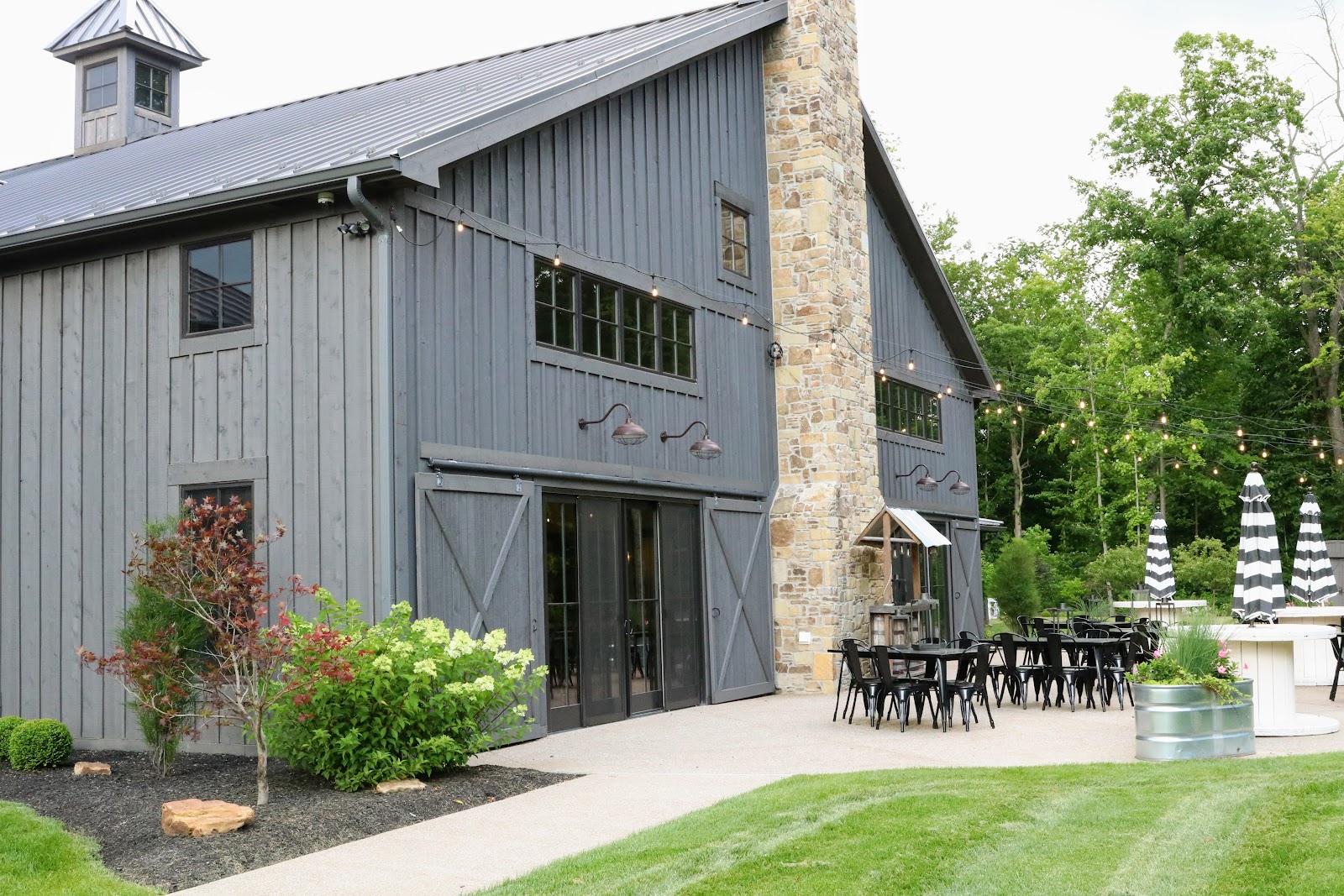
The barn is the light. A barn is a dark volume with a small number of very bright openings, which is exactly what a studio is, and depth back from a large open door is a complete lighting control: at the threshold the ratio is low and the result is flat; three metres in the ratio is dramatic and the interior behind has fallen four or five stops. It also works in any weather, which in the Great Lakes severe-weather season matters.
The fields are the scale. Large open ground on rolling moraine gives long sightlines, big skies and level benches for groups — and in summer a standing crop is a green wall eight feet high, which is a background rather than a floor.
The windbreaks are the separation. A row of mature spruce or pine planted along a field boundary is a long straight near-black wall, and its edge provides the best free portrait position available: a subject a metre inside it has soft directional light in front and three or four stops of dark behind, at any hour of any day.
And the gradient is the removal. A camera below the subjects on any rise puts them against open sky with no horizon behind them, which drops every building, vehicle and guest out of frame.
Valparaiso sits at about forty-one and a half degrees north. The June noon sun reaches around seventy-two degrees, the December noon sun about twenty-five and a half, days run from about nine hours five to fifteen hours ten, and civil twilight is around thirty-one minutes.
We have not photographed a wedding at this venue. Which spaces and grounds are included, whether the fields and working areas are accessible, what covered alternatives exist and what the permitted hours are, are questions for their team.
The Barn at Bay Horse at a glance
| Where | A barn venue on the Valparaiso Moraine in northwest Indiana |
| Four elements | The barn (light), the fields (scale), the windbreaks (separation), the gradient (removal) |
| The barn | Four or five stops of fall-off from a large open door, in any weather |
| The windbreak | A hundred metres of near-black wall with a usable edge along all of it |
| Ask first | Included grounds, field access, covered alternatives, hours |
The barn and the fields
Start in the barn, because it is the most controlled light on the property and everything after it is less controlled.
The main doors are the strongest light and depth is the only control, which makes it a simple decision taken deliberately rather than by accident. At the threshold: bright, frontal, flat. A metre in: direction, and a ratio of about three to one. Three metres in: dramatic, with the interior behind gone to near-black and the doorway a blown rectangle.
Deciding that depth on purpose, rather than standing where the party happens to have stopped, is the single most useful thing anyone does inside a barn.
Opposing doors are the barn’s specific gift. A building put up for through-ventilation often has large doors at both ends, which means a subject can be lit from the near one and backed by the blown rectangle of the far one — key light and rim light in a single frame, with no equipment. It requires both doors open, which is worth asking for.
Board gaps are the signature effect and the most misused. Where a timber wall has gaps and direct sun outside, hard parallel stripes fall across the interior. On a face they are unusable; behind and around a subject they are structure. Stand the subject in a shadow band and let the pattern fall behind them.
The stripes’ angle changes through the day and their contrast changes with the weather — hard and graphic in direct sun, almost absent under overcast — which means the effect is available for a limited window and worth timing rather than hoping for.
The loft, where it is accessible, gives elevation over the main volume and its own gable opening: a top-down frame of a lit floor in a dark building. It is also the dustiest part of the structure, and dust in a beam of light is the thing that makes a barn frame read as a barn frame rather than as a dark room.
Meter on skin, never on the scene, and set a custom white balance on a face in position: aged timber biases warm and warms further with depth.
Then the fields, and the seasonal state of the crop changes what they are.
Bare or stubble ground is a surface: level, open, with a low horizon and a great deal of sky, which makes it group ground and low-camera ground. What the sky is doing matters more here than at a venue with relief — a clear blue sky is even and featureless, a structured convective sky is the best background this landscape ever has.
Standing corn in August is not a surface but a wall: eight feet or more of dense green, which is tall enough to fill the frame behind standing subjects and uniform enough to be a clean background. It moves in wind, which is useful, and it is green, which is the limitation — skin sits close to green in luminance and complementary to it in hue.
The rows are also a strong structure. A crop planted in rows photographed straight down a row gives a corridor; photographed square across gives a rhythm; photographed at any angle between gives converging clutter. Use the geometry or avoid it, but do not drift into it.
The windbreaks, the gradient and the year
The windbreaks are the most under-appreciated element on any moraine farm and they deserve the longest note.
A windbreak is a planted row of conifer — spruce, pine, sometimes arborvitae — set along a field boundary to reduce wind erosion on deep glacial soil. Photographically it is a hundred metres or more of dense near-black vertical wall, and that is one of the best backgrounds available anywhere.
The value is not only the darkness but the length. A single tree gives one position; a windbreak gives fifty, which means the same excellent light — soft and directional from the open field, with three or four stops of dark behind — is available with many different foregrounds, at many different angles to the sun, and at any hour of any day.
The edge is the position: a metre inside, facing out toward the lit field. Not deeper, where the light falls away; not at the very edge, where the background is not yet dark.
The windbreak is also a boundary line, and the line between bright field and near-black conifer is the best single compositional element on a farm of this kind — a hard division a subject can be placed on.
The gradient is the fourth element and it is the removal tool. Rolling moraine means a rise is available almost everywhere, and from below the subjects they stand against open sky with no horizon behind them — the cleanest background in any conditions. From above them the fields and the country fill the space behind.
Two entirely different photographs from one spot, by walking twenty metres, and it is the answer whenever something intrudes because everything at or below the subjects’ level falls out of a low frame.
Groups get both benefits here. Level benches on rolling ground allow ranks arranged across the slope so heads sit at the same height; or the group can be arranged up a slope with the camera downhill, which makes every face visible without anyone standing on anything. The requirement, as always, is everyone in the same light — full open shade at a windbreak, full overcast, or full sun with the sun behind the camera.
The year here is governed by Lake Michigan, twenty miles north, and that is worth stating because it makes northwest Indiana behave unlike the rest of the state.
Winter brings lake-effect cloud reaching this far inland persistently, which means from November through February low overcast is the normal condition rather than an interruption — this region has some of the cloudiest winters in the United States. Lake-effect snow bands can drop a great deal locally.
For a barn that hardly matters: the interior frames are unaffected, because they are metered on skin and lit by a doorway. For the exteriors it matters a great deal, because the raking light that makes weathered timber come alive is frequently unavailable. The practical reading is that a winter date here is a barn date, and the barn is strong enough to carry it.
Snow, when it lies, is the best natural fill available — lifting shadows to within a stop and fooling a meter by about two, so open up deliberately — and a dark weathered barn against a snow-covered field with near-black windbreak conifer behind it is the cleanest composition the property offers.
Spring is late on this side of the state because the cold lake holds the temperature down, and it brings the severe-weather peak from April into June along with lake fog in May and June. Leaf-out runs into May; redbud and dogwood flower in late April and early May, and magenta redbud against silvered barn timber is the strongest colour combination outside autumn.
Summer is long — over fifteen hours of daylight, thirty-one minutes of twilight — with a daily lake-breeze front in the afternoon, humidity haze, and the crop at full height. Autumn is the best season: northwest Indiana turns in the first half of October, and warm maple and hickory colour against near-black windbreak conifer, above a harvested field of stubble, is the best the site looks all year.
- Depth back from the barn door is the whole lighting control
- Keep the board-gap stripes behind the subject, never across a face
- A windbreak gives fifty positions, not one — work along it
- Camera below subjects on a rise drops everything else out of frame
- A winter date here is a barn date, and the barn carries it
The moraine year in detail
Some further seasonal notes, because a farm’s appearance follows its function and changes more across the year than an ornamental landscape does.
Winter is the barn’s season and the field’s weakest. With the crop off and the hardwoods bare, the landscape is a set of neutrals — brown stubble or bare dark soil, silvered timber, near-black conifer, grey sky — which is a palette that suits farm material far better than summer green does. The limitation is the persistent overcast, which removes the raking light that timber needs.
When a clear winter day does come, it is the best of the year for the exteriors. The December noon sun at twenty-five and a half degrees never rises high enough to flatten anything, so a barn wall facing anywhere near the sun rakes for the whole short afternoon rather than for twenty minutes.
Spring’s specific advantage on a farm is variety: some fields in new growth, some bare, some being worked, which gives a landscape with different textures rather than one uniform crop. Its costs are the wettest ground of the year on deep moraine soil, and the severe-weather peak.
Summer’s compensation is the length of the day and the sky. Over fifteen hours of daylight with thirty-one minutes of civil twilight means an unhurried schedule and a genuine blue period as a separate session — a luxury that no venue in the southern half of this guide can offer.
The convective cloud that builds over the Midwest on a summer afternoon is the best background this flat-horizoned landscape ever has, and a low camera that puts the subjects against it is the frame to watch for. The lake-breeze front reaching inland in the afternoon can bring its own line of cloud, sometimes quite suddenly.
Autumn is the best season here on every count. Northwest Indiana turns in the first half of October — ahead of the southern hills, because the timing runs southward — with sugar maple orange and red, hickory gold, oak russet and sassafras orange-scarlet.
For a farm, autumn also means harvest: stubble, bales, bare worked soil and stacked equipment, which is the working landscape at its most photographically legible. The combination of warm colour in the hardwood, near-black windbreak conifer, harvested stubble and a low sun is the strongest thing this site produces, and the window runs through most of October.
October also brings the clearest air of the year and the most frequent valley mist at dawn — cold air sinking into the moraine’s hollows overnight, which gives a subject on higher ground with white mist in the low ground behind them.
By November the lake-effect cloud has arrived, the fields are bare, and the barn resumes being the whole venue — which, since it was the best light on the property in every season, is not a loss.
More frames from The Barn at Bay Horse
The Barn at Bay Horse wedding photography: common questions
What are the four elements here?
The barn for light, the open fields for scale, the conifer windbreaks for separation, and the gradient for removing clutter from a background.
How do I work the barn?
Depth back from a large open door is the whole lighting control. Three metres in gives four or five stops of fall-off. Meter on skin, never on the scene.
Why is a windbreak so useful?
It is a hundred metres of dense near-black wall, which means fifty different positions with the same excellent light rather than one.
What is standing corn good for?
A background rather than a floor. Eight feet of dense uniform green is tall enough to fill the frame behind standing subjects — and it is green, which is the limitation.
What about a winter date?
It is a barn date. Lake-effect overcast removes the raking light the exteriors need, and the barn’s interior frames are entirely unaffected.
When is the site at its best?
Through October: warm hardwood colour against near-black windbreak conifer, above harvested stubble, with dawn mist in the hollows.
More Indiana venue guides
We are writing a photographer’s guide to every venue we would happily shoot in Indiana. Here are three more, plus the full index:
- Blue Chip Casino, Michigan City: What It Suits and What It Does Not
- Brown County Inn, Nashville: Field Notes, Problem and Solution
- The Dunes Walk Inn, Michigan City: One Frame and How It Is Made
Planning a wedding at The Barn at Bay Horse?
A barn, a windbreak and a gradient. Tell us your date and we will use all three.