 Indianapolis Zoo: Reading a Day From Open Grounds to Underwater Glass
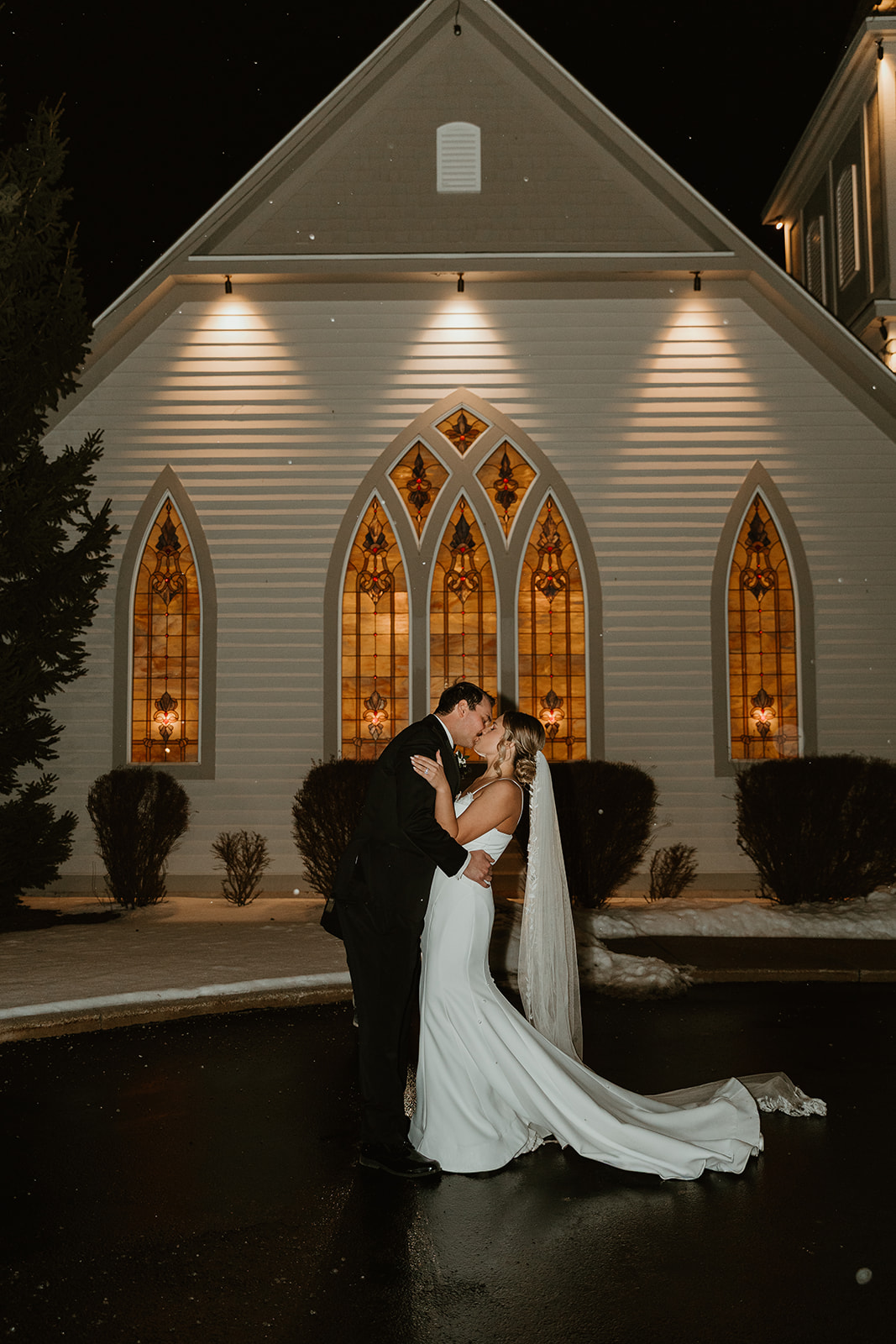
Aberdeen Manor, Valparaiso: How the Light Moves
Close enough to Lake Michigan for the lake to set the terms.
Two things govern the light at this venue and only one of them is on the property. The other is Lake Michigan, twenty miles north.
Valparaiso sits on the Valparaiso Moraine, the ridge of glacial debris that marks the southern limit of one of the ice advances — which gives this part of Indiana rolling ground rather than the flat till plain that covers the centre of the state. That relief is the first governing fact, because a gradient is the most useful topographic feature a photographer can have.
The second is the lake. Twenty miles is close enough for Lake Michigan to dominate the weather in every season, and the effects are specific rather than vague. In autumn and early winter the lake is warmer than the air, which produces lake-effect cloud and snow bands reaching this far inland — persistent grey skies and, in the right flow, heavy localised snow.
In spring the reverse holds: the lake is colder than the air, which suppresses convection, holds the region cooler than places further from the water, and produces fog when warm humid air passes over the cold surface. Lakeshore fog in May and June can reach inland this far.
And in summer the lake breeze is a real daily phenomenon — a cool onshore flow that develops through the afternoon, arrives as a distinct front, and can produce a visible line of cloud along it. That matters photographically because it changes the light and the air clarity in the middle of an afternoon, sometimes quite abruptly.
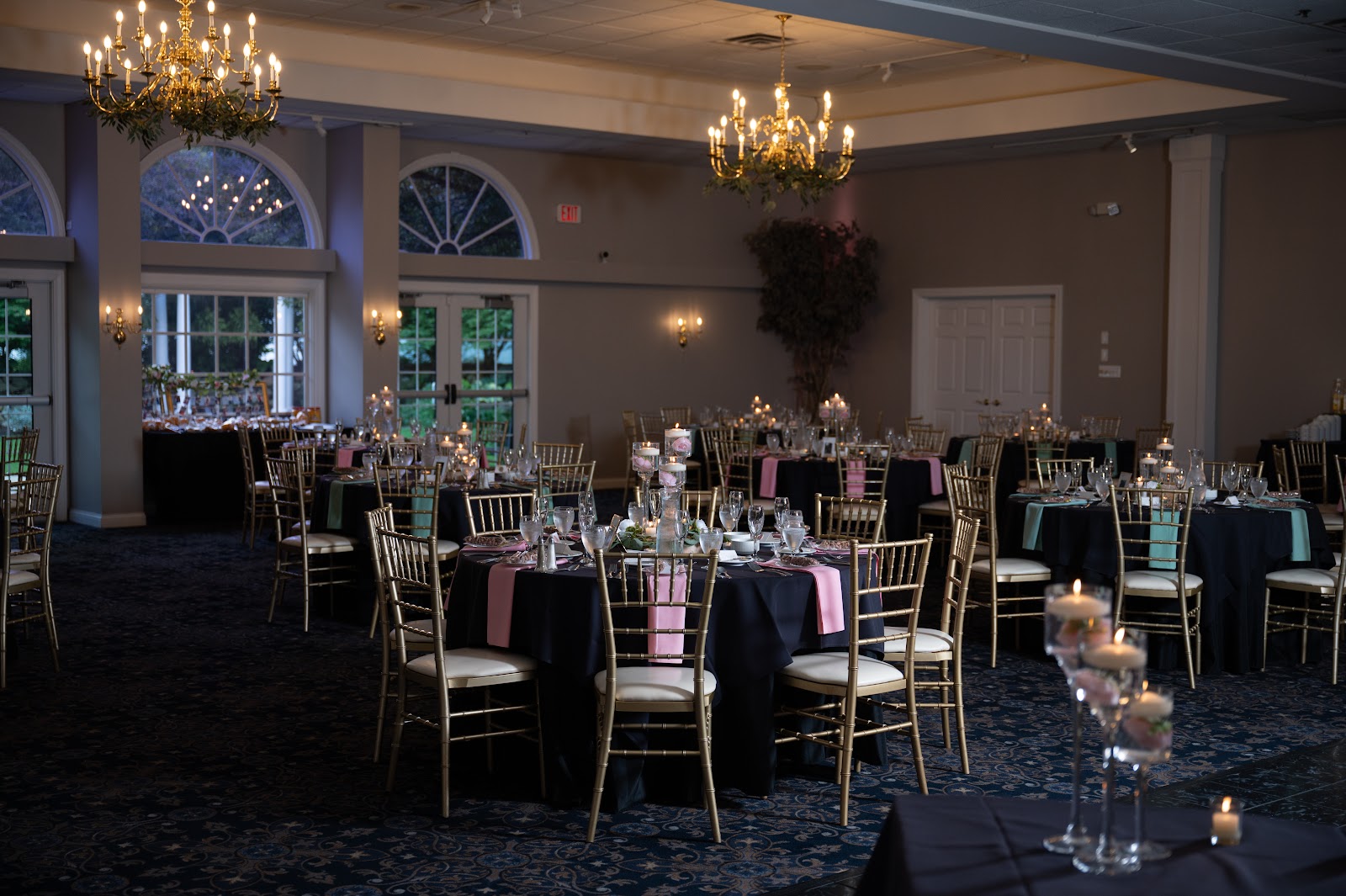
The building itself is a manor-style venue, which means the interior character of a large formal house: tall windows, generous rooms, formal arrangement and finishes that are more likely to be decorative than plain.
Valparaiso sits at about forty-one and a half degrees north. The June noon sun reaches around seventy-two degrees, the December noon sun about twenty-five and a half, days run from about nine hours five to fifteen hours ten, and civil twilight is around thirty-one minutes.
We have not photographed a wedding at this venue. Which rooms and grounds are included, what covered alternatives exist and what the permitted hours are, are questions for their team.
Aberdeen Manor at a glance
| Where | A manor-style venue near Valparaiso, on the moraine in northwest Indiana |
| Two governing facts | Rolling glacial moraine ground, and Lake Michigan twenty miles north |
| The lake effect | Grey cloud and snow in early winter, fog in late spring, a breeze front in summer |
| The building | A large formal house: tall windows, generous rooms, decorative finishes |
| Ask first | Included rooms and grounds, covered alternatives, permitted hours |
Morning into midday
The first hour on rolling moraine ground is the one worth getting up for, because a dissected landscape produces valley mist on clear calm nights: cold air sinks into the low ground overnight and the hollows fill while the higher ground stays clear.
That gives a frame that a flat site cannot: a subject on higher ground, lit by low sun, with white mist in the valleys behind and below them. It happens most often in late summer and autumn and it lasts perhaps an hour.
It is also the hour when the gradient produces the twice-daily gift. On rolling ground the east-facing slopes are lit while the west-facing ones are still in shadow, which means a subject standing in even shade on the shaded aspect has a brightly lit slope behind them — studio separation supplied by topography, available in the morning and again in the afternoon in mirror image.
Mid-morning is the best open-ground portrait window before the evening. With the sun between twenty and forty degrees, faces have modelling rather than shadowed sockets, the grass has texture, and a group with the sun behind the camera needs nothing added.
It is also the right hour for the building’s exterior if the front faces east or south-east, because a formal façade needs light raking across it to show its detail: relief, joinery, string courses and window surrounds all read under shallow light and vanish under frontal light.
Midday on the open ground is the hardest light of the day. At seventy-two degrees of June elevation the sun puts eyes in shadow and foreheads in light, and a lawn has no cover — so the work moves to the interiors, to any covered terrace or porte-cochère, and to the tree margins.
The trees in northwest Indiana moraine country are mixed hardwood with planted conifer, and the species distinction decides everything. Any conifer — white pine, spruce, planted windbreaks — blocks almost all light and gives near-darkness, which makes its edge the best free separation available: a subject a metre inside a conifer margin has soft directional light in front and three or four stops of dark behind.
Hardwood canopy — maple, oak, beech, hickory — gives soft even light with a green cast, and the correction is positional: two metres inside the edge, facing out, where most of the light on a face arrives from open sky rather than through leaves. Deeper in, a warm-gelled source at a stop over ambient overrides the green on skin while leaving the foliage as it is.
Windbreak conifer plantings are common on moraine farmland and worth looking for specifically. A row of mature spruce or pine is a long straight near-black wall, which is one of the best backgrounds available anywhere, and its edge runs for a hundred metres — so it offers the same excellent portrait light at many different positions and with many different foregrounds.
And the gradient offers the removal solution at any hour: a camera below the subjects on any rise puts them against open sky with no horizon behind them, which is the cleanest background available in any conditions and drops every building, vehicle and guest below their level out of frame.
Afternoon to dark, and inside
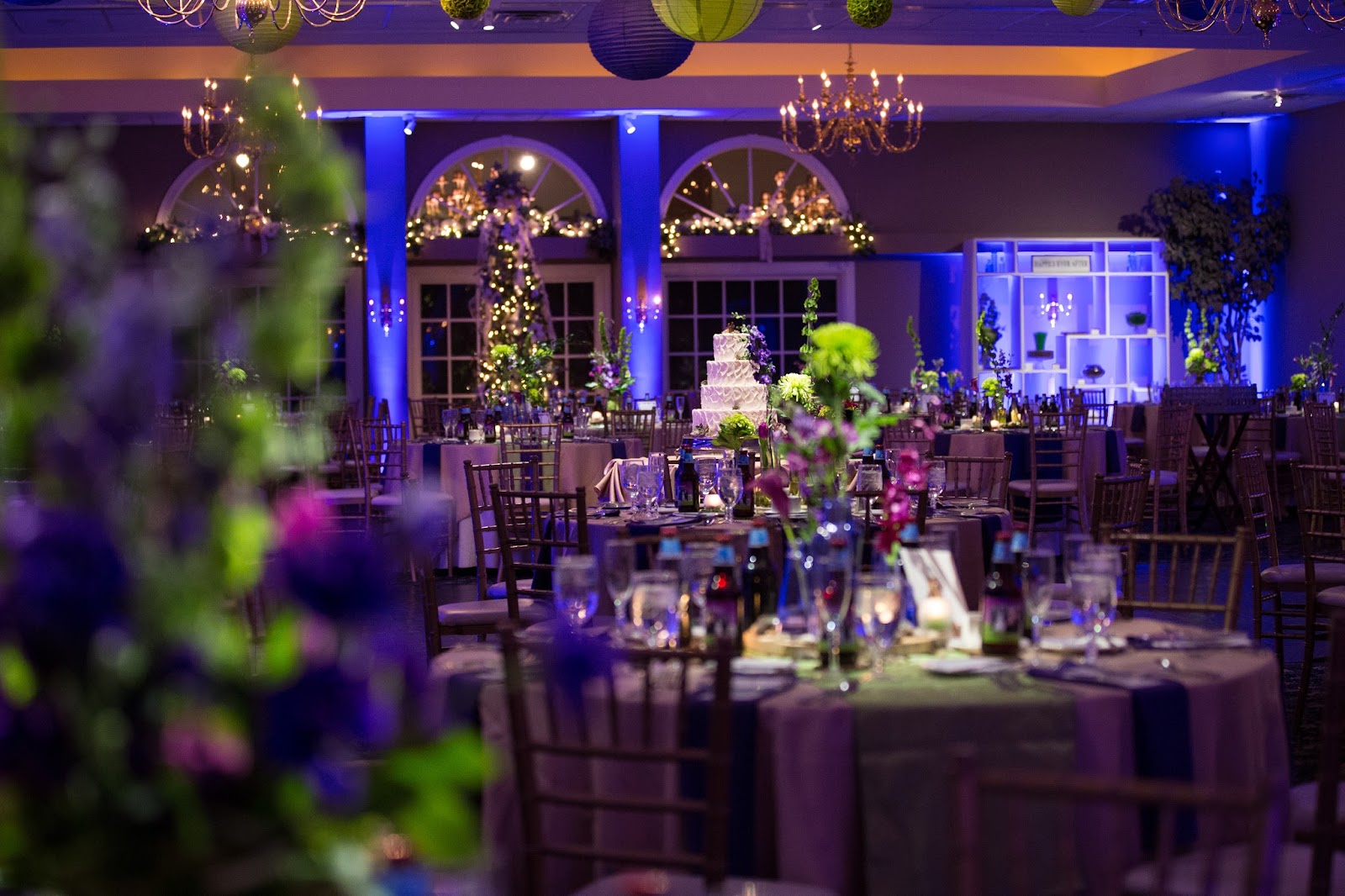
Early afternoon is the weakest window and the right time to be inside, and a formal house rewards it.
Expect tall windows, generous ceiling heights and decorative finishes. The windows are effectively the only daylight and the fall-off from them is the asset — three or four stops from a face at a window to the wall behind it, which does the separation for free. Meter on skin and let the room go dark.
The method is to treat each window as a studio source: subject at forty-five degrees, at a distance that sets the ratio, with the room falling away behind. In a corner room with windows on two walls, one becomes key and the other fill — a complete setup made of architecture.
Where a room is pale and decorative the problem inverts to separation: everything is bright, so a subject needs something dark behind them, or a source a stop over ambient so they have a shadow side at all. Decorative plasterwork and patterned surfaces are also busy, which means a subject placed against them needs either enough separation to throw them out of focus or enough intent that they read as setting.
Corridors and stair halls are the sleeper locations in any building of this type, and a formal staircase is the single best interior structure at a manor-style venue: it gives a level change, a balustrade line at exactly the height a leaning or seated subject occupies, and — where it is lit from above or from a landing window — a directional source with fast fall-off.
Mid-afternoon the sun crosses onto the western aspects and the property begins to improve. The afternoon is also when the lake breeze arrives in summer, and it is worth being aware of: a cool onshore flow reaching inland can change the air clarity and bring a line of cloud, sometimes within half an hour.
That is not a problem so much as a reason to take the frames that need clear air earlier rather than later on a hot day.
The last ninety minutes are the property’s best and rolling ground gets most of them, because the western horizon from any high point is further away and lower than in a valley. A low sun rakes across the ground rather than falling onto it, which puts relief into every rise and hollow, and it lights the west-facing aspects of the building frontally at an angle low enough to model the detail.
The frames for that window: the couple with the sun behind them, exposed for the sky and lifted by a close warm-gelled source; the couple with the sun behind the camera, which needs nothing; a low-camera frame against the deeper sky opposite the sun; and the building itself lit frontally and low.
The gel is not optional. Low sun at this latitude is strongly warm and open shade is lit by a blue sky, so an ungelled flash puts cold faces into a gold landscape.
Then dusk, which at this latitude is generous: around thirty-one minutes of civil twilight, and on rolling open ground the whole of it is usable. That is a genuine working window rather than a scramble, and it is long enough to treat the blue period as a separate unhurried session.
The crossing point applies if the building is lit: the sky and the lit façade sit within about a stop of each other for roughly ten minutes, and that crossing is the frame — scouted in daylight, because ten minutes is not enough time to search.
Two practical notes. Northwest Indiana sits in the Great Lakes severe-weather region with a peak from April into June, and on open moraine ground a named indoor alternative in those months is a requirement. And rolling open ground this close to the lake is windy as a baseline, which makes a lightstand a liability and means every source is handheld or weighted.
- Valley mist on clear autumn mornings is a rolling-ground gift
- The twice-daily gift: a lit slope behind a subject in even shade
- Windbreak conifer rows give a hundred metres of near-black background
- Camera below subjects on a rise gives the cleanest background there is
- Thirty-one minutes of twilight, all of it usable on open ground
The northwest Indiana year
Four real seasons, and a lake twenty miles north that makes each of them behave unlike the same season further inland.
Winter is the difficult half and the lake is the reason. Lake-effect cloud reaches this far inland persistently, which means from November through February low overcast is the normal condition rather than an interruption — this region has some of the cloudiest winters in the United States. In the right flow, lake-effect snow bands can drop a great deal of snow locally while places fifty miles away get nothing.
The photographic consequence is twofold. The raking light that makes a formal façade and rolling ground work is frequently unavailable, which removes the exterior’s best frames. And the soft directionless overcast that replaces it is forgiving for faces and flat for architecture — which means an Indiana winter wedding should plan for soft light and treat the interiors as the primary venue rather than the fallback.
Snow, when it lies, is the best natural fill available: it lifts every shadow to within a stop and fools a meter by about two, so open up deliberately. A formal building against snow in the rare clear low light of a winter afternoon is the strongest exterior frame of the season, and the December noon sun at twenty-five and a half degrees means the whole short day rakes rather than floods when it is clear.
Spring is late on this side of the state because the cold lake holds the air temperature down — leaf-out here runs a week or two behind southern Indiana. April is bare and grey; May brings the new foliage, the pale transmissive green that backlights beautifully for about three weeks, and the fog season.
Redbud and flowering dogwood come in late April and early May, lit directly before the canopy closes. Against a formal building’s masonry or render, redbud’s magenta is the strongest colour combination of the spring.
The costs are the severe-weather peak from April into June, and the lake fog, which can arrive without much warning when warm humid air moves over still-cold water. Fog is a very large diffuser — it removes every shadow and compresses the whole scene — which is beautiful used once and monotonous used five times.
Summer is the season and the days are long: over fifteen hours at the solstice with thirty-one minutes of civil twilight, which gives an unhurried evening. The lake moderates the heat, and the lake breeze is a daily afternoon feature worth planning around.
The costs are the middle of the day at seventy-two degrees of sun elevation, and humidity, which puts haze into the air and softens the distance across rolling country.
Autumn is the best season here. Northwest Indiana turns in the first half of October — ahead of the southern hills, because the timing runs southward — with sugar maple orange and red, hickory gold, oak russet and sassafras orange-scarlet.
On rolling moraine ground that colour reads as a landscape rather than as a canopy, which is the right way round, and against planted conifer windbreaks the warm palette has a near-black backdrop to sit against — which is a better combination than colour on colour. October also brings the clearest air of the year and the most frequent valley mist at dawn.
By November the lake-effect cloud has settled in and the interiors take over.
More frames from Aberdeen Manor
Aberdeen Manor wedding photography: common questions
What are the two governing facts?
Rolling glacial moraine ground, which gives a usable gradient everywhere, and Lake Michigan twenty miles north, which sets the weather in every season.
What does the lake actually do?
Lake-effect cloud and snow in autumn and early winter, fog in late spring when warm air meets cold water, and a daily cool breeze front in summer afternoons.
What is the twice-daily gift?
A brightly lit slope behind a subject standing in even shade on the opposite aspect — studio separation supplied by the topography.
What is the best background on moraine farmland?
A mature conifer windbreak row. It is a long straight near-black wall, and its edge runs for a hundred metres with many different foregrounds.
What should I expect of the winter?
Persistent low overcast — some of the cloudiest winters in the country. Plan for soft forgiving light and treat the interiors as the main venue.
When is the venue at its best?
The first half of October: warm colour reading as a landscape across rolling ground, against dark conifer, in the clearest air of the year.
More Indiana venue guides
We are writing a photographer’s guide to every venue we would happily shoot in Indiana. Here are three more, plus the full index:
- The Barn at Bay Horse, Valparaiso: A Walk Through the Site
- Blue Chip Casino, Michigan City: What It Suits and What It Does Not
- Brown County Inn, Nashville: Field Notes, Problem and Solution
Planning a wedding at Aberdeen Manor?
Rolling ground and a lake that sets the terms. Tell us your date.