 The Rio Grande Zoo: Cottonwood Shade and the Enclosure Problem
The Santa Ana Star Casino, Bernalillo: Suits and Does Not Suit
Everything indoors is yours to make. Everything good is outside.
One thing needs establishing before anything else, because it governs conduct rather than technique.
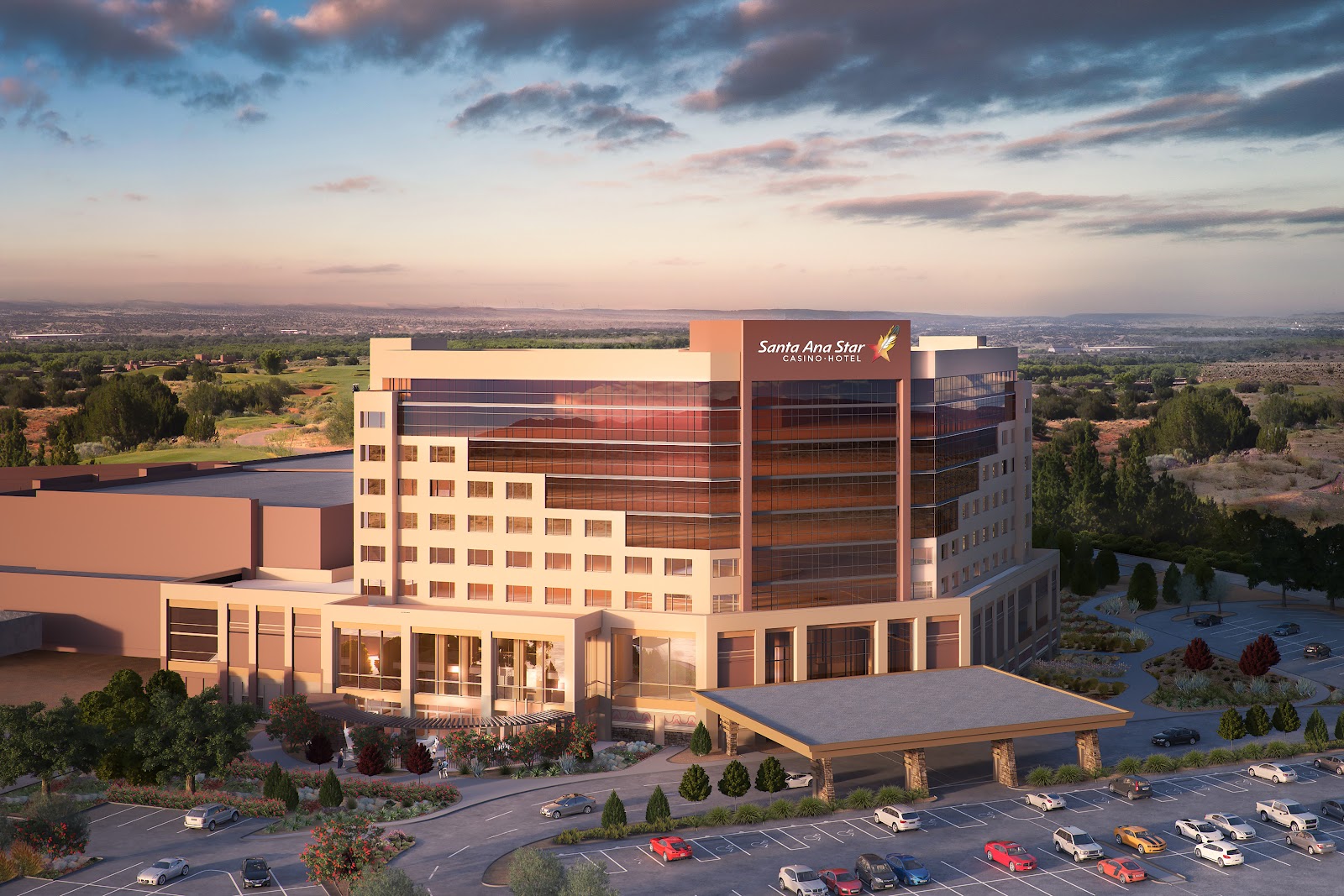
The Santa Ana Star Casino stands near Bernalillo in the middle Rio Grande valley, and it is an enterprise of the Pueblo of Santa Ana — a sovereign nation with its own government, its own laws and its own rules about photography. Those rules are serious rather than nominal: photography on pueblo land is frequently restricted, certain areas and activities may not be photographed at all, and permits may be required beyond ordinary guest use.
So establish in writing and in advance exactly where photography is permitted, ask through the venue, and take the answer literally. The venue’s own event spaces are a commercial hospitality setting where wedding photography is entirely normal; the wider pueblo land is not a backdrop and should not be treated as one, and cultural material is not decoration for a portrait.
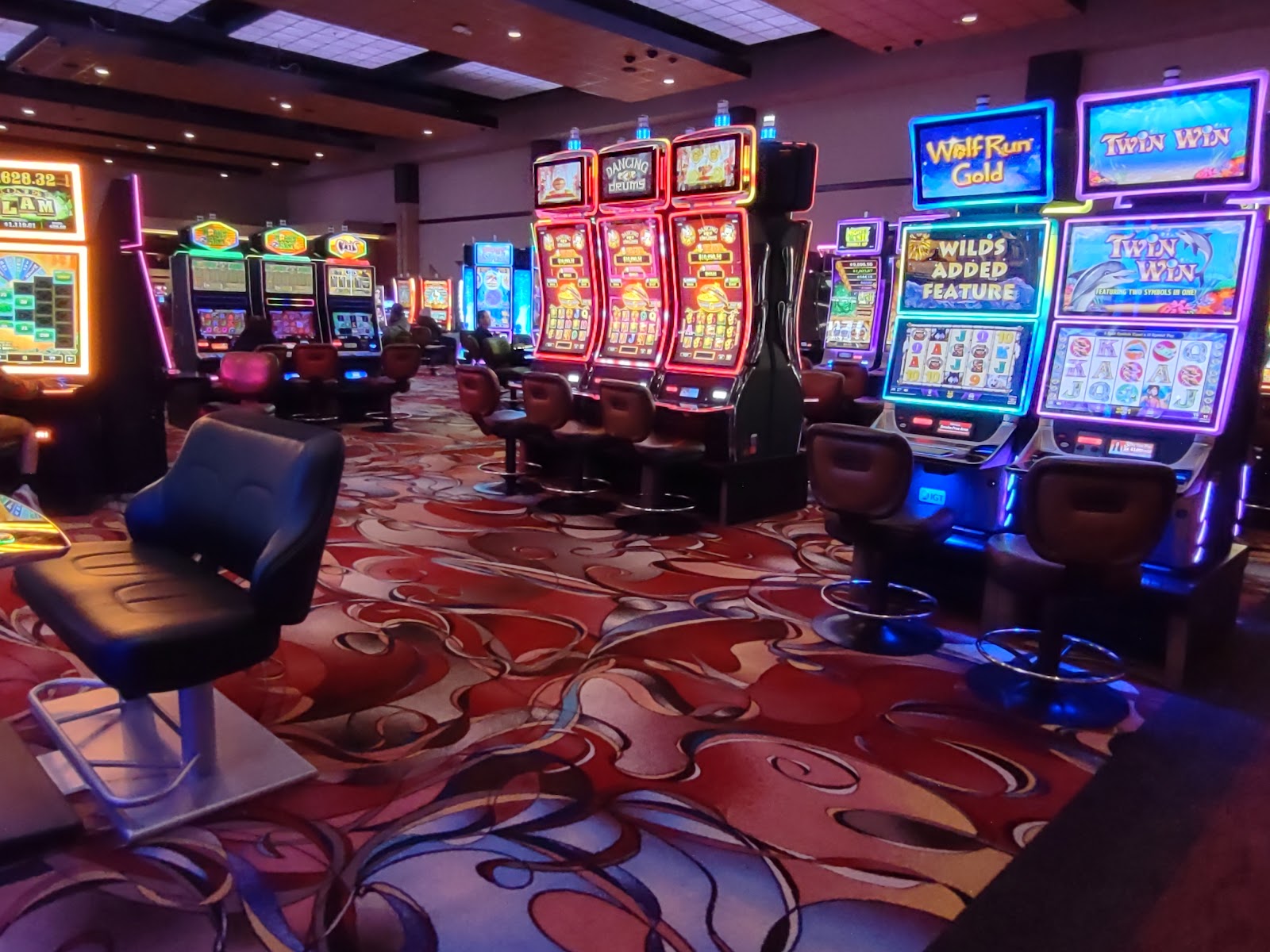
There is a second rule that applies to any casino and it is worth assuming rather than hoping about. Photography and filming of gaming areas is generally prohibited, for reasons of security and of other patrons’ privacy, and it is enforced by staff who watch a floor professionally. Ask anyway and in writing, and plan the day on the assumption that the answer is no.
With both of those settled, this venue has a clear and honest profile, and the division in it is simple: everything indoors is made rather than found, and everything genuinely distinctive is outside.
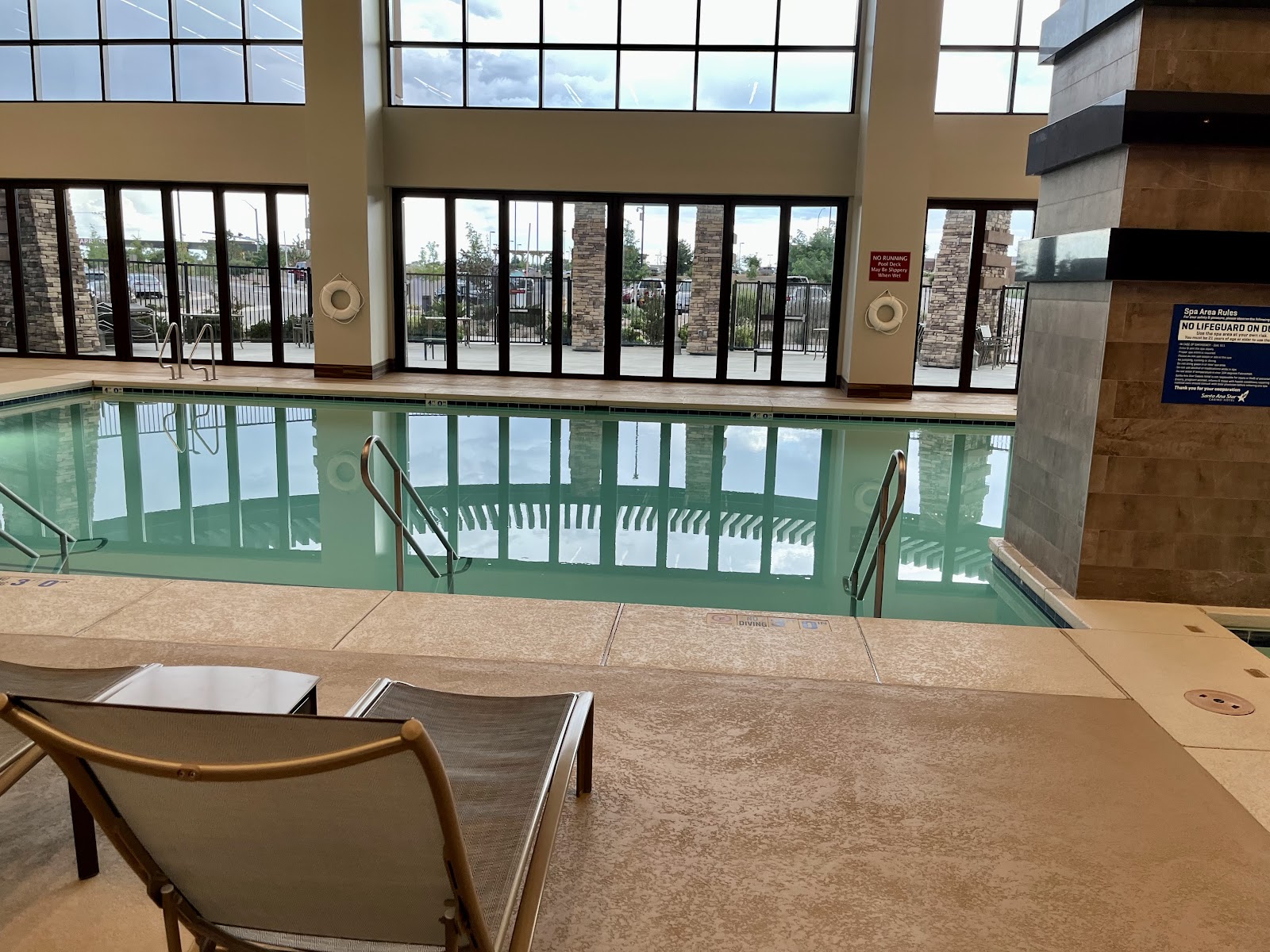
Indoors, a casino is deliberately designed to exclude daylight. There are very few windows on a gaming floor and often none at all, there are no clocks, and the lighting is entirely artificial and constant, so that a person inside has no sense of the hour. The event spaces attached to it may or may not have exterior glazing, and that single question changes the whole photographic day.
What that means is that the interiors have no good hour and no bad hour — which is a genuine convenience, because coverage can be scheduled entirely around the wedding rather than around the sun — and that every interior frame is lit by you, with mixed and often saturated artificial light to reconcile.
Outdoors, the setting is the reason to be here. The valley sits at around fifteen hundred and seventy metres in very thin, very dry air, with a substantial mountain range to the east whose bare west-facing escarpment turns a deep rose-pink in the last minutes of the day. That is the defining light event of this landscape and it happens whether or not a venue has anything to do with it.
So the shape of a good day here is: everything that needs a roof indoors, at whatever hour suits, and twenty protected minutes outside at the end.
So: what it suits, what it does not, and then the desert and the year.
The Santa Ana Star Casino at a glance
| Where | A tribal casino and event venue in the Rio Grande valley near Bernalillo, New Mexico |
| Establish first | Photography permissions on pueblo land, in writing. And assume no gaming floor. |
| Suits | Large guest counts, any weather, any season, and couples who want a smooth day |
| Does not suit | Anyone wanting daylight interiors, period architecture, or a garden |
| The reason to come | A mountain range outside that turns rose-pink at sunset |
What it suits
It suits a large wedding, and that is the clearest argument in its favour. A casino resort has purpose-built event space with real ceiling heights, level floors, service access and dimmable lighting, which means a hundred and eighty people is a routine number rather than a problem. That is the opposite of the small historic properties elsewhere in this library, where the interior is the constraint and the capacity figure is the whole risk.
It suits any weather, and in this region that matters more than it looks. New Mexico’s monsoon brings afternoon thunderstorms through July, August and September with the highest lightning density of the year, and spring brings sustained dry winds that lift dust and reduce visibility for hours. A wedding whose ceremony and reception are both indoors loses twenty minutes outside on a bad day rather than losing the event — and on open desert ground with no shelter, lightning is a safety matter rather than an inconvenience. Say that plainly to a couple weighing this against an outdoor venue; it is the strongest practical point in its favour.
It suits any season for the same reason. An interior with no windows is identical in January and July, so the short winter day costs nothing and the summer heat costs nothing, and a couple can choose a date on price and availability rather than on weather. In a region where the outdoor season is genuinely constrained at both ends, that freedom is worth having.
It suits a photographer who is comfortable lighting every frame and who arrives with a plan. Two lights and stands, a warming gel, and a decision about colour per space will produce a clean, deliberate and consistent set here. There is no found light to fall back on, which is a constraint, and it also means the results are entirely within your control rather than at the mercy of an hour.
It suits a couple who want the day to run smoothly. A resort operation with event staff who do this weekly is reliable in a way a small venue cannot be: timings hold, rooms are ready, service is paced, and the transitions are managed. On a day whose photographic value is concentrated into twenty minutes outdoors at the end, having the rest of it be boring is precisely what makes those twenty minutes possible.
It suits a wedding with guests travelling, because accommodation, food and the event are all in one place and nobody drives at night on a rural highway after a reception.
And it suits a couple who actively want the setting rather than the building. The valley outside is a genuinely fine landscape: an open desert floor of chamisa and sage, a cottonwood gallery forest along the river, a range of mountains to the east that turns colour at sunset, and some of the clearest air and most deeply saturated skies in the country. None of that belongs to the venue, and all of it is available if the permissions allow and the twenty minutes are protected.
One practical advantage worth naming, and it follows from the windowless interiors. Because nothing indoors depends on the hour, all of the scheduling freedom sits with the outdoor work — so you can build the entire day backwards from the mountain sequence at sunset rather than compromising it to fit an indoor timetable. Very few venues allow that.
What it does not suit
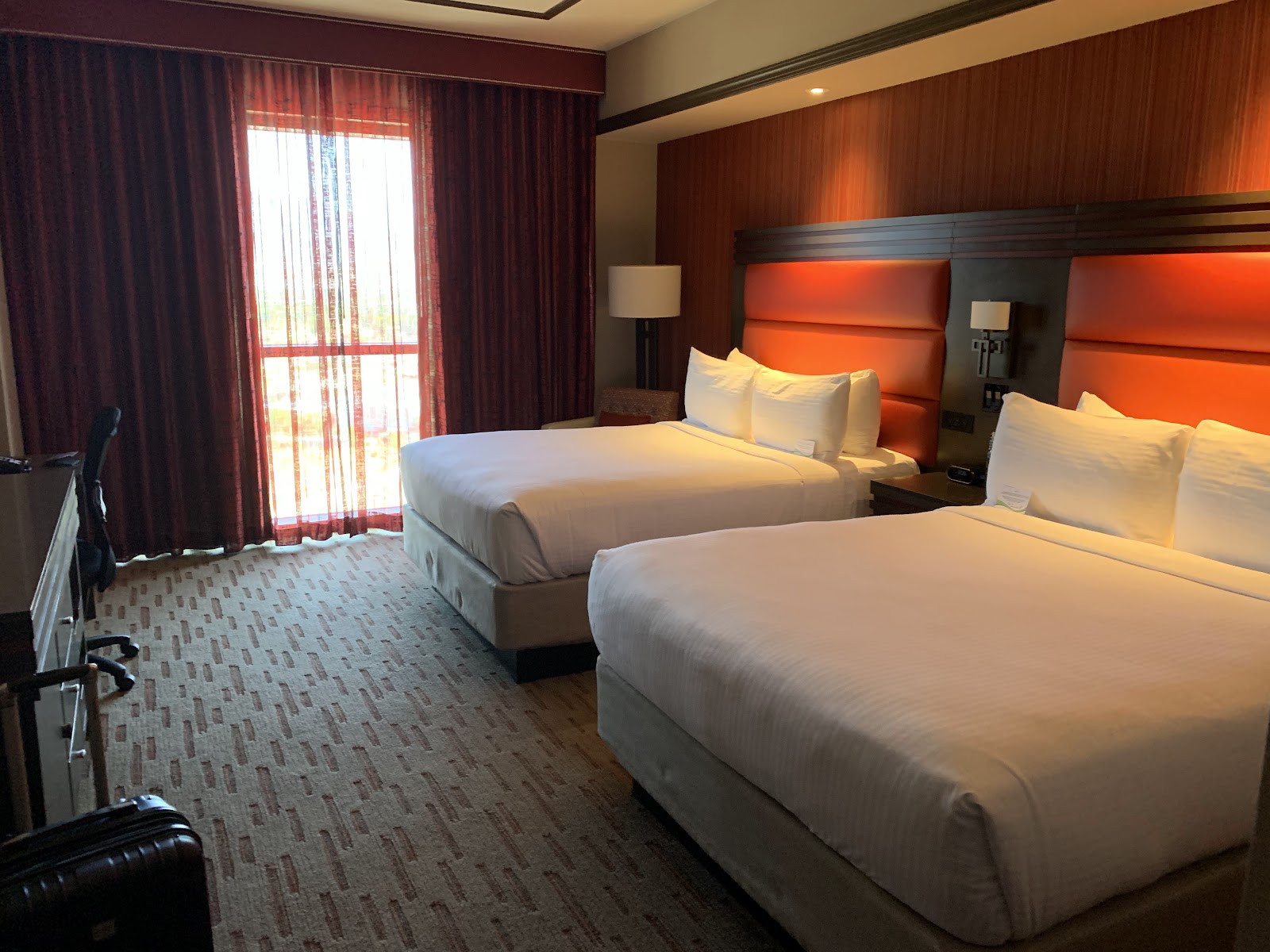
It does not suit a couple who want daylight interiors. This is the central mismatch and it is structural rather than a fault: a casino is designed to exclude daylight, so large parts of the building have no windows at all and the event spaces may have none either. If a couple’s reference images are all soft window light and pale rooms, no amount of lighting produces that here, and a different kind of venue will serve them better.
Establish which event room you have and whether it has any exterior glazing, in writing and months ahead. A daylit function room and a windowless internal one are two completely different photographic days and the difference should be known in advance.
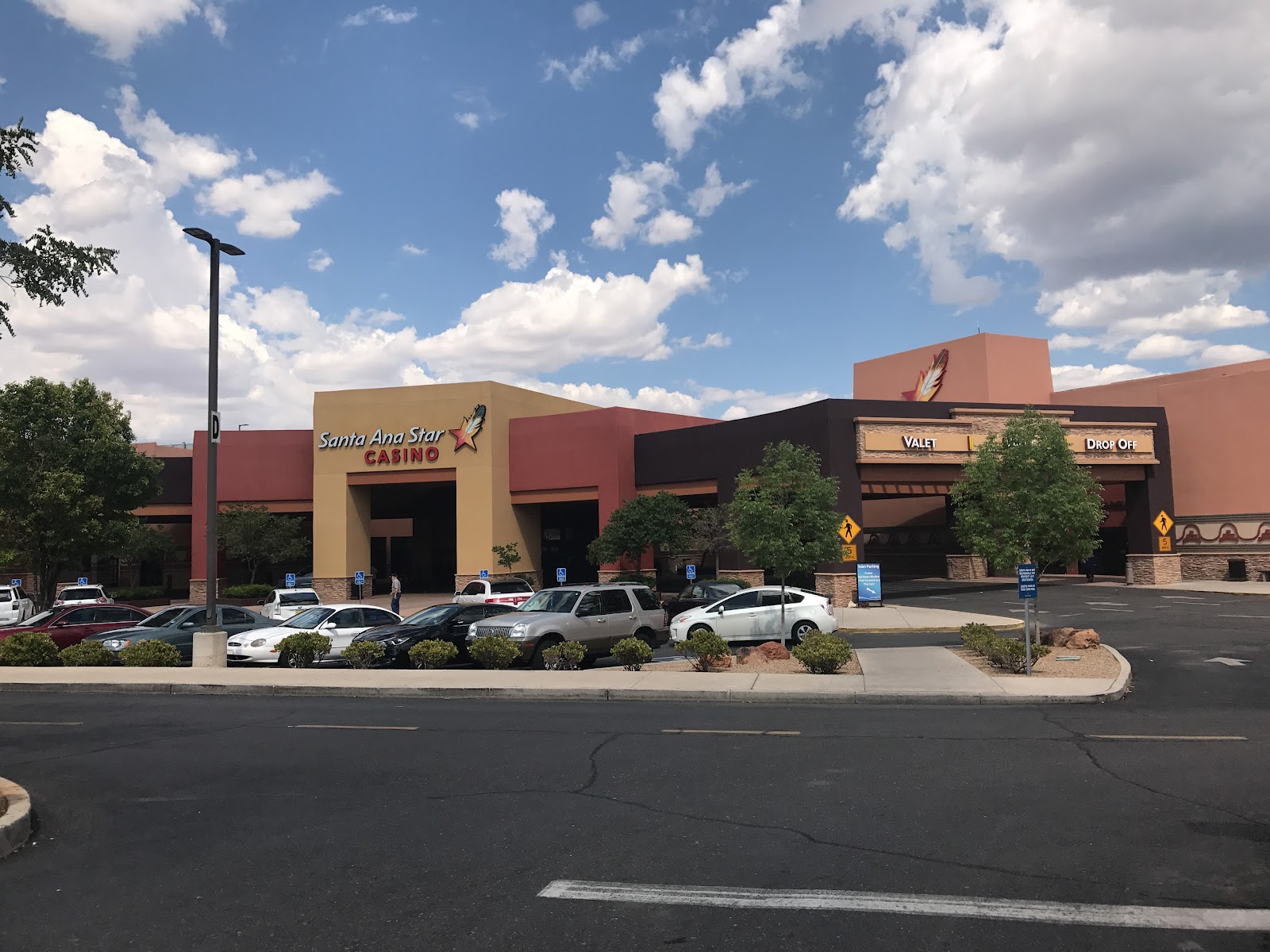
It does not suit anyone wanting period architecture or patina. This is a modern commercial building, and every surface in it is contemporary. There is no plasterwork, no panelling, no aged material, and nothing that photographs as history. That is neither good nor bad; it simply means the building will not contribute character and everything of that kind has to come from the landscape or from the people.
It does not suit a pale or low-saturation aesthetic without work. Resort and gaming interiors accumulate lighting across renovations and event schemes, and they tend to strong colour: warm downlights, cool LED wash, signage, feature colour, and whatever the event designer has chosen for the uplighting. A couple whose palette is ivory and soft neutral will find every frame fighting a coloured room. Ask what colour the uplighting will be, because gelling your key to match is far easier than fighting it.
It does not suit a photographer expecting to find light. There is none to find. Ceiling downlights put shadow in eye sockets, gaming-area lighting is bright but directionless and aimed at machines, and corridors are lit at low level for atmosphere. Every frame is a lighting decision, and a photographer arriving with one on-camera flash will struggle.
It does not suit a plan that assumes the gaming floor. Assume no, plan accordingly, and if a limited exception is offered it will come with conditions about angles, patrons and equipment — those conditions are the point rather than an obstacle. And even where permitted, the space is difficult: low ceilings over the machines, dense patterned carpet, saturated mixed lighting, and a great many other people. A wide frame of a gaming floor is an inventory of slot machines.
It does not suit a garden wedding, or any outdoor ceremony without a genuine plan. Establish exactly what outdoor space exists, where it is, and what is permitted — and note that on open desert ground there is no shade, no shelter and nothing to break a wind. In this region an outdoor ceremony needs a covered alternative with a known capacity for lightning as much as for rain.
It does not suit a couple who will be uncomfortable with the permissions conversation. Photography on sovereign land is governed by the Pueblo rather than by a venue’s goodwill, and the answer may restrict things a couple assumed would be available. That is entirely proper and it is not negotiable on the day. A photographer who raises it early and takes it seriously is doing everybody a service; one who improvises is not.
And it does not suit a photographer who has not scouted the outside. Everything distinctive about this venue is a landscape that is not on its property, which means the twenty minutes at the end depend on knowing exactly where to stand before the day. Improvised, they produce nothing.
The honest summary: if the guest count is large, the weather needs to be irrelevant, the season needs to be free, and somebody has protected twenty minutes for the mountains, this is a sensible and entirely workable venue with a spectacular setting attached. If the priority is daylight, character, a garden or a pale palette, the building will disappoint in every frame and no technique repairs it.
The interiors, the desert, and the year
Four notes on making the interiors work, briefly, because the technique is the same as at any windowless venue.
Do not try to lift a large volume. A function room with a high or dark ceiling gives no useful bounce, so treat it as a black studio: one modifier close and feathered with a good depth of dim room behind the subject, which separates them completely because the background sits four or five stops down. That is separation for free, it repeats anywhere, and it takes about ninety seconds per position.
Where the ceiling is pale and at a normal height, bounce works properly and is the cleanest option — two lights into opposite corners will lift a whole room by a stop and a half invisibly. So check every ceiling on arrival, because the plan changes room to room.
Choose a dominant colour source per space, balance for it, gel your own light to match, and let everything else fall. Do not average, because averaging is what makes these rooms photograph grey and dead. And warm whatever you bring, because resort ambient is warm and a neutral flash reads cold and inserted.
Use the corridors as tunnels. Long, dark, carpeted and patterned: one light on the floor at the far end aimed back, subject on ambient plus a small fill, camera low and central, and the perspective and the carpet converging do the composing. A patterned carpet is a liability in a room and an asset in a corridor.
Now outside, which is the reason to be here.
The altitude produces the conditions. At around fifteen hundred and seventy metres in very dry air there is almost no atmospheric scattering, which means four things. Shadows are hard and four or five stops below the lit subject, with essentially no fill available — whatever you want, you bring. The sky is deeply saturated rather than pale, so it is worth composing into a wide frame. Distance resolves with extraordinary clarity, so a long lens at the mountains is genuinely usable. And ultraviolet is strong, so sunburn happens faster than anyone plans for.
The mountains are the subject. The range east of the valley presents a steep, largely bare west-facing escarpment, and in the last minutes of the day the low sun strikes it directly and the whole face runs from grey to warm to orange and then to a deep rose-pink — which is where the range’s name comes from. That sequence takes about twenty minutes and the best of it lasts two or three.
Photograph it with the couple in the foreground and expose for the mountain, because by then the valley floor is in shadow and at any exposure holding the colour a face is unlit. One small warmed source at low power, feathered, set up before the sequence rather than during it.
And compress. At twenty-four millimetres a range ten or fifteen kilometres off is a band along the top of the frame; at a hundred and thirty-five it fills the background as a wall of colour. The long lens is what makes the frame, which means the couple stand further from the camera than instinct suggests — which is fine, because they should be small.
The cottonwood gallery along the river is the second outdoor asset, and it is the only substantial shade for miles. It turns a brilliant uniform gold in late October and early November and then drops quickly, which is the best fortnight of the year in this valley. Establish where you may go, because river corridors on or adjacent to pueblo land may be restricted.
The open desert is the third: chamisa, sage and grasses, low and silver-grey and finely textured, which takes low raking light beautifully — every bush throws a shadow and the flat becomes textured with long blue shadows in it — and which at noon is a flat grey-green plane with nothing in it.
Now the year. Late September into early November is the best window, and the second half of October is the best of it: cottonwoods turning, monsoon over, the clearest air of the year, comfortable temperatures, low light through the whole afternoon, and sunset around six thirty putting the mountain sequence at a civil hour.
One logistical caution for early October: the region hosts a very large hot-air balloon event that fills accommodation across the area, and which also puts a great many balloons over the valley at first light — a genuine photographic opportunity and a genuine booking problem. Check the dates.
April into early June is the other good window for temperature and long evenings, and it carries the region’s least-discussed hazard: spring wind. March through May brings sustained dry winds that lift dust for hours or days, which makes a veil unmanageable, a lightstand a hazard, and — most relevant here — removes the mountain’s colour entirely, because a dusty sky kills the sunset. Ask the venue; anyone operating here knows.
July through September is the monsoon, which brings the year’s only real rain, the highest lightning density and the most dramatic skies. On open desert with no shelter that is a safety matter, and it is the strongest argument for an indoor venue in this region. It is also the most photogenic season, because the half hour after a cell passes gives washed air, standing water reflecting a coloured sky, sage beaded and glowing, and a low sun under a broken ceiling onto a pink escarpment — which is the best light this landscape produces. If a cell goes through at six in August, do not pack.
Winter is mild by day, cold by night and very clear. A low midwinter sun near thirty-two degrees rakes the landscape through the whole short day, the air is at its clearest, and snow on the mountains gives the pink sunset its most dramatic version. Sunset before five puts the mountain sequence in the late afternoon, which is convenient. Against it: genuinely cold evenings at this altitude, so anything outdoors after dark is minutes, and the occasional storm that closes the interstate, which is a travel problem for guests rather than a photographic one.
And at this venue, more than most, winter costs nothing indoors — which is the whole point of the building.
More frames from The Santa Ana Star Casino
The Santa Ana Star Casino wedding photography: common questions
What has to be established first?
Two things, both in writing. Where photography is permitted, because the venue is an enterprise of a sovereign Pueblo with its own laws and rules about photography — restrictions are serious rather than nominal, certain areas and activities may not be photographed at all, and permits may be required beyond ordinary guest use. And whether photography is permitted on the gaming floor, which at any casino is very likely no, for reasons of security and other patrons’ privacy. Assume no and plan accordingly.
Who is this venue right for?
A large guest count, a couple who need the weather to be irrelevant, and a couple who want a smooth day. Purpose-built event space with real ceiling heights and service access makes a hundred and eighty people routine. And because the interiors have no windows, they are identical in January and July — so a wedding here loses twenty minutes outside on a bad day rather than losing the event, which in a region with a monsoon lightning season and a dusty spring wind is the strongest practical argument in its favour.
Who should look elsewhere?
Anyone wanting daylight interiors, because a casino is designed to exclude it and the event rooms may have no windows at all — establish which room you have and whether it is glazed, in writing. Anyone wanting period architecture or patina, since every surface is contemporary. Anyone with a pale palette, because these interiors tend to strong colour from accumulated fittings and event uplighting. And anyone wanting a garden, since outside is open desert with no shade, no shelter and nothing to break a wind.
How do you light the interiors?
Small, not big. A large function room with a high or dark ceiling gives no useful bounce, so treat it as a black studio — one modifier close and feathered with a good depth of dim room behind, which separates the subject completely. Where the ceiling is pale and normal height, bounce works properly and two lights into opposite corners lift a room invisibly, so check every ceiling on arrival. Choose a dominant colour source per space, gel your key to match, and do not average — averaging is what makes these rooms photograph grey.
What is the reason to come?
The range to the east. Its bare west-facing escarpment takes the last low sun directly and runs from grey to warm to orange to a deep rose-pink over about twenty minutes, with the best of it lasting two or three. Photograph it with the couple in the foreground and expose for the mountain, lighting them yourself because the valley floor is already in shadow — and compress hard, because at twenty-four millimetres the range is a band at the top of the frame while at a hundred and thirty-five it fills the background as a wall of colour.
When is the best time of year?
The second half of October: cottonwoods along the river turning brilliant gold for a fortnight, the monsoon over, the clearest air of the year, comfortable temperatures, and sunset around six thirty putting the mountain sequence at a civil hour. Check early October, though, because a very large regional balloon event fills accommodation — and also puts balloons over the valley at first light. Spring carries sustained dusty winds that remove the mountain’s colour entirely, and the July-to-September monsoon carries the year’s highest lightning density along with its most spectacular light.
More New Mexico venue guides
We are writing a photographer’s guide to every venue we would happily shoot in New Mexico. Here are three more, plus the full index:
- Bishop’s Lodge: A Season-by-Season Photography Guide
- The Eldorado Hotel: Working a Large Pueblo Revival Hotel
- The Georgia O’Keeffe Museum: Who This Venue Suits
Planning a wedding at The Santa Ana Star Casino?
Permissions first, then protect twenty minutes at the end. Tell us your date.