 The Rio, Las Vegas: A Walk Through an Off-Strip Resort
The Park City Mountain Resort, Park City: The Venue’s Own Logic
A lift-served mountain is organised by height. Read the bands.
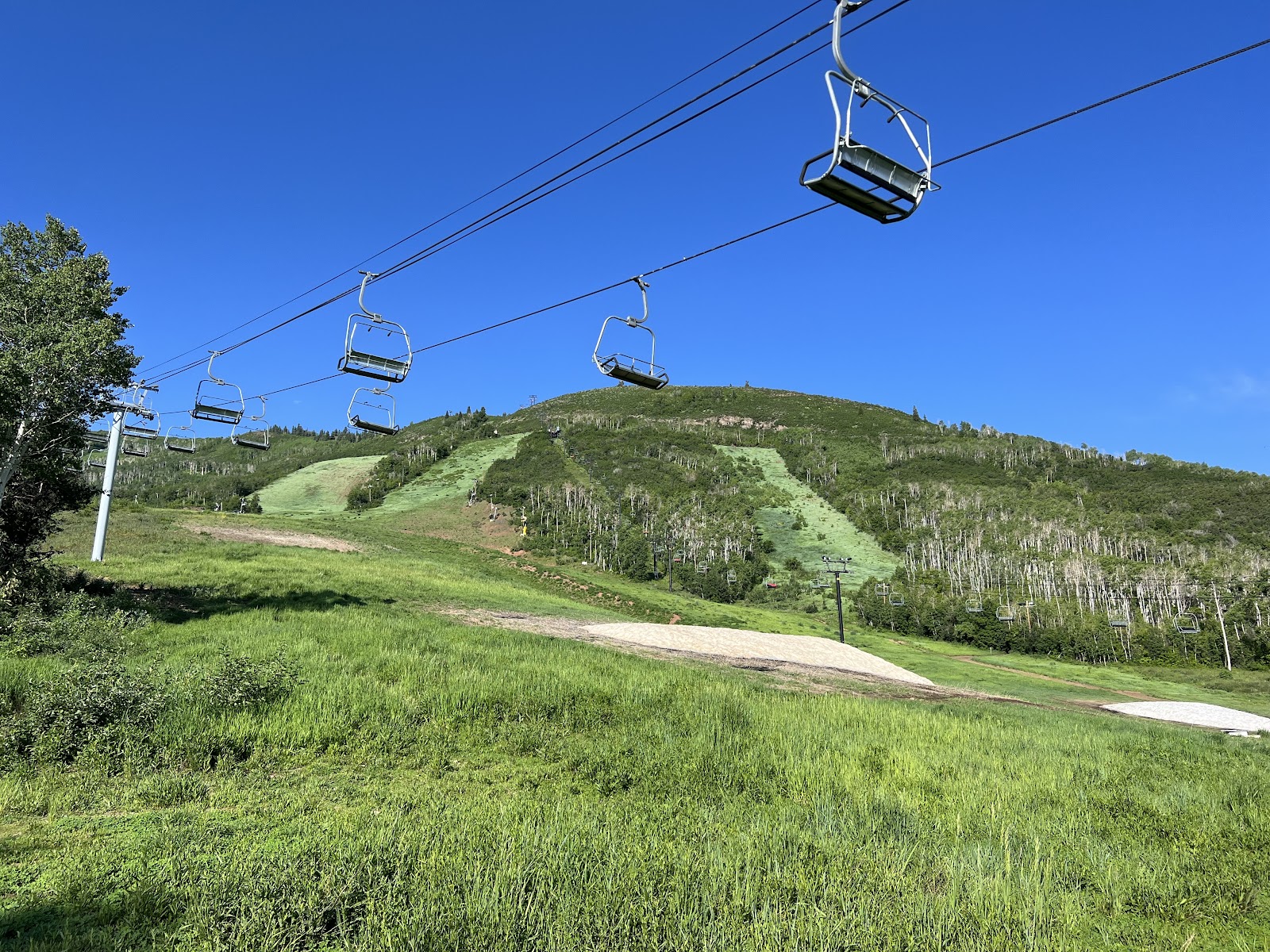
The logic of a lift-served mountain is vertical, and it is more useful than it sounds because the bands are genuinely different places.
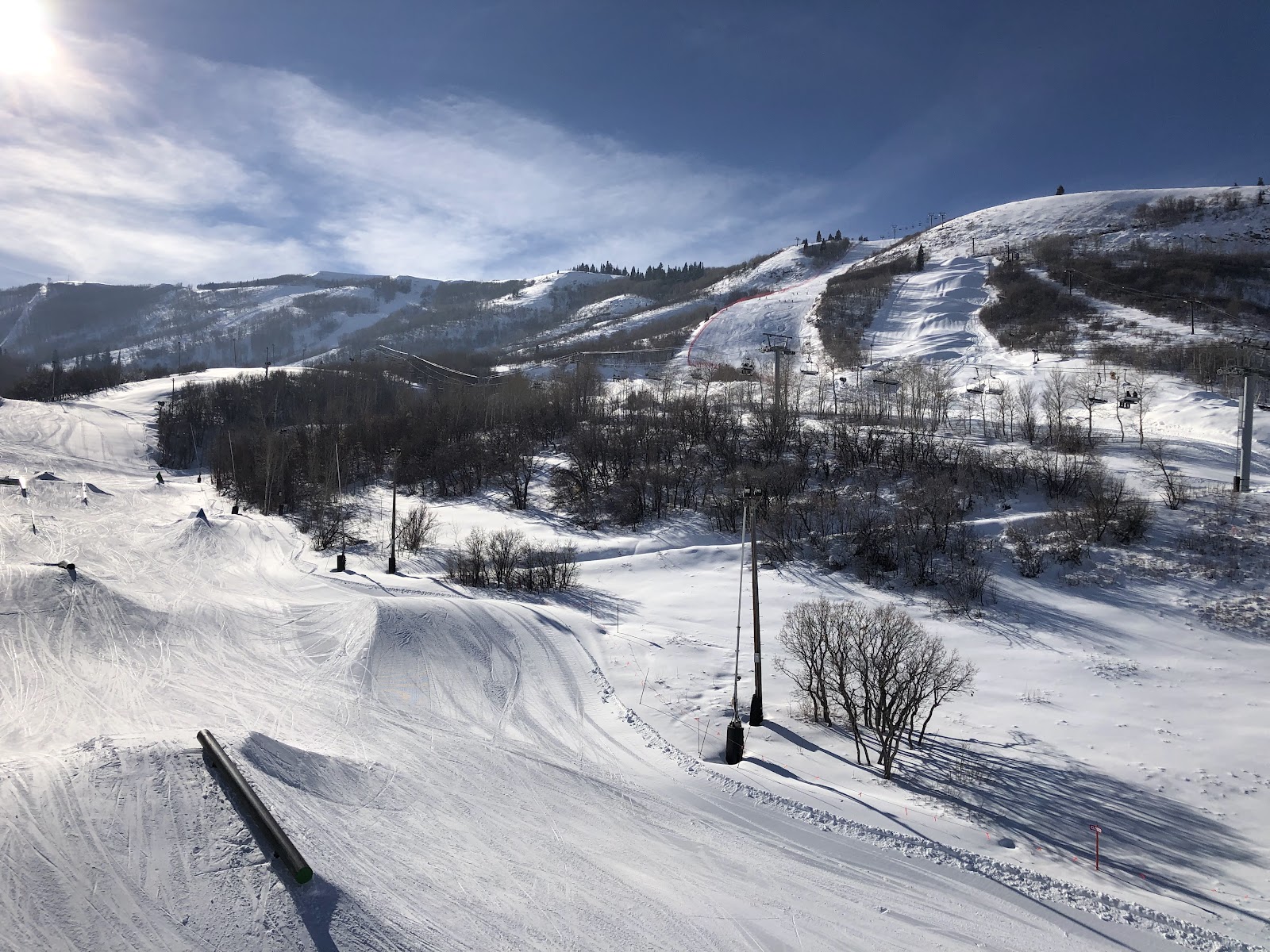
Park City Mountain Resort rises above the town of Park City in Utah, with a base village somewhere above two thousand metres and terrain running up toward three thousand. The town below it is a nineteenth-century silver-mining settlement with a largely intact main street of mining-era buildings, and the resort is what grew on the mountain above it after the mines closed.
So the venue is not a building with grounds. It is a mountain with a village at the bottom of it, and it is organised by elevation into bands that you move between using machinery rather than by walking.
That organisation is the logic, and each band is a different photographic environment.
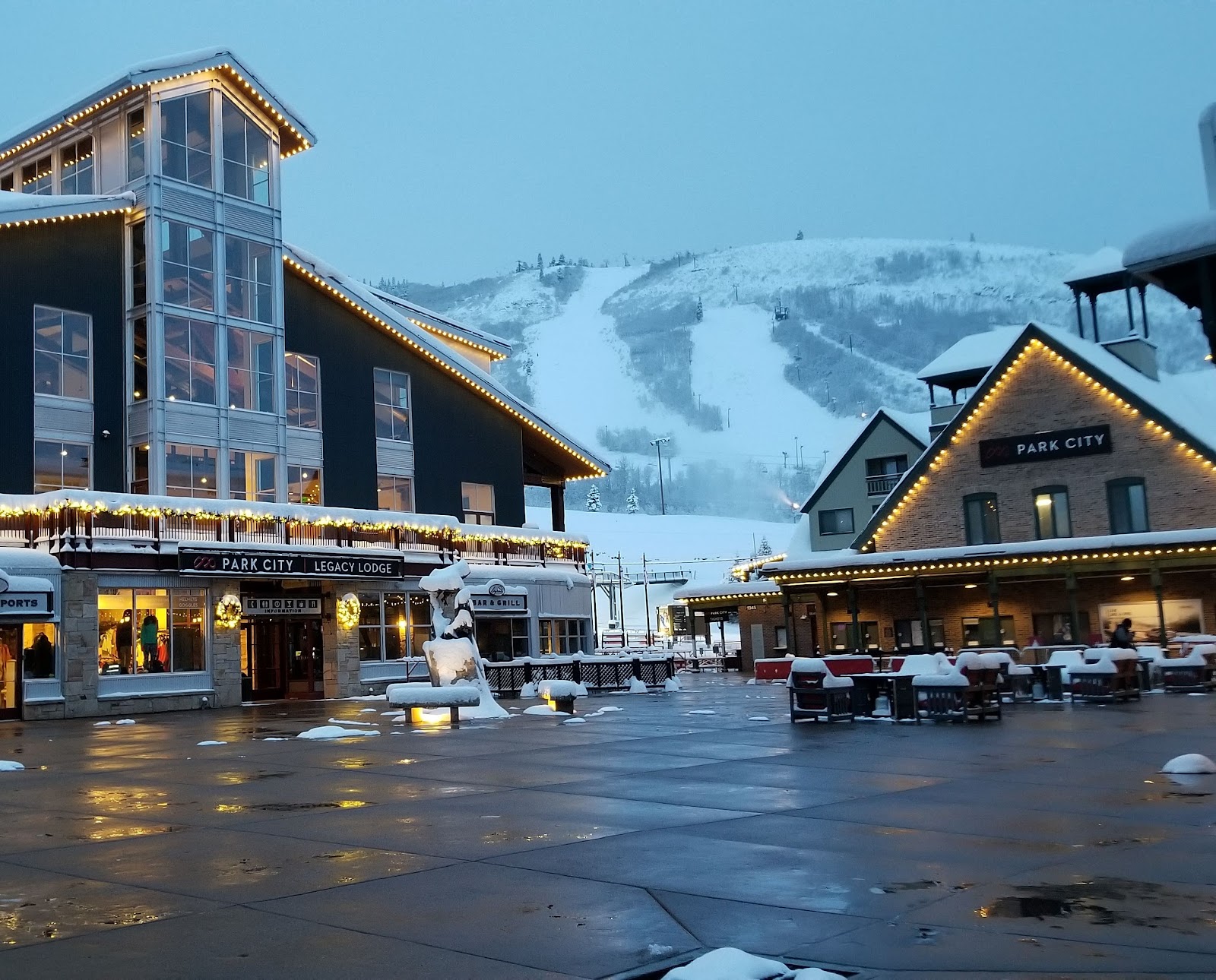
The base is a village: buildings, streets, plazas, lift terminals, restaurants, and the paraphernalia of a resort operation. It is at the bottom of a valley, which means it loses the sun earliest and has the least sky. It is also where everything happens — the accommodation, the function rooms, the getting-ready — so it is where most of the day is spent.
The mid-mountain is forest and cut runs: conifer, aspen groves, open ski trails, and usually a lodge or restaurant at a lift station. It is quieter, the trees are the subject, and the views begin to open.
The upper mountain is above or near the treeline: open ground, rock, low vegetation, a long view in several directions, and weather that is genuinely different from the base — colder, windier, and sometimes in cloud when the bottom is clear.
Reading that structure and choosing which band to use, at which hour, is the whole planning job. And the thing that makes it possible is the lift, which turns a four-hour climb into a ten-minute ride.
Two facts govern everything and both are consequences of the setting.
The first is altitude, and at two thousand metres and above it is genuinely felt. Guests arriving from sea level will be breathless on slopes, dehydrate faster in very dry air, and find alcohol markedly stronger than expected. Sunburn happens far faster, and snow or pale ground reflects ultraviolet upward. For the camera it means thin dry air: shadows hard and four or five stops below the lit subject with almost no fill available, a deeply saturated sky, and extraordinary clarity over distance.
The second is that this is a resort with an operating calendar. A ski mountain runs a winter operation and a summer operation with genuine gaps between them, during which lifts do not turn and much is closed. The upper mountain may simply be unreachable in October or May.
So the first question is not aesthetic. It is which lifts are running on the date, and what is open.
What follows is each band in turn, then the town below, then the Utah year.
The Park City Mountain Resort at a glance
| Where | A ski resort above a nineteenth-century mining town in Utah, base above 2,000 m |
| The logic | Elevation bands — base village, mid-mountain forest, upper mountain open ground |
| The enabler | Lifts, which turn a four-hour climb into a ten-minute ride |
| The first question | Which lifts are running on the date, and what is open |
| Ask also | Altitude advice for guests, and whether a wedding party may ride and when |
Reading the three bands
Start at the base, because that is where most of the day happens and because its limitations are worth knowing early.
A resort village sits at the bottom of a valley with mountain on at least two sides, which has two photographic consequences. It has the least sky of anywhere on the property, so the light is softer and more enclosed than higher up — genuinely useful in the middle of a summer day, and limiting at the ends of it. And it loses the sun earliest: a slope immediately to the west takes the light long before the horizon does, so the effective sunset in the village can be thirty to fifty minutes before the printed time.
That last point is the single most important scheduling fact at any mountain-base venue. Go and look at the western skyline from the position you intend to use, judge the ridge height, and bring the whole evening forward — including the ceremony, which is a planning decision rather than an adjustment.
The village’s compensation is that the peaks stay lit after it is in shade. For a quarter of an hour the mountain above the village glows warm while the streets are cool and blue, which gives you a couple in soft even light with a lit slope behind them. Compress it: at twenty-four millimetres the lit mountain is a band at the top of the frame, and at a hundred and thirty-five it fills the background.
The village architecture is resort architecture: functional, timber-and-stone in manner, and photographically neutral. It will take whatever light you bring and contribute little. What it does give is enclosure and a plaza or two, which means the base is the wet-weather and wind answer.
The interiors are the same: capable, comfortable, and unremarkable, which means every good interior frame is made rather than found. Pale walls and normal ceiling heights make bounce efficient — two lights into opposite corners lift a function room by a stop and a half invisibly — and the useful question is which rooms have exterior glazing, because a daylit room and a windowless one are two different days.
Now the mid-mountain, which is the band most weddings underuse.
A lift ride of ten minutes puts you in forest, and in this range that means conifer with aspen groves through it. The aspens are the reason to go: they grow in clonal stands, which means whole groves turn together, and a stand of white trunks with gold leaves is one of the best photographic environments in the American West. It is also genuinely brief — late September into the first week of October at these elevations.
Outside that fortnight, aspen is still excellent. The trunks are white or pale grey with dark scarring, they grow close together and straight, and they make a superb graphic background at any season: a run of pale vertical trunks behind a subject at a moderate focal length separates them cleanly with nothing else in frame. In winter, bare aspen against snow is the same frame in monochrome.
Conifer is the darker constant: tall, narrow, widely spaced, and poor shade because the crowns are high. Useful as verticals and as a dark mass rather than as a canopy.
The cut runs are the mid-mountain’s other asset and they are worth understanding as a landscape element. A ski trail is a strip of open grass or snow driven through forest, which means it is a corridor with a defined edge — a long clearing with dark walls either side and open sky above. That is a natural composition: shoot along it and the trees converge, shoot across it and you have a bright band between dark masses. And in summer a cut run is a wildflower meadow, because it is open ground at altitude that is mown rather than grazed.
Then the upper mountain, which is the reason to buy a lift ride.
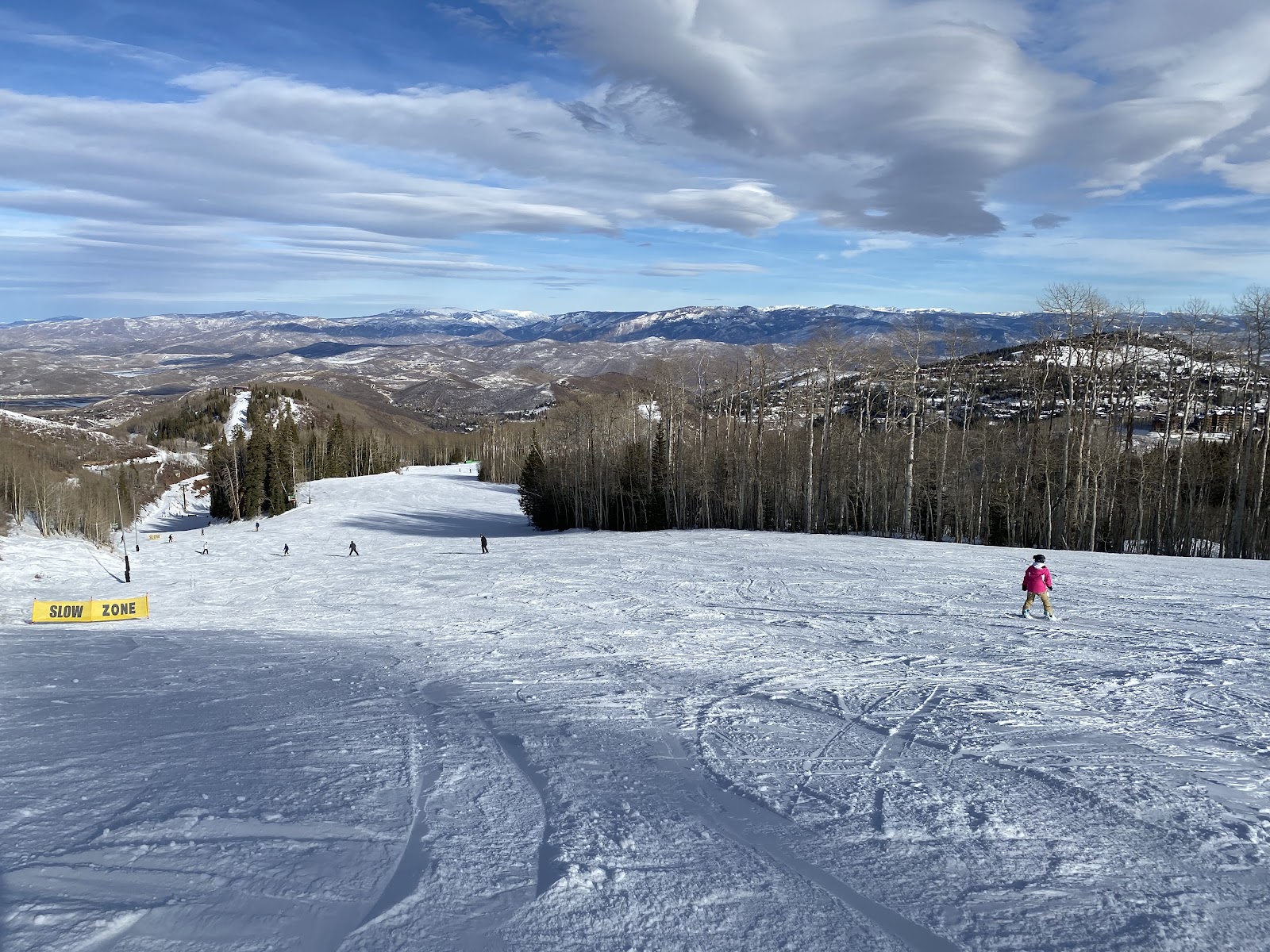
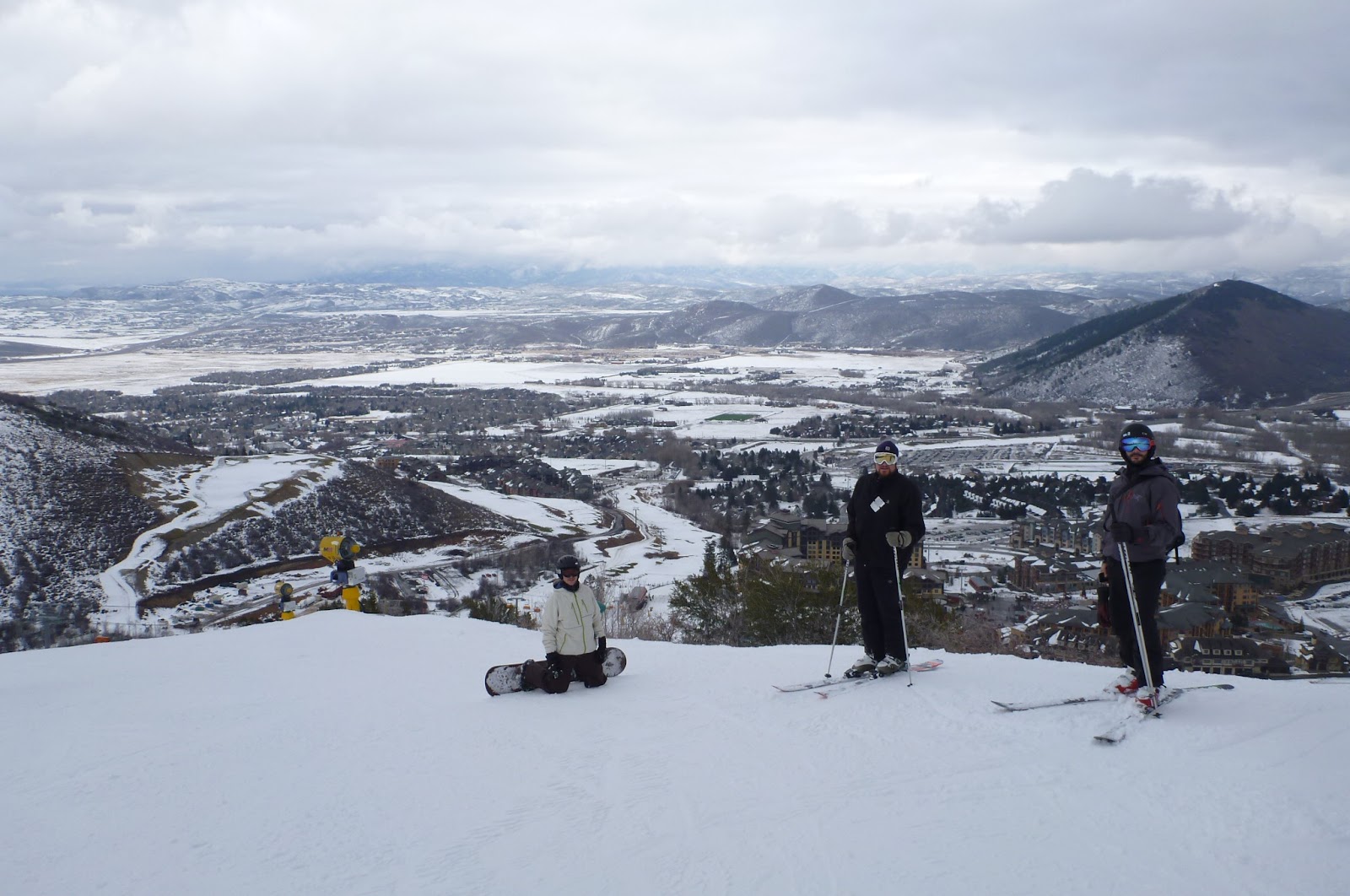
At or near the treeline the ground opens, the trees thin and shrink, and the view extends in several directions. That is the only place on the property with a genuine long view, and it is the one thing the base cannot give you at any hour.
Two things to establish about it. Whether a wedding party may ride the lift, when, and how many at a time — because a lift has a capacity and an operating schedule and a wedding is a guest of the operation. And what the weather is doing up there, because it is not what it is doing at the base: colder by several degrees, considerably windier, and sometimes inside cloud when the village is clear.
That temperature difference is a welfare matter. A couple who are comfortable at the base in September will be cold at the summit in a wind, and a bride in a sleeveless dress has minutes rather than an hour. Plan a summit session as a five-minute operation with positions already chosen, and bring coats up with you.
And the wind is a photographic matter: a veil above the treeline is frequently unmanageable and a lightstand is a hazard. Sandbag or hand-hold.
The town below, and the mine
The town is the venue’s best exterior asset and it is a short distance downhill, which makes it a genuine option rather than an excursion.
Park City grew as a silver-mining settlement in the late nineteenth century, and its main street survives as a largely intact run of mining-era commercial buildings — timber and brick, painted, with the shopfronts, cornices and false fronts of that period and that region. It is a historic district and it is a completely different material world from a ski village.
That contrast is what makes it useful. A set made entirely at a resort base looks like a resort; a set that includes a nineteenth-century mining street looks like a specific place with a history. And the material is friendly: painted timber and brick take low raking light extremely well, with every board, joint and moulding throwing a shadow, and they read warm where mountain rock and snow read cold.
The street has gradient, which is the other gift. A mining town built on a slope means a subject standing uphill of the camera separates from their background by geometry alone, and the street itself climbs, which gives a frame a built-in leading line.
Two practical notes. A historic main street in a resort town is busy, particularly in season, which means strangers in frame unless you work tight or work early. And parking and vehicle access in a nineteenth-century street grid are limited, so establish how a wedding party actually gets there and how long it takes.
The mining remains are the third exterior element and they are worth asking about. Hillsides around a silver district carry the evidence — headframes, hoist houses, tramway lines, tailings, timber structures in various states of collapse — and structures of that kind are superb photographic subjects: weathered timber and rusted iron at close range in raking light, with a mountain behind.
Two cautions, and they are firm. Mine structures and workings are genuinely dangerous — unstable timber, open shafts, contaminated ground — and a great many are on private land or closed for exactly those reasons. Ask what is legally and safely accessible, take the answer literally, and never take a wedding party onto or into anything. Photograph from a distance or from a designated trail, and treat the structures as subjects rather than as backdrops to climb on.
Where access exists, the frame is scale and texture: a small figure beneath a large timber headframe, or a tight frame of weathered board and rusted plate lit almost parallel so every split and rivet shows. Both say more about where this place is than a mountain view does.
Two general exterior notes for the whole area.
The clarity is exceptional and it is worth using. At this altitude in dry air, distance resolves in a way it does not at sea level, which means a long lens across a valley at a ridge line is genuinely usable and a compressed frame of three or four ranges stacked behind each other is available on clear days. That is a landscape frame the base cannot give you and a lift can.
And the shadows are hard. There is almost no fill in the air, so the shaded side of any subject sits four or five stops below the lit side. Whatever fill you want, you bring — a white card, a reflector, or a small light. A photographer arriving with nothing will find the contrast unmanageable in open sun at altitude.
The Wasatch, and the year
The seasons here are strongly bimodal and the shoulders are genuinely closed, which makes the calendar the first thing to settle.
Winter is the mountain’s main season. This range receives very large snowfalls, and the snow itself is worth a note because it is unusual: cold dry air and a long fetch over a large inland lake produce exceptionally low-density snow, which means deep, dry, light powder rather than the wet snow of a maritime range.
Photographically that has two effects. Low-density snow holds on branches and surfaces in a way wet snow does not, so a conifer after a storm is genuinely laden and sculptural. And it blows: dry powder is picked up by wind, which means ground blizzards and spindrift off ridges, and a lens pointed into it collects snow on the front element rather than shedding water.
Snow is also the best natural fill light there is, reflecting a very high proportion of what falls on it so the ground throws light upward into faces and fills eye sockets with no card at all — the exact opposite of the desert. Two technical notes: a mostly white scene reads as mid-grey and comes back one to two stops under, so add compensation and check a histogram; and snow in shade is genuinely blue because it reflects a blue sky, which at this altitude is a deep one, so the effect is strong and it should be left rather than neutralised.
Against winter’s material: sunset before five, temperatures well below freezing, altitude on top of that, and a wedding party in formal clothing limited to minutes outdoors. A winter session here is planned, short and close to a door.
One logistical warning about January specifically. Park City hosts a major international film festival in the second half of January which fills the town and the surrounding accommodation entirely, with substantial effects on traffic, lodging prices and availability. A wedding date inside that window needs planning around it or avoiding altogether — check the dates early.
Late June into early September is the summer season and it is genuinely good. Warm dry days, cold nights, wildflowers on the open slopes and the cut runs at altitude, lift access, and long evenings. At this elevation July afternoons are pleasant rather than hot, which is a real advantage over the valley below.
Two summer hazards. Afternoon thunderstorms build over the range most days through July and August — localised, quick, and carrying genuine lightning risk above the treeline, which is a safety matter rather than an inconvenience. Do not be on an open summit with convection nearby, and know how long the lift ride down takes, because a lift may stop for lightning. And wildfire smoke has become a recurring feature of August and September across the interior West, capable of filling a valley for days, turning the light orange, flattening all contrast and removing the long views entirely — which at a venue whose upper-mountain asset is a view is the specific cost. It cannot be forecast far ahead and it needs an air-quality contingency as well as a weather one.
Late September into the first week of October is the best-looking window of the year and it is short. Aspen turns gold at these elevations through that fortnight, the air is at its clearest, mornings are cold and still, the crowds have gone, and sunset around seven puts the end of the day at a civil hour. Early snow at that point is a gift rather than a problem — fresh white on peaks above gold aspen is as good as this range looks.
That fortnight is the recommendation if a couple is flexible, with one caveat: it may fall in the operating gap, so confirm that the lifts are running.
The two shoulders are the periods to be careful about. October into November and April into June are when a ski resort is between operations: lifts closed, restaurants shut, the mountain a mixture of mud and old snow, and the upper bands simply unreachable. Establish what is running before committing, because a wedding planned around a summit frame in mid-May may find the lift idle.
Spring at altitude is also longer than people expect — snow lingers into June on north-facing ground, and the base can be brown and wet while the top is still white.
Two closing notes that apply all year.
Civil twilight at this latitude runs about twenty-nine minutes in midsummer, and at altitude the afterglow runs longer and considerably more strongly coloured than that suggests, because you are seeing light scattered from air well above you. Budget eighteen to twenty usable minutes rather than twelve — and remember that in a valley a good part of that arrives after the direct sun has already gone behind the ridge, which is why the evening plan has to start earlier than the almanac.
And the compensation for any storm is the half hour after it clears, which at altitude is exceptional: the air washes to absolute clarity so the ranges resolve to their last detail, wet rock and wet timber go several tones darker and far more saturated, fresh snow may have appeared on the peaks even in September, and a low sun comes under a broken ceiling onto a lit slope above a shaded village. If a cell goes through at six, wait rather than pack.
More frames from The Park City Mountain Resort
The Park City Mountain Resort wedding photography: common questions
What is the venue's logic?
Elevation. This is not a building with grounds but a mountain with a village at the bottom of it, organised into bands you move between by machinery rather than by walking: a base village at the bottom of a valley with the least sky and the earliest sunset; a mid-mountain of conifer, aspen groves and cut runs; and an upper mountain at or near the treeline with open ground and the only genuine long view. Reading that structure and choosing which band at which hour is the whole planning job.
What is the first question to ask?
Which lifts are running on the date, and what is open. A ski mountain runs a winter operation and a summer operation with genuine gaps between them, and in those gaps lifts do not turn, restaurants are shut and the upper bands are simply unreachable — so a wedding planned around a summit frame in mid-May may find the lift idle. October into November and April into June are the periods to check most carefully.
Why does the evening end early at the base?
Because a village sits at the bottom of a valley with a slope immediately to the west, which takes the sun long before the horizon does — the effective sunset can be thirty to fifty minutes before the printed time. Look at the western skyline from your intended position and bring the whole evening forward, including the ceremony. The compensation is that the mountain above stays lit for a quarter of an hour while the streets are cool and blue, which gives a couple in soft light with a lit slope behind them. Compress it hard.
What is the mid-mountain for?
The aspens, mainly, and most weddings underuse it. Aspen grows in clonal stands so whole groves turn together, and a stand of white trunks with gold leaves — late September into the first week of October at these elevations — is one of the best environments in the American West. Outside that fortnight the trunks alone are a superb graphic background at any season, including bare against snow. The cut runs are the other asset: a ski trail is a long clearing with dark walls either side and open sky above, and in summer it is a wildflower meadow.
What should we know about the upper mountain?
Two things. Whether a wedding party may ride the lift, when, and how many at a time, because a lift has a capacity and a schedule and a wedding is a guest of the operation. And that the weather up there is not the weather at the base — colder by several degrees, considerably windier, and sometimes inside cloud when the village is clear. That makes it a welfare matter: plan a summit session as a five-minute operation with positions already chosen, and bring coats up with you.
Is the altitude a factor?
Yes, at two thousand metres and above. Guests from sea level will be breathless on slopes, dehydrate faster in very dry air, and find alcohol markedly stronger than expected, and sunburn happens far faster with snow or pale ground reflecting ultraviolet upward. For the camera, thin dry air means shadows four or five stops below the lit subject with almost no fill in the air — whatever you want, you bring — along with a deeply saturated sky and extraordinary clarity over distance, so a long lens at stacked ridge lines is genuinely usable.
More Utah venue guides
We are writing a photographer’s guide to every venue we would happily shoot in Utah. Here are three more, plus the full index:
Planning a wedding at The Park City Mountain Resort?
Ask which lifts are turning, then read the bands. Tell us your date.