 The Venue, Asheville: A Season-by-Season Guide
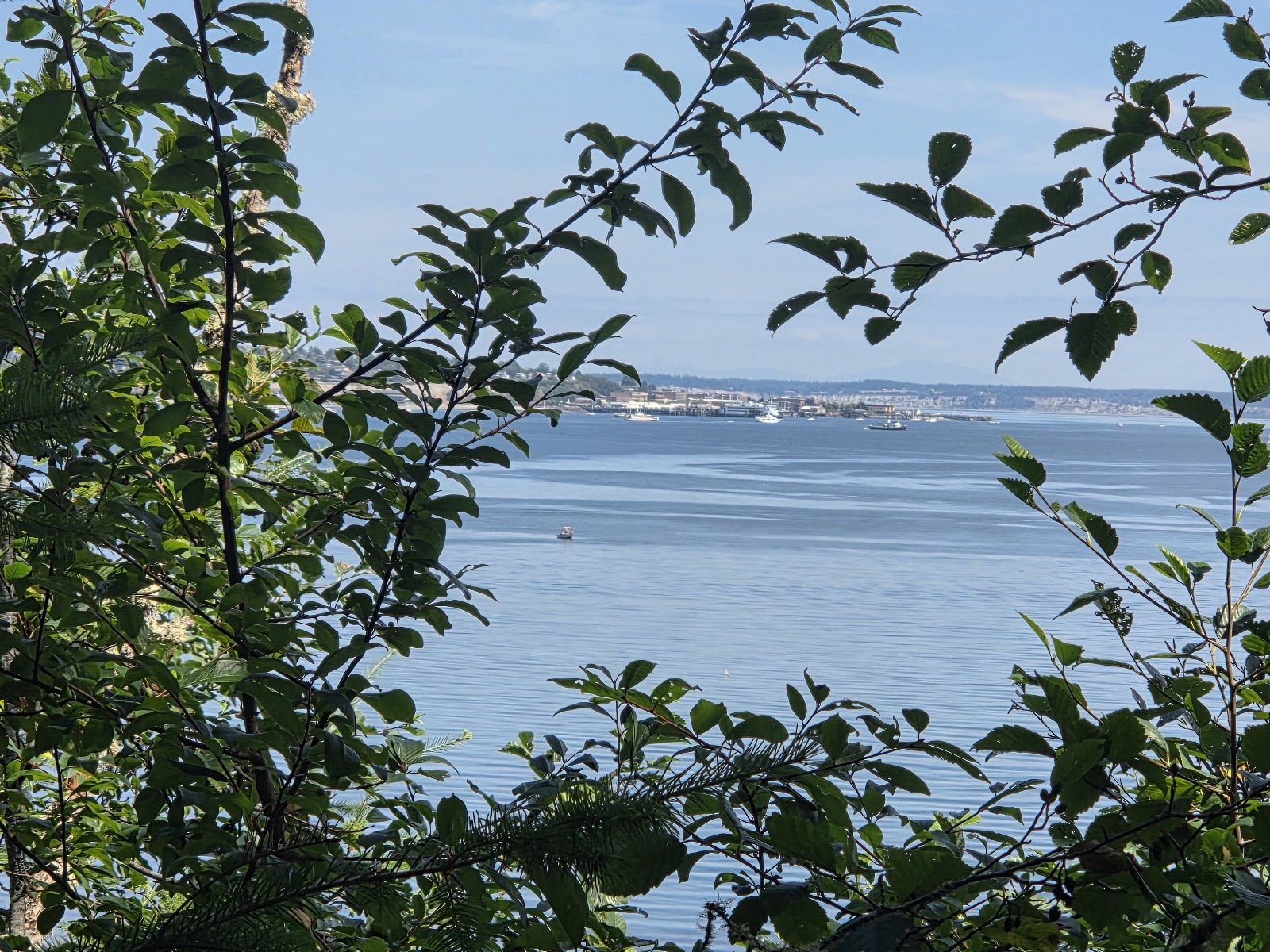
The Barn at Old Fort, Old Fort: The Venue’s Own Logic
A wall of mountain one way, open country the other. That is the logic.
The logic of this venue is geographical and it is unusually clean: the property sits on a hinge between two completely different landscapes, and which way you point the camera decides what kind of photograph you get.
The Barn at Old Fort is in McDowell County in western North Carolina, at the eastern foot of the Blue Ridge escarpment — the point where the southern Appalachians stop being rolling foothills and rise abruptly into a wall. Behind and above the property the mountains climb steeply; in front and below, the land opens out into gentler country running away to the east.
So the property has two horizons. One is a mountain wall that fills a substantial part of the sky and is close enough to have detail in it. The other is open, low and distant.
That is the organising fact and it produces three consequences for a day here.
The first is that the escarpment takes the light early and gives it late. A mountain wall immediately to the west means the sun disappears behind it well before it reaches the horizon — on the low ground the effective sunset can be thirty to fifty minutes before the printed time, which is more than at a valley venue and considerably more than on open ground. Go and look at the western skyline from the position you intend to use and bring the whole evening forward.
And the reverse is true in the morning: the eastern view is open, so first light arrives on the low ground early and unobstructed, and it strikes the escarpment behind the property directly. The mountain wall lights up at dawn while the valley is still cool.
That inverts the usual mountain rule. At most mountain venues the peaks are lit in the evening and the good frame is at dusk; here the mountain is lit at dawn and the evening belongs to the open country.
The second consequence is that the property is agricultural, and a working farm has its own functional geometry. Fence lines, gates, tracks, hay fields, barns and outbuildings are where they are because of what the land does, not because somebody arranged them — and those lines are the compositional material. Read them as work rather than as landscaping.
The third is the barn itself, which is a timber building and therefore a light problem with a specific set of solutions.
So the day reads: mountain at dawn, farm geometry through the middle, open country in the evening, and the barn whenever a roof is needed. What follows is each of those, then the southern Appalachian year — which has the longest autumn in this library and the most fog.
The Barn at Old Fort at a glance
| Where | A barn venue at the foot of the Blue Ridge escarpment in western North Carolina |
| The logic | Two horizons: a close mountain wall west, open country east |
| The inversion | The mountain is lit at dawn here, not at dusk — the evening belongs to the open view |
| The catch | The escarpment takes the sun thirty to fifty minutes before the printed time |
| Ask first | The rain plan’s capacity as a number, and whether stands are permitted |
Reading the two horizons
The mountain first, because it is the distinctive one and because the good frame is at an hour nobody schedules.
At first light, with the sun coming up over open country to the east, the escarpment behind the property takes direct low light across its whole face. A steep forested mountain wall lit from a very low angle is a remarkable subject: the ridges and hollows separate into alternating lit faces and dark folds, individual trees register on the lit slopes, and the whole wall acquires depth where at midday it is a flat green mass.
That is the single best landscape frame the property offers and it happens in the first hour. If a couple is getting ready on site and willing to be dressed early, twenty minutes at dawn produces a photograph nobody else has. Say so, because nobody thinks of it.
The morning also usually brings fog, and the southern Appalachians get more of it than almost anywhere in the eastern half of the country. Cool air pools in the low ground overnight and produces valley fog that sits below the ridge tops and burns off through the morning — which means from a property at the foot of an escarpment you are frequently looking at a mountain wall rising out of a fog layer. That is the best frame the region produces and it cannot be arranged. If you arrive and it is there, photograph it immediately, because it lifts.
Through the middle of the day the mountain goes flat. A high sun on a forested slope produces even, directionless light with no shadow to model the topography, and the wall reads as a uniform green plane. It is not worth photographing then, which is convenient, because the middle of the day belongs to the farm and the barn instead.
In the evening the mountain is between you and the sun, which gives a silhouette against a bright sky. That is dramatic and it is a different picture from the lit version — worth one frame, not worth planning around.
Now the eastern horizon, which is the evening’s subject.
Open country to the east means an unobstructed low view and, crucially, a clean sky to photograph into. As the sun drops behind the escarpment the low ground goes into shade, but the eastern sky stays bright and takes colour — which means a couple standing on open ground facing east, in soft even shade, with a coloured sky behind them, is available for a good twenty minutes after the direct light has gone.
That is a frame most photographers at a mountain-foot venue miss, because they are looking the other way at a mountain that has already gone dark.
The eastern view is also where the fields are, and open fields in low light are the property’s best portrait ground. A low sun raking across a hayfield or a pasture picks out every stem and tussock and turns a flat green surface into texture with long shadows in it; and if the hay is standing, its heads are translucent and backlight into a glowing screen. Ask when the cut happens, because standing hay, windrows and stubble are three different backgrounds.
Two notes on the light generally. This is a humid climate and the shadows are filled by roughly two stops compared with a dry one, which softens shadow edges and keeps detail in eye sockets — so open shade here is genuinely workable, unlike in the mountain West. And the region’s air carries a natural haze that is worth understanding rather than correcting: the forest releases volatile compounds that scatter short wavelengths, which is why the ridges are blue and why distance recedes in pale tonal steps. It is the region’s signature and it is an asset.
The farm, and the barn
The farm’s geometry is the middle of the day, and the useful thing about it is that none of it was designed.
Fence lines are the strongest element. A fence is a straight line drawn across a landscape by somebody who needed a boundary, and photographed along its length from low down it is a leading line with a rhythm in it and a built-in vanishing point. On a property at the foot of a mountain, a fence line running toward the escarpment is a frame that connects the two halves of the place.
Gates, tracks and field edges do the same work at smaller scale. A farm track curving away is a leading line; a gate is a frame with a border; a hedgerow or tree line along a field edge is a dark band that separates a subject from a background cleanly.
Outbuildings are the third element and they are textural rather than architectural. Weathered timber, corrugated metal and old fittings all reward raking light: a source almost parallel to a board or a sheet throws every split, ridge and nail head into its own small shadow, and the surface reads as material. Lit frontally, the same surface is a brown or grey plane. Light from the side, always.
The trees on a southern Appalachian farm are worth looking for specifically, because this is the most botanically rich temperate forest in North America and an old farm will have specimen hardwoods in its hedgerows and field corners — oaks, maples, tulip poplars — grown with space around them and therefore broad-crowned. One of those is a natural room: it shades a group of forty and frames a ceremony with no structure at all, and it is the midday answer.
Two canopy rules as always: position for open sky arriving from the side rather than light filtered through leaves, which is genuinely green, and avoid dappled shade entirely, because hard bright patches several stops above the surrounding skin cannot be recovered. The canopy edge is a two-metre walk and it solves both.
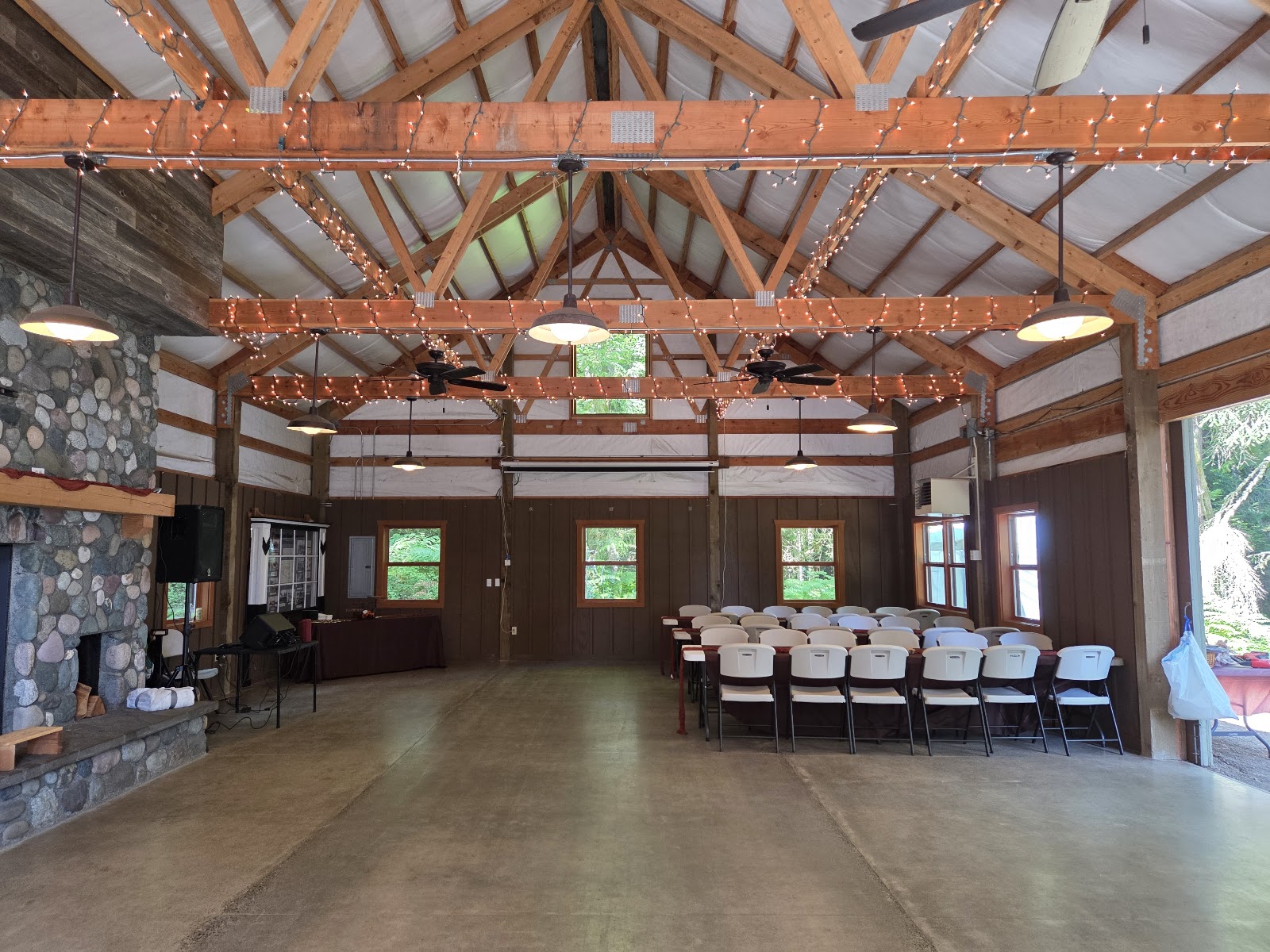
Now the barn, which is a light problem and has four answers.
The problem is the material. Stained or weathered timber reflects perhaps ten or fifteen per cent of the light falling on it against eighty for a plastered wall, so a room lined in it absorbs light rather than returning it. Bouncing does not work: a light aimed at timber comes back weak and strongly orange and most of it does not come back at all.
The first answer is the doorway, and it is the best light source on the property. A large open barn door is an enormous soft source set in a surface that reflects nothing, which gives directional light with an extraordinarily fast falloff — a subject a metre inside is beautifully modelled with a genuinely dark side, and the dark interior behind separates them completely with no aperture tricks. Step the positions out, because falloff near a barn opening can be a stop and a half per metre.
The second is to light small rather than trying to lift the room. A dark timber interior is a black studio: one modifier close and feathered with a good depth of dark space behind, and the subject separates because the background sits four or five stops down. Ninety seconds per position, repeatable anywhere. Warm the light, because the ambient in a festoon-lit barn is very warm and a neutral flash reads cold and inserted.
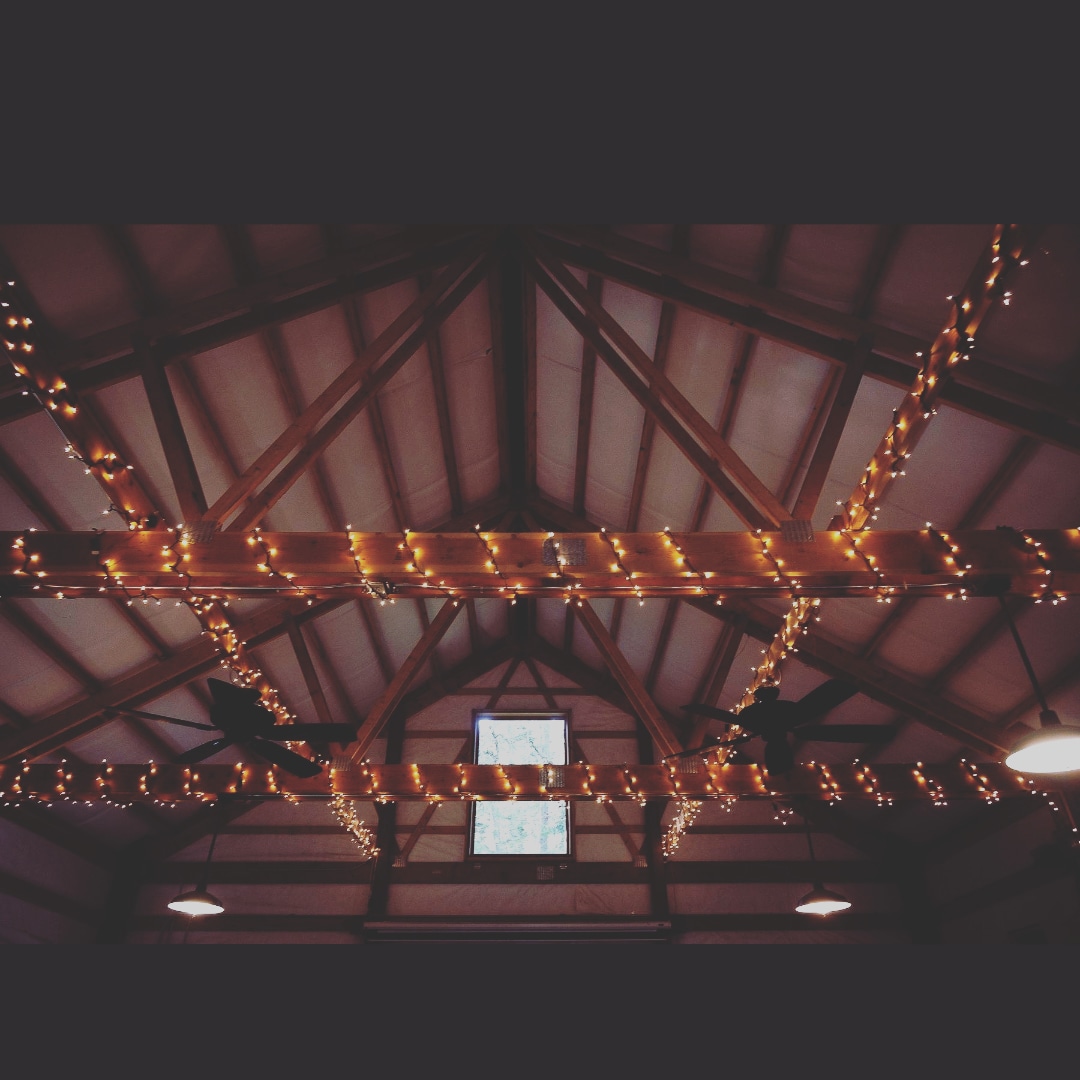
The third is to let the string lights be a feature. Filament festoon in frame, clipping, reads as warmth rather than as blown highlights, and a barn frame with the lights deliberately in shot is better than one carefully composed to exclude them.
And the fourth is to work close. Weathered timber at close range is one of the best textures there is, and a register of detail frames made with one light held almost parallel to a board can be made at any hour regardless of the weather.
One practical question to settle in writing: the rain plan’s capacity as a number, and whether it is the barn itself. In a region this wet that figure matters more than at almost any venue in this library, and the next section explains why.
The southern Appalachians, and the year
Two regional facts shape a wedding here more than the venue does, and the first is the rain.
The southern Appalachians are among the wettest places in the eastern United States. Moist air forced up over the escarpment produces orographic rainfall, and totals in this region run far above the national average — with summer afternoon thundershowers that are near-daily in some stretches and which arrive quickly.
That is not a reason to avoid the region; it is the reason the forest is what it is. But it does mean the rain plan is the largest risk in any booking here, and it means the number matters. Ask what the covered capacity is as a figure, compare it to the guest list, and establish how long it takes to move everybody under cover — because at the foot of an escarpment a shower can go from nothing to heavy in ten minutes.
The compensation is genuine and it is one of the best things about photographing here. The half hour after a shower clears in these mountains is exceptional: the air washes clear, wet timber goes several tones darker and far more saturated, foliage is beaded and glossy, mist rises off warm ground and hangs in the hollows, and a low sun coming under a broken ceiling into a humid forest produces visible shafts. A wet Appalachian evening is considerably better than a dry one, and if a cell goes through at six you should wait rather than pack.
The second regional fact is the haze, and it is worth understanding because photographers routinely try to correct it.
The forests here release volatile organic compounds — isoprene and related chemicals — in quantity, and those scatter short wavelengths in the air above the ridges. That is why the mountains are blue, and it is why distance in this landscape recedes in clean pale tonal steps rather than staying uniformly dark.
For a photographer that is an asset rather than a defect. Layered ridges receding into paler and paler blue is the signature frame of the region, it gives enormous depth to a long-lens composition, and it exists almost nowhere else in this country at this scale. Do not remove it in post; it is the subject.
It also means long views resolve differently here than in dry air: rather than crisp detail at distance, you get atmospheric separation. A long lens compressing three or four ridge lines into stacked bands of blue is the picture, and it is best in the morning and after rain when the layering is most pronounced.
Now the seasons, and this region has the longest autumn in this library.
Because colour runs down the elevation gradient, the southern Appalachian autumn lasts four or five weeks rather than a fortnight: the highest ridges turn in early October and the valley floors not until early November. At a property at the foot of the escarpment that means you can have gold and orange on the mountain above while the fields below are still green, and then the reverse three weeks later. That is a genuinely unusual range and it means a date anywhere from the first week of October to the first week of November has something at its best.
Mid to late October is the peak for the middle elevations and it is the most heavily booked period in the region for good reason.
Late April into early June is the other strong window and it has the region’s floral display in it. Mountain laurel comes through May and June and rhododendron follows through June and into July at elevation, and both grow in dense thickets that photograph as banks of white and pink. Flame azalea comes through the same period. Ask which is out in the week of the date, because the sequence runs upward with elevation exactly as autumn runs downward.
Spring is also the wettest part of a wet year and the greenest — a saturated, dripping, intensely green forest, which is a distinct and rather beautiful condition if the rain plan holds.
Summer is warm, humid and workable at the two ends of the day. Afternoon temperatures in the high twenties or low thirties with high humidity, in formal clothing on open pasture, is uncomfortable rather than dangerous, and the practical shape is the two ends outdoors with the middle under the barn roof or a hardwood canopy. Humidity fills shadows by roughly two stops, which genuinely helps faces, at the cost of a pale washed sky and a lens that fogs coming out of an air-conditioned space into the outside air.
The afternoon thundershower risk is at its highest in summer and it is the season where the rain-plan number is most likely to be used.
Winter is the season nobody considers and it has real merit here. The escarpment with the leaves off is pure structure — every ridge, hollow and rock face legible in a way the summer canopy hides — and a low midwinter sun near thirty-five degrees rakes it through the whole middle of the day. Valley snow is occasional and does not last long, but rime ice and snow at elevation are common, which puts a white mountain wall above green-brown fields. The air is at its clearest of the year, so the ridge layering is at its most pronounced.
Against winter: sunset before half past five, minus the escarpment’s thirty to fifty minutes, effectively ends the outdoor day in the middle of the afternoon — so the exterior work belongs there and the evening belongs in the barn. And mountain roads in an ice event are a genuine travel problem for guests and suppliers rather than a photographic one.
One closing instruction that applies in every month, and it is the one thing at this venue that cannot be improvised: go and look at the western skyline from the position you intend to use for the last portraits, judge how high the escarpment stands above the horizon, and move the whole evening earlier. A mountain wall immediately to the west will take the sun half an hour before the almanac says it should, and a photographer working from a printed sunset time will lose the best light of the day while walking to it.
More frames from The Barn at Old Fort
The Barn at Old Fort wedding photography: common questions
What is the venue's organising fact?
It sits on a hinge between two landscapes. The Blue Ridge escarpment rises abruptly immediately to the west, so one horizon is a close mountain wall with detail in it, and the other — east — is open, low and distant. Which way you point the camera decides what kind of photograph you get, and the two horizons are good at opposite ends of the day.
Why is the mountain lit at dawn rather than dusk?
Because the eastern view is open and the mountain is to the west. At first light the sun comes up unobstructed over low country and strikes the escarpment’s whole face directly, so the ridges and hollows separate into lit faces and dark folds and the wall acquires depth. In the evening the same mountain is between you and the sun, which gives a silhouette. That inverts the usual mountain rule and it means the best landscape frame here happens in the first hour, which nobody schedules.
How much earlier does the evening end?
Thirty to fifty minutes before the printed sunset, because a mountain wall immediately to the west takes the sun long before it reaches the horizon. That is more than at a valley venue and considerably more than on open ground. Go and look at the western skyline from your intended position, judge the escarpment’s height above the horizon, and move the whole evening earlier — it is the one thing here that cannot be improvised.
So what is the evening frame?
East. As the sun drops behind the escarpment the low ground goes into soft even shade while the eastern sky stays bright and takes colour, so a couple on open ground facing east with a coloured sky behind them is available for a good twenty minutes after the direct light has gone. Most photographers at a mountain-foot venue miss it because they are looking the other way at a mountain that has already gone dark.
Why are the mountains blue, and should you correct it?
The forest releases volatile organic compounds — isoprene and related chemicals — which scatter short wavelengths in the air above the ridges. That is literally why the Blue Ridge is blue, and why distance here recedes in clean pale tonal steps. It is an asset rather than a defect: layered ridges receding into paler blue is the region’s signature frame and it gives enormous depth to a long-lens composition. Do not remove it in post — it is the subject, and it is most pronounced in the morning and after rain.
How much does the rain matter?
More than at almost any venue in this library. The southern Appalachians are among the wettest places in the eastern United States, because moist air is forced up over the escarpment, and summer afternoon thundershowers are near-daily in stretches and arrive within ten minutes. Get the covered capacity as a number, compare it to the guest list, and establish how long it takes to move everybody. The compensation is real: the half hour after a shower clears is exceptional here, with washed air, wet timber, mist rising in the hollows and visible shafts through humid forest.
More North Carolina venue guides
We are writing a photographer’s guide to every venue we would happily shoot in North Carolina. Here are three more, plus the full index:
- The Farm at Swan’s Crossing, Waynesville: One Frame, and How It Is Made
- The Duke Energy Center: How the Glass Lobby Frame Is Made
- Haywood Hall: What an Eighteenth-Century House Can and Cannot Do
Planning a wedding at The Barn at Old Fort?
Look west, move the evening earlier, and be up at dawn. Tell us your date.