 The Riverside Hotel, Boise: The Light Through a Day
The Coeur d’Alene Resort, Coeur d’Alene: A Walk Through the Building
The walk ends on the water, not beside it.
This venue is best described by walking it, and the walk ends somewhere no other venue in this collection can take you: out into the middle of the water.
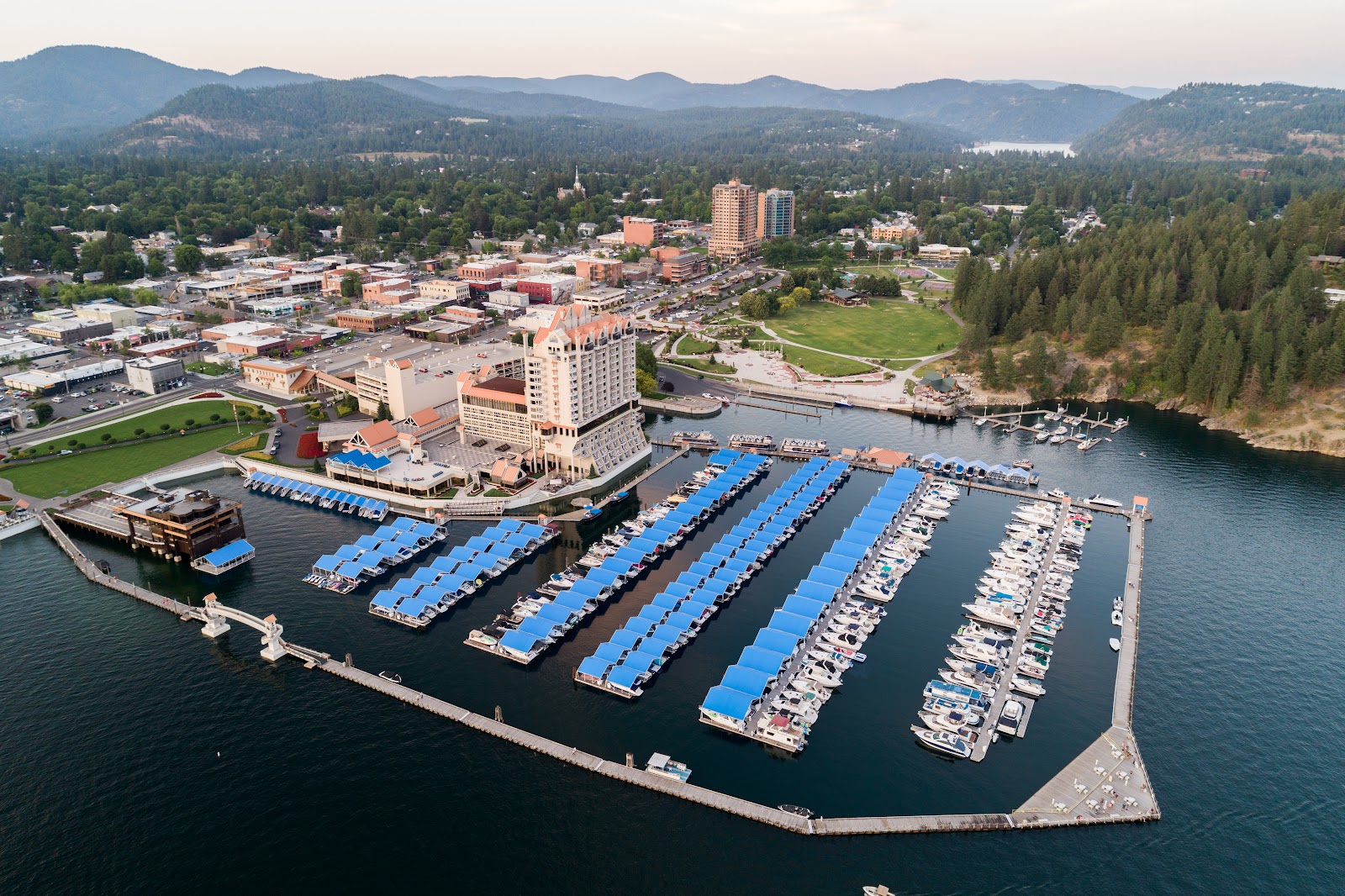
The Coeur d’Alene Resort occupies the downtown waterfront at the north end of Lake Coeur d’Alene, in the Idaho Panhandle. It is a full resort with a high tower — for a period the tallest building in the state — and a marina, and around that marina runs a floating boardwalk that is one of the longest of its kind anywhere, something over three thousand feet of walkway sitting on the surface of the lake.
That boardwalk is the reason to book here rather than at any other lakeside hotel, and it is worth stating why in photographic terms rather than in brochure terms.
A normal waterfront venue lets you stand at the edge of water and look across it. A floating walkway lets you stand in the middle of water and look back at the shore — which means the town, the tower, the forested hills behind them and the mountains beyond can all be in one frame, with water in the foreground on both sides of the camera.
It also puts the camera at water level, permanently and without kneeling. A walkway that floats sits perhaps half a metre above the surface, which is exactly the height at which reflections fill the lower half of a frame and a ripple compresses into a luminous path. At a normal shoreline that position requires lying on gravel.
And it is long enough to give you genuinely different views — the shore from several angles, the tower from a distance, the open lake in one direction and the town in the other — without leaving the venue or needing a boat.
So the walk goes: the lobby and the interiors, the tower, the marina edge, and then out along the boardwalk, which is where the last hour belongs.
Two facts to carry into all of it. The first is the latitude: Coeur d’Alene sits at about forty-seven and three-quarter degrees north, which is the same latitude as Seattle and gives the same large seasonal swing — sunset after nine in late June with civil twilight running close to thirty-seven minutes, and sunset before four in late December with barely eight and a half hours of daylight.
The second is that this lake is enclosed. Forested hills drop steeply to the water on most sides, which means the sun goes behind a ridge well before it reaches the horizon. At lake level the effective sunset can be twenty to forty minutes earlier than the printed time, depending on the aspect and the season, and that is the single most important scheduling fact here.
The Coeur d'Alene Resort at a glance
| Where | A lakeside resort tower and marina at Coeur d’Alene, Idaho Panhandle |
| The asset | A floating boardwalk over three thousand feet long, out on the water |
| Why that matters | A permanent water-level camera position, looking back at the shore |
| The catch | Steep forested ridges take the sun twenty to forty minutes early |
| Ask first | Boardwalk access and exclusivity, wind policy, and which way your rooms face |
The interiors and the tower
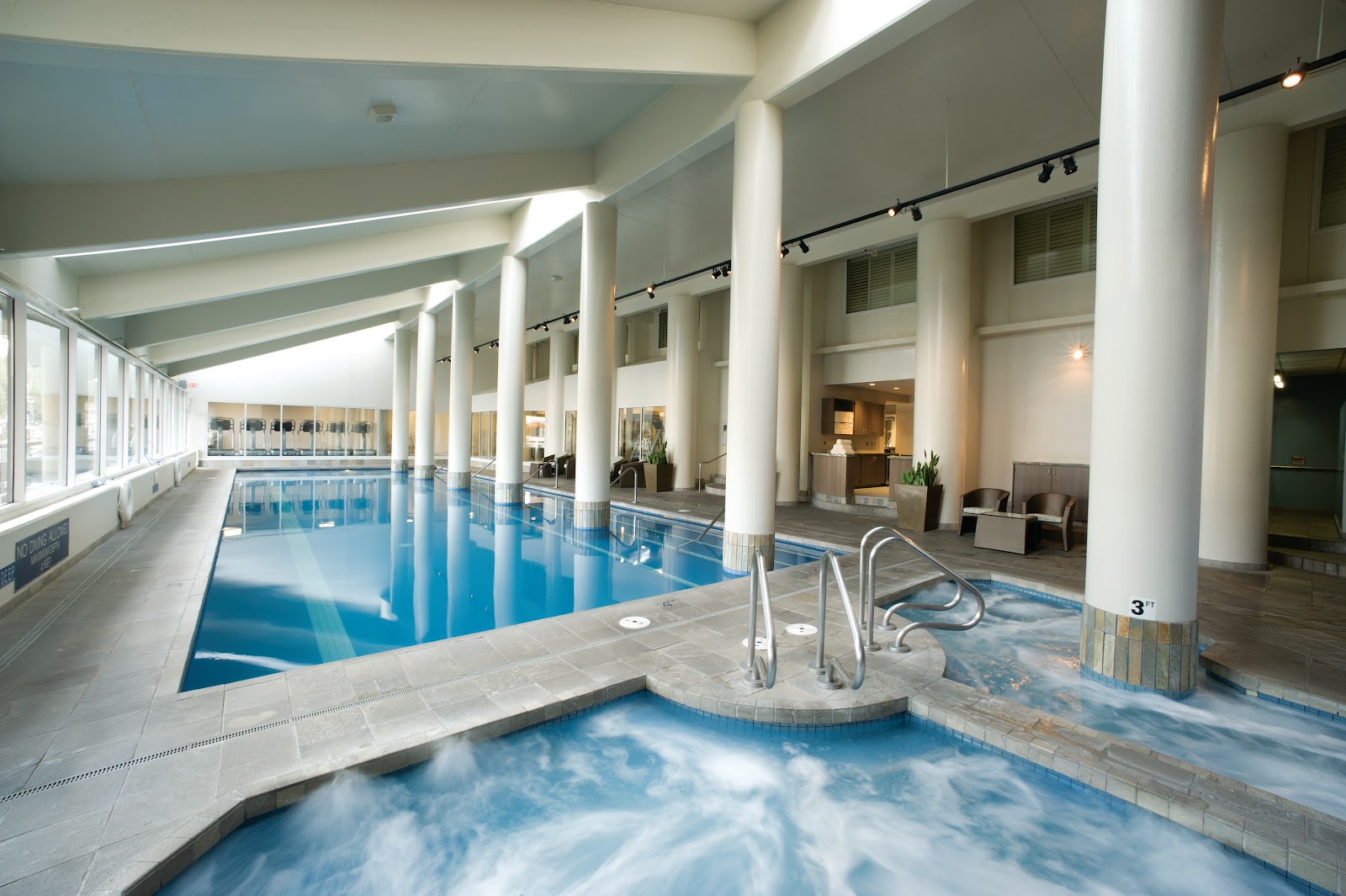
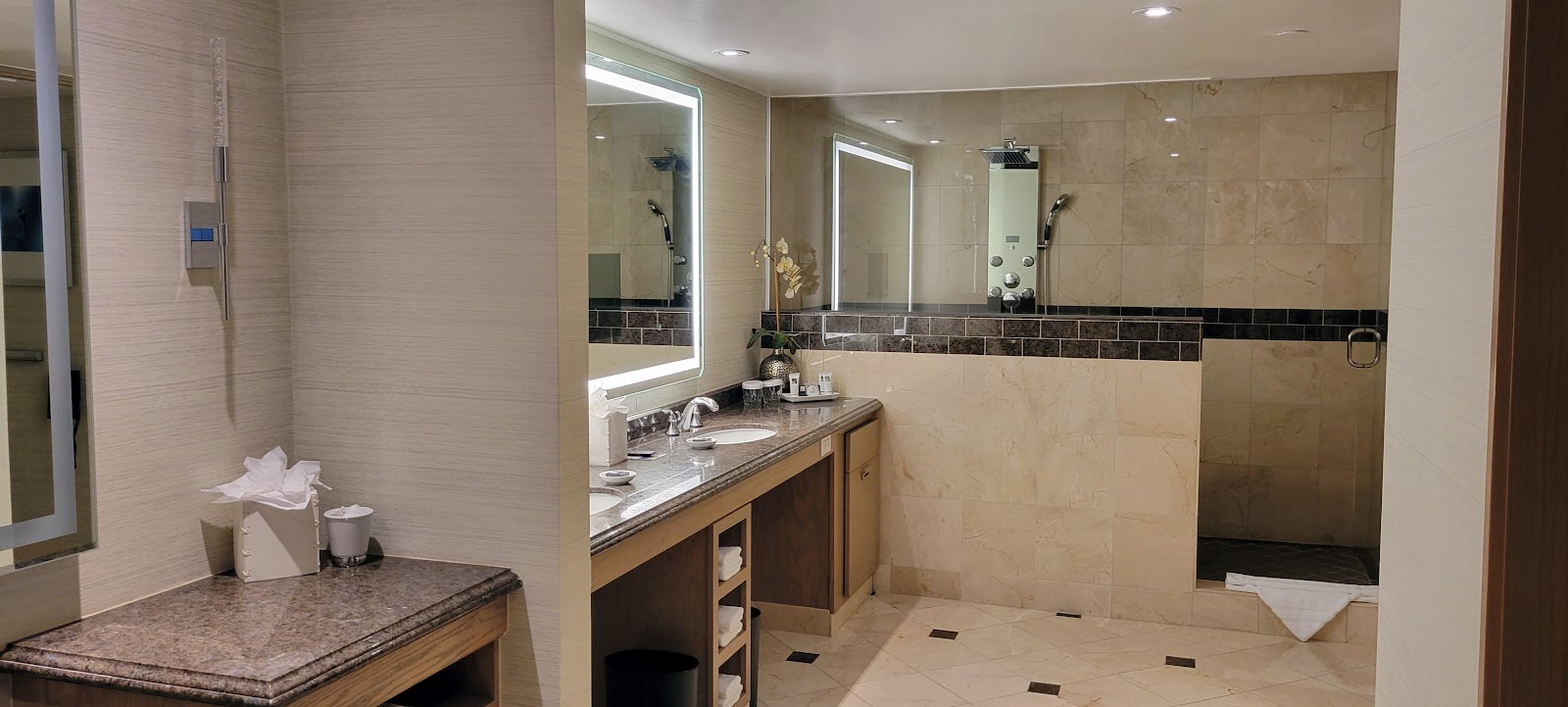
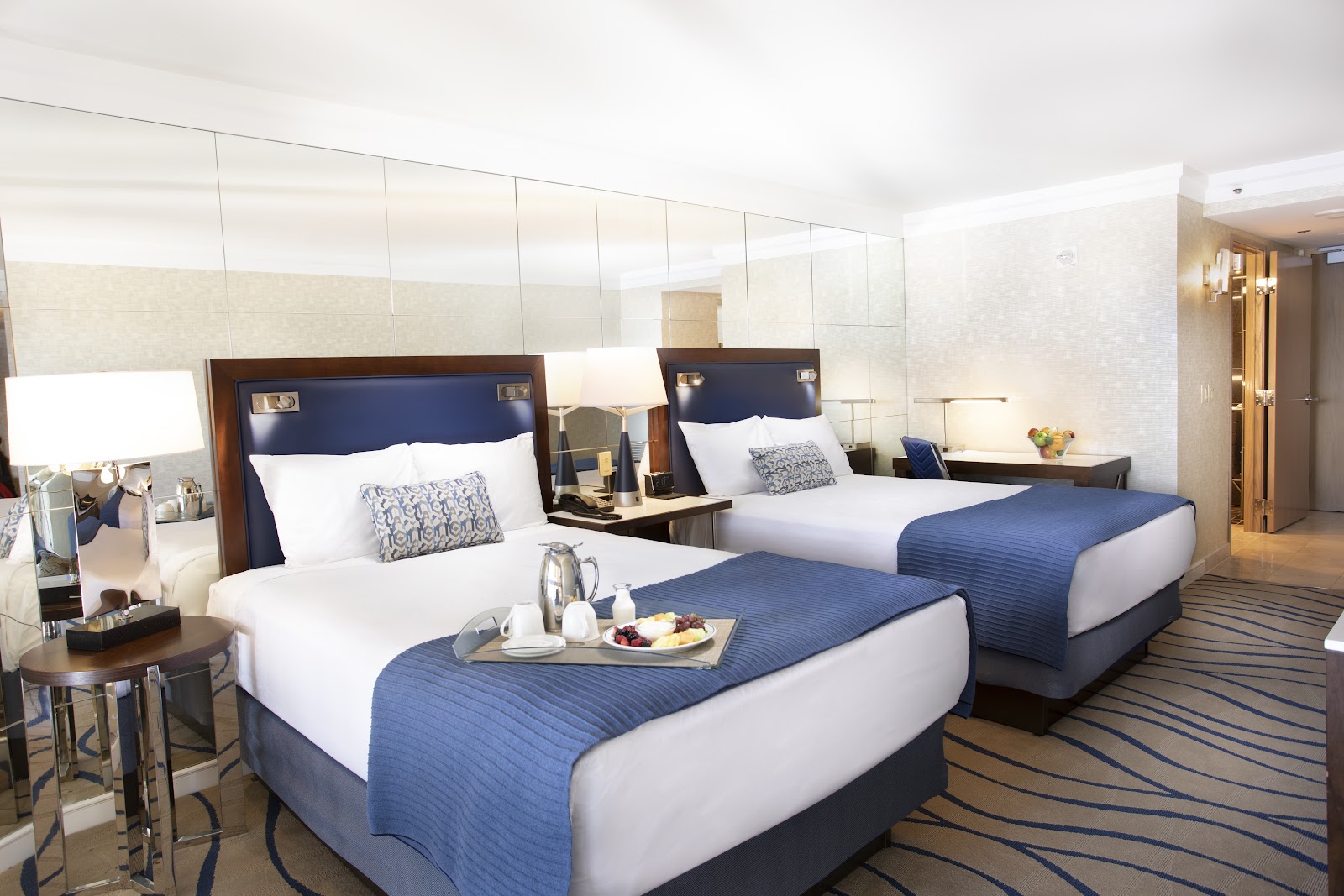
Start inside, and set the expectation honestly: this is a resort, and a resort’s interiors are capable, comfortable and photographically neutral. They will take whatever light you bring and contribute very little of their own. That is neither a criticism nor a compliment — it is the nature of the type — and it means every good interior frame here is made rather than found.
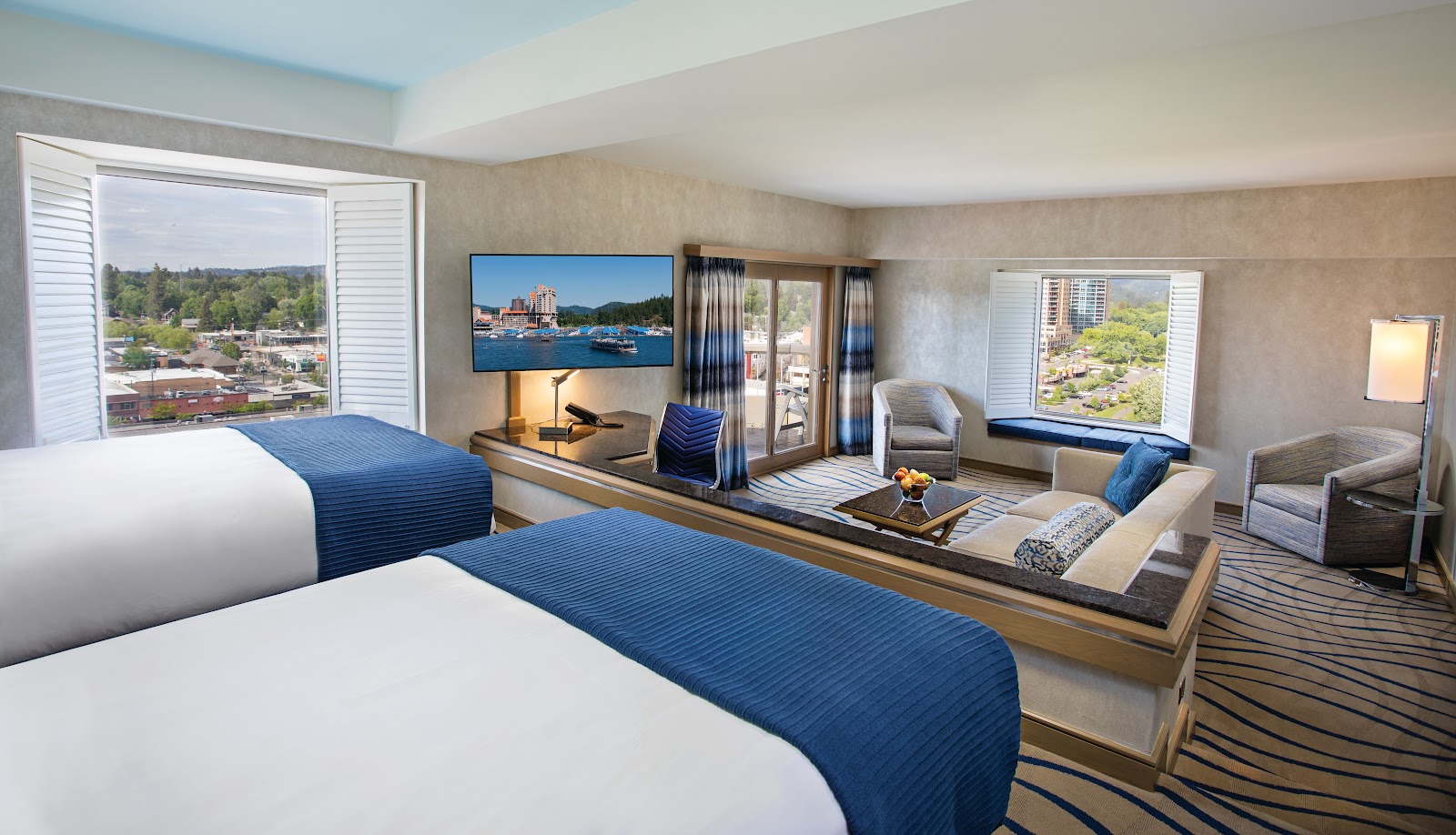
What the building does offer indoors is height and glass. A tower on a lakeshore has rooms with a large unobstructed area of sky and water outside them, and that produces the best natural interior light on the property: soft, even, directional, with a substantial bounce coming up off the lake surface.
That upward bounce is the thing a landlocked hotel cannot give you. A large body of water outside a window acts as a low reflector, filling the shadow under a chin and in eye sockets that a high window would otherwise leave dark. Stand people close enough to the glass to be in it — a metre and a half, side-on — and the light does the work.
Two corrections to apply consistently. The light is cool, because open sky over water is a cool source and modern glazing is coated to reject heat, which shifts transmitted daylight cooler and often slightly green. Those compound, so interiors here photograph bluer than the eye remembers — warm the whole block rather than each frame, and set a white balance for the position you are shooting from, because a subject at the glass and one five metres back are lit by measurably different colour.
And on a high floor there is less ground bounce than at street level, though the lake partly compensates on the water side. On the town side there is no such compensation, so a white card at waist height earns its place.
Ask which way your rooms face. At a venue where the windows are the light and the view is half the argument, aspect is the single most consequential fact about the booking, and it is a question the hotel can answer in a sentence.
The tower’s height is worth using for one specific frame that most photographers never make: looking down. From a high floor, a marina full of boats reads as a pattern — hulls and masts arranged in rows, with the boardwalk as a line running through them — and an aerial-feeling frame of that, with the lake beyond, is a genuinely striking image that requires nothing but access and a window.
Ask whether there is any accessible high viewpoint, indoors or out, and whether a window can be opened, because shooting down through glass at a shallow angle produces reflections and colour shifts that shooting through an open window does not.
The function rooms are conventional and the question to ask is whether they have exterior glazing, because a daylit ballroom on a lakeshore and a windowless internal one are two completely different photographic days. Establish which you have in writing, months ahead.
If windowless, plan the whole block: two lights bounced into opposite corners for ambient if the ceiling is pale, one directional source for the key, and a single white balance throughout. Pale walls and normal ceiling heights make bounce efficient at a modern resort, which is a real advantage over a timber lodge with dark surfaces.
One practical note for the whole interior sequence. A resort at a lake in a tourist town is busy in season, and the public areas will have other guests in them. Work tighter than instinct suggests, and use the early morning for anything in a lobby or a corridor that needs to look uncluttered.
The marina and the boardwalk
Now outside, and this is where the venue earns its place.
Start at the marina edge, because the boats are the subject before the water is. A marina gives you masts, which are strong repeated verticals and the only element that breaks a flat horizontal on a lakeshore; hulls, which are large curved pale-and-dark forms at exactly the right scale to sit behind two people; and dock lines and cleats, which give a low camera a foreground that open water never provides.
A frame with masts in it is unmistakably this place. A frame of open water could be anywhere.
Then walk out. The floating boardwalk is the venue’s distinctive structure and it should be used deliberately rather than as a path to somewhere else.
Three things it gives you. First, the position: half a metre above the surface, so reflections occupy the lower half of a frame without kneeling, and a ripple compresses into a luminous path running the depth of the picture. Second, the reverse view: from out on the water you are looking back at the tower, the town and the forested hills behind them, which is a composition with three distinct layers of depth in it and is unavailable from the shore. Third, the geometry: a long walkway is a perspective line with railings, planking and a vanishing point, and a couple walking away down it, small, is a complete frame that takes thirty seconds.
Two cautions about a floating structure. It moves. A boardwalk on the surface responds to wake and to wind, which means a tripod on it is not stable and a long exposure from it will not be sharp — if a night frame matters, make it from the fixed shore instead. And it is fully exposed: there is no shelter anywhere on it, and a wind across open water arrives unimpeded, which makes a veil out there a two-person job and a lightstand a genuine hazard. Sandbag everything or hand-hold.
Establish access in writing. A boardwalk of that kind may be publicly accessible, may be resort-controlled, may be shared with marina users, and may close in weather. What a wedding actually gets, and when, is a commercial question with a real answer, and a boardwalk frame promised and then unavailable is the one failure a couple will remember.
Ask also about boat traffic, because it is a genuine asset. A working marina has boats coming and going, and a vessel moving behind a subject at dusk, with its own lights on and its wake catching the last light, is a strong and specific frame. It cannot be scheduled but it is frequent enough in season to plan on rather than merely hope for.
Now the lake itself, which needs an honest word. This is a large natural lake in a glacially carved valley, deep and cold, and it is clear but not exceptionally so — nobody should be promised the kind of visibility that a very deep alpine lake offers. What it does give is scale, a dark blue-green colour that holds up in a frame, and a surface that behaves in two distinct ways depending on the hour.
Because the lake is enclosed by hills rather than open to a prevailing wind, mornings are frequently and genuinely calm — and a calm enclosed lake mirrors. Forested hills doubled in still water, with the tower and the town between them, is the best photograph this venue produces, and it is available in the first hours after first light.
By the afternoon a valley breeze will usually have set in and the surface breaks up, at which point the reflections become shimmering columns instead of mirrors. Both are good; they are different pictures, and the mirror is the rarer one. Take it when you see it rather than saving it for later.
Get the camera low even on the boardwalk. Half a metre is good and twenty centimetres is better: crouch, and the reflection fills more of the frame and the planking leads more strongly.
The Panhandle, and the year
Two things about this landscape shape every frame, and the first is the shape of the valley.
Lake Coeur d’Alene sits in a trough that glaciers deepened and that forested hills enclose steeply on most sides. That produces a specific and consequential effect: the sun goes behind a ridge well before it reaches the horizon, and at lake level the effective sunset can be twenty to forty minutes earlier than the printed time, depending on which way a position faces and on the time of year.
That is invisible until it happens. A photographer working from a sunset time on a schedule will find the good light gone while still walking out onto the boardwalk. Go and look at the western skyline from the position you intend to use, judge the ridge height above the horizon, and bring the whole evening forward accordingly.
The compensation is genuine and it is one of the better things about a mountain lake. Once the lake surface is in shadow, the hills on the far side stay lit for a quarter of an hour, glowing warm above dark water — and if the surface is still, that lit hillside is reflected in it. A frame with a couple in cool shade, a gold hillside behind and the whole thing doubled in the water is specific to an enclosed lake and it is worth positioning for.
The second landscape fact is the forest, and one tree in it is worth knowing about because it changes the autumn completely. North Idaho’s forests are western white pine, ponderosa, Douglas fir — and western larch, which is a deciduous conifer. It turns brilliant gold in the second half of October and then drops its needles.
That means the hillsides here change colour in autumn in a way conifer forests generally do not: patches and bands of gold through dark evergreen, on slopes above a blue lake. It is one of the most distinctive seasonal effects in this entire collection and it is a fortnight long. If a couple is choosing a date for landscape, mid to late October is the answer and it is worth saying so.
The latitude gives the large swing described in the lede. In late June sunset is after nine, there are about sixteen hours of daylight, civil twilight runs close to thirty-seven minutes and the noon sun reaches about sixty-six degrees. In late December sunset is before four, there are around eight and a half hours of daylight, and the noon sun never exceeds about nineteen degrees.
Thirty-seven minutes of civil twilight is the longest dusk in this library, and the genuinely usable balance point inside it — where the sky and the town’s lights are within a stop of each other — runs eighteen to twenty minutes. Minus the ridge shadow, you still have a generous end of day, and it is enough for two positions rather than one. Spend it: one on the boardwalk and one from the fixed shore looking back at the lit tower.
The elevation here is modest — the lake sits a little above six hundred metres — which thins the air slightly and makes the sky a little deeper and the shadows a little harder than at sea level, without any of the altitude effects that matter at Tahoe.
July through September is the reliable season: warm dry days, cool nights, calm mornings and dependable sun. It is also the busiest, in a town whose economy is summer tourism.
Two honest cautions about late summer. Afternoon thunderstorms build over the mountains through July and August, localised and quick but carrying real lightning risk on an exposed boardwalk over open water, which is a safety matter rather than an inconvenience — know where you are going and how long it takes. And wildfire smoke has become a serious recurring feature of August and September across the Inland Northwest: smoke from fires in Idaho, eastern Washington, Montana and British Columbia can fill this valley for days, turning the light orange, flattening all contrast and producing air quality that makes an outdoor event genuinely inadvisable. It cannot be forecast far ahead, and a late-summer outdoor plan here needs an air-quality contingency as well as a weather one.
Mid to late October is the best-looking window of the year, for the larch, with clear air, thin crowds and calm cold mornings. Sunset around six puts the balance point at a civil hour. The risk is an early storm or an early snow.
Winter is a real winter here: substantial snow, temperatures well below freezing, and a lake that does not usually freeze over but will ice at its margins. That produces superb material — snow on dark conifer above blue-black water, snow on a boardwalk, a low nineteen-degree sun raking everything from late morning to mid-afternoon — and it makes any outdoor session a brief, planned proposition rather than an hour.
There is one winter phenomenon worth knowing about because it is peculiar to mountain valleys. Cold air pools on the valley floor under high pressure and forms an inversion: the lake and the town sit under grey fog or low cloud while the ridges above are in clear sun. That gives you two completely different conditions within a few hundred metres of elevation, and if it happens on a wedding day the honest answer is to work with the fog, which is atmospheric and flattering, rather than to wish for the sun that is visible on the hilltops.
The compensation in any season is the half hour after a storm clears: washed air so the far shore and the mountains resolve, wet planking and wet stone several tones darker and far more saturated, the wind usually dropping so the lake flattens, and a low sun coming under a broken ceiling onto lit hillside. If a cell goes through at six, wait rather than pack.
More frames from The Coeur d'Alene Resort
The Coeur d'Alene Resort wedding photography: common questions
What makes this venue unusual?
The floating boardwalk. Over three thousand feet of walkway sitting on the lake surface means you can stand in the middle of water and look back at the shore — town, tower, forested hills and mountains in one frame with water on both sides of the camera. It also puts the camera permanently at about half a metre above the surface, which is the height at which reflections fill the lower half of a frame and a ripple compresses into a luminous path. At a normal shoreline that position requires lying on gravel.
What are the cautions about working on it?
It moves, and it is exposed. A floating structure responds to wake and wind, so a tripod on it is not stable and a long exposure from it will not be sharp — make night frames from the fixed shore instead. And there is no shelter anywhere on it, so wind across open water arrives unimpeded, making a veil a two-person job and a lightstand a hazard. Establish access in writing too, because a boardwalk may be public, resort-controlled or shared with marina users, and it closes in weather.
Why does the evening end early?
The lake sits in a glacially deepened trough with forested hills dropping steeply on most sides, so the sun goes behind a ridge well before it reaches the horizon. At lake level the effective sunset can be twenty to forty minutes earlier than the printed time. Look at the western skyline from your intended position and bring the whole evening forward. The compensation is good: once the water is in shadow the far hills stay lit for a quarter of an hour, and if the surface is still that gold hillside is doubled in the reflection.
When does the lake mirror?
In the mornings, frequently. Because it is enclosed by hills rather than open to a prevailing wind, a calm surface is common in the first hours after first light — and a calm enclosed lake genuinely mirrors, giving forested hills doubled with the town between them, which is the best photograph this venue produces. By the afternoon a valley breeze usually sets in and the reflections become shimmering columns instead. Take the mirror when you see it rather than saving it.
Is there a best time of year for the landscape?
Mid to late October, and the reason is a tree most people have not heard of. North Idaho’s forests include western larch, which is a deciduous conifer: it turns brilliant gold in the second half of October and then drops its needles. So the hillsides here change colour in autumn in a way conifer forests generally do not — bands and patches of gold through dark evergreen above a blue lake. It lasts about a fortnight and it is one of the most distinctive seasonal effects in this whole collection.
What are the seasonal risks?
Two in late summer and one in winter. Afternoon mountain thunderstorms through July and August carry genuine lightning risk on an exposed boardwalk over open water. And wildfire smoke has become a recurring August and September feature across the Inland Northwest, capable of filling this valley for days with orange flat light and air quality that makes an outdoor event inadvisable — so a late-summer plan needs an air-quality contingency. In winter, valley inversions can put the lake and town under grey fog while the ridges above sit in clear sun; if that happens, work with the fog rather than wishing for the sun on the hilltops.
More Coeur d'Alene, ID venue guides
We are writing a photographer’s guide to every venue we would happily shoot in Coeur d'Alene, ID. Here are three more, plus the full index:
- The Lakeview Lodge, Coeur d’Alene: Suits and Does Not Suit
- The Barn at Stillwater, Coeur d’Alene: The Problem, and Four Ways Out of It
Planning a wedding at The Coeur d'Alene Resort?
The walk ends on the water. Tell us your date and we will time it to the ridge.