 The JW Marriott Austin: What It Suits, and What It Does Not
The Four Seasons Austin: The One Decision That Governs Everything
One decision: water or city. They are lit at opposite times.
A hotel on the edge of a downtown lake offers one decision and it is a compass decision: which way the frames face.
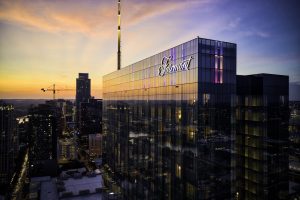
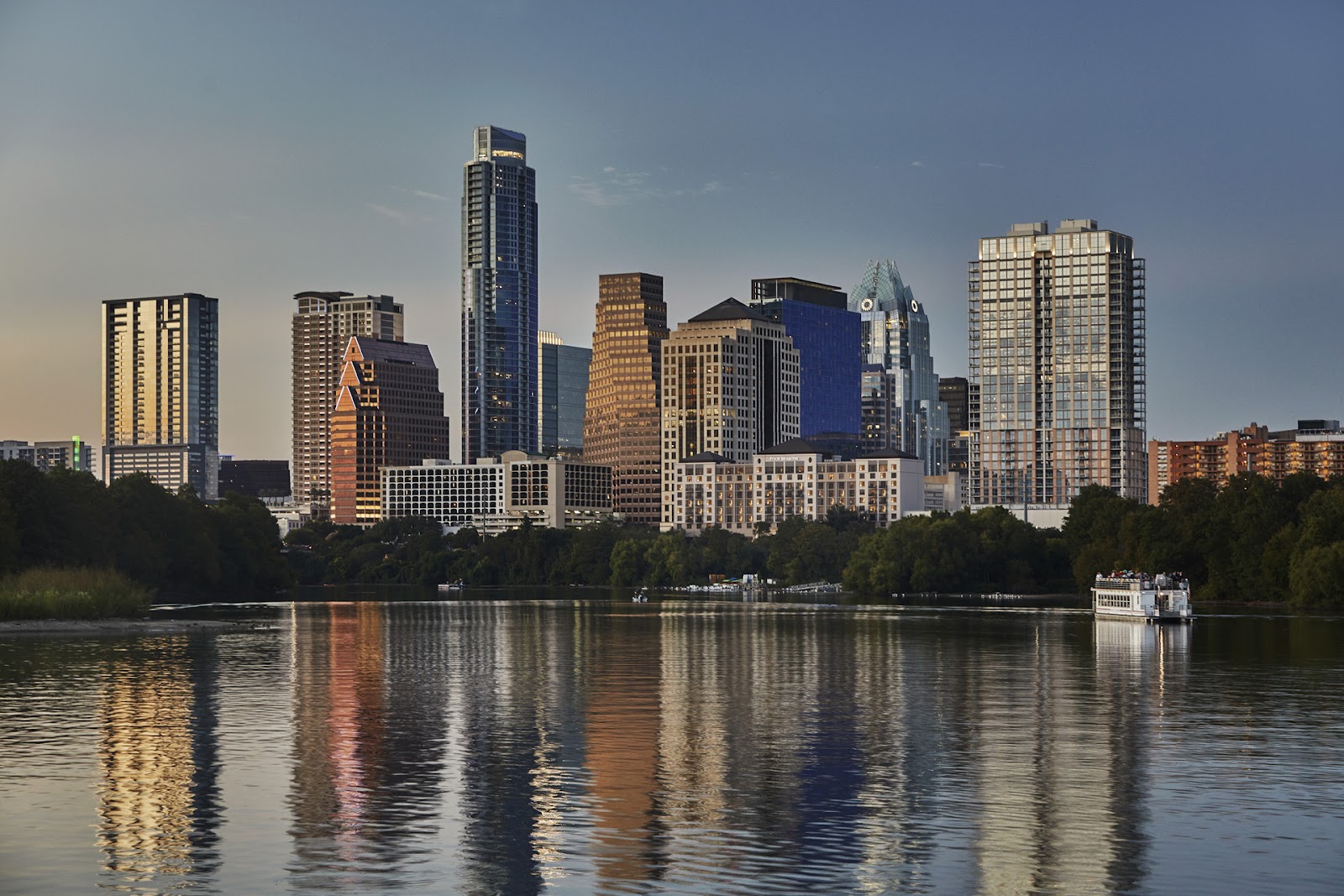
One way is the water — Lady Bird Lake, a dammed reach of the Colorado River running through the middle of Austin, with a wooded far bank and a trail around it. The other way is the city, which at this point is a genuine downtown of glass towers rising directly behind the hotel.
Those are two entirely different pictures and they are lit at opposite times. A north-shore site looks south across the water, which means the water frames are back-lit through the middle of the day and front-lit early and late from the sides; the city behind is the reverse.
So the direction is not a matter of taste but of hour, and choosing one commits the schedule. A photographer who intends to do both needs to know which belongs at which end of the day, and a photographer who has not decided will spend the good light walking between them.
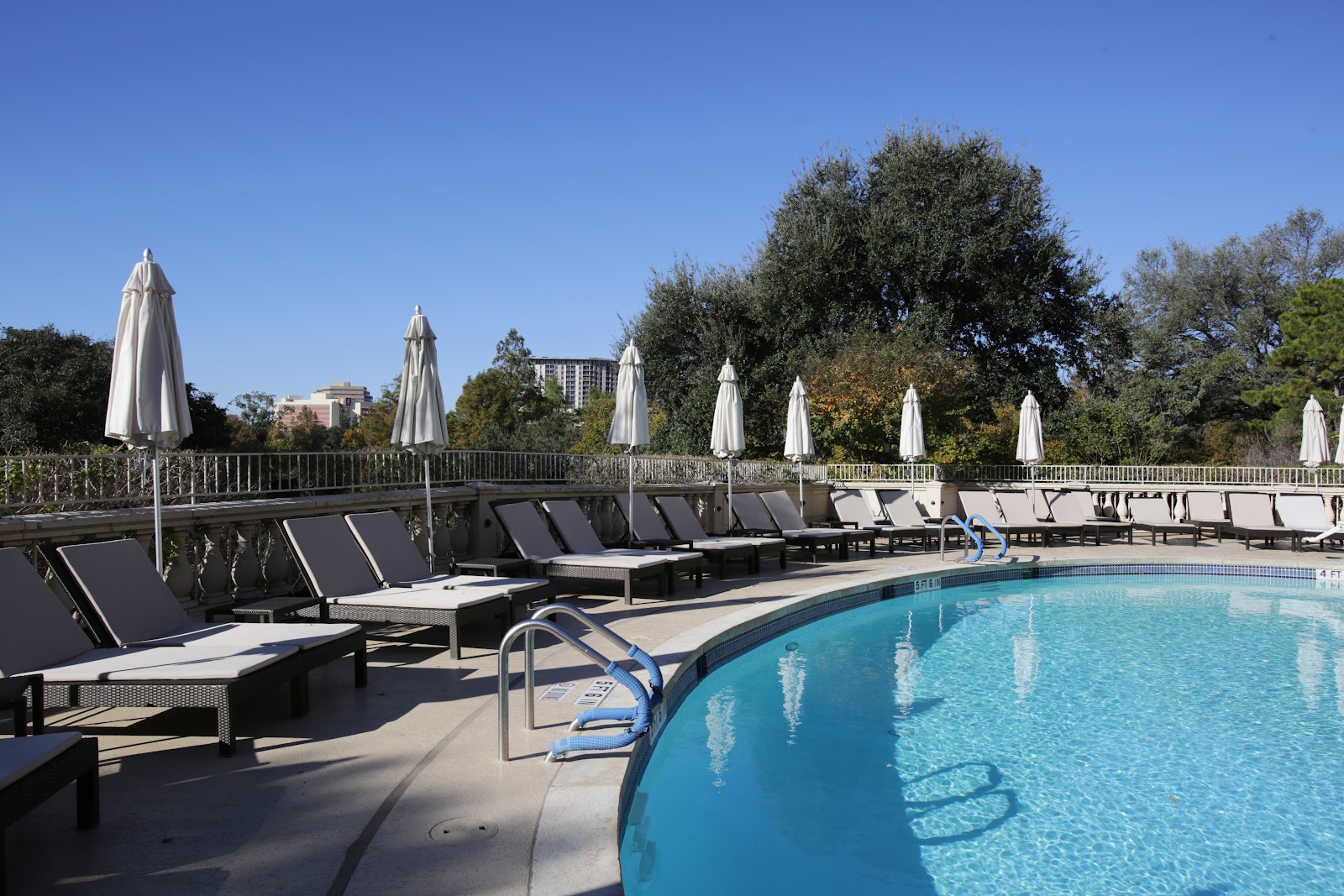
The second thing to establish is what the hotel actually offers. A downtown luxury hotel on a waterfront site typically has several bookable spaces at different levels — a ballroom, a terrace, a pool deck, a lawn at water level — and each of those faces a different way and sees a different amount of water and city.
That is the question to ask, because a terrace with a lake view and a ballroom with no windows are different venues in the same building.
Austin sits at about thirty degrees and a quarter north at roughly five hundred feet. The June noon sun reaches around eighty-three degrees, the December noon sun about thirty-six and a half, days run from about ten hours ten to fourteen hours five, and civil twilight is roughly twenty-three minutes — short enough that the end of the day has to be rehearsed.
We have not photographed a wedding here. Which spaces are bookable, what each faces and the permitted hours are questions for the hotel — and the middle one shapes everything below.
The Four Seasons Austin at a glance
| Where | A downtown hotel on the north shore of Lady Bird Lake, Austin |
| The decision | Water or city. They are lit at opposite times of day |
| Facing the water | Back-lit through the middle of the day; front-lit at the ends |
| Facing the city | The reverse — and glass towers behave unlike masonry |
| Ask first | Which spaces are bookable and which way each one faces |
Facing the water
The lake is the quieter picture and the more flattering one, and it has a specific technical advantage worth understanding.
Open water reflects the sky, which makes it a very large low-angle light source. A subject standing at the water’s edge is lit from below as well as above — and that bottom light fills under the chin and lifts the eye sockets, which is the exact opposite of what a high sun does and precisely what a face needs.
The effect strengthens sharply at low sun angles, because water’s reflectivity rises at grazing incidence. So the fill is strongest in the last hour, which happens to coincide with the best light of the day — a fortunate alignment and the reason waterside positions flatter people.
Back-lighting across the water is the middle-of-the-day frame. With the sun to the south and the camera facing it, the lake becomes a field of speculars and a subject in front of it is rim-lit against brightness. That needs a decision: silhouette them deliberately, which against a bright water surface is very clean, or fill them to within about a stop and a half of the water’s exposure.
The specular field’s density is controlled by camera height and almost nothing else. Low to the water it compresses into a bright path running toward the lens; from a terrace above it spreads into an even glitter across the whole surface. Both are usable and they are different frames, and dropping the camera to knee height is the single cheapest improvement available.
The far bank is the compositional element and it matters more than it seems. Lady Bird Lake has a wooded shoreline and a trail, which means the background across the water is trees rather than buildings — so a frame facing south from the north shore reads as a lake in a landscape rather than as a city reservoir.
That is worth exploiting, because it is the one direction from a downtown site that does not contain downtown.
The trees on that bank and around the shore are specific and worth knowing. Live oak is the dominant evergreen — broad, dense, low-crowned, and it holds its leaves year-round, so a frame in January has the same green mass as one in July. Bald cypress grows at the water’s edge and is the exception: a deciduous conifer that turns rust-orange in November, which is central Texas’s only substantial autumn colour.
Whether the water is still is a matter of wind rather than hour here, unlike in the desert. Central Texas wind is variable and not strongly diurnal, so a mirror surface is luck. Broken water still works, as above.
Two practical notes. The trail around the lake is heavily used by runners and cyclists at all hours, which means a frame at water level will have people in the background — normal, and worth expecting rather than resenting. And the shoreline is public, so a wedding party at the water’s edge is in a public space with all that implies.
The best water frame is the last twenty minutes. Facing south-west with the sun down, the sky holds colour across a wide arc, the water doubles it, the city lights come up behind the camera and the wooded far bank goes dark. A warm-gelled source on the couple at about a stop under the ambient completes it.
Facing the city
The city is the more dramatic direction and it behaves in ways a masonry downtown does not, because Austin’s downtown is substantially glass.
A glass tower is a mirror. That has two consequences and the first is a gift: at the ends of the day, a glass facade facing the setting sun reflects it, which means the towers themselves become light sources — enormous ones, throwing warm light back down into the streets and across the waterfront at an angle no natural source provides.
That is worth planning for. A subject standing where a tower’s reflection lands is lit by a source the size of a building, warm and directional and utterly free. It moves through the last hour as the sun descends, and finding where it falls is a matter of looking rather than calculating.
The second consequence is less helpful: a glass skyline photographed at midday reflects a pale sky and reads as flat grey-blue with no modelling. Glass towers have no texture of their own — their appearance is entirely borrowed from what they reflect — which means a downtown of glass is dull under an even sky and spectacular under a broken one.
So the city frames want either a sky with structure in it, or the ends of the day, or darkness.
The skyline wants a long lens. A wide lens from the waterfront renders the towers at their true angular size and they become a low strip along the top of the frame; a moderate telephoto compresses them into something with mass and makes the frame about the city. Expose for the buildings and lift the subjects with a warm-gelled source at about a stop over the ambient falling on them.
The gel is not optional. Downtown lighting is warm tungsten and warm LED, and an ungelled flash puts blue-white faces against a golden city — which is the commonest error in urban wedding coverage and the easiest to avoid.
After dark the city is at its best and the balance point is brief. For roughly ten minutes during civil twilight the sky holds deep blue while the building lights are fully on, and both read in a single exposure. Before that the sky overpowers the lights; after, the sky goes black and the frame loses its depth.
Twenty-three minutes of civil twilight at this latitude means that window is genuinely short. Being in position before it starts, with the frame already composed, is the difference between getting it and getting a version of it.
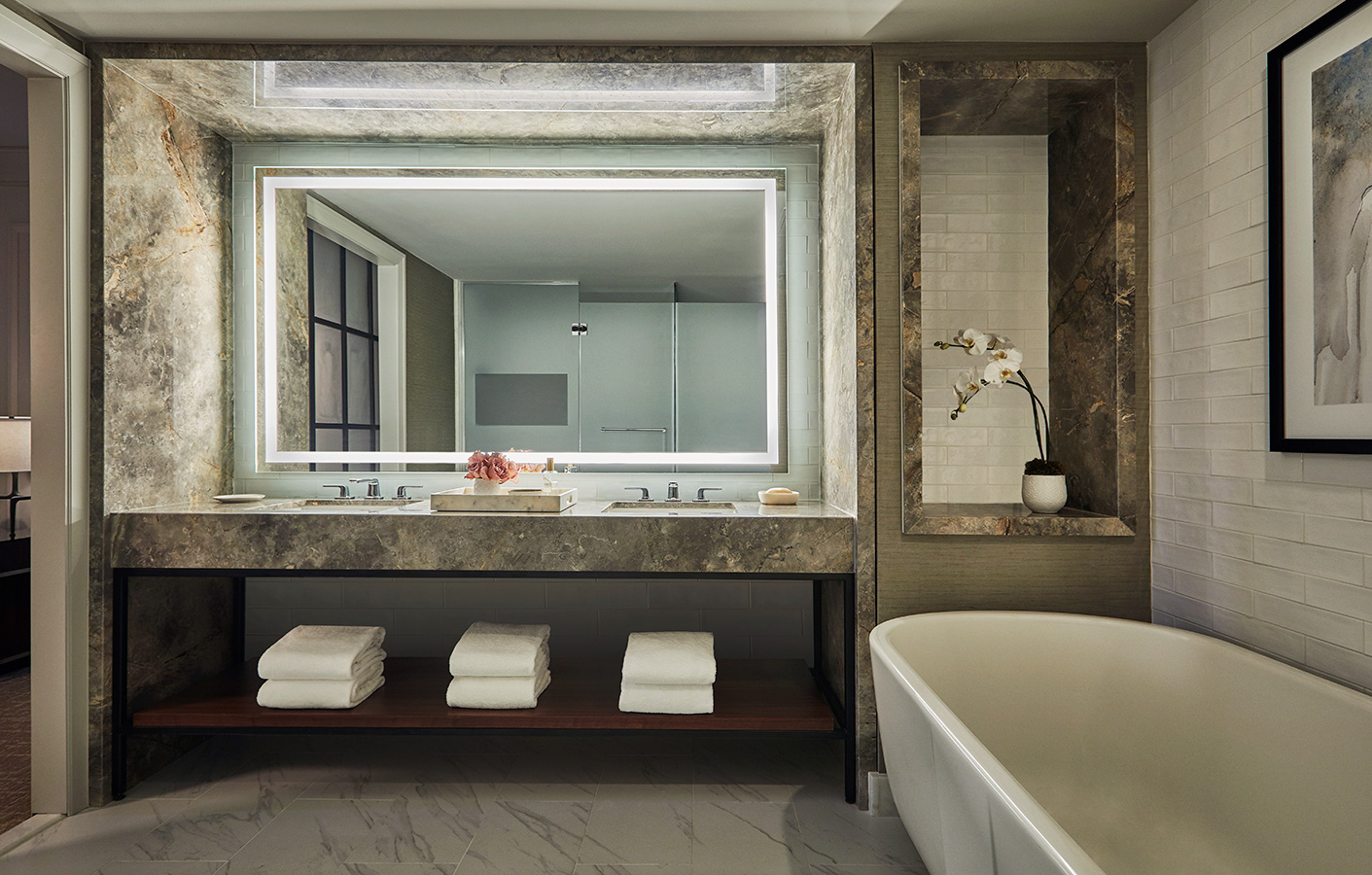
The hotel’s own architecture is the third element and it is worth using at close range rather than wide. A contemporary luxury hotel exterior is typically unremarkable as a composition, but its materials are good — stone, glass, timber, water features — and close details in raking light are more useful than the elevation.
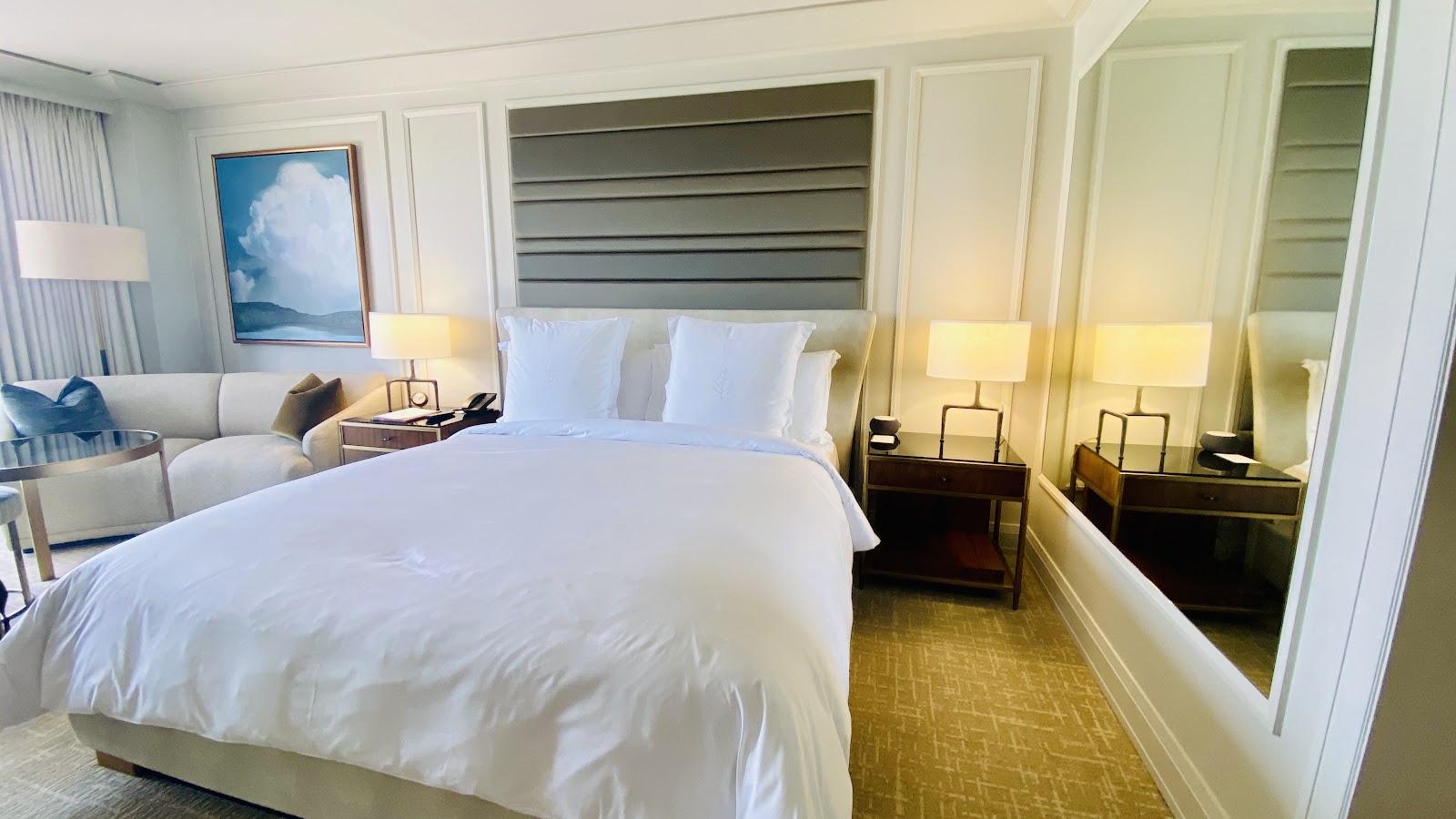
Indoors, the standard hotel approach applies. Ballrooms are lit by high-level recessed downlights on a low dimmer, which gives strong top light with shadowed eye sockets and a chin shadow — the single most common failure in resort coverage. The fix is to stop treating the house light as a key: bounce a warm-gelled source for a directional key, drag the shutter to a thirtieth or sixtieth so the room’s own light registers behind the subject, and use real sources on stands because the distances are large.
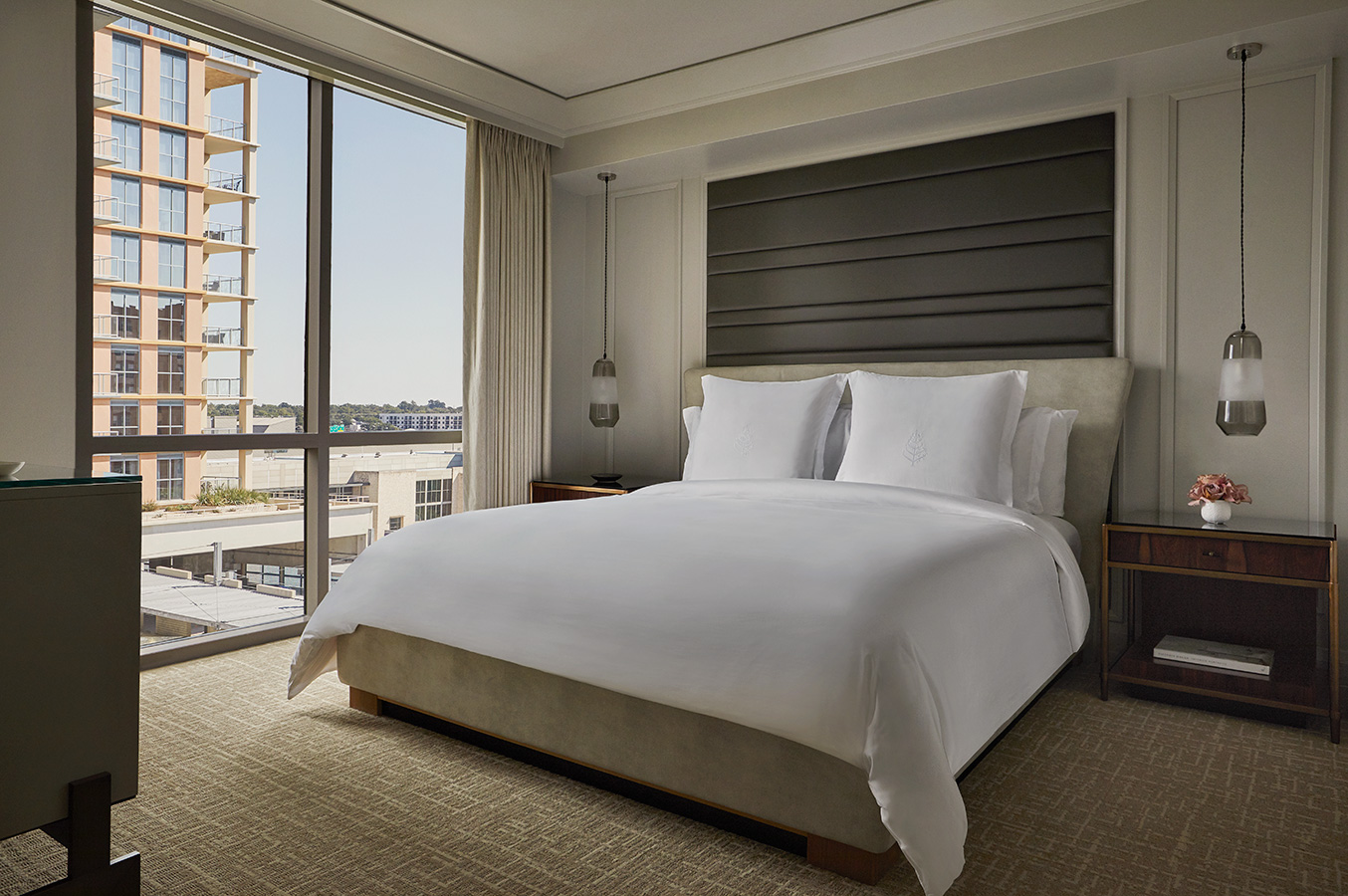
Where there is glazing, use it. A hotel room or a function space with a lake-facing window is a very large side source, and three or four metres in from it is the best unassisted light in the building. Arrange groups parallel to the glass, never across the room — perpendicular puts one end of a row three stops below the other.
- Ask what each bookable space faces — it commits the schedule
- Drop the camera to knee height to compress the specular path on the water
- Glass towers reflect the setting sun: find where that light lands and use it
- Warm-gel everything downtown; the city is tungsten and your flash is not
- Ten usable minutes of twilight balance. Be composed before it starts
The Austin year, and the bats
Central Texas has a long comfortable season and one genuinely difficult one, and at a venue with substantial outdoor space that split governs the plan.
October through April is the good half and it is unusually long. Austin winters are mild, the December noon sun at thirty-six and a half degrees models rather than flattens, the terraces and the waterfront are usable throughout, and the live oaks hold their leaves — so a January wedding here looks much like an October one rather than like a bare winter.
That is a real advantage over anywhere north of it in this library, and it makes a winter date here a positive choice rather than a compromise.
Late March into April is the best window in Texas, and the reason is the bluebonnets. The state flower blooms in mass displays for about three weeks, and while a downtown hotel has no meadow, the Hill Country immediately west of the city carries sheets of it in a good year — worth knowing if any part of the day travels.
Spring also brings storms. Late March through May is the active severe-weather season for central Texas, with genuine thunderstorm risk, and an outdoor ceremony in that window needs a covered alternative that actually exists.
The storms do give the city its best skies. A downtown of glass towers is dull under an even sky and remarkable under a broken one, and the half hour after a front passes — washed air, wet paving reflecting the buildings, a low sun under a ragged ceiling — is the best light of the year on an urban waterfront.
Summer is the honest constraint. June through September brings sustained heat with afternoon temperatures frequently above a hundred degrees, high humidity, and a sun reaching eighty-three degrees at midsummer noon. For a party in formal clothing an outdoor component in that window is a welfare matter rather than a comfort one.
So a summer wedding here belongs at the ends of the day with the middle inside — which a luxury hotel handles well, having air conditioning and multiple indoor spaces. The waterfront is available for the first and last ninety minutes and not much else.
The humidity has a photographic effect worth naming. Water vapour scatters light and fills shadows, so a sunlit terrace in August carries perhaps two stops less contrast than the same sun angle in a dry climate: softer shadow edges, less black in the eye sockets, a paler sky. It also hazes long lenses — the skyline compressed from the waterfront will read with noticeably less contrast in August than in November.
Autumn has almost no deciduous colour here, because live oak stays green and most native species are evergreen or drought-deciduous. What October gives instead is the clearest air of the year and the first comfortable temperatures, which on a glass skyline matters more than foliage would.
The exception is the bald cypress at the water’s edge, which turns rust-orange in November and is the region’s only substantial autumn colour.
And there is one Austin frame that belongs to nowhere else. The Congress Avenue bridge, a short distance along this same lake, hosts the largest urban bat colony in North America — well over a million Mexican free-tailed bats — which emerge in a continuous column at dusk from roughly March to October.
It coincides exactly with the blue hour, it is within walking distance of a downtown waterfront hotel, and it is genuinely extraordinary: a dark ribbon pouring out from under a bridge against a colour sky, over water that doubles it.
Whether it fits a wedding schedule is a real question, because it competes for the same twenty minutes as the best portrait light. But it is the most specifically Austin thing available, and a couple who want it should know the emergence time is roughly sunset and varies through the season — worth checking for the date rather than assuming.
More frames from The Four Seasons Austin
The Four Seasons Austin wedding photography: common questions
What is the one decision?
Which way the frames face. The water and the city are lit at opposite times of day, so choosing one commits the schedule.
How does the water help a portrait?
It reflects the sky and acts as a large low-angle source, filling under the chin and lifting the eye sockets — strongest in the last hour.
How do I improve a specular water frame?
Drop the camera. Low to the water the highlights compress into a bright path toward the lens; from a terrace they spread into even glitter.
Why are glass towers different from masonry?
They have no texture of their own — their appearance is borrowed from what they reflect. Dull under an even sky, spectacular under a broken one.
Can I use the towers as a light source?
Yes. A glass facade facing the setting sun reflects it, throwing warm directional light across the waterfront. Find where it lands and stand in it.
How long is the twilight balance?
About ten usable minutes inside a twenty-three-minute civil twilight. Compose the frame before it starts.
More Austin, TX venue guides
We are writing a photographer’s guide to every venue we would happily shoot in Austin, TX. Here are three more, plus the full index:
- The JW Marriott Austin: What It Suits, and What It Does Not
- The Austin Central Library: The Venue’s Own Logic
- The Contemporary Austin: One Frame, and How It Is Made
Planning a wedding at The Four Seasons Austin?
Water one way, a glass city the other. Tell us your date.