 The Blue Ball Barn, Wilmington: A Walk Through a Converted Barn
Fenwick Island State Park, Delaware: The Problem and Four Ways Out of It
Nothing built, nothing tall, nowhere to shelter. Which is the whole appeal.
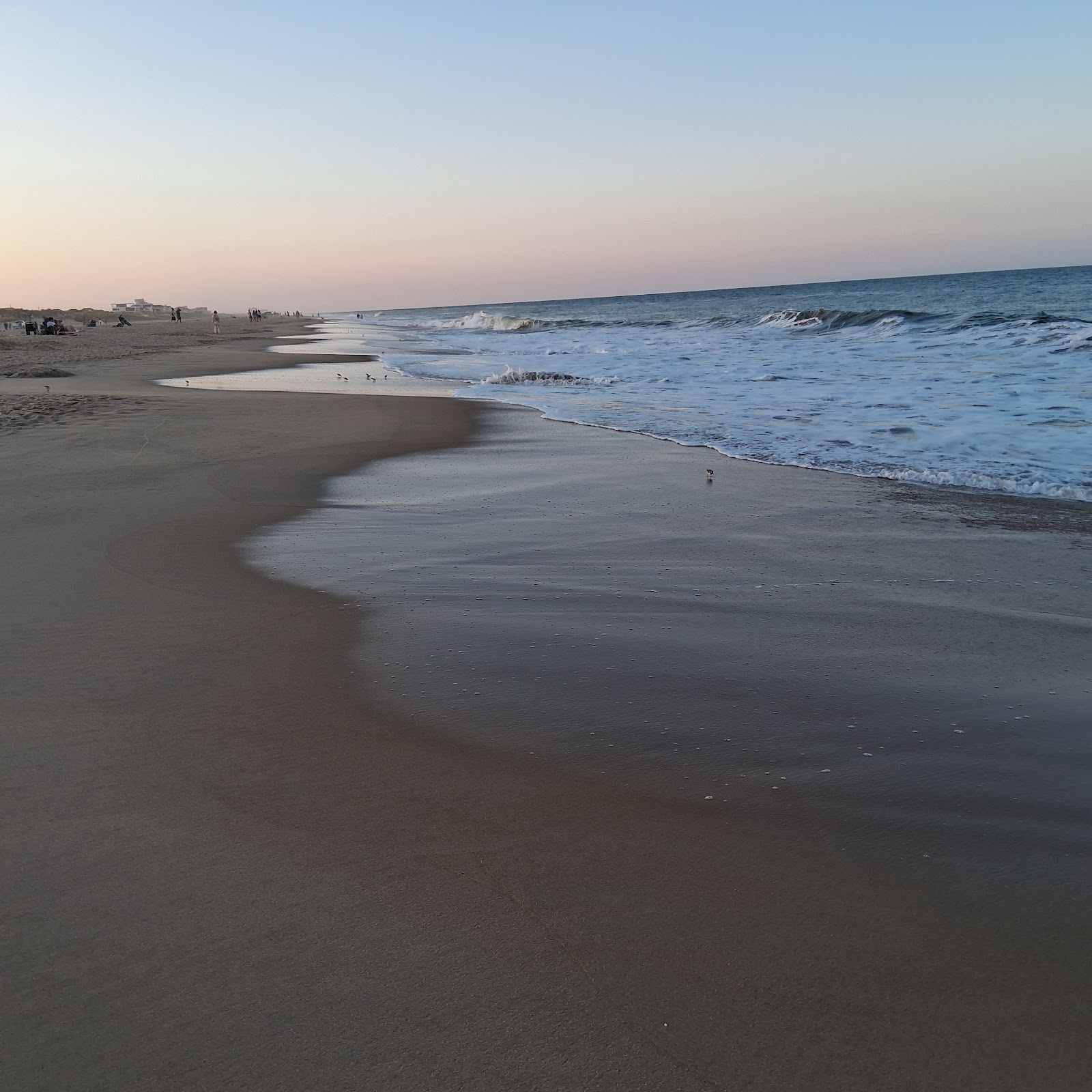
A state park barrier beach is the most stripped-down venue in this guide, and the honest way to describe it is to state what is not there.
There is no building. There is no shade, because salt and wind prevent trees growing on a barrier beach. There is no shelter of any kind from sun, rain or wind. There is no artificial light, no power, and no interior to retreat to.
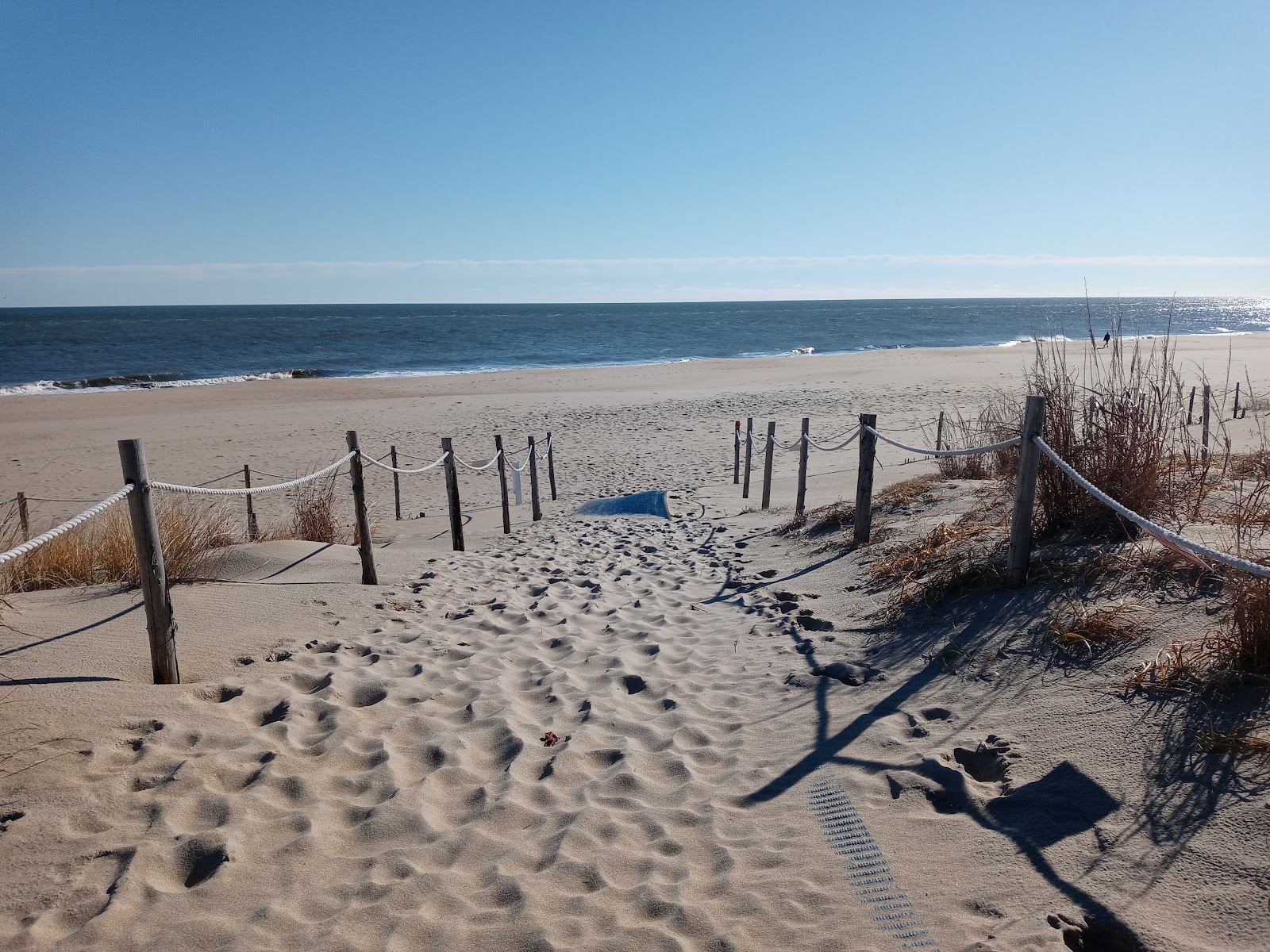
What there is, is a narrow strip of pale quartz sand and planted dune between the open Atlantic on one side and a shallow brackish bay on the other, with a low dune line, beachgrass, and a very large sky.
That absence is the appeal — it is an undeveloped coastline, which is rare on the mid-Atlantic seaboard — and it is also the entire photographic problem. Every frame has to be made out of sand, grass, water, sky and people, with nothing else available and nowhere to hide from the conditions.
Four things are worth knowing before anything else, and each of them has an answer.
The coast faces east, which means the sun rises out of the Atlantic and sets over the bay behind. The sun-over-ocean frame belongs to dawn, and the evening ocean is lit by afterglow rather than by the sun.
The sand is pale quartz with a high albedo, which fills faces from below and fools a meter by a stop or more.
There is water on two sides, which means both a sunrise over the ocean and a sunset over the bay are available from one narrow strip of land.
And nothing is sheltered, which makes the wind, the weather and the schedule the real constraints rather than the light.
Fenwick Island sits at about thirty-eight and a half degrees north at Delaware’s southern boundary. The June noon sun reaches around seventy-five degrees, the December noon sun about twenty-eight, days run from about nine hours thirty to fourteen hours fifty, and civil twilight is around twenty-nine minutes.
We have not photographed a wedding here. Whether ceremonies are permitted, what permit is required, which areas may be used, what group sizes are allowed and what the hours are, are questions for the park — and at a state park those are rules rather than preferences.
Fenwick Island State Park at a glance
| Where | An undeveloped barrier beach between the Atlantic and a bay, southern Delaware |
| What is absent | Buildings, shade, shelter, power, and any interior at all |
| Four facts | East-facing ocean; high-albedo sand; water on two sides; nothing sheltered |
| Four ways out | Turn around; go low; cross to the bay; work the ends of the day |
| Ask first | Permits, permitted areas, group limits and hours — state park rules |
The first two ways out
The first way out is to turn around, and on an east-facing coast with no shade it is the most important technique available.
With the subjects facing inland and the low sun behind the camera, they are lit frontally and warmly, and the sky behind them is the anti-solar eastern sky — always deeper in colour and lower in brightness than the part near the sun. That gives warm directional light on faces, a saturated background, and a brightness range small enough that nothing needs adding.
It is the frame that cannot fail and it should be taken first when the window is short. It is also the only way to get directional light on a face on this coast in the evening, because there is no shade to stand in and no structure to modify anything.
The squint is the one caution and it has a simple answer: have the subjects look away from the sun and turn back only for the moment of exposure, or work in the last few minutes when the sun’s intensity has dropped sharply.
The second way out is to go low, and on a site with nothing built on it this is the technique that does the most work.
With the camera below the subjects’ eye level and sand or beachgrass across the bottom of the frame, everything behind them is above the horizon — sky. That removes every other person on the beach, every vehicle in the car park, every sign, and the entire ordinary world, in one move. On a public beach in season it is not a refinement; it is the only way to make a frame that reads as private.
A low camera also makes the beachgrass work. Delaware’s dune line is planted with American beachgrass to hold the sand, and it is knee-high, fine and constantly moving — which makes it excellent as a foreground and useless as anything else. From standing height it is a band of texture at the bottom of the frame; from knee height it is a field the subjects are standing in, with the individual blades reading and the wind visible in them.
That is one of the two best frames this site offers and it costs nothing but getting down.
The sand’s albedo runs through all of it. Pale quartz returns a great deal of light upward, which fills under brows and chins — precisely where a seventy-five-degree sun leaves them dark — and makes a beach portrait workable at hours that would be unusable inland. It also means a frame containing much sand underexposes by a stop or more unless the compensation is deliberate, and it has to be re-checked whenever the proportion of sand in the frame changes, which on a dune is every few steps.
The one thing the sand cannot do is supply direction. Fill from below plus hard light from above is a face lit from two directions with nothing modelling it — which is why the turn-around and the low-camera frames matter so much here. They are not preferences; they are the only structure available.
The second two, and the year
The third way out is to cross to the bay, and on a barrier beach that is a walk of a few hundred metres into a completely different environment.
The ocean side faces east; the bay side faces broadly west. That means the sunset over water that the Atlantic cannot give is available on the other side of the same strip of sand — and it means a single day here can have sunrise over the ocean and sunset over the bay, which almost no single-aspect coastal venue can offer.
The bay is a different kind of water and the differences matter. It is a shallow, brackish lagoon fringed with salt marsh, which means it reads brown-green rather than blue, it is far calmer than the Atlantic, and it is backed by marsh rather than by dune.
The tidal range is the useful distinction: the ocean beach here has a range of around four feet while the bays — connected to the sea only through narrow inlets — often run under two. The bay shore therefore barely changes across a day, which makes it far more reliable for a composition planned in advance than the ocean beach is.
The marsh is the bay side’s background and it changes more across the year than anything else at this venue. Salt marsh cordgrass is green in summer, turns gold and then tawny through autumn, and stands pale straw through winter — and the tawny and straw versions are considerably better backgrounds than the summer green, because a uniform mid-green field is the least useful background colour there is.
The bay is also the calm-water side, which means reflections are available there and not on the ocean. The reflection rule applies: a reflection is about a stop darker than what it reflects, so compose so the reflection is of the dark marsh line rather than the open sky and the two sit within a stop of each other.
The fourth way out is the ends of the day, and here they are the whole plan rather than the best part of it. With no shade and no shelter, the middle of a summer day at this venue is not a photographic opportunity — it is something to schedule around.
Sunrise belongs to the ocean: a low warm sun coming straight out of the water into the subjects’ faces, on an empty beach, in the calmest air of the day. That is the best light this site has and at midsummer it means being there before half past five.
Sunset belongs to the bay, and the afterglow that follows belongs to the ocean — a shadowless even light with the pink band above the eastern horizon, forgiving and excellent for groups.
Civil twilight is around twenty-nine minutes, which is workable and short. Four setups fit only if none is being decided at the time, and on a site with no shelter the weather can close the window without warning.
That brings the last and most practical point. A venue with no building has no rain plan, no wind shelter and no alternative. A thunderstorm, which on the mid-Atlantic coast is a real summer afternoon possibility, has nowhere to put anybody — which means a named alternative somewhere else is a requirement rather than a courtesy, and it has to be arranged in advance because nothing here can improvise one.
Two further notes. Greenhead flies are a genuine consideration on the marsh side in July and August — biting, persistent and specific to salt marsh. And salt aerosol on an exposed beach settles on front elements within minutes rather than hours, softening contrast in a way that looks like haze but is on the glass.
- Turn around: the only way to get directional light on a face here
- Go low: it removes the world and makes the beachgrass a field, not a band
- Cross to the bay for the sunset and the reflections
- The ocean has a four-foot tide; the bay has under two and barely changes
- No building means no rain plan — arrange one somewhere else in advance
The barrier beach year
Four real seasons on an undeveloped barrier coast, and the good ones are not summer.
Winter is austere, entirely empty and photographically the best light of the year. The December noon sun at around twenty-eight degrees means the whole short day rakes rather than floods — which is exactly what pale sand and dune grass want, and which means there is no bad hour at all.
A low sun across a dune line throws every ripple and every grass clump into relief, which turns a flat pale surface into a textured one. The marsh on the bay side is pale straw, which is the best background it has all year. The ocean runs grey-green, the bay sometimes ices at its margins, and there is nobody at all on the beach.
Winter also brings the earliest dusk — sunset just after half past four in December — which puts the whole low-light sequence in the late afternoon.
The costs are severe on a site with no shelter: cold, a nine-and-a-half-hour day, and wind that is worse in winter than in any other season on an exposed barrier beach. A winter ceremony here is a genuinely exposed proposition and the wind is the reason, not the temperature.
Spring is the fog season and it is the weak window. Warm air moving over an ocean still cold from winter condenses, and this coast produces advection fog with some regularity in April and May — which erases the horizon and turns every seaward frame into a subject against white.
On a site whose only backgrounds are water and sky, fog removes almost everything: it is a single beautiful photograph and then nothing. The low-camera beachgrass frames survive it, which is worth knowing.
Late spring brings the horseshoe crab and shorebird season to the Delaware Bay beaches a short distance north, around the new and full moons of May and June, which is of real interest and a reason to check access in those weeks.
Summer is the busy season and the hardest light of the year. Days run to nearly fifteen hours at the solstice, and the middle of one at seventy-five degrees of elevation on pale sand with no shade is the worst light in this state. Dew points in the low twenties Celsius put haze in the air, which softens the ocean horizon. The beach is busy. And greenhead flies are active on the marsh side.
The compensations are the warmth, the long evening, and the afterglow at its most reliable.
Early autumn is the strongest window and on an undeveloped coast it is emphatic. September and October bring drier, clearer air than August, the end of the fog season, the crowds gone, an ocean still warm enough that the light over it is stable, and the calmest conditions of the year — which on a site with no wind shelter is worth more than at any other venue in this state.
The marsh turns gold then tawny through October, which is the single largest background change of the year here. And behind the bay the Delaware coastal plain turns late — the second half of October into early November — with sweetgum purple-red, red maple scarlet and oak russet against dark loblolly pine and evergreen holly.
November empties the coast completely, the sun is low all day, the air is at its clearest of the year, the marsh is tawny, and the dusk arrives at a civilised hour. On the light and the conditions together, it is the best month here — and on the temperature, it is the last one that works.
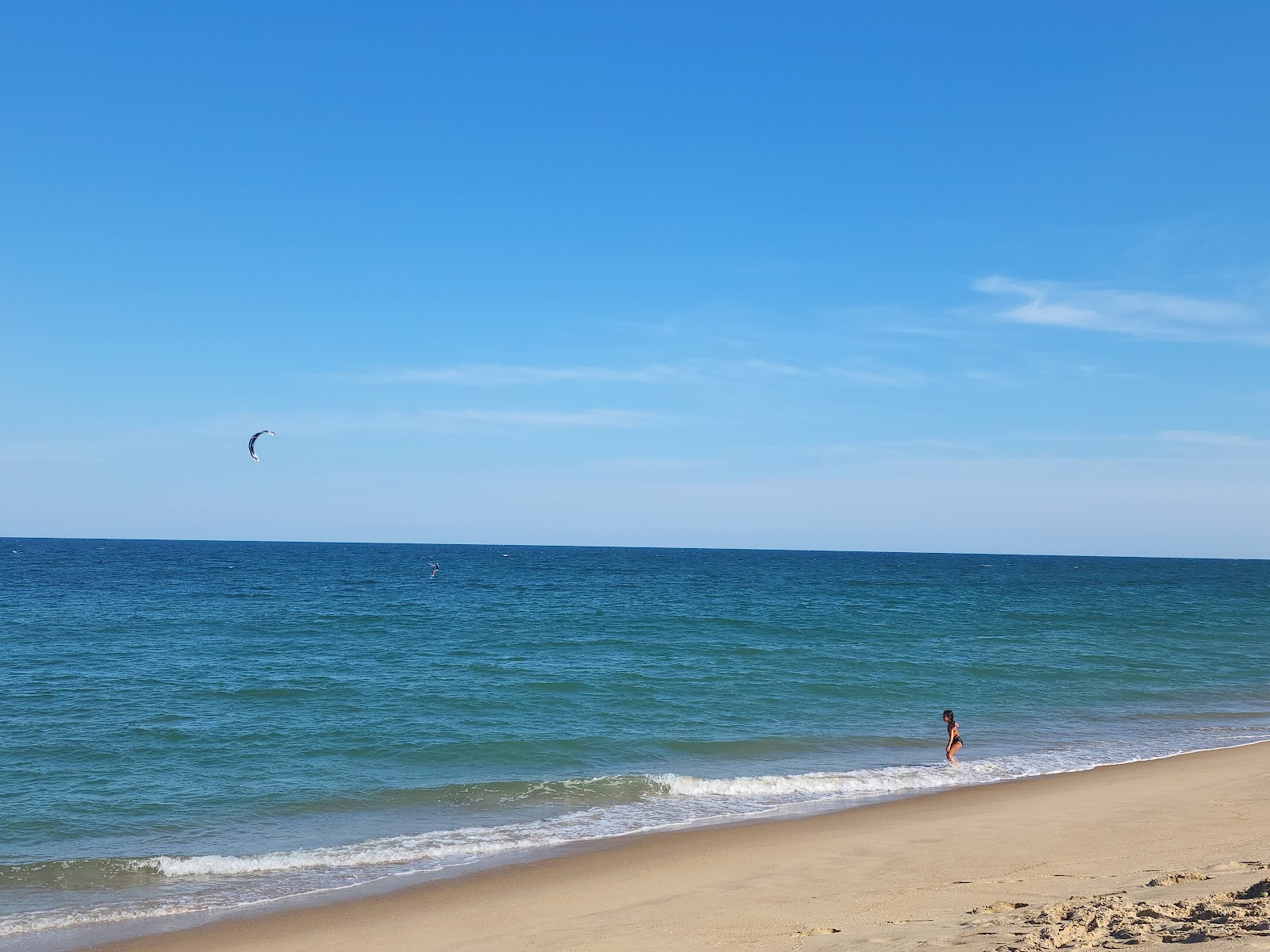
More frames from Fenwick Island State Park
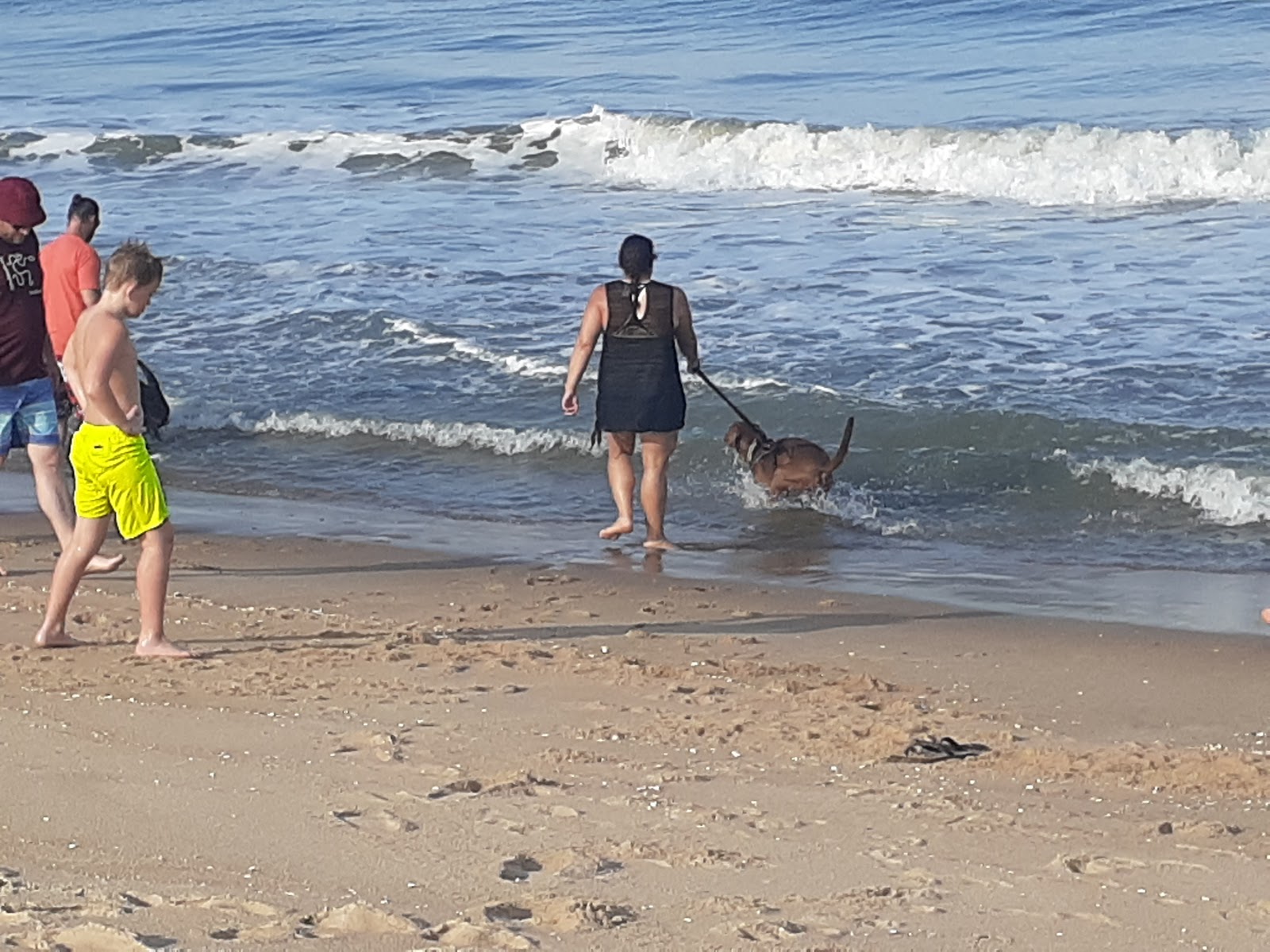
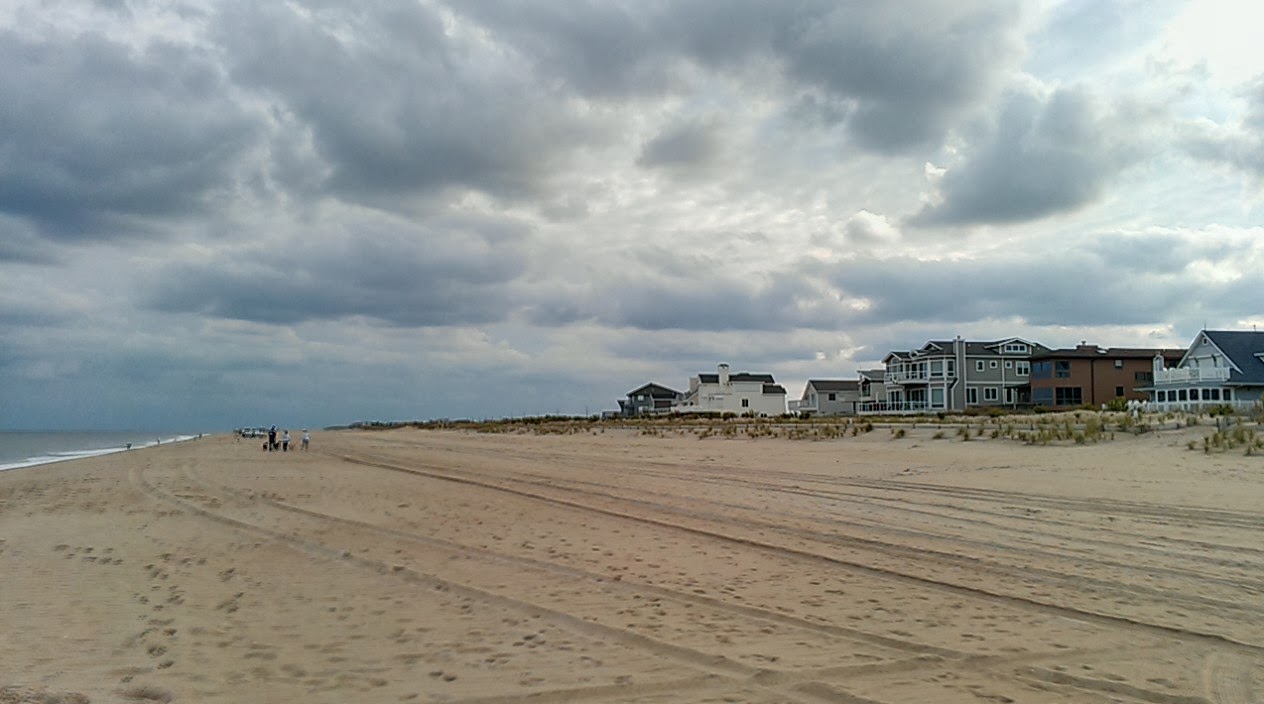
Fenwick Island State Park wedding photography: common questions
What is not here?
Buildings, shade, shelter, power and any interior. Every frame is made from sand, grass, water, sky and people.
What is the most important technique?
Turning around, so the low sun is behind the camera. On a coast with no shade it is the only way to get directional light on a face.
Why go low?
It removes every other person, vehicle and sign from the background in one move, and it turns the beachgrass from a band into a field the subjects stand in.
Where is the sunset?
On the bay side, a few hundred metres across the barrier. The ocean side faces east, so sun over water there belongs to dawn.
Does the tide matter?
On the ocean, moderately — around four feet. On the bay, barely: under two feet, which makes the bay shore far more reliable for a planned composition.
What about rain?
There is nowhere to go. A named alternative somewhere else is a requirement, arranged in advance, because nothing here can improvise one.
More Delaware venue guides
We are writing a photographer’s guide to every venue we would happily shoot in Delaware. Here are three more, plus the full index:
- Irish Eyes Pub, Lewes: A Walk Through the Site
- The Milton Theatre, Milton: One Frame and How It Is Made
- Newark Country Club, Delaware: The Problem and Four Ways Out of It
Planning a wedding at Fenwick Island State Park?
Nothing built and nowhere to hide. Tell us your date and we will plan around the weather.