 Hotel Saint Louis: A Walk-Through of an 1893 Union Trust Building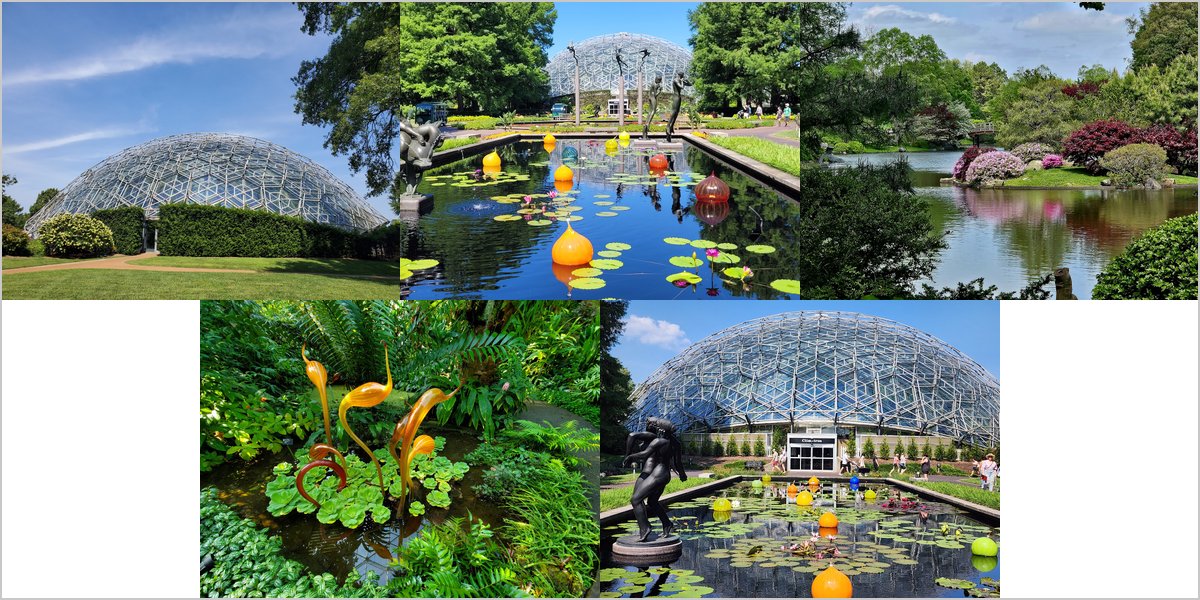
April 21, 2026
The Missouri Botanical Garden: Reading the Light Across 79 Acres
Seventy-nine acres, a fourteen-acre Japanese garden and a geodesic glasshouse. The distances are the problem; the variety is the reward.
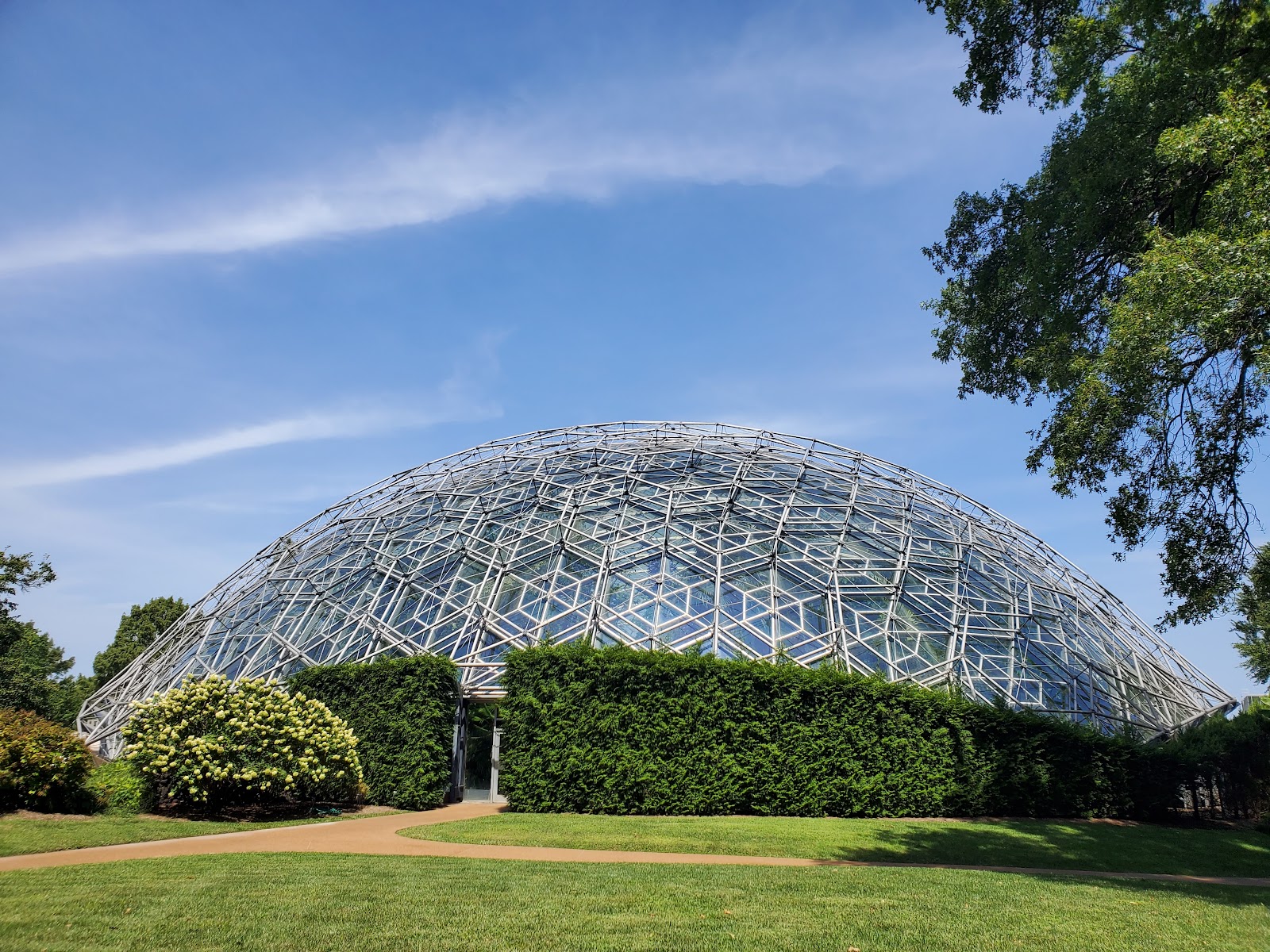
The Missouri Botanical Garden was founded in 1859 by Henry Shaw and is the oldest botanical garden in continuous operation in the United States. It covers roughly 79 acres in south St. Louis and includes Seiwa-en, a fourteen-acre Japanese strolling garden, formal beds, a rose garden, Shaw’s original house, and the Climatron — a geodesic dome glasshouse opened in 1960.
Photographically that variety is exceptional. Very few venues give you a Japanese garden with water, formal parterres, mature specimen trees and a geodesic glasshouse on one site. What the scale also gives you is a distance problem: 79 acres means real walking, and a timeline that does not account for it will lose locations rather than gain them.
This is a light-and-timeline guide. We have not photographed a wedding here. The behaviour of a geodesic glasshouse, a Japanese garden and formal beds is predictable; permits, which areas are bookable and what the garden allows are for their events team, and at a working botanical collection expect firm rules on staying on paths.
Missouri Botanical Garden at a glance
| Where | South St. Louis, Missouri — roughly 79 acres |
| Founded | 1859 — the oldest continuously operating botanical garden in the US |
| Key features | Seiwa-en Japanese garden, formal beds, Shaw’s house, and the 1960 Climatron dome |
| Light | Open shade under specimen trees; extraordinary diffused light inside the Climatron |
| Plan around | Real walking distances, and conservation rules on paths and equipment |
The Climatron: a geodesic dome is a strange and wonderful light
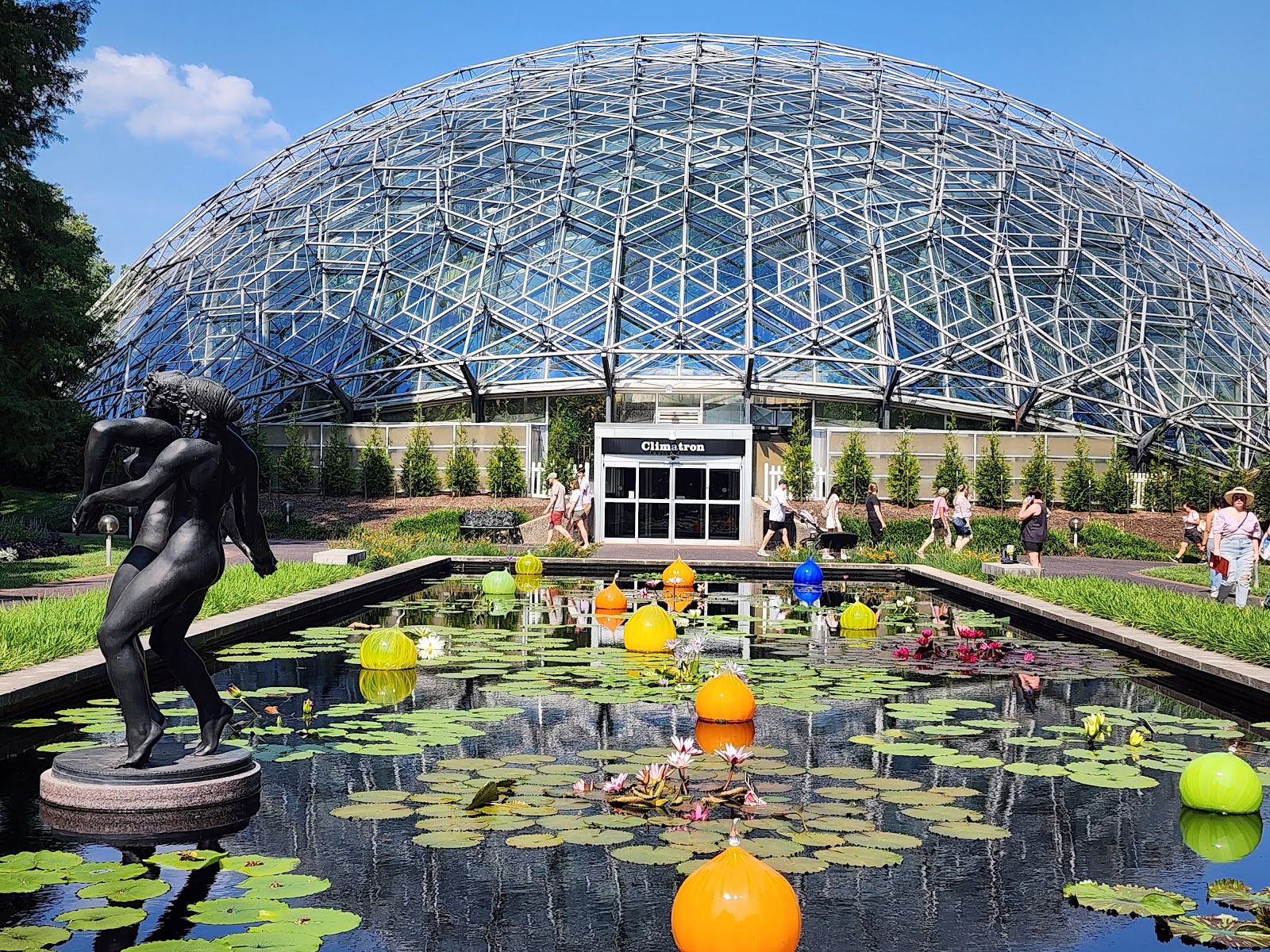
A geodesic glasshouse behaves differently from a conventional one. The triangulated glazing scatters light in every direction as it enters, and because the structure is a dome rather than a box, light arrives from overhead and from all sides simultaneously. The result is exceptionally soft, almost shadowless illumination — closer to a giant light tent than to a window.
That makes it very forgiving for faces: no hard shadows, eye sockets filled, skin evenly lit wherever you stand. It also makes it slightly flat, so a portrait taken there benefits from something to create direction — standing near a pale path or a bright opening, or adding a small warm fill.
The two standard glasshouse cautions apply and both matter. Humidity in a tropical dome will fog a lens brought from cooler air, taking ten to twenty minutes to clear, so acclimatise equipment first. And dense foliage bounces green onto skin, more strongly than outdoors because the light is trapped inside the structure — set a custom white balance in the dome and keep a metre of separation from heavy planting.
Seiwa-en: Japanese garden light and its one hard rule
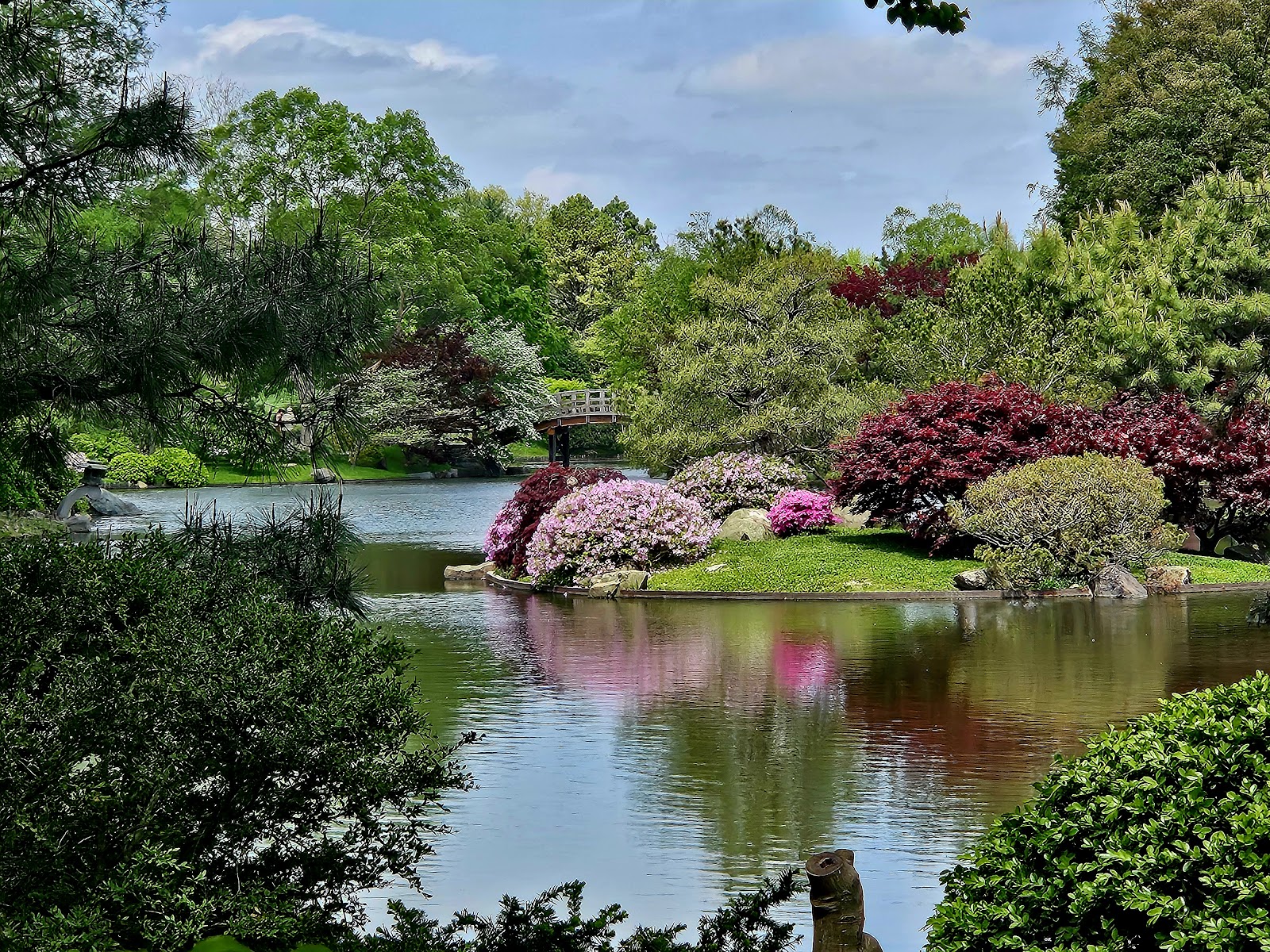
A fourteen-acre Japanese strolling garden gives you water, bridges, islands, raked gravel, stone lanterns and carefully framed views — and Japanese gardens are designed around sightlines, which means the good compositions are already built into the place. Standing where the designer intended produces a better frame than wandering.
The light is typically high open shade under mature planting, with the lake surface reflecting light back upward. That combination — soft overhead diffusion plus a low bounce from water — is among the most flattering natural light available anywhere, and it is the reason Japanese gardens photograph so well.
The hard rule is staying on paths. Moss, gravel and carefully placed planting are the substance of a Japanese garden, and walking into them is both prohibited and damaging. That constrains positions, which in turn means fast primes and natural light rather than any lit setup. Ask about tripods and stands specifically, and assume the answer is no until told otherwise.
Formal beds, specimen trees and the distance problem
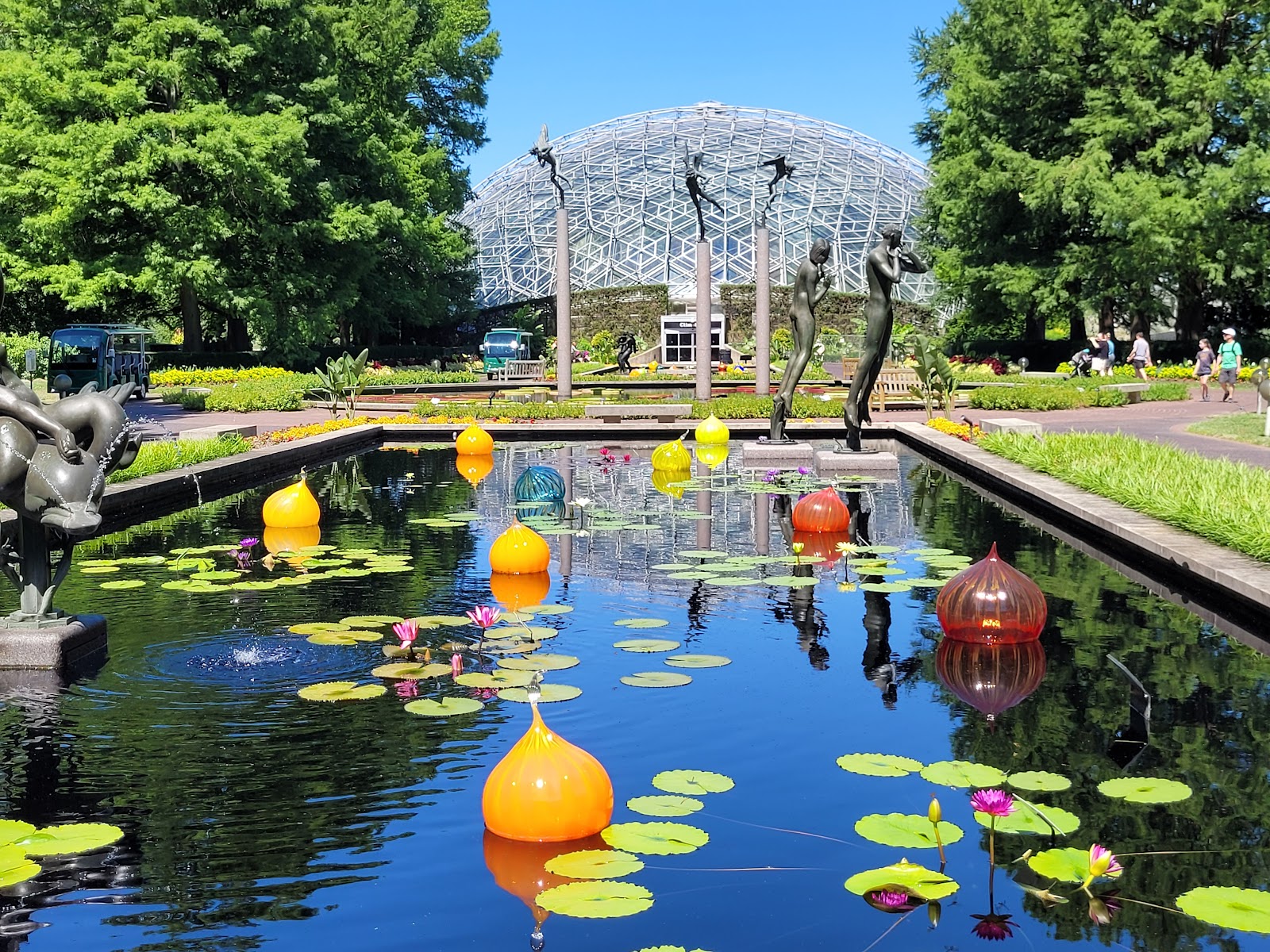
The formal areas give you structure, pattern and seasonal colour — parterres and rose beds photograph as geometry, which is a useful contrast to the organic looseness of the Japanese garden. Mature specimen trees across the site give high open shade, the most reliable portrait light there is.
The problem is that these things are spread across 79 acres. Moving a wedding party from the Climatron to Seiwa-en to a formal bed to Shaw’s house is a substantial walk in formalwear, and each move costs ten to fifteen minutes that nobody budgets. The predictable result is that a six-location plan becomes three, and the three that survive are the ones nearest the start.
So choose three locations in advance, chosen for light rather than convenience, and treat the walking as scheduled items. Ask whether any transport is available; at a site this size it can double what you get through.
The timeline, and the weather
Working from the light and the distances rather than from a generic template.
- Pick three locations, not eight. The single most useful decision at a large garden, and it should be made before the day.
- Acclimatise equipment before the Climatron. Ten to twenty minutes, or lenses fog and you lose the frames entirely.
- Portraits in the last ninety minutes, when low sun comes through the planting rather than down onto it, and the water in Seiwa-en catches light.
- Groups on open lawn or a formal area while light is still even — not in the Japanese garden, where paths are narrow and you cannot spread out.
- Use the Climatron as the rain plan. A glasshouse is fully enclosed, so it is genuinely weather-proof — an unusual luxury at a garden venue.
What works in your favour
- Exceptional variety: Japanese garden, formal beds, specimen trees and a geodesic glasshouse on one site
- The Climatron’s triangulated glazing gives almost shadowless, very forgiving light
- Seiwa-en combines overhead diffusion with light bouncing up off the lake — outstanding portrait light
- A glasshouse gives a genuine enclosed rain plan, rare at a garden venue
- Historic significance and mature planting no newer garden can replicate
What to plan around
- Seventy-nine acres means real walking; each location change costs ten to fifteen minutes
- Conservation rules keep you on paths, which limits positions and rules out lit setups
- Humidity in the Climatron fogs lenses for ten to twenty minutes
- Dense planting bounces strong green onto skin, worse inside the glasshouse
- Narrow Japanese-garden paths make large group photographs impossible there
More frames from Missouri Botanical Garden
Missouri Botanical Garden wedding photography: common questions
Why is the light in the Climatron so good?
Because a geodesic dome’s triangulated glazing scatters light in every direction as it enters, and the dome shape delivers it from overhead and all sides at once. The result is almost shadowless — closer to a giant light tent than a window — which fills eye sockets and lights skin evenly wherever you stand.
What is the catch with the glasshouse?
Two things. Humidity will fog a lens brought in from cooler air, and it takes ten to twenty minutes to clear with nothing to be done but wait — so acclimatise equipment first. And dense planting bounces strong green onto skin, worse than outdoors because the light is trapped inside, so set a custom white balance in the dome.
What makes the Japanese garden photograph well?
Two light sources working together: high open shade under mature planting from above, and light bouncing back up off the lake surface from below. That combination fills shadows from both directions and is among the most flattering natural light available anywhere. The built-in sightlines also do much of the composition for you.
How much walking is involved?
Enough to matter. Seventy-nine acres means each location change costs ten to fifteen minutes in formalwear, and that is how six-location plans become three. Choose three locations in advance for their light rather than their convenience, and ask whether any transport is available.
Is there a rain plan?
Yes, and it is unusually good for a garden — the Climatron is a fully enclosed glasshouse, so it is genuinely weather-proof, and wet glass diffuses the light further. Confirm it is included in your booking, because a garden venue with an enclosed all-weather space is a rare thing.
More St. Louis venue guides
We are writing a photographer’s guide to every venue we would happily shoot in St. Louis. Here are three more, plus the full index:
- The Moonrise Hotel: A Season-by-Season Guide
- The Old Courthouse: Reading the Light Under a Cast-Iron Dome
- The Saint Louis Art Museum: Building the Shot List
All St. Louis Wedding Venues →
Planning a wedding at Missouri Botanical Garden?
Seventy-nine acres rewards a short deliberate list over an ambitious one. Tell us your date and we will pick three locations for the light, plan the walking, and make sure the lenses are acclimatised before the Climatron.