 The Sheraton Portsmouth: What a Conventional Hotel Actually Buys You
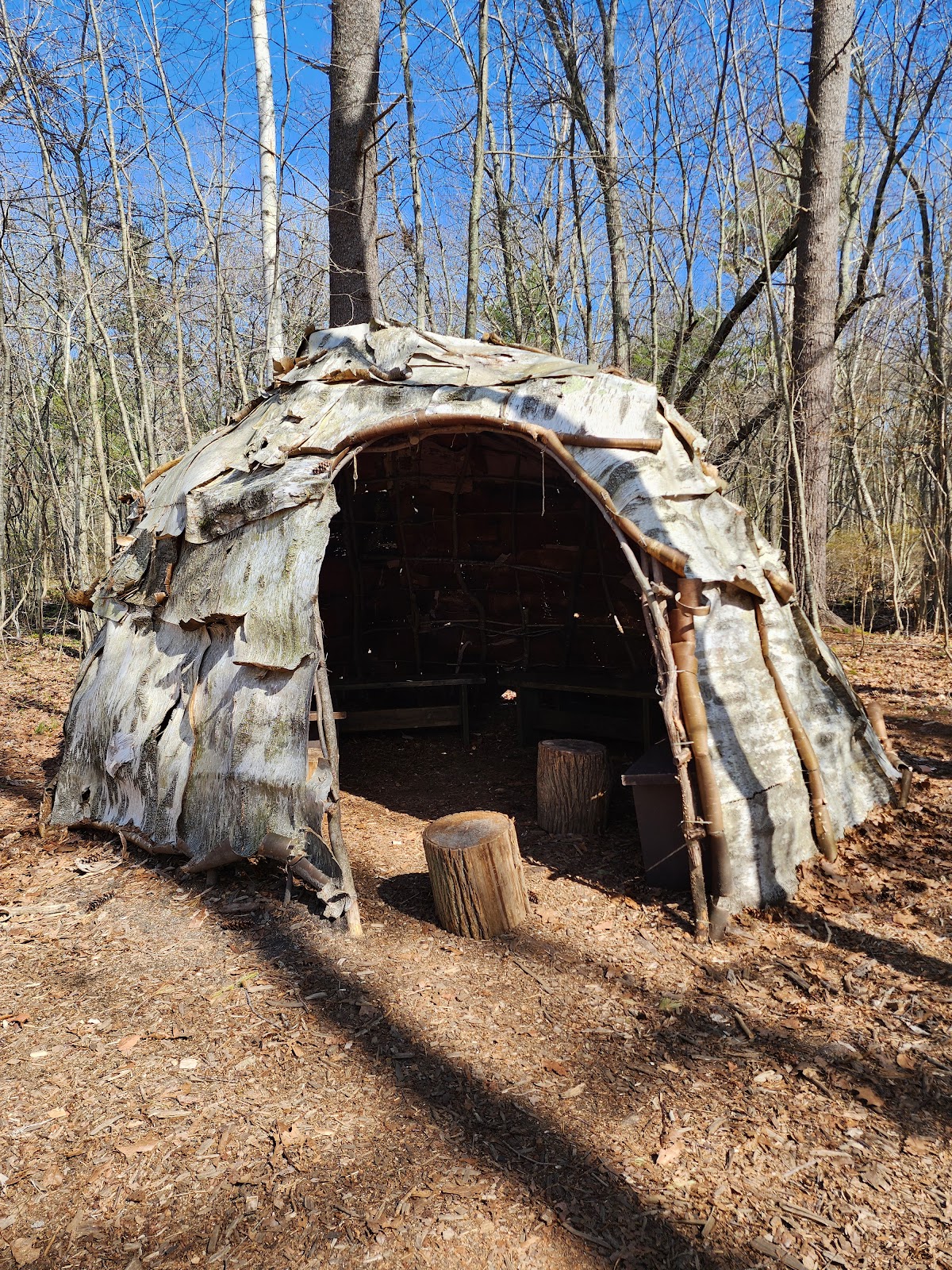
The Villa at Great Bay, Greenland: The One Decision That Governs Everything
The water is not always there. Check the tide before you plan the day.
Most waterfront venues have water. This one has water twice a day, and knowing which state it will be in is the single decision that governs every frame made outside.
Great Bay is a tidal estuary inland from Portsmouth, connected to the Gulf of Maine through the narrow mouth of the Piscataqua River. It is shallow and broad, and the tidal range on this part of the coast is substantial — several metres on a spring tide, many times what the Gulf of Mexico or the Florida coasts experience.
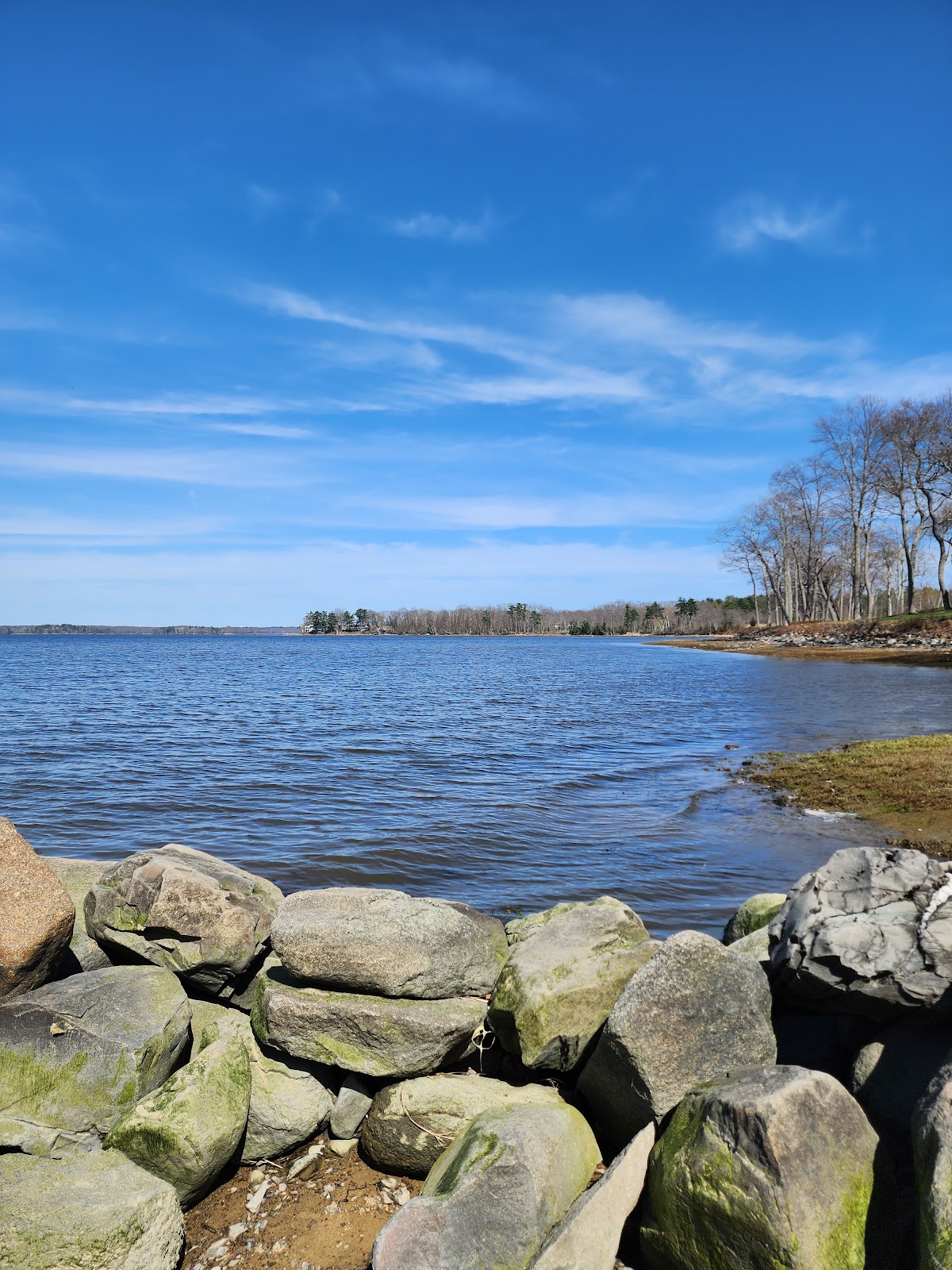
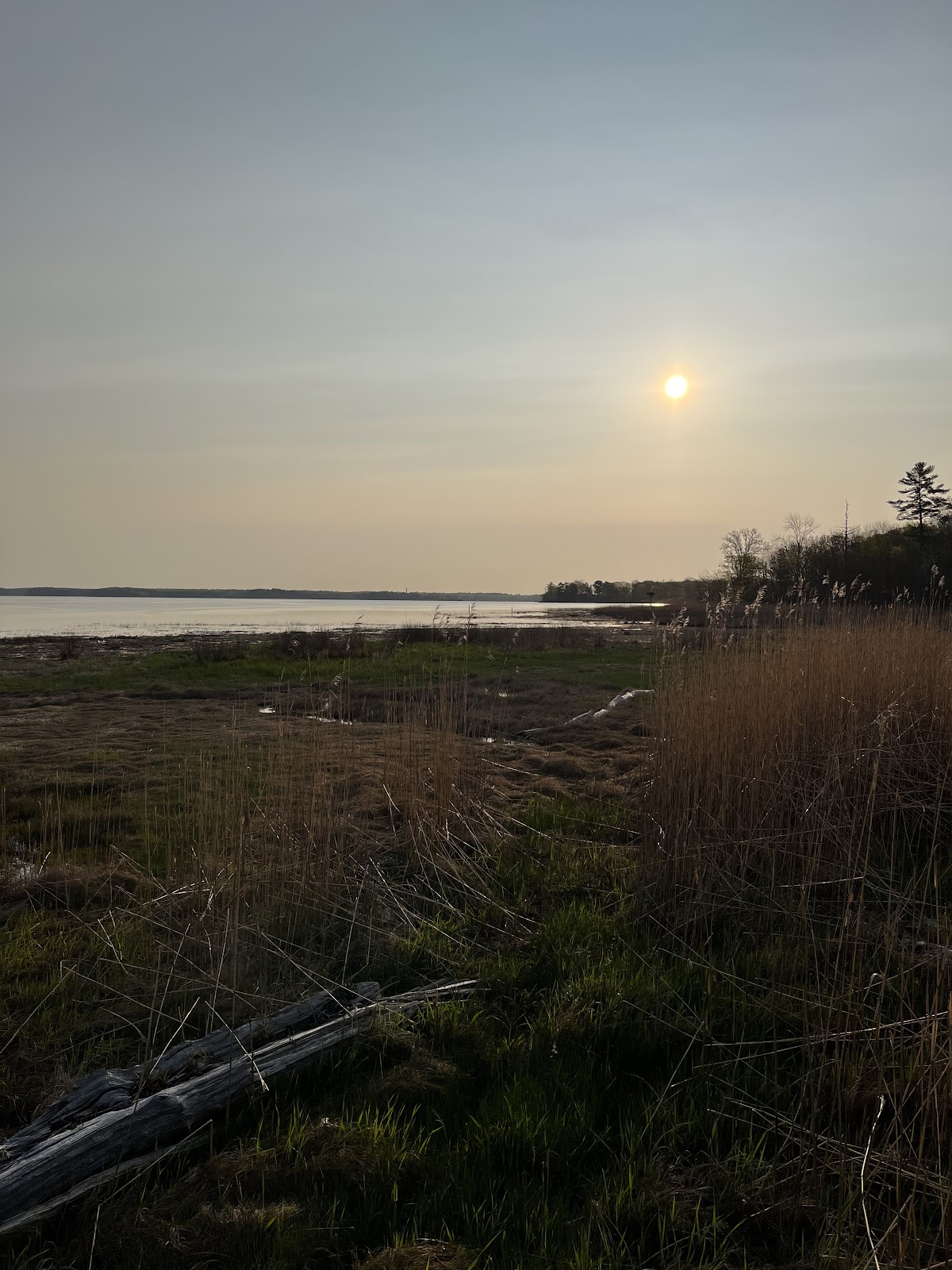
A shallow bay with a large tidal range does something dramatic. At high water it is a broad sheet that comes right up to the shore, reflects the sky, fills faces from below and reads unmistakably as water. At low water a large proportion of it drains, exposing mudflat, eelgrass beds and channel banks, with the water withdrawn some distance from where it was six hours earlier.
Those are not two versions of the same photograph. They are two different landscapes, and one of them is a good wedding background while the other requires a completely different approach.
The decision, then, is not aesthetic but scheduling: find out when high water falls on the date, and put the waterfront portion of the day there. That is a five-minute piece of preparation that determines what the photographs look like, and it is the most valuable thing anyone can do for this venue.
If high water falls badly — in the middle of the ceremony, or after dark — the low-water version is not a disaster, but it has to be photographed as what it is: a wide mudflat and marsh landscape with a low horizon and a great deal of sky, which is a legitimate and rather beautiful subject and not a waterfront one.
Greenland sits at about forty-three degrees north. The June noon sun reaches around seventy degrees, the December noon sun about twenty-three, days run from about nine hours to over fifteen, and civil twilight is around thirty-three minutes — a long, workable dusk.
We have not photographed a wedding at this venue. Which spaces and grounds are included, what access there is to the shoreline and what the permitted hours are, are questions for their team.
The Villa at Great Bay at a glance
| Where | On the Great Bay tidal estuary at Greenland, New Hampshire |
| The decision | Where the tide is. Several metres of range, twice a day |
| High water | A broad reflecting sheet up to the shore — fills faces from below |
| Low water | Mudflat, eelgrass and channel — a low-horizon marsh landscape instead |
| Ask first | Included grounds, shoreline access, permitted hours |
Working the decision
At high water the estuary behaves like any large calm body of water and every advantage of waterfront photography is available.
The surface is a horizontal reflector, which fills under brows and chins — precisely where a high sun leaves faces dark — and it means a portrait at the shore at noon is more salvageable than the same portrait on a lawn. It is a mirror when calm, which here means the early morning and the last hour, because an estuary this exposed develops a working breeze as the day heats.
It is also a source of colour. Great Bay water is not clear blue: it is a brackish estuary fed by rivers, so it carries sediment and organic material and reads brown-green to steel grey depending on the sky. That is worth knowing because it means the water will not supply the blue that a coastal frame does — the blue has to come from the sky, which makes the sky’s condition more important here than at an ocean venue.
The reflection is a stop or a stop and a half darker than what it reflects, which is a consistent property of water surfaces. A frame exposed for the sky has a flat dark reflection; a frame exposed for the reflection blows the sky. The practical solution is to compose so the reflection is of something dark — the far shore’s treeline rather than the open sky — which brings the two within a stop of each other and needs nothing.
At low water the site becomes a different proposition and the right response is to change the kind of picture rather than to try to make the same one.
A drained estuary is a very flat, very wide landscape with a low horizon, exposed mud in graded tones, channels holding thin water that catches light, and eelgrass beds that read as texture. The frame that works is a landscape frame: horizon low in the picture, a great deal of sky, subjects small and placed deliberately, and the channels used as leading lines.
That is a strong photograph and a completely different one from the high-water version, and the two together make a better set than either alone. Which is a real argument for not treating a bad tide as a problem.
The practical cautions at low water are footwear and smell. Exposed estuary mud is soft, sticky and not walkable in wedding shoes, and an intertidal flat in warm weather has a genuine low-tide odour that nobody expects and everybody notices. Both are reasons to keep the party on the built shore and to use a longer lens.
The turning tide is the third state and it is the most interesting one. An incoming tide on a shallow bay moves visibly — water advancing across flats, channels filling, the shoreline changing over minutes rather than hours. A composition set up twenty minutes ago will have changed, which is a nuisance for a careful frame and a gift for anyone willing to work with it: a long exposure on a rising tide records movement that a still landscape cannot offer.
And the tide’s current is visible in the water surface. A large volume moving through a narrow mouth produces boils, seams and slicks on the surface, which in low light read as structure rather than as flatness. A slow shutter smooths it; a fast one keeps it. Choose.
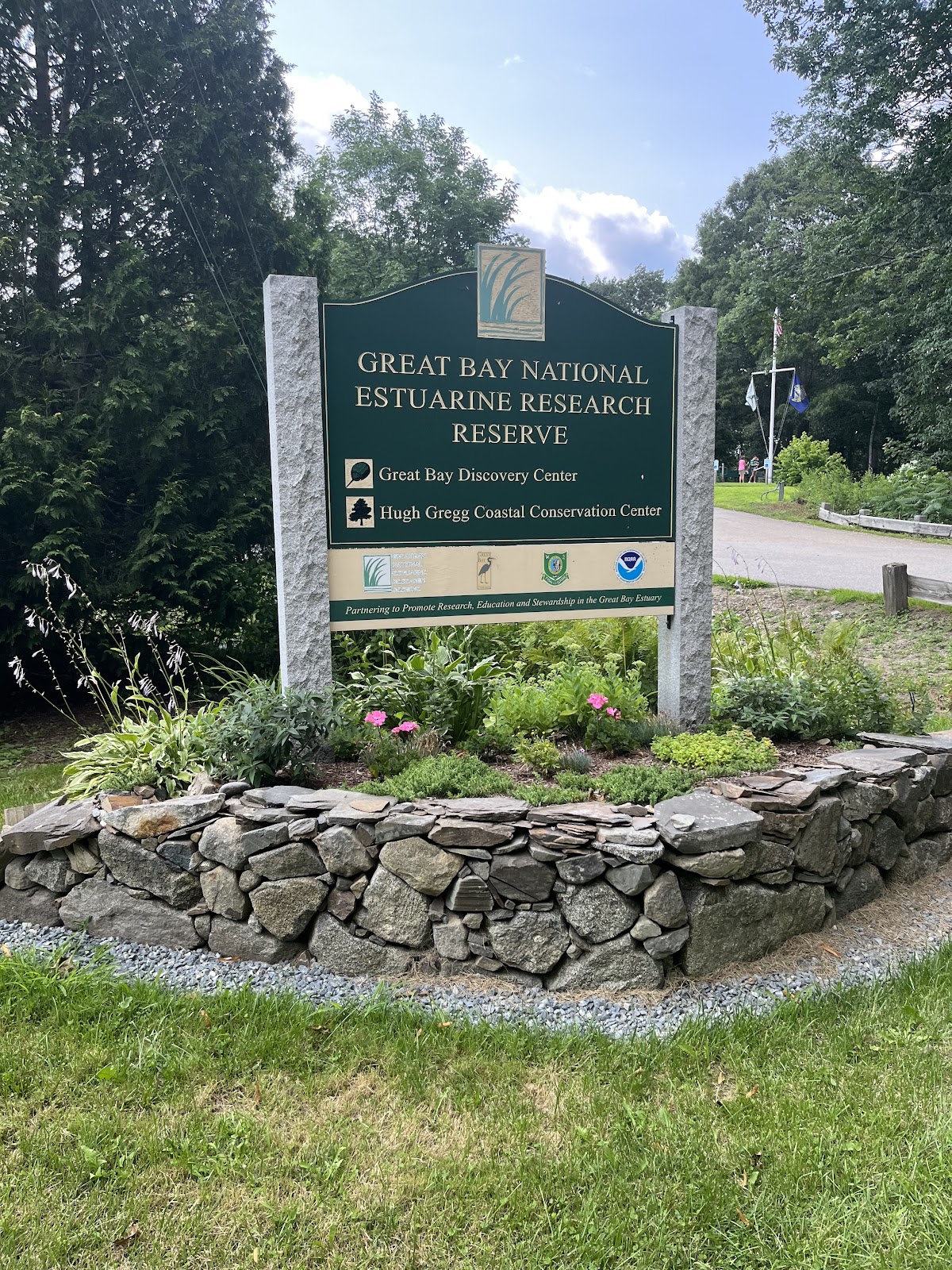
The shore, the grounds and the light
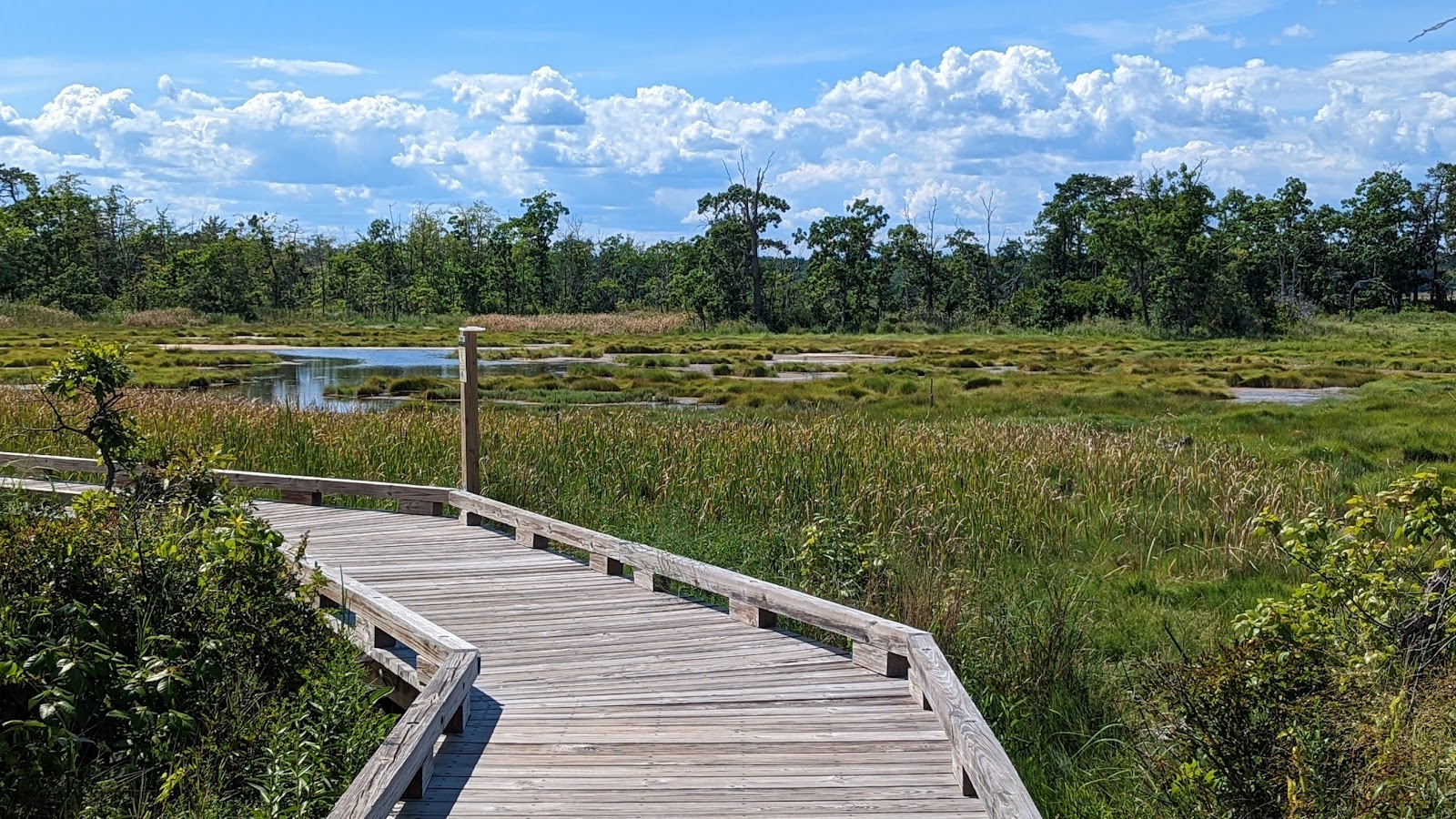
The shoreline vegetation here is salt marsh, and it is worth understanding because it is the dominant colour in every wide frame.
Salt marsh grass is a strong green in summer, turns gold and then tawny brown through autumn, and stands as pale straw through winter. That gives a stronger seasonal signal than almost any other ground cover in this guide, and the tawny autumn and straw winter versions are considerably more photogenic than the summer green — because a uniform mid-green field is the least useful background colour there is, and a pale straw one separates a subject cleanly.
The marsh is also flat and even, which means it works as a plain field behind subjects at any height. A low camera with marsh across the bottom of the frame puts the people against sky with no horizon behind them, which is the cleanest possible background and is available anywhere on this shore.
Inland from the shore the landscape is New England mixed woodland — white pine, oak, maple and birch — and the species behaviour decides the shade. Pine and spruce block almost everything and give near-darkness, which makes their edge the best free separation on the property: a subject a metre inside a conifer margin has soft directional light in front and three or four stops of dark behind.
Hardwood canopy gives soft even light with a green cast, fixed by standing at the edge rather than deep inside it. White paper birch against a dark conifer background is the highest-contrast natural combination in New England and worth locating.
Granite is the region’s stone and it appears here as outcrop, wall and step. Coarse-grained pale grey with visible crystals, it is a high-frequency texture that is spectacular under raking light, dull under overcast, and a genuinely low-saturation background that treats skin and a white dress kindly. In a landscape of green marsh and grey-brown water, one clean grey field is useful.
New England stone walls are the other granite feature and they are a historical artefact rather than a decoration — field boundaries built when this land was cleared for farming in the nineteenth century, left behind when the farms were abandoned and the woods grew back. As a photographic element a low stone wall is a strong horizontal line at seated height, which is one of the most useful things a landscape can offer.
The light on an estuary has one property worth planning around. A broad body of water with low ground around it means an unobstructed western horizon, which is not true of most inland venues — and an unobstructed horizon at this latitude means the sun sets into the landscape rather than behind a ridge, and the long civil twilight of around thirty-three minutes is fully available.
Which direction that unobstructed horizon lies relative to the venue is a question worth answering on arrival, because it decides whether the last hour happens over the water or over the trees. On a bay, both are usually available by walking a few hundred metres.
Indoors, expect a building whose interiors are conventional: moderate ceilings, ordinary glazing, and light that is never abundant. A window used at forty-five degrees is the whole interior plan, and a room with dark finishes gives fall-off for free — meter on skin and let the background go. In a pale modern room the problem inverts to separation, and the answer is to find something dark or to add a source a stop over ambient so the subject has a shadow side at all.
- Find high water on the date and put the waterfront portion there
- At low water, change the picture: low horizon, big sky, small figures
- Compose reflections against the far treeline, not the open sky
- Marsh in autumn tawny or winter straw separates a subject; summer green does not
- Low camera with marsh across the bottom puts people against clean sky
The estuary year
A four-season site, and on an estuary the water does as much seasonal work as the trees.
Winter here is cold and the bay partially freezes, which is a genuinely distinctive photographic condition. Ice on a tidal estuary does not form as a smooth sheet; it breaks and refreezes with every tide, which produces broken plates, stacked rafts and tide-marked edges — a texture that exists nowhere else and lasts a few weeks.
The December noon sun at twenty-three degrees means the whole short day rakes rather than floods, which removes the high-sun problem and puts the best light in the middle of the afternoon. Snow, when it lies, is the best natural fill available — it lifts shadows to within a stop and fools a meter by about two, so open up deliberately. Snow on marsh straw against dark pine is the cleanest winter combination on this coast.
The costs are an eight-and-three-quarter-hour day, cold, batteries draining fast, and glass fogging on the way into a heated room.
Spring is late on the coast because the cold water holds the air temperature down. April is bare and brown, the marsh is flattened straw, and the ground is saturated. Leaf-out runs into May, and the pale transmissive green of new hardwood foliage is worth about three weeks of very good backlight.
This is also when sea fog begins, because warm air is moving over water that is still cold. On an estuary that produces something particular: fog sitting on the water while the land above is clear, which gives a frame with subjects in sunlight and a bank of white where the bay should be.
Summer is the busy season and the weather is at its most reliable. Days are long — over fifteen hours — and the twilight is generous. The marsh is at its greenest, which is photographically its weakest state, and the middle of the day at seventy degrees of sun elevation is the hardest light of the year.
Greenhead flies are a genuine consideration on New England salt marsh in July and August. They are biting, persistent and specific to the marsh environment, and they belong in the planning conversation for any midsummer ceremony on a shore like this.
Autumn is the best season here by a clear margin. September brings drier, clearer air than August and the end of the fog season. October brings the colour, which on the coast runs two or three weeks behind the White Mountains because the timing progresses downhill and seaward — and the coastal palette is oak and marsh rather than sugar maple, so it is bronze, russet and gold rather than red.
The marsh itself turns, which is the part people do not anticipate: a salt marsh going from green through gold to tawny is a large-scale colour change that a wooded venue cannot offer, and it is the single best background this site produces.
November strips it to structure — bare trees, straw marsh, grey water, very low sun all day — and it photographs austerely and extremely well.
One practical note for every season: an exposed bay is windy most of the time, which makes a lightstand a liability and every source handheld or weighted.
More frames from The Villa at Great Bay
The Villa at Great Bay wedding photography: common questions
What is the one decision?
Where the tide is. The range here is several metres, so the bay is a broad reflecting sheet at high water and largely mudflat at low water.
How do I plan around it?
Look up high water for the date and put the waterfront portion of the day there. It takes five minutes and it decides what the pictures look like.
What if the tide is wrong?
Change the picture rather than fight it. A drained estuary is a wide low-horizon landscape with channels as leading lines and a great deal of sky.
Why does my reflection look flat?
A reflection runs about a stop darker than what it reflects. Compose so the reflection is of the far treeline rather than the open sky and it balances itself.
What colour is the water?
Brown-green to steel grey. It is a brackish river-fed estuary, so the blue in a frame has to come from the sky, not from the water.
When is the site at its best?
October. The coastal colour arrives, and the salt marsh itself turns from green through gold to tawny — a large-scale background change no wooded venue offers.
More New Hampshire venue guides
We are writing a photographer’s guide to every venue we would happily shoot in New Hampshire. Here are three more, plus the full index:
- The Wakefield Inn, Wakefield: A Walk Through the Site
- Wentworth by the Sea, New Castle: The Venue’s Own Logic
- Wildcat Mountain, Pinkham Notch: One Frame and How It Is Made
Planning a wedding at The Villa at Great Bay?
Tell us your date and we will look up the tide before anything else.