 Venue at Willow Creek, Huntsville: The Problem, and Four Ways Out
Boathouse at Lake Martin, Alexander City: The Light Through the Day
A lake is a mirror at seven, a glare at one, and a sheet of gold at seven again.
A boathouse on a large southern reservoir has a day that changes more completely than almost any other kind of site, and the reason is that water behaves differently at every sun angle.
At a low angle it reflects almost everything falling on it, which makes it a mirror. At a high angle it reflects very little and absorbs the rest, which makes it a dark surface with specular glare on the surface ripples. And in between it does both, unevenly, depending on where the camera stands relative to the sun.
So the same view is a luminous mirror at seven in the morning, a hard dark glare at one in the afternoon, and a sheet of reflected gold at seven in the evening. Nothing about the position changes; the water does.
The second fact is that this is a large reservoir rather than a small pond, which means it has wind fetch. A big body of water builds a chop in a breeze, and chop removes the reflection — so the mirror conditions belong to the calm parts of the day, which here are the morning and the evening.
The third is the shoreline. Southern reservoirs of this kind have wooded shores of pine and hardwood running right down to the water, with granite outcrops and red clay banks — which means the shade, the background and the autumn colour are all at the margin.
And the fourth is the climate: humid subtropical, which softens contrast, reduces clarity at distance, and warms and diffuses the light at the ends of the day into something long and golden rather than brief and hard.
We have not photographed a wedding at the Boathouse at Lake Martin; boathouses on southern reservoirs behave consistently. Which spaces are included, what the water level is doing on the date, the covered alternative, whether boat access is available, and what the dock and swimming rules are are questions for their team — and the water level is worth asking about, because reservoirs are drawn down seasonally.
Boathouse at Lake Martin at a glance
| Where | A boathouse on a large reservoir at Alexander City, Alabama |
| Morning | Mist and the calmest water of the day — the best mirror |
| Midday | The lake goes dark and glares; the shoreline canopy is the answer |
| Evening | Long humid golden light, and the whole surface takes the sky |
| Ask first | Water level on the date, spaces included, covered alternative, dock rules |
Morning to midday: mist, mirror and glare
The morning is the best light of the day at a lake and it is the one almost nobody uses.
Two things coincide early. The water is at its calmest, because wind builds through the day rather than overnight — and a flat surface is a mirror, doubling the wooded shore, the sky and anything standing at the margin. A reflection runs about a stop darker than what it reflects, which is the one technical thing to know when metering a frame containing both.
And mist forms. On a southern reservoir in humid air, water that is warmer than the air above it produces surface mist through much of the year — most reliably in autumn, when the lake is still warm from summer and the mornings have turned cool.
Mist on water is the most atmospheric condition this kind of site produces. It separates the far shore from the near, which gives depth that a clear morning does not; it makes shafts of low sun visible in the air; and it renders the scene in tonal layers rather than in detail. A longer lens is the right instrument, because mist rewards compression — layers of receding tone read as layers only when the distances are stacked.
The scheduling argument follows. A first look, a couple’s session or a small ceremony placed in the first two hours gets the mist, the mirror and the low raking light, all of which are gone by nine. It is the highest-value hour on the property and it costs nothing but getting up.
Indoors in the morning, a boathouse or lakeside building has windows facing the water, which gives light that is bright, slightly cool and mobile — because the water’s brightness changes with the surface state, so metering rather than assuming is the habit. A subject a metre from the glass turned about forty-five degrees to it gets horizontal light with steep fall-off behind, room lights off, and a custom white balance set on a face.
By the middle of the day the lake has stopped being a mirror and started being a problem. A high sun means the water reflects very little and absorbs most of what falls on it, so the surface goes dark — and the small ripples that are always there reflect the sun as thousands of specular points, which is glare that clips easily and holds no colour.
It also means the open ground around the water is at its worst. A dock, a lawn or a shoreline has nothing overhead, and Alabama summer sun is high and strong: vertical shadows, dark eye sockets and squinting, with the water’s bounce only partly compensating.
The shoreline canopy is the answer and it is the most reliable position on the property at any hour. The species mix here is southern mixed forest — loblolly and shortleaf pine with oak, hickory, sweetgum and tulip poplar — and the canopy edge, a metre or two inside at the margin of an opening, gives soft directional light in front and near-darkness behind. Three or four stops of free separation and no equipment.
Pine gives fuller shade than the hardwoods, which filter as much as they block and therefore dapple. The test is universal: look at the face rather than the ground, and a bright patch on skin means move a metre.
The metering trap is severe at a lake site: a meter looking at dark canopy overexposes a face by a couple of stops and a meter looking at bright water fools it hard the other way, five paces apart. Manual, metered on skin, reset at every transition — with a custom white balance in each place, because the canopy bounces green and the water does not.
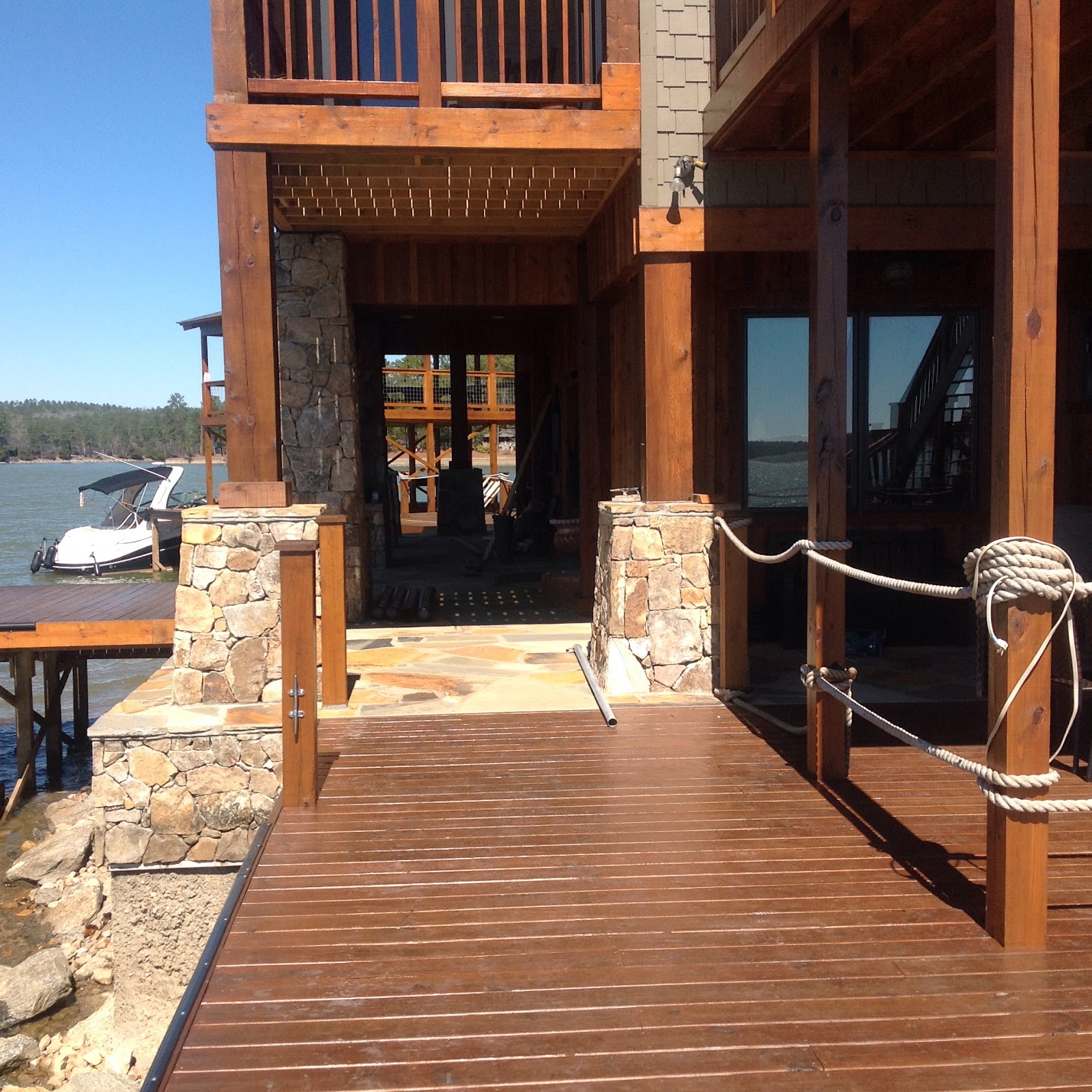
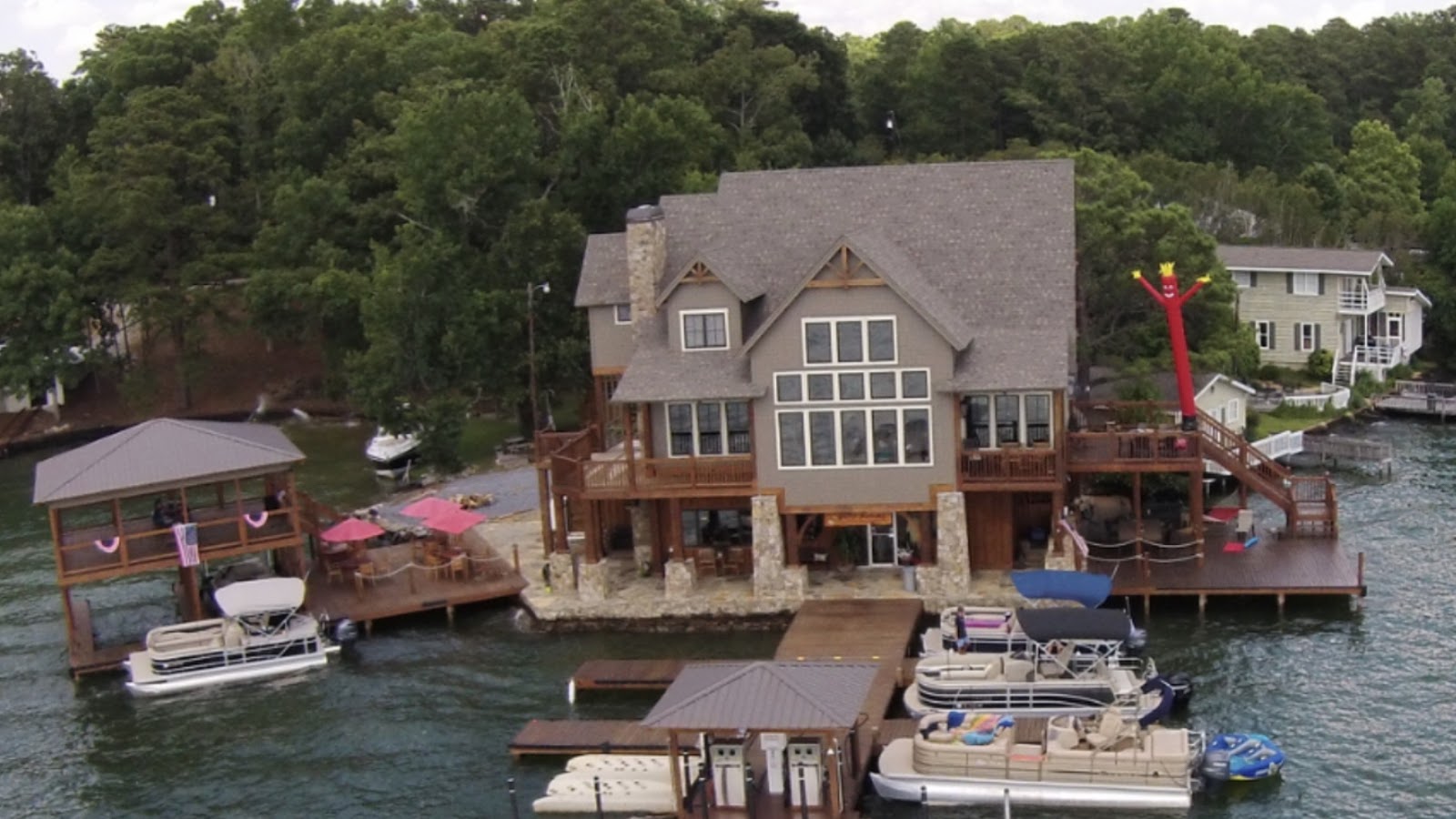
And the boathouse itself is the reliable structural position. A covered dock or boathouse opening is a solid roof over water, which blocks the overhead component, restricts the light to a horizontal band, bounces off the water below to fill from underneath, and cannot dapple. It is the best midday position on the property and it exists nowhere else.
Afternoon to the long golden evening
The afternoon brings the wind, because a large reservoir builds a chop as the day heats. That removes the reflection — the site’s main asset — and it makes a lightstand a liability and a held modifier a sail, so handheld or bracketed sources are the working configuration.
It also builds the storms. Afternoon thunderstorms are near-daily in an Alabama July and August, and over a large lake they are visible from a long way off — which is useful warning for a party on the water and the most dramatic sky the site produces. A dark cloudbase over a lit lake, with a shaft of sun on the far shore, is the strongest weather frame here.
A covered alternative with real capacity is a requirement rather than a courtesy in that season, and on a lake the additional consideration is that anybody on the water needs to be off it before the storm arrives.
The evening is what the site is for, and in humid air it is longer and softer than it would be in dry country.
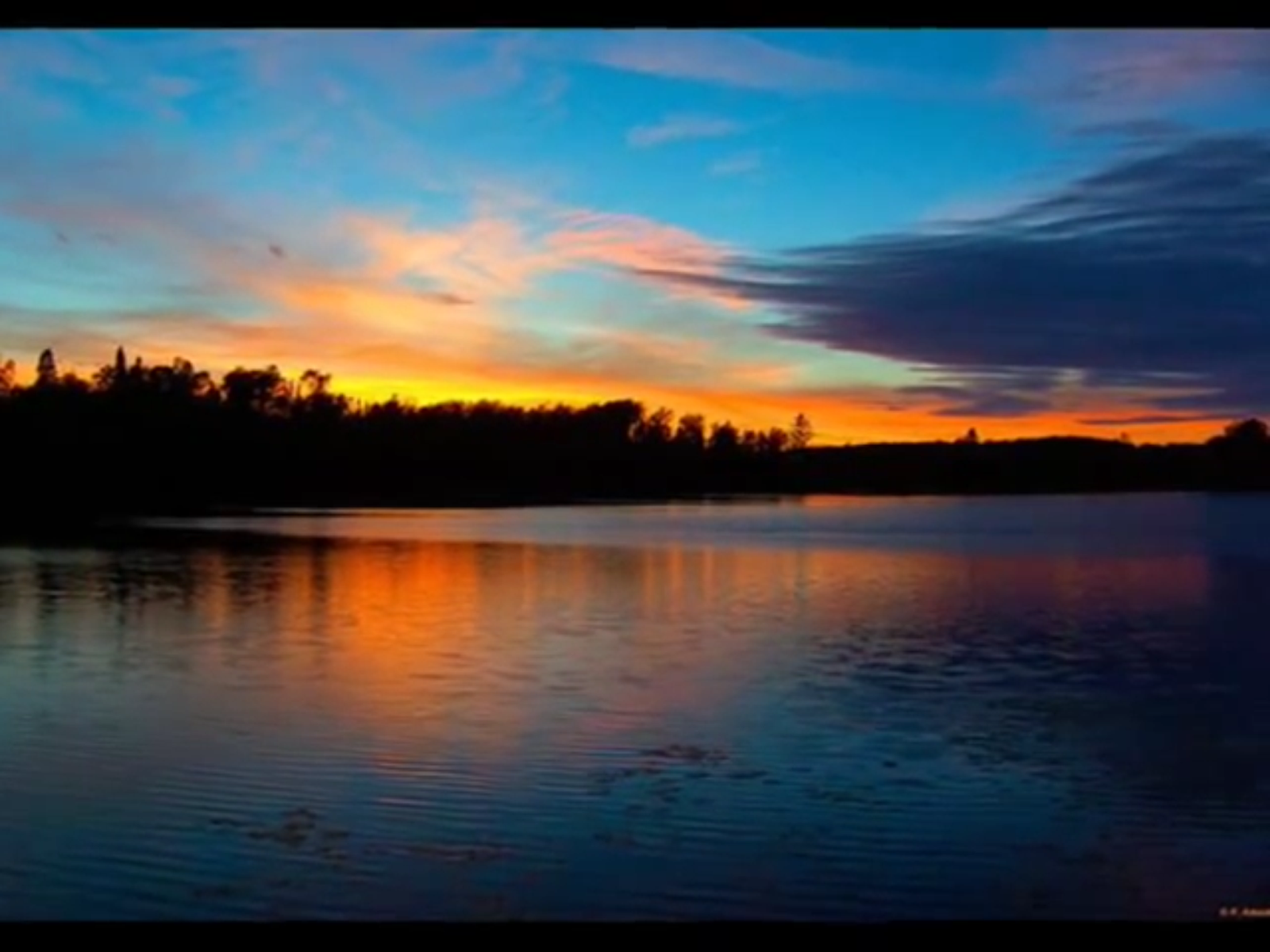
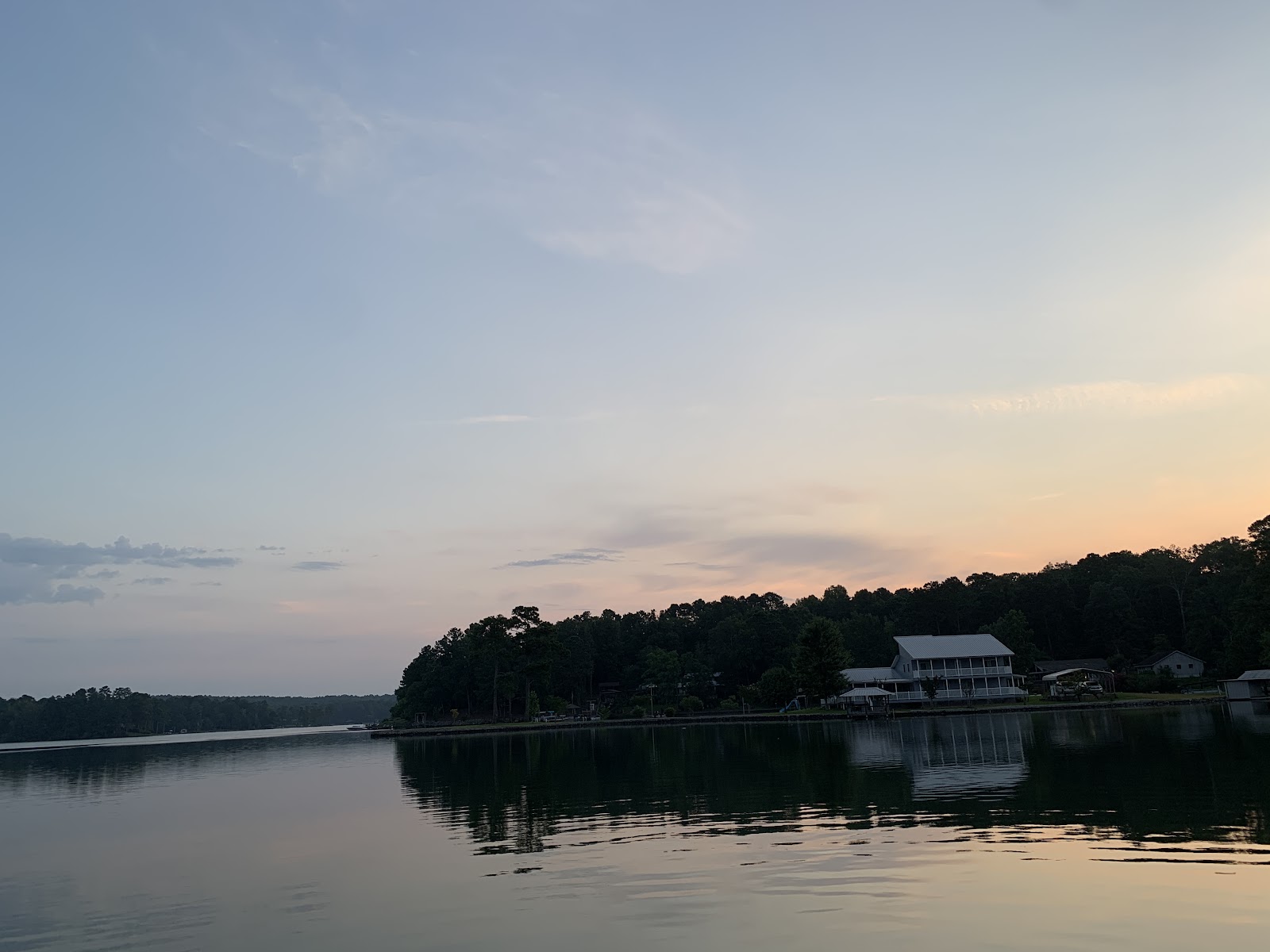
As the sun drops, the water begins reflecting again — and because the wind usually eases at the same time, the surface flattens and the whole lake takes the colour of the sky rather than a narrow strip of it. That is the property’s signature frame: a couple at the margin or on a dock with an entire lake behind them, the same colour as the sky, and the far shore in silhouette.
The exposure goes on the water and the sky rather than on skin, with the faces lifted by a close warm-gelled source. Metering on faces gives a white sky and a flat grey lake, which throws the whole thing away. Close matters because nothing out over water bounces enough to lift a face: a source at two metres needs roughly a quarter of the output it needs at four.
The humidity is what makes that hour long. Moisture in the air scatters and warms the low light, which means the golden period here is a slow broad transition rather than a brief sharp one — and the afterglow over the water continues well past the sun’s disappearance, because the lake keeps the colour on its surface.
That window after sunset is frequently the calmest and most colourful part of the whole day, and it belongs in the running order explicitly rather than being hoped for.
The dock is the site’s specific structure and it wants using deliberately. A dock is a perspective line running out over water, which means a frame down it has convergence, depth and a subject at its end — and it is a hard level reference in a frame where the water gives an absolute horizon, so a frame a degree off level is glaring. Level to the water rather than to the decking, because a dock is frequently not level and the water always is.
Boats, where they are part of the site, are the other structural element: hulls, cleats, lines and covered slips all give texture and scale that open water does not, and a longer lens that compresses them into a background behind a couple produces a picture with real structure in it.
The water level is the variable worth asking about and it is specific to reservoirs. Southern lakes of this kind are drawn down seasonally — typically lower through the cooler months and full through the summer — which changes the shoreline substantially: a full lake reaches the vegetation and a drawn-down one exposes a band of bare red clay, rock and stumps between the water and the trees.
Neither is wrong and they photograph differently: a full lake gives the clean margin, and a low one gives foreground texture and exposed granite. It is knowable in advance and it decides which version of the site the wedding gets.
- The first two hours give mist, a mirror and raking light — and nobody uses them
- A covered dock is the best midday position: a roof, with water bouncing up
- Manual throughout; canopy overexposes a meter and bright water underexposes it
- Evening: expose for the water and sky, lift the faces close and gelled
- Ask about the water level; a drawn-down reservoir is a different shoreline
The Alabama lake year
Central Alabama has a humid subtropical climate with mild winters and a long hot summer, and at a reservoir the season changes the water as much as the light.
Winter is mild but not warm, and the lake is usually at its lowest — drawn down for the cooler months, which exposes a band of red clay, rock and stumps around the shoreline. That is a starker, more graphic version of the site rather than an absent one, and low raking light across exposed granite and red clay is a strong combination.
The December sun at this latitude reaches about thirty-five degrees above the horizon, which is low enough that the whole short day rakes rather than floods. At a lake that is decisive: water reflects at a low angle, so in winter the surface is mirroring for most of the afternoon rather than only at the ends of the day. A cold clear winter afternoon gives the mirror condition for hours instead of twenty minutes.
Winter is also when the humidity drops and the air is at its clearest, which means the long views across the lake work better in January than in July, and the hardwood canopy is down so the shoreline structure is visible.
Hard freezes occur here and the lake rarely freezes, but frost on a dock and mist rising off relatively warm water on a cold morning is one of the most atmospheric conditions the site offers.
Late winter into spring brings the flowering — redbud and dogwood through March and April, with the canopy leafing out — and the lake refilling toward summer level.
The honest spring caveat is severe weather. Alabama sits in one of the most tornado-prone regions in the country, with a pronounced peak from March through May, and severe thunderstorms are a real feature. A named covered alternative with real capacity is a requirement, and over open water the storms are visible coming from a long way off.
Spring proper is the most comfortable season: warm, green, long-lit, the lake filling, and the shoreline at its freshest.
Summer is the lake’s busy season and the hardest for light. The water is at full level, which gives the clean shoreline; the days are long; and the middle of the day is glare and heat. Temperatures in the low nineties Fahrenheit with high humidity push the heat index considerably higher, which makes an outdoor ceremony a welfare matter first.
The compensating gift is the long humid evening, which is better here than in dry country — and the near-daily afternoon thunderstorms, which give the most dramatic skies of the year and clear to leave saturated colour and still water behind them.
Autumn is the best season overall. The heat breaks in October, the humidity drops, the air clears, the crowds thin, the water is still warm — which makes morning mist most frequent — and the hardwood colour arrives late: typically from the last week of October into mid-November, weeks later than New England.
Oak russet, maple scarlet, hickory and tulip poplar yellow and sweetgum’s mixed red and purple arrive over two or three weeks around a wooded shoreline — and a flat lake doubles all of it. Autumn colour reflected in still water is roughly twice the colour, which is why lake venues photograph better in autumn than any other kind of site.
An early November morning here can give mist, a flat mirror and full shoreline colour in one frame. That is the single best thing this property produces, and the caveat is that November is the state’s second severe-weather peak.
More frames from Boathouse at Lake Martin
Boathouse at Lake Martin wedding photography: common questions
Why does a lake change so much through the day?
Water reflects almost everything at a low sun angle and very little at a high one. The same view is a mirror at seven and a dark glare at one.
When is the water calmest?
Morning and evening. A large reservoir builds a chop through the afternoon, and chop removes the reflection.
What is the best midday position?
A covered dock or boathouse opening — a solid roof with water bouncing light up from below. It cannot dapple and it exists nowhere else.
How is the evening frame exposed?
For the water and the sky, with the faces lifted by a close warm-gelled source. Metering on skin gives a white sky and a flat grey lake.
Why ask about the water level?
Reservoirs are drawn down seasonally. A full lake gives a clean margin; a low one exposes red clay, rock and stumps — two different sites.
When is the site at its best?
An early November morning: mist over still water, a flat mirror, and full shoreline colour doubled in it.
More Alabama venue guides
We are writing a photographer’s guide to every venue we would happily shoot in Alabama. Here are three more, plus the full index:
- Carillon at Forte, Prattville: One Frame, and How It Is Made
- The Club, Homewood: The One Decision That Governs Everything
- Columns at Fairhope, Spanish Fort: A Walk Through the Site
Planning a wedding at Boathouse at Lake Martin?
A lake is several sites in one day. Tell us your date and we will use the best hours.