 Venue at Willow Creek, Huntsville: The Problem, and Four Ways Out
Grand Bohemian Hotel Mountain Brook: The Building’s Own Logic
This building is dark on purpose. Photograph it dark, and it works.
An art-led boutique hotel has a logic that is entirely deliberate, and reading it correctly is the difference between photographs that look like the place and photographs that look like a mistake.
The logic is atmosphere. Interiors of this kind are designed to feel rich and enveloping rather than bright and open: deep saturated wall colours, dark timber and stone, heavy textiles, and lighting that is low, warm and directional — picking out objects rather than filling the room.
Three photographic consequences follow, and all of them are advantages once they are accepted.
The ambient is low, which means the settings that worked at a pale hotel are wrong here. Measure rather than estimate: a deeply coloured room reads as comfortable and is frequently two stops below a white one of the same apparent brightness.
The surfaces absorb, which means the background behind a subject drops away steeply and separation arrives for nothing. That is the single most valuable property of the building, and it is the opposite of the problem at a modern pale hotel, where separation has to be built.
And the light is directional and warm. Fittings that pick out artwork also model a face if the subject is placed in them, which means the building supplies something closer to portrait lighting than most hotels do — provided the position is chosen rather than accepted.
The fourth element is the art, which at a hotel of this kind is not decoration but the organising theme: hung densely, lit deliberately, and present in the public rooms and corridors as well as the function spaces. That is a compositional resource and a hazard in equal measure.
We have not photographed a wedding at the Grand Bohemian Mountain Brook; art-led boutique hotels behave consistently. Which rooms are included, whether the lighting can be dimmed or adjusted, whether photographing particular works is permitted, what daylight reaches the preparation rooms, and what the actual timings are are questions for their team.
Grand Bohemian Hotel Mountain Brook at a glance
| Where | An art-led boutique hotel at Mountain Brook, outside Birmingham |
| The logic | Atmosphere: deep colour, dark materials, low warm directional light |
| The gift | Surfaces absorb, so the background drops away and separation is free |
| The art | Densely hung and deliberately lit — a resource and a hazard |
| Ask first | Rooms included, lighting control, photography rules, prep-room daylight |
The dark interiors, and the light in them
The first instruction is to photograph the building dark, because that is what it is. The instinct to lift a deeply coloured room until it is legible produces the characteristic bad picture of a boutique hotel: flat, muddy, uniformly warm, and with none of the depth that made the room worth photographing.
The method is the reversal that applies to every atmospheric interior in this guide. Expose the ambient for the room rather than for the faces — about a stop or a stop and a half under what skin needs — so the fittings keep their presence and the walls keep their colour and shadow, then add one source for the faces.
That source goes off the camera axis at about a stop above what the ambient gives the skin, gelled warm to match the room, and diffused so it does not read as flash. The white balance goes to the gel rather than to daylight, which is what makes the added light belong.
The metering discipline underneath it is absolute: manual, metered on skin, with the surroundings allowed to go dark. A meter looking at a deeply coloured or dark-panelled room tries to lift it toward mid-grey, which overexposes a face by two stops or more.
The room’s own directional lighting is worth using before any of that, though, because at a hotel of this kind it is frequently good enough on its own. A wall washer, a picture light or a lamp is a directional source, and a subject placed beside one — rather than in the middle of the room — is lit the way a photographer would choose to light them.
Finding those positions is a matter of walking the public rooms once and looking for where the light falls rather than where the furniture is. It takes ten minutes and it is the highest-value preparation available here.
The colour needs deciding rather than averaging. A room of this kind has warm fittings, cooler accent lighting, and light bouncing off deeply coloured walls that carries their colour — which means a face standing near a deep red or green wall is lit partly by that colour.
The rule is to set the white balance for whatever is landing on the skin and let the rest fall where it falls. Correct skin against a coloured room is a picture; skin rendered red or green by a wall is not, and it is not recoverable. And it needs resetting when the room changes, because it will.
Bouncing is limited and worth testing rather than assuming. A dark ceiling or a deeply coloured one absorbs and tints, which means a flash aimed into it returns little and what it does return is the wrong colour. A pale nearby surface, where one exists, is the best bounce; otherwise direct through a modifier.
And the added light has to be close, because nothing in a dark saturated room bounces usefully: the light reaching a face is only the light aimed at it, falling off with the square of distance, so a source at two metres needs roughly a quarter of the output of the same source at four.
The guest rooms are the daylight exception and they are worth asking about. A hotel room with a decent window gives the best portrait light in any building: a subject a metre from the glass turned about forty-five degrees to it gets horizontal light with steep fall-off — and in a dark-walled boutique room that fall-off is steeper than in a pale one, which makes the frame stronger. Room lights off, and a custom white balance set on a face.
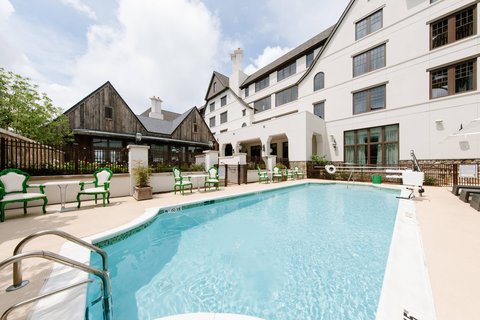
The art, the geometry, and outside
The art is the building’s organising theme and it needs a decision rather than an accident.
A work in a frame with a couple is a third subject competing for attention, and in a densely hung interior it frequently wins — because it is larger, stranger and more graphic than two people. The frames that work either include a work deliberately and squarely, as part of the composition, or exclude it entirely.
The awkward middle — half a canvas behind a shoulder, or a recognisable piece cut by the frame edge — is the commonest failure, and a step to one side is the whole fix.
Used deliberately, though, densely hung art is a genuine resource: a wall of framed works behind a subject is a repeating pattern that reads as design, and a single large piece squarely behind a couple gives a frame a centre that a plain wall does not.
The picture lighting is the related resource. Works are lit deliberately, which means there are pools of directional light throughout the building — and standing a subject in one of those pools, rather than beside the work it was aimed at, is the most efficient lighting decision available here.
Whether photographing particular works is permitted is a separate question with a definite answer, and it is worth asking rather than assuming, because loan and licensing arrangements vary.
The geometry of a boutique hotel is its other compositional resource. Corridors, stairs and framed openings give perspective and structure, and a dark interior makes those read strongly because the shadows define them. A corridor with a light at the end and darkness between is the same physics as a window in a dark room — subject in the light, corridor receding into black, separation for nothing.
Stairs are the most productive single position in any hotel: height without equipment, a frame on both sides, and a subject on a different level from everyone else. The light usually comes from above, which means a subject looking up the stair catches it in the eyes and one looking down is in their own shadow.
Reflective surfaces — mirrors, polished stone, glass — are present in this style and they cut both ways. A mirror doubles a room and gives depth; ignored, it puts the photographer in the background. A few degrees off perpendicular removes it, and checking the background of the first frame in every position is the habit.
Outside, Mountain Brook sits in the wooded hills on the edge of Birmingham, which means the exterior environment is mature southern mixed forest and landscaped ground rather than city street. That gives the canopy edge — a metre or two inside a stand at the margin of an opening, soft directional light in front and darkness behind — which is the reliable outdoor position at any hour.
The species mix is oak, hickory, maple, sweetgum and tulip poplar with pine, and deciduous canopy filters as much as it blocks, so it dapples. Look at the face rather than the ground. Magnolia, where it occurs, is the real blocker and the darkest background, with the caution that its glossy leaves throw hard specular highlights in direct sun.
The metering reverses outdoors from the interior’s: dark canopy makes a meter overexpose a face where bright open ground makes it underexpose, and a day that moves between a dark hotel interior and bright southern sun needs the correction reset at every crossing — which is four or five stops and a colour change in a few paces.
And the practical Alabama notes apply. Summer here is hot and humid enough that an outdoor ceremony between June and September is a welfare matter first; afternoon thunderstorms are near-daily in July and August; spring is the state’s severe-weather peak, which makes a named covered alternative a requirement — and at a hotel that is usually the easiest part of the plan.
- Photograph the building dark: expose the room a stop under, then one gelled source
- Find the pools of directional picture light and stand the subject in them
- Set white balance for what lands on the skin; coloured walls tint everything
- Art is in the frame or out of it — half a canvas behind a shoulder fails
- Reset exposure and white balance at every indoor-outdoor crossing
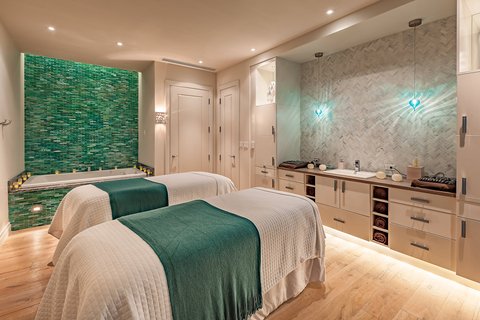
The central Alabama year
An art-led hotel is among the most weather-independent venues in this guide, which means the season affects the outdoor half of the day and the guest-room light rather than whether anything works.
Winter is mild in central Alabama — hard freezes occur but snow is occasional and rarely lies — and for an indoor wedding it matters very little, which is the honest argument for a January or February date.
Where winter helps is the daylight positions. The December sun at this latitude reaches about thirty-five degrees above the horizon, which means it enters a guest-room window almost horizontally and travels much further into a room than a high summer sun does — so the best portrait light in the building is better in January than in June.
Winter also puts the after-dark exterior frames inside a normal running order rather than after eight in the evening, and it is when the humidity drops and the air is clearest, which for any exterior frame with distance in it matters.
Outdoors, the deciduous canopy is down, which opens the wooded hill views that summer foliage hides — and frost on landscaped ground with a lit building behind it is a clean winter frame.
Late winter into spring brings the region’s flowering and it is substantial: camellias through the cold months, then redbud, dogwood, azaleas and wisteria from March into April. Against a dark building and dark evergreen that saturated colour reads at full strength.
The honest spring caveat is severe weather. Alabama sits in one of the most tornado-prone regions in the country with a pronounced peak from March through May, and severe thunderstorms are a real feature. A named covered alternative with real capacity is a requirement rather than a courtesy.
Spring proper is the most comfortable season: warm, green, long-lit, the canopy filling in through April and the landscaped ground at its fullest.
Summer is hot and humid — commonly the low nineties Fahrenheit with high humidity, pushing the heat index considerably higher — and indoors none of that matters, which is the hotel’s central virtue. Outdoors it means the middle of the day belongs to the canopy edge and the building’s shaded walls, and that any outdoor session belongs early or late.
Afternoon thunderstorms are near-daily in July and August, and the summer effect on the guest-room light is worth noting: a high sun barely enters a window at all, which means the usable band beside the glass is at its narrowest in June.
Autumn is the best season for the outdoor half and the most comfortable overall. The heat breaks in October, the humidity drops, the air clears, and the hardwood colour arrives late — typically from the last week of October into mid-November in central Alabama, weeks later than New England.
Oak russet, maple scarlet, hickory and tulip poplar yellow and sweetgum’s mixed red and purple arrive over two or three weeks, and against a dark building that colour reads at full saturation.
For a venue whose interiors are deliberately dark and artificial, twenty minutes outdoors in clean autumn light gives the finished set of pictures a place and a season that no interior can — which is the real argument for a late October or early November date, with the caveat that November is the state’s second severe-weather peak.
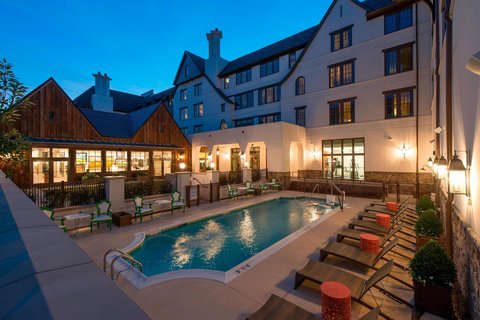
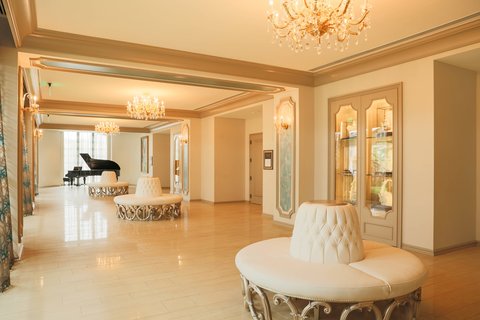
More frames from Grand Bohemian Hotel Mountain Brook
Grand Bohemian Hotel Mountain Brook wedding photography: common questions
What is the building's logic?
Atmosphere. Deep saturated colour, dark materials and low warm directional light, designed to feel enveloping rather than bright.
How should it be exposed?
A stop or a stop and a half under what faces need, so the room keeps its colour and depth — then one gelled source above skin level for the faces.
What is the main advantage?
Surfaces absorb, so the background behind a subject drops away steeply and separation arrives for nothing. That is the reverse of a pale hotel.
What about the picture lighting?
Use it. Works are lit deliberately, which means there are pools of directional light throughout the building — stand the subject in one.
How do I handle the artwork in frame?
Include it squarely and deliberately, or exclude it entirely. Half a canvas behind a shoulder is the commonest failure here.
Which month is best?
January for the guest-room window light, and late October into November for the outdoor colour, which a dark interior cannot supply.
More Alabama venue guides
We are writing a photographer’s guide to every venue we would happily shoot in Alabama. Here are three more, plus the full index:
- Gunter Hill Plantation, Montgomery: The Site’s Own Logic
- Historic Lacey’s Chapel, Athens: One Frame, and How It Is Made
- Lodge at Gulf State Park, Gulf Shores: Field Notes
Planning a wedding at Grand Bohemian Hotel Mountain Brook?
A building that works dark. Tell us your date and we will photograph it that way.