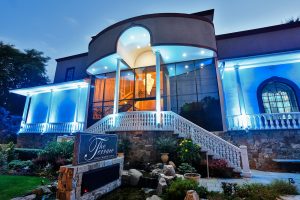
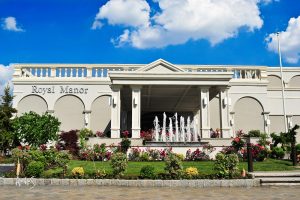
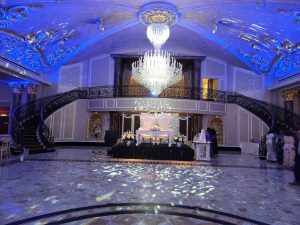
 The Venetian, Garfield: The Building’s Own Logic
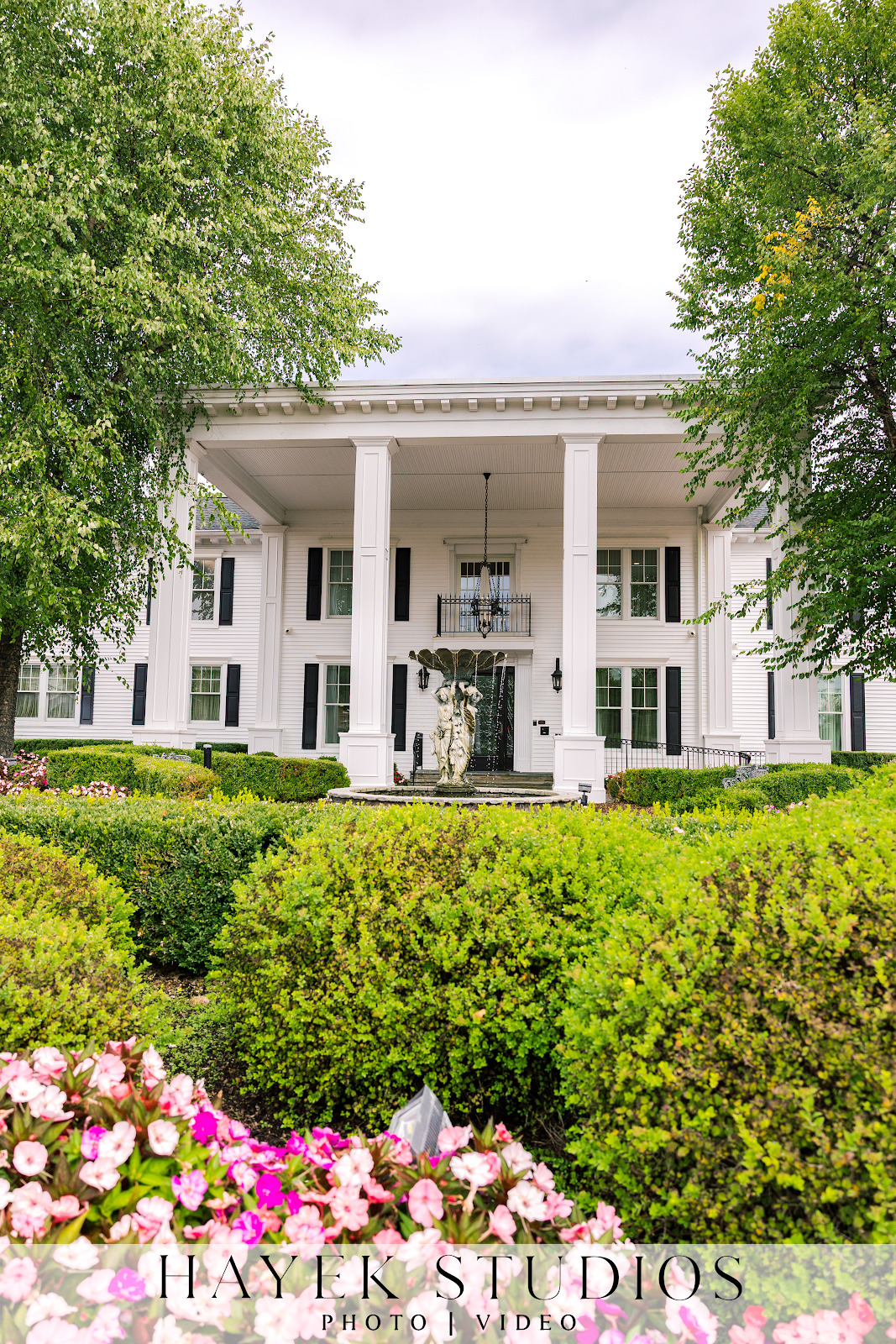
Park Savoy, Florham Park: What It Suits and What It Does Not
One wedding at a time, on a small property. That is a real advantage and a real limit.
A single-event estate venue is a particular proposition, and the honest way to describe it is by what its two governing facts suit and do not suit.
The first fact is exclusivity. A venue that hosts one wedding at a time means the whole property is yours: no other guests in the background, no competition for the good positions, no schedule shaped by somebody else’s ceremony, and no need to time anything around another event’s transitions.
That is worth a great deal and it is the main reason to choose this kind of venue over a larger multi-room one. Photographically it means the day can run to the light rather than to a shared timetable, which is the single most useful thing a venue can give a photographer.
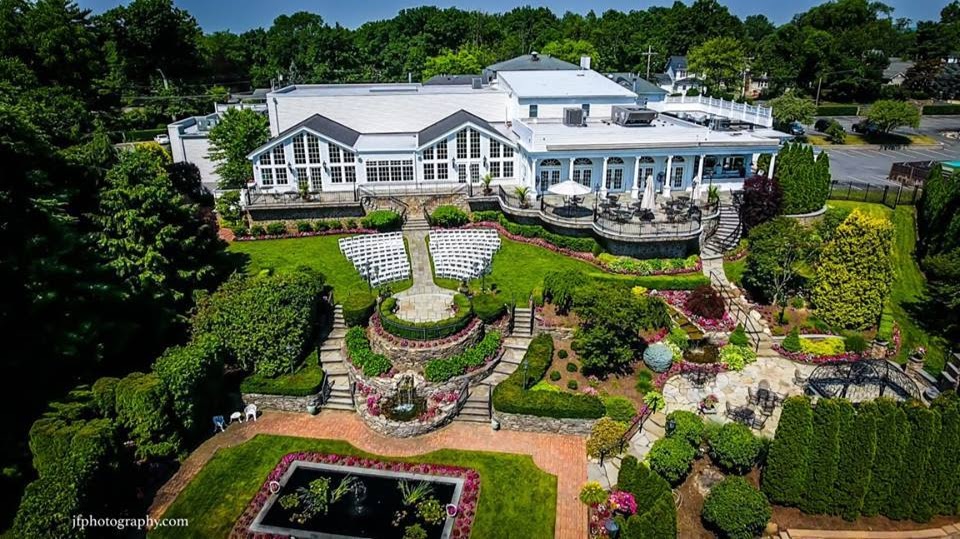
The second fact is compactness. A single-event estate is usually a modest property — one main building, one set of grounds, a limited number of rooms — which means the number of distinct positions is finite and they will all be used. Where a large estate offers variety, this offers control.
The consequence is that preparation matters more here than at a big property, because the positions have to be chosen well rather than chosen from many. Walking the site once and finding four or five genuinely different frames is what makes a varied set of pictures at a compact venue.
The third element is the setting: Morris County is developed suburban country with mature trees, which means the grounds are bounded and landscaped rather than wild, and whatever is beyond the planting is not part of the frame.
We have not photographed a wedding at the Park Savoy; single-event estate venues behave consistently. Which rooms and outdoor areas are included, whether the ballroom lighting can be dimmed, what the actual timings are and how flexible they are, and what daylight reaches the preparation rooms are questions for their team.
Park Savoy at a glance
| Where | A single-event estate venue at Florham Park, Morris County |
| Suits | Exclusivity, a day that runs to the light, and coherent coverage |
| Does not suit | Very large guest counts, variety of location, or a wild landscape |
| The grounds | Bounded and landscaped, with mature trees around them |
| Ask first | Rooms and areas included, timings and their flexibility, lighting control |
What it suits
It suits a day that runs to the light, and that is the clearest advantage exclusivity buys.
At a multi-event venue the portrait window is a slot determined by other people’s ceremonies; here it can be placed where the light actually is. That matters most in summer, when the best low light arrives after eight in the evening — at a single-event property a twenty-minute trip outside during the reception is a straightforward request rather than a negotiation with a schedule.
It is worth asking about explicitly in advance rather than assuming, because even at an exclusive venue the kitchen and the running order have their own logic. But the answer is far more often yes here than elsewhere.
It suits coherent coverage, which is a subtler benefit and a real one. With no other guests on the property, the background is consistent all day: the same grounds, the same light, the same building — which means a set of pictures that hangs together rather than one that changes character depending on who else was in shot.
It also means a photographer can leave equipment set up, work a position for more than one frame, and move without negotiating space. Those are practical freedoms that show up as better pictures rather than as anything visible.
It suits a medium guest count well. A compact estate seats a moderate number comfortably, and the photographic consequence is that group photographs are manageable — enough level ground for the arrangements, and small enough numbers that everyone can be put in the same light.
That last point is the requirement for any group frame and it is worth stating: full even shade, full overcast, or full sun with the sun behind the camera. Forty people half in dappled shade is unfixable, and at a compact property with mature trees the dappled option is the default unless the position is chosen deliberately.
It suits mature planting, which is the grounds’ best feature. Morris County is long-settled suburban country, which means the trees on an estate property tend to be substantial rather than ornamental — oak, maple, beech and tulip poplar of real size, with room around them.
A mature specimen gives the single most reliable outdoor position anywhere: the canopy edge. Standing a metre or two inside the canopy at the margin of an opening gives soft directional light from the open side and near-darkness behind, which is three or four stops of free separation and no equipment at all. It is the same physics as a window in a dark room.
It carries the standard exposure trap: a meter looking at dark canopy overexposes the face by a couple of stops, while a bright lawn a few paces away fools the same meter the other way. Manual exposure metered on skin, reset at each transition.
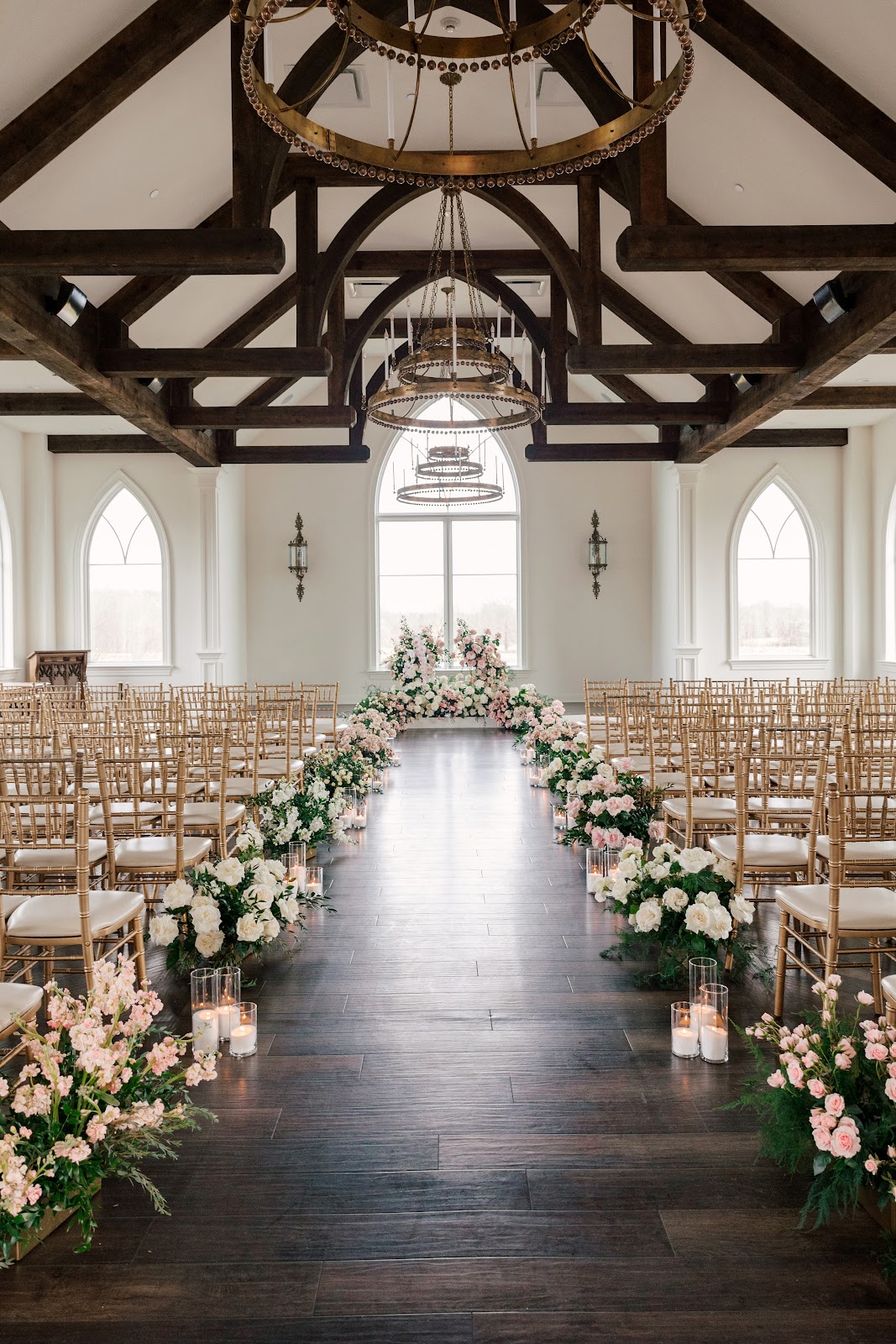
And it suits weather resilience if the covered alternative is genuine. Afternoon thunderstorms are a real feature in northern New Jersey from June into August, and at a compact property the question is capacity rather than existence — whether the indoor space can take the full guest list for a ceremony as well as a reception is a question with a definite answer and it is worth asking early.
What it does not suit
It does not suit a very large guest count, and that is the arithmetic rather than a judgement. A compact estate has a capacity, and a wedding at the top of it fills every space — which photographically means crowded rooms, limited room to work, and group arrangements that only just fit on the available ground.
That is workable and it is worth knowing: at capacity, the coverage will be closer and tighter than at a half-full property, and the wide room frames will be of a full room rather than an elegant one. Some couples want exactly that.
It does not suit a couple who want variety of location. A compact property has a finite number of distinct positions, and over a full day they will all be used — which means the set of pictures depends on those positions being genuinely different from one another rather than on there being many.
The way to get that variety is deliberate contrast rather than distance. A dark interior frame, a bright terrace frame, a canopy-edge frame, a plain-wall frame and a close detail frame are five completely different pictures that can all be made within fifty metres — where five wide garden views at fifty-metre intervals are the same picture five times.
Finding those five on a walk beforehand is the preparation that matters here, and it takes ten minutes.
It does not suit a wild or expansive landscape, because the grounds are landscaped and bounded. In developed suburban country, whatever is beyond the planting is likely to be a road or a neighbouring property — which constrains the wide angles and not the close ones.
The answers are positional. Walk a full circle from where the ceremony and the groups will happen and note which directions are clean; a low camera with a bed or hedge crossing the bottom of the frame hides most of what is at ground level behind it; and a longer lens at a wider aperture dissolves everything beyond the subject into tone.
Two further limits worth naming. Landscaped grounds have little real canopy apart from the mature specimens, which means the ornamental structures are not shade: a slatted pergola or an open gazebo is a striped dappling machine, and a face beneath one in direct sun is unusable. The test never changes — look at the face rather than the ground.
The dependable shade is architectural: the building’s own shaded wall, a porte-cochère, a colonnade or any solid-roofed structure. Two or three metres in from the open edge, at any hour in any weather, and it cannot dapple.
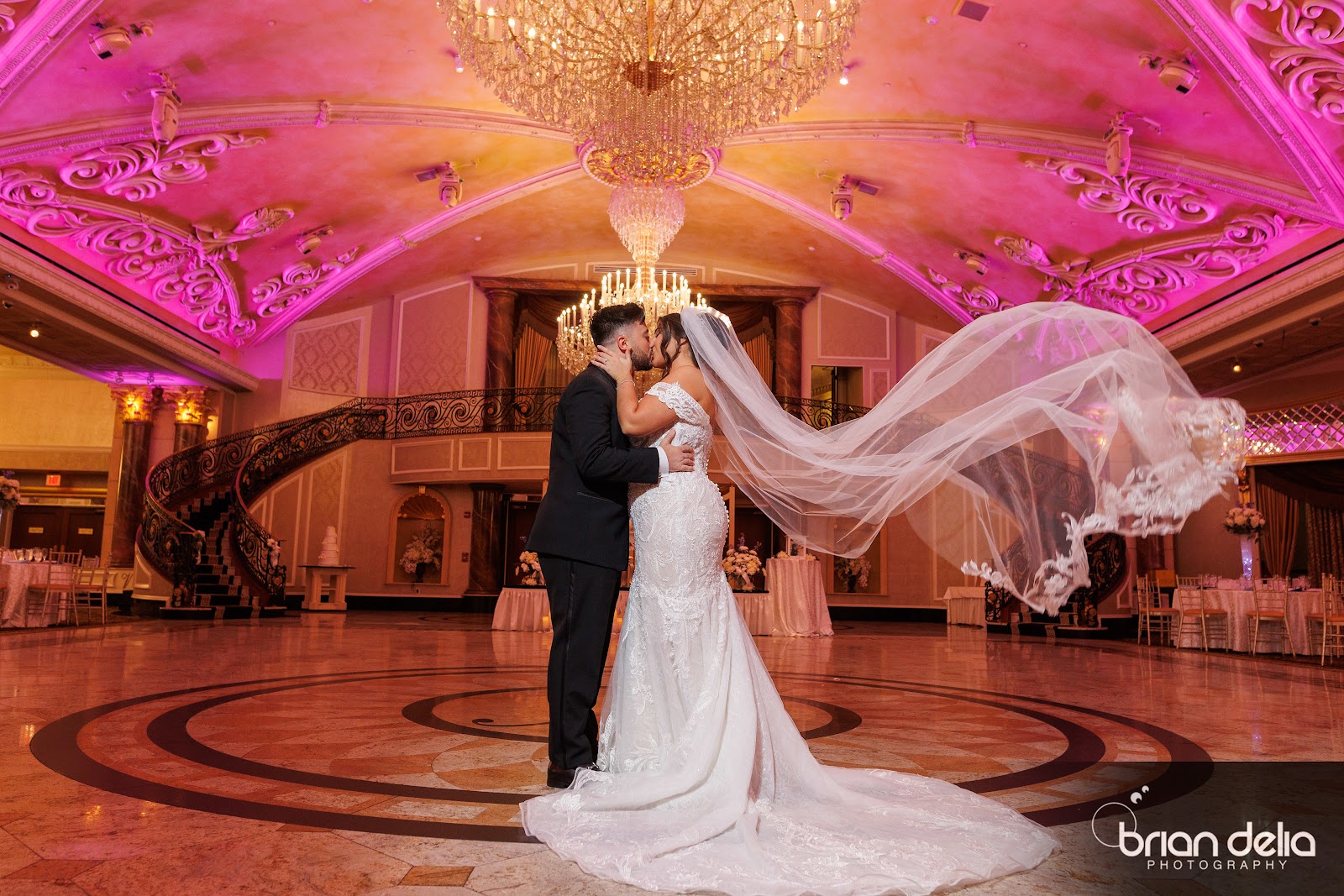
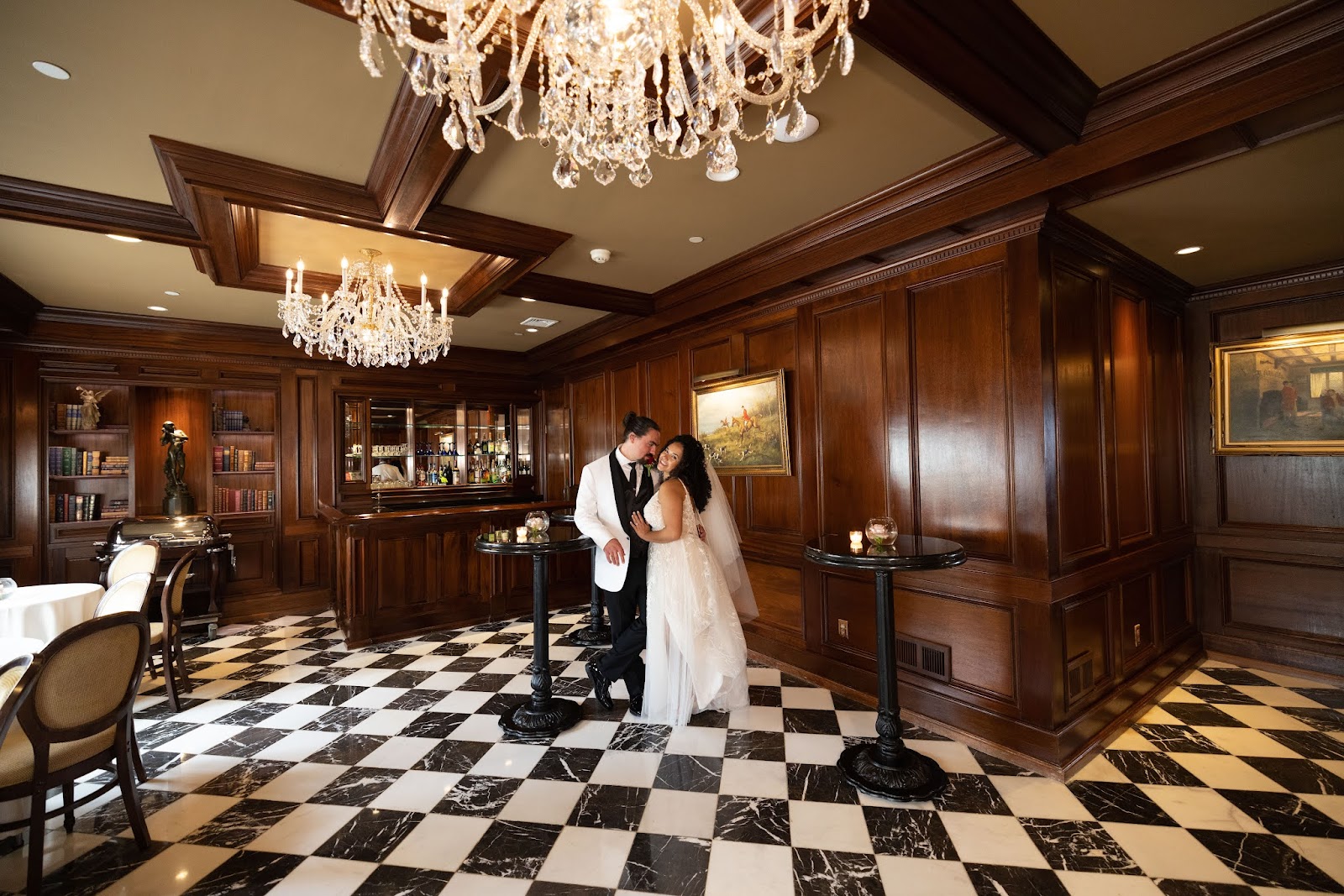
And the interiors deserve an honest note. A compact estate venue’s function rooms are usually pale and evenly lit, which means the problem indoors is separation rather than light: soft bounced light against pale walls gives no fall-off and no shadow side, so the frames read flat and they read the same wherever they are made.
The three fixes are consistent. Find something genuinely dark to put behind the subject — a doorway to an unlit space, a corridor receding away, a dark panel. Use whatever glazing exists as a directional source, with the subject a metre from it turned about forty-five degrees. Or add a source at a stop above the ambient specifically to restore the shadow side the room’s own bounce has filled in, which is adding light for contrast rather than illumination.
The low ceiling is the interior’s real advantage and it should be used: under three metres it is a large usable bounce surface, so a flash aimed into it returns soft overhead-forward light across the whole room. The caution is colour, because a warm-painted ceiling colours the bounce.
For the evening: expose the ambient about a stop under what faces need so the room keeps depth, then add one warm-gelled source just above skin level with the white balance set to the gel, bounced rather than aimed directly.
- Suits exclusivity, a day run to the light, and coherent coverage
- Does not suit a very large count, location variety or wild landscape
- Get variety from contrast, not distance — five kinds of frame in fifty metres
- Canopy edge and solid roofs are the shade; gazebos and pergolas dapple
- Indoors the problem is separation: find the dark, or build a shadow side
The Morris County year
Northern New Jersey has four genuine seasons with hot humid summers and cold winters, and at an exclusive venue the season decides what the grounds give rather than whether the schedule cooperates.
Winter is cold with snow in most years, and for the building it matters little — the honest argument for a February date at a venue with real indoor capacity.
Outdoors, winter does two useful things. Snow covers ground-level clutter and simplifies every background, which at a bounded property is worth more than it sounds — the beds become shapes and whatever was untidy disappears. And snow is the best natural fill available, lifting every shadow and throwing light upward into faces.
Snow against dark bare specimens or a dark façade gives the widest brightness range on the site: expose for the snow and let the rest go dark, overexposing deliberately relative to the meter, which snow fools by about two stops.
The December sun at this latitude reaches only about twenty-six degrees above the horizon, so the whole short day rakes rather than floods — which removes the open-lawn problem entirely, models the building, and means the light is good whenever the portraits happen. In leafless mature specimens the same low sun comes horizontally through the trunks, which is the best light a northeastern tree receives.
Indoors, the same low sun enters any window almost horizontally and travels much further into a room than a summer sun does, which widens the usable band beside the glass considerably. A preparation room is better lit in January than in June.
The costs are a short day, cold hands, batteries draining faster, and a cold camera fogging when brought back into a heated room. Spares in an inside pocket and bodies bagged until they warm.
Early spring is the weakest outdoor part of the year: bare trees, brown lawn and wet footing. Late April changes it, because a landscaped estate’s spring is deliberate — flowering trees and bulbs planted in quantity, and blossom against a dark façade is the strongest short-lived pairing the property produces.
Late spring is when the grounds peak and when the mature canopy closes over, which gives the canopy-edge position at its best. Transmitted green light under new leaves is among the most flattering conditions of the year and it needs a custom white balance, because a preset renders it badly.
Summer is hot and humid — commonly upper eighties Fahrenheit and above with high humidity — with afternoon thunderstorms a real feature from June into August. Mature trees make a compact property noticeably more comfortable than an open one, which is a genuine argument for this kind of site in July.
The summer scheduling advantage of exclusivity is at its largest then, because the good low light falls after eight in the evening — and at a single-event venue a short trip outside at that hour is a realistic request rather than an impossibility. That is the season when the venue’s main virtue pays for itself.
Autumn is the best season overall. The humidity breaks in September, the air reaches its clearest of the year, and foliage in Morris County peaks from the middle of October into early November — oak russet, maple scarlet, beech bronze and tulip poplar yellow, arriving over two or three weeks because the species turn at different rates.
On a property with mature specimens the effect is composed rather than continuous: each tree turns as a whole object with room around it, which gives a landscape of distinct masses rather than a wall of colour. Against a dark façade that reads at full saturation, and it is the strongest thing the grounds produce.
More frames from Park Savoy
Park Savoy wedding photography: common questions
What does exclusivity buy photographically?
A day that can run to the light rather than to somebody else’s schedule, and a consistent background with no other guests in frame.
What does it not suit?
A very large guest count, a couple who want variety of location, or one who wanted wild landscape rather than bounded grounds.
How do I get variety at a compact property?
From contrast rather than distance. A dark interior, a bright terrace, a canopy edge, a plain wall and a close detail are five different pictures within fifty metres.
Where is the shade?
Mature specimen canopy edges, the building’s shaded wall, and any solid-roofed structure. Gazebos and slatted pergolas dapple rather than shade.
What is the problem indoors?
Separation rather than light. Pale evenly lit rooms give no fall-off, so you have to find something dark or add a source to create a shadow side.
Which season is best?
Mid-October into early November for composed colour, and December for the easiest light of the year on both sides of the walls.
More New Jersey venue guides
We are writing a photographer’s guide to every venue we would happily shoot in New Jersey. Here are three more, plus the full index:
- Pleasantdale Chateau, West Orange: The Light Through the Day
- Princeton University Chapel: One Frame, and How It Is Made
- Renaissance Woodbridge: The One Decision That Governs Everything
Planning a wedding at Park Savoy?
The whole property, and the light on your schedule. Tell us your date.