 The Omaha Children’s Museum: A Photographer Answers Your Questions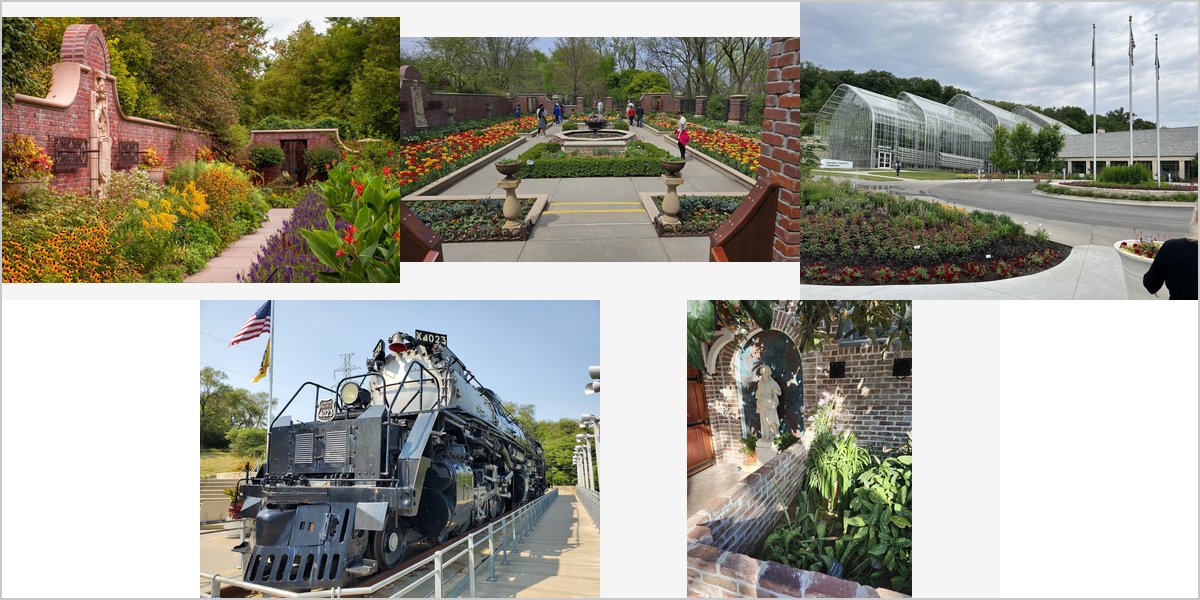
April 23, 2026
Lauritzen Gardens: A Season-by-Season Photography Guide
A hundred acres and a conservatory, in a climate with genuinely extreme seasons. The glasshouse is what makes any date workable.
Lauritzen Gardens occupies around 100 acres south of downtown Omaha, on ground rising above the Missouri River, with formal gardens, a Victorian garden, woodland, a rose garden and a conservatory. It is a botanical centre rather than a park, which means the planting is curated and seasonal rather than merely landscaped.
Photographically the site has the strengths and the problems of any large garden: excellent varied outdoor locations, high open shade under mature planting, and real walking distances. What makes it unusually workable is the conservatory, because a glazed enclosed space turns a weather-dependent venue into one that functions in any conditions.
Nebraska’s continental climate produces four genuinely distinct seasons — hot humid summers, cold winters, and sharply variable spring and autumn — so this guide is organised accordingly. We have not photographed a wedding at Lauritzen Gardens; the behaviour of glasshouses, formal planting and continental seasons is predictable. Which areas are bookable and what the garden permits are for their events team.
Lauritzen Gardens at a glance
| Where | South of downtown Omaha, Nebraska — around 100 acres above the Missouri River |
| Character | Botanical centre: formal gardens, Victorian garden, rose garden, woodland, conservatory |
| Light | High open shade under mature planting; diffused glasshouse light in the conservatory |
| Seasonal driver | A genuinely continental climate with four sharply distinct seasons |
| The safety net | A glazed conservatory that works in any weather |
Spring: the strongest and least reliable season
April and May are when a botanical garden earns its subscription. Bulbs, flowering trees and the Victorian garden come through in sequence, and because a curated collection holds many species the flowering period stretches across weeks rather than days. That makes a spring date less of a gamble on peak bloom than at a venue relying on a single planting.
The light is at its best too. The canopy is not yet closed, so more reaches the ground than in July, and the sun is strong without being punishing. Portraits under partly leafed trees get dappling that is soft rather than harsh — the brief annual window when dappled light is an asset.
The unreliability is weather. Nebraska springs swing hard: a warm still afternoon and a cold windy one can be a day apart, and severe storms are a genuine feature of the season rather than an exception. This is exactly when having a conservatory matters.
Summer: humid, hot, and a narrow outdoor window
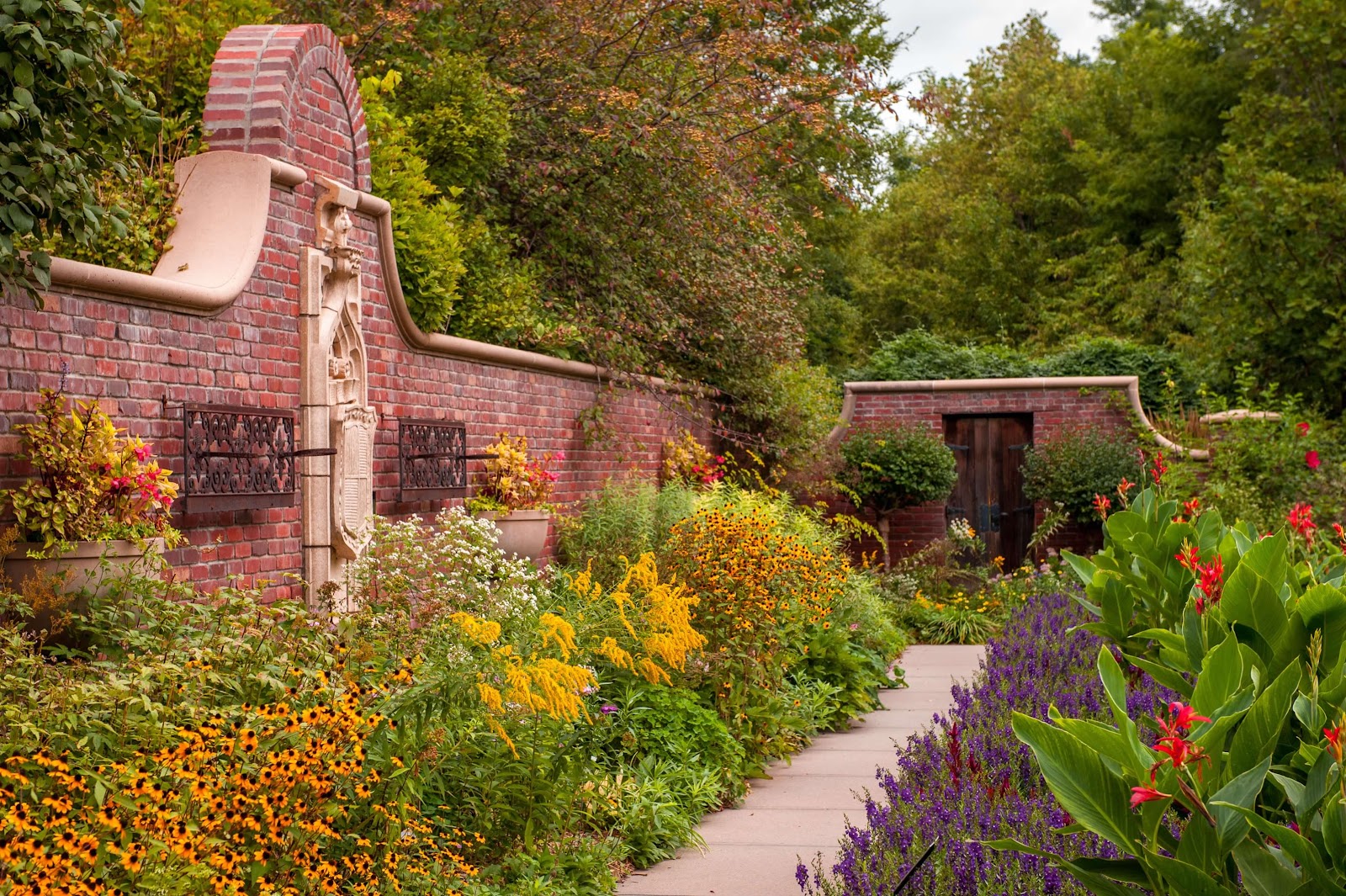
Omaha summers are hot and genuinely humid. That affects comfort in formalwear more than couples anticipate, it hazes distant views, and it will fog a lens brought from an air-conditioned car or building into the open — ten to twenty minutes to clear, with nothing to do but wait.
The light narrows to early morning and the last ninety minutes. Between roughly eleven and five, open formal gardens with no canopy are harsh: high sun, hard shadows, squinting, blown highlights on a white dress. The woodland areas and mature-tree shade remain workable all day and are where daytime portraits belong.
Summer is also when the conservatory becomes a mixed blessing rather than a pure asset. A glasshouse in a Nebraska July is very warm, and while the light in there is superb, standing in it in formalwear for twenty minutes is a real ask. Keep those sessions short.
Autumn: the best balance of the year
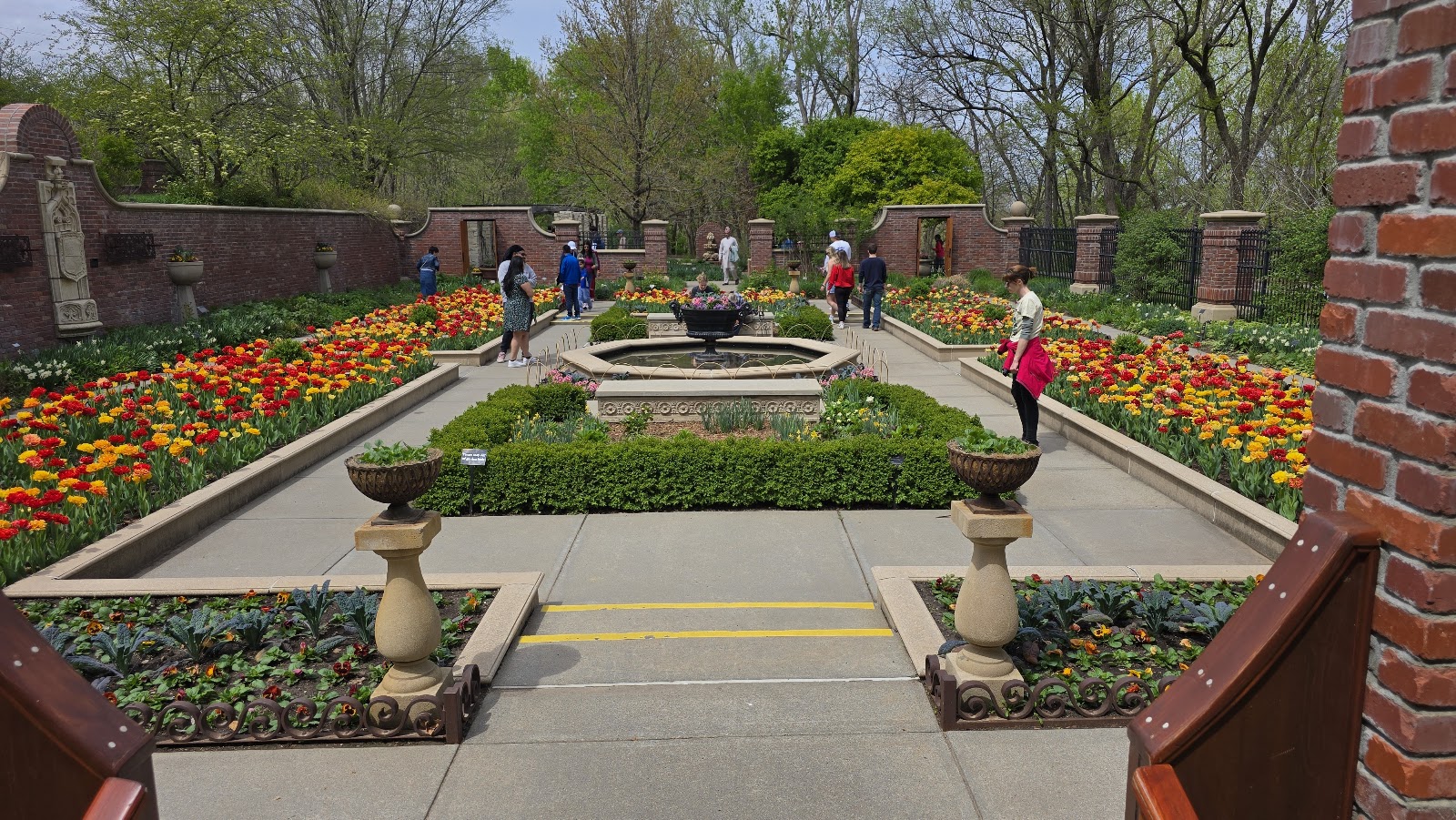
Late September and October are the strongest overall window. The humidity breaks, temperatures become genuinely comfortable, storm risk drops, and the light stays low through most of the afternoon so the good window is hours rather than minutes wide.
The planting shifts too. Formal gardens move from flower to structure and foliage colour, the woodland turns, and the whole site takes on the warm tonality that agrees with skin far better than high-summer green does. Autumn is when a garden photographs most flatteringly, which is not the same as when it flowers most.
The constraint is daylight length. By late October, Omaha’s sunset is in the early evening and usable light in woodland goes earlier still. Portraits need to happen before the ceremony or immediately after, not saved until after dinner when nothing will be left.
Winter: the conservatory is the venue
A Nebraska January is cold enough that an outdoor wedding is not a realistic proposition — sub-freezing temperatures, wind across open ground, a mid-afternoon sunset and bare deciduous planting. Outdoor time becomes a brief planned excursion at most.
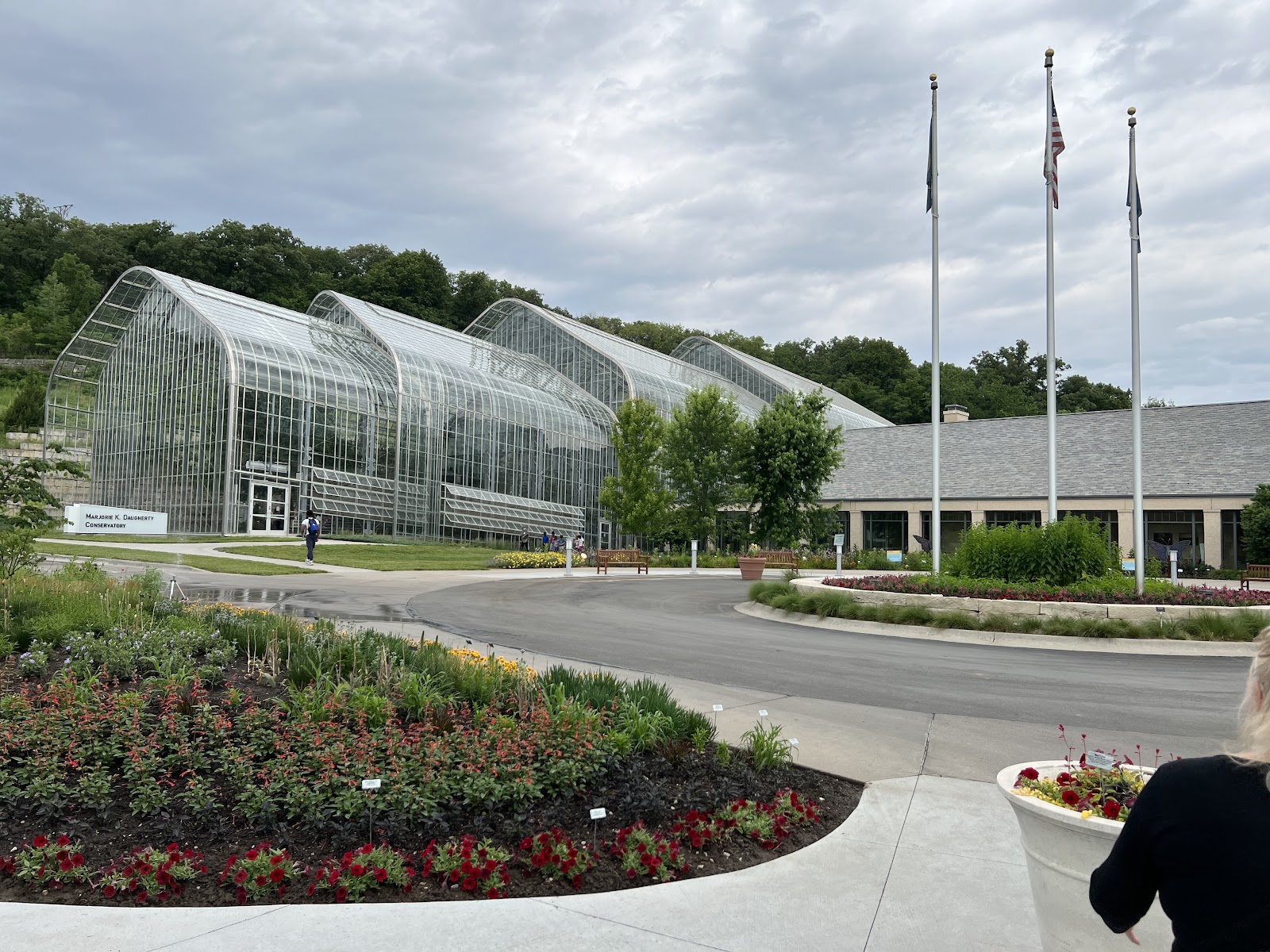
What makes winter genuinely viable here, and this is unusual for a garden venue, is the conservatory. A glazed enclosed space with tropical or Mediterranean planting is green, warm and bright in the middle of a snowbound January, and the light in it is superb — glass on the sides as well as overhead means the light arrives laterally, which fills eye sockets rather than shadowing them.
So a winter wedding here is a conservatory wedding, and that is a real option rather than a fallback. Confirm the glasshouse is included and ask about capacity in it, because a conservatory’s usable floor is smaller than its footprint suggests once planting beds are accounted for.
Snow outside is worth five minutes. Snow on formal garden structure — hedges, urns, bare trees — is graphic and unusual, and snow bounces light upward into faces, which makes a bright cold day surprisingly flattering.
A practical warning about moving between a cold exterior and a warm glasshouse, because it will cost you frames if you ignore it. A lens carried from a sub-freezing garden into a humid tropical house fogs instantly and completely — inside and out — and takes fifteen to twenty minutes to clear, during which it is unusable. If the plan involves going in and out, dedicate one body to each environment rather than swapping, or accept a long gap. In winter this is the single most likely thing to go wrong on the day.
What works in your favour
- A hundred acres with genuinely varied locations — formal, woodland, rose and Victorian gardens
- A conservatory whose lateral glasshouse light is among the most flattering available
- The conservatory makes any date workable, including a snowbound January
- A curated collection stretches the spring flowering across weeks rather than days
- Autumn’s warm tonality flatters skin better than high-summer green
What to plan around
- Nebraska weather is sharply variable; severe spring storms are a feature, not an exception
- Summer humidity fogs lenses for ten to twenty minutes and hazes distant views
- Open formal gardens are harsh between roughly eleven and five in summer
- Usable light in woodland ends well before sunset in late autumn
- A conservatory in July is very warm; keep those sessions short
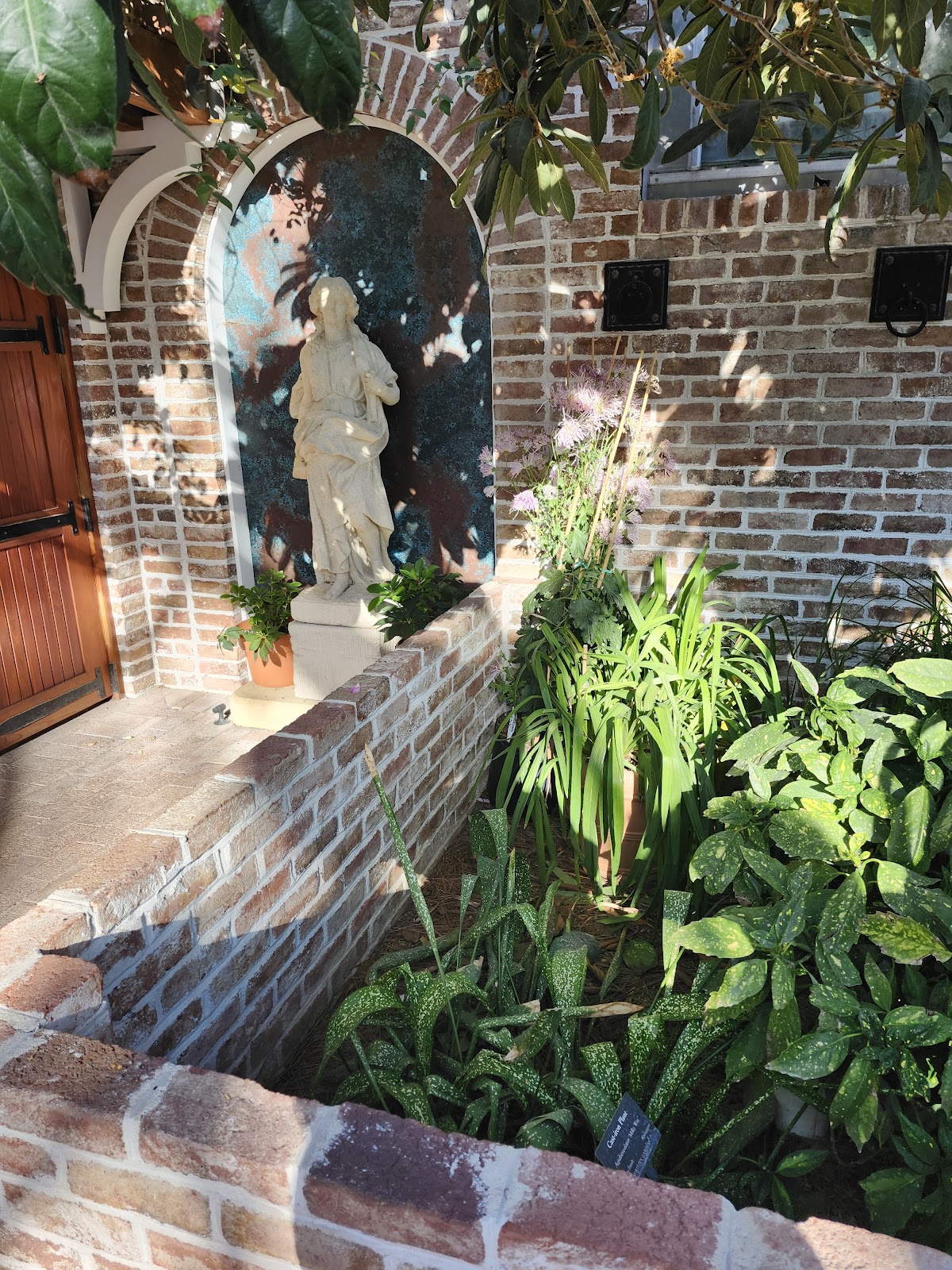
More frames from Lauritzen Gardens
Lauritzen Gardens wedding photography: common questions
What is the best season at Lauritzen Gardens?
Late September into October for the overall balance — humidity broken, comfortable temperatures, low light through most of the afternoon and warm tonality that flatters skin. Spring flowers better, but Nebraska spring weather swings hard and severe storms are a genuine feature of the season.
Why does the conservatory matter so much?
Because it makes any date workable. A glazed enclosed space is weather-proof, and glass on the sides as well as overhead means light arrives laterally rather than from above — which fills eye sockets instead of shadowing them. That is among the most flattering light available anywhere, and it is there in January.
Is a winter wedding realistic here?
Yes, as a conservatory wedding. A Nebraska January is too cold for an outdoor ceremony, but a glasshouse full of green planting is warm, bright and superbly lit in the middle of a snowbound month. Confirm the conservatory is included and ask about its capacity, since planting beds reduce the usable floor.
What should we know about summer?
The humidity. It affects comfort more than couples expect, hazes distant views, and fogs a lens moving from air conditioning into the open for ten to twenty minutes. Keep daytime portraits in woodland and mature-tree shade, and save the open formal gardens for the last ninety minutes.
When does the light run out in autumn?
Earlier than the almanac says, because woodland canopy takes it before the sun reaches the horizon. By late October, Omaha’s sunset is already early evening and usable light under trees goes sooner. Take portraits before the ceremony or straight after — not after dinner.
More Omaha venue guides
We are writing a photographer’s guide to every venue we would happily shoot in Omaha. Here are three more, plus the full index:
- The Magnolia Hotel: Working an Italian Renaissance Revival Building
- The Omaha Children’s Museum: A Photographer Answers Your Questions
- The Omaha Design Center: Who This Industrial Venue Suits
Planning a wedding at Lauritzen Gardens?
A garden with a glasshouse is a garden you can book in any month. Tell us your date and we will tell you what should be flowering, where the light will be, and whether the conservatory is doing the heavy lifting.