 The Henry Clay: Lighting a 1920s Lodge Building
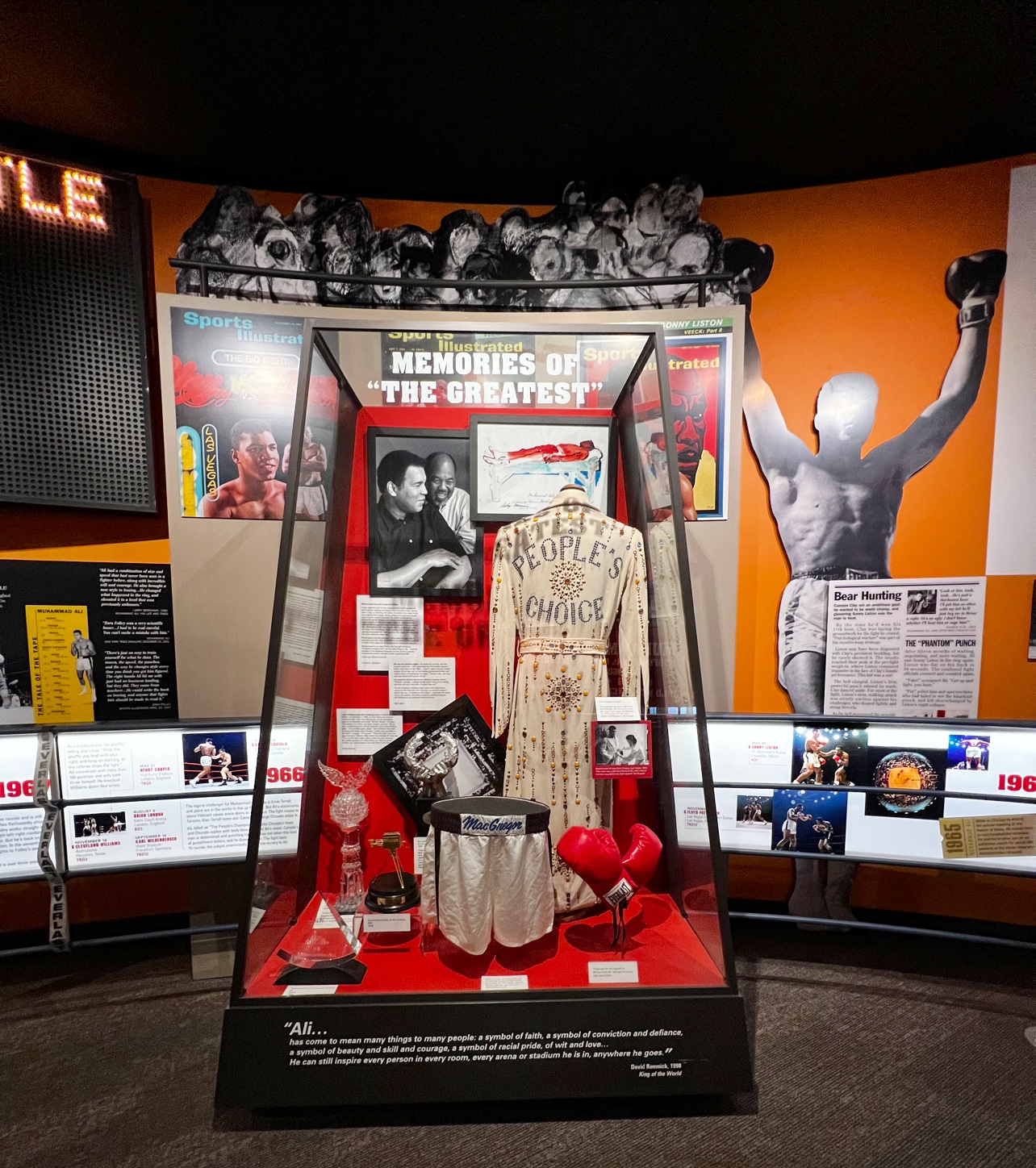
The Muhammad Ali Center, Louisville: The Light Through a Day
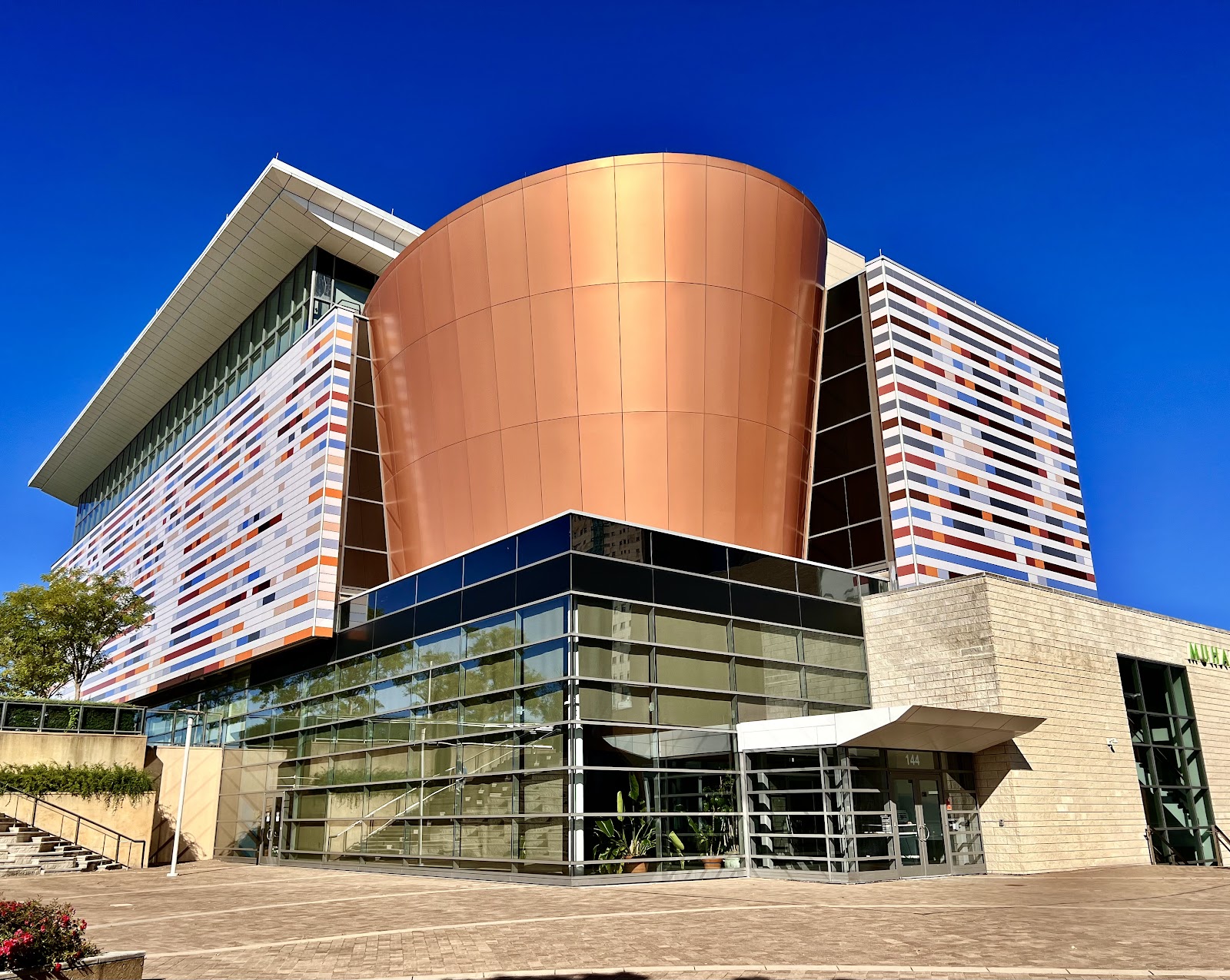
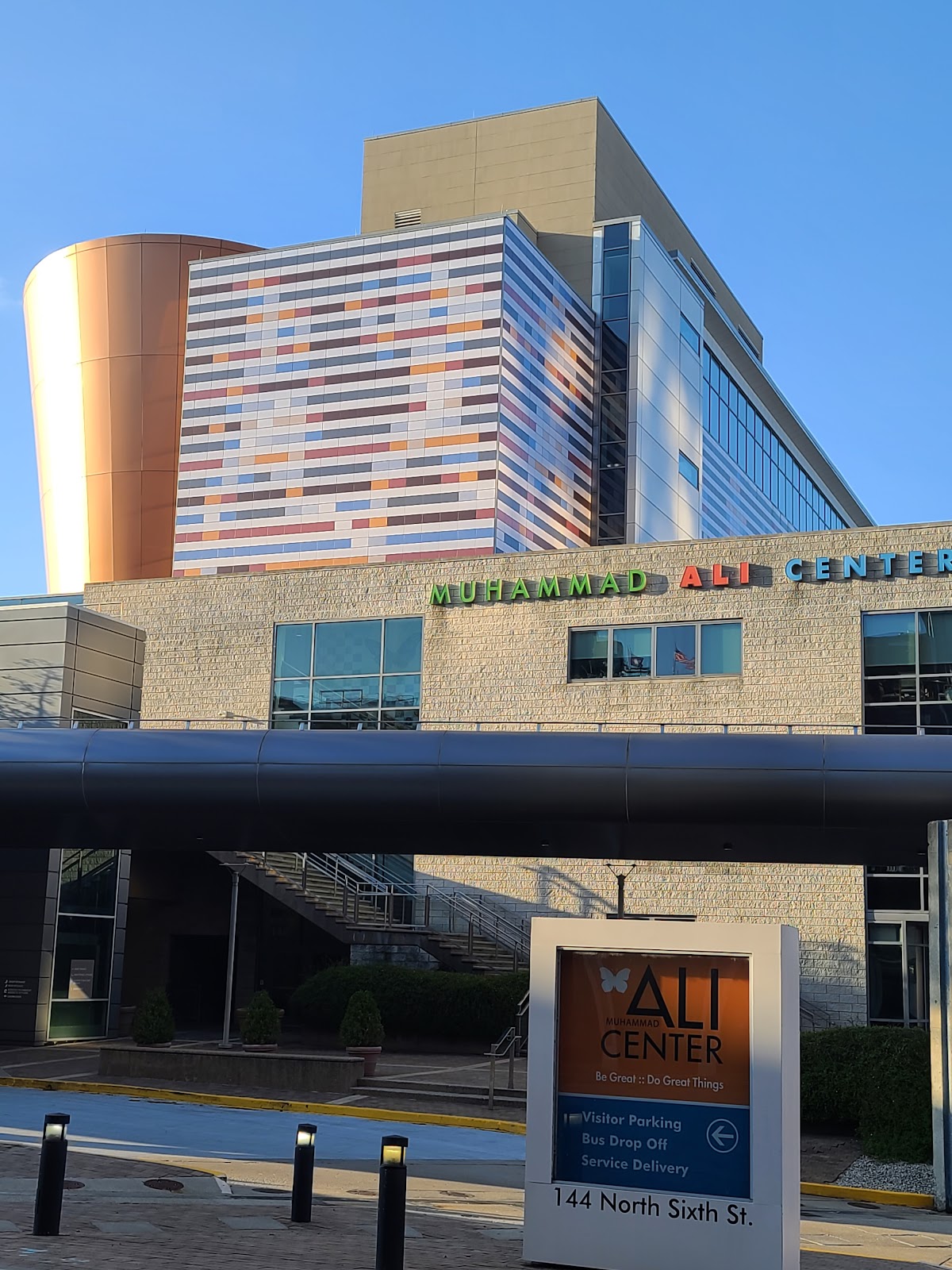
A glazed museum by a river that happens to be lit from the right side. Both facts shape the day.
A modern museum with a glazed public face near a large river gives a day with a clear shape, and one local advantage most river cities do not have.
The advantage is which bank it is on. Louisville sits on the south bank of the Ohio looking north across the water, which means the sun is behind the viewer for most of the day rather than in front of them — so the river here is frontlit for most of the day and backlit for very little of it. That is the reverse of a north-bank city, where the water is a silver band from mid-morning onwards, and it makes riverside frames unusually forgiving.
Inside, the building divides the way modern museums do: glazed public space with daylight, and sealed galleries with none, separated by a door and four stops.
So the day has three parts. The glazed side, which changes through the day and needs timing. The galleries, which do not change and can go anywhere. And the river, which has two windows that cannot be moved.
This is that day in order. We have not photographed a wedding at the Muhammad Ali Center; modern museums and river frontage behave consistently. Which spaces are included, the rules on flash and proximity to exhibits, and whether pieces may appear in published photographs are questions for their team.
The Muhammad Ali Center at a glance
| Where | Near the Ohio River, downtown Louisville, Kentucky |
| Morning | The glazed public space, and the river frontlit |
| Midday | The galleries, which are the same at every hour |
| The local gift | A south-bank city, so the river is frontlit most of the day |
| Evening | The river again, then the crossing |
Morning and midday
The morning belongs to the glazed public space and to the river, and both are at their most straightforward early.
A glazed lobby or atrium behaves like a very large window: the conditions are the shaded side or an overcast day rather than direct sun, and about three metres back from the glass so a row of people is evenly lit rather than dropping two stops across it. That figure is what makes glazing capable of lighting a group with no equipment, which is where the large formals belong.
At Louisville’s latitude, about thirty-eight degrees north, a north-facing glazed wall is shaded all year and is the most reliable — and in a city on the north-facing bank of a river, the elevation with the view is frequently also the shaded one, which is a happy coincidence rather than the usual conflict.
One check: architectural glazing is commonly coated for solar control, which shifts colour towards green or blue as a localised cast on anything near it. One test frame rather than a discovery in editing.
The river early is frontlit, which means the water has texture and colour, the far bank reads, and anyone standing at the edge is lit rather than silhouetted. That is a simpler proposition than most river cities offer and it is worth twenty minutes.
Camera height decides any water frame: low across the surface sees a mirror reflecting sky and the far bank, high looking down sees the river’s own colour. Low is nearly always the answer, and a polariser is worth carrying for the daytime frames because water in sun throws specular highlights several stops above everything else, which clip and fool a meter — coming off for the mirror frames, because it reduces reflections.
Through the middle of the day the galleries are the venue and they do not change, which is the useful part: every frame there is movable, so the running order can follow the couple rather than the sun, and nothing is lost by stepping outside later.
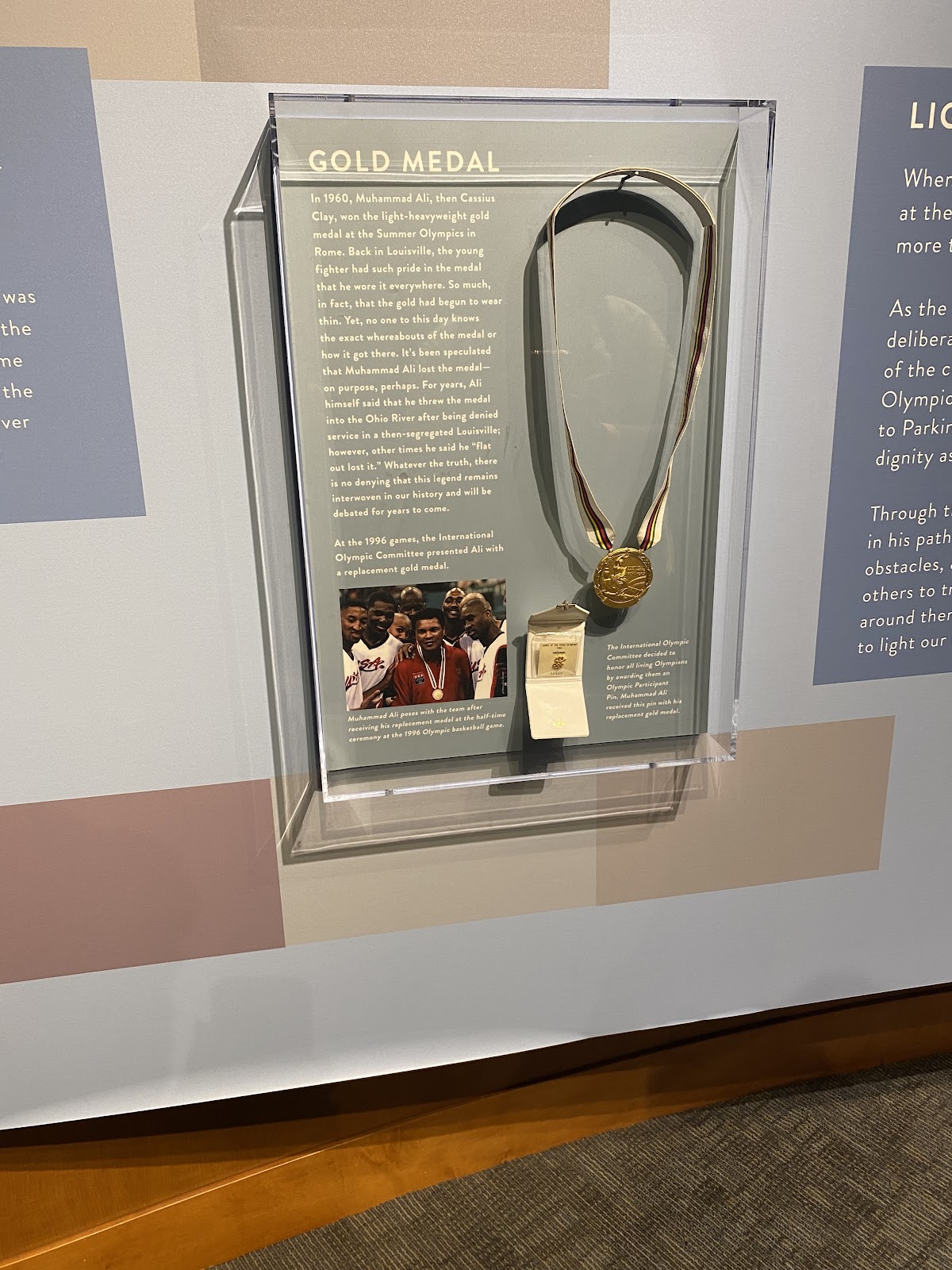
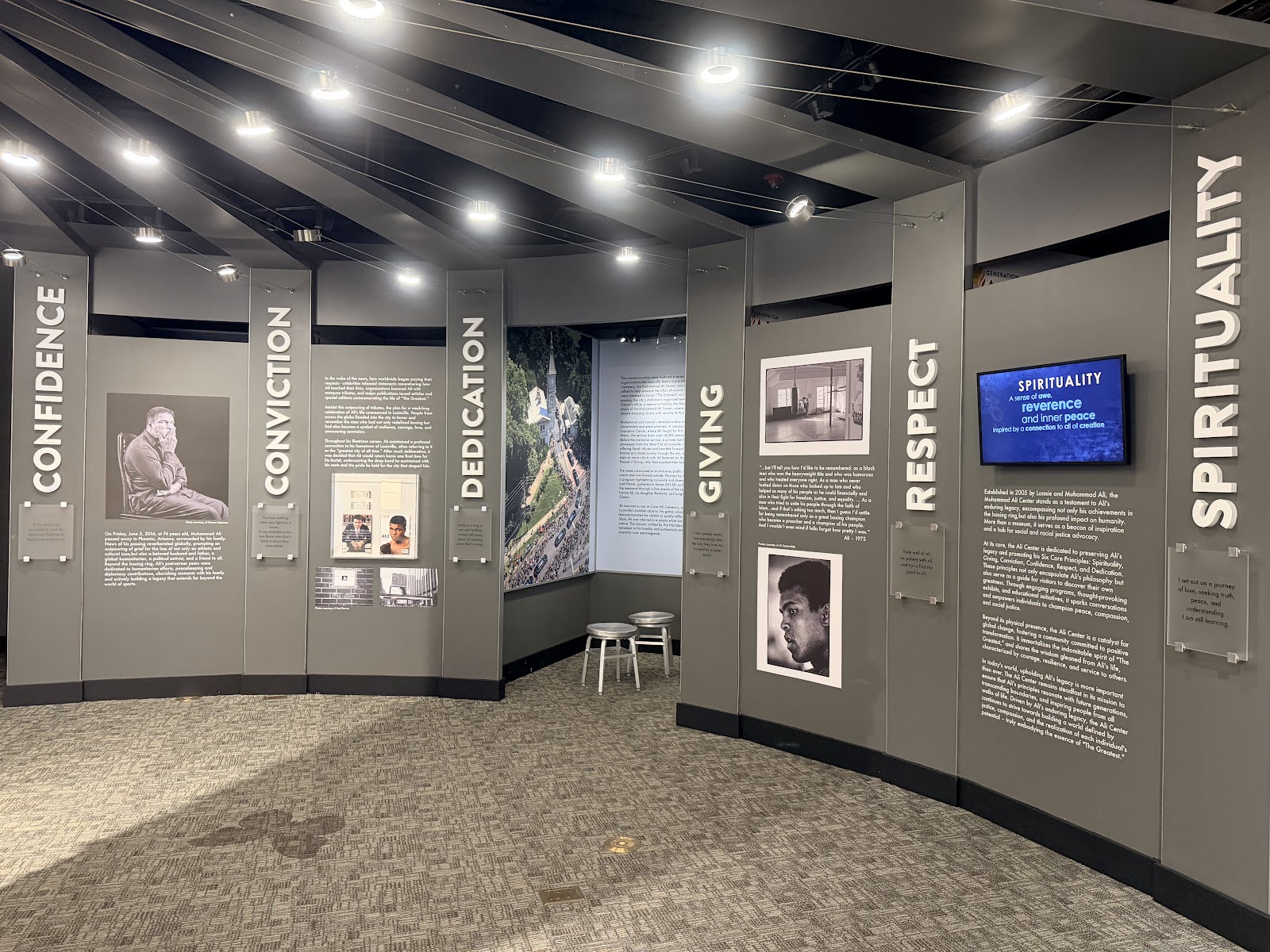
The galleries have the standard museum conditions. The ambient is well below a normal interior because fittings are low-output by design — measure it with one frame rather than estimating. The light arrives in bright pools with darkness between them, which means a subject standing between two pools is unlit while the exhibit beside them is perfectly exposed; two minutes of walking to note where the pools fall determines every position worth using.
Used deliberately those pools give the steepest fall-off any venue type offers: a subject in a directed pool with an unlit gallery behind them is separated completely with no equipment at all.
Display glass is the gallery hazard, behaving like a mirror pointed wherever the camera is. Photographing at an angle rather than square on moves the reflections out of frame, because the glass then shows what is to one side. And the rules — flash, stands, numbers, and whether particular exhibits may appear in published photographs — belong in the booking conversation rather than on the day.
Evening, and the thresholds
The threshold between the glazed side and the galleries is where the building’s best portraits are, and it is available at any hour the glazing is lit.
Standing two or three metres inside a dim gallery, facing out towards the glazed space, a subject is lit by a very large soft source with total darkness behind them. That needs nothing added, and one test frame at two, three and four metres in shows where the trade sits — watching the wall behind rather than the face, which will be fine at all three.
The practical discipline is to change configuration at the door and to cluster the schedule by space. Glazed side: low ISO, moderate aperture, daylight white balance, probably no flash. Galleries: high ISO, wide aperture, white balance to the fittings or a gel, one close source or none. Switching at the threshold rather than mid-room is what produces a coherent set.
The evening belongs to the river again and it has two windows.
The last hour of daylight is the first, and on a south bank it behaves well: low sun from the west runs along the river’s length rather than across it in most reaches, which rakes the water surface and makes the near bank and any bridges read as structure rather than as silhouette.
The crossing is the second and it is the one unmovable frame of the day: twenty-five to forty minutes after sunset, when the sky still holds colour at about the brightness of the city’s lighting, so one exposure holds couple, buildings, bridges and sky — with all of it doubled in the water, which is the version worth having.
At a glazed building that frame has a bonus: the lit interior reads through the glass, so the building itself becomes a lantern rather than a mass. The position matters — a glazed building glows most from the side with the most interior lighting behind it, which is worth establishing in daylight rather than discovering in the dark.
And since neither the galleries nor the glazed space change through the day, leaving the reception for ten minutes costs nothing at all. That is worth saying to a couple explicitly, because the request sounds larger than it is.
One practical note about riverside access: the banks of a large river are frequently managed rather than open, water levels change, and a position that exists in September may be different in spring. Worth asking rather than assuming, and worth walking in advance with formal shoes in mind.
And the transitions inside the building are worth using on the way out and back. A corridor gives depth and repetition, with a subject at the far end sitting against a background that darkens by itself; a stair gives elevation and rows of faces, wanting light from one side because overhead light on a stair shadows every eye socket at once.
- Large groups in the glazed space, three metres back from the glass
- The river is frontlit most of the day here — an unusual advantage
- Camera low at the water; polarise to see into it, remove it to see sky in it
- Work the threshold: two or three metres inside a gallery facing the glazing
- Protect the crossing; neither the galleries nor the glazing change
Outside, and the Kentucky year
Downtown Louisville has one exterior asset that is genuinely distinctive: the city holds one of the largest collections of cast-iron building fronts in the country, mostly from the second half of the nineteenth century.
Cast iron is unusually photogenic because it was cast in repeating decorative units — columns, capitals, brackets and cornices — so a facade is a rhythm of identical elements, and repetition at the right scale is a strong graphic subject. It is painted metal, which reads only under raking light: light running along a cast column lifts every flute and moulding, while light facing it flattens the front into a field of one colour.
So those are low-sun frames and they suit tight framing: a couple against two or three bays reads better than the same couple in front of a whole block, because repetition at a distance becomes texture rather than subject.
Brick is the other local material and it behaves as a warm mid-toned reflector rather than a dark absorber — a sunlit brick elevation is a genuine soft source, and a couple three or four metres out from one, facing it, is well lit for nothing, with a custom white balance set on a face because brick bounce is markedly warmer than daylight.
The seasons here are a humid transition between continental and subtropical. Summer is hot and genuinely humid, and the humidity rather than the heat is the photographic fact: moist air scatters light, which softens shadows and slightly flattens distance — good for faces and a nuisance for a long view down the river, which can haze in July in a way it does not in October.
Severe thunderstorms are a real possibility from spring through summer, which at an entirely indoor venue costs a decision rather than a picture. A storm approaching across a river valley is also visible for a long time before it arrives, which is both a warning and the most dramatic sky the location produces — and over water, with the cloud base doubled, it is the strongest weather frame available here.
The fogging problem is severe in this climate and a museum makes it worse, because the galleries are climate-controlled for the collection: a body carried straight out into July air fogs on every surface at once and does not clear quickly. A bag opened twenty minutes early is the whole fix — and at a venue whose one unmovable frame is a timed crossing, a fogged lens means missing it.
River fog is frequent on autumn and spring mornings, because a large body of water with cooler air above it produces it readily. Fog is diffusion at landscape scale: it separates the far bank and the bridges into grey layers and gives a frame no clear morning does. It burns off, so it is an early opportunity rather than something to schedule.
Autumn is the best light of the year: humidity drops, the air clears so the river view holds detail, the cover along the banks turns, and low sun arrives at a civilised hour, usually late October into November — which is also when the cast-iron frames are at their best.
Winter is mild with frost rather than sustained freeze. Frequent overcast removes the direct-sun problem from the glazing entirely, so it works whichever way it faces; a December midday sun at about thirty degrees above the horizon rakes cast iron and brick all day; and snow, when it comes, turns the ground into a reflector that brightens the glazed space further.
More frames from The Muhammad Ali Center
The Muhammad Ali Center wedding photography: common questions
What is the local advantage?
Louisville is on the south bank of the Ohio looking north, so the sun is behind the viewer for most of the day — the river is frontlit rather than a silver band.
Where do the large groups go?
The glazed public space, three metres back from the glass, which is the only place capable of lighting a group with no equipment.
What applies in the galleries?
Standard museum conditions: low ambient, light in pools with darkness between, display glass that reflects, and rules on flash, stands and numbers.
Where is the best portrait position?
Two or three metres inside a dim gallery facing out towards the glazed space — a very large soft source in front and total darkness behind.
Which frame cannot be moved?
The crossing, twenty-five to forty minutes after sunset. Neither the galleries nor the glazing change through the day, so taking it costs nothing.
What is the city's exterior asset?
One of the country’s largest collections of cast-iron fronts — repeating painted metal that reads only under raking light, best in two or three bays.
More Kentucky venue guides
We are writing a photographer’s guide to every venue we would happily shoot in Kentucky. Here are three more, plus the full index:
- The Buffalo Trace Distillery, Frankfort: A Walk Through the Site
- The Glendower Mansion, Paris: The Problem, and Four Ways Out of It
- The Kentucky Castle, Versailles: One Frame, and How It Is Made
Planning a wedding at The Muhammad Ali Center?
A forgiving river and a glazed building. Tell us your date and we will time both.