 The Henry Clay: Lighting a 1920s Lodge Building
The Mary Todd Lincoln House, Lexington: What It Suits, and What It Does Not
A small preserved house gives you a few excellent frames and refuses almost everything else.
A small preserved townhouse operated as a house museum is one of the most constrained venues there is, and being clear about that in advance is the difference between a satisfied couple and a disappointed one.
What it gives is specificity and intimacy. Period rooms at domestic scale, original windows, real furniture and genuine age produce frames that are unmistakably of a particular place and time — and nothing built since can imitate them. A handful of pictures made here are worth more than a great many made in a function room.
What it refuses is scale, movement and flexibility. The rooms are small once furnished, there is nowhere to stand back, nothing may be moved, a group of any size will not fit, and flash and stands are likely to be restricted — because original textiles, paper and painted surfaces fade and damage irreversibly.
So a house museum is a component of a day rather than a venue for one, and the day works when it is planned that way. We have not photographed a wedding at the Mary Todd Lincoln House; preserved townhouses behave consistently. Which rooms are included, the rules on flash, furniture and numbers, and whether a ceremony is possible inside are questions for their team — and those answers determine what the day can contain.
The Mary Todd Lincoln House at a glance
| Where | Lexington, Kentucky |
| Suits | Period specificity, domestic-scale window light, genuine age |
| Resists | Scale, movement, groups, and anything that needs setting up |
| The best light | Two to three metres from an original sash on the shaded side |
| Ask first | Rooms included, flash and furniture rules, numbers, ceremony feasibility |
What it suits
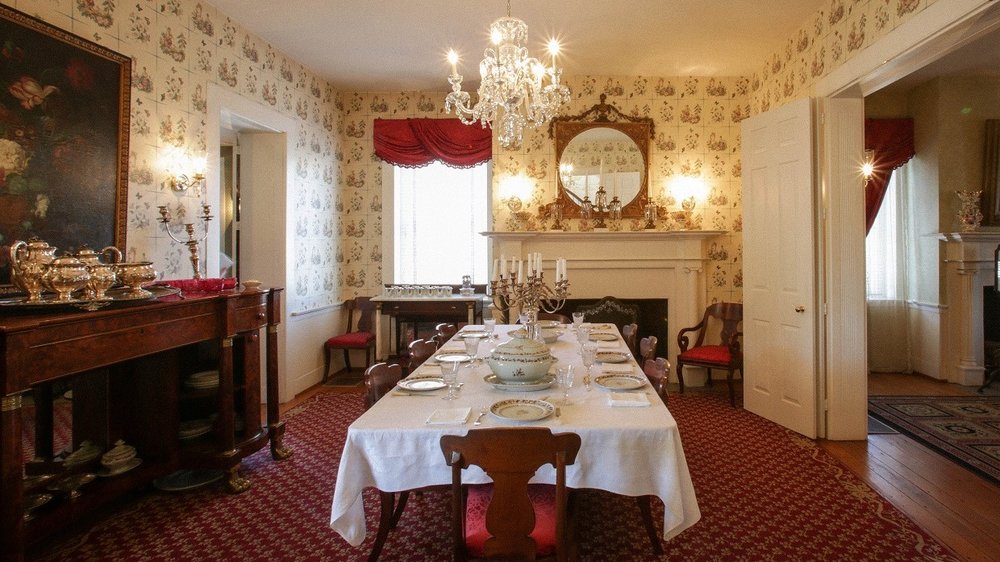
The original window is the first and best thing. A nineteenth-century sash extends close to the floor, which means the light wraps upward as well as sideways and fills under the chin — something a modern casement cannot do, and the reason a portrait beside an old window looks better than the same portrait beside a new one.
Two to three metres back is the working distance: at half a metre the fall-off across two faces darkens the far one; at two or three it is directional and even across both. Every overhead and lamp fitting should be switched off, because a room lit by both daylight and warm lamps puts two colour temperatures on the same face — and in a small room that mixture lands where it is most obvious.
The shaded side is the requirement, and at this latitude — about thirty-eight degrees north — a north-facing room is shaded all year and is the most reliable, while a south-facing one is a high source in summer and a low directional one through a winter afternoon.
Original glass is worth noticing rather than merely using: period glazing is frequently slightly uneven, which diffuses very gently and adds a quality a modern pane does not. And where there are interior shutters or blinds, they are a lighting instrument — partly closed they turn a window into a slotted source, which is a strong effect to commit to or avoid rather than half-do.
Domestic scale suits the lighting itself, which is the thing photographers arriving from grand venues underestimate. Walls close enough to bounce fill the shadow side without any reflector; a ceiling under three metres is a very large softbox when a flash is aimed at it; and a small modifier at a metre and a half is a large soft source relative to a face. One test frame confirms the bounce, and the caveat is that a dark-painted ceiling absorbs.
Enfilade suits depth. Where small rooms open into one another, a subject photographed from the next room has two or three planes behind them and the far room darkens by itself — separation with no equipment, and a frame that reads as a house rather than as a wall.
Genuine age suits texture. Worn timber, original plaster, period hardware, uneven floors and old paint all read only under raking light — light running along them lifts every irregularity, while light facing them flattens everything. The positions where the window light already grazes a wall are the ones worth finding on arrival, and in a house with tall windows there are usually several.
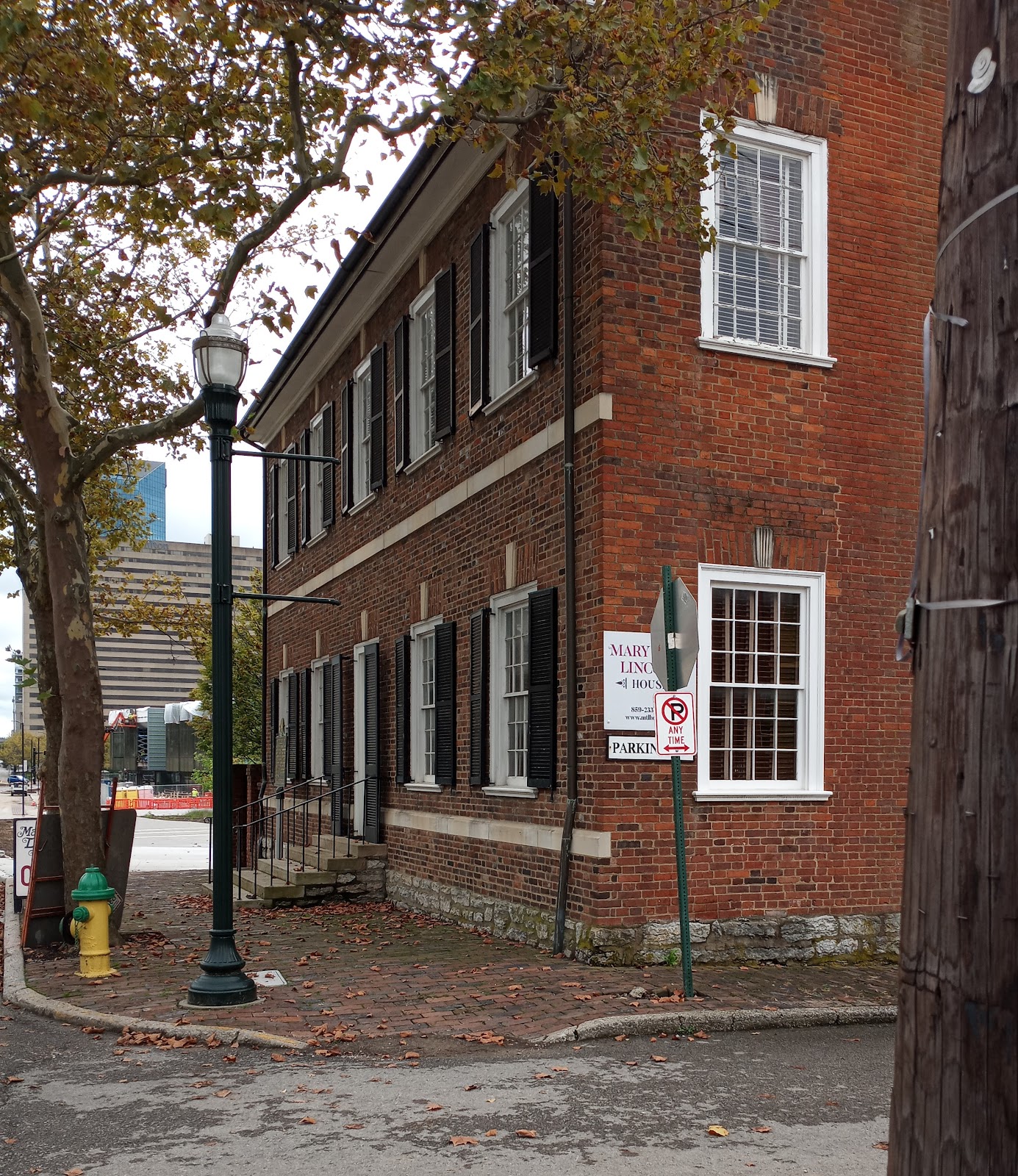
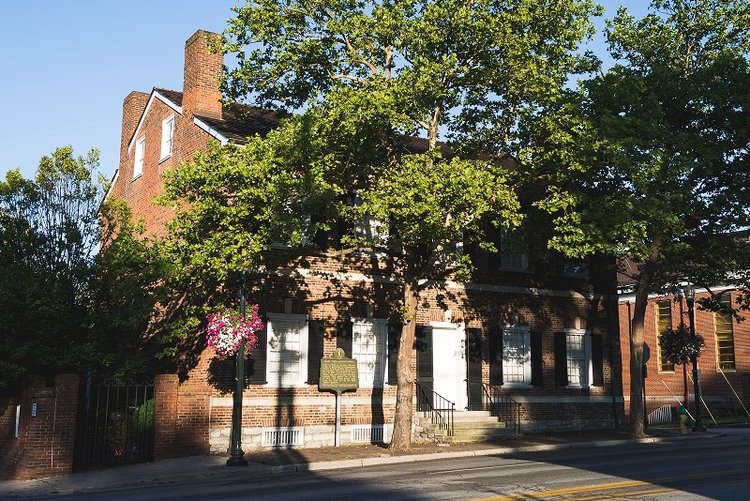
And the exterior suits one frame whole, because a townhouse in a mid-sized city sits on a street wide enough to stand back in — which a comparable house in a large city does not.
What it does not suit
Scale is the first refusal and it is absolute. A small furnished townhouse has no room in which to arrange a group, no long sightlines, and nowhere for a photographer to stand well back — which means a formal of any size happens outdoors or somewhere else entirely, and a wide interior frame is simply unavailable.
The answer to the distance problem, within what is available, is the doorway. Standing in one gains two or three metres at no cost, which is the difference between a wide lens distorting a face at two metres and a moderate lens at four — and it frames the subject, with the doorway darkening the edges.
Movement is the second. Small rooms with original floors and furniture in every sightline mean a photographer cannot move freely, and a wedding party cannot spread out. The practical consequence is the same as at a small chapel: establish one or two positions per room in advance, choose a lens that covers both a wide and a tighter frame from there, and accept that repositioning is limited.
Legibility is the third. Nothing in a small room can be hidden behind scale, so a cable, a bag, a coat or a modern object is fully visible in a frame — and none of it removable afterwards without visible repair. The habit that works is to look at the four edges of the frame before the exposure rather than at the centre, because the centre is where attention already is. In a period house that includes anything anachronistic, which is easy to miss and impossible to ignore later.
The rules are the fourth and they shape the day more than any technique. A preserved interior contains original textiles, paper, painted surfaces and finishes that fade or damage irreversibly, so expect restrictions on flash, on where stands may be placed, on whether anything may be moved, on food and drink, and on how many people may be in a room at once.
Those are the terms of using the building rather than obstacles to negotiate, and they belong in the booking conversation. The working assumption that follows is: no stands, nothing moved, a source in a hand or on a bracket, one or two people per room rather than a group, and everything that needs space happening outdoors.
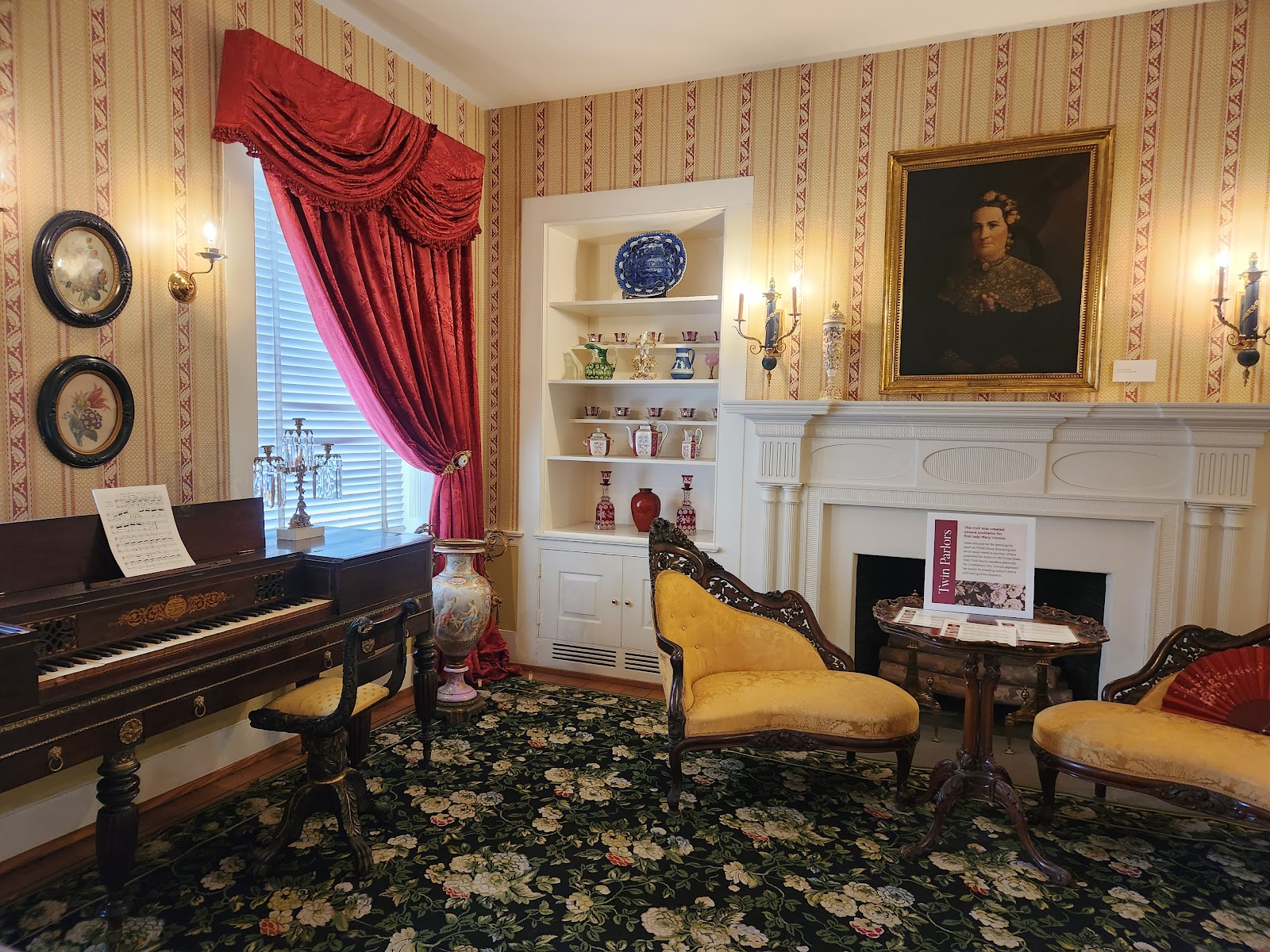
Low ambient is the fifth and it should be measured rather than estimated, because eyes adapt and meters do not. Timber, deep paint, heavy drapery and dense upholstery put a room a stop or two below a pale one with identical fittings, and past four metres from a window a furnished period room has absorbed almost everything.
And warm bounce is the colour problem that cannot be fixed afterwards. Timber, brass and warm paint reflect strongly warm onto the shadow side of a face from several directions at once, localised and bounced, so global white balance cannot separate it from the subject. One warm-gelled source with white balance set to the gel is the method — assuming flash is permitted at all — and a global correction turns skin grey and the timber the colour of ash.
- Two to three metres from an original sash, fittings off, shaded side
- Work from doorways; two or three metres gained at no cost
- Look at the four edges before exposing — including for anything anachronistic
- Assume no stands, nothing moved, and one or two people per room
- Everything that needs space happens outdoors or elsewhere
Outside, and the Kentucky year
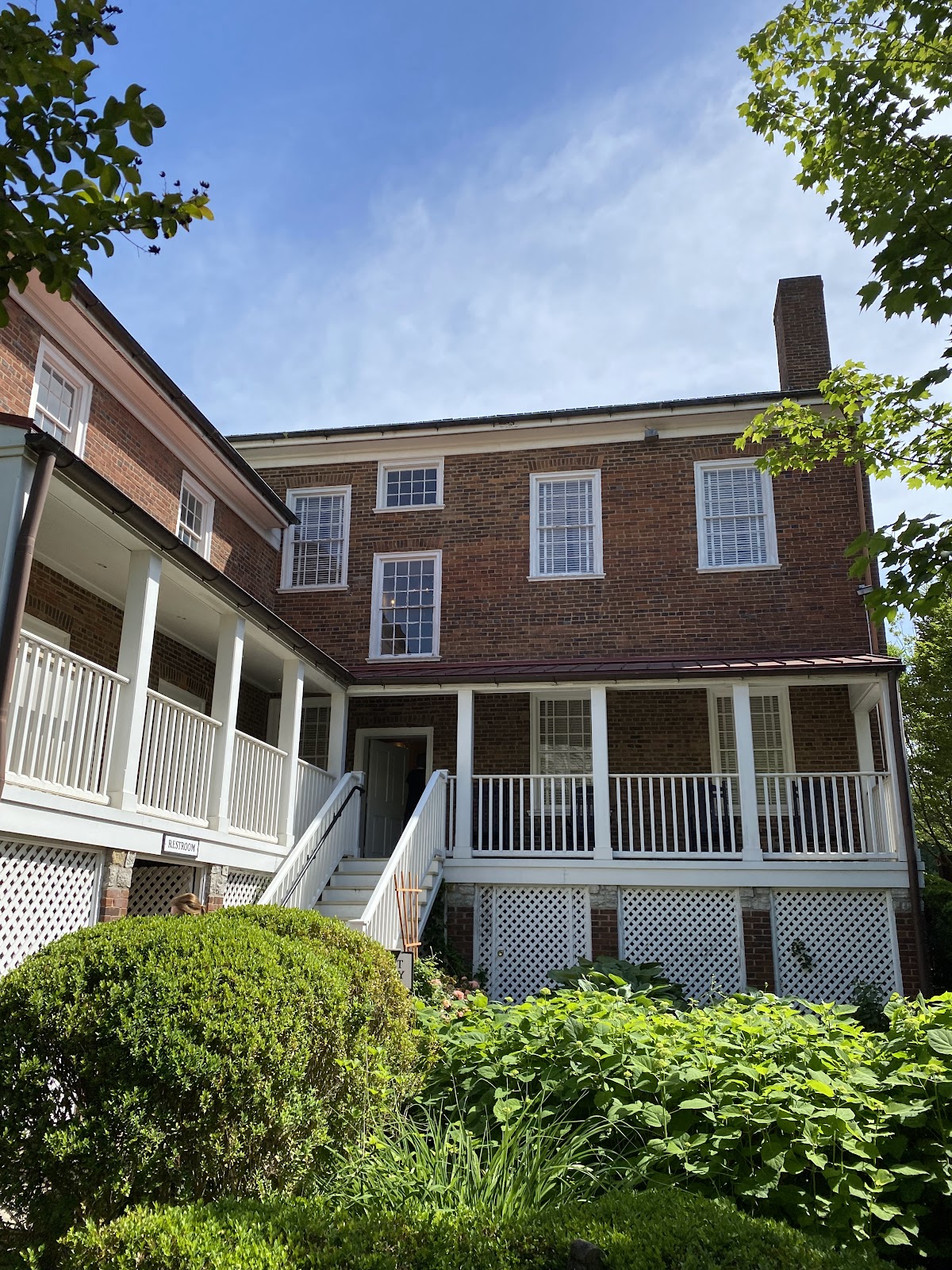
Outside, a townhouse in a mid-sized city has room to stand back, which means the building can be photographed whole — and the detail frames are worth more: brick, stone dressings, original joinery and period hardware all read only under raking light, so a walk to find the skimmed elevation is worth more than any accessory.
Brick is the local material alongside limestone and both behave as reflectors rather than dark absorbers. A sunlit brick or limestone elevation is a genuine soft source — a couple three or four metres out from one, facing it, is well lit for nothing, with a custom white balance set on a face because both bounces are markedly warmer than daylight.
Any garden or yard the house has is the outdoor venue, and the rule there is the familiar absolute one: full shade under a dense crown is excellent, while dappled light through a thin one puts bright patches and deep shadow on the same face at a ratio nothing holds. A mature tree in a townhouse garden is the best position available; ornamental planting is not.
Beyond the city this is the Bluegrass, and it is worth a short trip if the schedule allows: rolling pasture with plank fencing and mature specimen trees standing alone in open ground. Those old crowns give genuinely full shade over an area a group can stand in, which is the answer to the scale problem the house creates — the formals that will not fit indoors will fit under one of those.
The timed frame is the crossing: twenty-five to forty minutes after sunset, when the sky still holds colour at about the brightness of the building’s own lighting and its lit windows read from the street, so one exposure holds couple, house and sky. For a period townhouse with warm lit windows against a deep sky that is the strongest exterior frame available — and since the interior does not change through the day, taking ten minutes for it costs nothing.
The seasons here are a humid transition between continental and subtropical. Summer is hot and genuinely humid, and the humidity rather than the heat is the photographic fact: moist air scatters light, which softens shadows. The fogging problem is severe and a house museum makes it worse, because a historic interior is frequently climate-controlled for its contents — a body carried straight out into July air fogs on every surface at once and does not clear quickly, so a bag opened twenty minutes early is the whole fix.
Severe thunderstorms are a real possibility from spring through summer, which at a venue with interiors costs a decision rather than a picture — though the interiors are small, so a rain plan for people rather than for pictures is the real requirement.
Autumn is the best exterior light of the year: humidity drops, the air clears, low sun arrives at a civilised hour, and the colour in this rolling country usually peaks from late October into early November.
Winter is mild with frost rather than sustained freeze, and it is quietly the best season for this building. The December midday sun at about thirty degrees above the horizon comes into tall period windows at a low angle rather than from overhead, which means the interior light is directional and usable through the whole short day instead of for two hours at each end — and in a house whose central problem is small dark rooms, that is a substantial gain rather than a marginal one.
More frames from The Mary Todd Lincoln House
The Mary Todd Lincoln House wedding photography: common questions
What does a preserved townhouse do best?
Period specificity at domestic scale — original windows, real furniture and genuine age produce frames nothing built since can imitate.
What does it refuse?
Scale, movement and flexibility. A group will not fit, there is nowhere to stand back, and nothing may be moved.
Where should the camera stand?
In the doorway. It gains two or three metres at no cost and lets you shoot through rooms, which gives depth and reads as a house.
What rules should be expected?
Restrictions on flash, stands, moving anything, and numbers per room — protecting contents that fade irreversibly. They belong in the booking conversation.
What has to be watched in a small room?
The four edges of the frame, including anything anachronistic. Nothing in a small room can be hidden behind scale.
When is the house at its best?
Winter. A December sun at about thirty degrees comes into tall period windows at an angle all day, so the small rooms are usable throughout the short day.
More Kentucky venue guides
We are writing a photographer’s guide to every venue we would happily shoot in Kentucky. Here are three more, plus the full index:
- The Muhammad Ali Center, Louisville: The Light Through a Day
- The Buffalo Trace Distillery, Frankfort: A Walk Through the Site
- The Glendower Mansion, Paris: The Problem, and Four Ways Out of It
Planning a wedding at The Mary Todd Lincoln House?
A few excellent frames, honestly planned. Tell us your date.