 The Museum of Indian Arts and Culture: Building the Shot List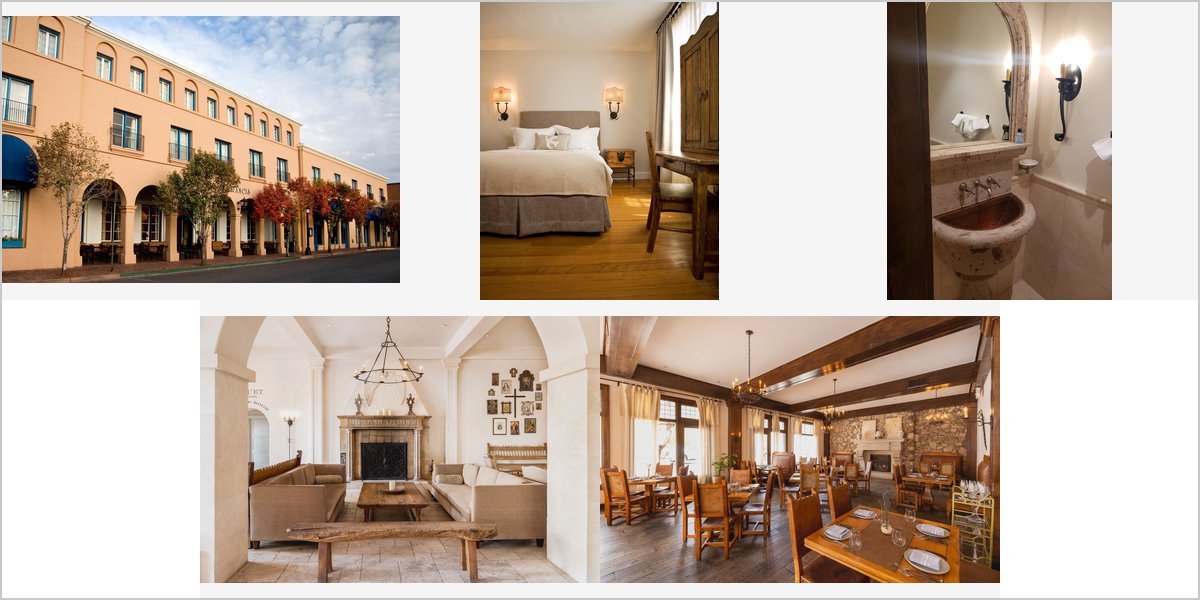
July 8, 2026
The Hotel St. Francis: A Walk-Through of Santa Fe’s Oldest Hotel
A tall lobby lit largely by candles, and a shaded portal onto the street. Two very different kinds of light, both of them unusual.
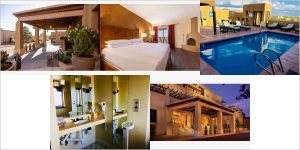
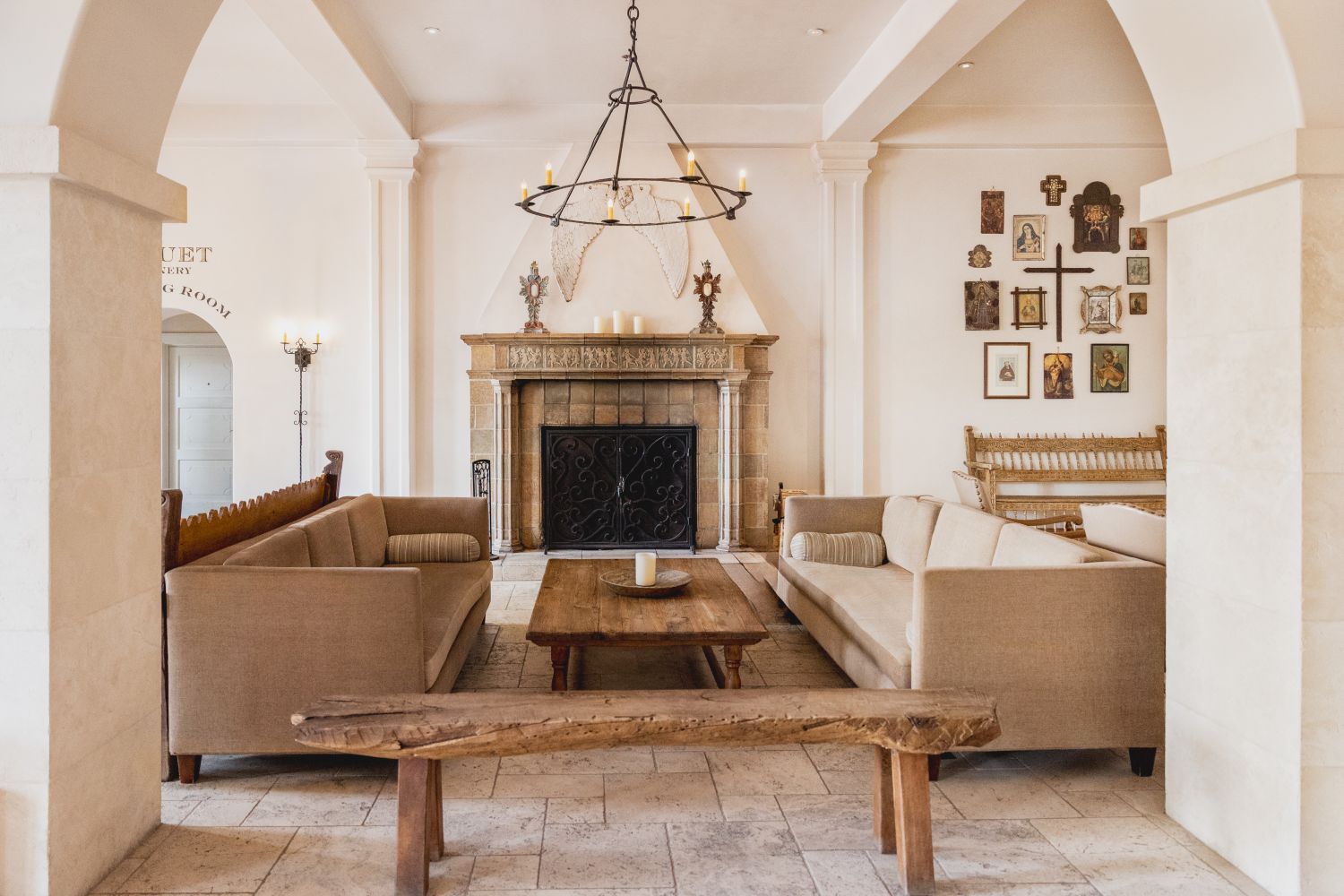
The Hotel St. Francis stands a block from the Santa Fe Plaza and describes itself as the city’s oldest hotel, the present building dating from 1923 after an earlier structure burned. Its lobby is unusually lofty for Santa Fe — a tall, austere, high-ceilinged room, finished simply and lit heavily by candles — and a portal runs along the street frontage.
Photographically the lobby is the interesting thing, and it is interesting because it breaks the local pattern. Santa Fe interiors are typically low, thick-walled, warm and dense. This one is tall, spare and monastic in feel, with height instead of enclosure. That difference is worth using, because it gives you a frame no other hotel in the city offers.
This is a walk-through in shooting order. We have not photographed a wedding at the Hotel St. Francis; candlelight and tall spare interiors behave predictably. Which spaces your booking includes and portal access are for their events team.
Hotel St. Francis at a glance
| Where | Don Gaspar Avenue, a block from the Santa Fe Plaza |
| Building | Present structure 1923; described as Santa Fe’s oldest hotel |
| Character | Tall spare lobby with a monastic feel, lit heavily by candles; a street portal |
| Light | Candlelight indoors — very warm, very dim; architectural shade under the portal |
| Ask first | Portal access, and which spaces your booking includes |
The lobby: height, austerity and a great deal of candlelight
A tall spare room is a gift for composition and a problem for exposure. The gift is verticality — you can include the ceiling, place people small in a large volume, and use the room’s austerity as a clean background, which is rare in Santa Fe where interiors tend to be dense and detailed.
The problem is that candlelight is around 1900 Kelvin and very dim. A room lit substantially by candles looks wonderful to the eye and gives a camera almost nothing: you will be wide open, at high ISO, with a shutter too slow for moving people. And because the ceiling is high, there is nothing close overhead to bounce off.
The method is to supplement rather than replace. One small light source, heavily gelled to match the candle colour and dialled right down, lifts faces enough to be usable while the candles remain the evident source. The aim is a photograph that looks candlelit, not one that looks lit — and two-thirds of that effect comes from keeping your own output very low.
Expose so the flames read as bright points rather than blown shapes, and let the height of the room fall away into darkness. A candlelit space photographed evenly bright loses the pooling and the austerity that make it worth being in.
The portal: architectural shade onto the street
A portal — the covered walkway along a Santa Fe frontage — is one of the most useful pieces of architecture a photographer can be given. It has a roof, which blocks the overhead light that shadows eye sockets, and it is open on the street side, which admits broad daylight at head height. That is a natural softbox with a built-in top gobo.
At 7,000 feet, where open sun produces contrast no sensor holds, that combination is genuinely valuable. Under a portal you get soft directional light on faces in the middle of the day, which is exactly when nowhere else outdoors is workable.
Place people a metre inside the portal’s edge, facing outward toward the open side. The adobe and timber will add a little warmth to the bounce, and the street beyond falls off into brightness, which separates your subjects cleanly. It is the best portrait light on the property and it costs nothing.
Guest rooms and the event spaces
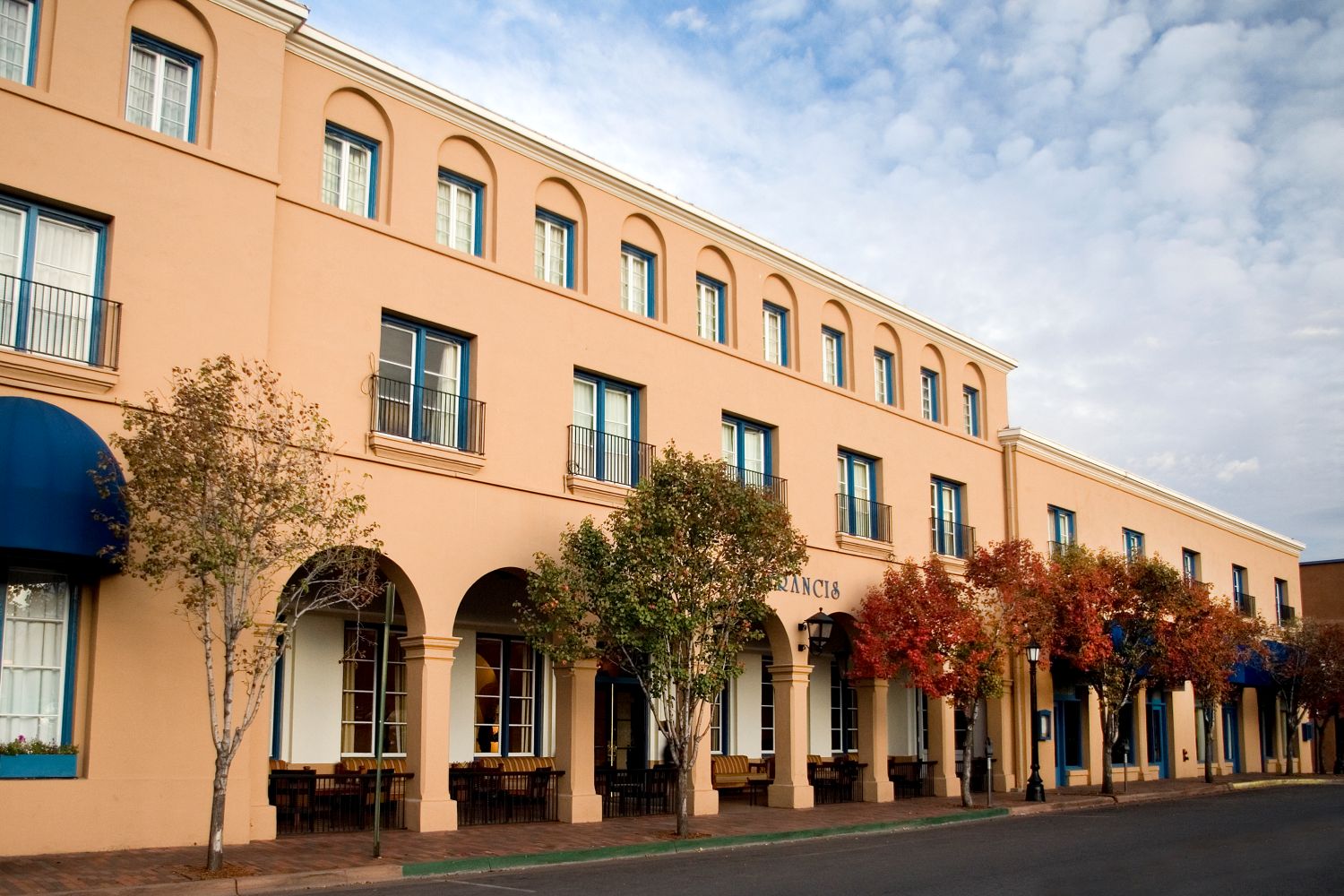
Guest rooms hold the conventional daylight, and in a thick-walled Santa Fe building the deep window reveals do what they do everywhere: shape the entering light and make it fall off fast, giving contained directional illumination with no equipment. Place someone a metre inside the reveal, artificial lights off, and that is the preparation coverage solved.
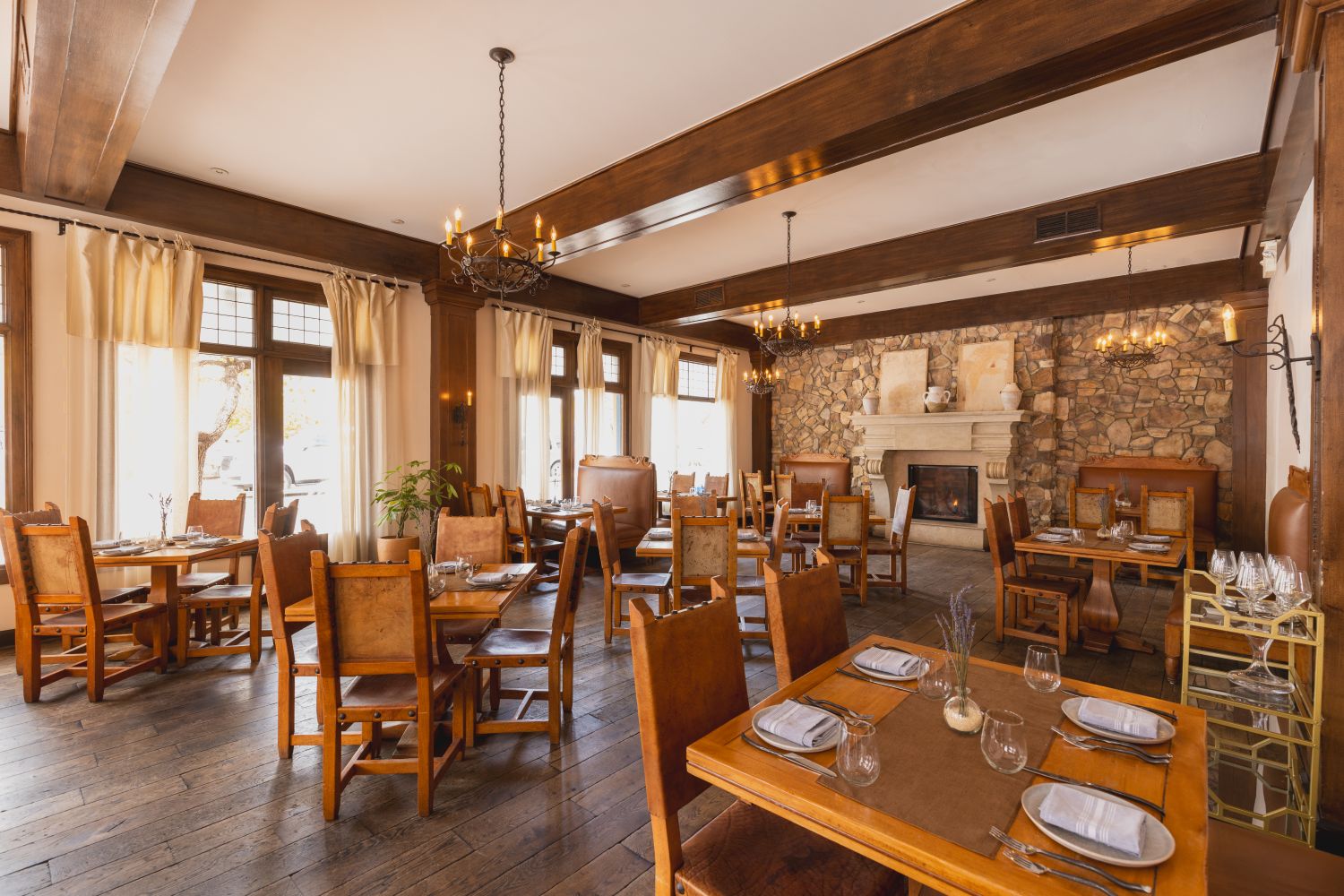
The event and dining spaces will follow the hotel’s general character — warm, relatively dark, simply finished. The good news is that they are modest in scale rather than cavernous, so a bounced flash or one small gelled light on a stand is genuinely sufficient. This is a gentle lighting problem rather than a ballroom-scale one.
As everywhere in this city, keep the room warm in white balance and light faces slightly cooler, because adobe, timber and candlelight together leave skin with no cool component and it reads as artificial.
A block to the Plaza, and the timeline
The location is the practical advantage. A block from the Plaza means the whole historic centre is within two or three minutes — adobe walls, carved doors, portals, the Plaza itself — and that is where the full-length portraits, the groups and the golden hour belong.
The best exterior window is the last hour of daylight, when low sun rakes along adobe and brings out its texture and colour. Then the twenty minutes after sunset, which at this altitude is more intense and longer-lasting than at sea level, with the Sangre de Cristos to the east frequently catching alpenglow while the western sky is still bright.
For the order of the day: preparation in a guest room’s deep reveal; portrait frames under the portal at almost any hour, including midday; the Plaza and downtown adobe in the last hour; the eastward alpenglow and the dusk sky; and the candlelit lobby for the evening, lit very gently.
One scheduling note: a block from the Plaza means you can go out twice. Very few venues let a photographer reconsider the light, and at this one the whole historic centre is close enough that a second attempt costs five minutes.
What works in your favour
- An unusually tall spare lobby — verticality and clean austerity, rare in Santa Fe
- Heavy candlelight gives genuine atmosphere no styling can reproduce
- A street portal acts as a natural softbox with a top gobo, usable even at midday
- Deep window reveals in guest rooms give contained directional daylight for free
- A block from the Plaza, so the best light in the region is two minutes away and can be revisited
What to plan around
- Candlelight is around 1900K and very dim; unusable without a carefully gelled fill
- A high lobby ceiling means nothing close to bounce off
- Warm adobe, timber and candlelight leave skin with no cool component
- Simply finished interiors offer less decorative detail than the city’s craft-led hotels
- Portal access and space inclusions should be confirmed
More frames from Hotel St. Francis
Hotel St. Francis wedding photography: common questions
What is unusual about the lobby?
Its height and austerity. Santa Fe interiors are typically low, thick-walled and dense; this one is tall, spare and almost monastic, with height instead of enclosure. That gives you verticality and a clean background — a frame no other hotel in the city offers — at the cost of having nothing close overhead to bounce light off.
How do you photograph by candlelight?
Supplement it, never replace it. Candlelight is around 1900 Kelvin and very dim, so one small source gelled to match and dialled right down lifts faces enough to be usable while the candles stay the evident source. Expose so the flames read as points rather than blown shapes and let the room fall away.
What is a portal and why does it matter?
The covered walkway along a Santa Fe frontage. It has a roof that blocks the overhead light shadowing eye sockets, and it is open on the street side admitting broad daylight at head height — a natural softbox with a built-in top gobo. At 7,000 feet that makes it usable even at midday, when nothing else outdoors is.
Where do the getting-ready photographs happen?
In a guest room, a metre inside a deep window reveal with all artificial lights off. Thick Santa Fe walls shape the entering light and make it fall off fast, which gives contained directional illumination without any equipment at all.
Does being a block from the Plaza matter?
More than couples expect, because it means you can go out twice. Very few venues let a photographer reconsider the light, and here a second attempt at the Plaza or a downtown street costs about five minutes. That flexibility quietly improves a gallery more than any single location does.
More Santa Fe venue guides
We are writing a photographer’s guide to every venue we would happily shoot in Santa Fe. Here are three more, plus the full index:
- The Inn and Spa at Loretto: A Walk-Through of a Pueblo Revival Inn
- La Fonda on the Plaza: Reading High-Desert Light at 7,000 Feet
- The Lensic: Lighting a 1931 Moorish-Spanish Theatre
Planning a wedding at Hotel St. Francis?
A candlelit lobby and a street portal are two unusual light sources in one building. Tell us your date and we will plan the gentle lighting the lobby needs and the Plaza walk that does the rest.