 The Audubon Aquarium: Field Notes on Photographing Through Glass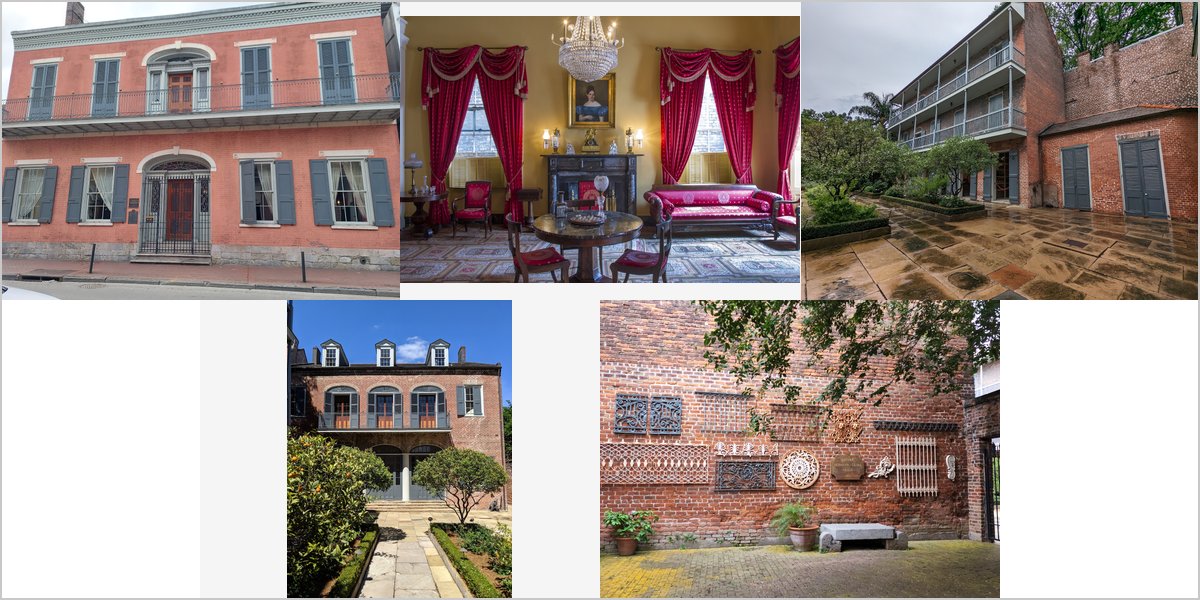
May 3, 2026
The Hermann-Grima House: Who This French Quarter Courtyard Suits
An 1831 townhouse with a walled courtyard in the French Quarter. The courtyard is the reason, and the scale is the limit.
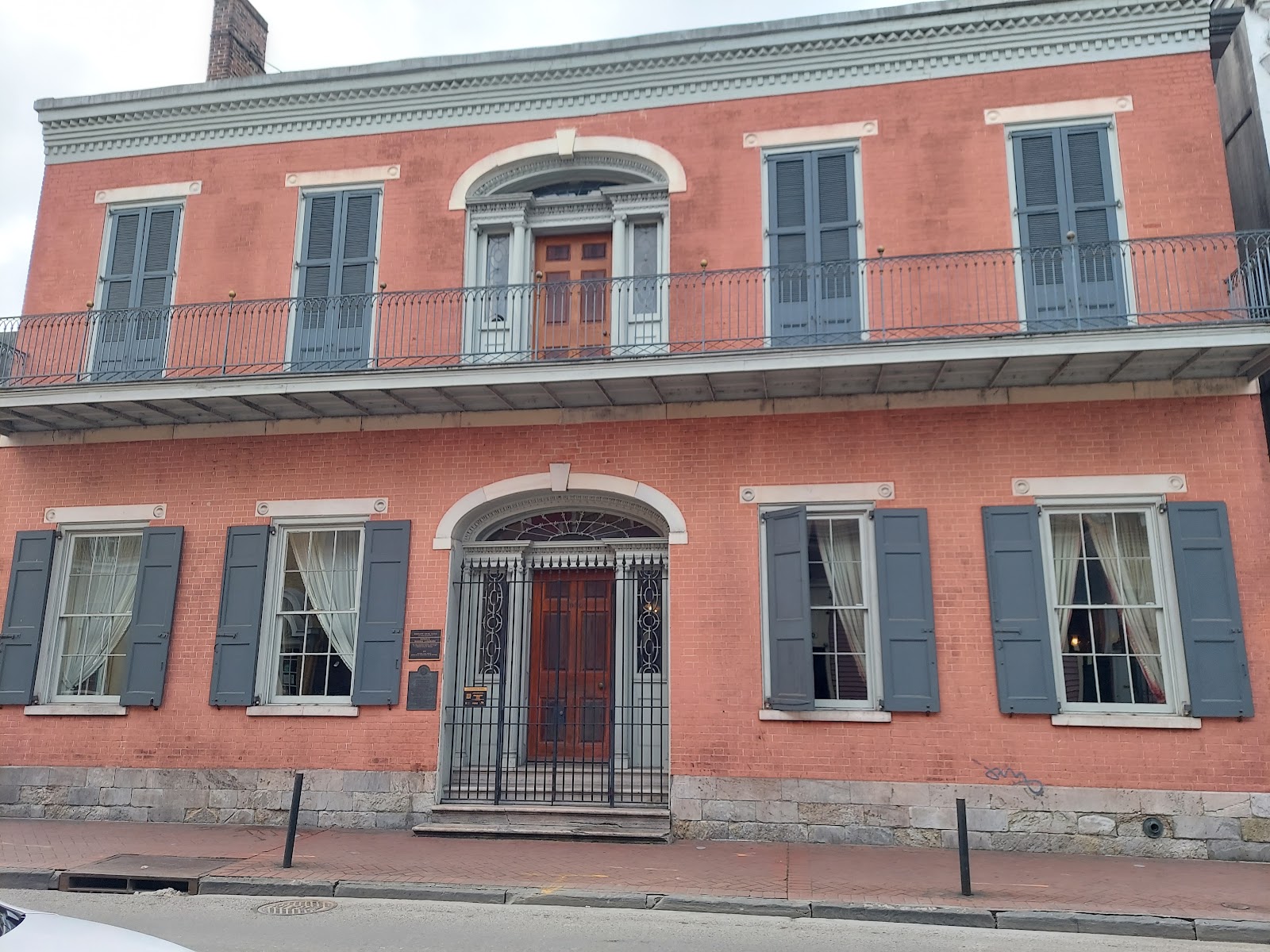
The Hermann-Grima House was built in 1831 on St Louis Street in the French Quarter, an American-style townhouse unusual in a district of Creole architecture, with a walled courtyard and surviving outbuildings including an original kitchen and stable. It operates as a house museum.
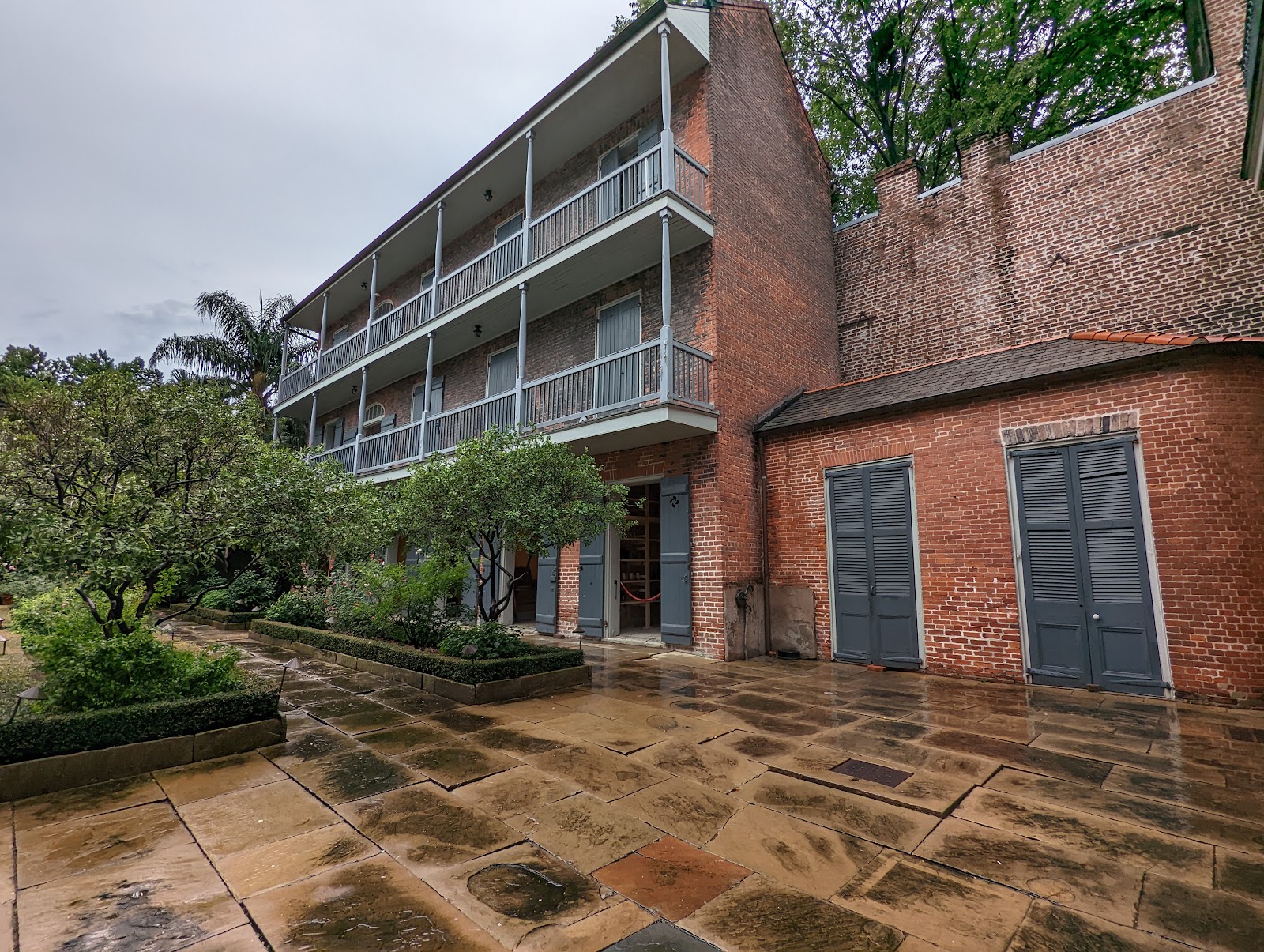
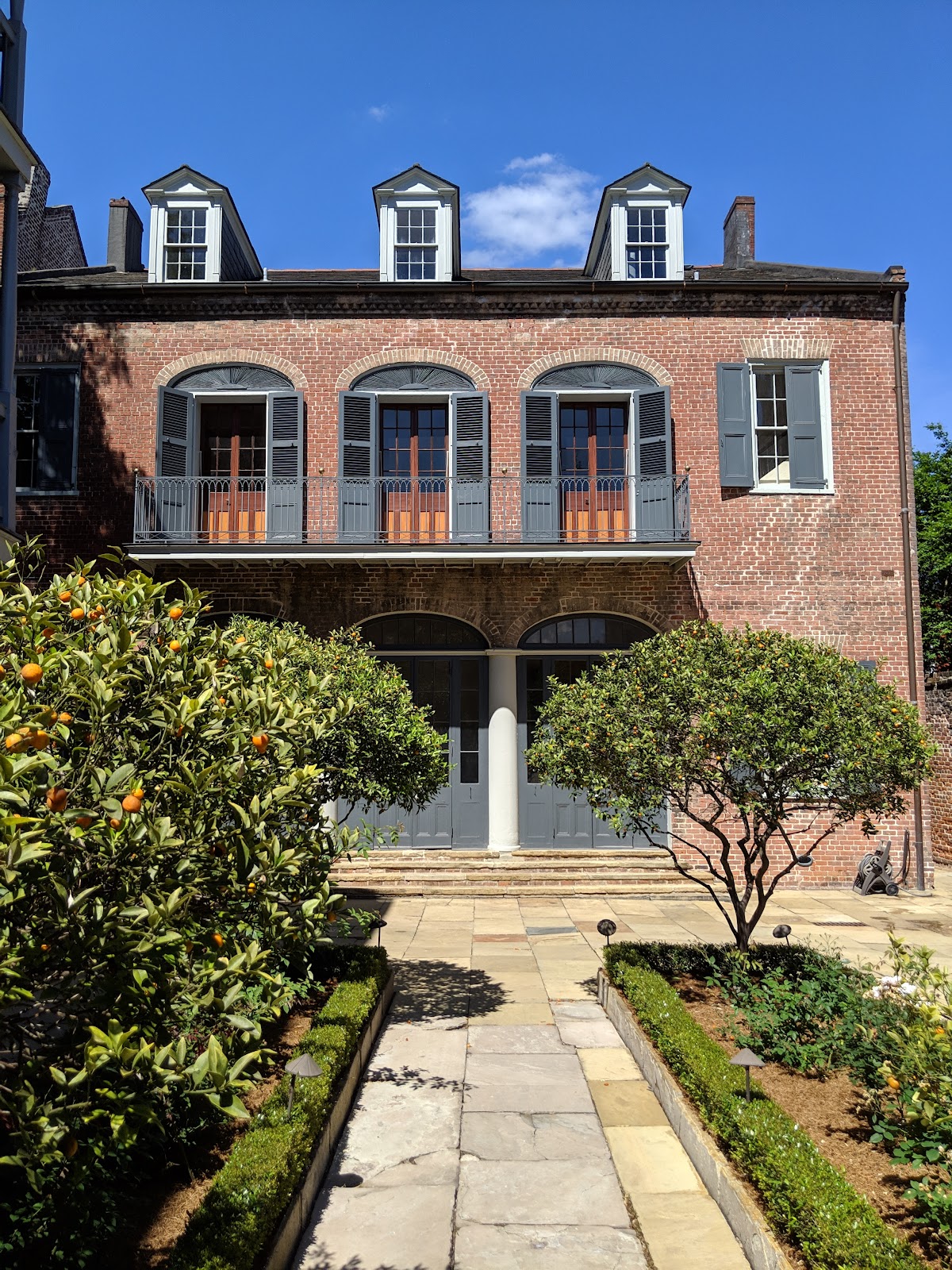
Photographically the courtyard is why this venue exists. A walled French Quarter courtyard is one of the best photographic environments in the American South and the reason is structural: walls on all sides block wind, guarantee privacy, and bounce light inward to fill shadows, while the enclosure keeps the space in open shade for much of the day. In a city with New Orleans’s heat, humidity and afternoon storms, a sheltered outdoor room is worth more than any view.
So this is a fit assessment. We have not photographed a wedding at the Hermann-Grima House; French Quarter courtyards and 1830s interiors behave predictably. Capacity, which spaces are included and the conservation rules are for their team, and at an 1831 house museum expect them to be firm.
Hermann-Grima House at a glance
| Where | St Louis Street, French Quarter, New Orleans, Louisiana |
| Built | 1831, American-style townhouse — unusual in a Creole district |
| Character | Walled courtyard with original kitchen and stable outbuildings |
| Light | Courtyard open shade with warm brick bounce; interiors dark and warm |
| Assume | Conservation rules and limited capacity in an 1831 house museum |
Why a French Quarter courtyard is such good light
Four reasons and all of them matter in this climate. The walls block wind, which matters for veils and for anything on a stand. They give complete privacy in a district where the streets are crowded. They bounce light inward from the sides, filling shadows under brows from directions no reflector would reach. And the enclosure keeps the space in open shade for much of the day, which is the most forgiving light there is.
Add the local materials — brick, stucco, ironwork, banana and palm planting — and you get warm bounce with real character rather than neutral fill. Brick and stucco in particular return a soft warm light that is flattering on skin, which is the opposite of the cool grey bounce a concrete courtyard would give.
The practical upshot is that a courtyard here works at almost any hour, including the middle of the day when the French Quarter streets are unusable. That makes it the stable part of the schedule, and it is the single strongest argument for a venue like this in New Orleans.
The trade is that low golden-hour sun will not reach a courtyard floor. Warm raking light happens on the streets outside, so plan a short block there rather than waiting for it.
Who this venue suits
Four kinds of couple.
- Small weddings — realistically twenty to sixty. An 1831 townhouse with a courtyard cannot take more comfortably, and the conservation requirements will cap it regardless.
- Couples who want the French Quarter without the crowds. A walled courtyard gives you the district’s character in complete privacy, which the streets cannot.
- Anyone drawn to genuine age and working history. Original kitchen and stable buildings are rare survivals and they photograph as what they are.
- Couples marrying in storm season. A sheltered courtyard plus interiors is a far safer proposition than an open garden in a Louisiana summer.
Who should look elsewhere
Directly.
- Anyone with a large guest list. Past roughly sixty the courtyard and the house cannot flatter it, and crowded historic space photographs badly.
- Couples wanting grandeur or a ballroom. Neither exists. This is a townhouse and a courtyard.
- Anyone needing to light the interiors freely. Assume conservation restrictions in an 1831 house with original fabric, which means natural light and high ISO indoors.
- Couples wanting golden-hour light on site. It will not reach the courtyard floor. That block happens on the street.
The interiors, the climate, and the practical plan
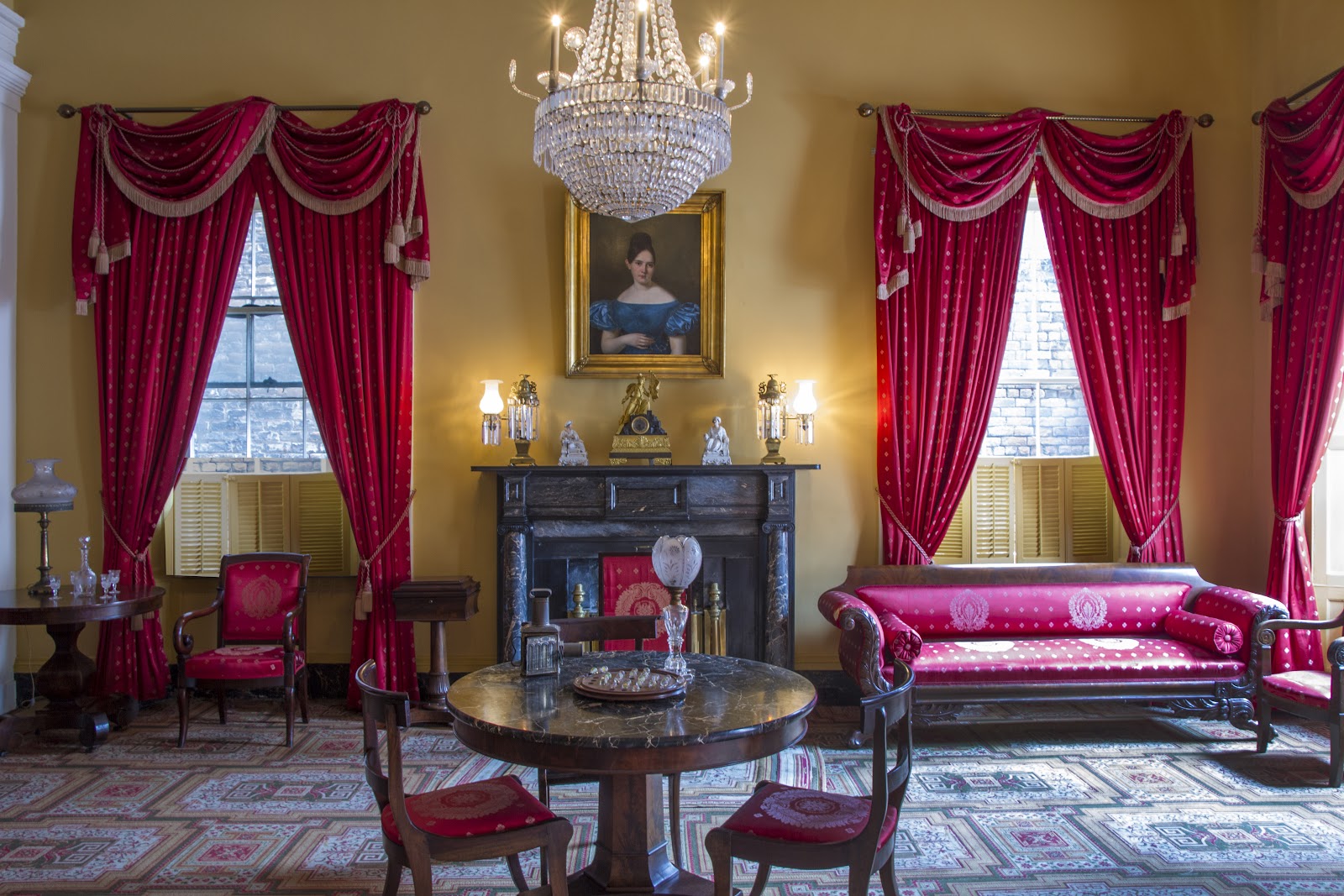
The 1831 interiors will be dark and warm: thick walls with deep reveals, period finishes, limited window openings by modern standards. Those deep reveals are the gift — a window in a thick wall shapes the entering light and makes it fall off fast, giving contained directional illumination for free. Place someone a metre inside a reveal and the interior portrait is solved without equipment.
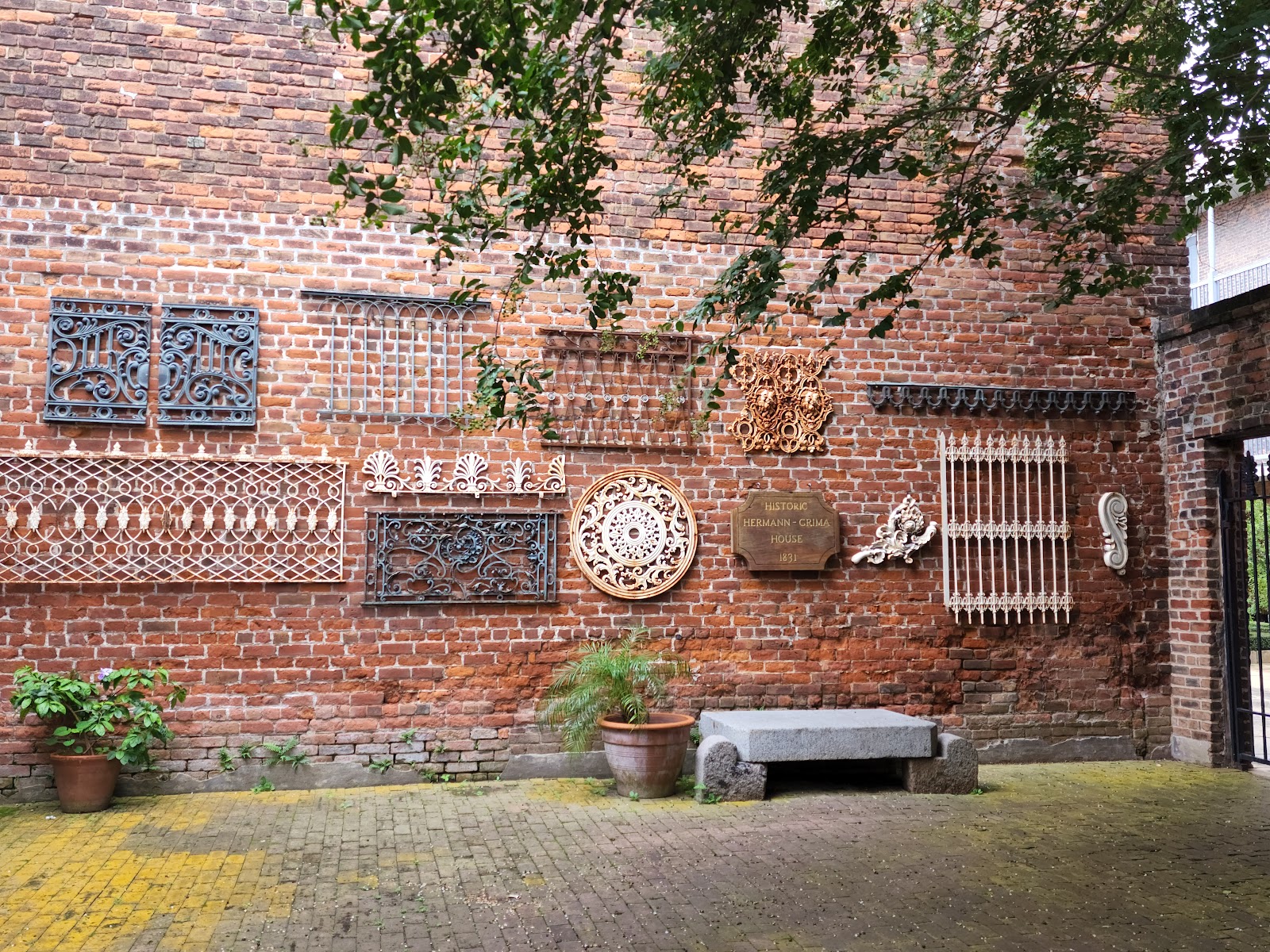
Beyond that, expect high ISO and a wide aperture, white balance set per room, and conservation rules limiting anything lit. Shoot the period detail — ironwork, joinery, the kitchen and stable buildings — because those close frames cost nothing and they are what makes the house significant.
New Orleans humidity is the practical hazard. A lens carried from an air-conditioned interior into the courtyard fogs completely and takes fifteen to twenty minutes to clear, which in a venue where you move between house and courtyard repeatedly is the likeliest thing to cost you frames. Acclimatise gear in advance or dedicate one body to each environment.
And confirm the wet-weather plan specifically. Afternoon thunderstorms are routine through the summer and often heavy, so ask where a ceremony and a group photograph happen in a downpour — a courtyard with a gallery or covered walkway is the answer if one exists, and it is worth knowing before the day.
One further thing that distinguishes this house from most French Quarter venues: because the outbuildings survive, the courtyard is not simply a walled void but a working yard with buildings around it. That gives you doorways, thresholds, stair treads and openings — hard architectural edges to compose against — which a plain walled courtyard lacks entirely. Courtyards are often criticised for having no compositional furniture, and here that criticism does not apply.
What works in your favour
- A walled courtyard: sheltered, private, evenly lit and workable at almost any hour
- Brick and stucco bounce warm flattering light rather than cool grey fill
- Original kitchen and stable outbuildings are rare survivals with real character
- Deep window reveals give contained directional daylight indoors for free
- A sheltered courtyard plus interiors is a safe proposition in storm season
What to plan around
- Limited capacity — realistically twenty to sixty guests
- No grandeur, ballroom or large indoor space
- Assume conservation restrictions on flash and access in an 1831 house
- Golden-hour sun will not reach the courtyard floor
- Severe humidity fogs lenses moving between interiors and courtyard
More frames from Hermann-Grima House
Hermann-Grima House wedding photography: common questions
Why is a French Quarter courtyard such good light?
Because the walls block wind, guarantee privacy, and bounce light inward to fill shadows, while the enclosure keeps the space in open shade for much of the day. Brick and stucco also return warm flattering light rather than the cool grey a concrete courtyard would give. It works at almost any hour.
Will we get golden hour in the courtyard?
No — the walls block low direct sun, which is exactly what makes the space sheltered and evenly lit. Warm raking light happens out on the French Quarter streets, so plan a short block there rather than waiting for something the geometry cannot deliver.
How many guests does it suit?
Realistically twenty to sixty. It is an 1831 townhouse with a courtyard, and the conservation requirements will cap numbers regardless. Beyond about sixty neither the courtyard nor the house can flatter it, and crowded historic space photographs badly.
Where is the best light indoors?
A metre inside a deep window reveal. Thick 1831 walls shape the entering light and make it fall off fast, giving contained directional illumination with no equipment at all. Beyond that, expect high ISO and conservation rules limiting anything lit.
What is the main practical hazard?
Humidity. A lens carried from an air-conditioned interior into the courtyard fogs completely and takes fifteen to twenty minutes to clear, and at a venue where you move between house and courtyard repeatedly that is the likeliest thing to cost you frames. Acclimatise or dedicate one body to each.
More New Orleans venue guides
We are writing a photographer’s guide to every venue we would happily shoot in New Orleans. Here are three more, plus the full index:
- Longue Vue: Reading the Light Across Eight Acres of Gardens
- The New Orleans Pharmacy Museum: Who This Venue Suits
- The Pitot House: A Walk-Through of a West Indies Colonial on Bayou St. John
All New Orleans Wedding Venues →
Planning a wedding at Hermann-Grima House?
A walled courtyard is the most useful thing a New Orleans venue can have. Tell us your guest number and date, and we will be straight about the scale — then plan the courtyard, the reveals and the Quarter.