 The Blue Ball Barn, Wilmington: A Walk Through a Converted Barn
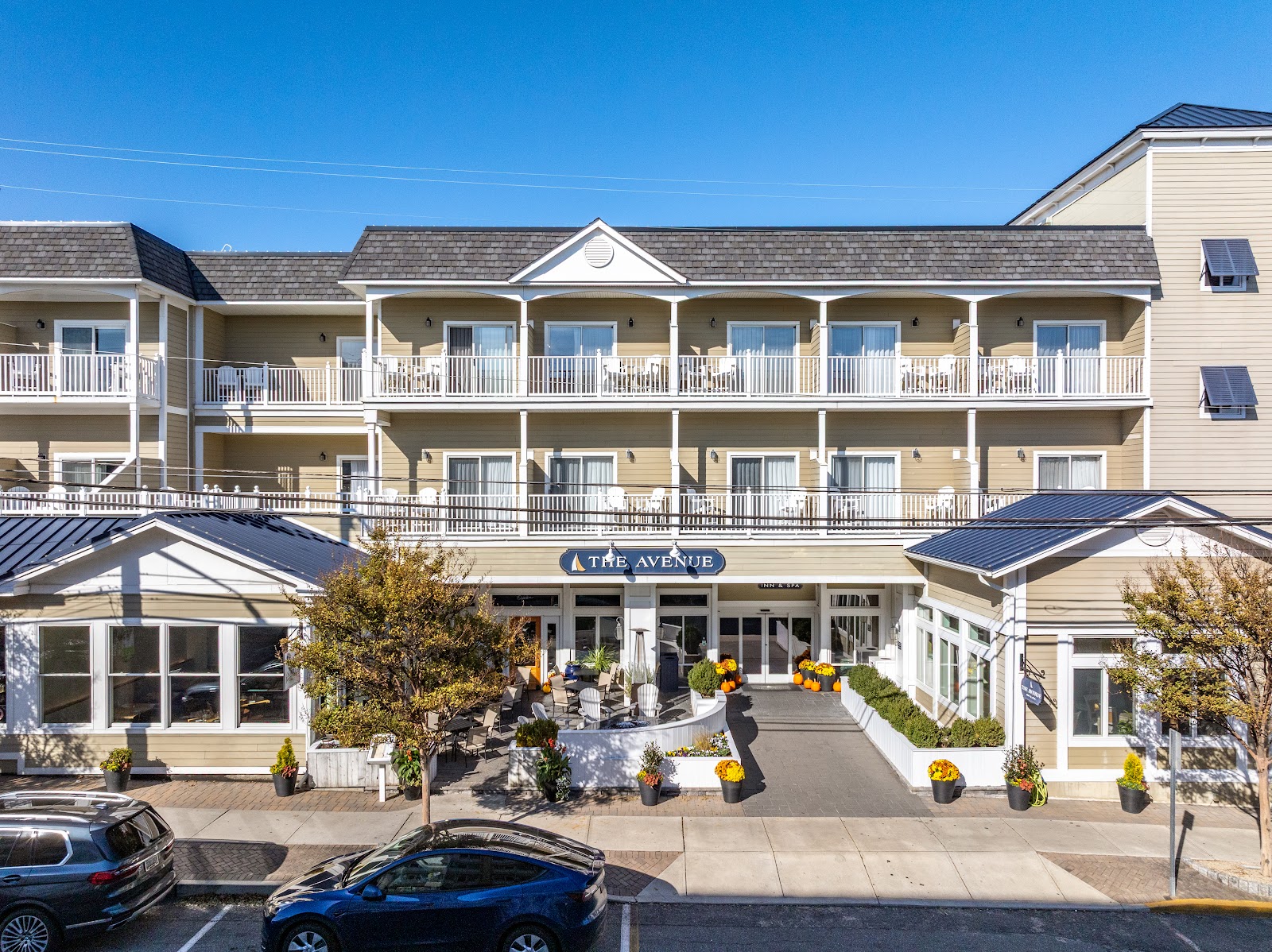
The Avenue Inn, Rehoboth Beach: Field Notes on a Small Resort Inn
A small inn gives you good light and no room to use it. Both facts need planning for.
A small inn in a resort town is a domestic-scaled building, and that produces a specific pair of conditions that pull against each other.
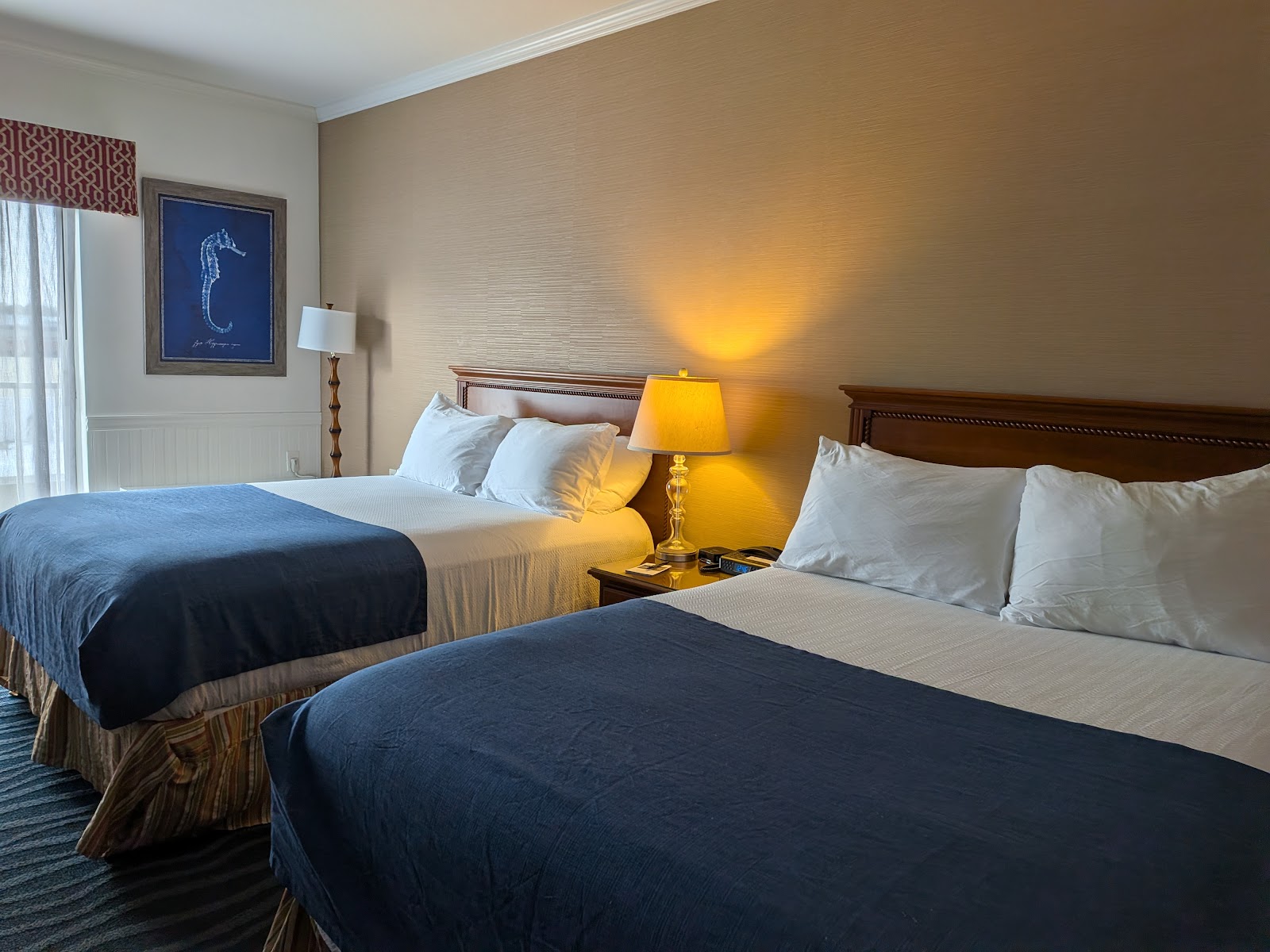
The light is good. Rooms at domestic scale have windows sized for people rather than for halls, walls near enough to bounce into the shadows, and ceilings low enough that a bounced flash returns a great deal — which together make a small room an easier lighting environment than a ballroom, not a harder one.
The space is not. A domestic room is small once furnished, there is no distance to stand back in, no large function space for a group, and nothing in a frame can be hidden behind scale the way it can in a grand room. A cable, a bag, a hanger or a tray is fully legible in a photograph made in a bedroom.
The third condition is the town. A small inn’s best asset is frequently outside it — the beach, the boardwalk, the streets — which are a five-minute walk away and which change through the day in ways the inn does not.
These are field notes on all three. We have not photographed a wedding at the Avenue Inn; small resort inns behave consistently. Which spaces are included, whether there is a garden, pool or terrace, and what the covered alternative is are questions for their team.
The Avenue Inn at a glance
| Where | Rehoboth Beach, Delaware, a short walk from the ocean |
| The gift | Domestic-scale rooms: near walls, low ceilings, windows the right size |
| The constraint | No distance, no large space, and nothing can be hidden |
| Where the assets are | Outside — the beach, the boardwalk and the streets |
| Ask first | Spaces included, garden or terrace access, covered alternative |
What you meet, and what each one needs
The domestic window is the first condition and it is the best light in the building. A window sized for a room is a soft source about the right size for two people at two or three metres, which is precisely the geometry a portrait wants — and the walls being close means light returns into the shadow side without any reflector at all.
Two to three metres is the working distance. At half a metre the fall-off across two faces is severe enough that the far one goes dark; at two or three it is still clearly directional but even across both. And every overhead and lamp fitting should be switched off, because a room lit by both daylight and warm lamps puts two colour temperatures on the same face — a warm patch on one cheek and a neutral one on the other, which cannot be corrected globally.
The shaded side is the requirement, because direct sun turns a soft source into a hard one with a hard edge. At Rehoboth’s latitude, about thirty-nine degrees north, the midday sun reaches roughly seventy-four degrees above the horizon in June and about twenty-eight in December — so a north-facing room is shaded all year and is the most reliable, while a south-facing one is a high source in summer and a low directional one through a winter afternoon. Ask which way the room faces rather than which floor it is on.
The low ceiling is the second condition and it is the one photographers arriving from large venues underuse. A ceiling under three metres is a very large soft source when a flash is aimed at it, which means bounce works properly here — a bounced source needs no stand, follows a walking pace and lights a small room evenly. One test frame on arrival confirms it, and the caveat is that a dark or strongly coloured ceiling absorbs and tints.
The lack of distance is the third and it needs working round rather than solving. Standing in a doorway rather than inside a room gains two or three metres at no cost, which is the difference between a wide lens distorting a face at two metres and a moderate lens at four — and it frames the subject naturally, with the doorway darkening the edges.
Legibility is the fourth and it is not optional in a small room. A grand space hides clutter in its own scale and a domestic one does not, so the habit that works is to look at the four edges of the frame before the exposure rather than at the centre, because the centre is where attention already is. A cable, a bag, a hanger, a bedside tray — all fully legible, and none removable afterwards without visible repair.
And reflective surfaces are the fifth: a well-appointed small room has mirrors, glass and polished furniture, all of which will show a badly placed light at full brightness. Fifteen seconds of checking from the camera position prevents it, and nothing fixes it afterwards.
Outside: the beach, the boardwalk and the streets
Because the inn’s interior does not change much through the day, the outdoor plan is what the schedule should be built around — and in a resort town the outdoor assets are specific and close.
The beach is the first and it has one governing variable, which is the direction the couple faces relative to the sun. On this coast the ocean is east, so the beach is frontlit at sunrise, sidelit through the middle hours when the sun is south of the beach’s axis, and backlit in the evening with the sun behind the town. Sidelight is the best of the three: the sand rakes, the faces have modelling, and the ocean is a plain field behind.
Pale sand is a strong reflector and it reflects upward, which fills exactly the shadows under eyes and chins that the sky alone leaves — that is a genuine advantage of a beach position. Its cost is uplight under the chin and into the nostrils, which is corrected by having something solid on one side: a dune, a wall, a beach shelter.
The one thing the beach cannot give in summer is emptiness. A resort beach is populated by mid-morning and crowded by midday, and no amount of long lens work removes that — so first light is the only hour the sand is clean, and it is worth twenty minutes to a couple willing to do it.
The boardwalk is the second asset and it gives what the beach cannot: structure. A boardwalk is a strong receding line with repeating rails and boards, which organises a frame and darkens by itself into depth, and the frontage behind gives colour, signage and shelter. A shop awning or a boardwalk shelter is a roof with an open face, which makes a directional soft source at the scale of two people — and it works in rain.
The streets are the third. A resort town’s residential streets have painted timber frontages, porches, picket fencing and mature street trees, all of which read only under raking light — so a short walk to find the lit side is worth more than any accessory. Porches in particular are the reliable small-scale position: a roof above with an open face and a pale floor bouncing back, which is soft, directional, rainproof and available at any hour.
The rain answer matters at a venue whose assets are outdoors, and on this coast it needs to be real. A named indoor space is the baseline, and the porches and awnings are the outdoor version — and wet boards and wet pavement reflecting signage and sky photograph better than dry, so a shower is an opportunity delayed rather than a day lost.
Where the inn has a garden, pool or terrace, it follows outdoor rules and has one advantage: it is enclosed, which means shelter from the breeze that builds through a coastal afternoon. After dark it needs one source, because nothing outdoors bounces, and the crossing after sunset — sky still holding colour at the brightness of the building’s lighting — is the day’s one unmovable frame.
- Ask which way the room faces, not which floor it is on
- Test bounce on arrival; a low pale ceiling is a very large softbox
- Work from doorways to gain distance; look at the four edges before exposing
- Sidelight is the best beach light; check the chin for sand overfill
- First light is the only hour a resort beach is empty
The coast, and the Delaware year
Salt is what a coastal location does to equipment, and the damage is cumulative rather than immediate: airborne salt settles on a front element and on exposed metal, attracts moisture and etches coatings over time. A damp cloth on the front element and the body at the end of the day is routine rather than optional, lens changes should be minimised in wind, and sand is worse than salt in the short term because a grain in a zoom barrel or on a sensor is a repair rather than a clean.
Wind is the constant and on this coast it builds through the day: the temperature difference between land and water drives an onshore breeze that strengthens through the morning and peaks in the afternoon, then drops as the land cools. Practically that means a lightstand is a liability, a veil will not behave, a held diffusion panel is a sail, and hair needs managing — so the source goes in a hand or on a bracket and the lee of a building is worth walking to. It also means the calm frames belong to early morning and the last hour.
Sea fog is the coast’s distinctive seasonal condition and it runs on a lag that catches people out. Ocean water warms and cools much more slowly than land, so the sea is coldest in spring — which means warm spring air over cold water condenses, and late spring is the foggiest season here rather than autumn.
Fog is not a loss: it is diffusion at landscape scale, it separates the boardwalk and the frontage into grey layers, and it erases the horizon entirely, which turns a beach into a plain field of tone. That is a striking and unusual background rather than a ruined one.
The same thermal lag makes September the best month on this coast. The water is at its warmest, the air is clear, the summer crowds have gone and sunset falls at a civilised hour. September into early October is the ideal window for a wedding here and it is worth saying plainly.
Summer is hot and humid with the crowds at their peak, which is the real constraint rather than the light. The humidity also makes the fogging problem severe — a body carried from an air-conditioned room into July air fogs on every surface at once and does not clear quickly, so a bag opened twenty minutes before going out is the whole fix, and at a venue where the excursion is a short walk that is easy to arrange.
Autumn brings nor’easters, which are genuine coastal storms with sustained wind rather than mere rain, and they need the indoor alternative used rather than debated. A heavy surf under a grey sky is also the most dramatic frame this coast produces, so a storm day is a different gallery rather than a lost one.
Winter is cold, windy and empty, and for a photographer the emptiness is the point: an empty beach with a low sun — the December midday sun here reaches only about twenty-eight degrees above the horizon, so the whole short day is raking light — is the strongest version of this location. The constraint is wind chill on an exposed shore, which means five minutes with coats rather than twenty without, and a small inn is a good place to warm up between excursions.
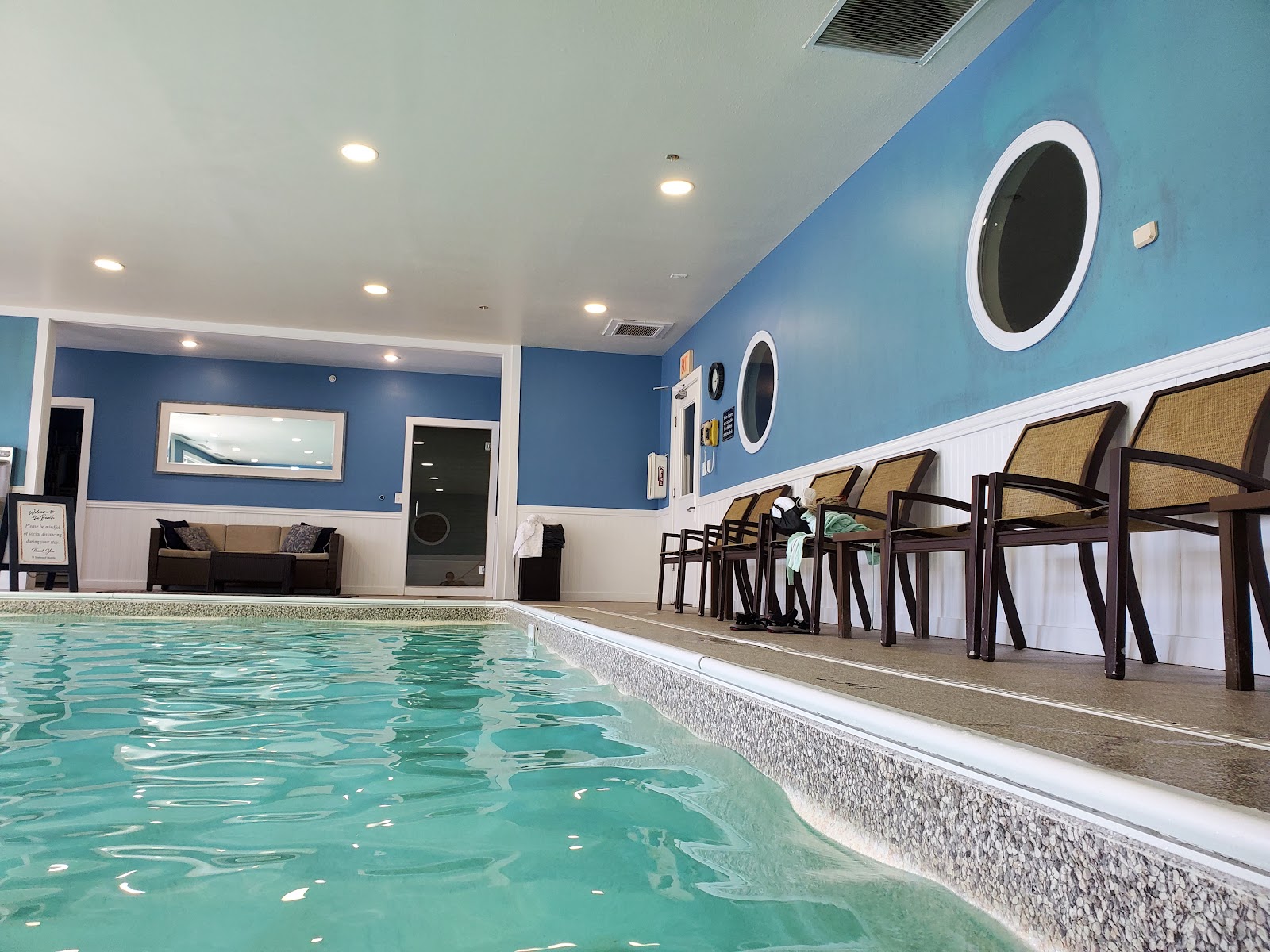
More frames from The Avenue Inn
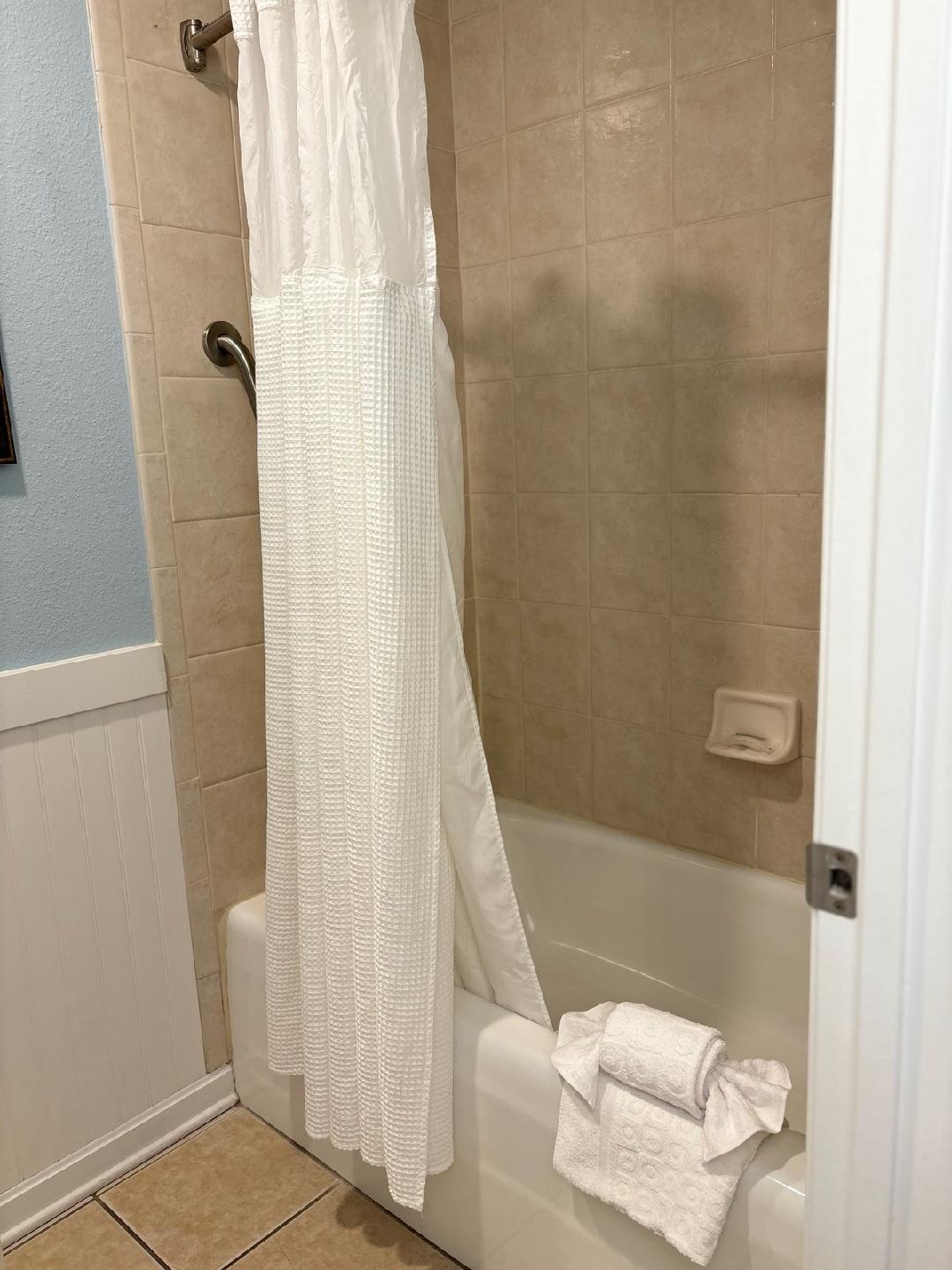
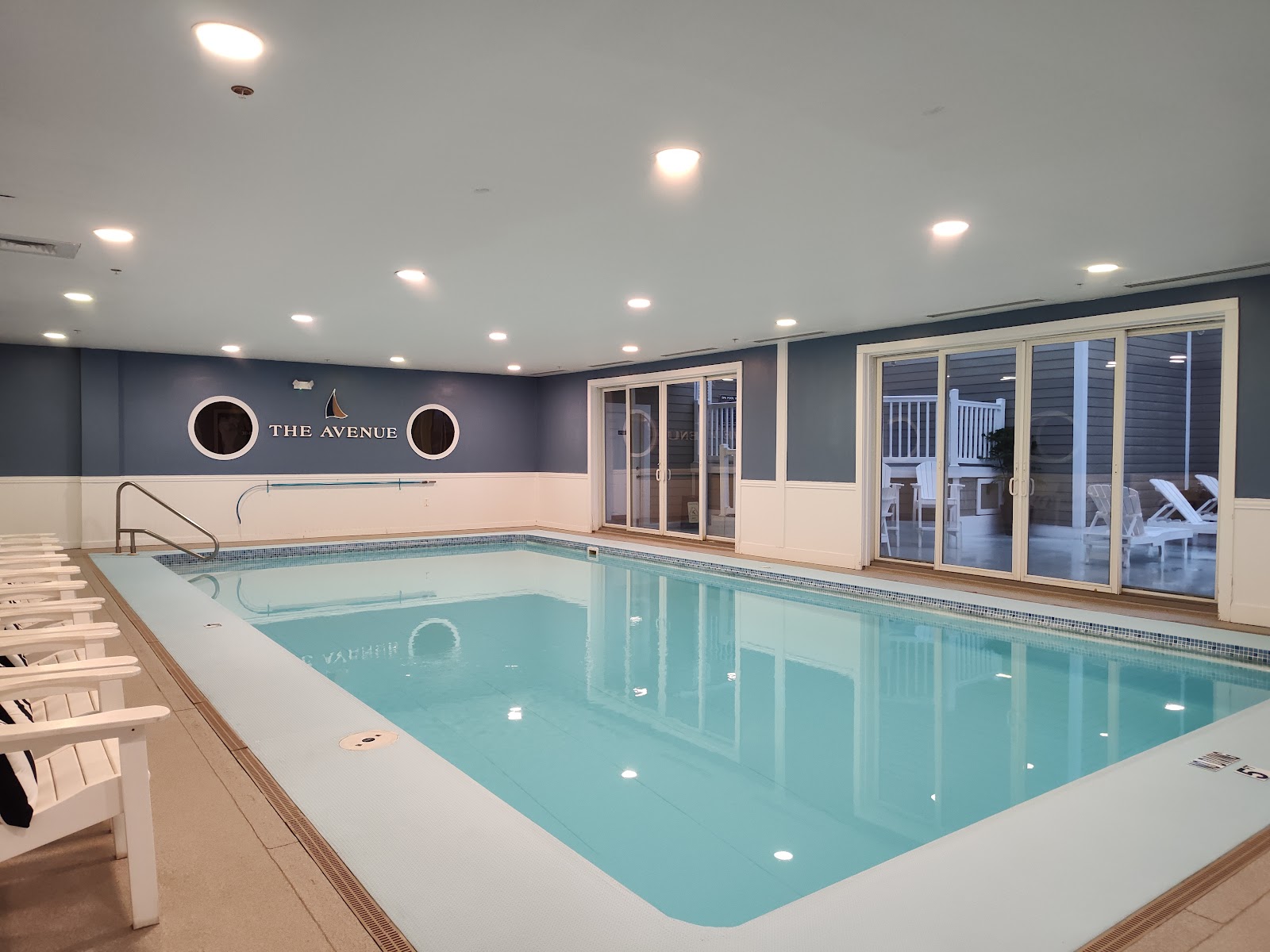
The Avenue Inn wedding photography: common questions
Is a small room harder to light?
No — easier. Windows sized for people, walls close enough to bounce, and a ceiling low enough that a flash aimed at it returns a great deal.
What is the real constraint then?
Space, and legibility. There is no distance to stand back in, and nothing in a small room can be hidden behind scale — a cable or a bag is fully visible.
What should be asked about the room?
Which way it faces rather than which floor it is on. A north-facing room is shaded all year at this latitude and is the most reliable.
What is the best beach light?
Sidelight, in the middle hours when the sun is south of the beach’s axis. The sand rakes, faces have modelling, and the ocean is a plain field behind.
When is the beach empty?
First light only. A resort beach is populated by mid-morning and crowded by midday, and no long lens removes that.
When is sea fog most likely?
Late spring, because the ocean is coldest then and warm air over cold water condenses. Spring is foggier than autumn on this coast.
More Delaware venue guides
We are writing a photographer’s guide to every venue we would happily shoot in Delaware. Here are three more, plus the full index:
- Bellevue Hall, Wilmington: What It Suits, and What It Does Not
- The Blue Ball Barn, Wilmington: A Walk Through a Converted Barn
- The Boardwalk Plaza Hotel, Rehoboth Beach: A Hotel Built Facing East
Planning a wedding at The Avenue Inn?
Good light, borrowed space. Tell us your date and we will use the town too.