 The Hilton Garden Inn Fargo: Field Notes on a Standardised Hotel
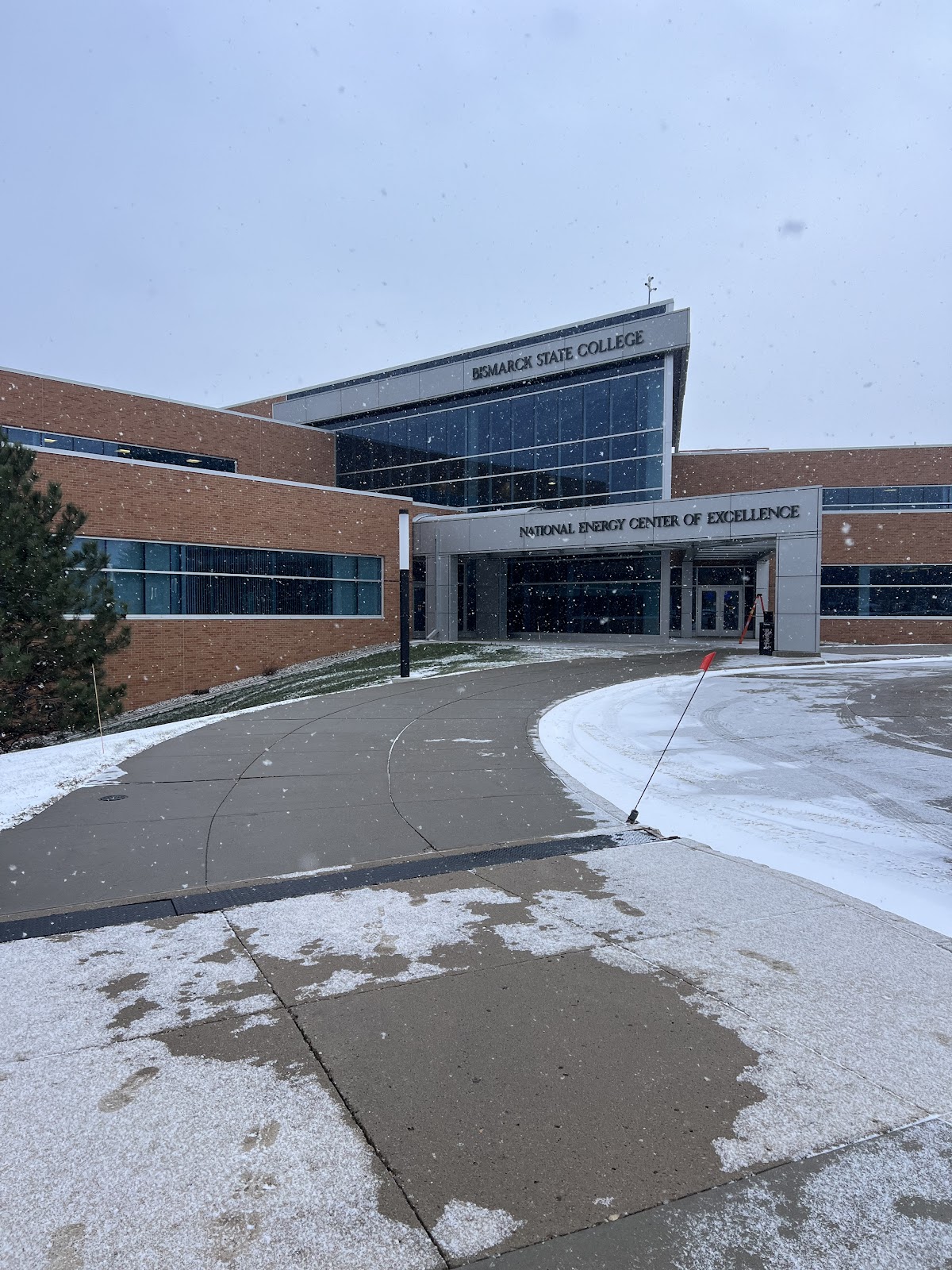
Bismarck State College: A Campus Built for Teaching
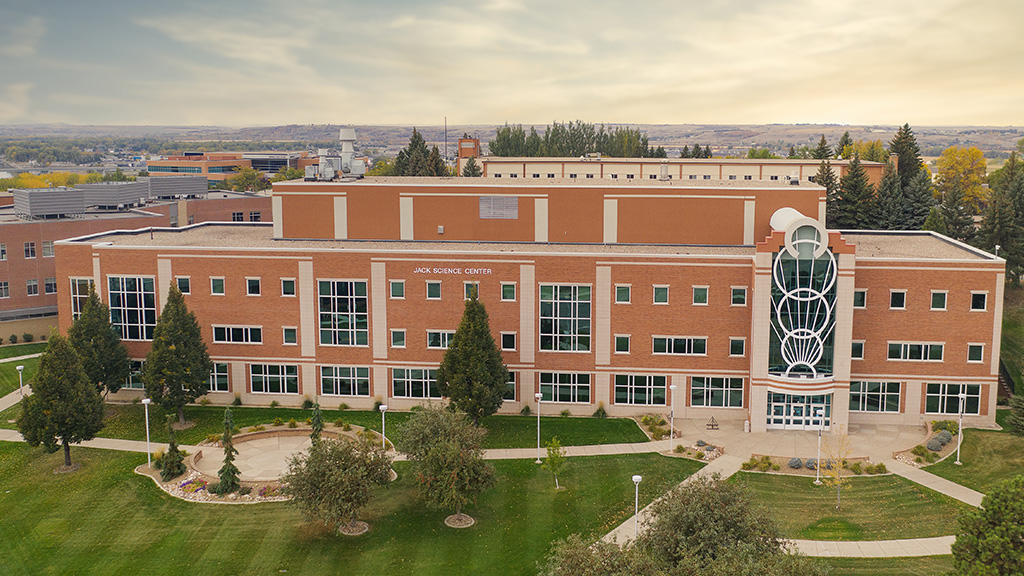
Buildings designed for reading have windows. That single fact makes a campus one of the best-lit venue types there is.
A campus is designed around an activity that requires seeing clearly, which turns out to be the most photographer-friendly design brief in existence. Classrooms, libraries, studios and common rooms are all built to be daylit, because daylight is free and because reading needs light.
The consequence is that a campus has more usable window light per square metre than almost any other venue type — more than a hotel, far more than a function centre, and in a completely different category from anything windowless.
The logic produces one recurring difficulty as a by-product, and it is worth naming because it is the thing that goes wrong: buildings designed for efficient daytime use are lit at night by the cheapest adequate fittings, which historically meant fluorescent tubes and now means LED panels. Those are flat, overhead, and frequently poor at rendering skin. So a campus is superb by day and awkward after dark.
We have not photographed a wedding at Bismarck State College; campuses behave consistently in these respects. Which buildings and spaces are included, whether there is a chapel, theatre or auditorium, and whether the lighting is adjustable are questions for their team.
Bismarck State College at a glance
| Where | Bismarck, North Dakota |
| The logic | Buildings designed to be daylit, because study needs light |
| The gift | More usable window light per square metre than any other venue type |
| The difficulty | Flat overhead fittings after dark, often poor at rendering skin |
| Ask first | Buildings included, chapel or theatre access, lighting control |
What the daylight logic gives
The windows are the asset and they come in three useful varieties, each with its own handling.
Classroom and office windows are domestic in scale, which makes them soft sources about the right size for two people at two or three metres. That distance is the working figure: at half a metre the fall-off across two faces is severe enough that the far one goes dark, while at two or three it is directional but even across both. Every overhead fitting switched off so the room has one colour of light rather than two landing on the same face, and the picture is immediately cleaner.
Library and common-room glazing is larger, frequently full-height, and that is the best light on any campus. A window two or three times human height is a soft source big enough to light a whole group, which means the formals can happen in daylight — something most venues cannot offer at all. The condition is distance: a row of people parallel to the glass and three metres back is evenly lit, while the same row at a metre has a two-stop spread across it.
Atria and glazed circulation are the third variety and they behave like very large windows with one extra property: light arriving from above as well as the side. That fills under the chin, which is usually welcome, but it also flattens — so the good positions in an atrium are near a wall rather than in the middle of the floor, because a wall restores direction.
Two checks apply to all three. Direct sun turns any window from a soft source into a hard one with a hard edge, so the shaded side is the working answer — and at Bismarck’s latitude, about forty-seven degrees north, the sun reaches only about sixty-six degrees above the horizon at midday in June and barely twenty in December. That means a north-facing window is shaded all year, while a south-facing one is a moderate source in summer and carries direct low sun for most of a winter afternoon. Which window works is a seasonal question.
And institutional glazing is frequently coated for solar control, which throws a localised green or blue cast onto anything near it that global white balance cannot remove. One test frame on arrival rather than a discovery in editing.
The other thing the daylight logic gives is low ceilings in most spaces. Classrooms, offices, seminar rooms and corridors are typically under three metres, which means bounce flash returns a great deal — a bounced source in a room like that is a very large soft light that needs no stand and follows a walking pace. One test frame per space, because the auditorium and the sports hall will be different.
The awkward part, and the specialist spaces
After dark the campus logic works against a photographer, and it is worth understanding why rather than being surprised.
Institutional artificial lighting is chosen for cost, maintenance and adequacy. That has historically meant fluorescent tubes and now means recessed LED panels, and both share the same properties: a broad flat source directly overhead, producing light with no direction at all, which fills eye sockets with shadow and cuts a line under every chin.
It is also frequently poor at rendering skin. Cheaper fluorescent and LED fittings put their energy unevenly across the spectrum, which means skin lit by them has a cast that varies by person and cannot be fully corrected globally. That is not a white balance problem, it is a spectral one, and the fix is the same as always: let one gelled source own the faces, with white balance set to that source, so skin is lit by something known.
The practical method after dark is therefore one source off the camera axis at face height, gelled to sit near the ambient colour, half a stop to a stop above it. And where the lighting switches in banks — which institutional lighting usually does — turning half a room off is the most valuable control available, because it creates exactly the darkness a subject needs behind them.
The specialist spaces are the campus’s other real assets and they are worth asking about individually.
A theatre or auditorium is the most useful of them. A stage with its own lighting is a controllable set: a subject lit by stage fittings against a dark house is dramatic separation available nowhere else on campus, and the fall-off does the work with no added equipment. The house itself, photographed from the stage with rows of seats receding, is a strong graphic frame. And where the stage lighting can be set, a warm wash from the front at a low angle is a better portrait light than anything a classroom offers.
A chapel, if there is one, is a small room with a low ceiling, near walls and usually windows — which is the easiest lighting environment in existence, for the reasons above. The constraint is standing room rather than light, so one considered position beats free movement.
A library is the third, and it offers what no other space does: depth. Rows of shelving receding into a frame give a background that darkens by itself and carries meaning, and a subject at the end of a stack is separated with no equipment at all. The requirement is quiet and respect for the space and whoever else is using it.
And a sports hall or fieldhouse is the fourth, which behaves like any clear-span building: no bounce available from a roof eight metres up, so the source goes close to the subject, and twenty metres of distance behind gives free separation and genuine scale.
- Two to three metres back from a domestic window; three from full-height glazing
- Which window works is seasonal at this latitude — north is shaded all year
- Test bounce per space; classrooms return a great deal, the sports hall nothing
- After dark, one gelled source owns the faces — the fittings render skin poorly
- Ask about bank switching; half a room off is the best control there is
Outside, and North Dakota's year
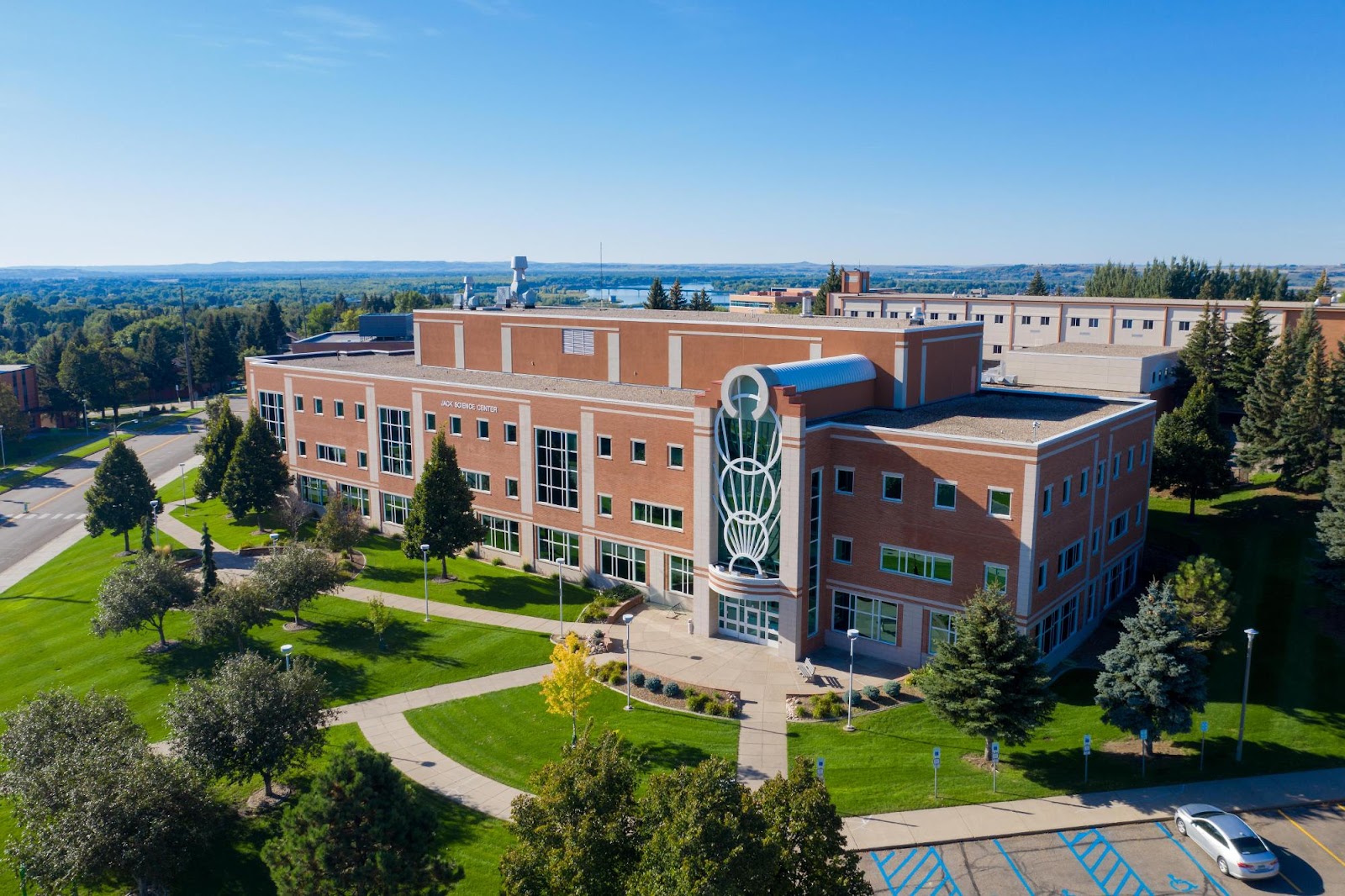
A campus outdoors is one of the better exterior environments a venue can offer, for two reasons. There is space to stand back, so buildings can be photographed whole — which is unusual and worth using. And there is planting: campuses are landscaped, and in a region with very few trees, mature campus planting is the only reliable shade for some distance.
Shade in this climate is less critical than further south, because the sun never gets very high. At about forty-seven degrees north the June midday sun reaches only about sixty-six degrees above the horizon, twenty degrees lower than the southern United States, which means the harsh overhead light that ruins midday elsewhere is milder here and the good raking light lasts longer. In December the sun barely clears twenty degrees all day, so a winter afternoon is effectively one continuous golden hour.
The shade that does matter is the dappled kind, and the rule is the usual one: full shade under a dense tree or beside a building is excellent, while dappled light through a thin canopy puts bright patches and deep shadow on the same face at a ratio nothing holds. Full shade, always.
Twilight is the other latitude effect and it is generous. The June sun sets at a shallow angle, so the sky holds usable light for well over an hour afterwards — which makes the crossing frame, when the sky and the buildings’ own lighting sit at the same brightness, a relaxed twenty minutes rather than a scramble. In the cold clear air of January it is shorter and much sharper.
The climate is semi-arid, so the air is clear, distance holds detail, and shadows are harder than humid air gives at the same sun angle. Clear air plus low sun is what makes Great Plains light distinctive.
Wind is the constant and it needs planning. The open plains are among the windiest inhabited country in North America, so a lightstand outdoors is a liability rather than a tool, a veil behaves unpredictably, and a held diffusion panel becomes a sail. A source in a hand or on a bracket, and positions with a building or planting to windward, are the answers — and a campus has more windbreaks than open country does.
The open horizon is the compensation: very little relief and few trees mean the sky occupies most of any wide frame, which makes the sky the subject rather than the backdrop. The Missouri River is the one piece of topography and a riverside position is the strongest exterior option, because water reflects and doubles anything lit.
Winter is long and severe, with snow cover through much of it. Snow is the best natural fill available outdoors, lifting exactly the shadows a low sun carves while fooling a meter by about two stops — and indoors it turns the ground into an enormous reflector, so every window on campus gives softer, brighter and more even light in February than in June. At a venue whose whole asset is its windows, that makes winter the season it performs best.
The practical winter constraints are real: cold drains batteries, so spares go in an inside pocket; an outdoor block is five minutes with coats rather than twenty without; and a cold body brought back into a heated building fogs on every surface and does not clear quickly, so bodies stay bagged until they have warmed.
More frames from Bismarck State College
Bismarck State College wedding photography: common questions
Why is a campus well lit?
Because buildings designed for study are designed to be daylit. A campus has more usable window light per square metre than almost any other venue type.
What is the recurring difficulty?
Artificial lighting after dark. Institutional fluorescents and LED panels are flat, overhead, and frequently poor at rendering skin — a spectral problem, not a white balance one.
Where do the large formals belong?
At the largest glazing — a library, common room or atrium — about three metres back, so the row is evenly lit rather than dropping off the far end.
Which windows work best here?
It is seasonal. At forty-seven degrees north a north-facing window is shaded all year, while a south-facing one carries direct low sun through most of a winter afternoon.
Which specialist space is most useful?
A theatre or auditorium. A subject lit by stage fittings against a dark house gives dramatic separation with no added equipment.
When is the campus at its best?
February. Snow turns the ground into an enormous reflector, so every window gives softer and brighter light than at any other time of year.
More Bismarck, ND venue guides
We are writing a photographer’s guide to every venue we would happily shoot in Bismarck, ND. Here are three more, plus the full index:
- The Lewis and Clark Riverboat, Bismarck: The Light Through a Day
- The North Dakota Heritage Center, Bismarck: The Problem, and Four Ways Out
- The Bismarck Art Gallery: The One Decision That Governs Everything
Planning a wedding at Bismarck State College?
A building type designed around light. Tell us your date and we will use it.