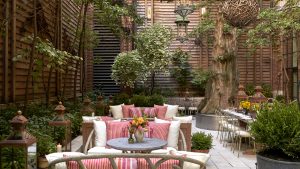
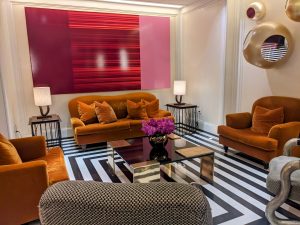
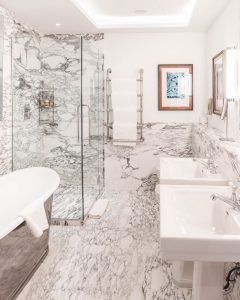
 The Whitby, New York: A Walk Through a Midtown Hotel
The Plaza Hotel, New York: Photographing a Grand Ballroom
A grand ballroom has height, ornament and no daylight. All three follow from what it was built to do.
The Grand Ballroom catches our eye every time we look through venue portfolios, as the material we have on the Plaza puts it.
It is worth being precise about why a room like that photographs the way it does, because the logic is entirely a consequence of purpose. A grand ballroom was built to hold several hundred people in evening dress under artificial light, to impress from the doorway, and to be indifferent to the time of day — and each of those produced a decision that a photographer inherits.
Indifference to the hour meant no reliance on daylight, so there is little or none. Impressing from the doorway meant height and ornament, which gives a tall volume with three-dimensional decoration on every plane. And holding hundreds meant a large clear floor, which gives no natural framing and nothing to place people against.
So the room is dark, tall, ornate and empty of edges, and every technique that works in it follows from that. This is written as the venue’s own logic. We have not photographed a wedding at the Plaza; grand hotel ballrooms behave consistently. Whether the ballroom lighting can be dimmed to pools and who controls it, which other rooms are included, whether there is any daylight, and what may be attached to restored fabric are the questions for their team.
The Plaza Hotel at a glance
| Where | New York, New York |
| Character | A grand hotel with a monumental ballroom and period public rooms |
| The logic | Height, ornament and no daylight — all consequences of purpose |
| The tools | Grazing light, one gelled key, and fall-off as separation |
| Ask first | Ballroom dimming and control, other rooms, any daylight, fixings |
Height, ornament and the absence of daylight
No daylight is the first condition and it reshapes a schedule rather than a technique. A ballroom looks the same at two in the afternoon and eleven at night, which is convenient — the interior coverage can go anywhere — and it means anything that needs daylight has to happen somewhere else. Establishing on arrival whether there is any window at all is the first job, because if there is, it is the most valuable thing in the room.
Height is the second and it removes bounce. A ballroom ceiling is far enough away that a flash aimed at it returns almost nothing usable, so the substitutes are a pale wall at a sensible distance, a reflector, or direct modified light — with real power, because the distances are real. One test frame in the first minute settles which.
What height gives back is steep fall-off, which is genuinely useful: a couple three metres in front of anything else sits against natural darkness with no equipment at all. That is free separation and it is the opposite of the problem a pale modern venue presents, so it should be exploited rather than filled in.
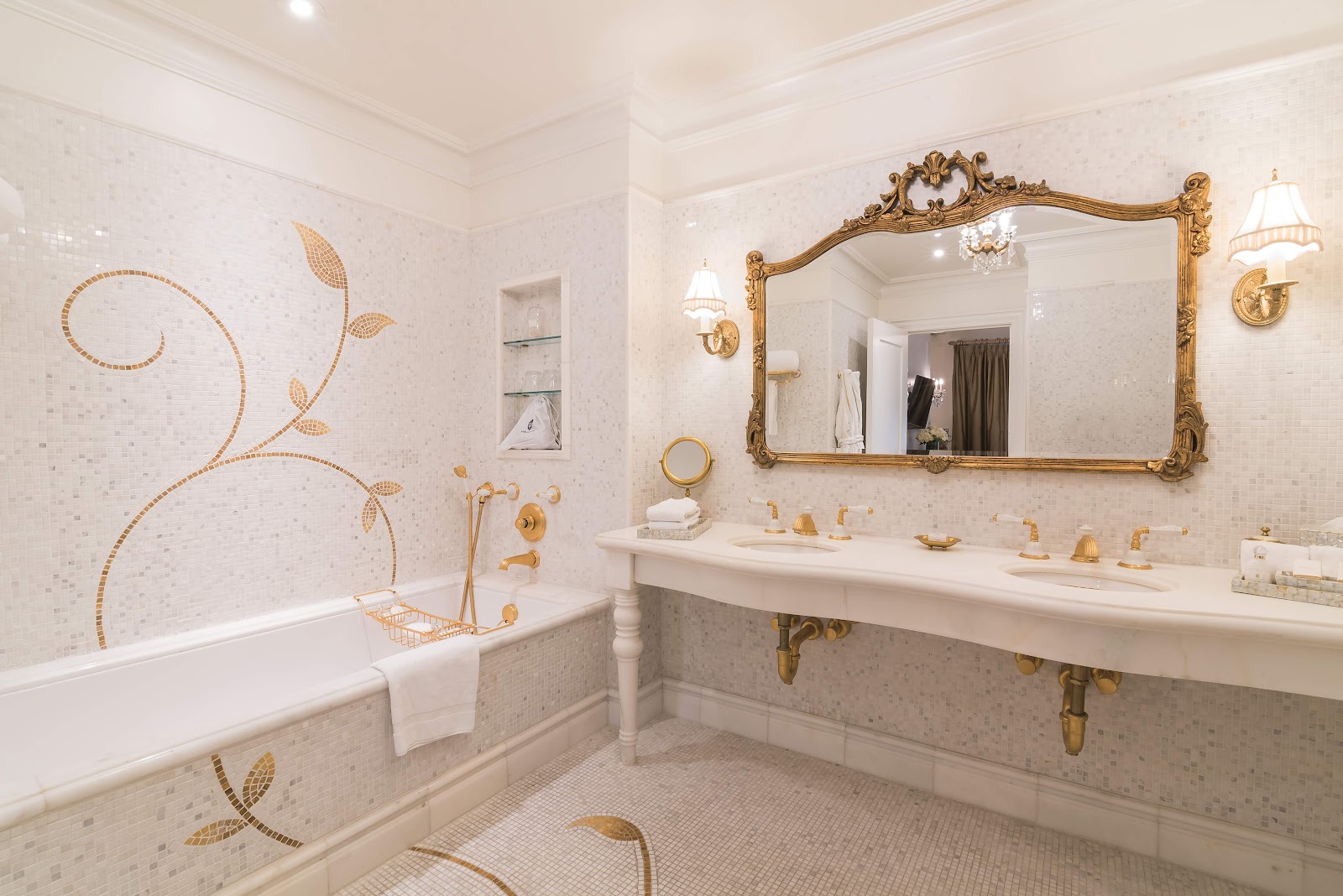
Ornament is the third condition and it needs the opposite of what a ballroom’s own lighting provides. Mouldings, cornices, columns, coffers and plaster relief are three-dimensional, which means they read only when light crosses them at an angle and casts a small shadow beside every element. Under an even downward wash the most elaborate ceiling in the building photographs as a pale field.
One source placed to one side, close to parallel with a surface rather than facing it, brings all of it back — a one-light problem rather than a big-kit one, and worth setting up deliberately for two or three frames rather than carried through an evening.
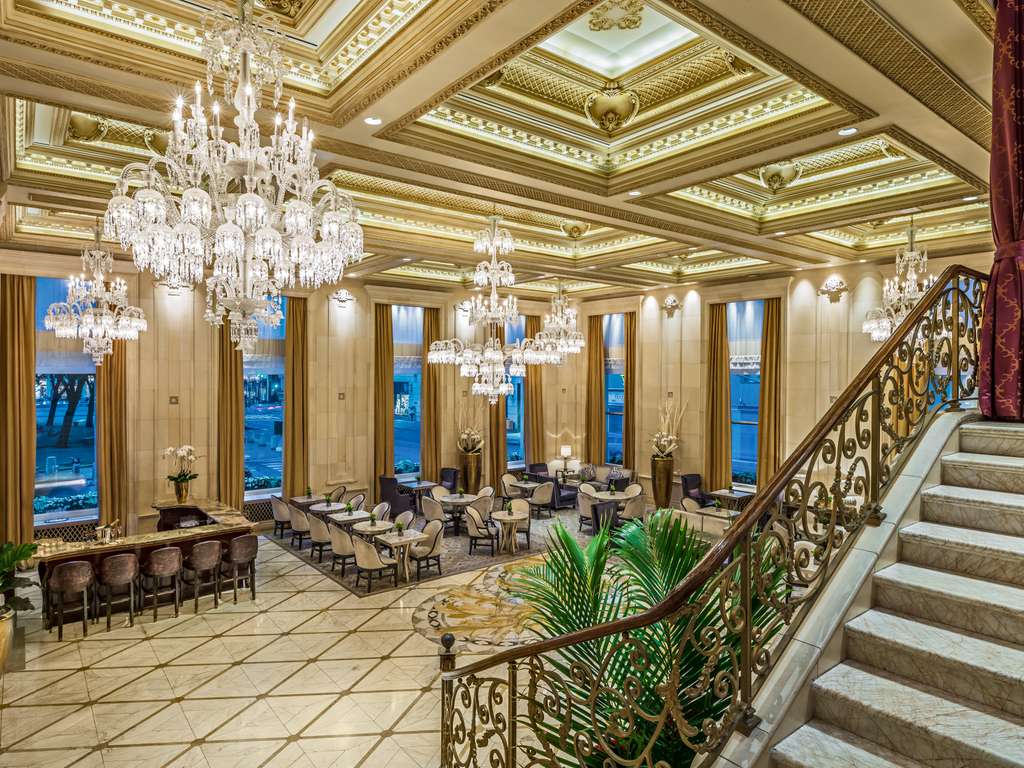
Chandeliers are the fourth condition and they are more useful as subject than as source. A chandelier is a cluster of small bright points hung high: the light reaching a face arrives almost vertically, the level at floor height is far lower than the fitting’s apparent brightness suggests, and the fittings themselves are the brightest things in frame. At a wide aperture behind a subject they become warm points of light, which is the most attractive thing a room like this does — and a bright one beside a head pulls the eye off the face every time.
The empty floor is the fifth and it is compositional. With no corners and no natural framing, every frame has to be built — from the room’s own columns and doorways, from depth with the couple placed well forward, and from the axis, because a ballroom is usually symmetrical and a levelled centred frame down its length reads as deliberate where an off-axis one reads as accidental.
And the single most valuable request is whether the lighting can be dimmed to pools rather than set evenly. It usually can, and the difference exceeds any equipment decision: a room with a few areas lit and the rest falling away reads as an occasion, while the same room lit uniformly reads as a function suite.
The rest of the building, and where the daylight is
The period public rooms are the second register and they are worth using for what the ballroom cannot give. A grand hotel of this era built its lobby, corridors and smaller salons as public architecture, which means they have ornament at closer range than a ballroom does — close enough to read behind a couple in a portrait rather than only in a wide frame.
They also frequently have tall windows, which a ballroom does not, and those are the best natural light in the building. A window built before reliable artificial lighting is generous by modern standards, so it sends light further into a room and higher up a standing figure — and two or three metres inside one on the shaded elevation is a broad soft key with steep natural fall-off.
A grand stair, where one exists, is the most useful single feature in the building: elevation, a diagonal or curve, a handrail as a leading line, and rows for a group automatically, which a flat ballroom floor never provides. The frame from the top looking down, with the couple small inside the sweep, is the one most often missed because it means climbing.
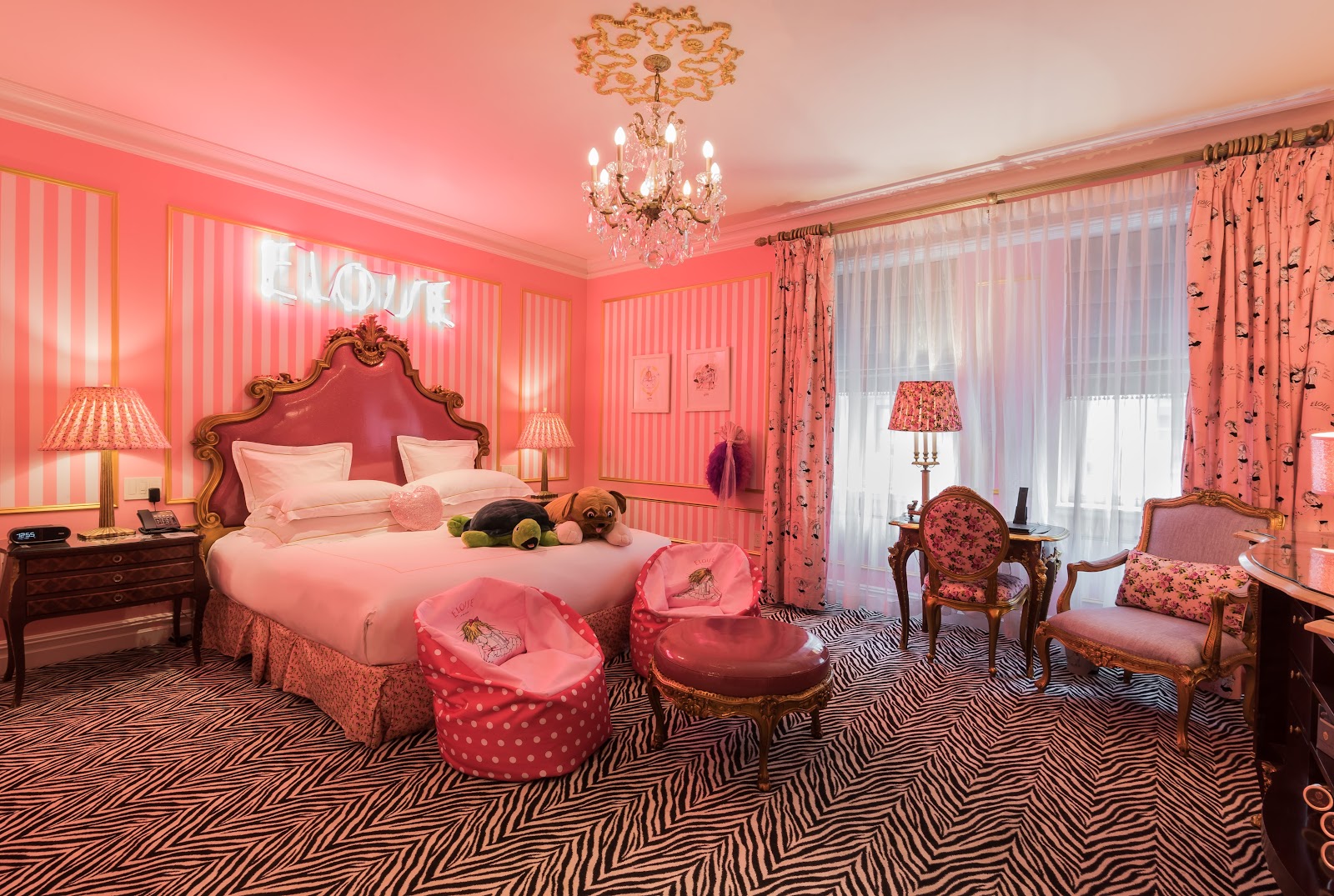
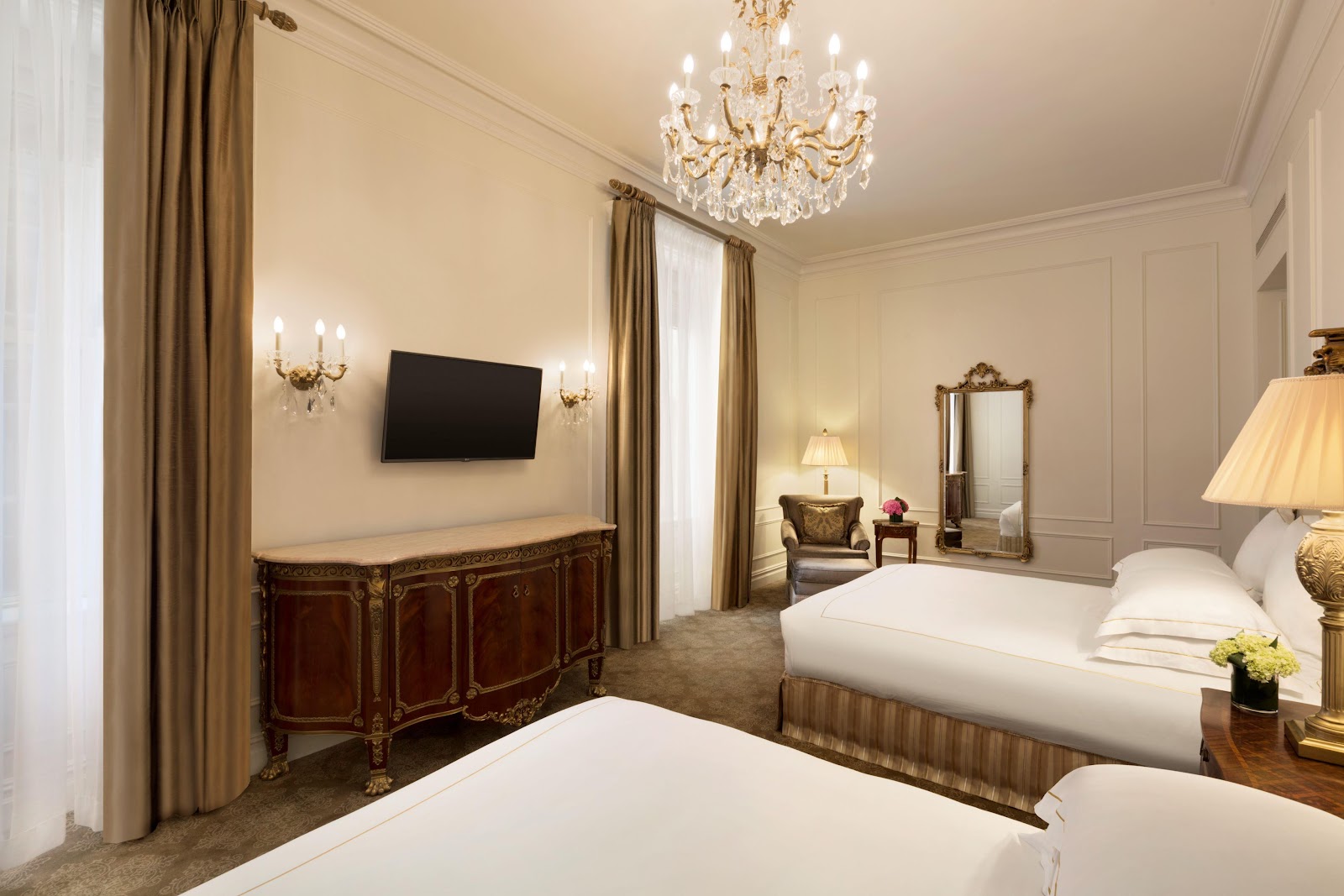
Guest rooms are the best portrait light overall, as in any hotel: domestic-sized windows with close walls that bounce and ceilings low enough that a flash aimed upward returns something usable. Largest window on the shaded side, every overhead fitting switched off so the room has one colour of light rather than three, and lamps moved out of frame.
In a grand hotel there is one extra consideration worth asking about: which floor. A high room has more sky reaching its window than a low one, because the buildings opposite block less of it — and in Manhattan, where the buildings opposite are very tall, that difference is larger than in most cities.
Mixed sources are certain in a restored building of this age — daylight, warm decorative fittings, cooler recessed downlights added later, possibly accent lighting on architecture. Three colour temperatures in one frame cannot be resolved afterwards, so pick the one that should be correct, set a manual white balance to it, and switch off or overpower whatever else lands on skin.
And warm bounce is the accompanying colour condition: gilding, timber, brass and warm paint all reflect strongly warm, and because the cast is bounced and localised, global white balance cannot separate it. Let one gelled source own the faces and let the room be as warm as it is.
- Establish whether there is any daylight; if there is, it is the best thing in the room
- Assume no bounce and real distance; test with one frame anyway
- Graze the ornament from one side, or the ceiling photographs as a pale field
- Ask for the ballroom dimmed to pools; it beats any equipment decision
- Ask for a high guest room — in Manhattan the difference is larger than usual
Outside, and New York's year
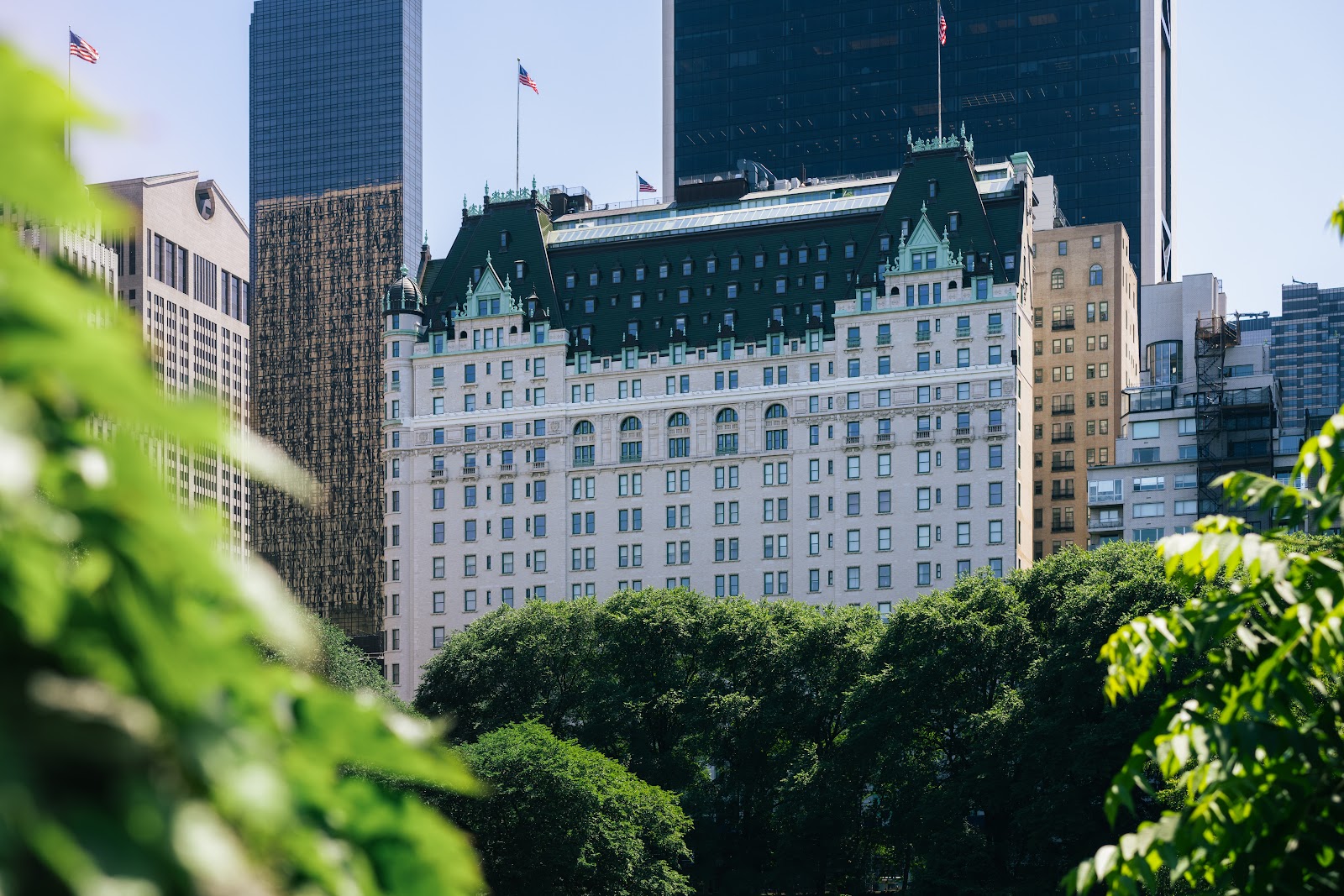
Outside, New York imposes the constraint that defines it photographically: there is no room to stand back. A grand hotel facade cannot be photographed whole from a street narrower than the building is tall, which means the exterior frames are fragments, details and looking up rather than establishing views. That is worth accepting rather than fighting — a couple at the foot of a facade with the building rising out of frame reads as New York in a way a wide view never would.
Manhattan’s street grid is rotated about twenty-nine degrees from true north, and the practical consequence is that the cross streets run roughly east-north-east to west-south-west, so low sun runs down their length while the avenues stay in shadow. That alignment is closest around the ends of May and the middle of July, and for the rest of the year the cross streets remain the ones that take low light.
Most street-level light here is bounced down from lit facades above rather than direct, which is soft, directional and available for much of the day. It is genuinely good portrait light and it is not golden-hour light — a distinction worth making in advance rather than explaining afterwards.
Glass towers add a specific and usable effect: a facade catching low sun reflects it into a street as a moving patch of hard light, appearing and disappearing as the sun moves. Those patches are unpredictable and worth watching for rather than planning around.
Where a hotel adjoins a park, that is the other register and it is worth a short excursion: mature canopy gives continuous shade in summer and genuine colour in late October, with dapple as the standing hazard — hot spots several stops above the surrounding shadow, shifting with any breeze. A park in New York also means permits and people, both of which need establishing rather than assuming.
New York’s seasons are four real ones. Summer is hot and humid with afternoon thunderstorms a real possibility, which for a windowless ballroom is entirely irrelevant — the day continues without a decision while every outdoor venue in the city is making one.
Autumn gives the clearest air and the best street light of the year. Winter is cold with short days, sunset falling in the middle of the afternoon in December, which compresses the outdoor window into a couple of hours and means the street frames must be decided in advance.
Snow is the compensation and it does two things: outdoors it is the best natural fill there is, lifting exactly the shadows a low sun carves while fooling a meter by about two stops; indoors it turns a street into a very large reflector, so the tall windows in the period public rooms give softer, brighter and more even light in February than at any other time of year.
And because the ballroom does not change through the day, the outdoor block can be placed exactly where the light is best rather than where the schedule allows — which at a venue with no daylight of its own is a real freedom rather than a compromise.
More frames from The Plaza Hotel
The Plaza Hotel wedding photography: common questions
Why does a grand ballroom have no daylight?
Because it was built to be indifferent to the hour. That is convenient — the interior coverage can go anywhere — and it means anything needing daylight happens elsewhere.
Does bounce flash work?
No. The ceiling is too far away to return anything usable, and the distances are real. Use a pale wall at a sensible distance or go direct with power.
Why does the ornament look flat?
Because an even downward wash gives three-dimensional plasterwork nothing to cast a shadow with. One source placed to graze rather than face a surface brings it back.
How should chandeliers be used?
As background rather than as light. At a wide aperture they become warm points behind a couple; as a source they arrive almost vertically and give far less level than they appear to.
What is the most valuable request?
That the ballroom be dimmed to pools rather than lit evenly. A few areas lit with the rest falling away reads as an occasion; uniformly lit reads as a function suite.
Why ask about the guest room floor?
Because a high room has more sky reaching its window, and in Manhattan — where the buildings opposite are very tall — that difference is larger than in most cities.
More New York venue guides
We are writing a photographer’s guide to every venue we would happily shoot in New York. Here are three more, plus the full index:
- The Ritz-Carlton Central Park, New York: The One Decision That Governs Everything
- The St. Regis New York: One Frame, and How It Is Made
- The Whitby, New York: A Walk Through a Midtown Hotel
Planning a wedding at The Plaza Hotel?
The ballroom frees the outdoor block entirely. Tell us your date and we will place it.