 The Whitby, New York: A Walk Through a Midtown Hotel
The Bowery Hotel, New York: Field Notes on a Warm Dark Hotel
Smooth transitions between rooms is a scheduling claim. For a photographer it is also a lighting one.
The transition from ceremony to reception appears smooth, as the venue’s own description has it, allowing everyone to glide into the celebration without fuss.
That sounds like a logistics claim and it has a direct photographic consequence worth naming. A building where spaces connect easily lets a photographer keep working during the transition rather than repositioning through it — and the transitions are where a substantial proportion of the real pictures happen, because that is when people are moving, talking and not being photographed at.
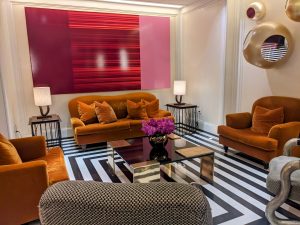
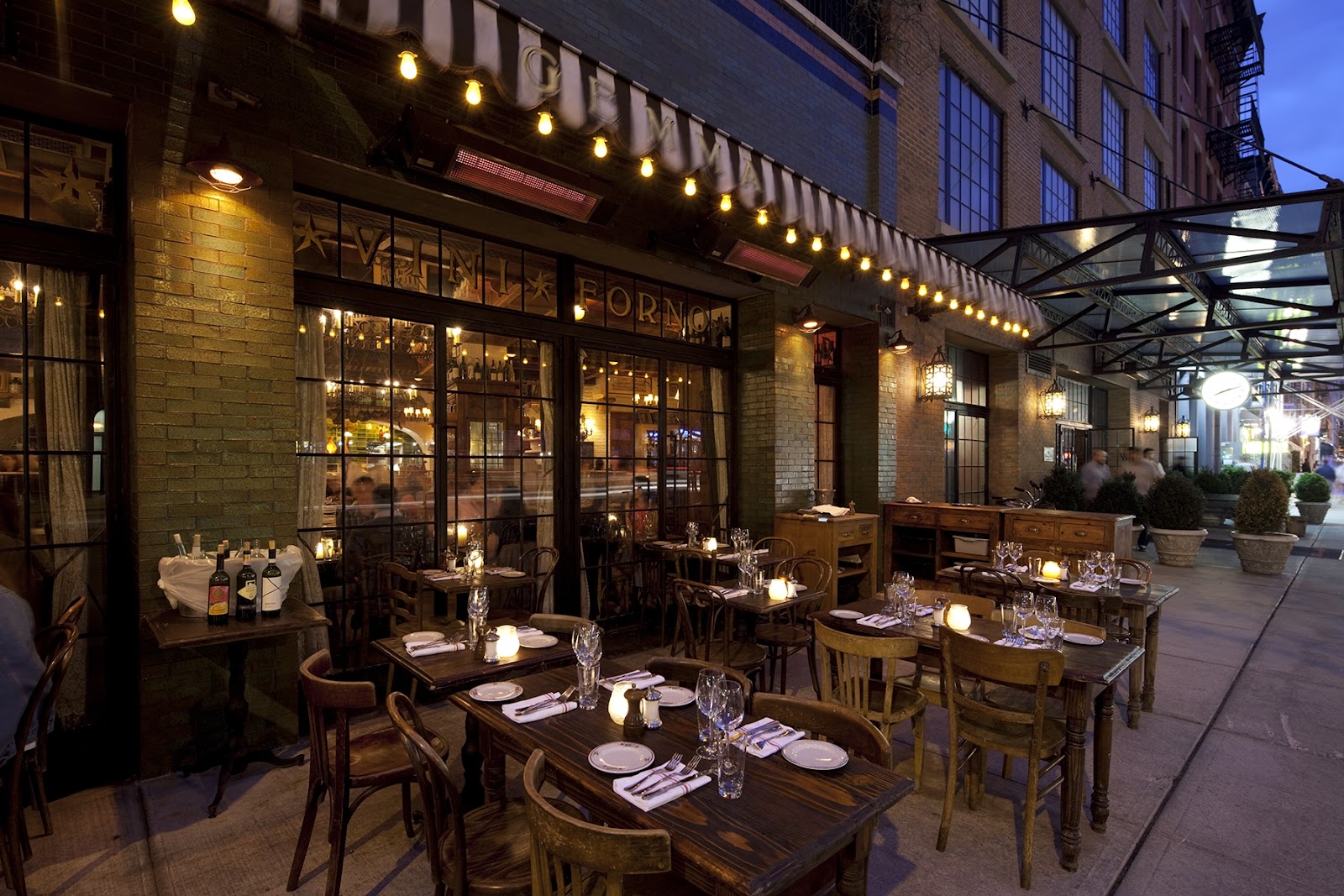
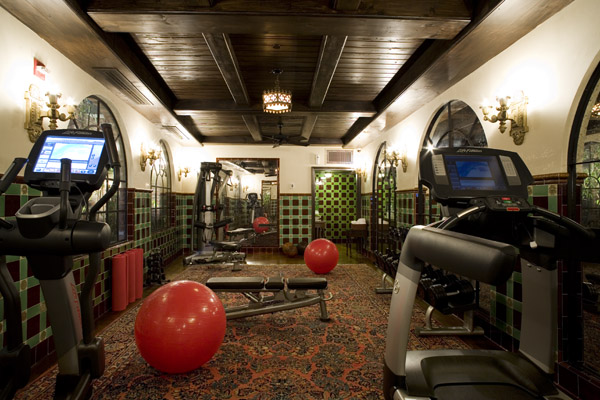
It also means the rooms are likely to share a register rather than contrasting, which at a hotel of this kind means warm, richly furnished and low-lit throughout. That consistency is a gift in a gallery and a specific technical situation: warm surfaces bouncing warm light from every direction, low ambient because those surfaces absorb, and no daylight to speak of in the public rooms.
These are field notes. We have not photographed a wedding at the Bowery Hotel; warm richly furnished hotels behave consistently. Which spaces are included, whether there is any daylight and where, whether the lighting is adjustable, and what may be attached to fabric are the questions for their team.
The Bowery Hotel at a glance
| Where | New York, New York |
| Character | A warm, richly furnished hotel with easily connected spaces |
| The advantage | Transitions can be worked rather than repositioned through |
| The condition | Warm absorbent surfaces, low ambient, little daylight |
| Ask first | Spaces included, any daylight, lighting control, fixings |
What you meet, and what each one needs
Low ambient is the first condition and its cause is the surfaces rather than the fittings. Usable room light is mostly bounced, and in a room of timber, deep colour, patterned textiles and heavy furnishing there is very little bouncing — so a richly furnished room is two stops or more below a pale one with identical lamps, and bounce flash returns a fraction of what it would elsewhere. Test it with one frame on arrival rather than hoping.
The method is to light directly and modestly: one source, off the camera axis, at face height, in a modifier large enough to be soft at the distance being used, gelled warm to match the room’s own light with white balance set to the gel. Expose so the room still reads as the warm dim space it is, and add only enough to put a catchlight in the eyes and separate a shoulder.
The frequent error is lighting a face correctly and losing the room, which produces a portrait that could have been made anywhere — and at a hotel chosen for its atmosphere that is the opposite of the point.
Warm bounce is the second condition and it is the colour problem. Timber, brass, deep paint and warm textiles all reflect strongly warm, and the cast arrives on the shadow side of a face from several directions at once. Because it is bounced and localised, global white balance cannot separate it from the subject — which is why the gelled-source approach matters rather than being a refinement.
Steep fall-off is the third and it works in your favour: in a warm dim room a subject three metres in front of anything else sits against natural darkness with no equipment at all. That is free separation and it is the opposite of the pale-modern-hotel problem.
Texture is the fourth and all of it needs raking light. Timber, plaster, patterned textiles and rugs read only when light runs along them; a source pointed at panelling turns it into a flat brown field, while the same source placed to skim it lifts every moulding and grain line. The positions worth finding are those where the key grazes rather than faces.
Decorative fittings are the fifth and they are the best thing in the register: at a wide aperture they become warm points of light behind a subject, which is what a warm hotel does beautifully — provided a bright fitting is not sitting immediately beside a head, where it pulls the eye off the face every time.
And mixed sources are certain: warm decorative lighting, cooler recessed fittings added later, candles, and daylight wherever there is any. Three colour temperatures in one frame cannot be resolved afterwards, so pick the one that should be correct and switch off or overpower whatever else lands on skin. Switching a few fittings off is frequently the cheapest improvement available in a room like this.
Working the transitions, and where the daylight is
The transitions are the thing this building offers that a badly connected one does not, and they are worth exploiting deliberately rather than merely benefiting from. A guest moving from one room to another passes through a doorway, a corridor or a stair — and all three are framing devices that a room does not have.
A doorway frames; a corridor gives depth and repetition; a stair gives elevation and rows. Standing at a transition point during a move, rather than in the destination waiting for everyone to arrive, produces pictures of people rather than pictures of a room with people in it — and in a warm dark hotel those pictures separate beautifully, because the fall-off puts everything behind the subject into darkness.
It also solves a practical problem: in a low-light venue, a photographer who repositions during every transition loses the transitions entirely, because setting up takes longer than the move does. Working through them requires a camera configuration that is already correct — a fast lens, a known ISO, a gelled source on a bracket or a hand — rather than a setup that has to be rebuilt each time.
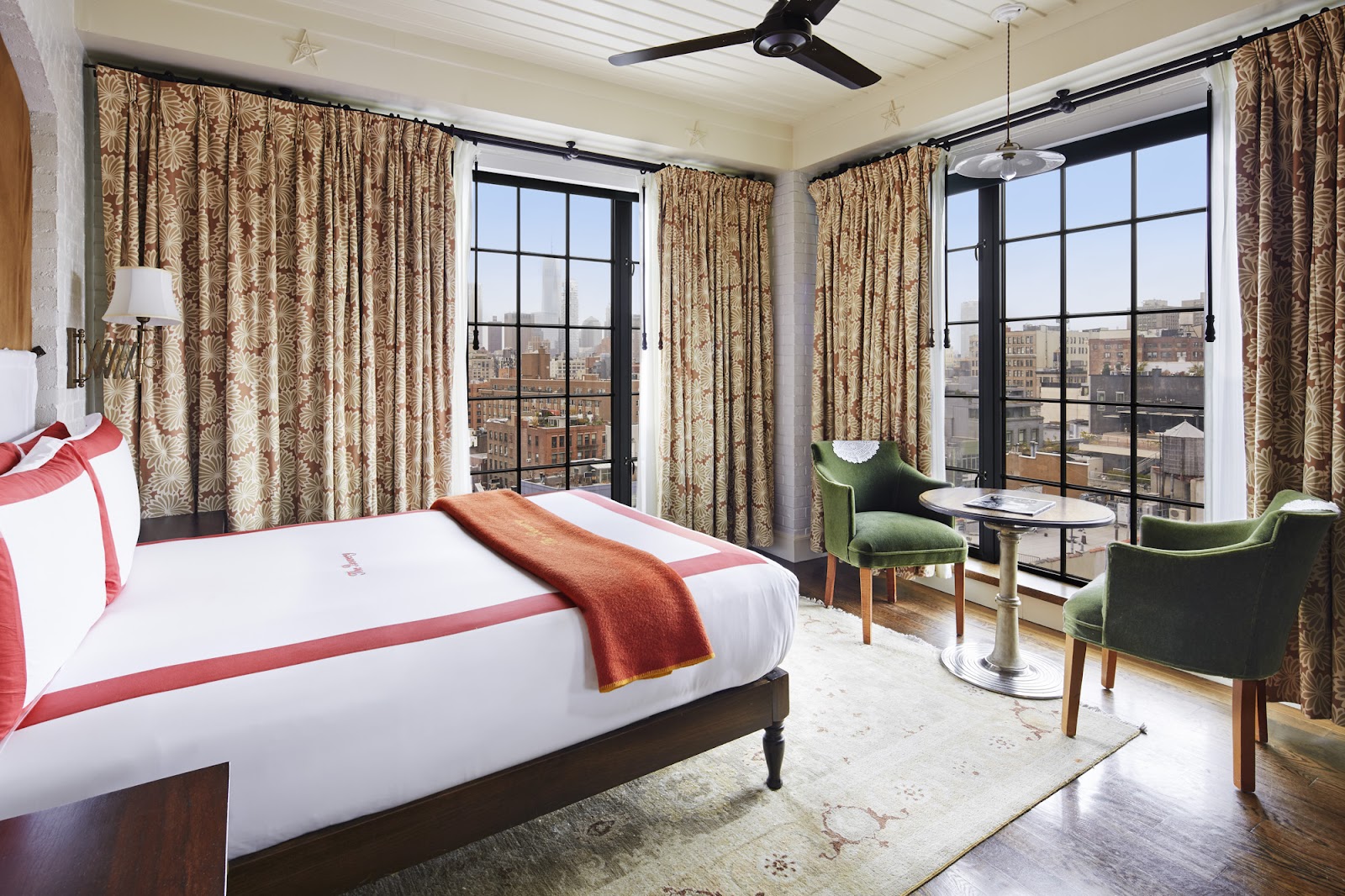
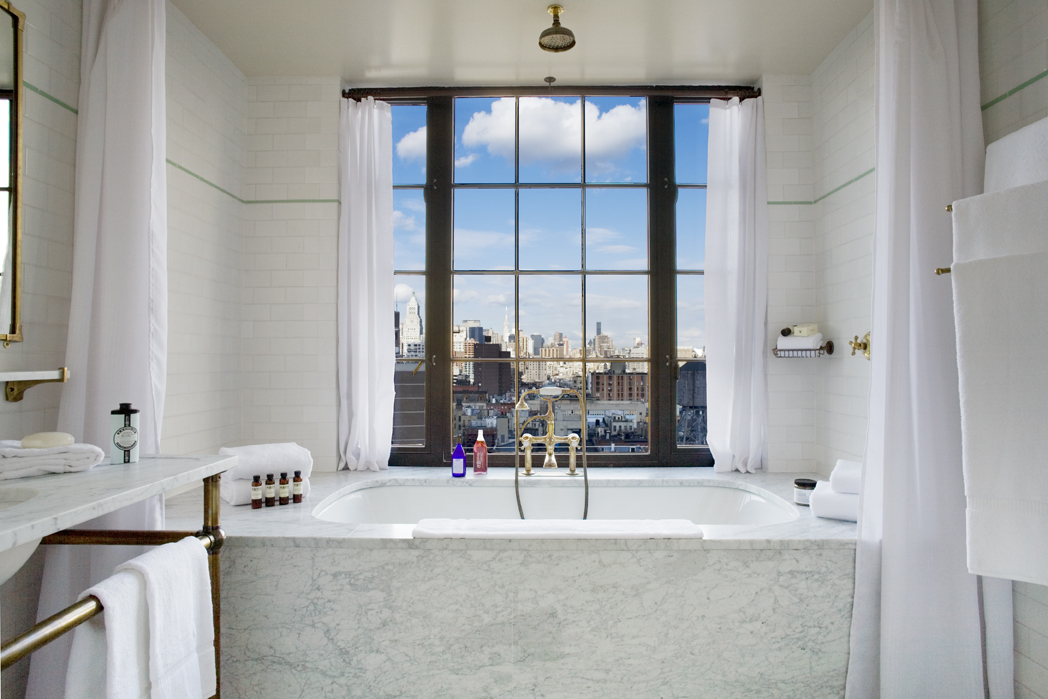
Guest rooms are where the daylight is, as in any hotel, and in a warm dark building they are the only place a naturally lit frame is possible. Largest window on the shaded side, every overhead fitting switched off so the room has one colour of light rather than three, lamps moved out of frame — and the contrast with the public rooms is large enough that those frames should be grouped rather than scattered, because a bright daylit portrait dropped into a sequence of warm dark ones looks like a mistake.
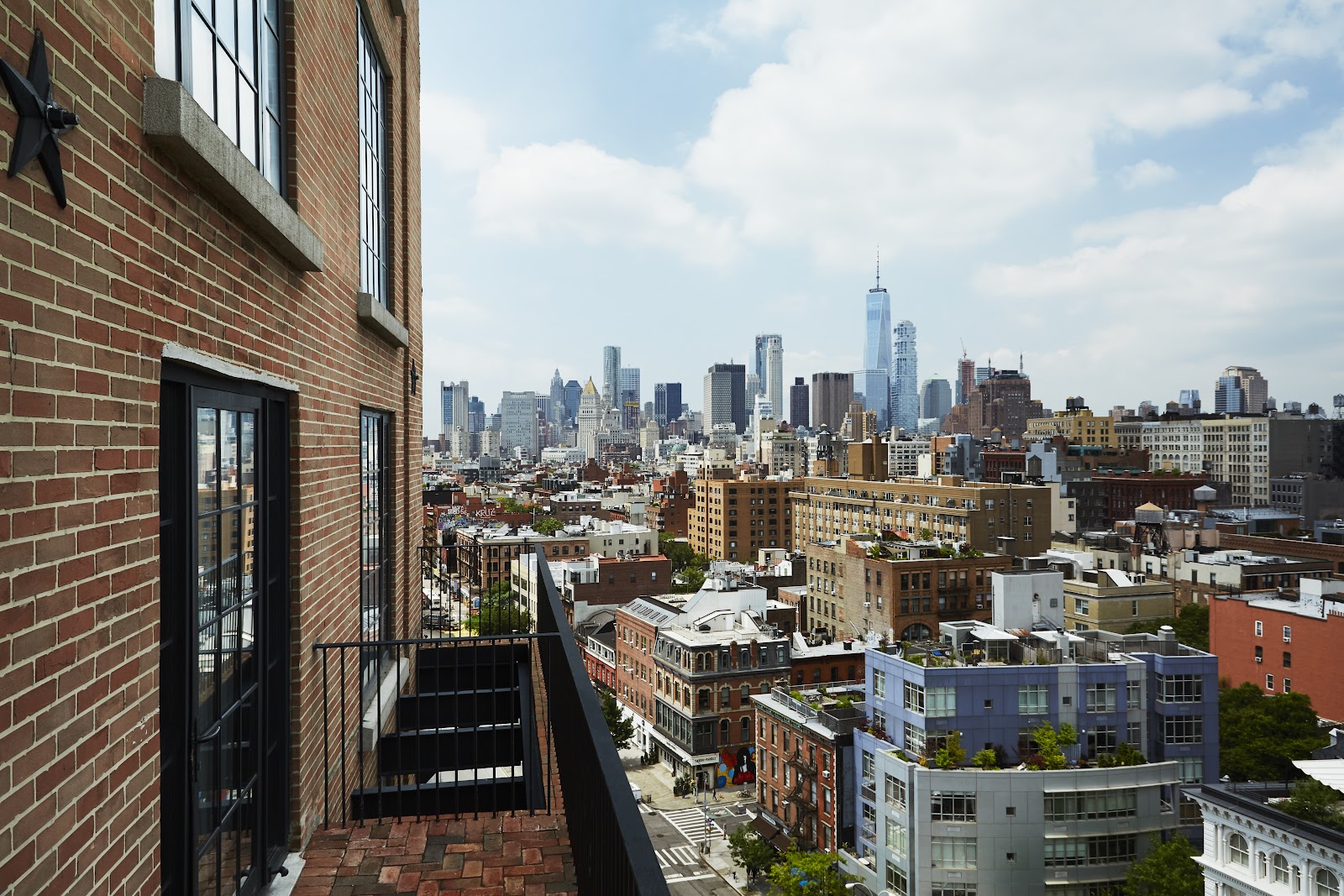
In Manhattan it is worth asking for a high floor, because a high room has more sky reaching its window than a low one, and here — where the buildings opposite are very tall — that difference is larger than in most cities.
Where any public room has a window, it is the most valuable position in the building and worth finding on arrival rather than at the end of the evening. A single window in a warm dark room gives exactly the condition the rest of the building cannot: directional light with a dark surround, which is the most flattering combination there is.
And the one timed frame is the dusk crossing at any such window: for roughly twenty minutes after sunset the street outside falls to about the brightness of the interior lighting, and one exposure holds the warm lit room, the couple and the city beyond. It happens once.
- Test bounce once; richly furnished rooms return almost nothing
- One warm-gelled source at face height, a stop under the room
- Work the transitions rather than repositioning through them
- Group the daylit guest-room frames rather than scattering them
- Find the one public-room window; it is the best position in the building
Outside, and New York's year
At street level New York imposes the constraint that defines it: there is no room to stand back, so a facade cannot be photographed whole and the exterior frames are fragments, details and looking up. At a hotel whose register is warm and close, that suits rather than limits.
Manhattan’s street grid is rotated about twenty-nine degrees from true north, which means the cross streets run roughly east-north-east to west-south-west, so low sun runs down their length while the avenues stay in shadow — the alignment closest around the ends of May and the middle of July. In the older downtown districts the street plan is less regular, so the rule holds loosely rather than exactly and a short walk with the sun in mind beats a map.
Most street-level light here is bounced down from lit facades above rather than direct: soft, directional, available for much of the day, and genuinely good portrait light — though not golden-hour light, which is a distinction worth making in advance.
Recessed doorways and awnings are the small-scale assets and they suit a hotel with a short excursion in mind: a roof above with walls to the sides and one open face makes a directional soft source at exactly the right size for two people, and it works in rain.
New York’s seasons are four real ones. Summer is hot and humid with afternoon thunderstorms a real possibility, which for a hotel is almost entirely an advantage — the day continues indoors without a decision. Autumn gives the clearest air and the best street light of the year.
Winter is cold with short days, sunset in the middle of the afternoon in December, which compresses the outdoor window into a couple of hours and means the street frames must be decided in advance rather than explored.
Snow is the compensation and it does two things. Outdoors it is the best natural fill there is, lifting exactly the shadows a low sun carves while fooling a meter by about two stops. Indoors it turns the street into a very large reflector, so the guest room windows and any public-room window give softer, brighter and more even light in February than at any other time of year — which in a warm dark hotel makes the few daylit positions materially better rather than marginally so.
And the fogging risk applies in both directions, so let a body come towards the temperature of where it is going before it gets there, and plan one outdoor excursion rather than several.
More frames from The Bowery Hotel
The Bowery Hotel wedding photography: common questions
Why does a well-connected plan matter photographically?
Because transitions are where a lot of the real pictures happen, and a building where spaces connect easily lets a photographer keep working through them rather than repositioning.
Why is the ambient so low?
Because the surfaces absorb. Timber, deep colour, patterned textiles and heavy furnishing put a room two stops or more below a pale one with identical lamps, and bounce returns almost nothing.
How should the interior be lit?
One warm-gelled source off-axis at face height, exposed so the room still reads as warm and dim. Lighting a face correctly and losing the room produces a portrait that could have been made anywhere.
What is the compensation?
Steep fall-off. A subject three metres in front of anything else sits against natural darkness, which is free separation and the opposite of the pale-hotel problem.
Where is the daylight?
Guest rooms, and any public room with a window. That window is the best position in the building, because it gives directional light with a dark surround.
Why group the daylit frames?
Because the contrast with the warm dark public rooms is large. A bright daylit portrait dropped into a sequence of warm dark ones looks like a mistake rather than a variation.
More New York venue guides
We are writing a photographer’s guide to every venue we would happily shoot in New York. Here are three more, plus the full index:
- The Bronx Zoo: Four Ways Out of the Fencing Problem
- The Brooklyn Botanic Garden: How the Light Moves
- The Carlyle, New York: Photographing a Hotel of Individual Rooms
Planning a wedding at The Bowery Hotel?
Work the transitions and find the window. Tell us your date and we will find it first.