 The Westin Book Cadillac, Detroit: A Walk Up Through a Restored 1924 Hotel
The Motown Museum, Detroit: One Frame and How It Is Made
Some venues are chosen for what they mean rather than for how they look. That changes what the photographs are for.
It is about the smiles the familiar tunes bring to guests’ faces, as the museum’s own description has it, the swing in their steps and the joy in the air.
That is an honest account of what a venue like this offers and it is worth taking at face value rather than translating into architecture, because the architecture is modest: a small residential building, domestic rooms, and the scale of a house rather than a venue. Nobody chooses it for its ceilings.
What follows from that is a different kind of planning. When a venue’s value is its meaning rather than its appearance, the defining frame is not architectural — it is the reaction. Guests’ faces as they recognise where they are, a couple in a room that matters to them, the small specific details of a place that is famous for what happened in it rather than for how it was built. Those are the photographs the day is for, and they are made with a fast lens and attention rather than with lighting.
So this is written as that frame and the three things it needs. We have not photographed a wedding at the Motown Museum; small house museums behave consistently. What the capacity is, whether photography is permitted inside and in which rooms, what may be touched, and whether any spaces are used only for ceremonies rather than for coverage are the questions for their team — and at a museum of this significance they will be firm and worth respecting exactly.
The Motown Museum at a glance
| Where | Detroit, Michigan |
| Character | A museum in a small residential building, valued for its meaning |
| The frame | Reaction rather than architecture |
| It needs | A fast lens, attention, and permission settled in advance |
| Ask first | Capacity, interior photography and which rooms, what may be touched |
The frame, and the three things it needs
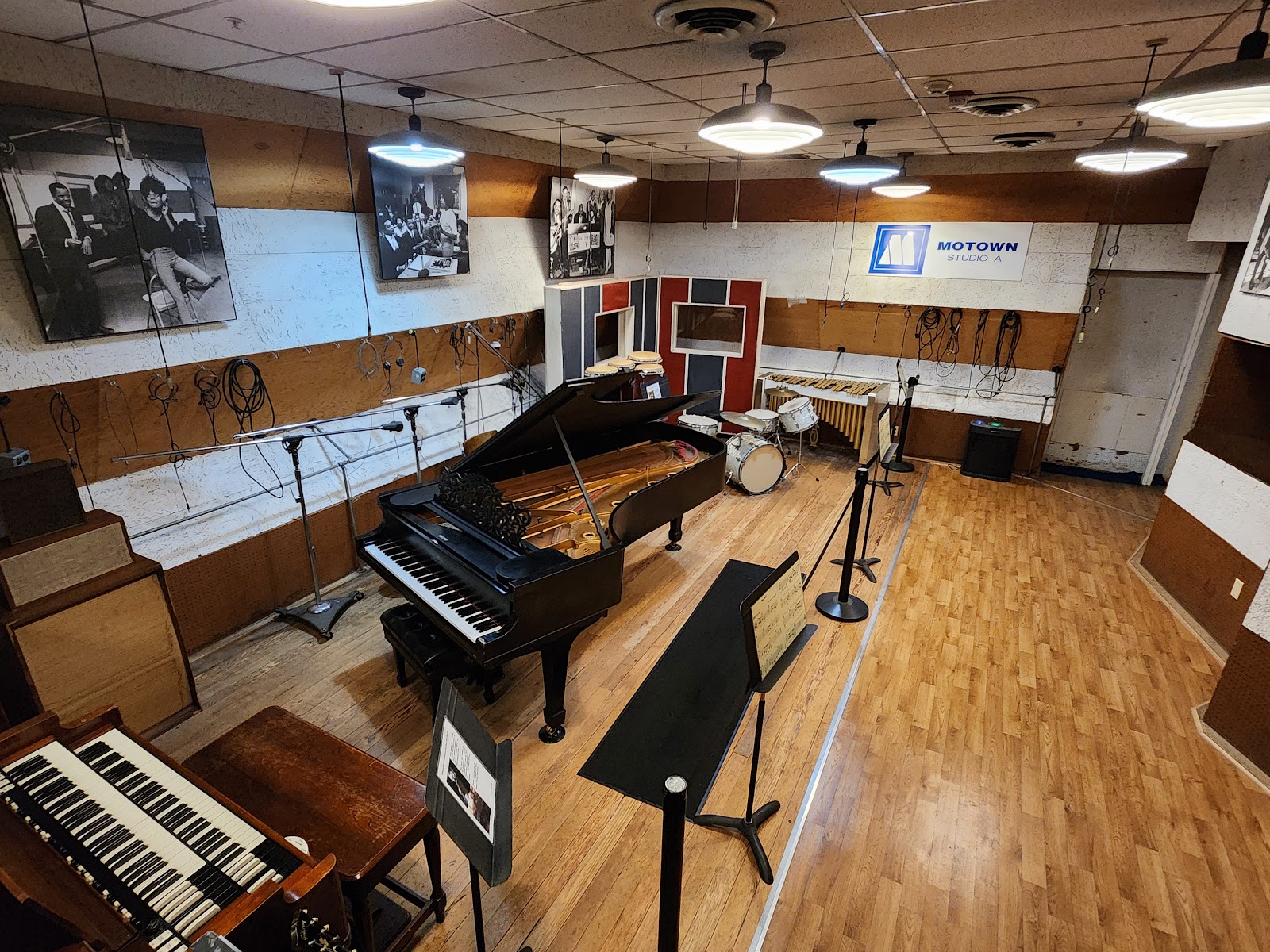
The first requirement is a fast lens and a raised ISO, because the rooms are small, domestic and lit for a museum rather than for photography. Small house museums are typically dim: modest windows, low fittings, and often blinds or filters protecting the contents. A fast prime at a high ISO is the baseline rather than a fallback, and grain in a small dim room looks like what it is — a room, photographed honestly.
That is worth stating plainly because the alternative is worse. Flooding a small significant room with flash produces a frame that looks lit rather than a frame that looks like being there, and at a venue chosen for its meaning the second is the point. Where any added light is permitted at all, one small source at face height, exposed a stop under the room, is the whole of it.
The second requirement is attention rather than equipment. Reaction frames cannot be set up; they can only be anticipated. The practical version of that is position: knowing in advance where people will come into a room, where they will stop, and where a photographer can stand without being in the way — which in a domestic space is a much narrower set of options than in a venue, and needs establishing on arrival rather than during.
It also means working quietly and continuously rather than in set pieces. A small house with guests in it has no empty background, so the background is people at close range, often looking at the camera — and in this kind of venue that is the material rather than the problem. Close work, a normal or short telephoto lens, and a willingness to shoot a lot for a few frames is the method.
The third requirement is permission settled in advance, and at a museum of this significance it is a matter of respect rather than logistics. Whether photography is permitted inside, in which rooms, whether anything may be touched or leaned on, and whether any room is used for a ceremony but not for coverage — those are four separate questions with four possible answers, and they should be in writing before a schedule exists.
A museum that restricts interior photography has not damaged the day. It has said that the meaning of the place is the point and the photographs happen around it, which is a coherent position and one worth accepting without argument.
The working assumption should be that nothing moves, nothing is leaned on, nothing is sat on unless offered, and no stand goes down without asking — which in a small house is not restrictive so much as clarifying, because it means the set is fixed before arrival.
Working a small house, and what it does give
Small rooms impose three limits and they are the same in any house museum. Working distance is the first: a room four or five metres across does not allow a step back for a wide view without a very wide lens, and a very wide lens close to a face stretches it — so the wide frame and the portrait frame are two different photographs and combining them is how small-room coverage fails.
Doorways are the answer: standing in one room and photographing into the next buys back the distance the walls took away, adds a natural frame, and gives depth a single room cannot. In a house where rooms open into one another it is frequently the strongest frame available.
The second limit is the window area. A domestic window is modest, and there may be blinds or protective filtering reducing it further — so the usable positions are few and fixed, and finding them is the whole of the preparation. Two or three steps back from a window is better than beside it, where the light has softened but remains clearly directional.
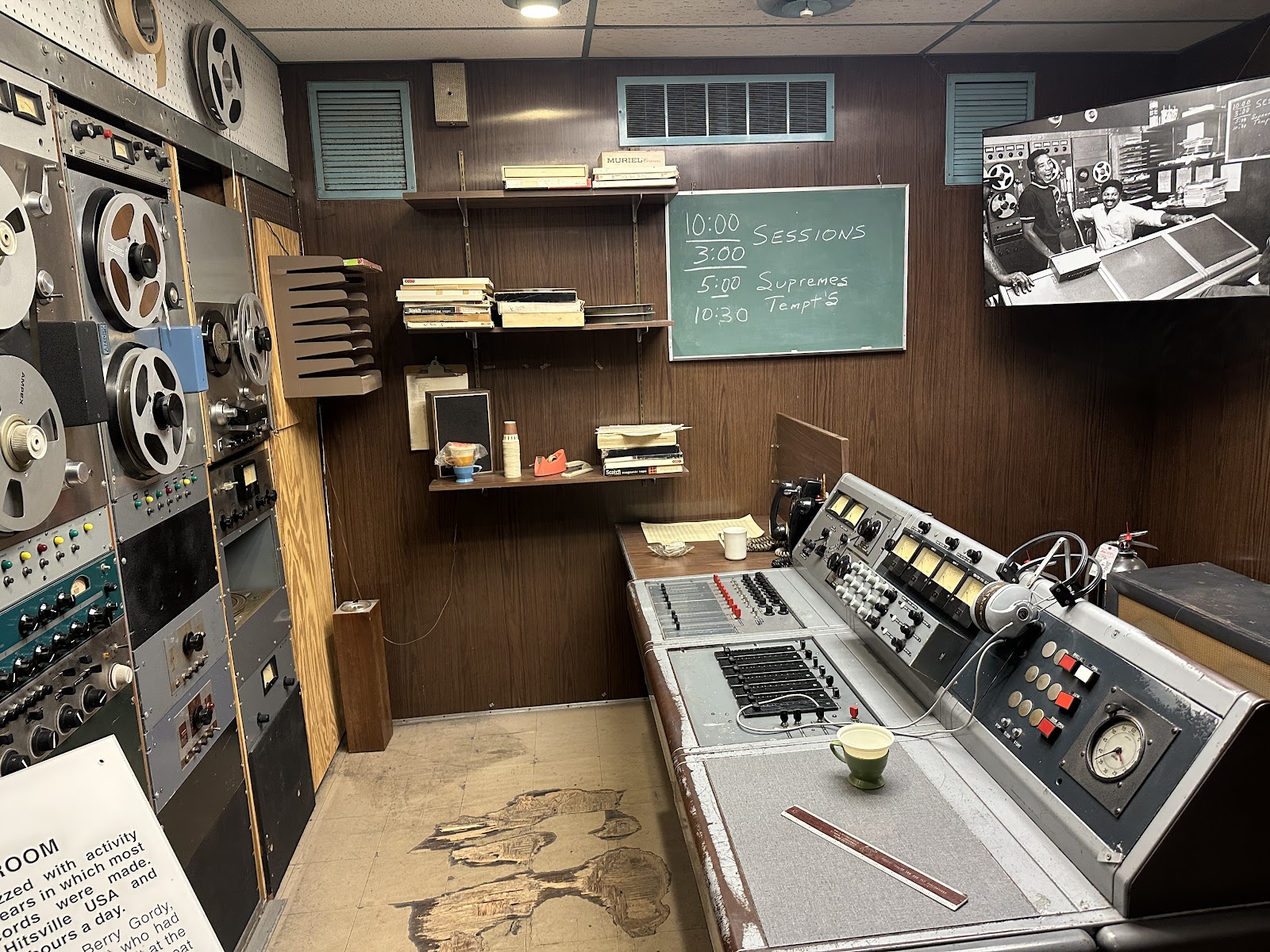
The third limit is the contents, and at a museum they are the reason the building exists. Assume nothing moves and use that: a fixed set is easier to work with than it sounds once accepted, because it means the positions can be learned rather than negotiated.
The compensation across all three is real and it is the thing that makes small houses work. Close walls bounce: in a room where the surfaces are near and pale, a flash aimed at the ceiling is returned as soft fill from every direction, which makes bounce a genuine tool here where it fails in a hall or a ballroom. Test it in the first minute — if the ceilings are pale it changes what is possible indoors entirely, and if photography with flash is permitted it is the most useful technique available.
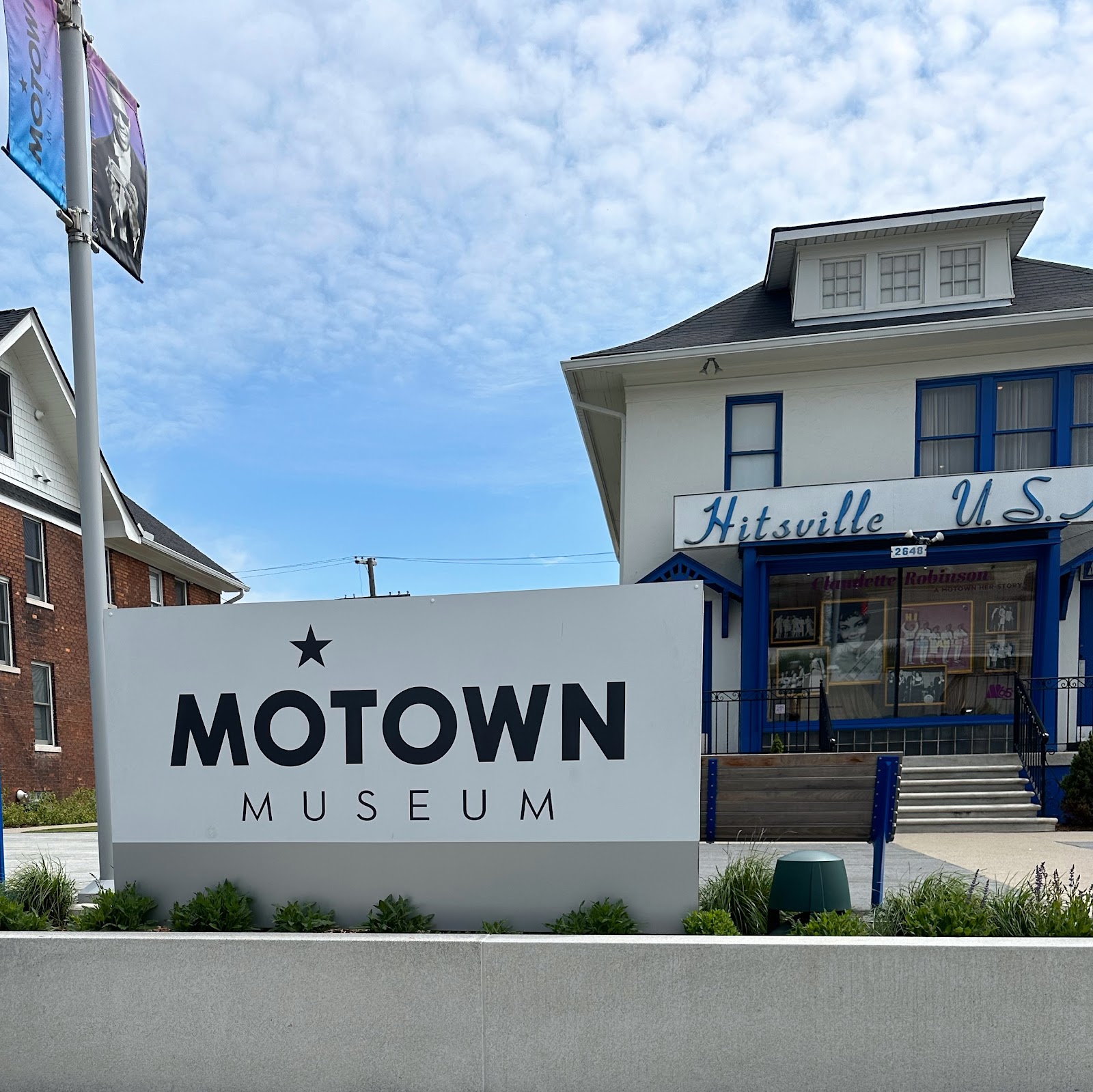
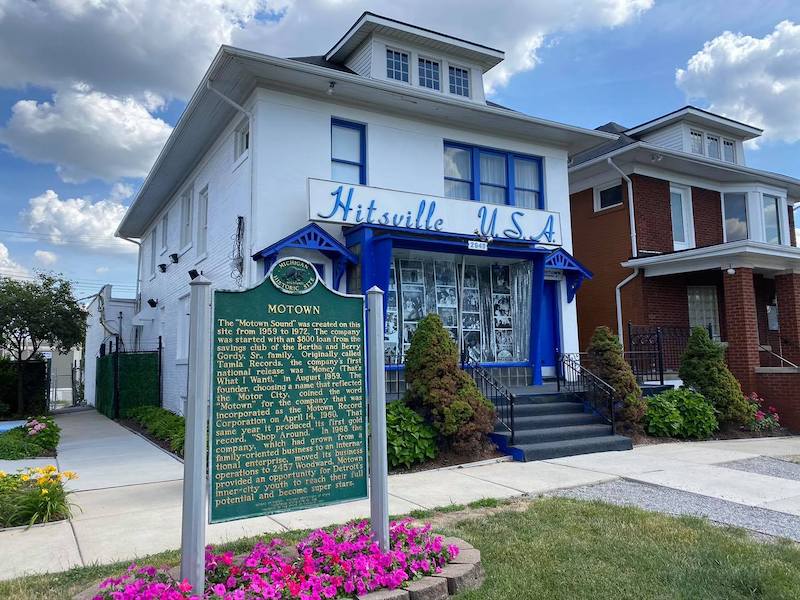
The exterior is the other half of the day, and at a house museum it usually carries the group photograph and anything needing space. A modest residential facade in raking light is better material than it sounds: brick and painted timber show their texture only when light runs along them, and the front steps of a house are the reliable group position, because steps make rows where a lawn will not.
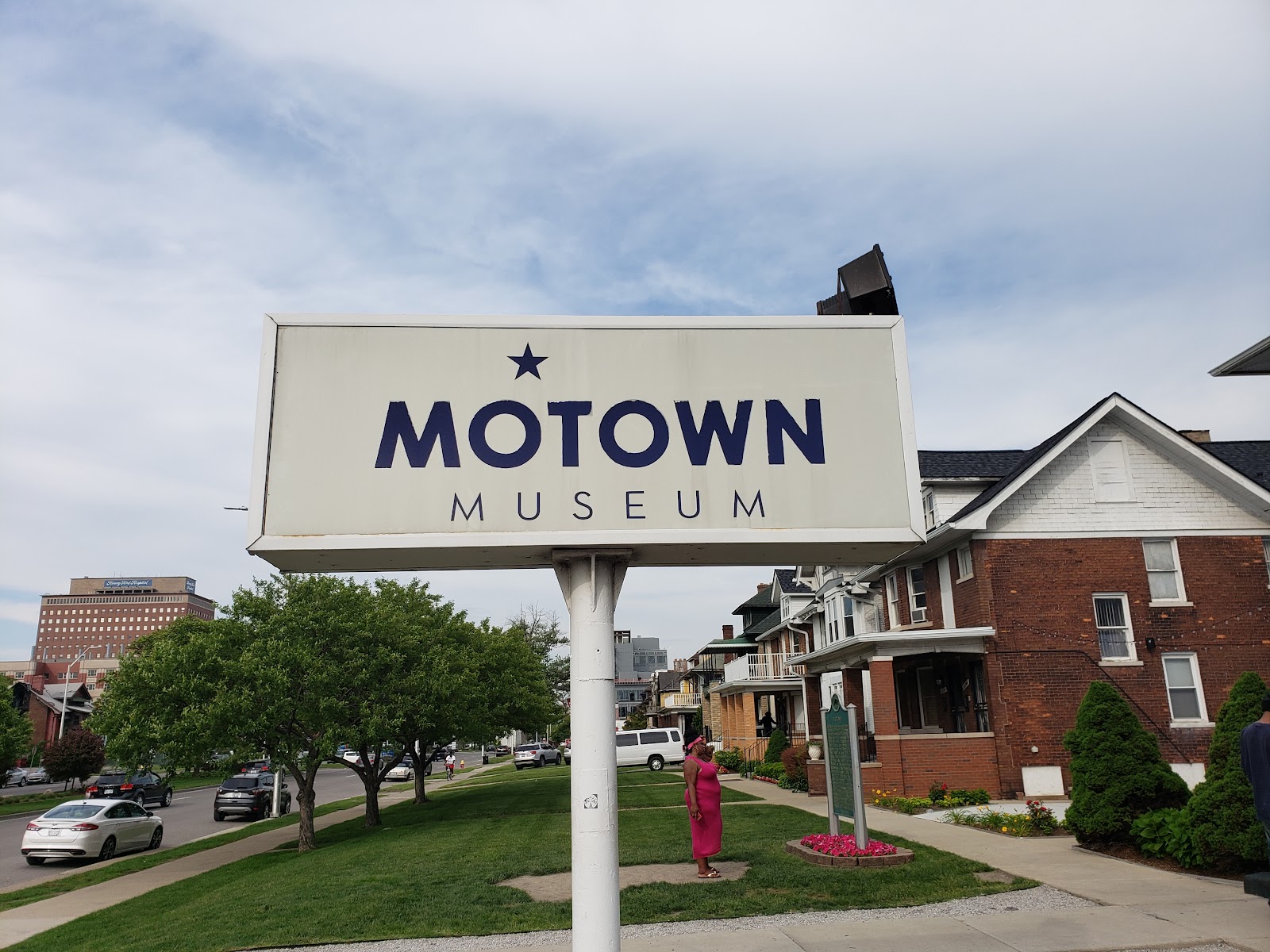
And a small house has one further asset worth using: it is recognisable. A frame that includes the building’s front, the sign, or the street it stands on locates the day unmistakably — which at a venue chosen for its meaning is worth more than an interior frame that could be anywhere.
- Fast lens, raised ISO, and grain accepted rather than fought
- Learn the positions on arrival; in a house they are few and fixed
- Photograph through doorways to buy back working distance
- Test ceiling bounce in the first minute; in a small pale room it works
- Include the front of the building; recognisability is the point here
Outside, and Detroit's year
Detroit gives an outdoor advantage almost no other American city does: there is room to stand back. Substantial open ground and low-rise residential fabric mean a whole building can be photographed entire from across the street rather than in fragments — and for a small house whose exterior is part of its recognisability, that matters more than it would for a tower.
That openness also means low sun reaches street level from further away than in a denser city, so the last ninety minutes give raking light on brick and painted timber across a wider area. Both materials show their texture only when light runs along them, so a short walk to find which side is being raked is worth more than any accessory.
Residential streets bring one consideration that a downtown does not: residents. A large group photographed on a public pavement in a residential street needs courtesy rather than assumption, and it is worth agreeing where that happens rather than improvising it with thirty people.
Mature street trees, where there are any, are the summer resource — continuous shade is soft and directional, and dapple is the hazard, putting hot spots several stops above the surrounding shadow and shifting with every breeze, so full shade, open light, or wait for the sun to drop.
Michigan’s seasons are four real ones. Summer is warm and humid with afternoon thunderstorms a real possibility, and a small house is not a large fallback — so the wet-weather arrangement needs a capacity and a decision time attached, and a covered porch or the front steps under shelter is frequently the practical answer.
Autumn gives the clearest air and the best raking light of the year on brick, with genuine colour in street trees in October — the season a residential exterior is at its best.
Winter is cold and snowy with short days, sunset falling in the middle of the afternoon in December, which compresses the outdoor window into a couple of hours. Snow is the compensation and it does two things: outdoors it is the best natural fill there is, lifting exactly the shadows a low sun carves while fooling a meter by about two stops; indoors it turns the street into a very large reflector, so the modest windows of a small house give softer, brighter, more even light in February than at any other time of year.
That last point is worth emphasising at a venue whose interior is genuinely dim: a small house museum is measurably easier to photograph in after snow than in summer, and it is one of the few places where winter is the better season for the interior rather than the worse.
More frames from The Motown Museum
The Motown Museum wedding photography: common questions
What is the defining frame at a venue like this?
Reaction rather than architecture — guests recognising where they are, and a couple in a room that means something to them. Those are made with a fast lens and attention, not with lighting.
Why not just light the rooms properly?
Because flooding a small significant room with flash produces a frame that looks lit rather than one that looks like being there, and at a venue chosen for its meaning the second is the point.
What has to be settled in advance?
Four separate things: whether interior photography is permitted, in which rooms, what may be touched, and whether any room is for the ceremony but not for coverage.
How do you photograph small rooms?
As two separate photographs, and through doorways. A wide frame about the room with people incidental, tighter frames about the people — and shooting from one room into the next buys back distance.
Does bounce flash work?
If the ceilings are pale, yes — close walls return soft fill from every direction, which makes it the most useful technique available where flash is permitted. Test it in the first minute.
Why is winter better for the interior here?
Because snow turns the street into a very large reflector, so the modest windows give softer, brighter and more even light in February than at any other time of year.
More Detroit, MI venue guides
We are writing a photographer’s guide to every venue we would happily shoot in Detroit, MI. Here are three more, plus the full index:
- The Roostertail, Detroit: How the Light Moves
- The Shinola Hotel, Detroit: What It Suits and What It Does Not
- The Siren Hotel, Detroit: What It Suits and What It Does Not
All Detroit, MI Wedding Venues →
Planning a wedding at The Motown Museum?
Settle the permissions, then work quietly. Tell us your date and we will ask first.