 Overhills Mansion: Who This Venue Suits, and Who It Doesn’t
Frederick Douglass-Isaac Myers Maritime Park: One Frame and How It Is Made
A working waterfront gives one frame that nothing else gives: the edge itself, running away into the harbour.
The Frederick Douglass-Isaac Myers Maritime Park sits on the Baltimore waterfront, combining the history of a working shipyard site with harbour frontage.
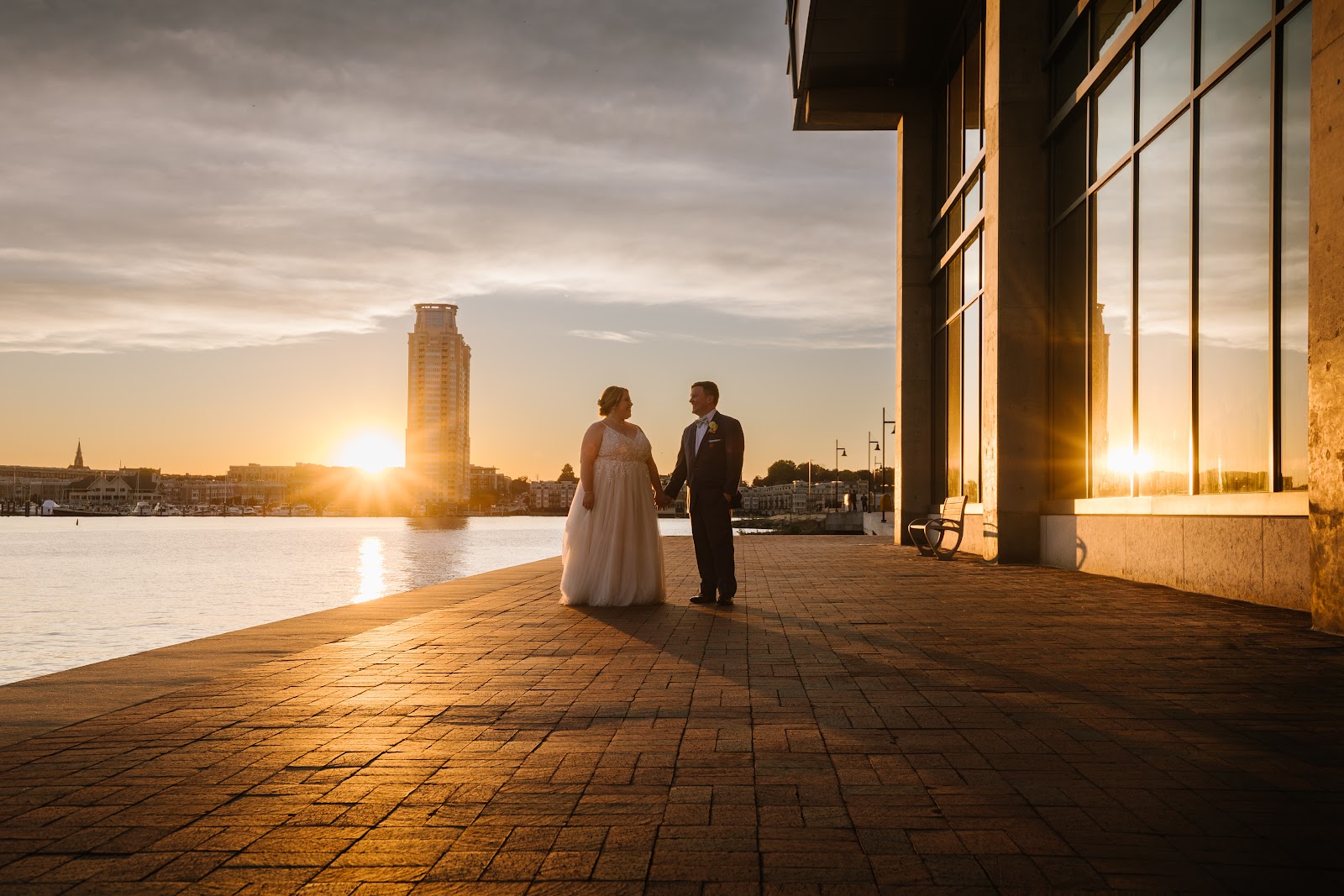
One frame defines a site like this, and it is the edge: camera low and close to the quay line, the water’s boundary running away from the viewer into the distance, the couple placed somewhere along it, and the harbour opening out beyond. It works because a waterfront edge is a natural leading line that nothing built can match — it is long, it is unbroken, it separates two completely different surfaces, and it ends in open distance rather than in a wall.
So this is written as one frame and the three things it needs. We have not photographed a wedding here; working waterfronts behave the same wherever they are. What the site permits, which buildings are included, and what the fallback is if weather closes the quayside are the questions for their team — and the last one matters, because a waterfront has no shelter of its own.
The Frederick Douglass-Isaac Myers Maritime Park at a glance
| Where | The waterfront, Baltimore, Maryland |
| Character | A maritime museum site on historic working harbour frontage |
| The frame | Low along the quay line, water’s edge running into the distance |
| It needs | A low camera, a long lens, and light from the side |
| Ask first | What is included, and the fallback if the quayside is unusable |
The frame, and the three things it needs
The first requirement is a low camera. The strength of an edge frame comes from the line being long in the picture rather than short, and how long it appears depends entirely on viewing height. Dropping close to the ground stretches the quay line towards the horizon and gives it depth; standing at eye level compresses it into a band across the middle of the frame. This is the single most consequential decision in the picture and it costs nothing but kneeling.
The second is a long lens. Compression is what makes a harbour read as a harbour: at 135mm or 200mm the shipping, the far shore and the city stack up behind a couple as a layered background, while at 24mm the same elements shrink to a thin strip under a large empty sky. A waterfront is almost always a long-lens environment, which is counter-intuitive because the space itself is wide.
The third is light from the side rather than from over the water behind the subject. A low sun reflected off flat water produces a hard specular path — a bright lane running towards the camera — and at the exposure a face needs, that lane is unrecoverable white. So the geometry to seek is the couple lit across the frame, with the water to one side or behind them but the sun not in line with it.
Within those three conditions there is a hierarchy of hours. Late afternoon gives raking light along the quay, along any brick or timber, and across the water’s texture. The last twenty minutes give the best version, because the water then stops reflecting and starts glowing — holding the whole sky’s colour as a luminous surface. A couple against luminous water will silhouette unless lit, and a single warm-gelled source at face height about a stop under the sky holds both.
One geographic decision governs all of it: which way the frontage faces. West-facing frontage puts the sunset in the water and the colour in front of you; east-facing puts the warm light on the far shore and the colour behind the camera. Both are good, both are different, and only one is available from any given position — so the walk that matters most is the one that establishes where you will be standing at seven o’clock.
What else a working waterfront gives
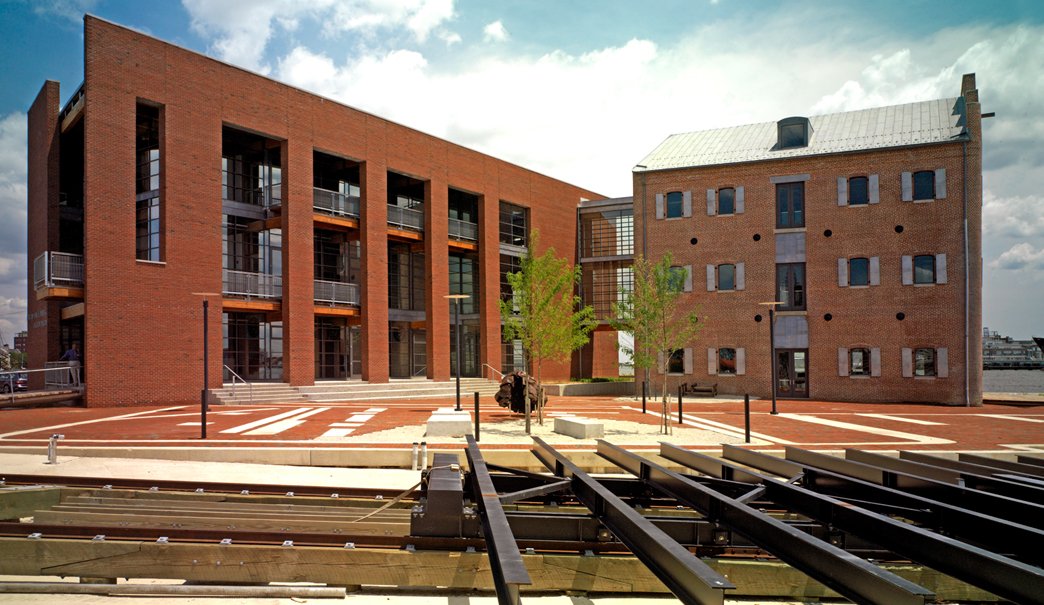
Industrial maritime material is the second asset and it is coherent: timber, brick, iron, bollards, rope, rails, painted metal and the general vocabulary of a place built to handle ships. All of it photographs well and all of it wants raking light, because texture only reads when light runs along a surface rather than at it.
Brick and painted timber are forgiving mid-tones that hold detail across a wide exposure range, and they bounce warm — which near water is useful, because water bounces cool from below and the two balance each other. A position two metres out from a sunlit brick wall, standing in its shade, is often the best-lit spot on a waterfront site.
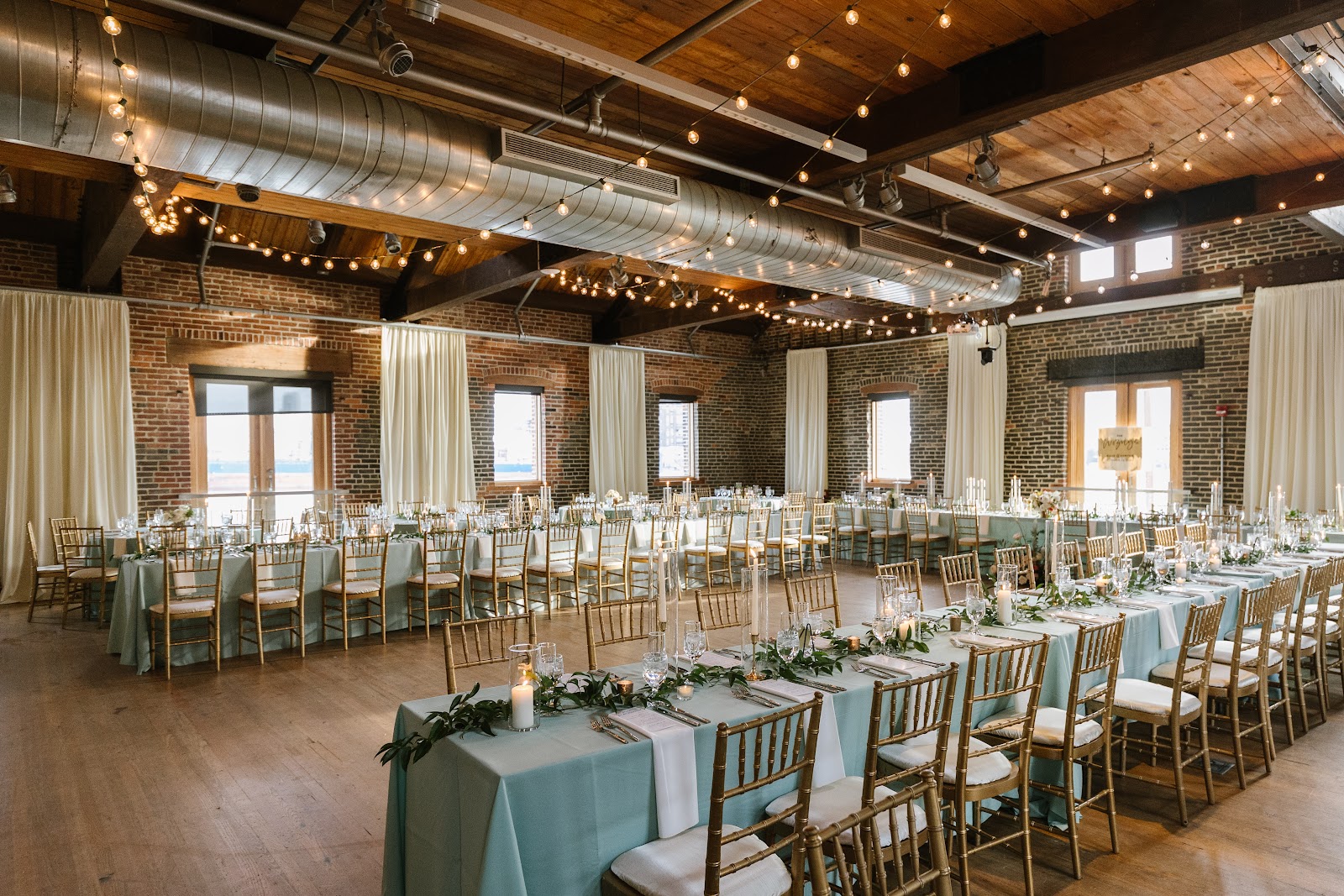
Interior spaces at a maritime museum tend to be functional rather than grand: brick or timber shells, modest openings, and exhibit lighting aimed at objects rather than people. Where there are large openings they behave as very large soft sources and a subject two metres inside one is well lit; where there are only small openings, the light is hard and steeply falling off, which is dramatic and worth one frame rather than a whole block.
Museum galleries carry the usual three-part problem — low levels for conservation, fittings aimed down from above, and narrow-spectrum sources that render skin badly even at correct white balance — so if any added light is permitted, keep it small: a gridded source on the couple alone, a stop under a correct reading for the room, spilling onto nothing.
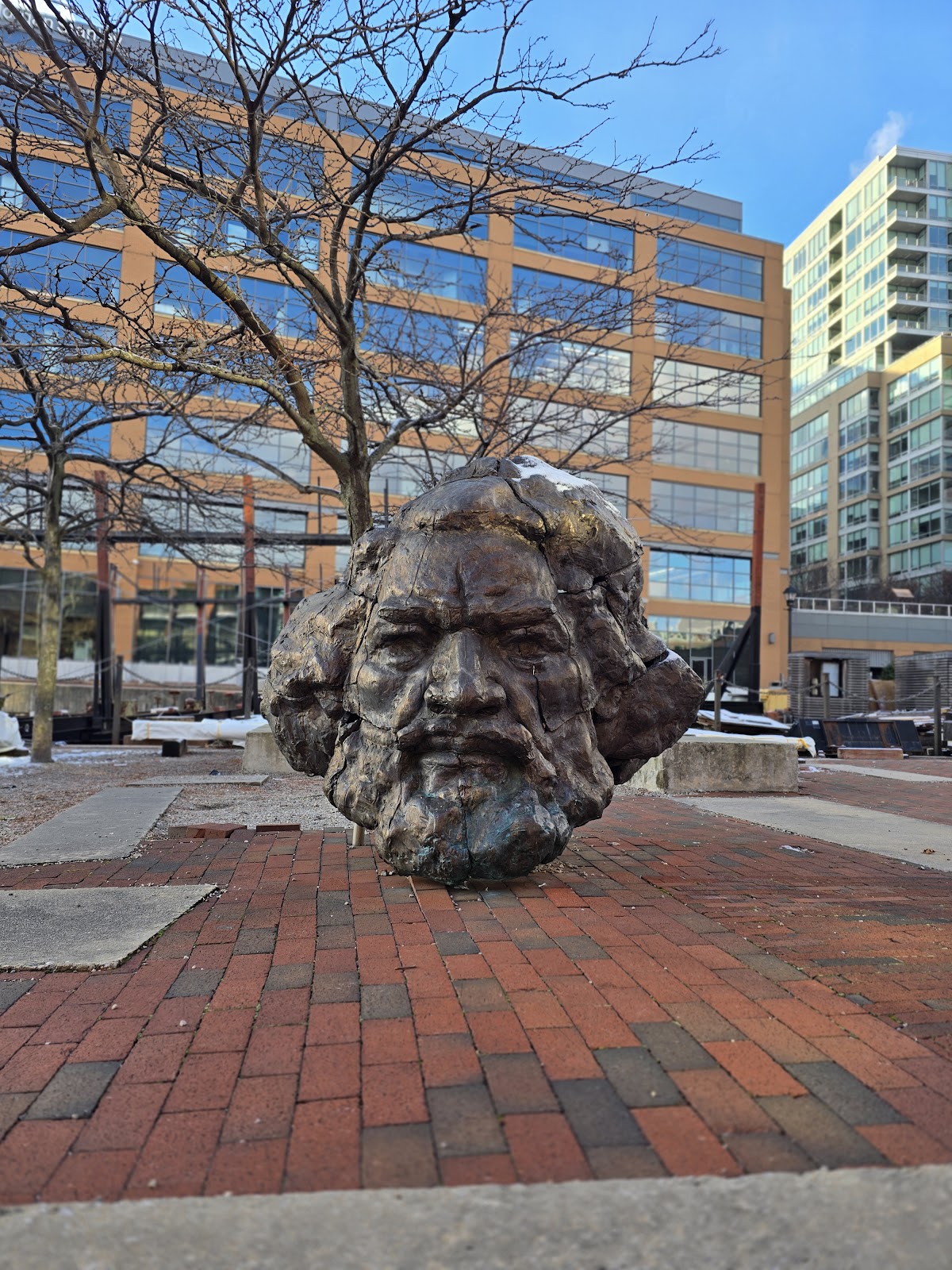
A site interpreting the history of Black maritime labour and of Frederick Douglass deserves a note of tact rather than technique. Some interpretive material at a site like this concerns slavery and its aftermath, and a celebration frame in front of that material serves nobody. The judgement is straightforward: photograph in the architectural and waterfront spaces, ask the site’s staff what is appropriate where, and treat their answer as settled. Asking early costs one email and removes the question from the day.
Harbour wind is the constant. It is stronger and gustier at the water’s edge than in the streets behind, which matters for a veil, for hair and for any stand — and it breaks the surface, so a mirrored reflection frame belongs to early morning rather than to the afternoon.
- Get low: viewing height decides how long the quay line reads
- Go long: compression stacks the harbour, wide flattens it to a strip
- Keep the sun’s specular path off the line between camera and couple
- Two metres out from sunlit brick, in its shade, is the best light on site
- Ask the site’s staff where celebration frames are appropriate, and accept it
The hours, the shelter problem, and Baltimore weather
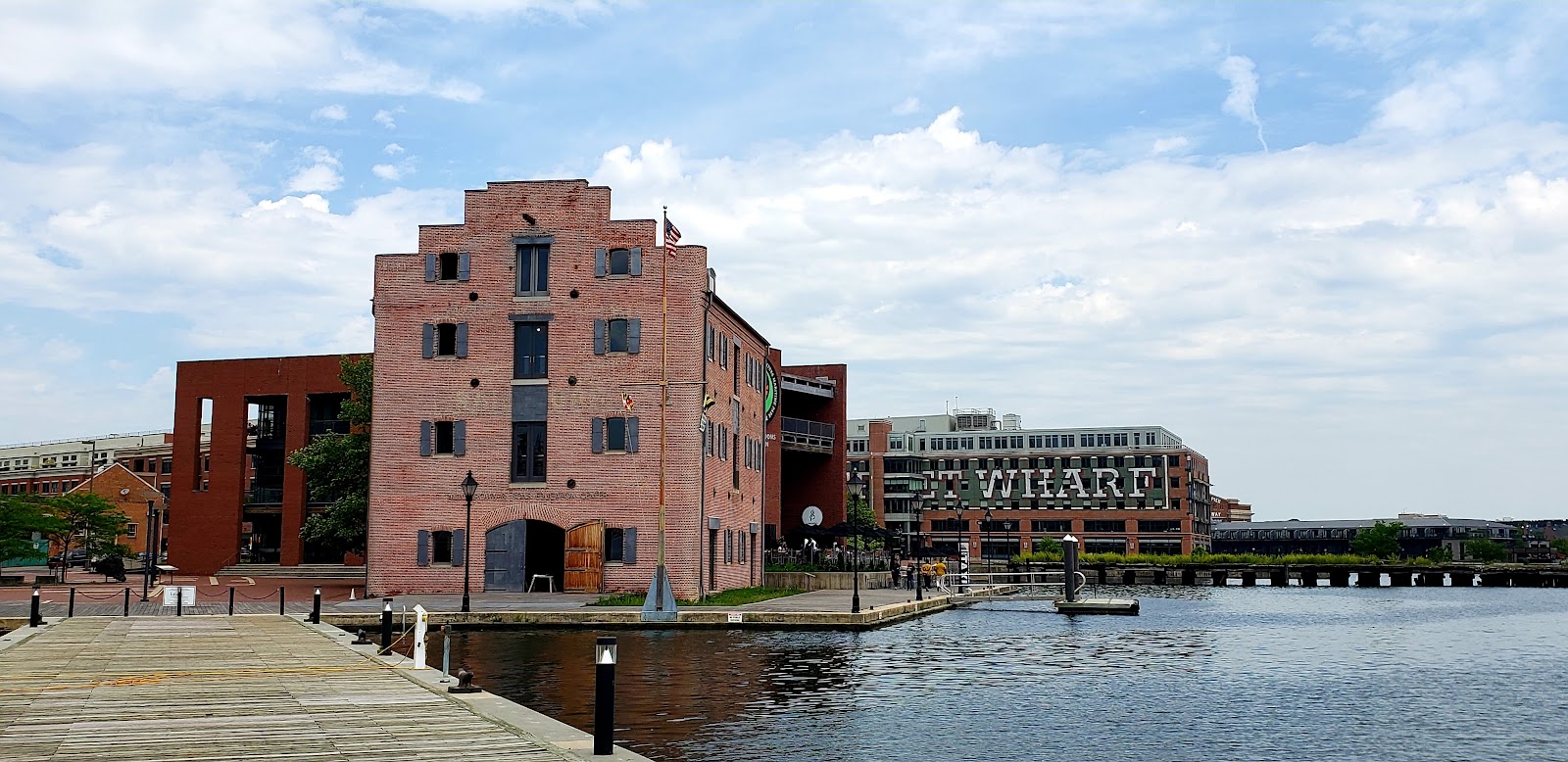
The golden hour is long on a waterfront because nothing rises above the horizon out over the water, so the sun stays visible almost to the end. That makes the last ninety minutes genuinely usable rather than clipped short, and it is the window the whole schedule should protect.
The twenty minutes after sunset belong to the sky and the water together, and they produce the best frame the site offers. With the surface glowing and the city lights beginning to show, a couple on the quay line lit by one warm source sits between two luminous fields. It happens once and it needs a clock time rather than an intention.
After that, broken reflections of harbour and city lights on moving water read as vertical coloured lines, which is a background specific to a waterfront. A long exposure smears them and a lit frame freezes them into texture; take one of each rather than choosing on the night.
The shelter problem is the site’s real weakness and it needs an honest answer in advance. A waterfront has no cover of its own, mid-Atlantic afternoon thunderstorms are common rather than rare, and an exposed quayside in a storm is a safety question rather than an inconvenience. Ask what the fallback is, how many it holds, and by what time the decision is made.
Humidity produces the season’s equipment risk in both directions: kit chilled in an air-conditioned building or car fogs comprehensively on reaching warm damp air and takes many minutes to clear, and in winter the reverse happens on coming indoors. Let equipment come towards the ambient temperature before it is needed rather than moving it straight between the two. Salt and spray are the other waterside consideration — a rag in a pocket and a habit of checking the front element.
What the weather gives back is the best version of this venue. A departing storm over water, with a dark sky and low sun coming in underneath, lights the harbour surface against black cloud and throws every texture on the quay into relief. It is worth going back out for, and on a waterfront it is worth waiting for.
More frames from The Frederick Douglass-Isaac Myers Maritime Park
The Frederick Douglass-Isaac Myers Maritime Park wedding photography: common questions
What is the defining frame?
The edge itself. Camera low near the quay line, the water’s boundary running away into the distance, the couple placed along it and the harbour opening beyond. Nothing built provides a leading line that long or that clean.
Why does camera height matter so much?
Because how long the quay line reads depends entirely on viewing height. Low stretches it towards the horizon; eye level compresses it into a band across the middle. It is the most consequential decision in the picture.
Wide or long lens on a waterfront?
Long, counter-intuitively. Compression stacks shipping, far shore and city into layers behind the couple; a wide lens shrinks all of it to a thin strip under a big empty sky.
How do you avoid the specular path?
Position so the sun is not in line with the water behind the couple. Low sun on flat water makes a bright lane that is unrecoverable white at the exposure a face needs.
What about the site's interpretive material?
Ask the staff where celebration frames are appropriate and treat the answer as settled. Some material concerns slavery and its aftermath, and a wedding frame in front of it serves nobody.
What is the site's real weakness?
No shelter. Mid-Atlantic afternoon storms are common, and an exposed quayside in one is a safety question. The fallback, its capacity and the decision time all need agreeing in advance.
More Baltimore, MD venue guides
We are writing a photographer’s guide to every venue we would happily shoot in Baltimore, MD. Here are three more, plus the full index:
- The Hotel Monaco, Baltimore: Field Notes on a Restored Early-1900s Building
- La Banque de Fleuve, Baltimore: Photographing a Bank Building by the Water
- The Maryland Science Center, Baltimore: A Walk Through a Science Museum
All Baltimore, MD Wedding Venues →
Planning a wedding at The Frederick Douglass-Isaac Myers Maritime Park?
One frame, one hour, one shelter plan. Tell us your date and we will arrange all three.