 The Fargo Civic Center: Reading a Municipal Hall Through the Day
The Hilton Garden Inn Fargo: Field Notes on a Standardised Hotel
Standardised hotels have the same three problems everywhere, and that is useful rather than dull.
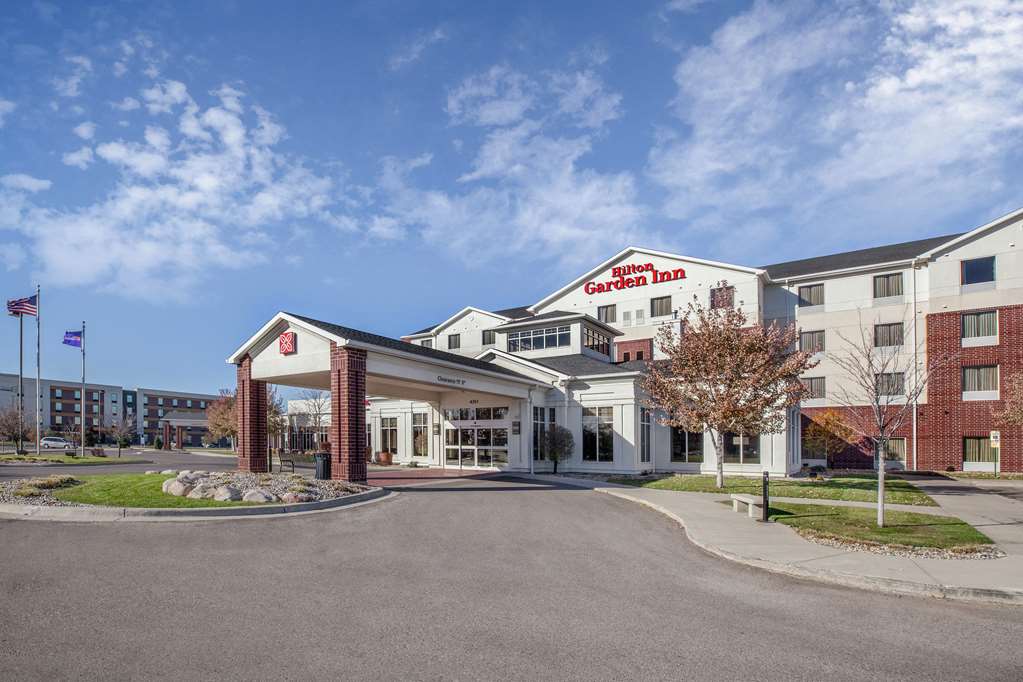
The Hilton Garden Inn Fargo is a mid-scale chain hotel in Fargo, North Dakota, with function space, guest floors and the standardised specification that goes with the type.
There is something genuinely useful about a standardised hotel, and it is worth saying rather than dismissing the venue. Because the specification is the same across the brand, the problems are the same in every one — which means the answers are known, transferable and fast to apply. A photographer who has solved a Hilton Garden Inn in one city has solved them all, and that reliability is why so many weddings happen in them.
There are three problems and each has a standard answer. These are field notes on all three. We have not photographed a wedding at this hotel; mid-scale chain hotels behave identically everywhere, which is precisely the point. Which guest rooms have the largest windows, and which way they face, are the only questions genuinely worth asking their team.
The Hilton Garden Inn Fargo at a glance
| Where | Fargo, North Dakota |
| Character | A mid-scale chain hotel with standardised function and guest space |
| Problem one | Function rooms with low ceilings and fluorescent-era lighting |
| Problem two | No separation — pale walls, even light, patterned carpet |
| Problem three | Nothing says where it is; the locating frames are all outside |
Problem one: low ceilings and mixed overhead lighting
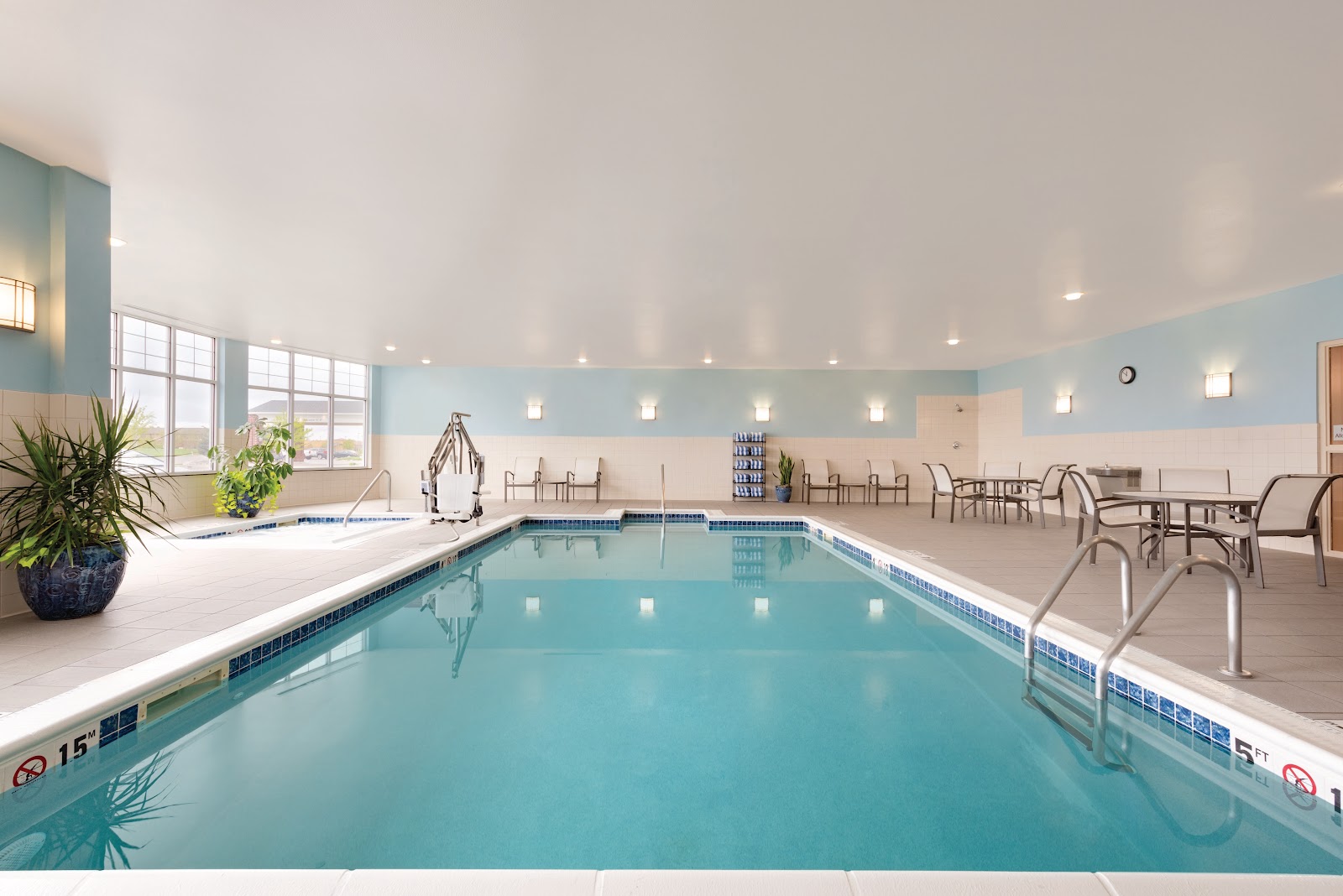
Mid-scale hotel function rooms are lower-ceilinged than grand ballrooms, and that is genuinely an advantage: the ceiling is within easy reach of a bounced flash, which turns the whole room into a soft source larger than any modifier that would fit through the door. In a grand ballroom bounce fails because the surfaces are too far away; here it is the fastest good light available.
Check what the ceiling is first. A pale flat ceiling is ideal; acoustic tile is usually acceptable but absorbs more than it looks; a dark or patterned one absorbs and tints and makes a pale wall the better surface. Thirty seconds of checking prevents a sequence shot with an underpowered bounce.
The lighting itself is typically a mix — warm downlights, sometimes cooler panels, occasionally a fitting with a visible flicker cycle that can band a frame at certain shutter speeds. Where banding appears, changing the shutter slightly resolves it, and it is worth checking on the back of the camera early rather than discovering a banded sequence afterwards.
Whatever the mix, one warm-gelled source at face height at about forty-five degrees fixes the overhead problem and gives skin a dependable base. Because the ambient never changes, that setup holds all evening.
Problem two: nothing separates from anything
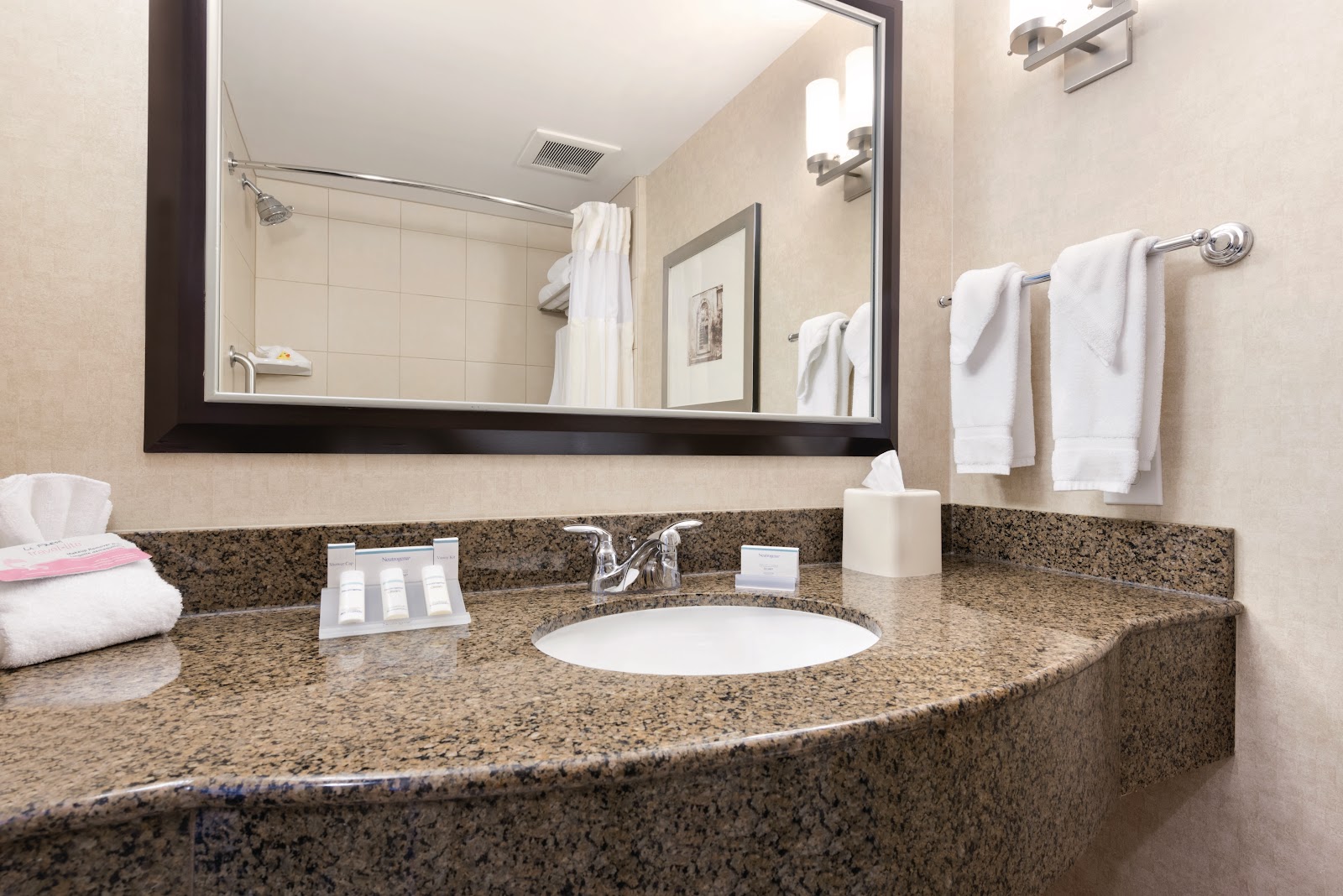
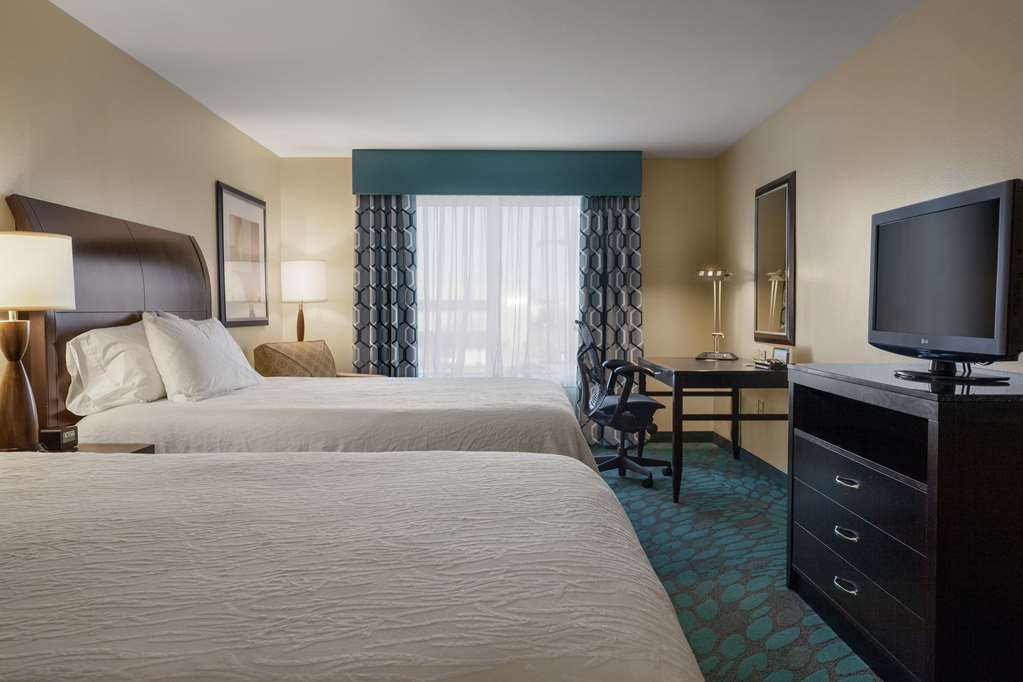
Pale walls, even lighting and a neutral palette mean a couple in formal clothes has no edge against the background. The frames come out technically correct and visually inert, and that is the condition to plan for rather than notice afterwards.
Four tools, all deliberate. A long lens at a wide aperture, so the background goes genuinely soft and the subject is the only sharp thing — the most reliable single answer in any neutral room. One directional source from the side, which creates a shadow side and an edge. Framing against a darker element, such as an open doorway or a shaded corner. And negative fill — something dark on the shadow side, which subtracts light where the room insists on adding it.
Negative fill is the free one and the least used. In an evenly lit pale room it manufactures the contrast the architecture refuses to provide, and it costs nothing but a dark panel or a well-chosen position beside an open door.
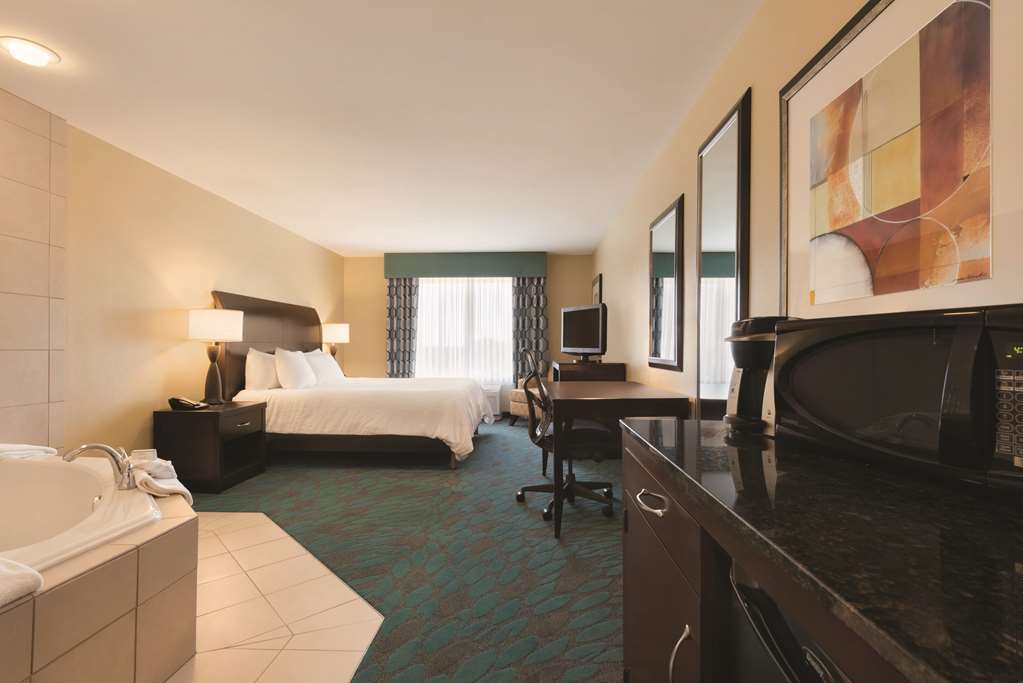
Patterned carpet is the related problem and it is the single most reliable way to date a hotel photograph. Keep it out of wide frames: shoot tighter, drop the camera lower so less floor is in shot, or compose so a table, the dance floor or people occupy the lower frame.
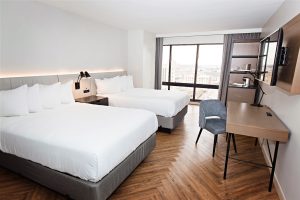
And the guest floors are where the light is. Ask for the largest window on the shaded side, switch off the overheads and move the lamps out — mixed tungsten and daylight in one room is the commonest cause of skin tone drifting across a morning, and it takes thirty seconds to eliminate.
- Check the ceiling, then bounce — low ceilings make it the fastest good light
- One warm source at face height fixes the overhead problem
- Use negative fill; subtracting beats adding in a pale room
- Keep patterned carpet out of wide frames
- Ask for the largest shaded-side guest window for preparation
Problem three: nothing says where it is
This is the honest limitation of a standardised hotel and it cannot be solved indoors. Every interior frame could have been taken in any city, which means the locating frames — the ones that say this wedding happened in Fargo — all have to come from outside the building.
That makes an exterior block structural rather than optional, and it needs planning into the timeline rather than fitting in if there is time. A high guest-room window helps if the hotel has height, because a frame with the couple at a window and the city or the plains beyond places the gallery. Otherwise it is the street.
Downtown Fargo gives brick commercial frontages at low-rise scale on a regular grid, which is genuinely good material — and because the buildings are low, low evening sun reaches street level and runs the full length of a street. Finding which streets run roughly east-west is a ten-minute site visit. If the hotel is on an arterial or suburban site rather than downtown, the drive is worth budgeting, because the alternative is a car park.
Plains conditions apply to any outdoor block: wind is a constant rather than an occasional event, so a veil is a held-or-removed decision and any stand needs real weight; there is very little natural shade, so the building’s own shadow is the dependable midday option; and the compensations are a genuinely long golden hour and an unobstructed sky that fills the frame with colour for twenty minutes after sunset.
Winter is where a standardised hotel earns its keep. Very short days mean the exterior block belongs early in the afternoon and lasts minutes; severe cold limits it further; snow is the best natural fill available and fools a meter by about two stops; and a camera moved between a heated lobby and deep cold fogs badly coming in, so acclimatise rather than cycling it. In that climate a completely weatherproof, entirely predictable interior is not a compromise — it is the reason the wedding happens at all.
More frames from The Hilton Garden Inn Fargo
The Hilton Garden Inn Fargo wedding photography: common questions
Is a standardised hotel a bad venue?
No, and the standardisation is genuinely useful. Because the specification repeats across the brand, the problems are identical everywhere — so the answers are known, transferable and fast to apply.
What is the advantage of a low ceiling?
Bounce. The ceiling is within easy reach of a bare flash, which turns the whole room into a source larger than any modifier that would fit. In a grand ballroom bounce fails; here it is the fastest good light available.
What should be checked first?
What the ceiling actually is. Pale and flat is ideal, acoustic tile absorbs more than it looks, and a dark or patterned ceiling makes a pale wall the better surface. Thirty seconds prevents an underpowered sequence.
Why does nothing stand out?
Pale walls, even lighting and a neutral palette give no separation. Use a long lens wide open, one directional source, framing against a darker element, and negative fill — the last being free and the least used.
What cannot be fixed indoors?
The location. Every interior frame could have been taken in any city, so the frames that say this wedding happened in Fargo all come from outside — which makes an exterior block structural rather than optional.
Why does this venue type matter in Fargo?
Because in that climate a completely weatherproof, entirely predictable interior is not a compromise. Very short winter days and severe cold mean the reliability is the reason the wedding happens as planned at all.
More Fargo, ND venue guides
We are writing a photographer’s guide to every venue we would happily shoot in Fargo, ND. Here are three more, plus the full index:
- Island Park: Reading a Mature City Park Through the Day
- The Jasper Hotel: Photographing a New Hotel in an Old Downtown
- Lindenwood Park: Four Ways Out of the No-Building Problem
All Fargo, ND Wedding Venues →
Planning a wedding at The Hilton Garden Inn Fargo?
Standard problems, standard answers, and one structural exterior block. Tell us your date and which rooms face away from the sun.