 The Henry Clay: Lighting a 1920s Lodge Building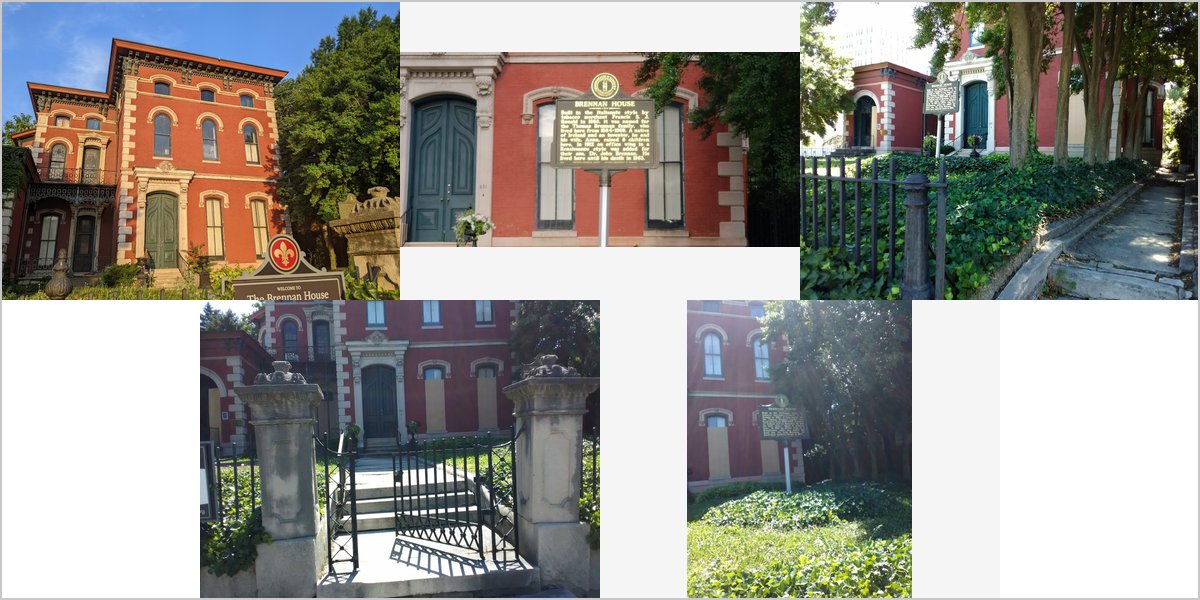
June 5, 2026
The Brennan House: Who This Small Venue Suits
A house museum with its original contents intact is a rare thing. It is also small, dark and full of objects — which makes it right for some weddings and wrong for most.
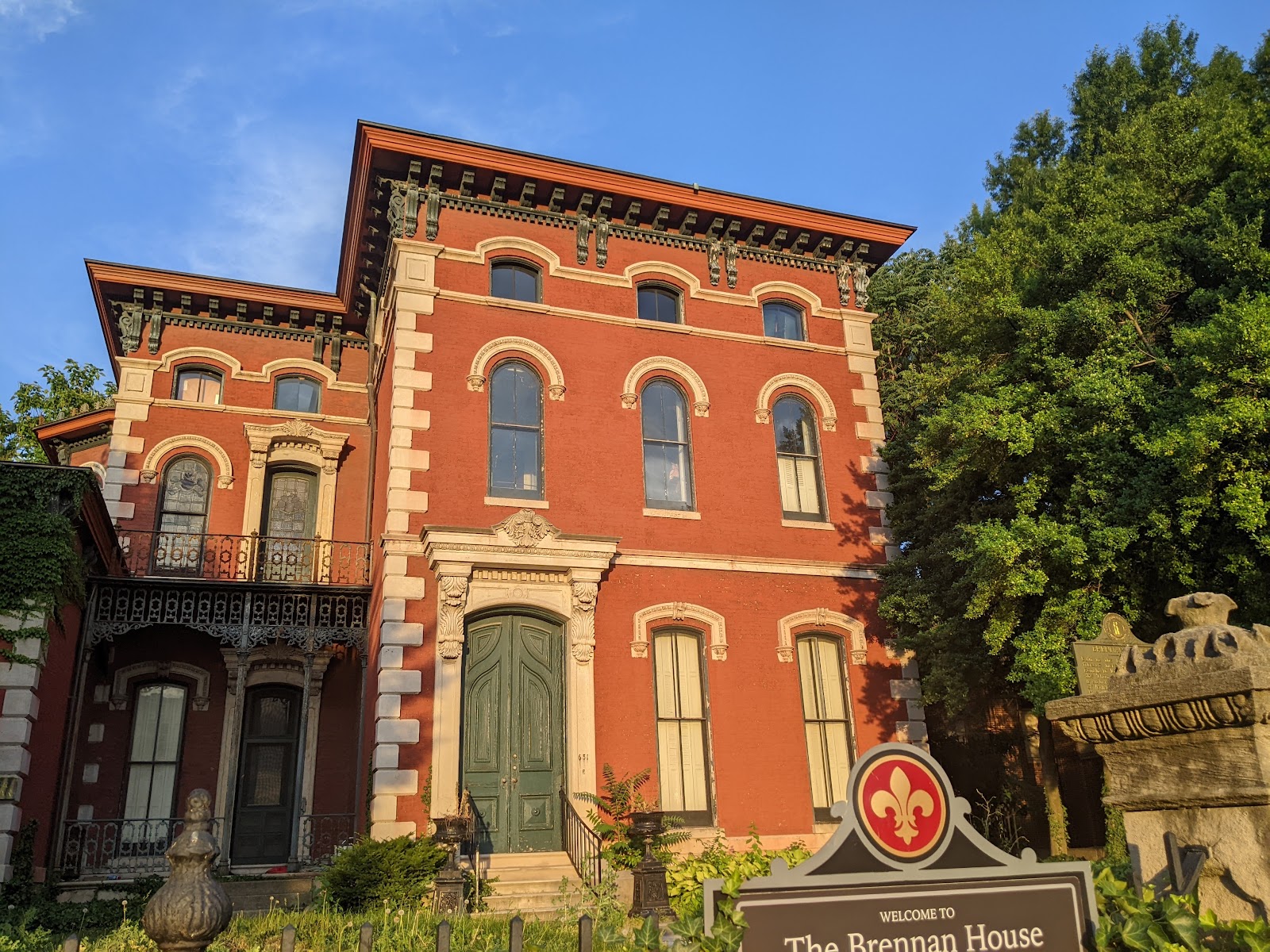
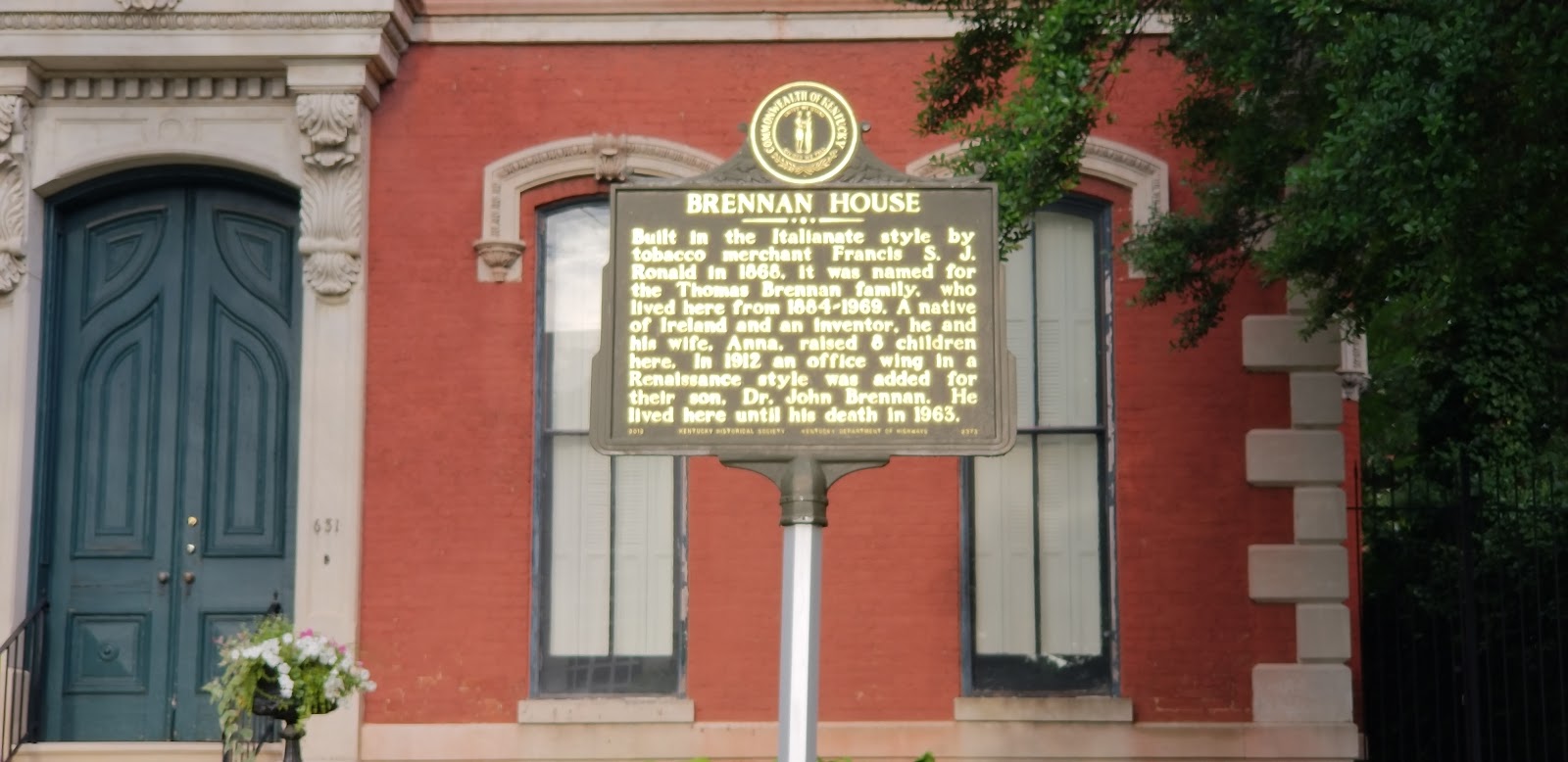
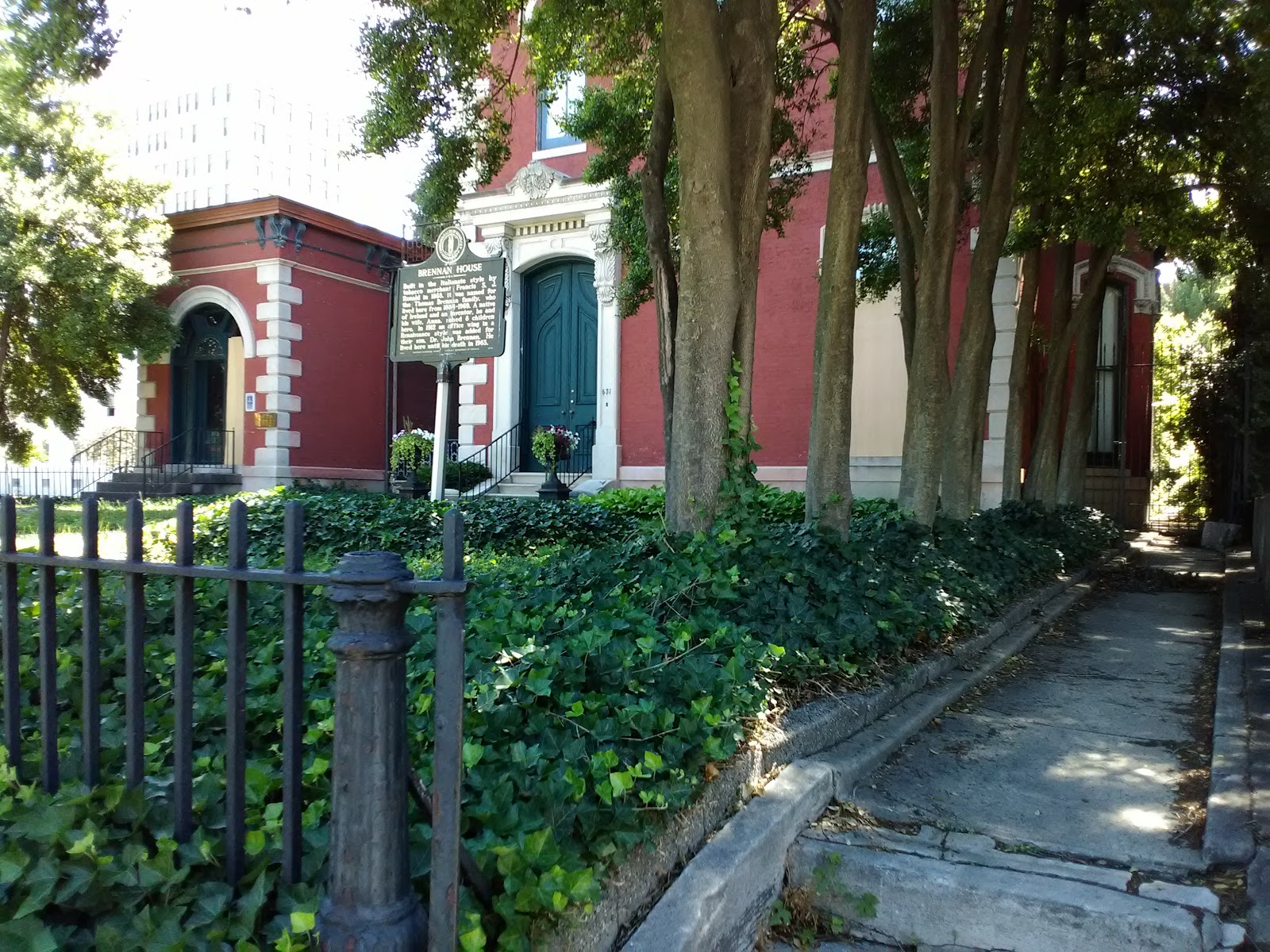
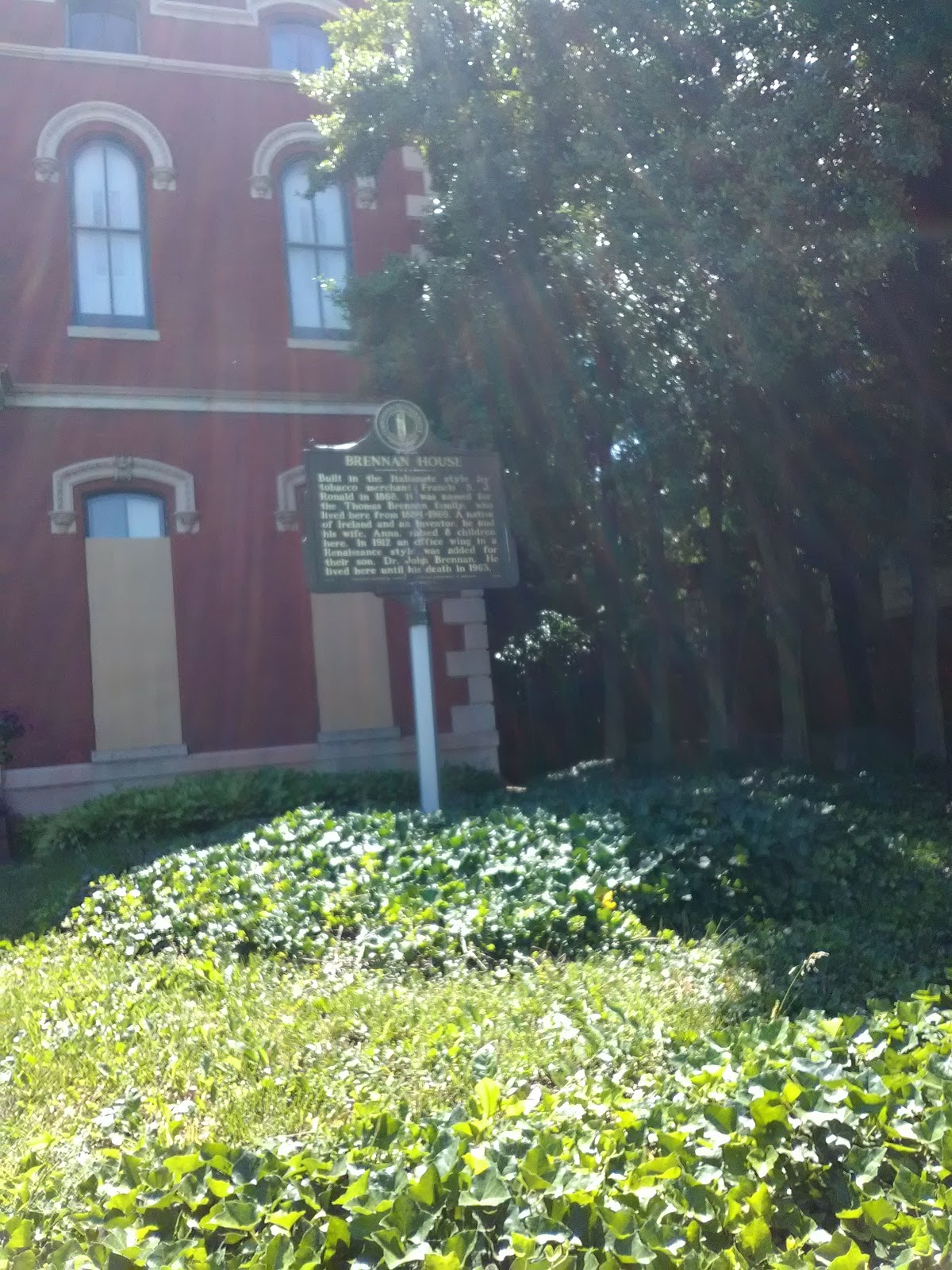
The Brennan House was built in 1868 on South Fifth Street in downtown Louisville, an Italianate townhouse that survived the commercial development of the surrounding blocks. Its particular distinction is that it retains its original family furnishings, so the interiors are not a reconstruction but the actual contents of a nineteenth-century Louisville household.
That authenticity is the reason to consider it and the source of every constraint. A house preserved with its contents is, by definition, full of objects that cannot be moved. Rooms are the size they were built to be. Light comes from the windows that exist. And the conservation requirements that protect the furnishings will shape what a photographer may do.
This is a fit assessment rather than a technical manual, because the interesting question is suitability. We have not photographed a wedding at the Brennan House. Capacity, which rooms are used and the conservation rules are entirely for their team, and at a furnished house museum expect those to be more restrictive than at an empty historic building.
Brennan House at a glance
| Where | South Fifth Street, downtown Louisville, Kentucky |
| Built | 1868, Italianate townhouse |
| Distinction | Retains original family furnishings — not a reconstruction |
| Scale | Small and domestic; rooms are as built and cannot be cleared |
| Assume | Conservation limits on flash, stands and proximity to furnishings |
What original furnishings do to photographs
A furnished period room photographs quite differently from an empty one, and it is worth being clear about how. The good part is authenticity and density — the frames have texture, layers and genuine character that no amount of styling produces. A photograph taken in a room with its original contents looks like the nineteenth century rather than like a set.
The difficult part is that furniture occupies the floor where you would otherwise stand people, and objects fill the background where you would otherwise want simplicity. There is nowhere to back up, nowhere to place a group, and no way to clear a sightline. You work in the gaps that exist.
Practically, this pushes you to close frames and to tight compositions. A 35mm will be your main lens and a 50mm will feel long. Portraits become half-length and head-and-shoulders rather than full-length, and that is a stylistic commitment you should want rather than merely tolerate.
Who this venue suits
Four kinds of couple, and the fit is narrow.
- Very small weddings and elopements. Ten to thirty people. At that scale the house is charming and the photographs are intimate. Above it, the building is simply too small.
- Couples who genuinely love period authenticity. If the fact that the furniture is original matters to you, this venue offers something a restored ballroom cannot.
- Anyone whose reference images are documentary and close. Faces, hands, reaction, detail. That is the vocabulary this house produces well.
- Couples treating it as a ceremony-and-portraits venue. Marry here, photograph here, then move to a restaurant or a larger space. That structure plays to its strengths.
Who should look elsewhere
The inverse, and this list is longer than usual because the venue is genuinely specialised.
- Anyone with more than about forty guests. The rooms will not take it, and crowded rooms photograph badly — people in every frame and no clean backgrounds anywhere.
- Couples wanting full-length portraits and wide architectural frames. There is not enough distance. If you want a dress photographed in full against a grand interior, this is the wrong building.
- Anyone needing to light the rooms properly. Assume conservation restrictions on flash and stands near original furnishings, which means natural light and high ISO.
- Couples wanting a reception here. Treat this as a ceremony and portrait venue and plan the celebration elsewhere.
Making it work: the practical plan
Given the constraints, the method is to be selective and deliberate. Identify the room with the best window light on arrival — in an Italianate townhouse that is usually a front parlour with tall windows — and do the couple’s portraits there, close to the glass, turned into it.
Then work the details. A furnished house museum is full of frames that need no space at all: a hand on a period banister, light falling across an original surface, a bouquet against nineteenth-century wallpaper. These cost nothing in access, they suit the venue exactly, and they fill out a gallery that cannot be filled with wide shots.
Groups go outside. Downtown Louisville around Fifth Street gives you the street, and Old Louisville with its Victorian frontages and formal courts is a short drive — if a group photograph matters, plan where it happens rather than discovering there is nowhere indoors.
For light: fast primes wide open, ISO accepted in advance, white balance set per room because period interiors mix warm lamps with daylight. And if any added light is permitted, one small source gelled warm, bounced off a pale ceiling, does far more in a small room than it would in a ballroom — small spaces are the one place where modest lighting genuinely suffices.
One more thing that is easy to miss about a furnished house museum: the objects give you a sense of scale and period that an empty room cannot, and that works in your favour for the frames you can get. A bouquet set down on an original table, a veil against nineteenth-century wallpaper, rings on a surface that has been there since 1868 — these read as genuinely of the place rather than as styling, and they are the images couples tend to keep. Plan fifteen minutes purely for them rather than treating them as filler between portraits.
What works in your favour
- Original family furnishings give authenticity and texture no styled venue can reproduce
- Small rooms produce genuinely intimate, documentary-style coverage
- Abundant close-detail frames that need no space and cost nothing in access
- Low ceilings and small rooms mean modest added light goes a long way, if permitted
- Downtown location with Old Louisville’s Victorian streets a short distance away
What to plan around
- Very limited capacity — above roughly forty guests the building cannot flatter the day
- Furniture cannot be moved, so there is nowhere to stand back and no clean sightlines
- Full-length portraits and wide architectural frames are effectively unavailable
- Assume conservation restrictions on flash and stands near original furnishings
- No indoor space for group photographs; those must happen outside or elsewhere
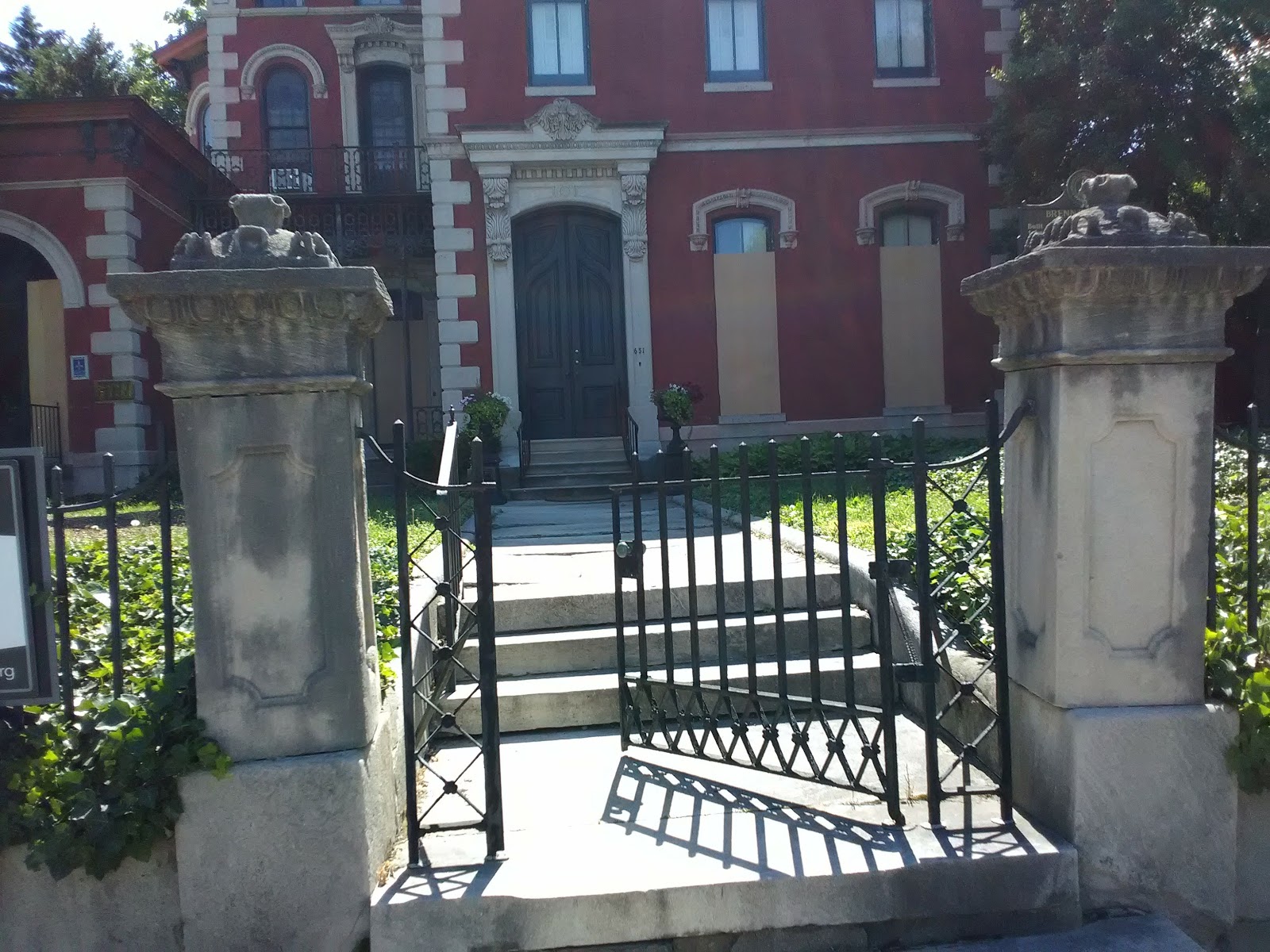
More frames from Brennan House
Brennan House wedding photography: common questions
How many guests does the Brennan House suit?
Our honest read is ten to thirty, and up to about forty at a stretch. It is a small 1868 townhouse with its original furniture still in place, so the rooms are as built and cannot be cleared. Above that number the frames fill with people and there are no clean backgrounds left.
Can we get full-length portraits there?
Rarely. There is not enough distance between where you can stand and where your subjects can stand, because the furniture occupies the floor. Expect half-length and closer compositions, which is a genuine stylistic commitment rather than a small compromise.
What lens does a photographer use here?
A 35mm does most of the work and a 50mm will already feel long. The rooms are small and furnished, so you work in the gaps that exist rather than choosing your distance. That is precisely why the coverage tends to be close and documentary.
Are we allowed to use lighting?
Assume restrictions until told otherwise. A house museum with original furnishings will protect them, which usually means limits on flash and stands. The consolation is that small rooms with low ceilings respond well to modest light, so if one bounced source is permitted it achieves a great deal.
Where do group photographs happen?
Outside, or elsewhere. There is no indoor space that will take a group comfortably. Downtown Fifth Street is immediately available and Old Louisville’s Victorian frontages and formal courts are a short distance away — but plan it rather than discovering the problem on the day.
More Louisville venue guides
We are writing a photographer’s guide to every venue we would happily shoot in Louisville. Here are three more, plus the full index:
- The Brown Hotel: Reading the Light in a 1923 Grand Hotel
- Churchill Downs: Who This Venue Suits
- The Conrad-Caldwell House: A Walk-Through of a Richardsonian Mansion
All Louisville Wedding Venues →
Planning a wedding at Brennan House?
This is a venue for a small wedding and close, documentary photographs. Tell us your guest number and we will tell you honestly whether the house will flatter your day or fight it.