 The Henry Clay: Lighting a 1920s Lodge Building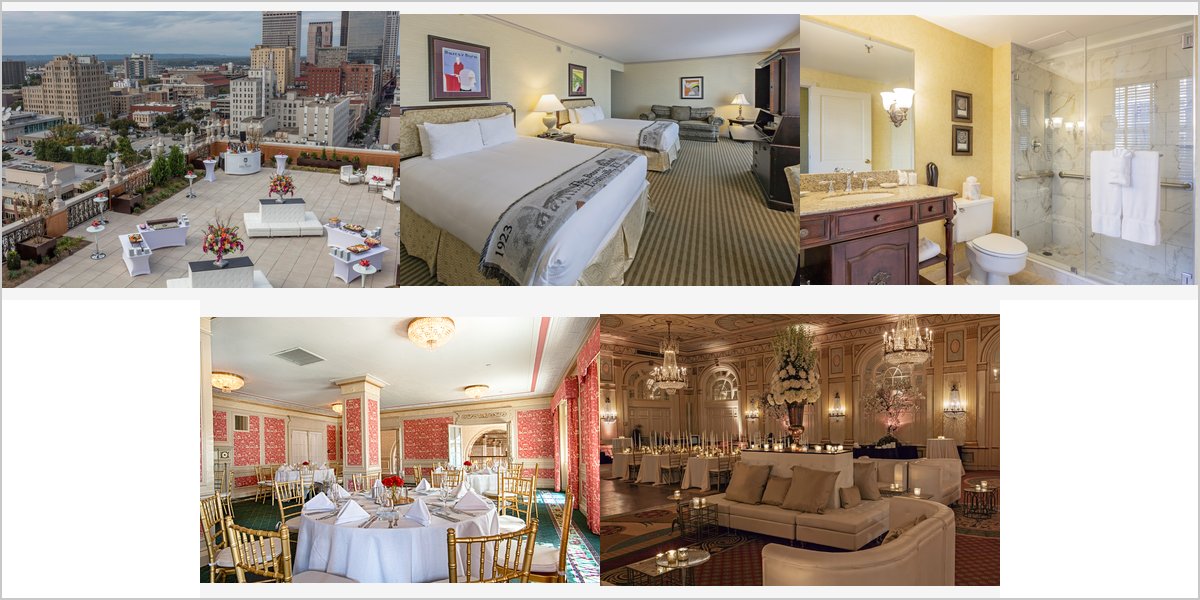
May 8, 2026
The Brown Hotel: Reading the Light in a 1923 Grand Hotel
Most grand hotels put the ballroom in the basement. This one has it high up — and a ballroom with real windows changes everything about the timeline.
The Brown Hotel opened in 1923 on Broadway in downtown Louisville, Georgian Revival in style, with an ornately plastered lobby and a ballroom on an upper floor. It has been restored and remains one of the city’s landmark hotels, and the Hot Brown sandwich was created there — which is trivia, except that it tells you the building has been continuously significant for a century.
The detail that matters photographically is the elevation of the main ballroom. In the great majority of grand hotels the ballroom is a windowless box on the ground floor or below it, which means the reception is a purely artificial-light assignment and the timeline is indifferent to the sun. A ballroom on an upper floor with real windows is a different proposition: daylight, a view, and a reason to care what time the ceremony starts.
This is a light-and-timeline guide built around that. We have not photographed a wedding at the Brown. Which rooms your event includes, and whether the upper ballroom is part of it, are for their events team — and it is the first thing worth asking, because it changes the whole plan.
The Brown Hotel at a glance
| Where | West Broadway, downtown Louisville, Kentucky |
| Opened | 1923, Georgian Revival |
| Character | Ornate plaster lobby, mezzanine, and a ballroom on an upper floor |
| The key question | Does your event include the upper ballroom, and does it have usable windows? |
| Light | Lobby warm and artificial; upper ballroom potentially daylit; guest rooms for preparation |
Morning: the guest rooms and the mezzanine
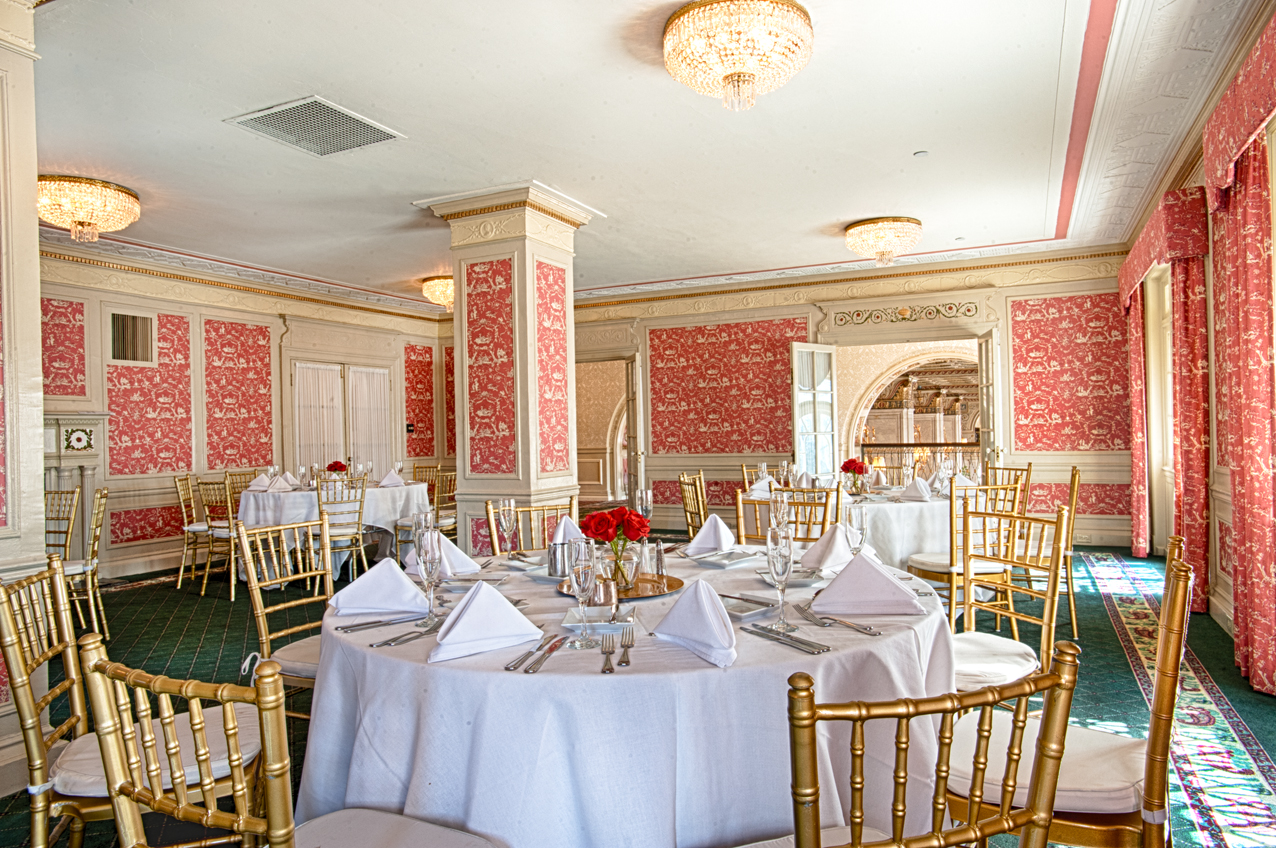
Preparation photographs belong in a guest room on a higher floor, ideally facing the street so you get open sky rather than a light well. The routine is the same at every hotel and it is worth stating because it is so often skipped: turn off every artificial light in the room, move the clutter out of frame, pull everything to within a metre or two of the window.
A Georgian Revival hotel of this vintage usually also has a mezzanine overlooking the lobby, and that is an underused asset. A mezzanine gives you an elevated angle down into the ornate lobby — the only place in the building you can show the plasterwork and the scale of the space in one frame — and the balustrade gives a foreground element.
Shoot the empty lobby from the mezzanine early, before it fills with guests. Ornate spaces photograph far better empty, and it is the establishing interior frame that a ground-level shot cannot produce.
Afternoon: the lobby, and lighting ornate plaster
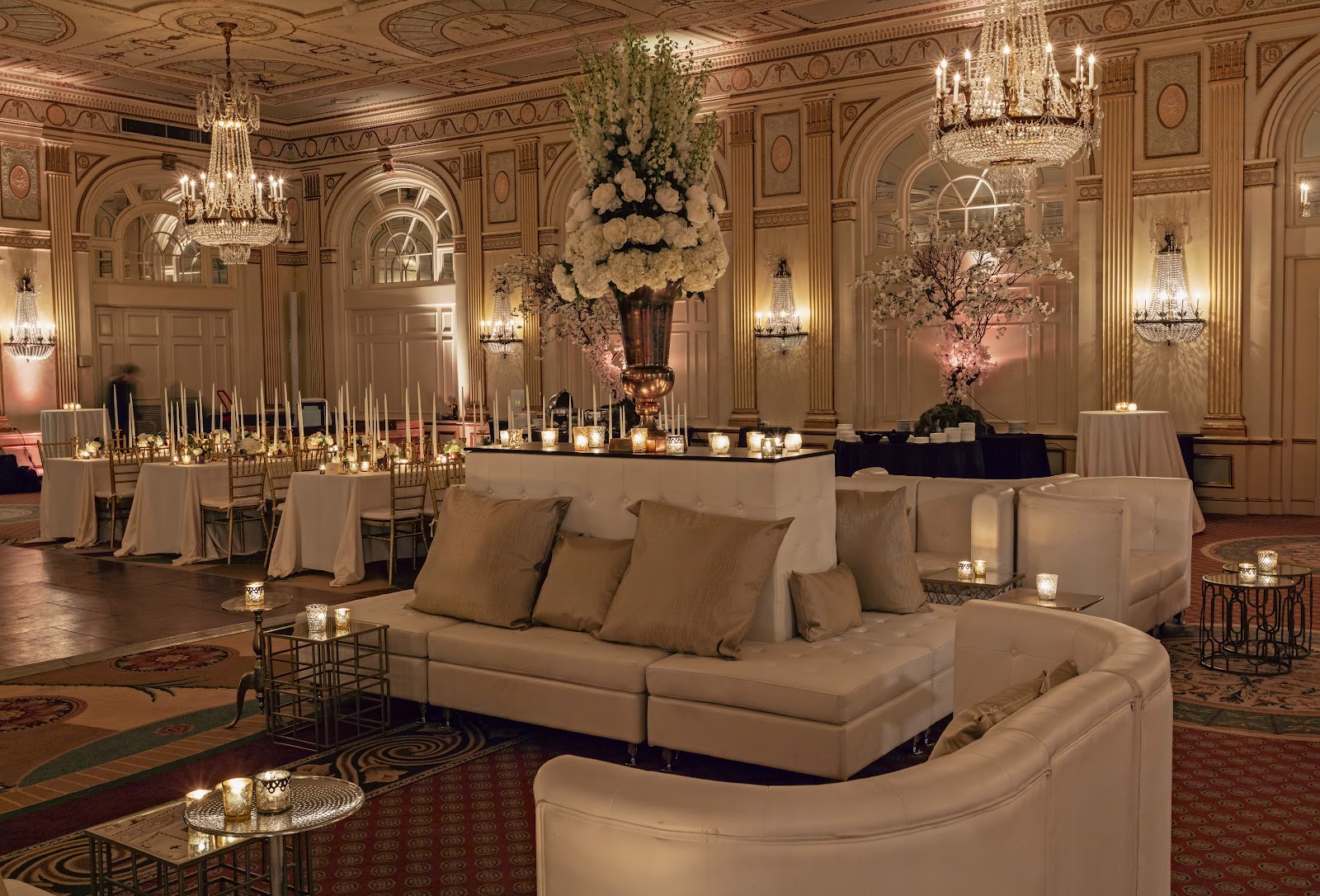
Georgian Revival plasterwork is relief work — mouldings, cornices, ceiling panels, pilasters — and relief is only visible through the shadows it casts. That makes light direction the decisive factor. A flash fired from the camera position flattens all of it into a pale surface; a light placed well off to the side rakes across it and the detail stands up.
So in any ornate lobby: light from the side. One flash on a stand, feathered so the edge of the beam skims the wall, makes the plasterwork read as three-dimensional and costs nothing extra in equipment. It is the single most consequential decision in a building like this.
The lobby will be warm — tungsten fixtures, cream and gold plaster, patterned carpet. Keep it warm in white balance and light faces slightly cooler, so skin retains some neutrality inside an amber room. Expose so the fixtures glow as points rather than blowing to white, which means the overall frame sits darker than instinct wants.
The upper ballroom: a daylit reception space
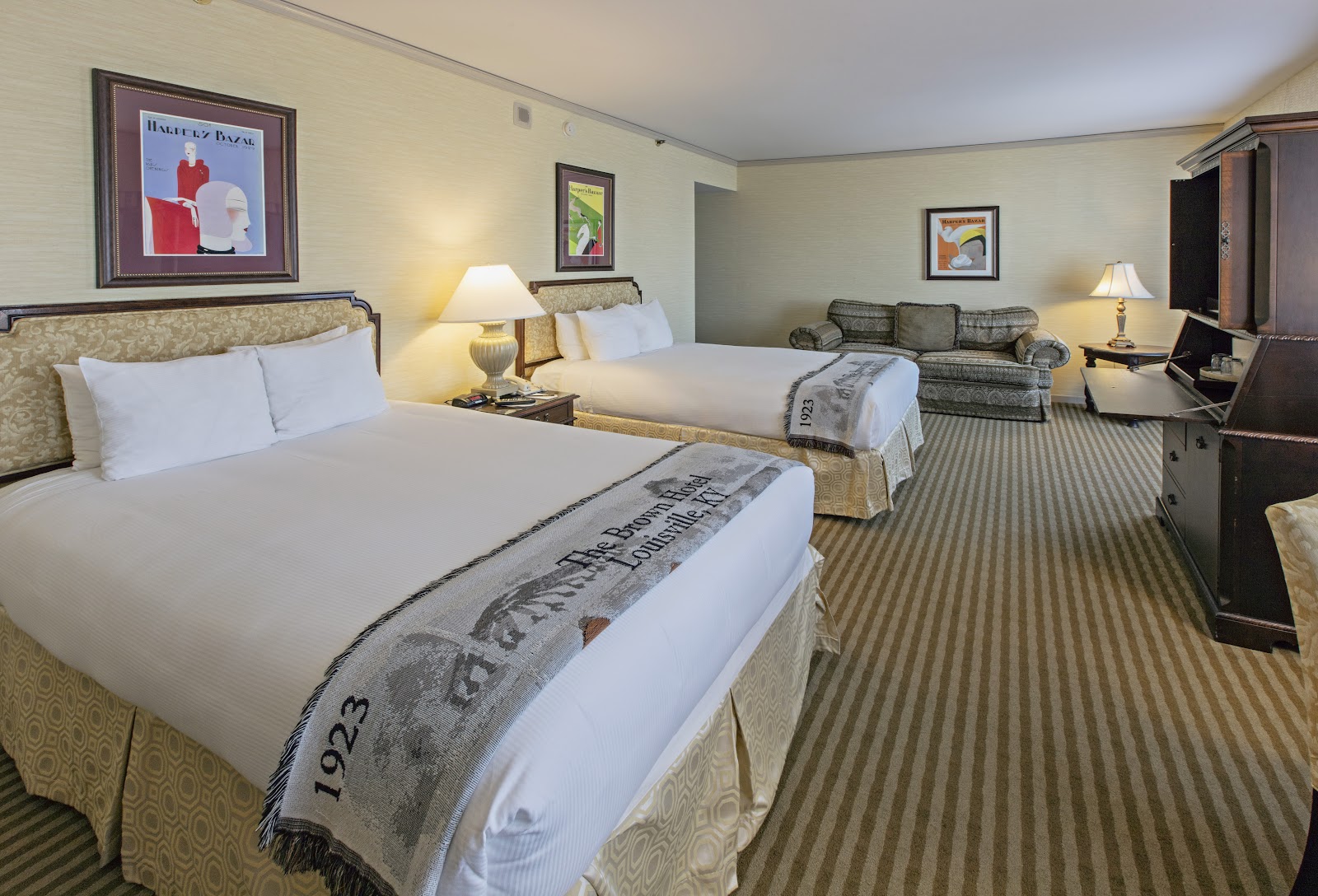
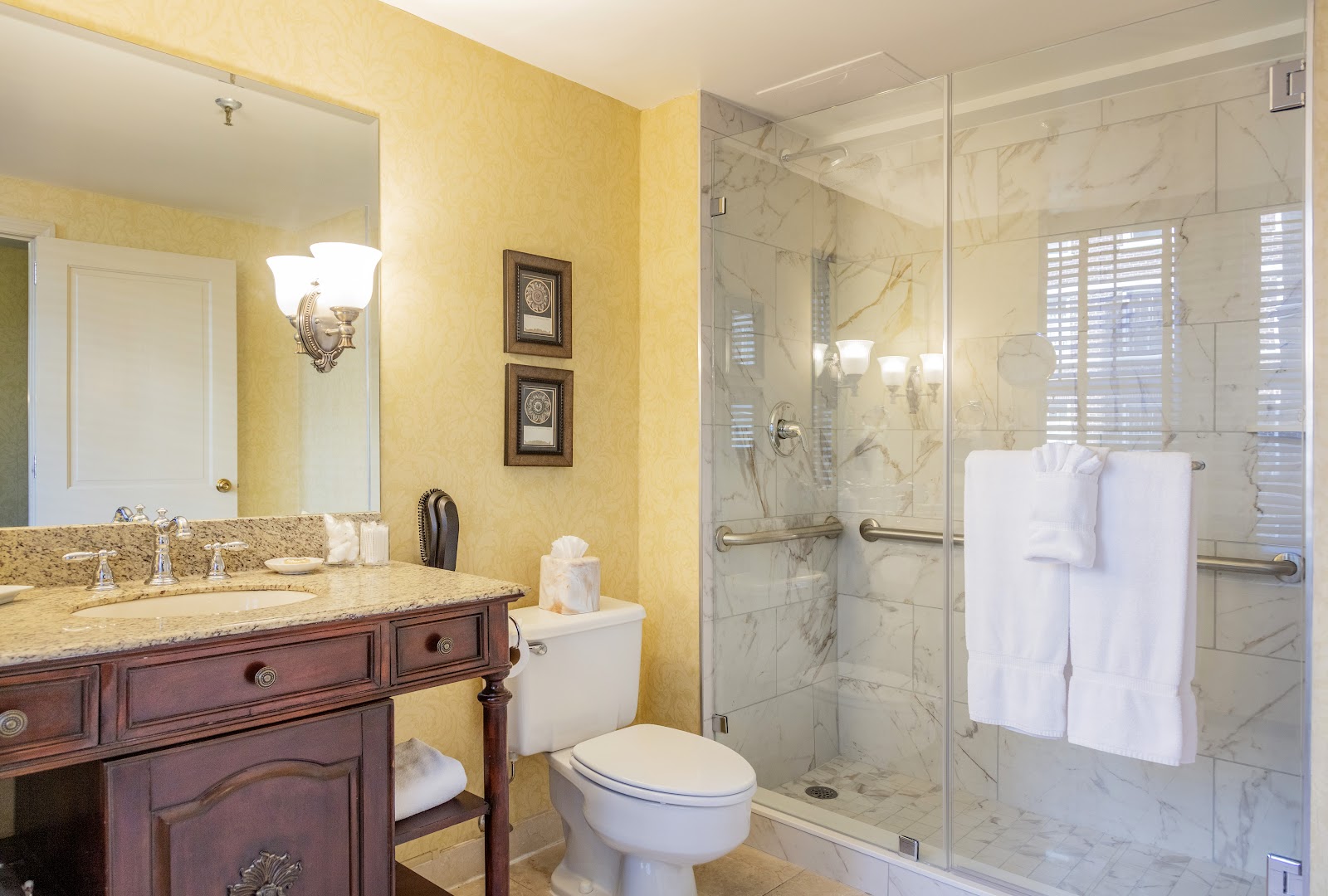
If the upper ballroom is included and has usable windows, it changes the day. Daylight in a reception space means the ceremony and the first part of the reception can be photographed in natural light — which is softer, more flattering and more forgiving than any flash setup — and it means the room looks completely different at four in the afternoon than at nine in the evening.
Practically: find out which way the windows face. West or south-west facing windows will give you low warm light in the late afternoon, which is beautiful and which also means direct sun in people’s eyes and a very wide contrast range. North-facing windows give consistent soft light all day with no drama. Both are workable; they need different plans.
As daylight fades the room becomes a conventional ballroom problem: light from stands, gelled warm, one key and one rim behind the dancefloor, ambient exposed for the fixtures. The advantage of having had daylight earlier is that the gallery contains two visibly different looks from the same room, which makes the set feel richer than a windowless venue can.
The timeline, and downtown outside
Working from the light rather than from convention, the sequence would be: preparation in a high guest room; the empty lobby from the mezzanine before guests arrive; couple’s portraits in the upper ballroom while daylight is strong; groups in the lobby or the ballroom; then the lit reception once the sun is down.
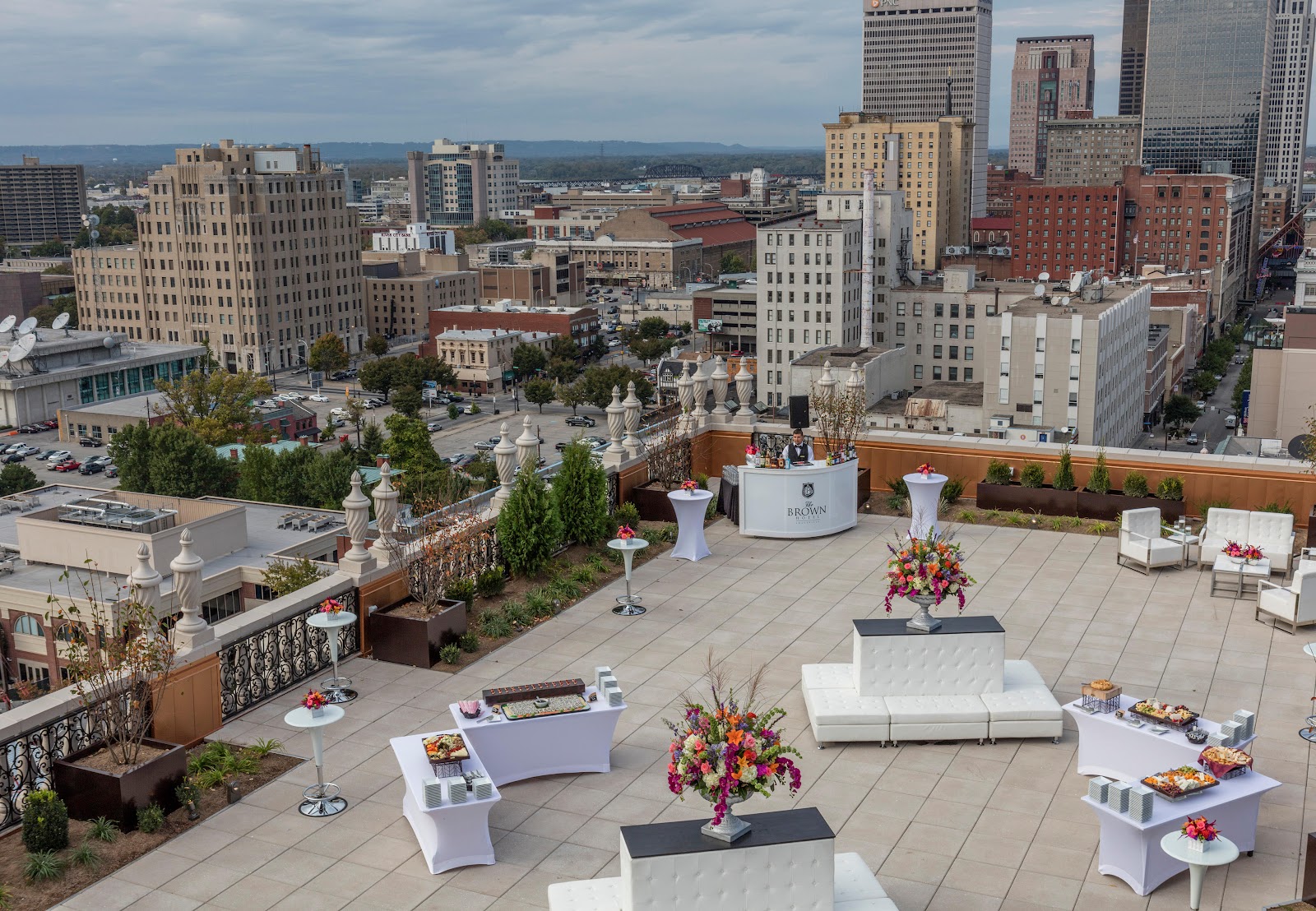
The item to protect is ten minutes outside in the twenty-minute window after sunset. Downtown Louisville has good early twentieth-century commercial stock and the Ohio riverfront is nearby; both photograph best when streetlight balances the sky. Wet asphalt after rain doubles every light source and improves it further.
If the upper ballroom is not part of your booking, the plan simplifies and flattens: everything is artificial, the timeline stops mattering, and the dusk excursion becomes more important rather than less, because it is the only daylight-adjacent frame you will have.
What works in your favour
- An upper-floor ballroom with potential daylight — rare, and it makes the timeline meaningful
- Ornate Georgian Revival plasterwork that rewards side lighting with real three-dimensional detail
- A mezzanine giving the only elevated frame of the lobby’s scale and plaster
- Accommodation on site for daylight-lit preparation photographs
- Downtown architecture and the Ohio riverfront nearby for dusk portraits
What to plan around
- Frontal flash flattens the plaster relief entirely — side light is essential
- Warm tungsten and cream-gold plaster need a differential white balance or skin reads orange
- If the upper ballroom is not included, the venue becomes a conventional windowless one
- A working downtown hotel, so exclusive access to public areas is unlikely
- Ornate spaces photograph far better empty, which means shooting them early or not at all
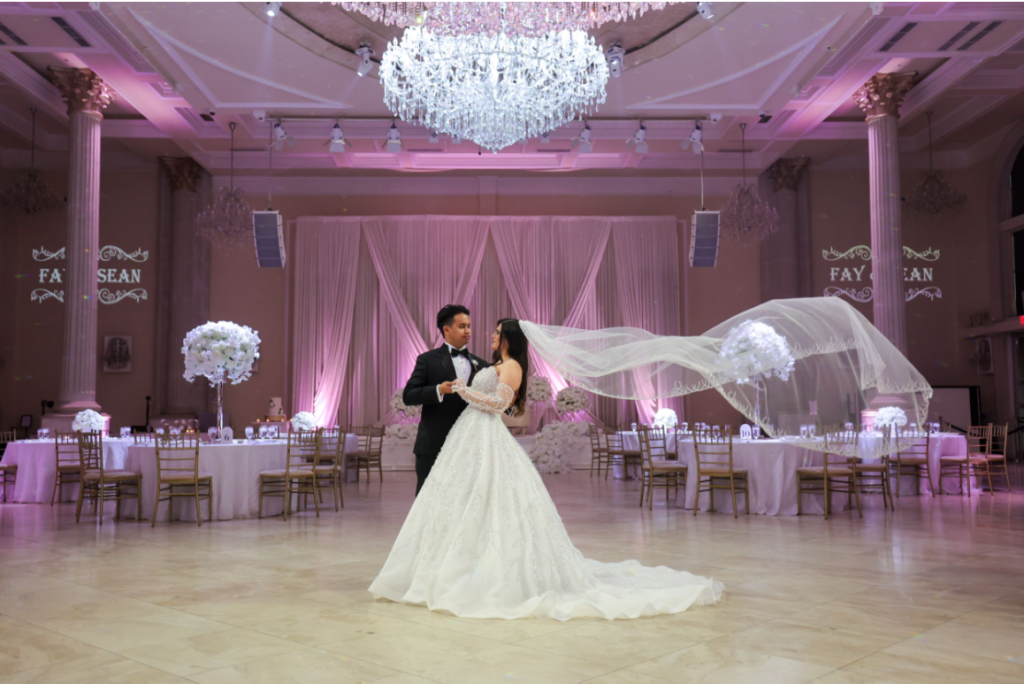
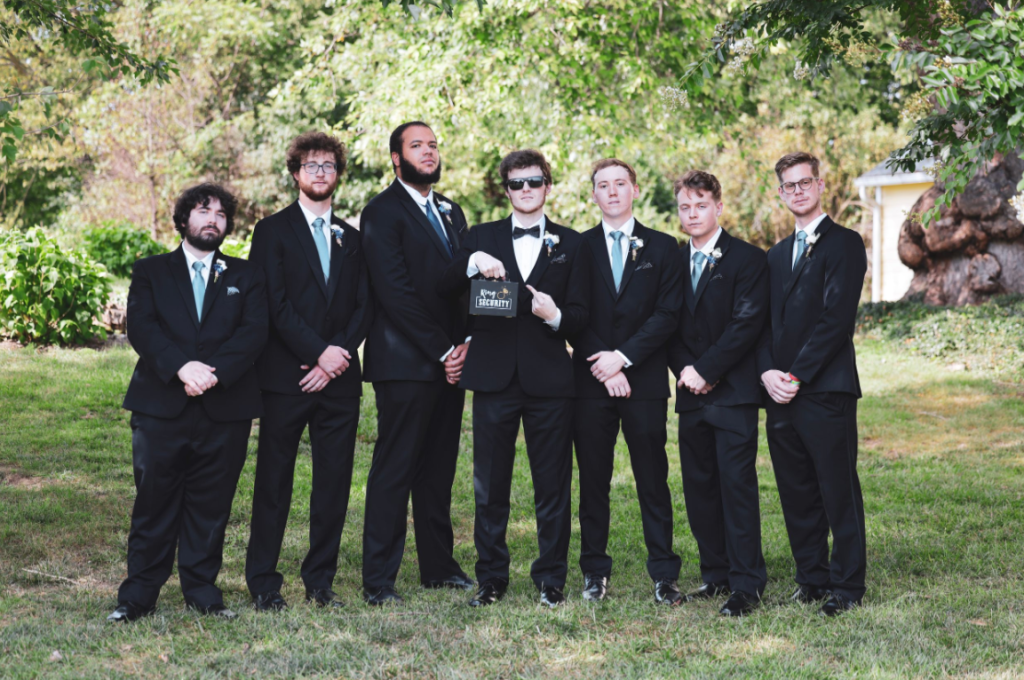
More frames from The Brown Hotel
The Brown Hotel wedding photography: common questions
What is the most important thing to ask about this venue?
Whether your event includes the upper-floor ballroom, and which way its windows face. A daylit reception space is rare in a grand hotel and it makes the timeline genuinely matter — without it, the whole day becomes an artificial-light assignment and the schedule stops affecting the photographs.
How should the ornate lobby be lit?
From the side, never from the camera. Georgian Revival plasterwork is relief, and relief is only visible through the shadows it casts, so a frontal flash flattens all of it. One light on a stand, feathered so the beam skims the wall, makes the detail stand up at no extra equipment cost.
Why shoot the lobby from the mezzanine?
Because it is the only position that shows both the plasterwork and the scale of the space in one frame. A ground-level shot cannot do it. Take it early, before guests arrive — ornate rooms photograph far better empty.
Does the direction of the ballroom windows matter?
A great deal. West or south-west facing gives low warm late-afternoon light, which is beautiful but also puts sun in people’s eyes and creates a wide contrast range. North-facing gives consistent soft light all day with no drama. Both work, but they need different plans.
Do we still need to go outside?
Yes, and more so if the upper ballroom is not included, because then it is your only daylight-adjacent frame. Ten minutes in the twenty-minute window after sunset on the downtown blocks or near the riverfront is enough, and wet pavement after rain makes it better rather than worse.
More Louisville venue guides
We are writing a photographer’s guide to every venue we would happily shoot in Louisville. Here are three more, plus the full index:
- Churchill Downs: Who This Venue Suits
- The Conrad-Caldwell House: A Walk-Through of a Richardsonian Mansion
- The Frazier History Museum: A Walk-Through for Wedding Photographs
All Louisville Wedding Venues →
Planning a wedding at The Brown Hotel?
The first question here is whether you have the upper ballroom and where its windows face. Tell us your date and what your booking includes, and we will build the timeline around the daylight you actually get.