 The Van Dusen Mansion, Minneapolis: A Walk Through House and Grounds
Como Park Conservatory: One Decision the Minnesota Calendar Makes for You
In Minnesota the calendar makes this decision for you, and the glasshouse is why the venue works in January.
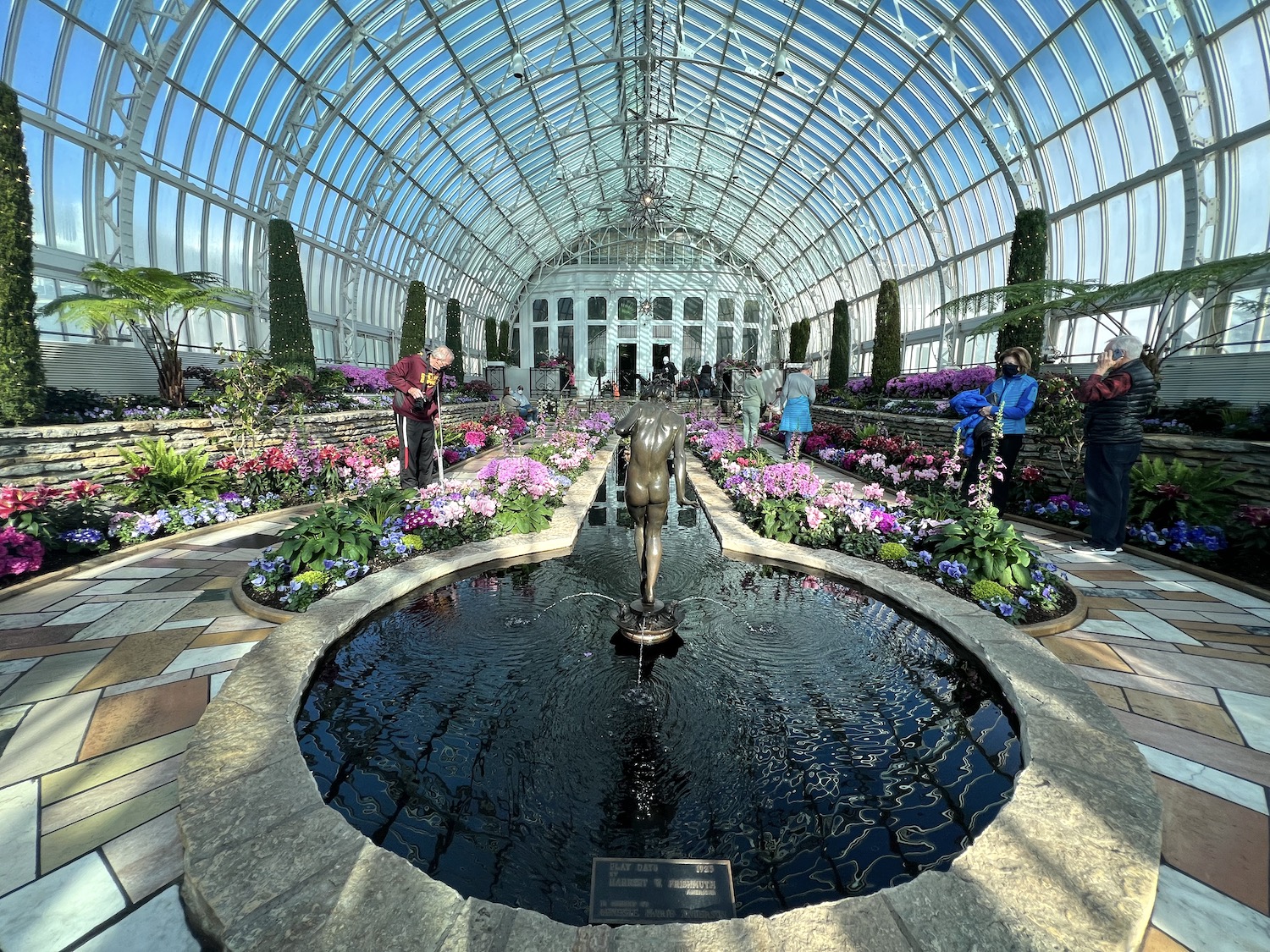
Como Park in St Paul, Minnesota holds a Victorian-style glasshouse conservatory alongside gardens, a Japanese garden and a zoo, in a large public park on the city’s north side.
The decision at this venue is not really a choice, because the Minnesota calendar makes it. For roughly half the year the outdoor gardens are the venue: planting, lawns, a Japanese garden and open sky. For the other half they are under snow or bare, and the glasshouse is the venue — warm, green, full of light and completely weatherproof. Those two versions have almost nothing in common photographically, and the date determines which one you get.
That makes the venue unusually honest: rather than a compromise that half-works in every season, it has two distinct modes and each is genuinely good in its own months. This piece covers both. We have not photographed a wedding at Como Park; Victorian glasshouses and northern gardens behave the same wherever they occur. Which spaces host events and whether the conservatory can be private are questions for their events team — and privacy matters, because it is a free public attraction.
Como Park Zoo & Conservatory at a glance
| Where | Como Park, St Paul, Minnesota |
| Character | A Victorian-style glasshouse with gardens and a Japanese garden |
| The decision | Made by the calendar: outdoor venue or glasshouse venue |
| Winter | The glasshouse is warm, green and full of light when nothing else is |
| Ask first | Whether the conservatory can be private; it is a free attraction |
The glasshouse: why it carries a Minnesota winter
A Victorian glasshouse in a cold climate is one of the most useful wedding venues there is, and the reason is simple: in January in St Paul it is the only place in the city that is simultaneously warm, green and full of daylight. A winter wedding there photographs completely unlike a winter wedding anywhere else locally, which is a genuine differentiator rather than a consolation.
The light is also better in winter than people expect. Low winter sun through glass arrives raking rather than pouring straight down, which is more directional and more flattering than the high summer sun that a glass roof diffuses into flat overhead light. So the season that makes the gardens unusable improves the glasshouse.
The standard glasshouse conditions apply and all three are positional. Dense foliage throws green onto skin, which reads as illness in a way warm or cool casts do not — position people where light reaches them without passing through leaves, and set a custom white balance in each house rather than carrying one between them, because different plantings cast differently. Glazing bars print hard stripes under a high sun, so work in continuous shade from a structural member rather than in the brightest patch. And the light is largely overhead, so keep a low bounce or a lifted chin ready.
One winter-specific problem that catches people out: a camera carried from subzero air into a warm humid glasshouse fogs comprehensively, inside and out, and takes considerably longer to clear than in a temperate climate. Wiping the front element achieves nothing. Acclimatise the body you intend to use inside before you need it, or dedicate one body to each environment and do not cycle them.

The gardens: a short season, used properly
The outdoor season in Minnesota is genuinely short, and that concentrates the planting rather than diluting it: northern gardens compress a great deal of growth into a few months, so mid-season planting is dense and saturated in a way a longer, milder season does not produce.
A Japanese garden is the most photographically structured element on the site and it rewards a different approach from a border. Its design is about deliberate composition — a bridge, water, a placed stone, a framed view — which means the garden has already decided where the good frames are. Find those sight lines rather than inventing new ones, and use the existing framing devices as foreground.
Still water in a Japanese garden gives the mirror frame, with the usual conditions: it needs calm air and a low sun, which means early morning or the last hour. Any breeze scatters it and high sun turns the surface to specular glare. Shoot low so the reflection fills the lower frame.
Elsewhere in the park, mature trees mean dapple at midday — several stops across a face, moving with any breeze, and correctable only by moving people. The conservatory is the reliable midday answer outdoors-adjacent, and building shadows are the fallback. The last ninety minutes are when the planting comes alive, because low sun arrives under the canopy horizontally and turns leaves translucent.
Autumn deserves a specific mention. Minnesota autumn colour is strong and short, and a late-September or early-October date gives a palette that neither summer nor the glasshouse can match. If a couple is choosing a date on photographic grounds, that fortnight is arguably the best of the year here.
- Winter: the glasshouse is the venue, and low sun through glass rakes
- Acclimatise the camera before entering a warm humid house from subzero air
- Position people where light skips the leaves; set white balance per house
- In the Japanese garden, use the sight lines the design already provides
- Late September to early October is the strongest outdoor fortnight
The public question, and sequencing either version
Como Park’s conservatory is a free public attraction, which means that unless a private arrangement is made there will be visitors in every frame taken in it. That is the single most consequential practical fact at this venue and it should be established before anything else, because it determines whether the glasshouse is a location or a backdrop glimpsed between people.
Where private access is available the building changes completely: the paths and the houses become usable at any hour, groups become possible, and the only remaining constraints are the optical ones. Where it is not, the working method is the usual one for a busy public space — long lenses to compress visitors into unreadable background, tight framing, and the hours immediately after opening or before closing, which at a conservatory genuinely thin out.
For sequencing the winter version: glasshouse through the middle of the day when the light through the roof is strongest, a short outdoor block in the snow if anyone is willing, and everything else indoors. Snow is the best natural fill there is — a huge bright reflector that fills the shadows a low sun carves — and it will fool a meter by two stops, so overexpose deliberately and check it holds texture rather than clipping to white. December daylight is short, so that outdoor block belongs early in the afternoon.
For the summer version: gardens and the Japanese garden early and in the last ninety minutes, the glasshouse through the middle of the day when outside is harsh, and a short block twenty minutes after sunset for the sky. That divides the day cleanly, because the two halves of the site peak at opposite hours.
One note that applies to both: paths in a conservatory are narrow and the beds are a living collection, so camera positions are limited to the walkways and nobody should be directed into planting. That caps group size indoors and makes the outdoor lawns or the park the place for formal groups in any season where they are usable.
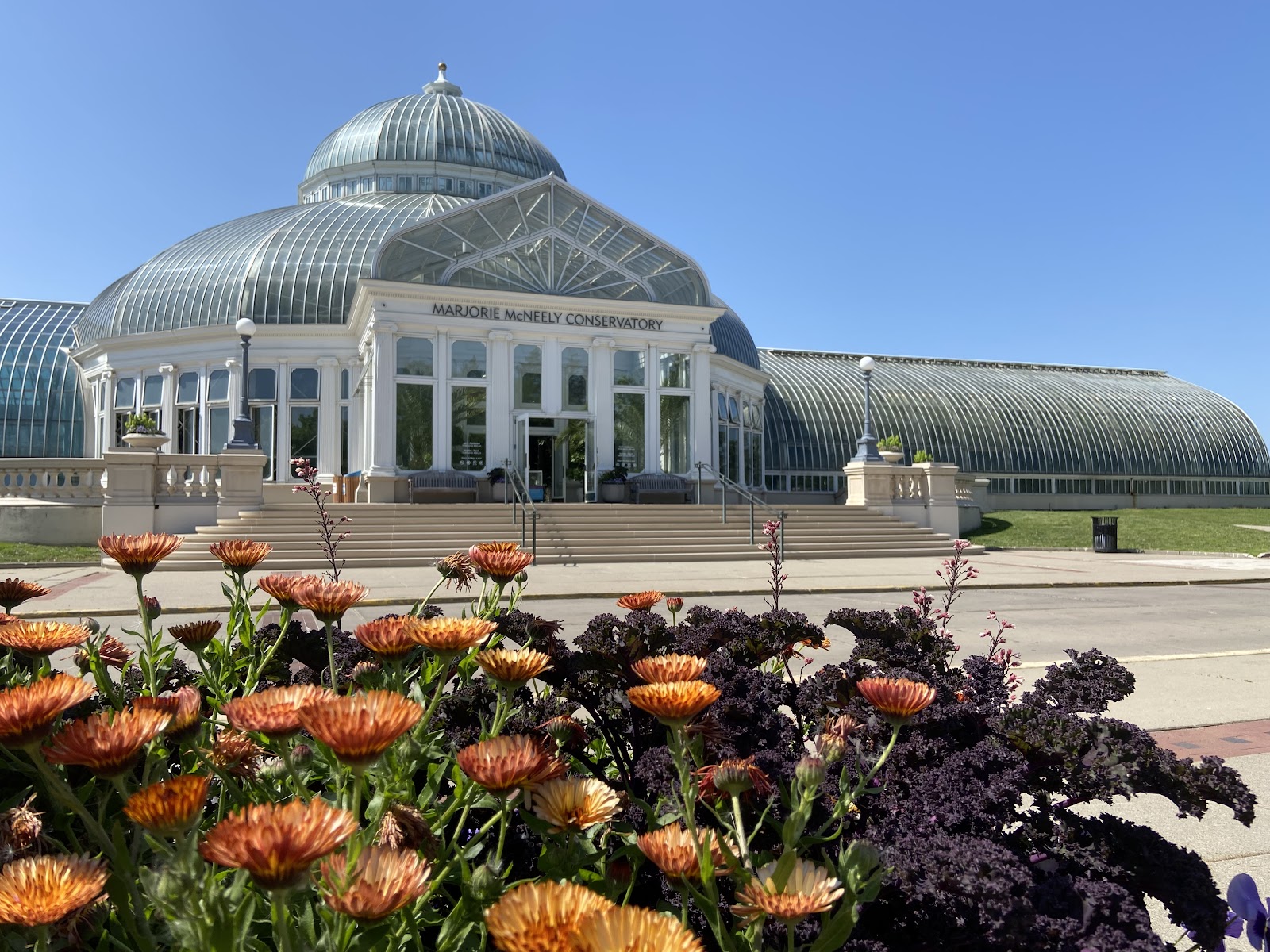
More frames from Como Park Zoo & Conservatory
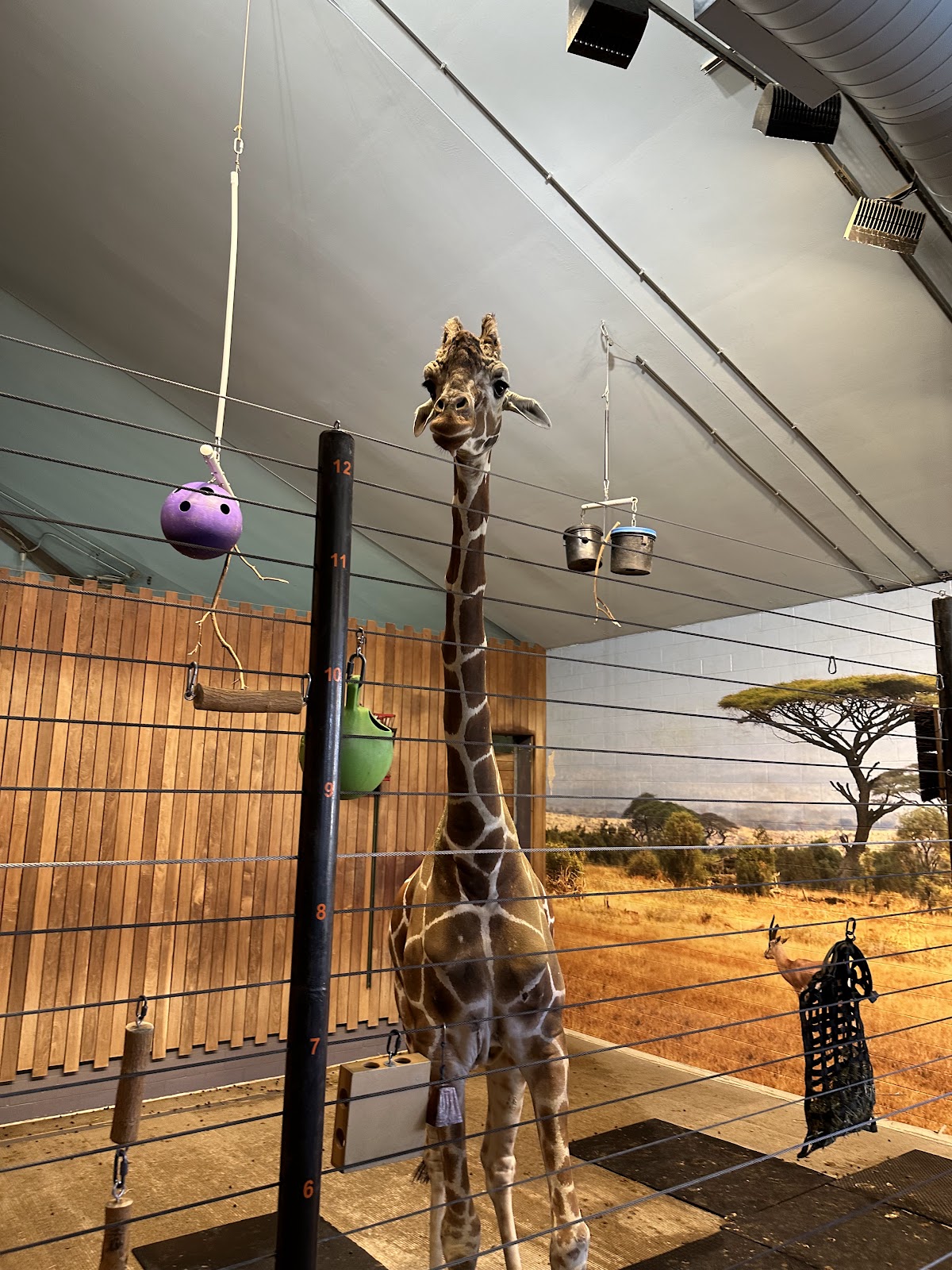
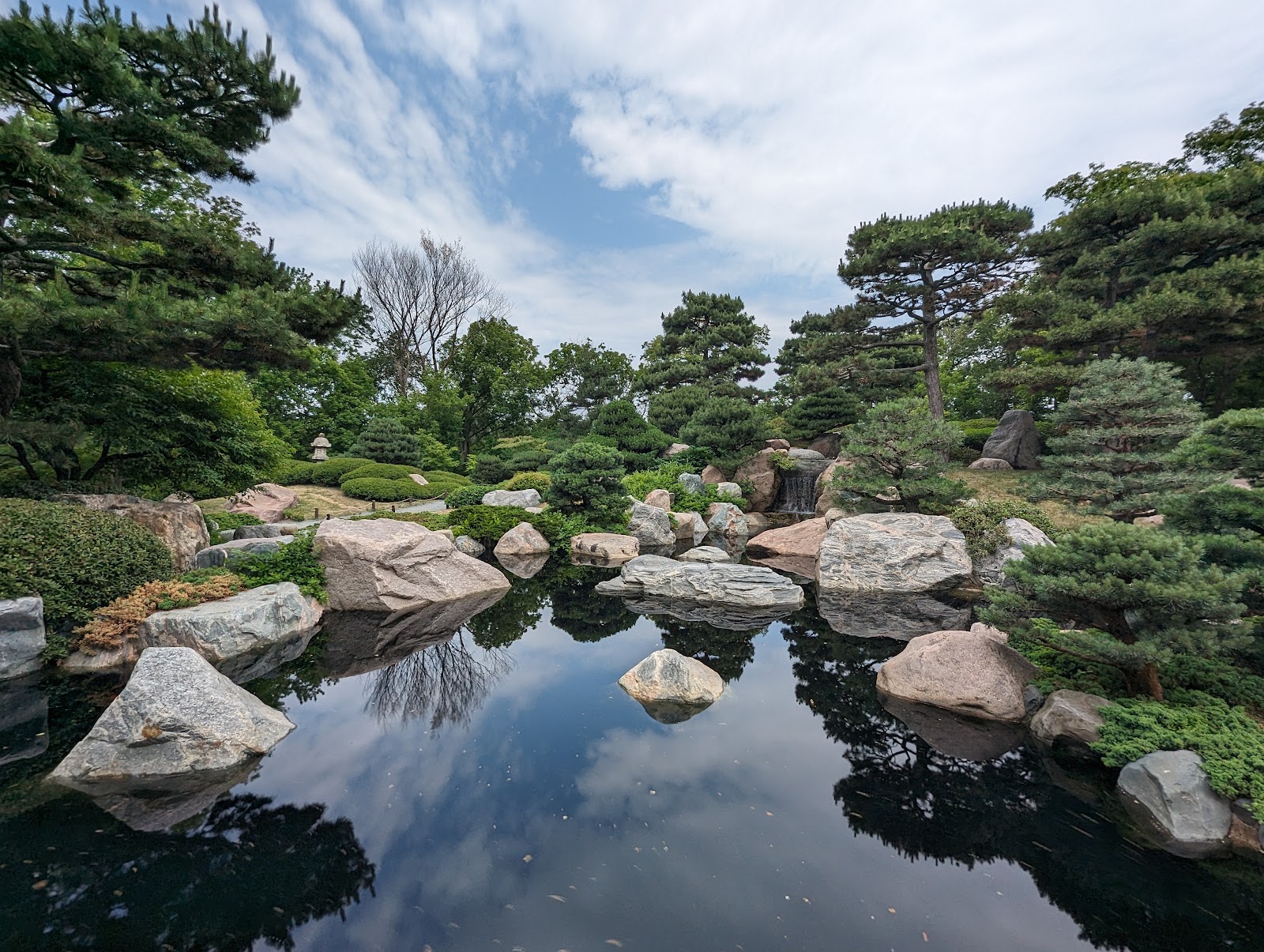
Como Park Zoo & Conservatory wedding photography: common questions
Does the season really decide the venue?
Yes. For roughly half the year the gardens are the venue; for the other half they are under snow and the glasshouse is. Those two versions have almost nothing in common photographically, so the date determines which wedding you are planning.
Is a Minnesota winter wedding here a compromise?
No — it is the differentiator. In January the conservatory is the only place in the city that is warm, green and full of daylight at once, and low winter sun through glass rakes rather than pouring down, which is more directional than high summer sun.
What is the winter camera problem?
Fogging. A camera carried from subzero air into a warm humid glasshouse fogs inside and out and takes far longer to clear than in a temperate climate. Wiping the front does nothing. Acclimatise first, or dedicate one body to each environment.
How do you photograph a Japanese garden?
Use the sight lines the design already provides. A Japanese garden is composed deliberately — a bridge, water, a placed stone, a framed view — so the good frames already exist. Find them rather than inventing new ones.
Will the public be in the photographs?
Unless a private arrangement is made, yes — the conservatory is a free public attraction. Establish that before anything else, because it decides whether the glasshouse is a location or a backdrop glimpsed between visitors.
Which date photographs best?
Late September to early October, if choosing on photographic grounds. Minnesota autumn colour is strong and short, and that fortnight gives a palette neither summer nor the glasshouse can match.
More Minnesota venue guides
We are writing a photographer’s guide to every venue we would happily shoot in Minnesota. Here are three more, plus the full index:
- The F. Scott Fitzgerald House: Photographing a Narrow Row House
- The InterContinental St. Paul: What a Modern Hotel Actually Buys
- The James J. Hill House: Field Notes on Red Sandstone and Dark Oak
Planning a wedding at Como Park Zoo & Conservatory?
The calendar decides which venue this is. Tell us your date and we will tell you which one you have.