 The Venue, Asheville: A Season-by-Season Guide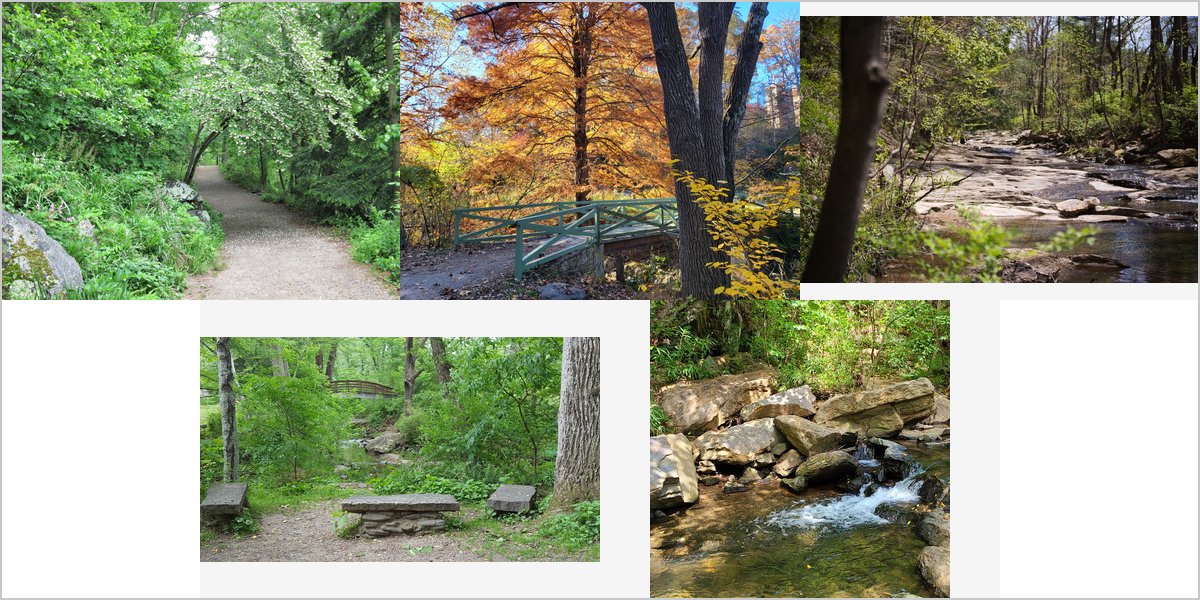
May 18, 2026
The Botanical Gardens at Asheville: A Photographer Answers Your Questions
A native woodland garden with a creek running through it. Beautiful, shaded, intimate — and with nowhere at all to go when it rains.
The Botanical Gardens at Asheville occupy about ten acres beside Reed Creek, adjacent to the UNC Asheville campus, planted as a collection of native Southern Appalachian species rather than as an ornamental display garden. The result is woodland, creek banks, rock, and naturalistic planting rather than formal beds.
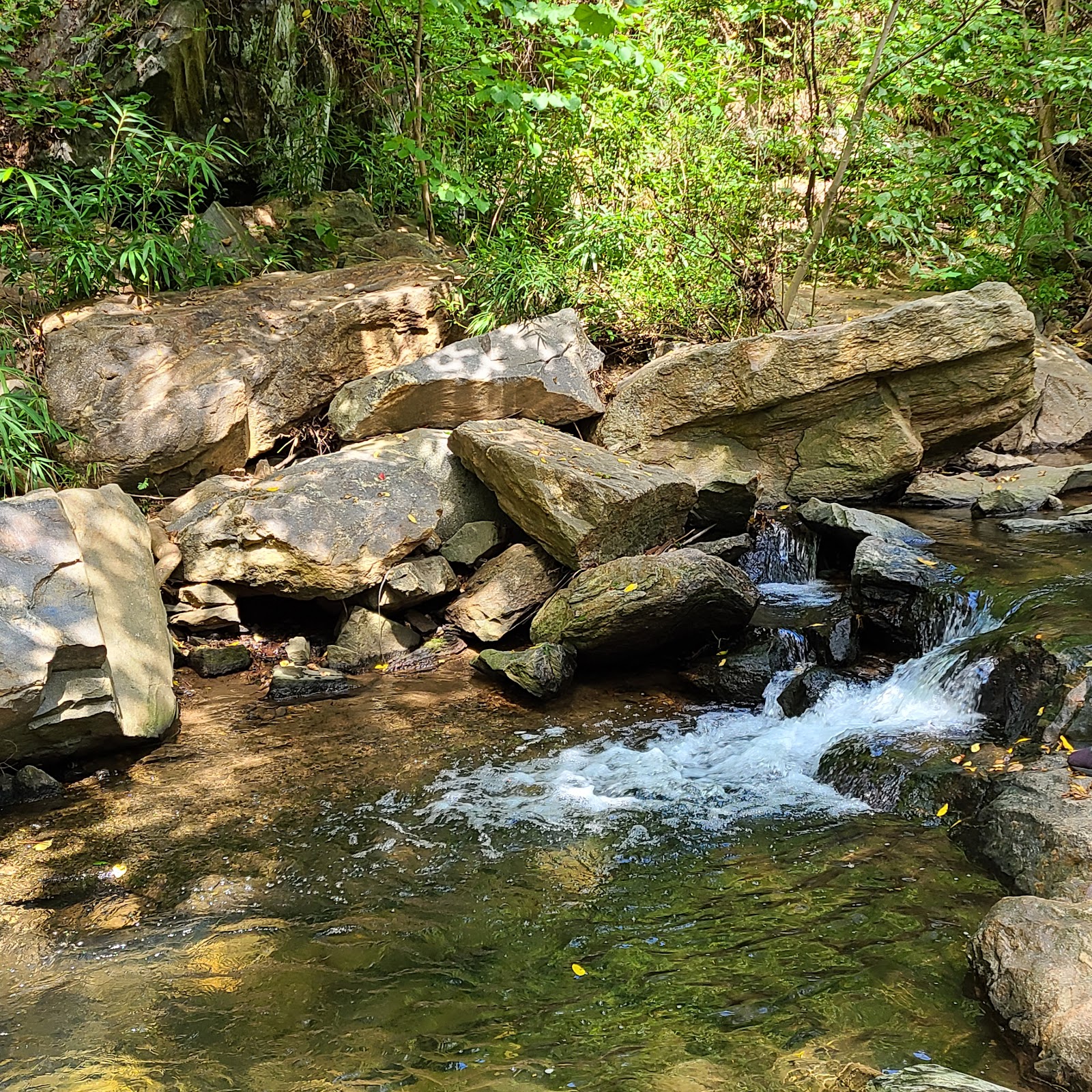
Photographically that is a specific and appealing environment. Native woodland gives high open shade under a deciduous canopy, which is soft and flattering. A creek gives moving water, reflections and a compositional line through the site. And the naturalistic planting means the frames look like the mountains rather than like a horticultural exhibit.
What it does not give you is shelter, built architecture or much room for a large group. These are the questions couples ask. We have not photographed a wedding here; woodland canopy and creek light behave predictably. Permits, whether ceremonies are allowed and what the garden permits are for their staff — a non-profit native plant collection will have real conservation limits.
Botanical Gardens at Asheville at a glance
| Where | Beside Reed Creek, adjacent to UNC Asheville, North Carolina |
| Character | About ten acres of native Southern Appalachian planting; woodland and creek |
| Light | High open shade under deciduous canopy; dappled patches in bright sun |
| What it lacks | Shelter, built architecture, and room for a large group |
| Assume | Conservation limits — staying on paths, and restrictions on equipment |
What kind of light will we get?
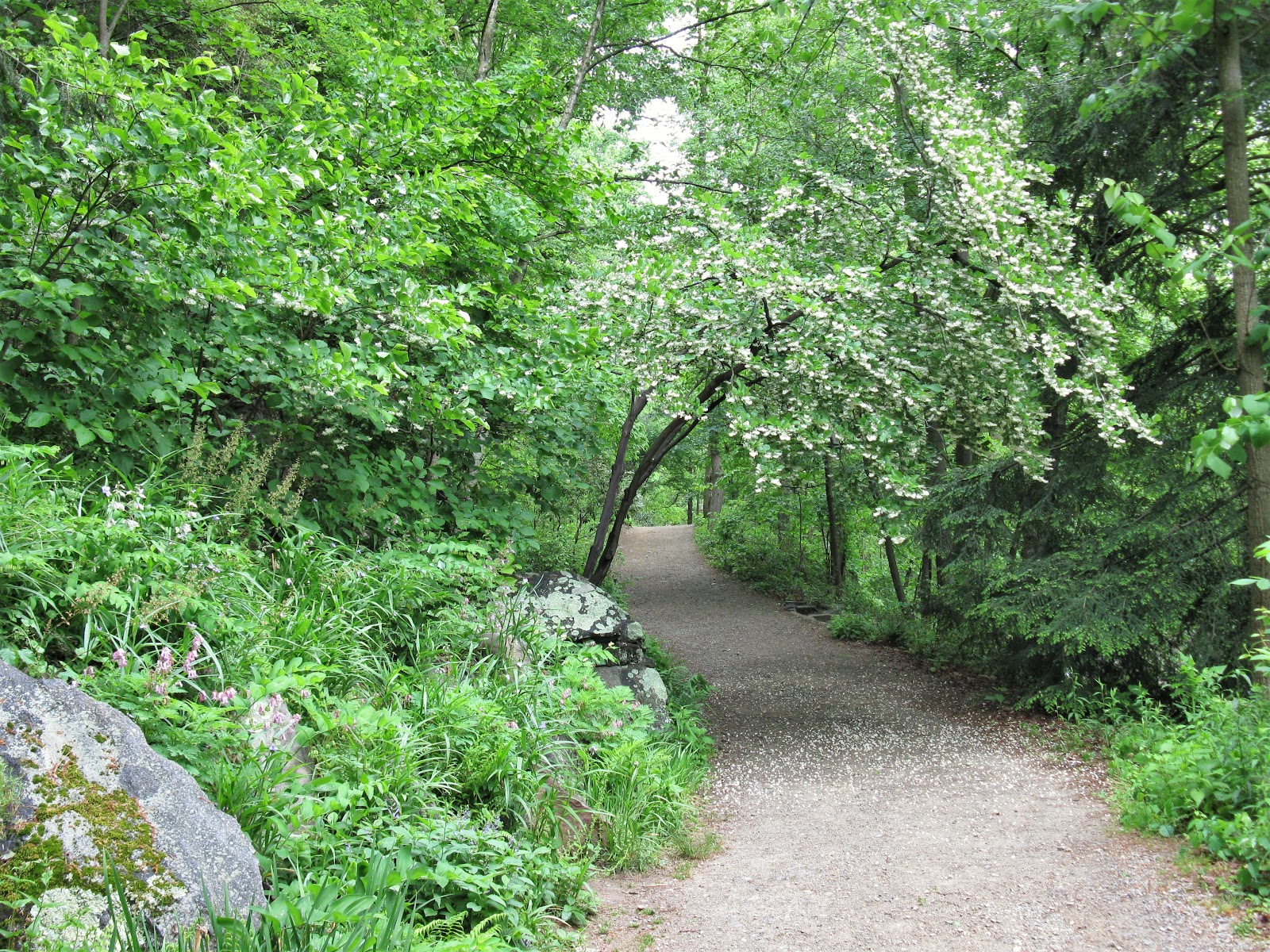
Predominantly high open shade, which is the most flattering outdoor light there is. A deciduous canopy over a woodland garden diffuses the light and removes its direction, so faces are evenly lit with no hard shadows and no squinting. On an overcast day it is close to ideal, and Asheville supplies plenty of overcast.
In bright sun the same canopy becomes a problem, because gaps let direct sun through as hard dappled patches. A patch of full sun on a face next to a shaded background exceeds what any sensor can hold in one frame, and it cannot be fixed afterwards. The answer is to work in the deeper shade and use the dappled areas as background, not as subject light.
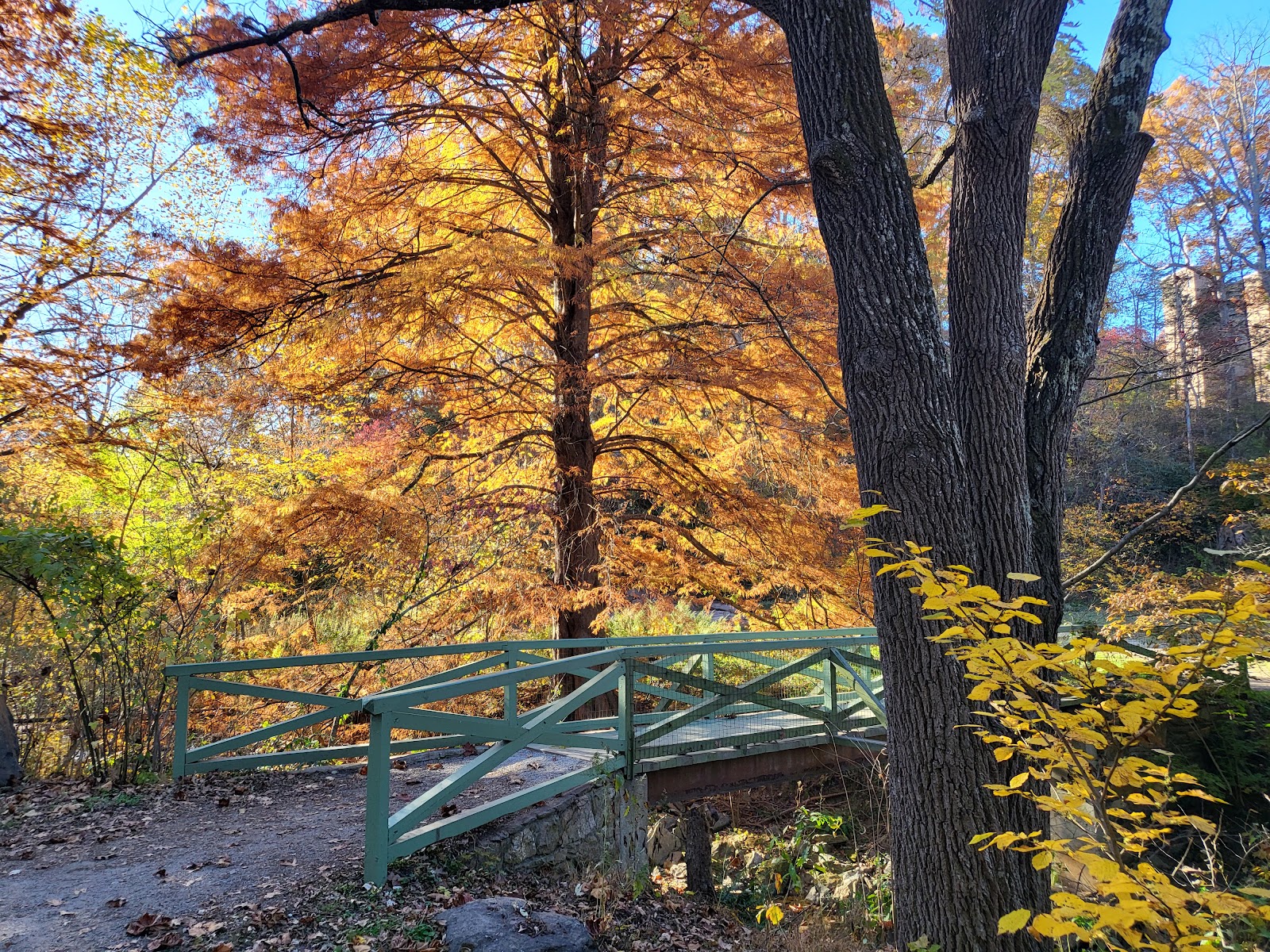
The seasonal variation is significant. In spring the canopy is not yet closed, so more light reaches the ground and the dappling is softer — genuinely the best window. In high summer the canopy is dense and the garden is dark, meaning higher ISO than you would expect. In autumn the low sun comes in laterally under the canopy, which is beautiful, and the native planting turns.
How do you use the creek?
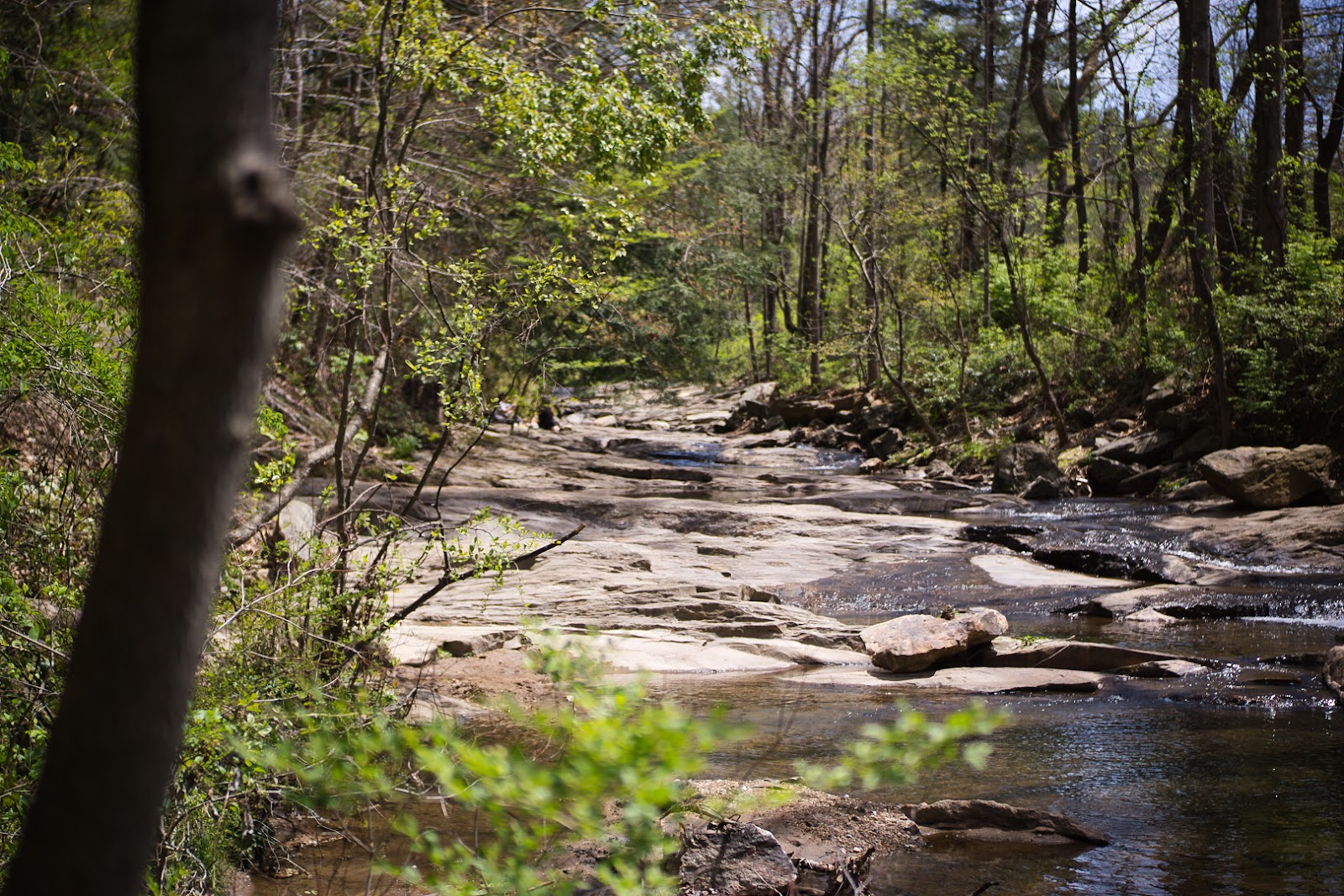
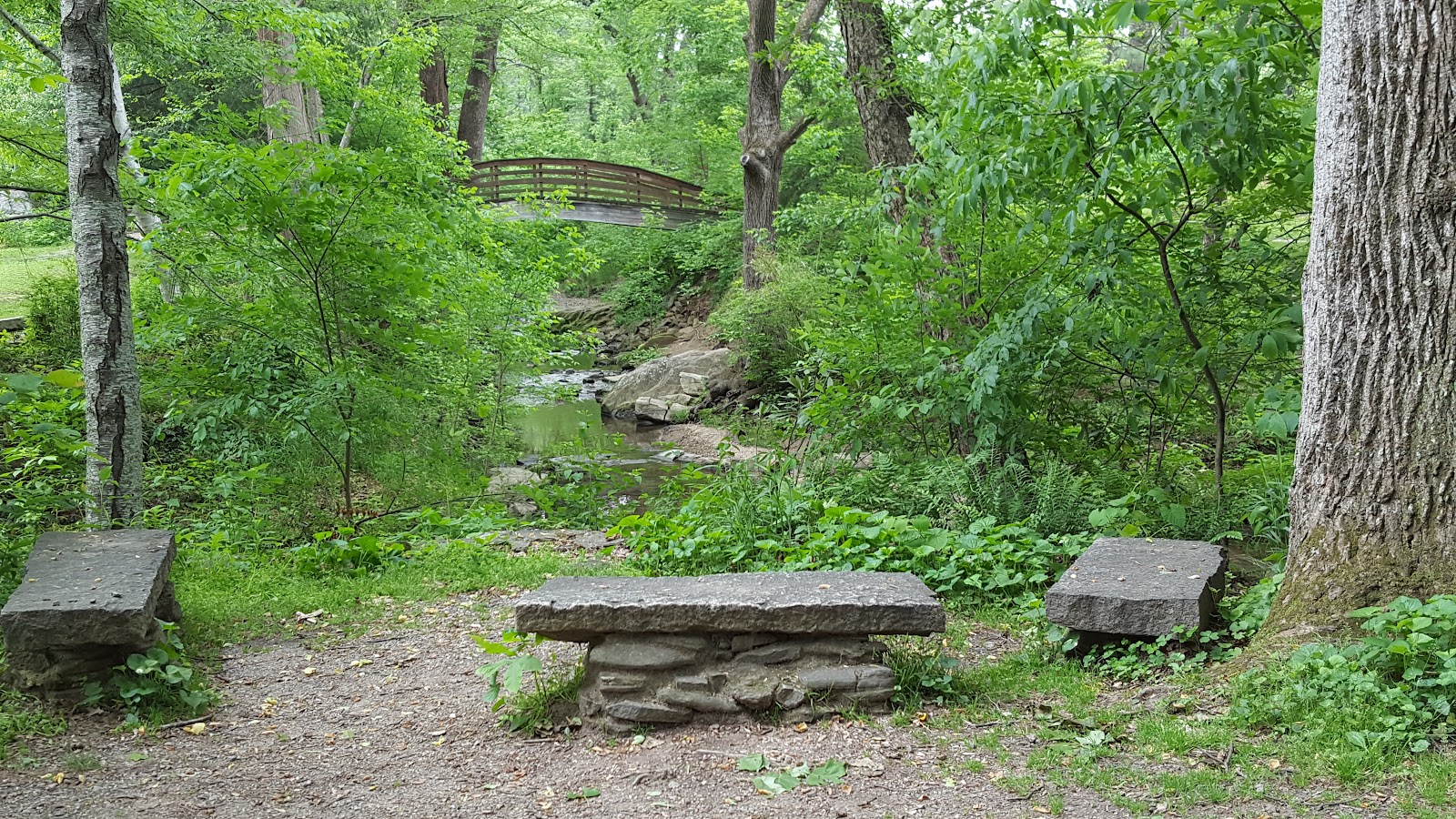
Water gives you three things nothing else on a woodland site does. Reflections, which double the canopy and any colour above; a bright surface in an otherwise dark environment, which lifts a frame; and a natural compositional line that leads the eye through the picture.
Practically, the strongest frames put the couple near the water rather than in it, with the creek running across or through the frame. Shoot from a low position so the water surface occupies more of the frame and the reflections read. And keep the shutter above about 1/250 if moving water is prominent — slower and it smooths into a milky blur, which usually looks like a mistake in a wedding photograph.
A creek in a woodland garden also produces the one genuinely magical condition here: low sun coming through the canopy and catching mist or spray above moving water. That is a morning phenomenon after a cool night, and it is worth an early start if the couple will countenance one.
Can we hold a large wedding there?
Not comfortably, and it is worth being clear about why. Ten acres sounds like a lot, but a native woodland garden is mostly planting with paths through it — the usable open space is small, and the planting is the point of the place, so you cannot stand a hundred people in it.
That also constrains group photographs. There is unlikely to be a clear level area large enough for a big group with any distance to photograph it from, so groups will be smaller, tighter and arranged along a path rather than spread out. Plan for that rather than discovering it.
And expect to be kept on paths. A native plant collection maintained by a non-profit has genuine conservation reasons to prohibit walking into beds, and that constraint shapes where you can physically stand. It means natural-light work with fast primes rather than a lit setup, and it means the photographer works from the path like everyone else.
What is the rain plan?
There isn’t one on site, and that is the single most important planning fact about this venue. A woodland garden has tree cover, which is not shelter — a canopy drips for an hour after rain stops and offers no protection in a real downpour. There is no building to retreat into.
Asheville’s mountain weather is changeable and summer afternoon thunderstorms are routine, so the alternative has to be a genuine second location, decided and booked in advance. A venue with no covered space is not a venue you can improvise at.
The consolation is that light rain improves this garden considerably. Wet foliage saturates, rock darkens, the creek runs higher and louder, and the light goes perfectly even. A drizzly woodland wedding photographs beautifully — clear umbrellas keep faces neutrally lit and the whole set gains atmosphere. It is only the standing-around arithmetic that fails, which is precisely why it needs solving off site.
One more mountain note: ridgelines to the west take the direct sun well before the almanac sunset, and under a canopy that effect is compounded. Usable light in this garden disappears earlier than at any open venue, so an evening ceremony needs to be earlier than instinct suggests.
What works in your favour
- High open shade under native canopy — the most flattering outdoor light available
- A creek gives reflections, a bright surface and a compositional line through the site
- Native Appalachian planting looks like the mountains rather than like a horticultural display
- Light rain genuinely improves the garden: saturated foliage, even light, a louder creek
- Spring’s partly closed canopy is the best light window of the year
What to plan around
- No shelter of any kind — the rain plan must be a different location, booked in advance
- Limited usable open space; large weddings and large group photographs do not fit
- Conservation rules will keep you on paths, which limits positions and rules out lit setups
- Dappled sun through gaps is unphotographable and must be avoided rather than managed
- Canopy plus western ridgelines means usable light ends very early
More frames from Botanical Gardens at Asheville
Botanical Gardens at Asheville wedding photography: common questions
What is the light like in the garden?
Mostly high open shade under a deciduous canopy, which is the most flattering outdoor light there is — even, soft and no squinting. In bright sun the gaps throw hard dappled patches that no sensor can hold alongside the shade, so work in deeper shade and use the dappled areas as background only.
When is the best season?
Spring, when the canopy is not yet closed so more light reaches the ground and the dappling is softer. Autumn is the second choice — low sun comes in laterally under the canopy and the native planting turns. High summer is the darkest, with a dense canopy meaning higher ISO than you would expect.
How should the creek be photographed?
With the couple near the water rather than in it, shot from a low position so the surface fills more of the frame and the reflections read. Keep the shutter above about 1/250 if moving water is prominent, or it smooths into a milky blur that usually reads as a mistake.
Can we have a large wedding here?
Not comfortably. Ten acres of native woodland garden is mostly planting with paths through it, so the usable open space is small and you cannot stand a hundred people among the collection. Group photographs will be smaller and arranged along a path rather than spread out.
What happens if it rains?
There is no shelter on site — tree canopy is not shelter, and it drips for an hour after rain stops. Your rain plan has to be a genuine second location, booked in advance. The consolation is that light rain makes the garden look better: saturated foliage, even light and a fuller creek.
More Asheville venue guides
We are writing a photographer’s guide to every venue we would happily shoot in Asheville. Here are three more, plus the full index:
- Claxton Farm: A Season-by-Season Photography Guide
- Highland Brewing Company: Field Notes on a Brewery Venue
- New Belgium Brewing Asheville: Building the Shot List
All Asheville Wedding Venues →
Planning a wedding at Botanical Gardens at Asheville?
This garden is lovely and it has no roof. Tell us your date and we will help you settle a real second location, then plan the light around a canopy that goes dark earlier than you would expect.