 The Sheraton Portsmouth: What a Conventional Hotel Actually Buys You
Strawbery Banke Museum: Photographing an Outdoor Museum of Houses
This is not one building but a whole street of them, and a street of low houses has light no single venue does.
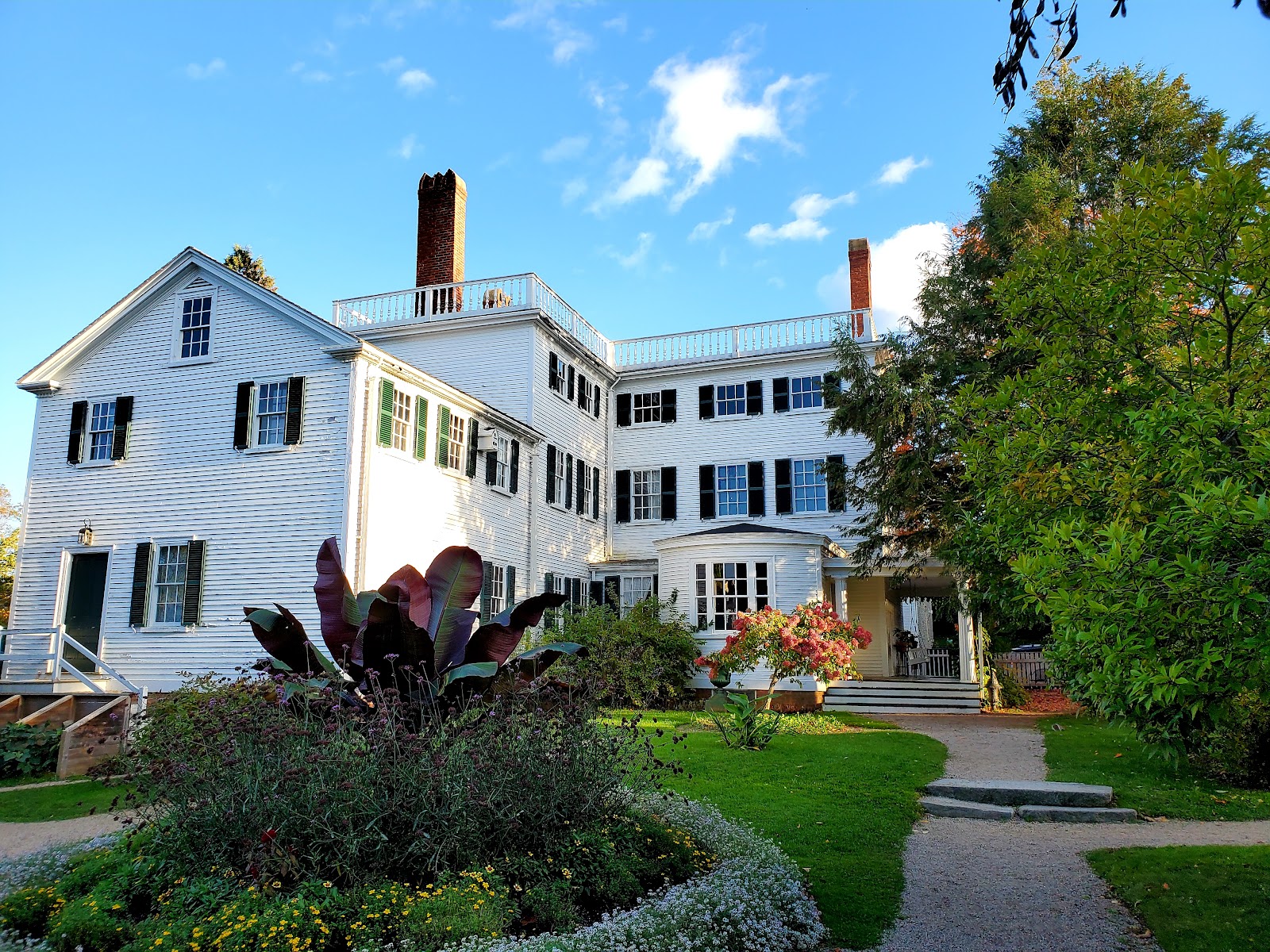
Strawbery Banke occupies about ten acres in Portsmouth’s waterfront district in New Hampshire, an outdoor museum of dozens of restored buildings spanning the colonial period to the early twentieth century, laid out as the neighbourhood it originally was, with gardens and lanes between the houses.
That structure makes it photographically unlike a single historic venue, and the difference is worth naming. A mansion gives you one building, one orientation, one good hour and one set of interiors. A preserved neighbourhood gives you dozens of buildings facing every direction, lanes that channel light, gardens between them, and clapboard elevations at close range on both sides — which is much closer to working in a small town than in a venue.
So this is a walk through the site rather than through a building. We have not photographed a wedding at Strawbery Banke; clapboard buildings, narrow lanes and period gardens behave the same wherever they are preserved. Which houses, gardens and lanes a wedding may use, what the interior access allows and whether the site is closed to visitors are questions for their events team — and interior access is the one that shapes the day.
Strawbery Banke Museum at a glance
| Where | Waterfront historic district, Portsmouth, New Hampshire |
| Character | An outdoor museum of dozens of restored houses across ten acres |
| The difference | Buildings face every direction, so some elevation always works |
| The material | Painted clapboard — bright, textured, and it clips if flat-lit |
| Ask first | Which interiors are accessible, and what is permitted inside them |
The lanes: why a narrow street is a lighting instrument
A lane with buildings close on both sides behaves like a very large softbox with a slot at the top. Light arrives mainly from the strip of sky overhead, and it bounces between the two facing elevations, which fills shadow from the sides. That produces soft, even, contained light with no background clutter beyond the walls — one of the most reliable conditions available outdoors.
It also removes the sky from the frame, which matters more than photographers expect. A bright overcast sky in the background of an outdoor portrait is the usual cause of blown highlights and a washed-out top third; a lane replaces that with a mid-toned building, so the exposure problem simply disappears.
Then there is the directional case. When the sun is low and aligned with a lane’s axis, the whole lane fills with raking light — one side lit, one side in shade, and a long corridor of warm light down the middle. That is the strongest frame the site produces, and it depends entirely on which way the lane runs. Establishing which lanes run roughly east-west is a ten-minute job on a site visit and it is the single most useful preparation here.
The practical instruction is to work along lanes rather than across them. Shot along its length with a longer lens, a lane compresses into layers of clapboard, fences and gables that give real depth. Shot across, it is a couple standing in front of a wall.
The houses: painted clapboard and what it does
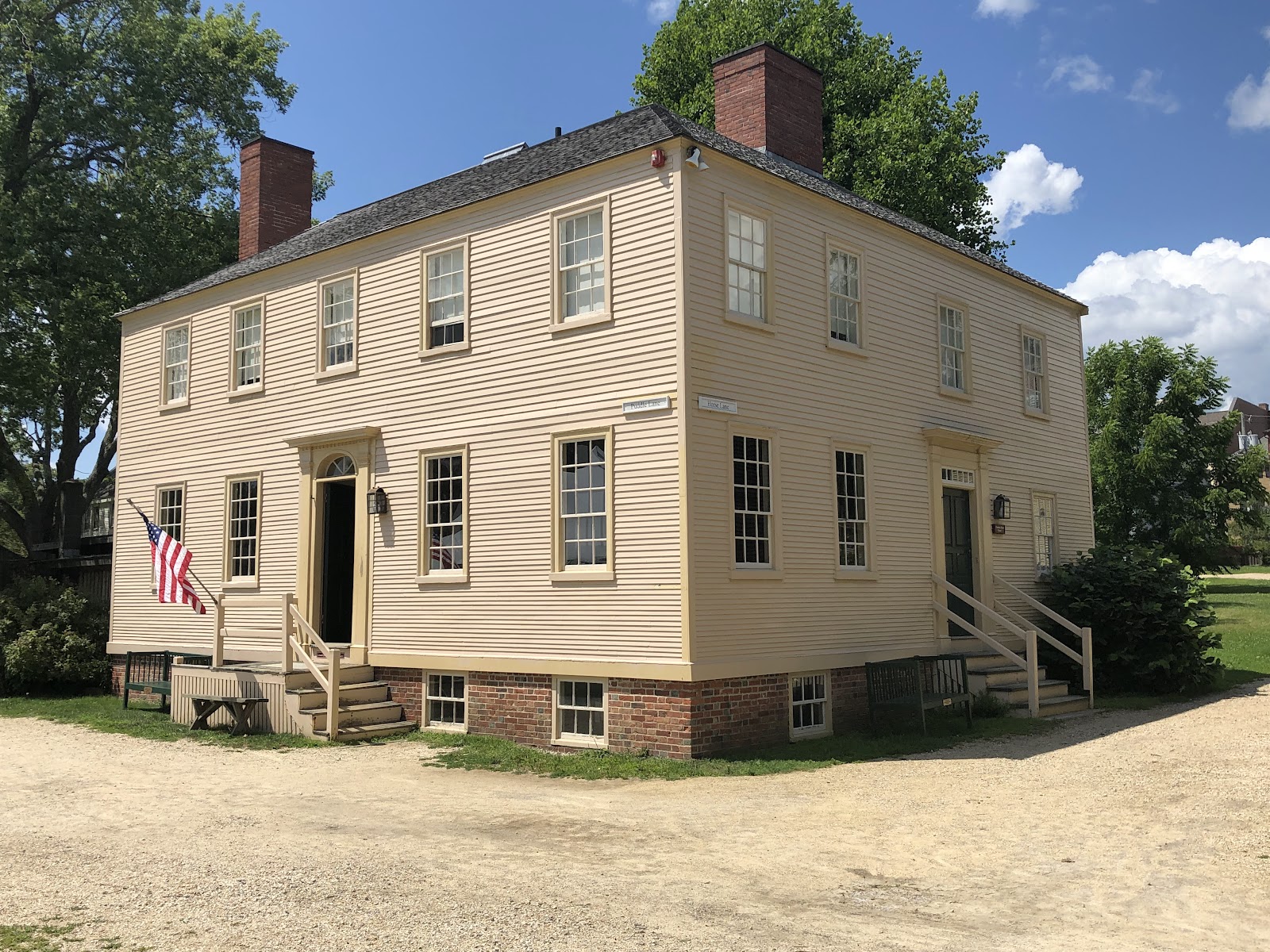
Clapboard is horizontal boarding, usually painted, and both facts matter. The paint is commonly white or a pale colour, which makes it bright — in direct sun it will clip, and because paint has no texture underneath, once it clips there is nothing to recover. Meter for a shaded face beside a white clapboard wall in sunlight and the wall blows; meter for the wall and the face goes dark.
The boarding is the compensation. Horizontal lapped boards cast a small shadow along each course, so a clapboard elevation has built-in texture that reads beautifully in raking light and disappears in flat light. The same rule as carved stone and adobe render: low side light lifts the surface, midday sun erases it.
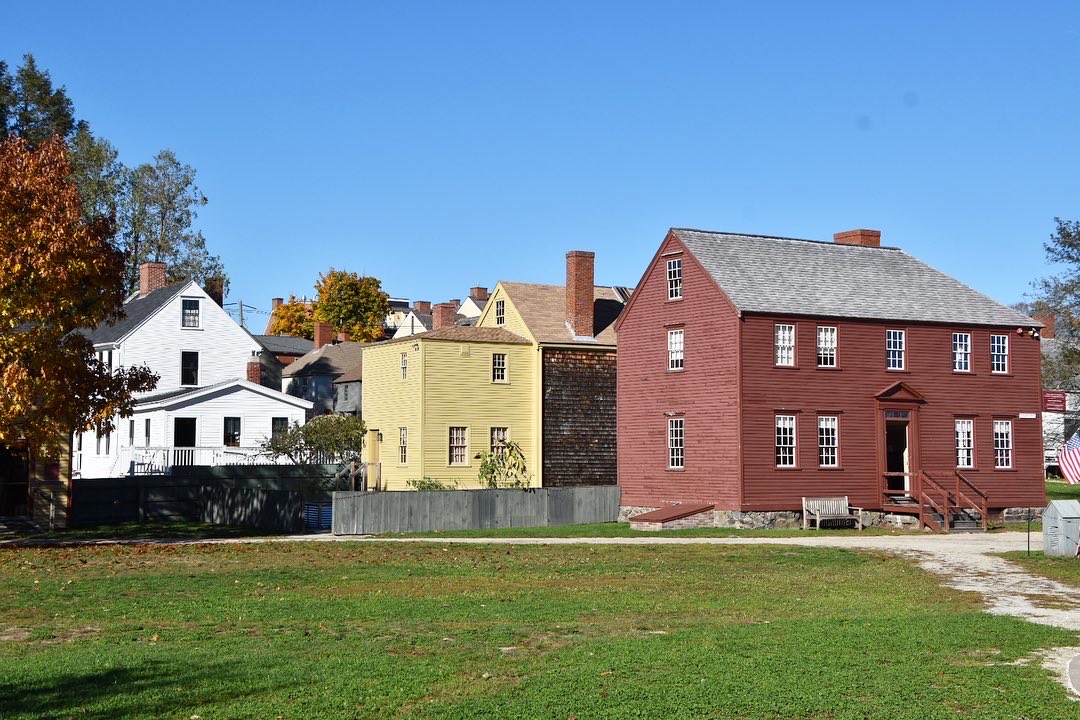
Darker painted houses are the easier subject and worth seeking out. A deep red, mustard or slate clapboard elevation is a mid-tone, so it holds detail at almost any sensible exposure and gives a couple in pale clothes genuine separation — which a white wall cannot. In a preserved neighbourhood there is usually a choice of colours within a minute’s walk, and choosing the dark one is free.
Interiors in houses of this period are small, low-ceilinged and dim, with small windows because glass was expensive. That means restricted camera positions, a single directional window source with steep fall-off, and a lot of dark timber. Switch off any modern lighting, work the window, and bounce off a pale ceiling where more is needed — in a room this size, bounce beats any modifier that would fit through the door.
- Work along lanes, not across them; compression gives depth
- Find which lanes run east-west for the raking-light frame
- Choose a darker painted elevation over a white one for separation
- Expose for the clapboard and raise the couple, not the reverse
- Small period interiors: one window, steep fall-off, bounce for fill
Gardens, the waterfront and the practicalities of a museum
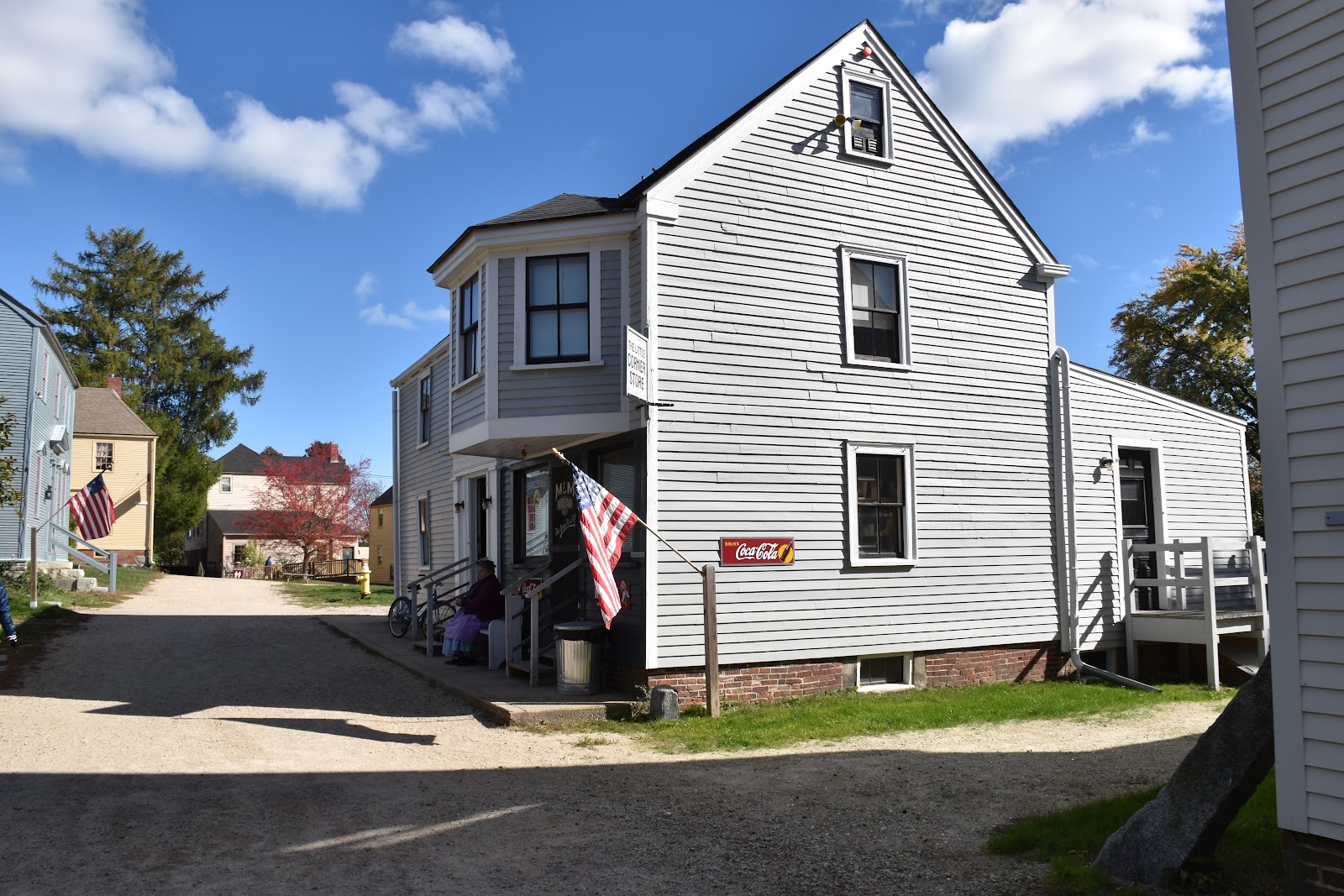
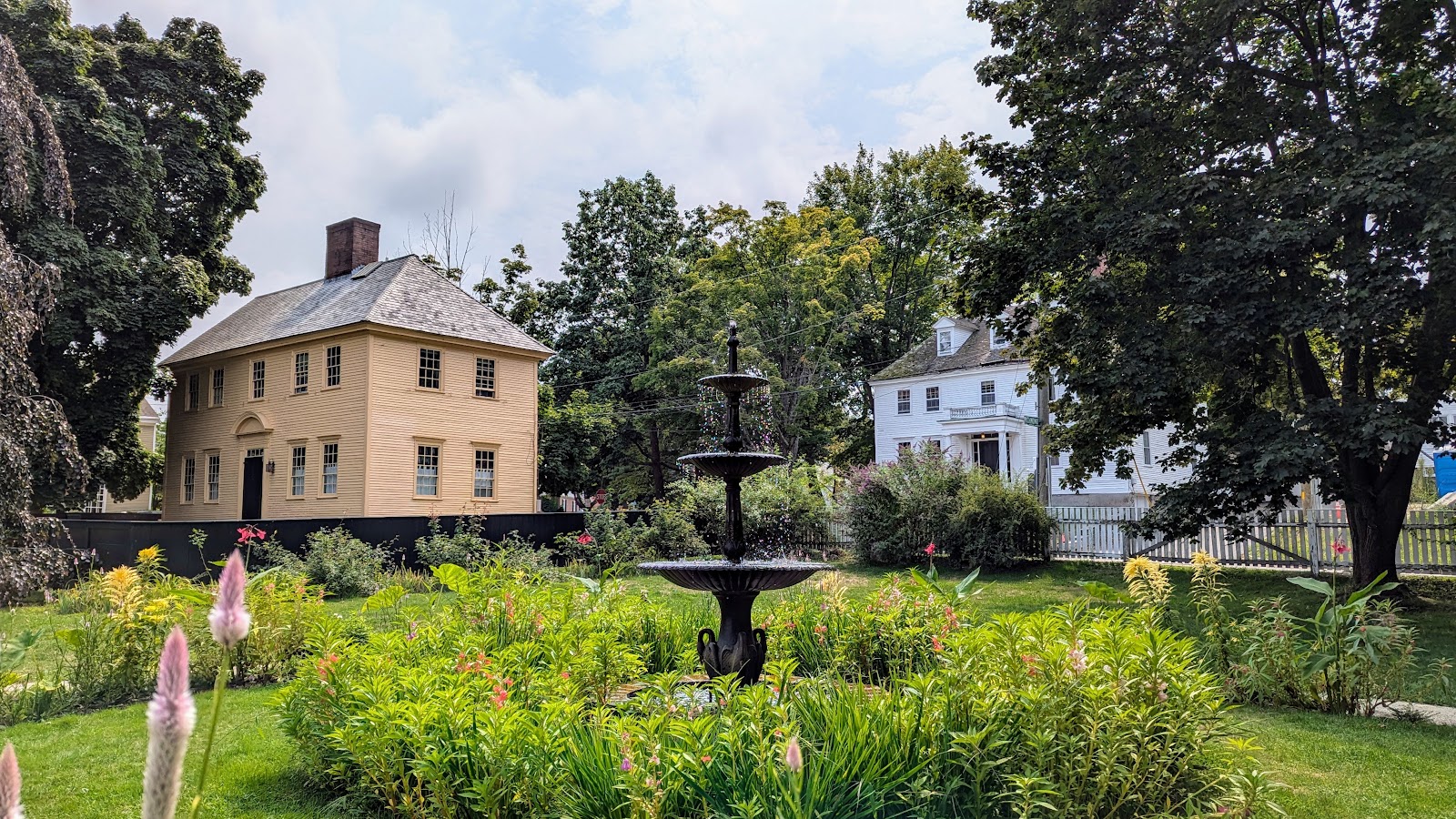
The gardens between the houses are period-appropriate planting rather than ornamental display, which means they are lower, less dense and more structural than a botanical garden — fences, beds, paths and herbs rather than deep borders. That makes them useful as foreground rather than as background: something close to the lens at half a metre, with a couple and a clapboard elevation beyond, gives depth in a frame that would otherwise be flat.
Because the planting is low, the canopy is broken, which means the last ninety minutes genuinely work here. Low sun reaches the ground rather than being blocked, so backlit planting, warm light along the lanes and rim light on figures are all available — unlike a heavily wooded site where golden hour barely arrives.
The Portsmouth waterfront and the Piscataqua River are immediately adjacent, which adds water, working harbour, bridges and tidal mudflats depending on the hour. The tide is worth checking: a high tide gives water and reflections, a low tide gives exposed mud and moored boats sitting on the bottom, and they look completely different. Neither is wrong but one of them is probably what the couple imagined.
The museum practicalities matter and should be settled in advance. This is a preserved collection, so the buildings, the interiors and the planting are the exhibits — interior access is limited and may be restricted room by room, flash and tripods may be controlled inside, and stepping into beds is not on. The site is also open to visitors, so unless it is closed for the event there will be members of the public in exterior frames, and the usual answers apply: long lens, tight framing, and the hours immediately after opening or before closing.
The timing summary is simple because the site is so varied: lanes and gardens through the middle of the day, since a lane is soft and shaded whatever the sun is doing; interiors for the quiet close frames and as the block that absorbs a delay; and the east-west lanes plus the waterfront in the last ninety minutes, which is the block worth protecting.
What works in your favour
- Buildings facing every direction, so some elevation always works
- Lanes act as large soft boxes and remove the sky from the frame
- A choice of clapboard colours within a minute’s walk
- Low period planting gives usable foreground and lets evening sun through
- The Piscataqua waterfront immediately adjacent for water and boats
What to plan around
- White painted clapboard clips with nothing underneath to recover
- Period interiors are small, dim and heavily restricted
- Flash and tripods may be controlled inside the houses
- Open to visitors unless closed, so the public is in exterior frames
- Tide state changes the waterfront completely and is easy to overlook
More frames from Strawbery Banke Museum
Strawbery Banke Museum wedding photography: common questions
Why is a narrow lane good light?
Because buildings close on both sides make it behave like a very large softbox with a slot of sky at the top, bouncing light between the two elevations. It is soft and even, and it replaces a blown sky in the background with a mid-toned building.
What is the strongest frame on the site?
A lane running roughly east-west, shot along its length in the last ninety minutes, when low sun fills it with raking light — one side lit, one in shade. Finding which lanes run that way is the most useful ten minutes of a site visit.
What is the problem with white clapboard?
Paint has no texture underneath, so once it clips in direct sun there is nothing to recover, and it sits several stops above a shaded face beside it. Choose a darker painted elevation instead — a red or slate house is a mid-tone and gives real separation.
Do clapboard walls photograph well?
In raking light, very well — horizontal lapped boards cast a small shadow along each course, so the surface has built-in texture. In flat midday light that texture disappears entirely and the wall becomes a plain painted field.
What are the period interiors like?
Small, low-ceilinged and dim, with small windows because glass was expensive. That means one directional source with steep fall-off, restricted camera positions and a lot of dark timber. Bounce off a pale ceiling beats any modifier you could carry in.
Is there anything easy to overlook?
The tide. The Piscataqua is tidal, so a high tide gives water and reflections while a low tide gives exposed mud and boats sitting on the bottom. Both are usable but only one is probably what the couple pictured.
More New Hampshire venue guides
We are writing a photographer’s guide to every venue we would happily shoot in New Hampshire. Here are three more, plus the full index:
- The Music Hall, Portsmouth: How the Lit-Stage Frame Is Made
- Portsmouth Harbor Events: What a Very Bright Room Actually Gives
- AMC Pinkham Notch, New Hampshire: The Problem and Four Ways Out of It
Planning a wedding at Strawbery Banke Museum?
A preserved neighbourhood always has a working elevation somewhere. Tell us your date and we will map the lanes before the day.