 The Laniakea YWCA: A Building Organised Around Its Courtyard
Foster Botanical Garden: Four Ways Out of the Tall-Canopy Problem
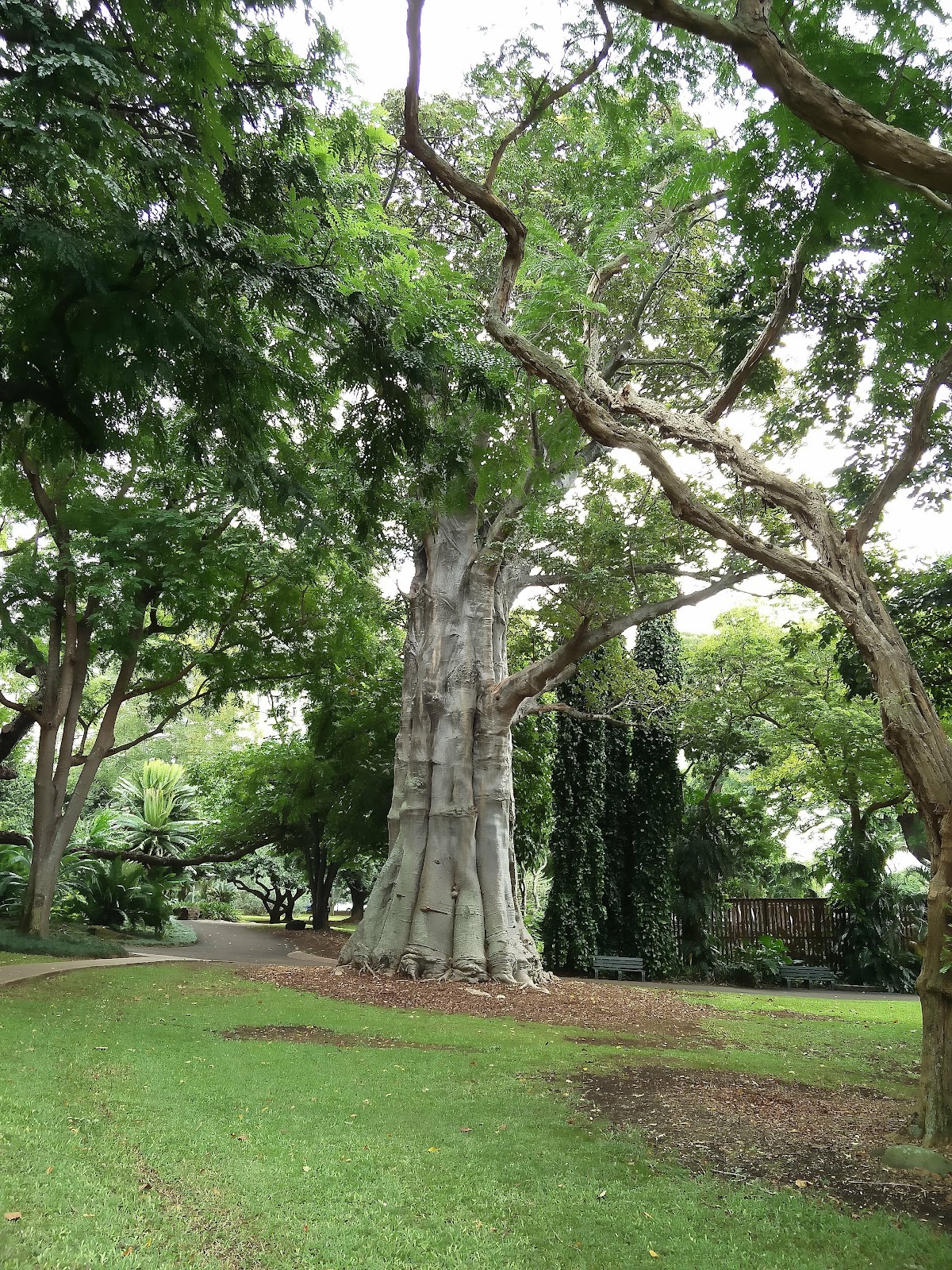
The trees here are enormous and old, and a very tall canopy behaves nothing like an ordinary garden.
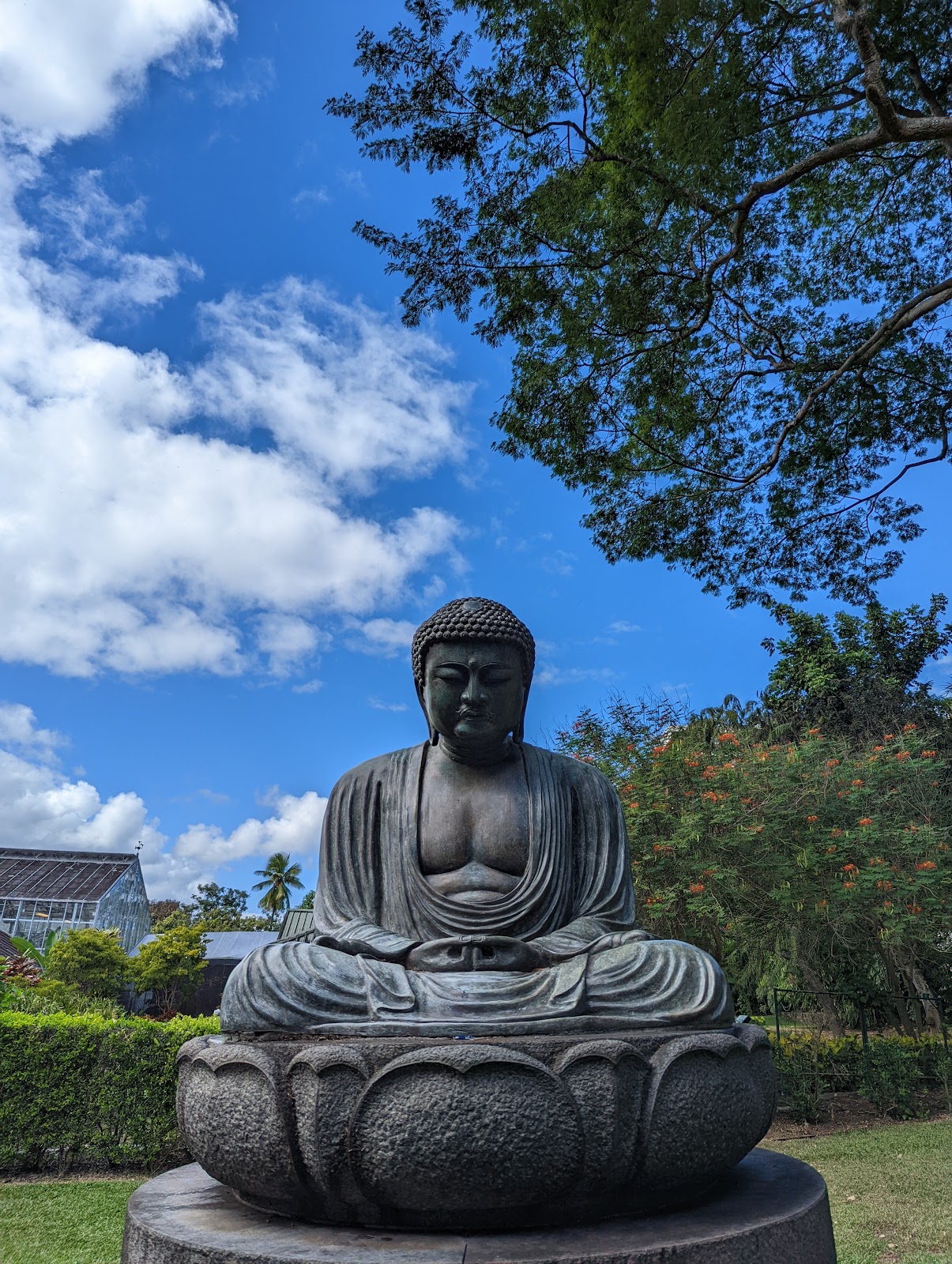
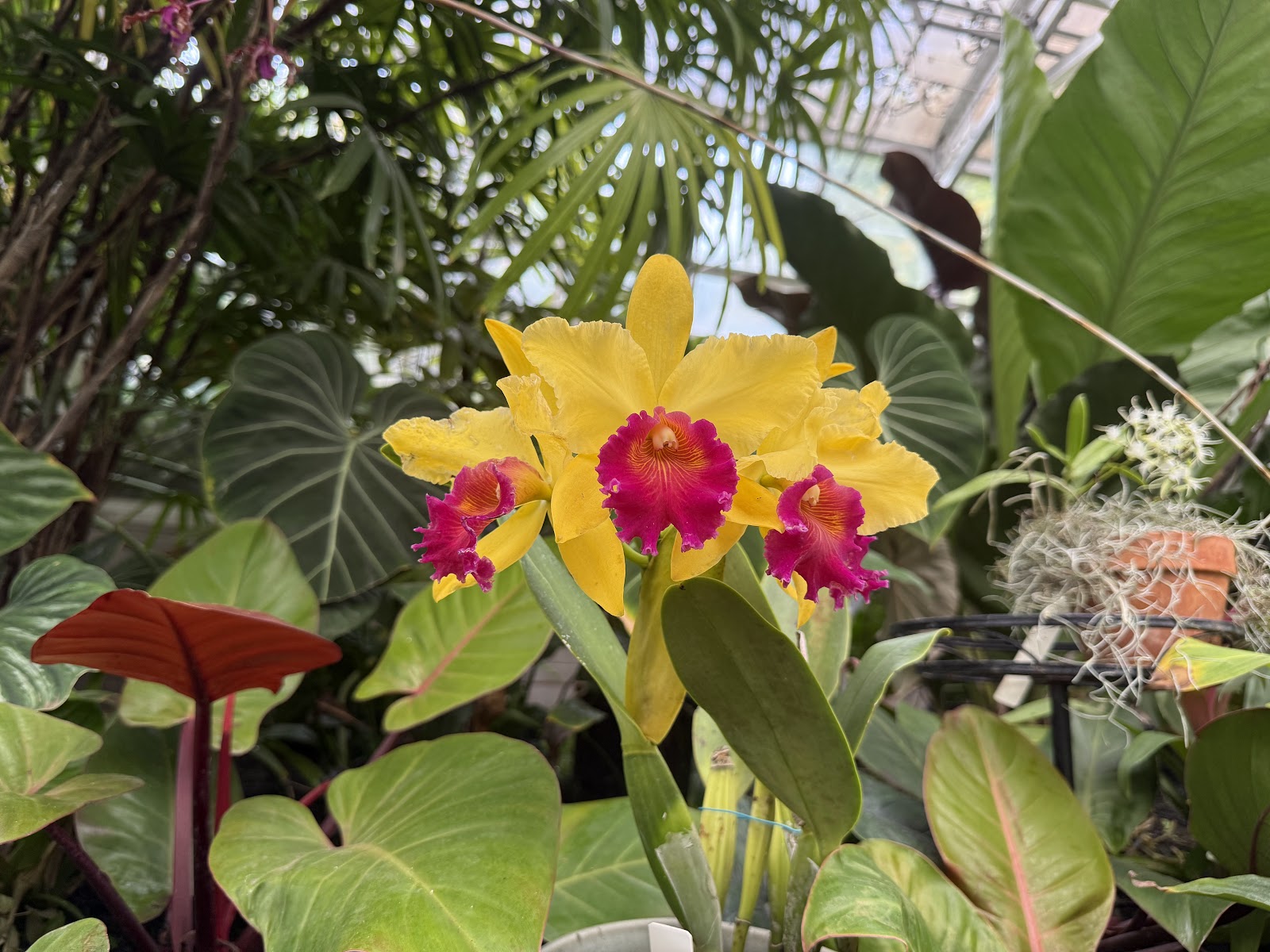
Foster Botanical Garden occupies ground in central Honolulu, a garden of considerable age whose distinction is its mature tree collection — very large, very old tropical specimens, with palms, orchid collections and understory planting beneath them.
A tall canopy is a different photographic environment from an ordinary garden and the difference is worth understanding. In a garden of shrubs and small trees, the planting is around you and the sky is above. Under a canopy of enormous trees, the planting is above you and the sky is mostly gone — which means the light no longer comes from the sky at all but from whatever filters through thirty metres of leaves, plus whatever bounces in sideways from the edges.
That produces one central problem with four workable answers. We have not photographed a wedding at Foster Botanical Garden; tall tropical canopy behaves the same wherever it grows. Which areas host ceremonies, whether the garden is closed to the public during them, and what may not be approached in a collection garden are questions for their team.
Foster Botanical Garden at a glance
| Where | Central Honolulu, Hawaii |
| Character | Mature tropical tree collection with palms, orchids and understory |
| The problem | A tall canopy removes the sky and leaves only filtered light |
| Consequence | Dim, green, and dappled wherever the canopy breaks |
| Ask first | Whether the garden is closed to the public during the event |
Why a tall canopy is its own condition
Three things follow from having thirty metres of tree above you. The light level drops a long way — often three or four stops below the open street outside, which the eye compensates for so effectively that photographers routinely underestimate it. The colour goes strongly green, because almost every photon reaching a face has bounced off a leaf on the way. And where the canopy is not continuous, the sun punches through in small hard patches, giving dapple that is several stops brighter than its surroundings and that moves with any breeze.
The dapple is the part that ruins photographs, and it needs saying clearly: there is no technique that fixes it. It is neither soft nor directional, just random, and a face with a bright patch on one cheek and shade on the other cannot be balanced in an edit because the difference is several stops. The only remedy is position.
Green is the part that ruins skin. It reads as illness in a way warm or cool casts do not, and under a tall canopy it arrives from above and from all sides at once. Auto white balance makes a poor job of it because the scene genuinely is green — the camera is not wrong, it is just not what you want.
And the low level means fast lenses wide open and higher ISO than the scene looks like it needs. Under a canopy at midday it is entirely normal to be working at settings that would suit an indoor reception.
Ways one and two: find continuity, or find an edge
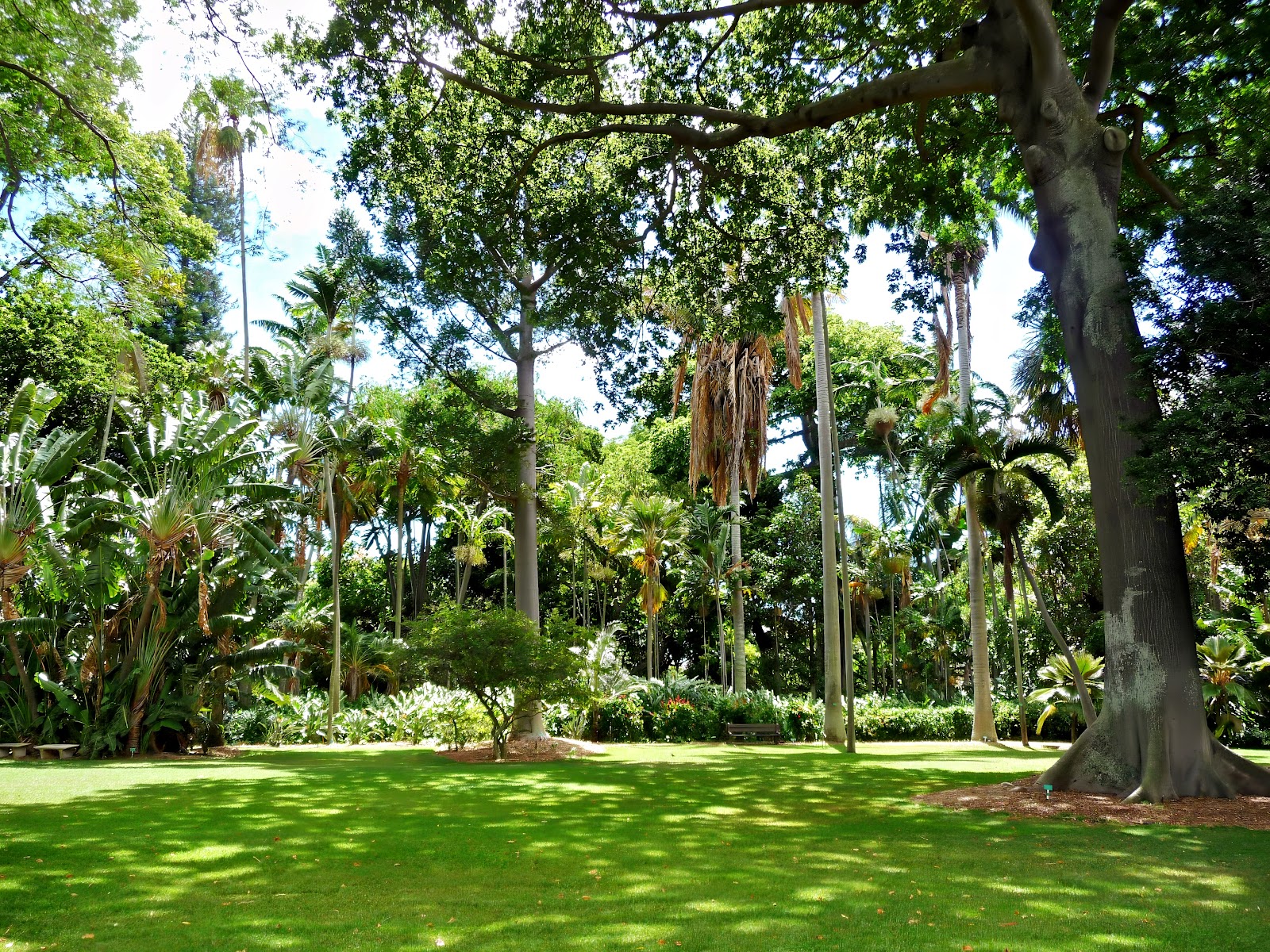
The first answer is to look for continuity rather than beauty. Where the canopy is dense and unbroken, the dapple merges into even shade, and even shade is workable — soft, consistent and flattering, if dim and green. The prettiest spot in a garden is often the one with sun flecking through it, and it is usually the worst place to stand. Learning to see continuity is the whole skill in a garden like this.
The second answer is to work the canopy’s edges. At the margin of a tall stand — a path, a clearing, a lawn edge, the open side of a specimen tree — light arrives from the open sky sideways rather than filtering down through leaves. That changes everything: it is directional, much brighter, and far less green, because it has not passed through foliage on the way in.
Standing a couple just inside the canopy edge facing out towards the open sky is the single most reliable good light available in a tall garden. It gives a large soft key from the bright opening, a dark surround from the canopy behind, and skin that does not need heavy correction. It is the tropical-garden equivalent of standing inside a loggia, and it works all day.
Both answers are positional and cost nothing, which is why they come first. The remaining two involve adding something.
- Look for continuous canopy, not pretty dappled canopy
- Work the canopy edge, facing out towards open sky
- Add a warm-gelled source to give skin a base against green
- Set a custom white balance under the canopy, and again at the edge
- Expect indoor-reception settings at midday under tall trees
Ways three and four: bring warm light, or use the dark
The third answer is a warm-gelled source on faces. This solves two problems at once: it raises the exposure on the couple so the surroundings can fall away, and it gives skin a dependable base so the green becomes a deliberate surround rather than a cast on the subject. Warm skin against deep green is one of the most effective colour combinations available, and it only happens if the light is gelled and the camera balanced to it.
Power can be modest, because the ambient is low. This is the opposite of shooting on an open tropical beach, where competing with the sun needs real strobe output — here a small source has large relative effect, which means the kit is light and the setup is quick.
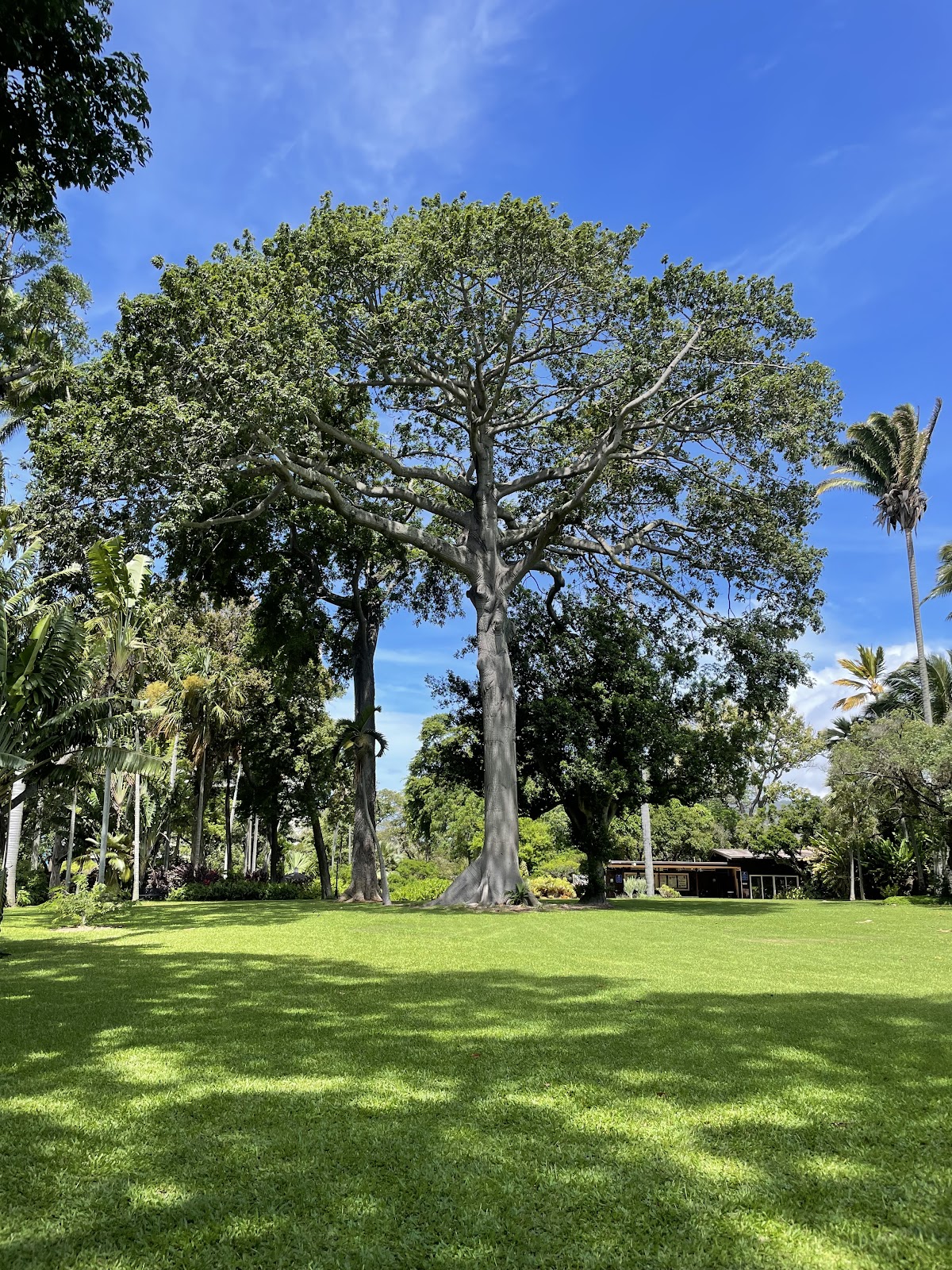
The fourth answer is to stop resisting the darkness and use it. A tall canopy produces genuinely dramatic conditions: shafts of light striking down through gaps, deep shade on all sides, a couple lit in a pool of light with the forest falling away black around them. Expose for the shaft, let everything else go dark, and the frame reads as intentional and cinematic rather than as an underexposed garden. That is a deliberate aesthetic choice worth agreeing with a couple beforehand, because it produces a bolder gallery than most people expect from the word ‘garden’.
Timing is simpler here than in an open garden. Because the canopy blocks low sun as effectively as high sun, golden hour barely reaches the ground — so unlike most gardens, the last ninety minutes are not transformative and the middle of the day is not disastrous. Under a tall canopy the light is more consistent across the day than anywhere else, which makes this a good venue for a schedule that might slip.
The corollary is that after sunset there is almost nothing: a closed canopy at dusk is very dark indeed, and any frame then is entirely a lit frame. And the practical notes are the usual tropical ones — humidity fogs a lens carried from an air-conditioned car, mosquitoes are present in still shaded areas, the ground is often damp, and in a collection garden the planting is the collection, so keep to paths and confirm what may not be approached.
What works in your favour
- Mature tropical specimens no younger garden can offer
- Continuous canopy gives even, flattering shade at any hour
- The canopy edge facing open sky is excellent light, all day
- Low ambient means a small warm source has large effect
- Light is more consistent across the day than in an open garden
What to plan around
- Three to four stops below the open street, and easy to underestimate
- Heavy green cast arriving from above and all sides at once
- Dapple wherever the canopy breaks, correctable only by moving
- Golden hour barely reaches the ground beneath tall trees
- Almost no ambient after sunset; every late frame must be lit
More frames from Foster Botanical Garden
Foster Botanical Garden wedding photography: common questions
Why is it so dark under tall trees?
Because a tall canopy removes the sky, so the only light is what filters through the leaves or bounces in from the edges. It runs three or four stops below the open street outside, and the eye compensates so well that photographers consistently underestimate it.
What do you do about dappled light?
Move. There is no technique that fixes it — it is random rather than soft or directional, and a face with a bright patch on one cheek and shade on the other cannot be balanced afterwards. Look for continuous canopy instead of pretty flecked canopy.
Where is the best light in a tall garden?
Just inside the canopy edge, facing out towards the open sky. Light arrives sideways rather than filtered through leaves, so it is directional, brighter and far less green, with the canopy behind giving a dark surround. It works all day.
How do you fix the green cast?
A warm-gelled source on faces with white balance set to it. That gives skin a dependable base so the green becomes a deliberate surround rather than a cast on the subject. Auto white balance struggles because the scene genuinely is green.
Does golden hour help here?
Barely. A tall canopy blocks low sun as effectively as high sun, so the last ninety minutes are not transformative the way they are in an open garden. The flip side is that the light is unusually consistent across the day, which suits a schedule that might slip.
Is there a bolder option?
Yes — expose for a shaft of light breaking through the canopy and let everything else go black. That reads as intentional and cinematic rather than as an underexposed garden, but agree it with the couple first, because it is a bolder gallery than ‘garden’ suggests.
More Honolulu, HI venue guides
We are writing a photographer’s guide to every venue we would happily shoot in Honolulu, HI. Here are three more, plus the full index:
- The Halekulani: Photographing a Deliberately White Hotel
- Koko Crater Botanical Garden: Reading Light Inside a Crater
- The Laniakea YWCA: A Building Organised Around Its Courtyard
All Honolulu, HI Wedding Venues →
Planning a wedding at Foster Botanical Garden?
A tall canopy is dim, green and dappled, and all three are positional. Tell us your date and we will find the edges first.