 The Rio Grande Zoo: Cottonwood Shade and the Enclosure Problem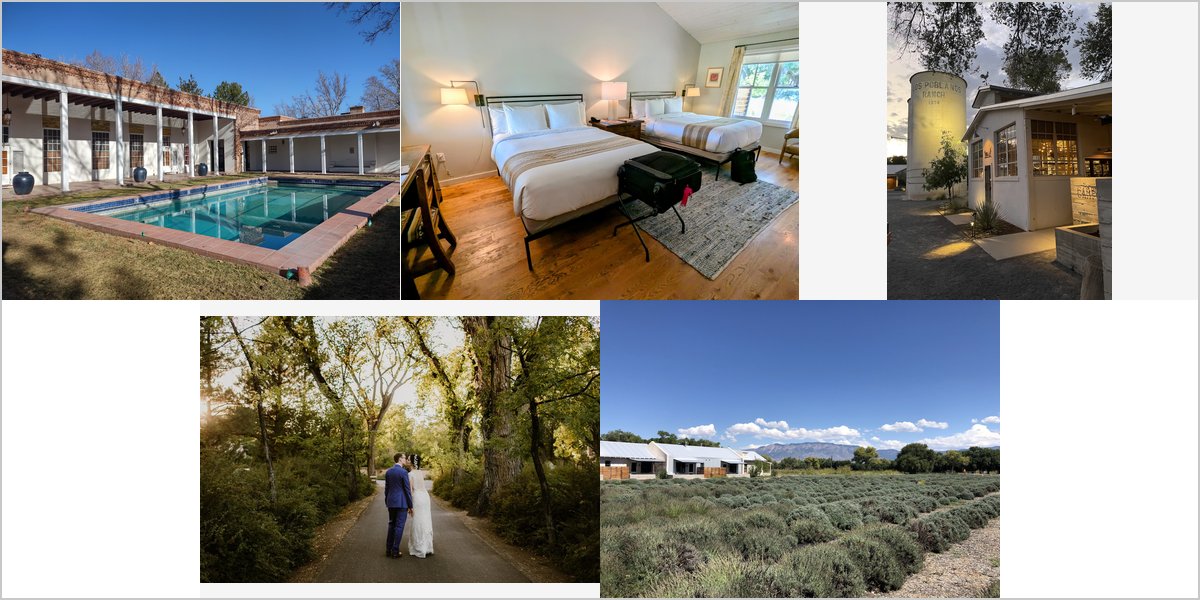
Los Poblanos: What Adobe and Lavender Do to a Photograph
Adobe is the warmest wall material there is and lavender is a colour that fights almost everything. Both need handling.
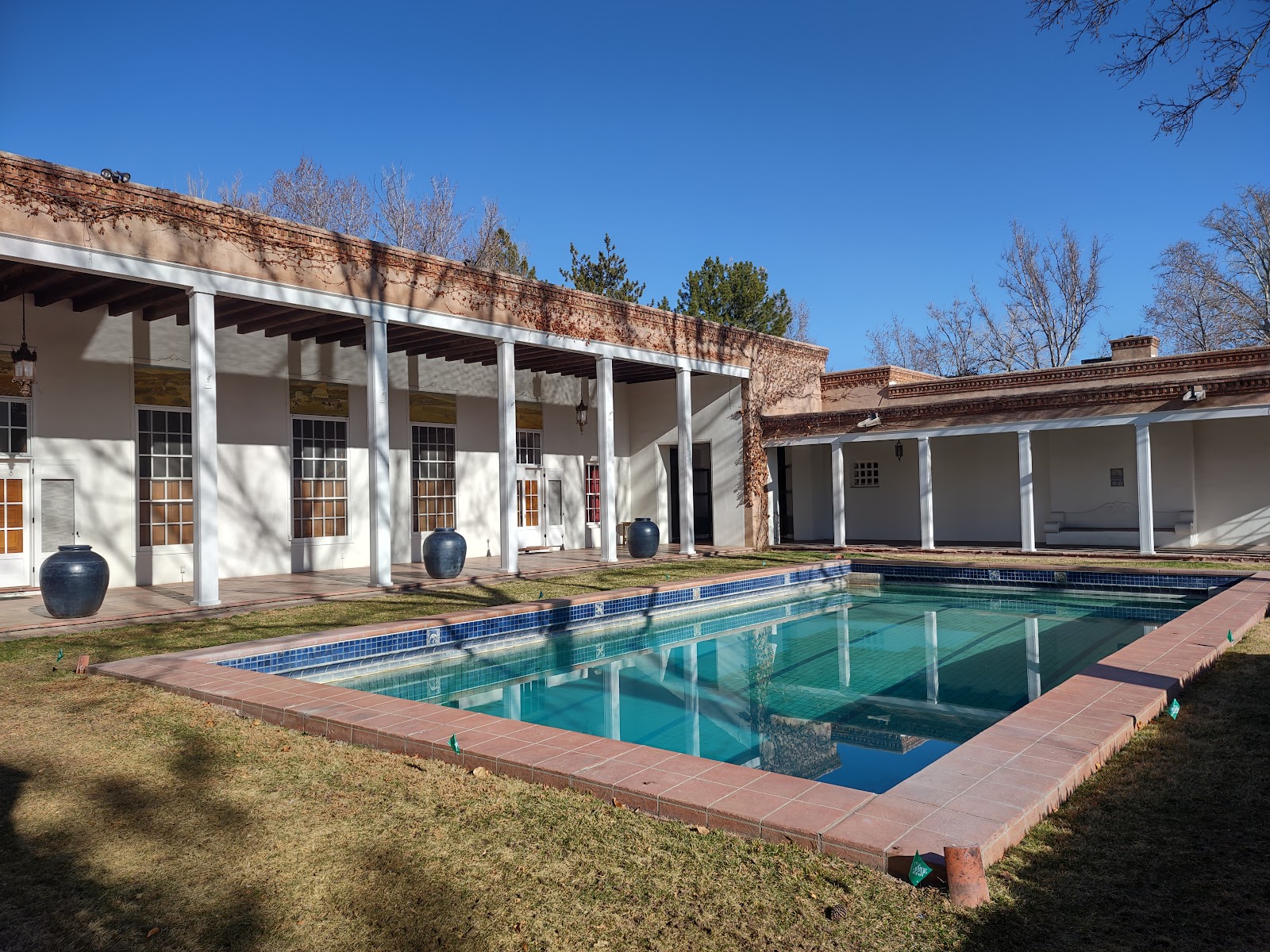
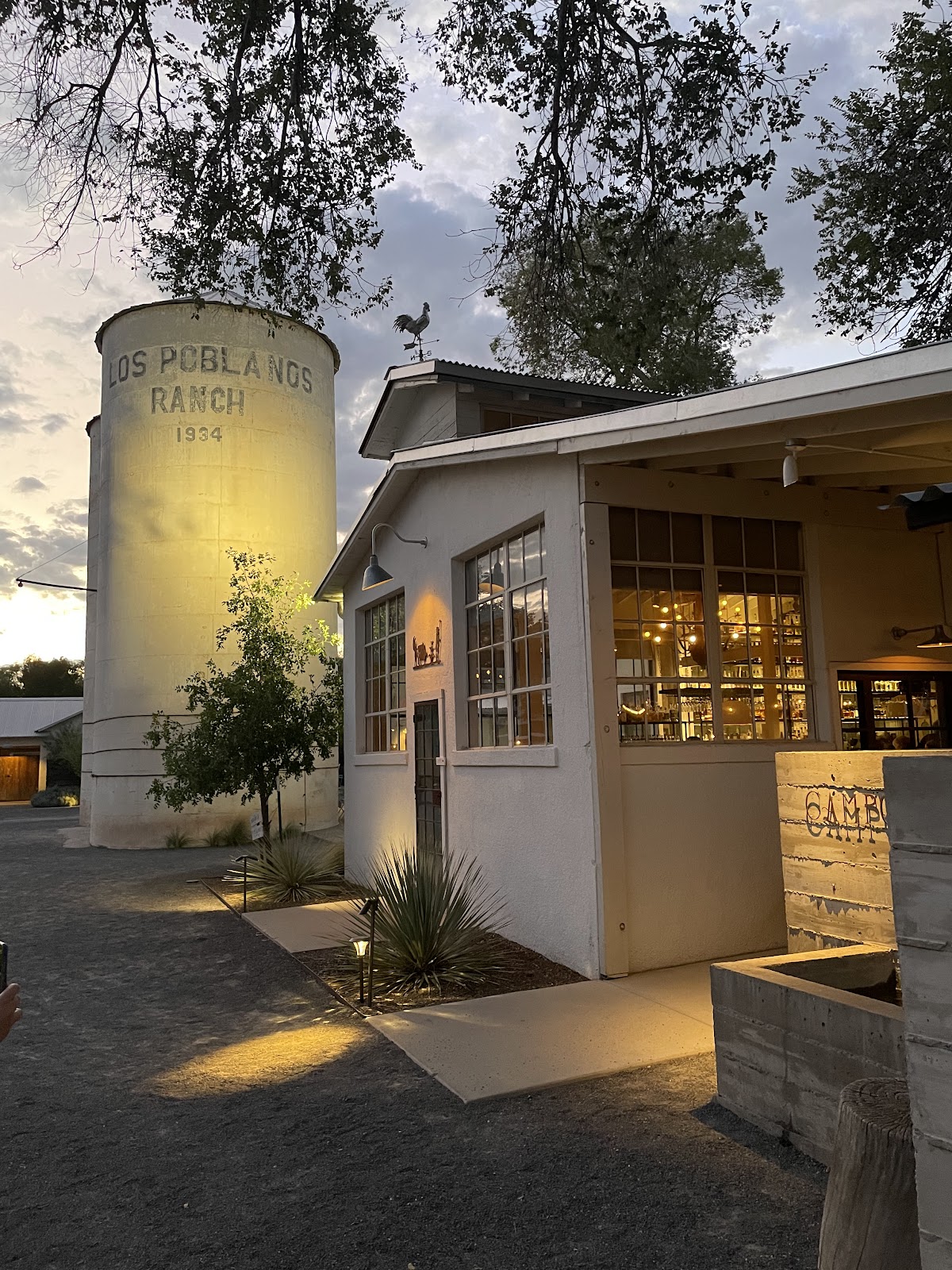
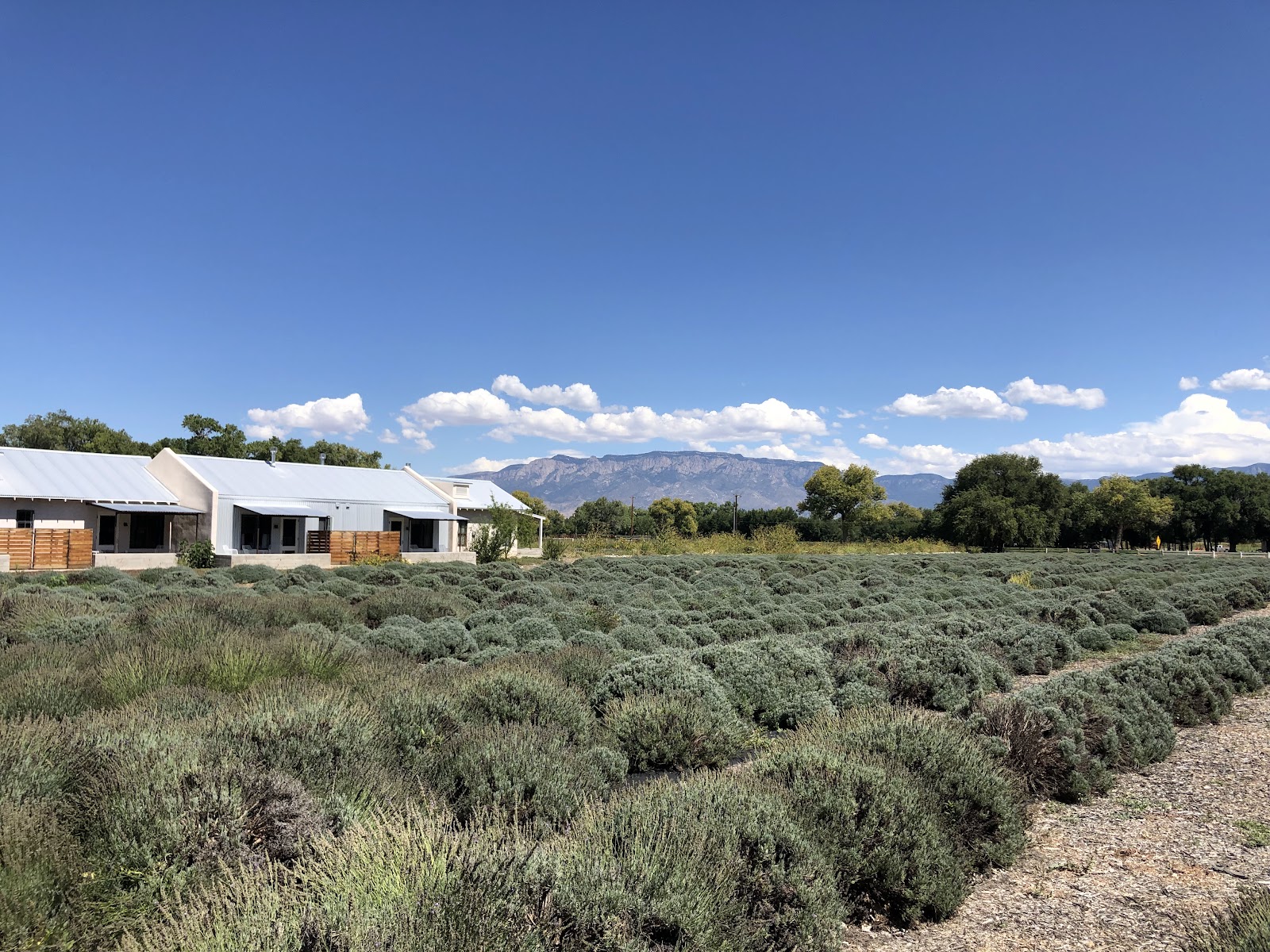
Los Poblanos occupies land in Albuquerque’s North Valley, in the Rio Grande floodplain — a historic property in New Mexican territorial style with thick adobe walls, terracotta roofs, working lavender fields and the cottonwood bosque of the river nearby.
Two materials define how this place photographs, and both behave in ways worth knowing before arriving. Adobe is an earth wall, usually rendered and finished in a warm tan, and it is the most strongly coloured building material a photographer routinely encounters — it does not merely look warm, it throws warm light onto everything near it. Lavender is a saturated blue-violet, which is a difficult colour photographically because it sits close to the edge of what a sensor renders accurately and because it clashes with warm skin tones and with adobe.
This is an honest account of who that combination suits and who it fights. We have not photographed a wedding at Los Poblanos; adobe walls, lavender rows and cottonwood bosque behave the same wherever they occur. When the lavender is actually in bloom, and which fields and courtyards a wedding may use, are questions for their team — and the bloom question matters enormously.
Los Poblanos Historic Inn at a glance
| Where | North Valley, Rio Grande floodplain, Albuquerque, New Mexico |
| Character | Territorial-style adobe inn with working lavender fields and courtyards |
| Adobe | Throws strong warm light onto anything near it — a huge warm bounce |
| Lavender | Saturated blue-violet that clashes with warm skin and with adobe |
| Ask first | Whether the lavender will be in bloom on your date |
What adobe does, and how to use it
A thick earth wall finished in warm tan behaves as an enormous warm reflector. Sun striking it does not scatter away; a large proportion bounces back, carrying the wall’s colour with it. Standing a subject a couple of metres from a sunlit adobe wall gives a broad, soft, strongly warm fill from the side — close to a gelled softbox the size of a building, and free.
That is genuinely flattering. Warm light on skin is the direction to err in, and adobe bounce fills shadow with a colour that reads as healthy rather than sickly — which is the opposite of what foliage does. In a courtyard enclosed by adobe on several sides, the fill comes from multiple directions at once and the effect is very soft indeed.
The management required is white balance discipline. If you correct adobe bounce to neutral, the wall itself goes grey and the whole frame loses the material’s character; if you leave it entirely uncorrected, skin can go orange. The workable middle is to set white balance warm but not fully corrected, so the wall reads as warm earth and skin reads as skin. Set it in the courtyard rather than carrying it from indoors, and set it again if you move to a shaded side where the bounce is weaker.
Adobe also has texture, and texture needs raking light to read. Rendered earth walls have a soft irregular surface that low sun lifts into visible relief and flat midday light erases into a plain tan field. So the building photographs best in the first and last hours, like any textured elevation, and the hour that suits the walls also suits the faces.
Who this venue suits
The property rewards a specific set of intentions, and when it fits it fits completely:
- Couples who want a warm, earthy, sun-soaked palette rather than a cool or pale one
- Anyone drawn to Southwestern and territorial architecture, which is genuinely regional rather than generic
- Weddings timed to the lavender bloom, where the fields are the reason for the booking
- Autumn dates, when the Rio Grande cottonwood bosque turns gold and gives a completely different palette
- Couples happy to work at the ends of the day, which is when adobe texture and desert light are both best
Who should look elsewhere
And some briefs fight the materials from the first frame:
- Anyone wanting a cool, pale or grey-toned edit, since adobe throws warmth onto everything
- Couples booking outside the bloom, if lavender is what they came for — dormant rows are low grey-green stubble
- Midday summer ceremonies in the open, where thin air at altitude gives five stops across a face and no shade
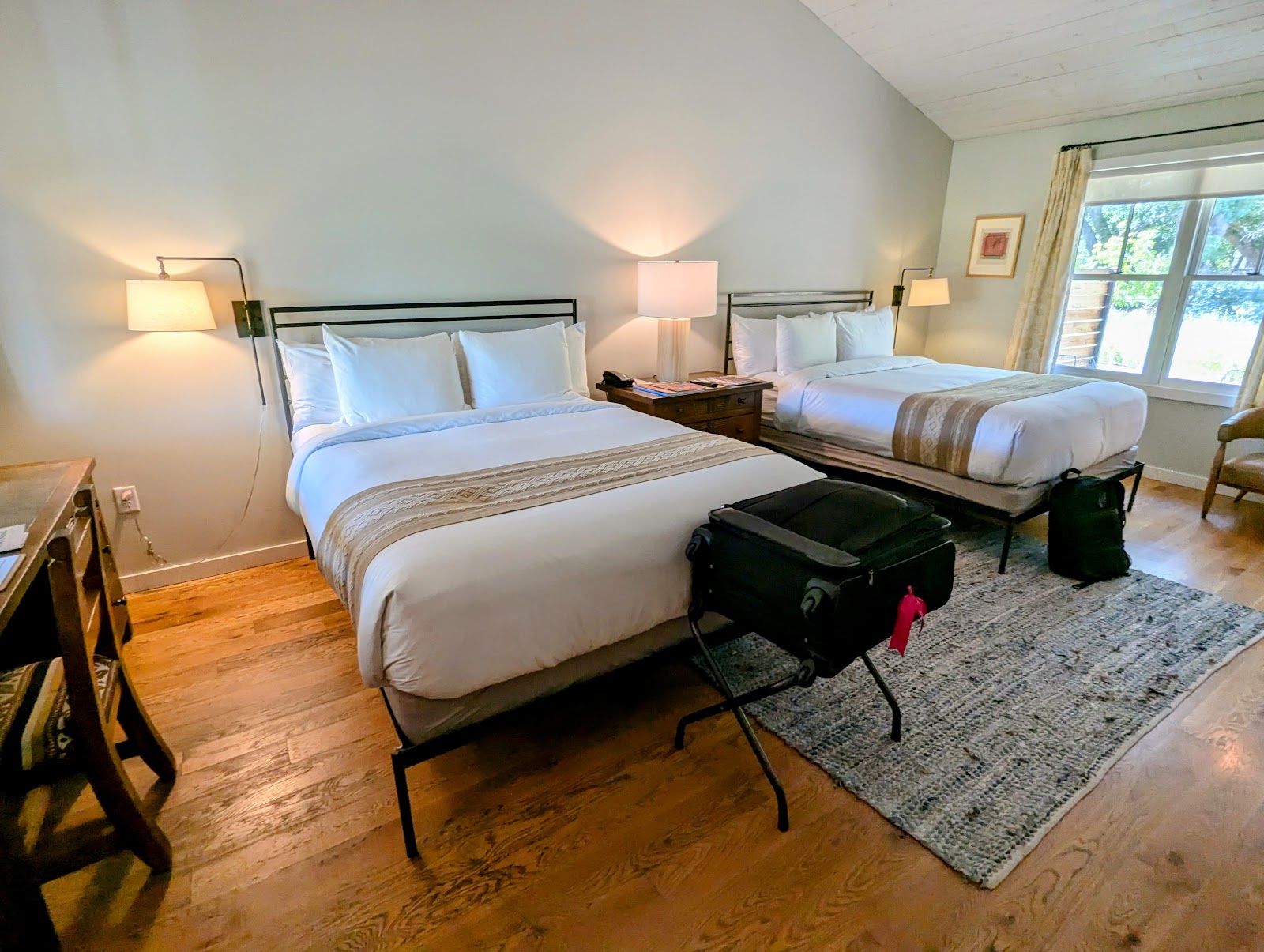
- Briefs requiring a formal grand-interior register; adobe rooms are low, thick-walled and intimate
- Anyone expecting the lavender purple and warm adobe to sit together comfortably in one frame
Lavender, the bosque and the two honest cautions
The lavender question is a calendar question and it should be settled before anything else. Lavender blooms for a limited window in early summer; outside it the rows are low grey-green stubble, which is a perfectly good textural foreground but is not what anybody pictures. If the fields are the reason for the venue, the date has to match the bloom, and the venue’s own team is the only reliable source on timing for a given year.
In bloom, the rows are a photographic gift with one complication. The gift is structure: parallel rows converging towards a vanishing point are among the strongest compositional devices available, and shot along a row with a long lens the flowers compress into a dense violet band. The complication is the colour itself. Saturated blue-violet is close to the limit of what a sensor renders faithfully, and it commonly comes out either too blue or too magenta with no setting looking quite right. Shooting raw and correcting deliberately, rather than trusting a profile, is the honest answer — and keeping warm skin away from large fields of violet in the same frame avoids the clash entirely.
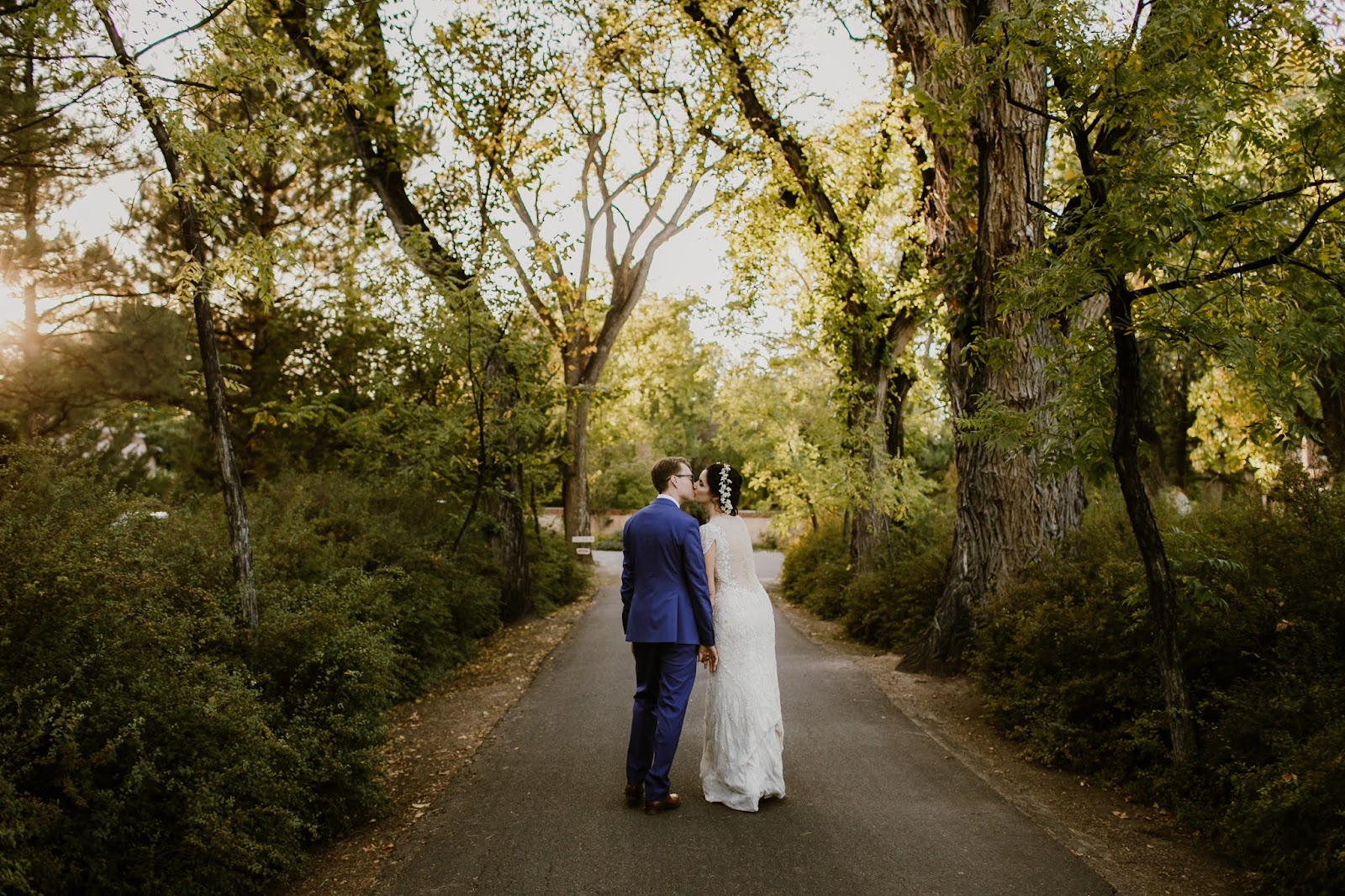
The cottonwood bosque along the Rio Grande is the property’s other seasonal asset and it works in a completely different register. In late autumn the cottonwoods turn a strong yellow-gold, which against a deep high-desert blue sky is the best colour pairing the region offers and sits perfectly with warm adobe. For a couple choosing a date on photographic grounds, late October at this venue is arguably stronger than the lavender bloom.
Two practical matters. The North Valley is a working agricultural landscape, so there is irrigation, machinery and dust; fine dust is constant in this climate and changing lenses outdoors in any breeze is how it reaches a sensor. Change lenses indoors, deliberately. And the altitude means the sun is harder than it looks and the air is very dry — outdoor blocks should be short and shaded, and guests dehydrate faster than they expect, which shows in a gallery by mid-afternoon whether anyone mentions it or not.
What works in your favour
- Adobe acts as an enormous warm reflector, flattering and free
- Enclosed courtyards give soft warm fill from several directions at once
- Lavender rows converge into one of the strongest compositions available
- Cottonwood gold against high-desert blue in late autumn
- Territorial adobe architecture that is genuinely regional, not generic
What to plan around
- Adobe throws warmth onto everything; cool or pale edits fight it
- Outside the bloom window the lavender is low grey-green stubble
- Saturated violet renders unreliably and clashes with warm skin
- Adobe texture disappears entirely under flat midday light
- Constant fine agricultural dust, and thin-air sun with little shade
More frames from Los Poblanos Historic Inn
Los Poblanos Historic Inn wedding photography: common questions
How does adobe affect the light?
It acts as an enormous warm reflector. Sun striking a tan earth wall bounces back carrying the wall’s colour, so a subject two metres away gets a broad soft strongly warm fill — effectively a gelled softbox the size of a building, and free. In an enclosed courtyard it arrives from several directions.
How should white balance be set around adobe?
Warm, but not fully corrected. Neutralise the bounce completely and the wall goes grey and loses its character; leave it entirely alone and skin can go orange. The middle keeps the wall as warm earth and skin as skin. Set it in the courtyard, not indoors.
When is the lavender actually in bloom?
A limited window in early summer, and the venue’s own team is the only reliable source for a given year. Outside it the rows are low grey-green stubble — a decent textural foreground, but not what anybody pictures. Settle this before choosing the date.
Why does lavender photograph badly?
Saturated blue-violet sits close to the limit of what a sensor renders faithfully, so it commonly comes out too blue or too magenta with no setting looking right. Shoot raw and correct deliberately rather than trusting a profile, and keep warm skin out of large violet fields.
Is there a better season than the lavender bloom?
Arguably late autumn. The Rio Grande cottonwood bosque turns strong yellow-gold, which against a deep high-desert blue sky is the best colour pairing in the region and sits perfectly with warm adobe — whereas violet and adobe actively clash.
Why does adobe look flat in some photos?
Because rendered earth has a soft irregular texture that needs raking light to read. Low sun lifts it into visible relief; flat midday light erases it into a plain tan field. The building photographs best in the first and last hours, which also suit faces.
More Albuquerque, NM venue guides
We are writing a photographer’s guide to every venue we would happily shoot in Albuquerque, NM. Here are three more, plus the full index:
- The Rio Grande Zoo: Cottonwood Shade and the Enclosure Problem
- Sandia Resort: Reading High Desert Light Hour by Hour
- The ABQ BioPark Botanic Garden: Glasshouses in a Dry Climate
All Albuquerque, NM Wedding Venues →
Planning a wedding at Los Poblanos Historic Inn?
Adobe warms everything and lavender only exists for a few weeks. Tell us your date and we will tell you which palette you are getting.