 Choctaw Hall: What a Gazebo Ceremony Does to the Photographs
Dunleith Historic Inn: A House With a Good Side at Every Hour
Most houses have one good elevation and one good hour. A house wrapped in columns has four of each.
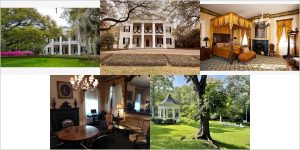
Dunleith stands on landscaped grounds close to the centre of Natchez, Mississippi, a Greek Revival house of the 1850s that is unusual in one specific respect: colonnaded galleries run round all four sides, so the building is encircled by columns rather than fronted by them.
That single architectural fact removes the constraint that governs almost every other historic house. A conventional mansion has one principal elevation facing one direction, so it has one good hour — the hour when the sun rakes that face — and one good shaded side, which may or may not be where the ceremony is. A building surrounded by galleries always has a shaded side and always has a lit side, whatever the time of day, which means the photographer chooses the light by walking round the house rather than by waiting.
The decision here, then, is simply which elevation you are using and when — and that is a far more comfortable decision than most venues offer. We have not photographed a wedding at Dunleith; wrap-around galleries and Greek Revival colonnades behave the same wherever they occur. Which elevations and rooms a wedding may use are questions for their events team.
Dunleith Historic Inn at a glance
| Where | Landscaped grounds near central Natchez, Mississippi |
| Character | 1850s Greek Revival house with colonnaded galleries on all four sides |
| The consequence | A shaded elevation and a lit elevation available at every hour |
| The method | Choose the light by walking round the house, not by waiting |
| Plan for | Deep South heat and humidity; the galleries are the shelter |
Why a wrap-around gallery is a photographic gift
A deep covered gallery does three things at once, and it is worth naming them separately because photographers tend to use only the first. It provides hard-edged full shade, which means a face is evenly lit with no dappling and no squinting. It provides a bright open view in front of that shade, which acts as a very large soft source — standing a subject two metres inside the shade line and facing out gives a directional key from the open sky with a dark surround behind. And it provides architecture: a receding row of columns is one of the strongest leading lines available anywhere, and it is free.
Having that on four sides means the conditions can be selected rather than accepted. At ten in the morning the east gallery is lit and warm while the west gallery is in deep even shade; by five those are reversed. The north gallery is never in direct sun and gives the most consistent soft light in the building all day. The south gallery takes the strongest light in the middle of the day. Knowing that pattern turns the house into a set of four studios with different characters.
The practical instruction is to walk the building before the day at roughly the wedding’s hour and note which gallery is doing what. It takes ten minutes and it replaces guesswork entirely. If the ceremony is at four on a south lawn, you will know before you arrive that the north gallery is where the portraits work and the east one is where the groups go.
One caution about shooting along a colonnade. A receding row of columns is a powerful line, and powerful lines punish sloppy alignment — camera level matters, and a degree of tilt is visible because everything in the frame is vertical and parallel. Level deliberately, and either centre on the axis or offset clearly; the ambiguous near-centre reads as an error.
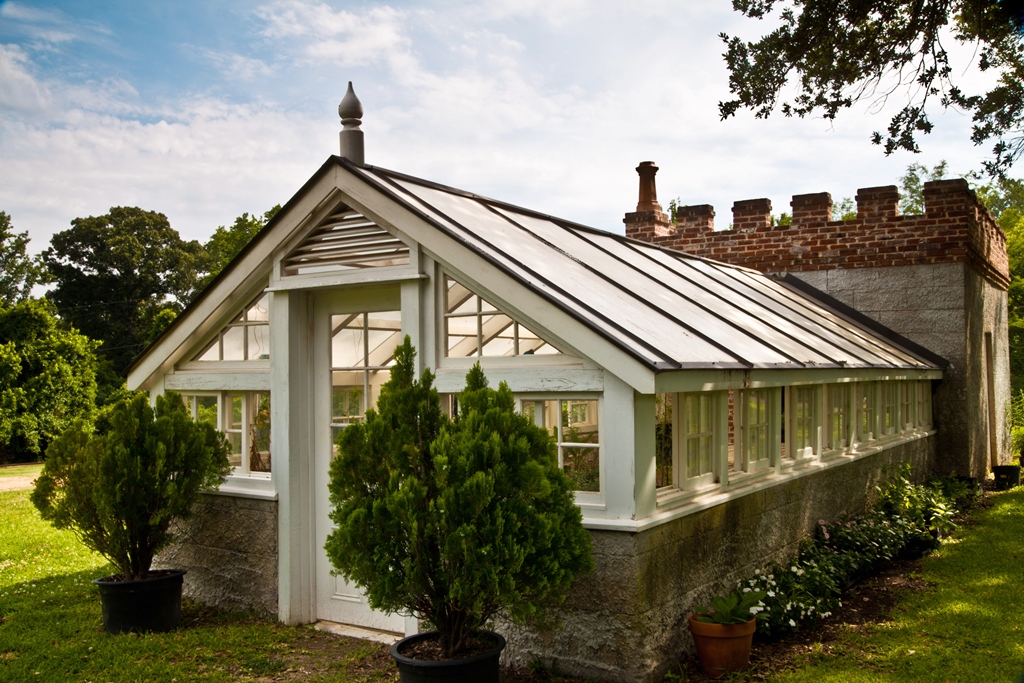
The four elevations, used deliberately
The north gallery is the workhorse. Never in direct sun, it offers soft even light from morning to evening, unaffected by whether the sun is behind cloud, and it is where anything that must be flattering rather than dramatic belongs — preparation coverage, close portraits, the couple with an older relative, the frames that cannot be retaken.
The east gallery is the morning room: warm low light raking along the columns early, which models them properly and lights faces from the side. If a first look or an early portrait block is possible, it happens here. By afternoon it is in shade and becomes a second version of the north gallery.
The west gallery is the evening room and the best of the four for the last hour. Low sun runs along it, the columns glow, and the light is warm and directional with a long fall-off down the gallery’s length. This is where the final couple block belongs, and it is worth protecting in the timeline.
The south gallery takes the hardest light and is therefore the one to use for shade at midday rather than for light — its deep overhang against a very bright lawn produces the strongest version of the shade-line effect described above, with the brightest possible open source in front of it.
Between them those four cover the day without ever needing to wait for anything, which is the venue’s real advantage. Most historic houses force a schedule; this one accommodates whatever schedule the wedding has.
- North gallery: soft, consistent, all day — for anything that must be flattering
- East gallery: warm raking light early; shade later
- West gallery: the last hour, low sun down the colonnade
- South gallery: deepest shade against the brightest lawn at midday
- Walk the house at the wedding’s hour beforehand and note the pattern
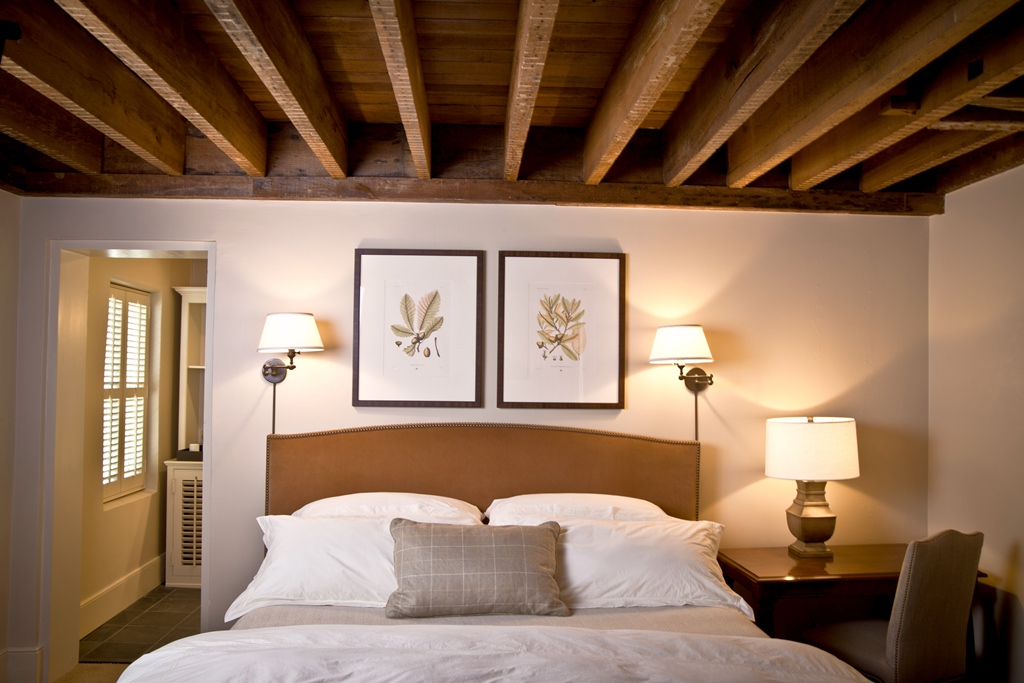
The grounds, the interiors and the Mississippi summer
The grounds are landscaped with mature planting, which brings the standard condition of every Deep South property: dense canopy, and therefore dappled light at midday. Dapple cannot be corrected — it is neither soft nor directional, just random, and it shifts with any breeze. The only remedy is position: full open shade, full sun, or canopy dense enough that the patches merge. In practice, at this venue, the answer to midday outdoors is to go back to a gallery.
The last ninety minutes are when the grounds come into their own, because low sun comes in under the canopy horizontally rather than down through it, backlighting leaves and rim-lighting hair. Mature trees in low sun are the most reliable beautiful frame available on any wooded site, and they need only that the sun be behind the subject.
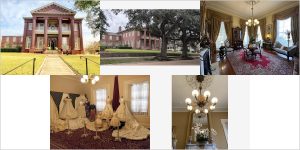
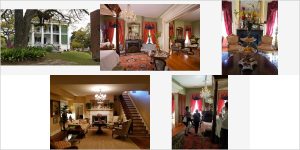
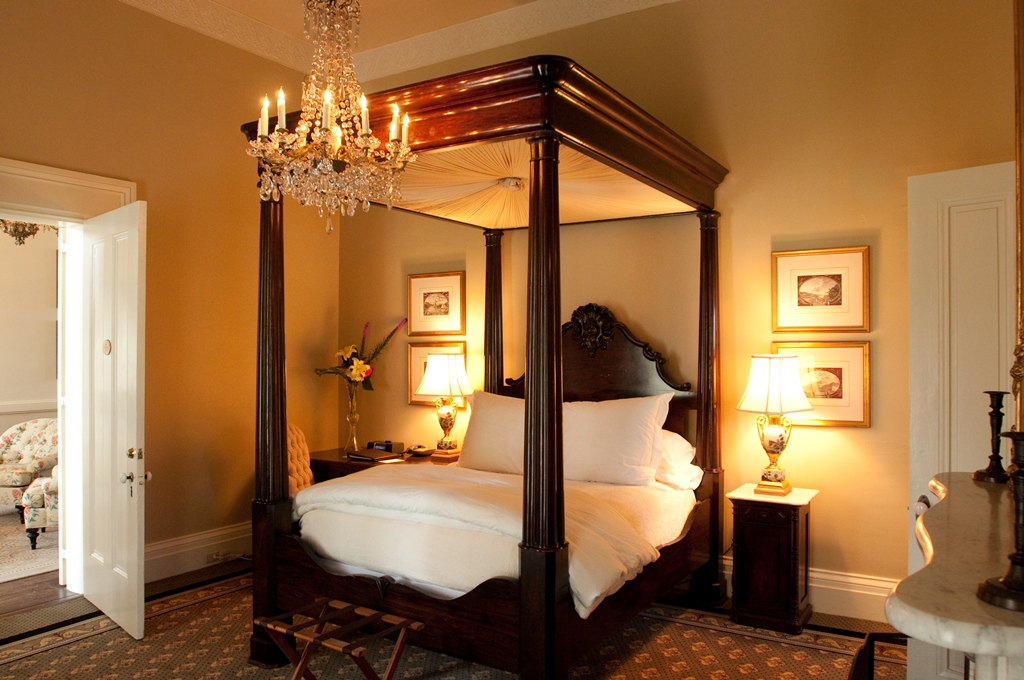
Interiors are period rooms of the expected kind — tall windows, dark furnishing, patterned surfaces, restricted camera positions. The reliable method is to switch off the lamps, work the window light, and bounce off a pale ceiling where more is needed, because in a small furnished room a bounced bare flash is a larger source than any modifier that would fit. Set white balance in each room rather than carrying one between them.
Heat and humidity are the practical constraints and they are severe here in summer. Two consequences matter. Nobody in formal clothes will stand in open sun for long, which is another argument for the galleries. And a lens brought from air conditioning into Mississippi summer air fogs, inside and out, for ten to twenty minutes — so acclimatise the kit you intend to use outdoors before you need it, or keep one body permanently outside. Wiping the front element achieves nothing.
As a weather plan the building is unusually good, and it is worth saying so. Rain at a garden wedding is normally a scramble for an indoor room; here the galleries are covered, open-sided and dry, which means a ceremony or a portrait block can happen in rain with the rain visible in the frame as atmosphere rather than as a problem. Few venues offer that, and it turns the worst forecast into a workable one.
What works in your favour
- Shade and light available on some elevation at every hour of the day
- A receding colonnade is a strong leading line, on four sides
- Covered open-sided galleries make rain workable rather than ruinous
- The north gallery gives consistent soft light regardless of weather
- Mature planting for backlit frames in the last ninety minutes
What to plan around
- Mature canopy makes midday dapple the default outdoor condition
- Severe summer heat and humidity limit time in open sun
- Lenses fog for up to twenty minutes leaving air conditioning
- Period interiors are small and restrict camera position
- Colonnade frames punish any camera tilt, since everything is parallel
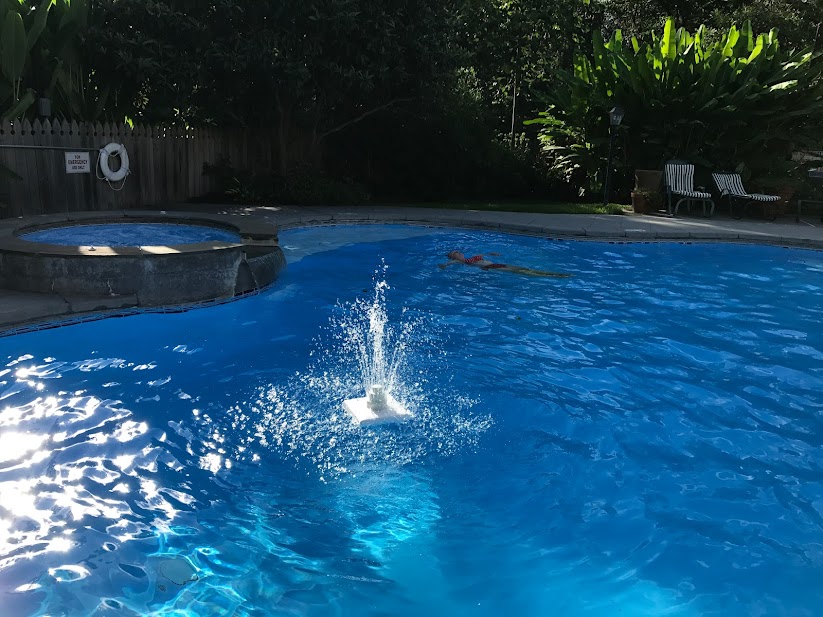
More frames from Dunleith Historic Inn
Dunleith Historic Inn wedding photography: common questions
What difference do galleries on all four sides make?
They remove the timing constraint. A conventional house has one principal elevation and therefore one good hour; a house encircled by galleries always has a shaded side and a lit side, so you choose the light by walking round the building rather than by waiting for it.
Which gallery is the most useful?
The north one. Never in direct sun, it gives soft even light from morning to evening regardless of cloud, so it is where anything that has to be flattering belongs — preparation, close portraits, and the frames that cannot be retaken.
How do you use a covered gallery for light?
Stand the subject about two metres inside the shade line, facing out. The bright open view in front acts as a very large soft source and the covered gallery behind gives a dark surround — a directional key with natural fall-off, for nothing.
What happens if it rains?
Less than you would fear. The galleries are covered, open-sided and dry, so a ceremony or portrait block can happen in rain with the rain visible as atmosphere rather than as a problem. Few venues turn the worst forecast into a workable one this easily.
What is the answer to midday outside?
Go back to a gallery. Mature planting means dappled light, which cannot be corrected — it is random and it moves with the breeze. The only remedies are full open shade, full sun, or dense enough canopy that the patches merge, and the galleries are the best of those.
Anything specific about shooting along the columns?
Level the camera carefully. A receding colonnade is a powerful line and everything in the frame is vertical and parallel, so a single degree of tilt is visible. Centre on the axis or offset clearly — the ambiguous near-centre reads as a mistake.
More Natchez, MS venue guides
We are writing a photographer’s guide to every venue we would happily shoot in Natchez, MS. Here are three more, plus the full index:
- Longwood: How to Photograph a House That Was Never Finished
- Magnolia Hall: Photographing a Greek Revival Town House
- Monmouth Historic Inn: What Changes When Everyone Stays On Site
All Natchez, MS Wedding Venues →
Planning a wedding at Dunleith Historic Inn?
Four elevations means four studios and no waiting. Tell us your date and hour, and we will know which gallery to use before we arrive.