 The Omaha Children’s Museum: A Photographer Answers Your Questions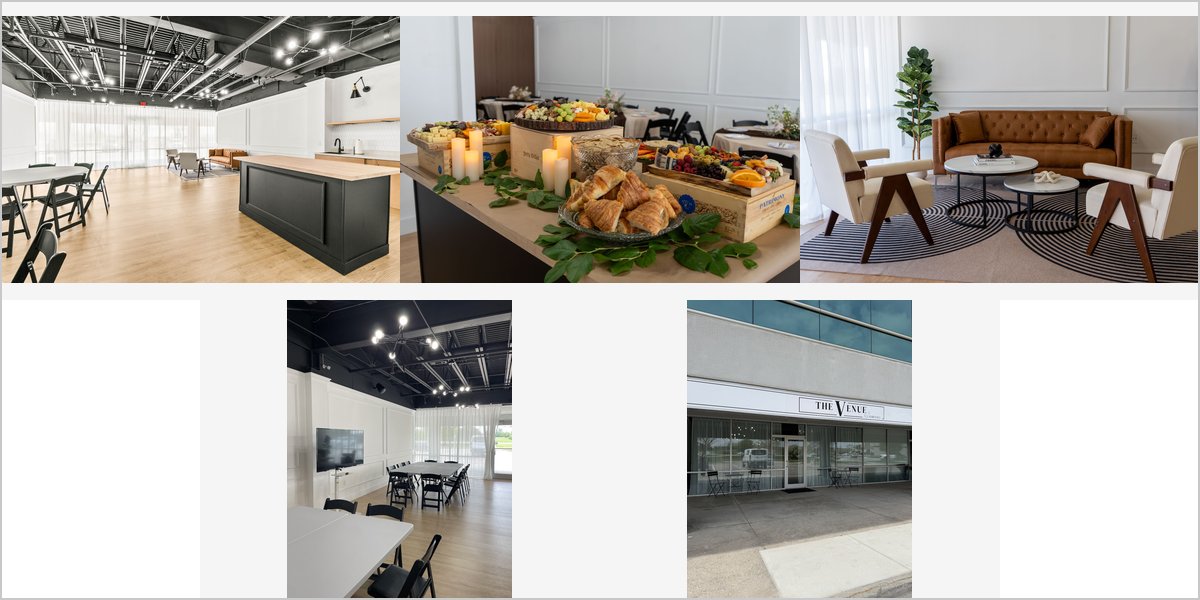
July 2, 2026
The Venue at 60th: Field Notes on a Purpose-Built Event Space
A purpose-built venue is the easiest to run a wedding in and the hardest to make distinctive. Three problems, all solved before the day rather than on it.
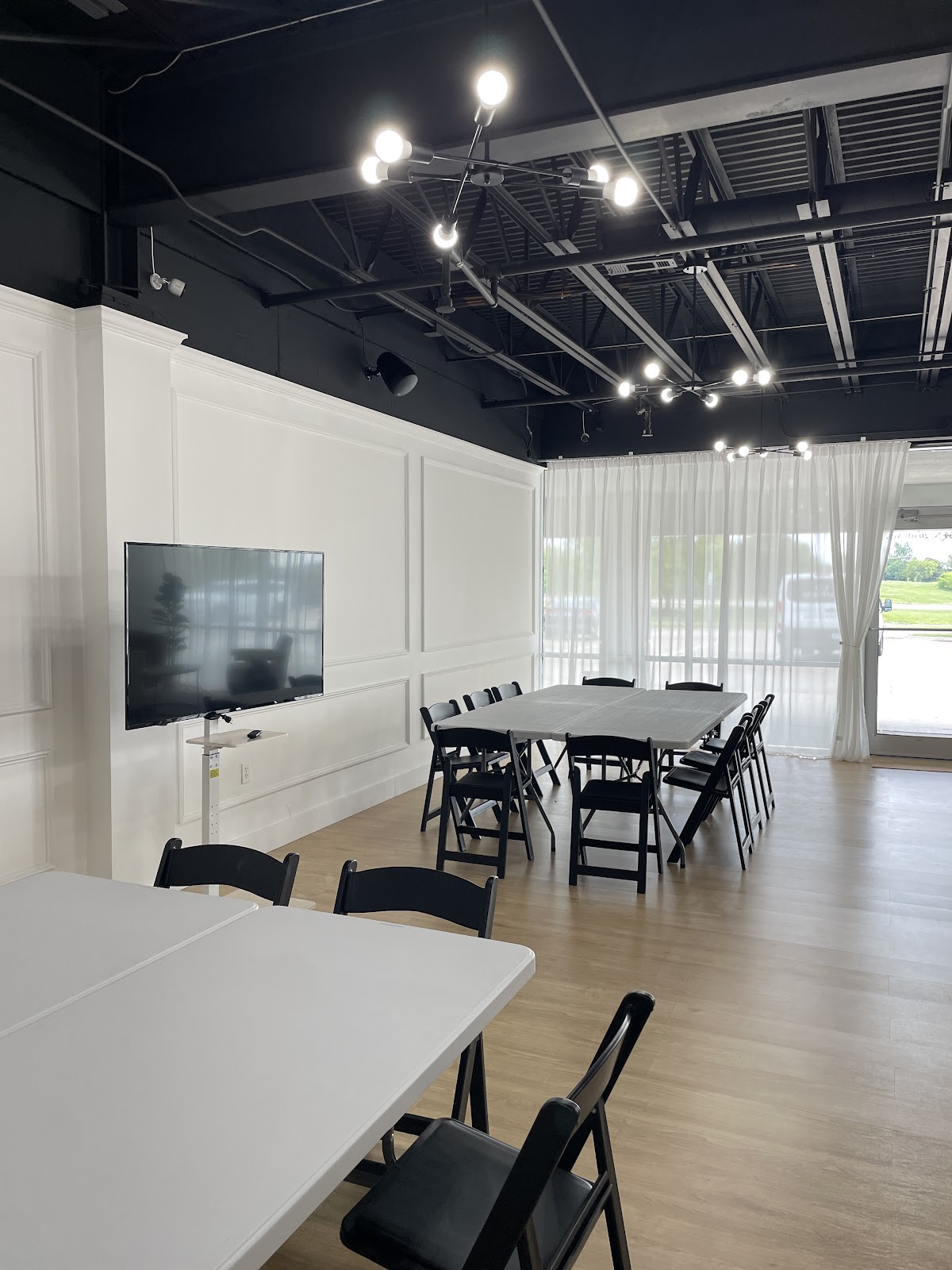
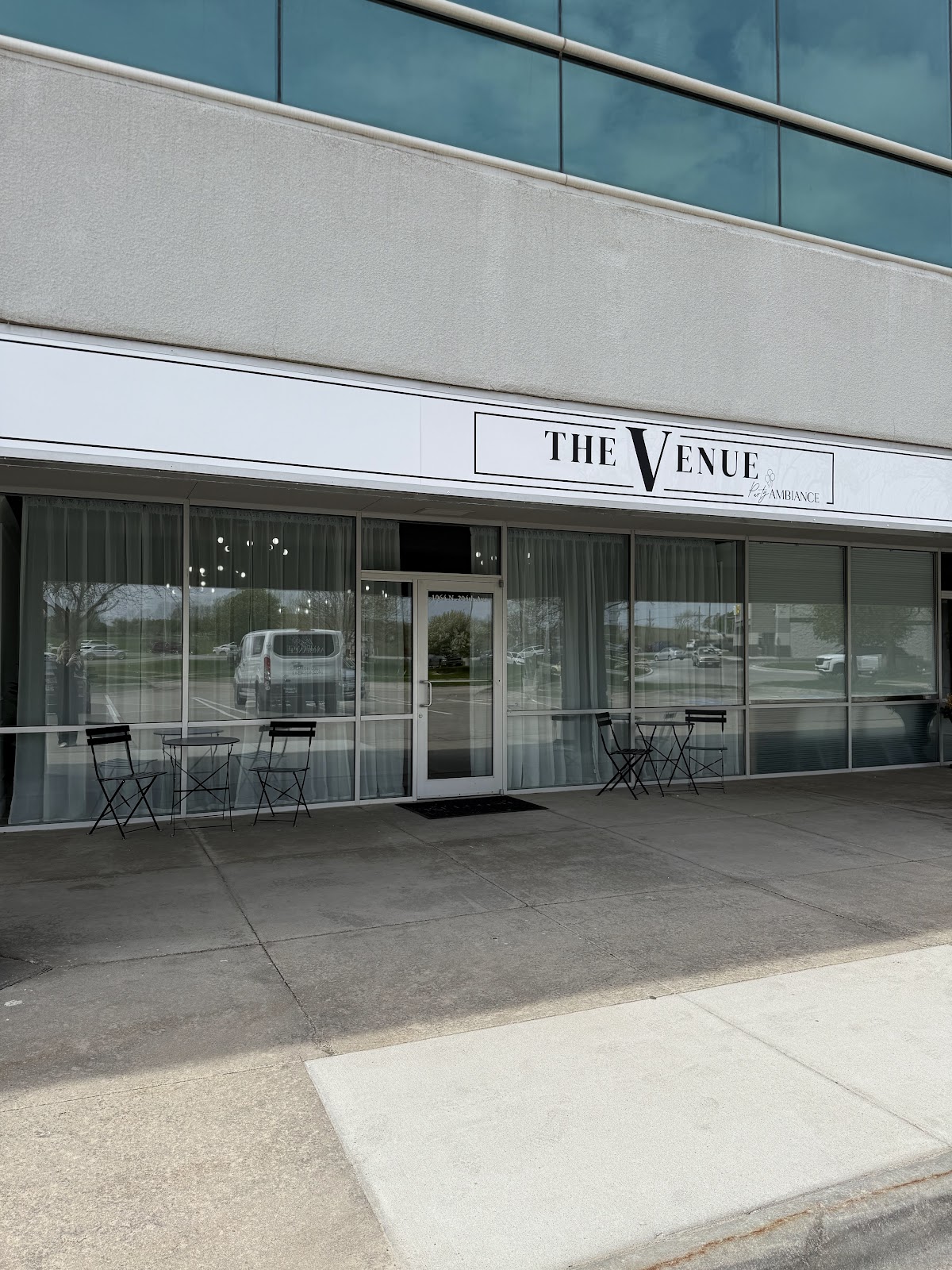
The Venue at 60th is a purpose-built event space in Omaha, designed from the outset for weddings and functions rather than converted from something else. That means flexible rooms, contemporary neutral finishes, dedicated getting-ready space, sensible circulation and infrastructure built for the job.
Photographically this is a specific and honest category, and it deserves a straight assessment. Purpose-built venues are the most operationally reliable and the least visually distinctive. There is no ornate plasterwork, no industrial patina, no historic fabric and no landmark silhouette. What there is instead is a clean, well-run, adaptable space that will not fight you — and will not do any of the work for you either.
These are field notes on three problems and how to solve them. We have not photographed a wedding here; neutral modern event spaces behave consistently. Which rooms are included, rigging and power, and what outdoor space exists are for their team.
The Venue at 60th at a glance
| Where | Omaha, Nebraska — a purpose-built event space |
| Character | Contemporary neutral finishes, flexible rooms, dedicated support spaces |
| Light | Modern fixtures; daylight depends entirely on whether the rooms have windows |
| The core issue | The room will not identify itself — distinctiveness has to be supplied |
| Ask first | Whether any room has real windows, plus rigging, power and outdoor space |
Problem one: the room will not carry a frame
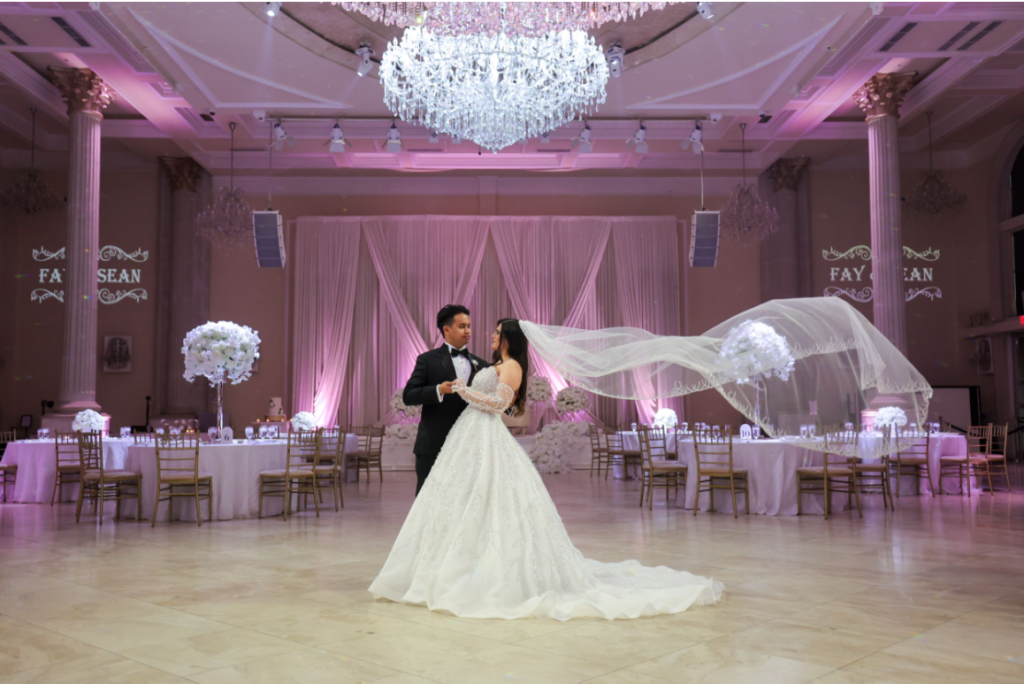
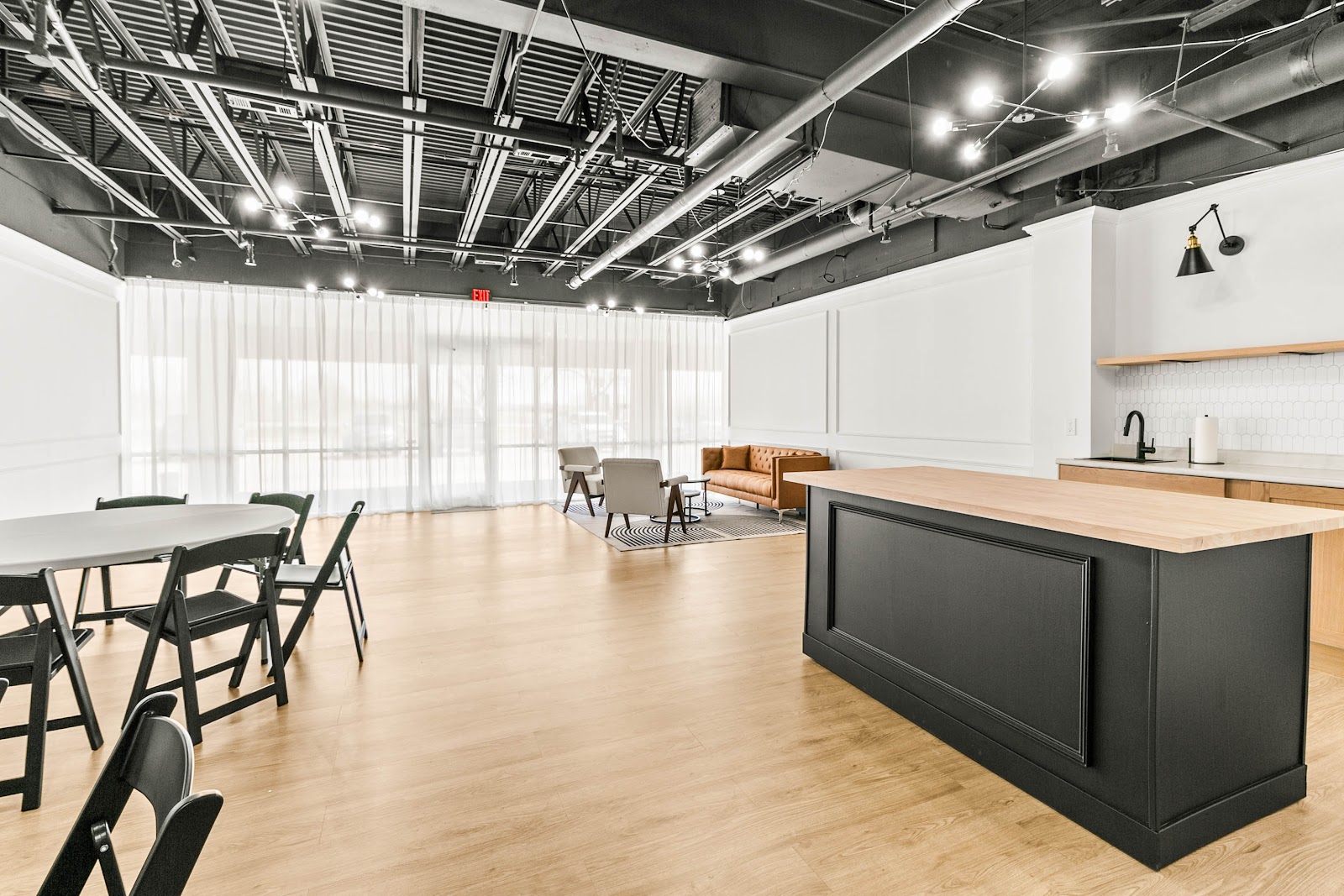
A neutral modern event space is visually quiet by design, which is exactly what a planner wants and exactly what a photograph does not. A frame taken in a pale-walled rectangular room with recessed lighting is a photograph of people, full stop — it will not tell a viewer where the day happened and it will not add anything of its own.
That is not a fault to be fixed so much as a division of labour to be understood. The venue’s job is to host the day reliably; the photographs’ job is to be about the people. So the technique shifts accordingly: go tighter, use longer lenses, work at wider apertures, and let faces fill more of the frame. Portraiture rather than environmental photography.
The other lever is light. A single off-camera light with direction turns a flat evenly lit room into something with shape and mood, and in a neutral space that one decision does more than any location choice. Pale walls and moderate ceilings also mean bounce flash actually works here, unlike in a historic ballroom — so it is a genuinely easy room to light well.
Problem two: distinctiveness has to be installed
Because the room supplies no character, whatever character the photographs have will come from the styling and the lighting design. That makes the planner’s decisions unusually consequential, and it means the conversation to have early is not about the venue but about what is going into it.
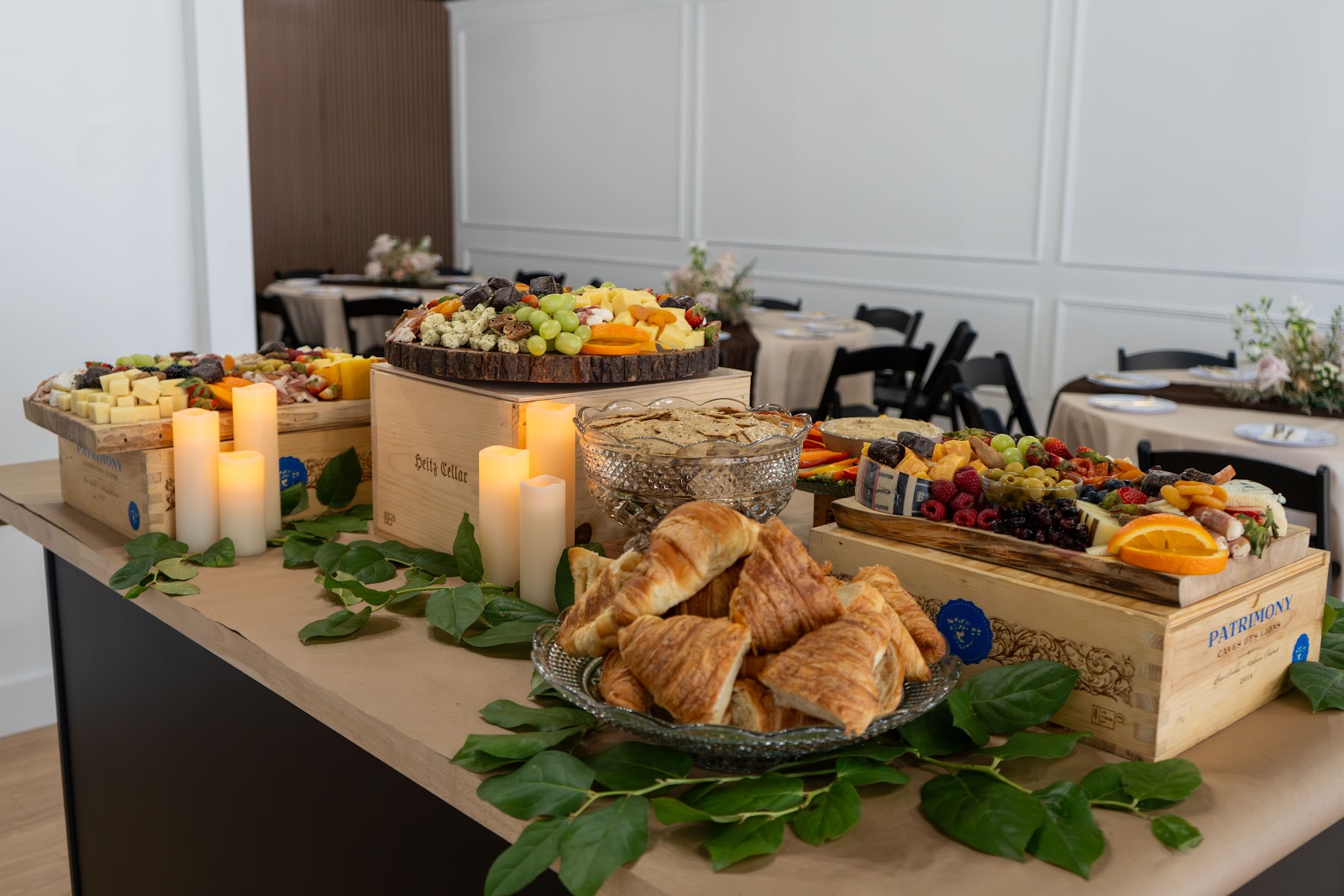
Installed ambient lighting is the single biggest factor. Festoons, uplighting on the walls, candlelight on tables and any pin-spotting all read directly in photographs — they create visible points of light, put colour and shape on blank surfaces, and give a frame depth that recessed downlights cannot. A neutral room with a considered lighting scheme photographs beautifully; the same room with only house lighting photographs as a conference suite.
Florals, linens and table design do disproportionate work here too, precisely because there is nothing else competing. In an ornate historic room, elaborate styling fights the architecture. In a blank one it is the architecture.
Problem three: daylight is the unknown
This is the question to ask first and it is often not asked at all: does any room have real windows, and which way do they face. A purpose-built venue may have generous glazing, clerestory light, a glazed atrium — or essentially none, in which case the entire day is artificially lit.
The answer changes the timeline completely. With good glazing you front-load portraits into the daylight hours and use the windows as a large soft side light, turning people parallel to the glass rather than against it. With no glazing the schedule stops mattering, and the dusk excursion outside becomes the only naturally lit frame in the gallery.
Also ask what outdoor space exists — a patio, a lawn, a garden area, even a well-considered entrance. At a purpose-built venue the outdoor provision is a design decision rather than an accident, so it may be genuinely good or genuinely absent. If it is absent, plan a short drive to somewhere that is.
Nebraska’s continental climate governs how usable any of it is: comfortable in spring and autumn, humid and harsh in midsummer, and brief in a sub-freezing January. Match the plan to the month.
What purpose-built venues genuinely give you
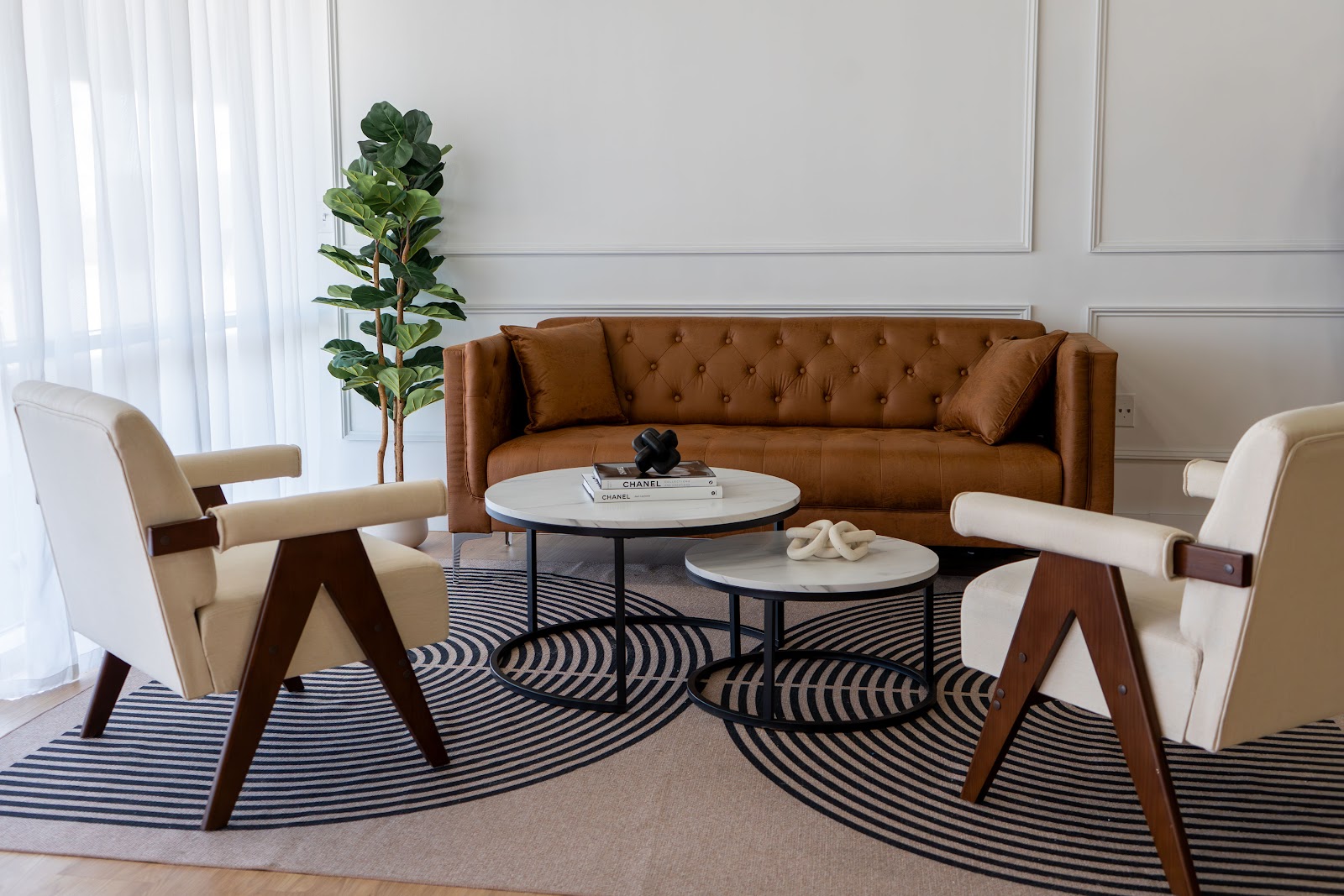
It is worth ending on the advantages, because they are real and they show up in photographs indirectly. Dedicated getting-ready rooms mean the preparation coverage happens in a space designed for it rather than in a borrowed corner — and if that room has a window, it is often the best natural light of the day.
Sensible circulation means the wedding party can move without crossing the guests, which produces better candid moments and fewer logistical delays. Infrastructure built for the job means the timeline runs closer to plan, and a timeline that runs on time is the single biggest determinant of whether the golden-hour block actually happens.
That last point is not a small thing. At a beautiful but awkward historic venue, the portraits are frequently squeezed because everything ran late. At a well-run purpose-built venue they usually happen as scheduled. A slightly plainer room with twenty unhurried minutes of good light beats a spectacular one with five rushed ones.
What works in your favour
- Pale walls and moderate ceilings mean bounce flash genuinely works
- Dedicated getting-ready rooms, often with the best natural light on site
- Sensible circulation produces better candids and fewer delays
- Reliable infrastructure means the timeline runs closer to plan
- A blank room lets styling and lighting design read clearly rather than competing
What to plan around
- The room will not identify itself or add anything of its own to a frame
- Distinctiveness depends entirely on installed lighting and styling decisions
- Daylight is an unknown — it may be generous or effectively absent
- Repetition is a risk if there are few rooms and little outdoor space
- House downlighting alone photographs as a conference suite
More frames from The Venue at 60th
The Venue at 60th wedding photography: common questions
How do you photograph a neutral modern room well?
Go tighter and supply direction. Longer lenses, wider apertures, faces filling more of the frame — portraiture rather than environmental photography. Then add one off-camera light with direction, which turns a flatly lit room into something with shape. Pale walls and moderate ceilings also mean bounce flash genuinely works here.
What makes the biggest difference to the photographs?
The installed lighting design. Festoons, wall uplighting, candles and pin-spotting all read directly in camera — they create visible points of light, put shape on blank surfaces and give frames depth. A neutral room with a considered scheme photographs beautifully; the same room under house downlights photographs as a conference suite.
What should we ask first?
Whether any room has real windows and which way they face. That single answer decides whether you front-load portraits into daylight and use the glazing as a large soft side light, or whether the whole day is artificially lit and the dusk excursion outside becomes your only naturally lit frame.
Is styling more important at this kind of venue?
Considerably. In an ornate historic room elaborate styling competes with the architecture; in a blank one it effectively is the architecture. Florals, linens and table design do disproportionate work here because nothing else in the frame is competing with them.
Is a purpose-built venue a worse choice?
Not necessarily, and one advantage is easy to underrate: the timeline usually runs on time. At an awkward historic venue portraits get squeezed because everything ran late; here they generally happen as scheduled. A plainer room with twenty unhurried minutes of good light beats a spectacular one with five rushed ones.
More Omaha venue guides
We are writing a photographer’s guide to every venue we would happily shoot in Omaha. Here are three more, plus the full index:
- The Holland Center: Building the Shot List in a Contemporary Concert Hall
- The Joslyn Art Museum: Photographing a Pink Marble Art Deco Court
- The Kimpton Cottonwood: Lighting a Restored 1916 Grand Hotel
Planning a wedding at The Venue at 60th?
Purpose-built venues are decided by the lighting plan and the window question. Tell us your date, who is handling your lighting, and whether any room has glazing — and we will build the day from there.