 The Henry Clay: Lighting a 1920s Lodge Building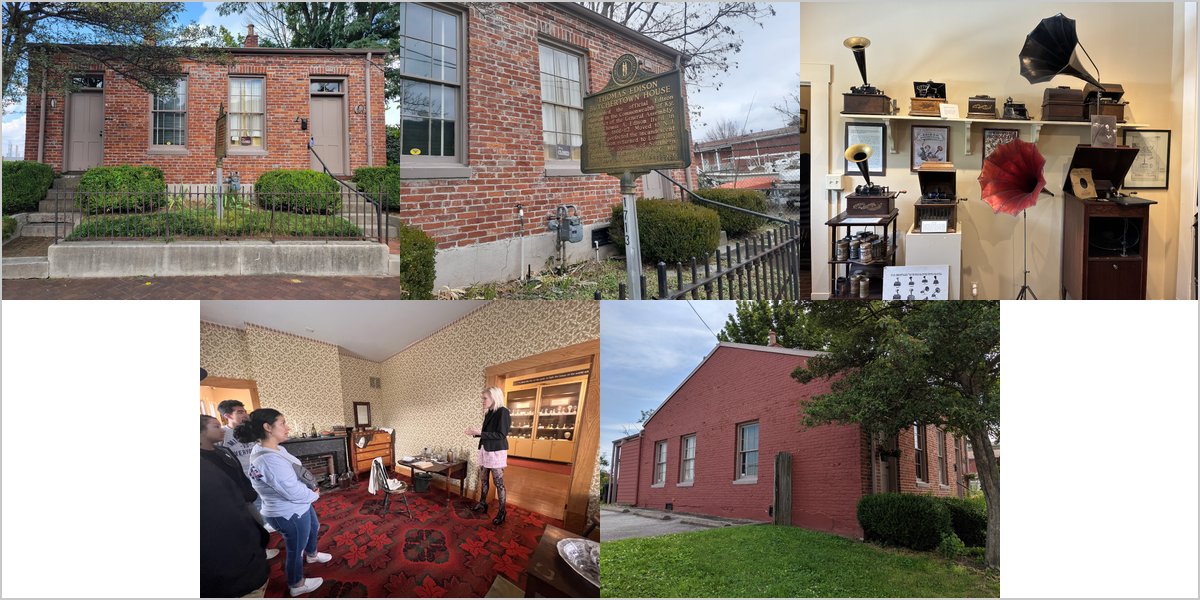
June 19, 2026
The Thomas Edison House: Field Notes on a Shotgun Cottage
This is the smallest venue on our Louisville list by a wide margin. That is not a criticism — it is the defining fact, and it decides everything else.
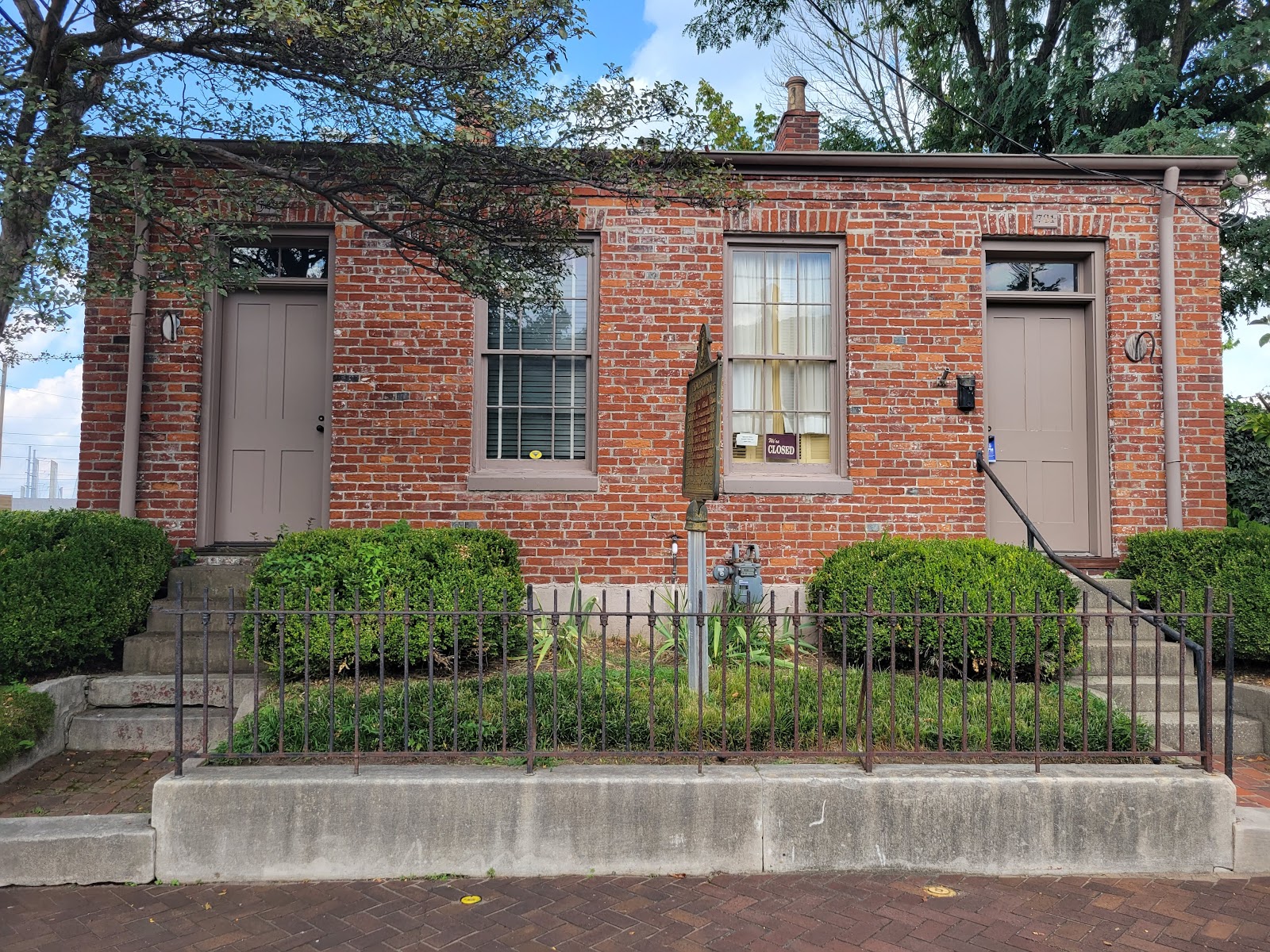
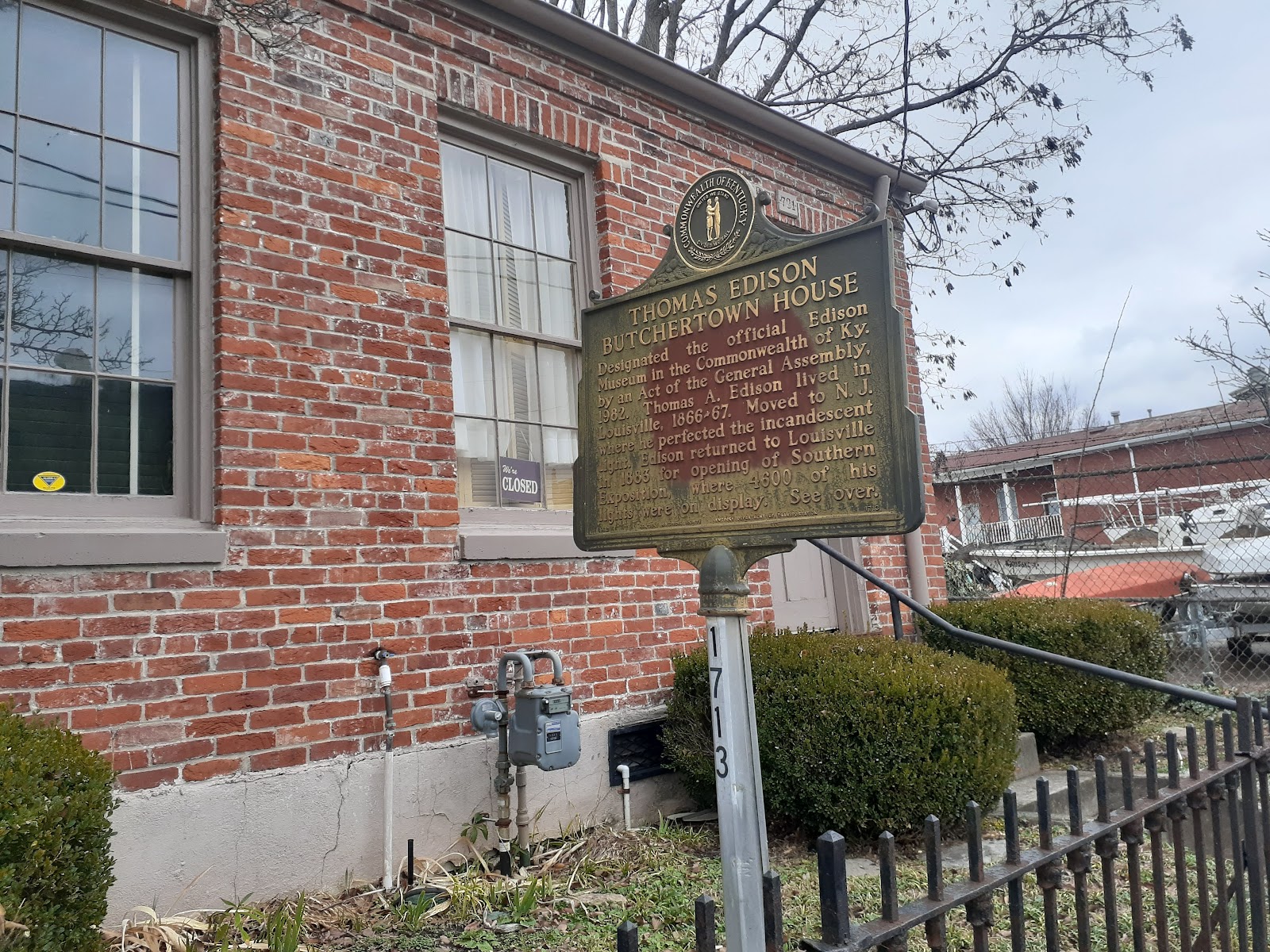
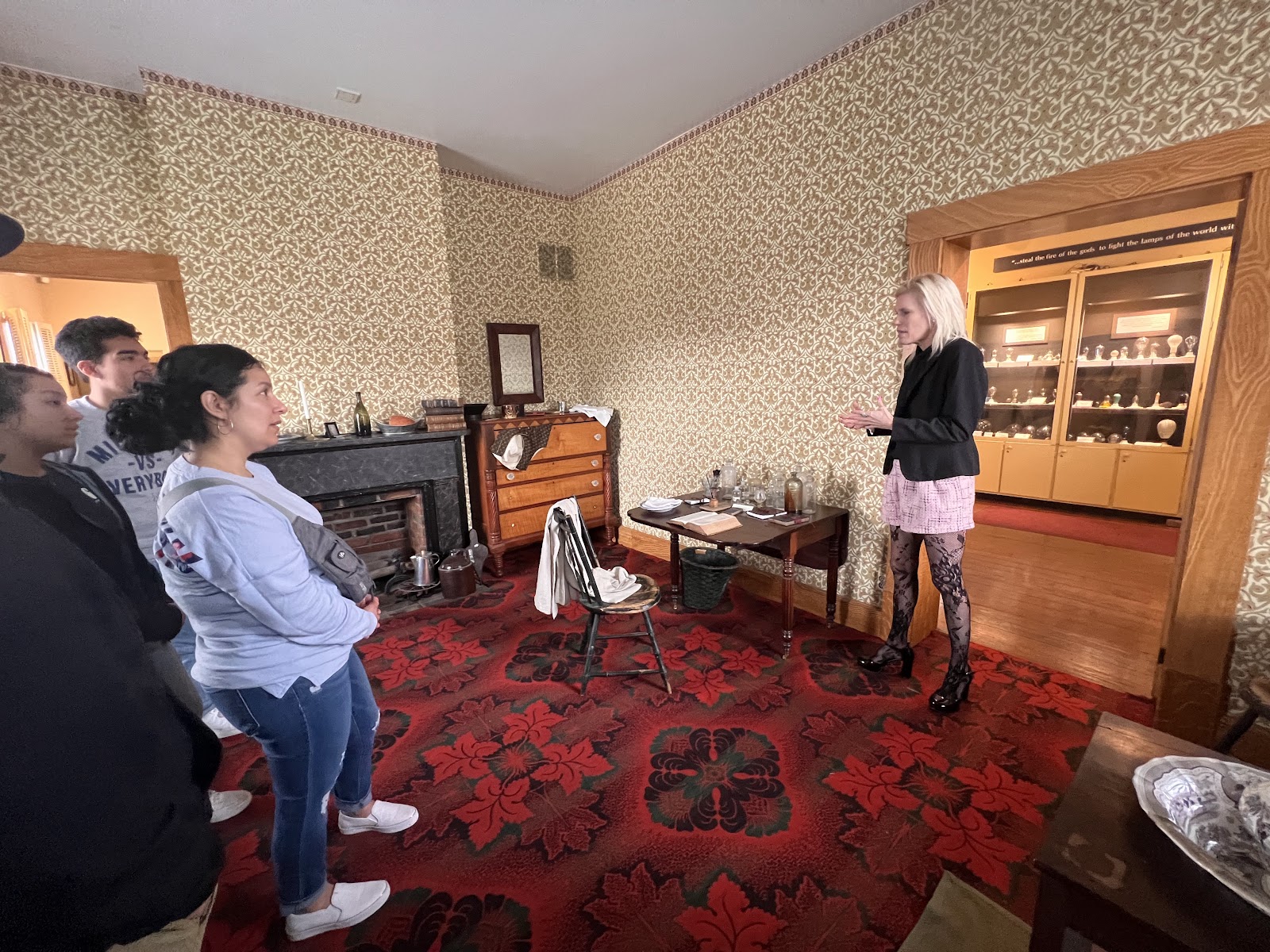
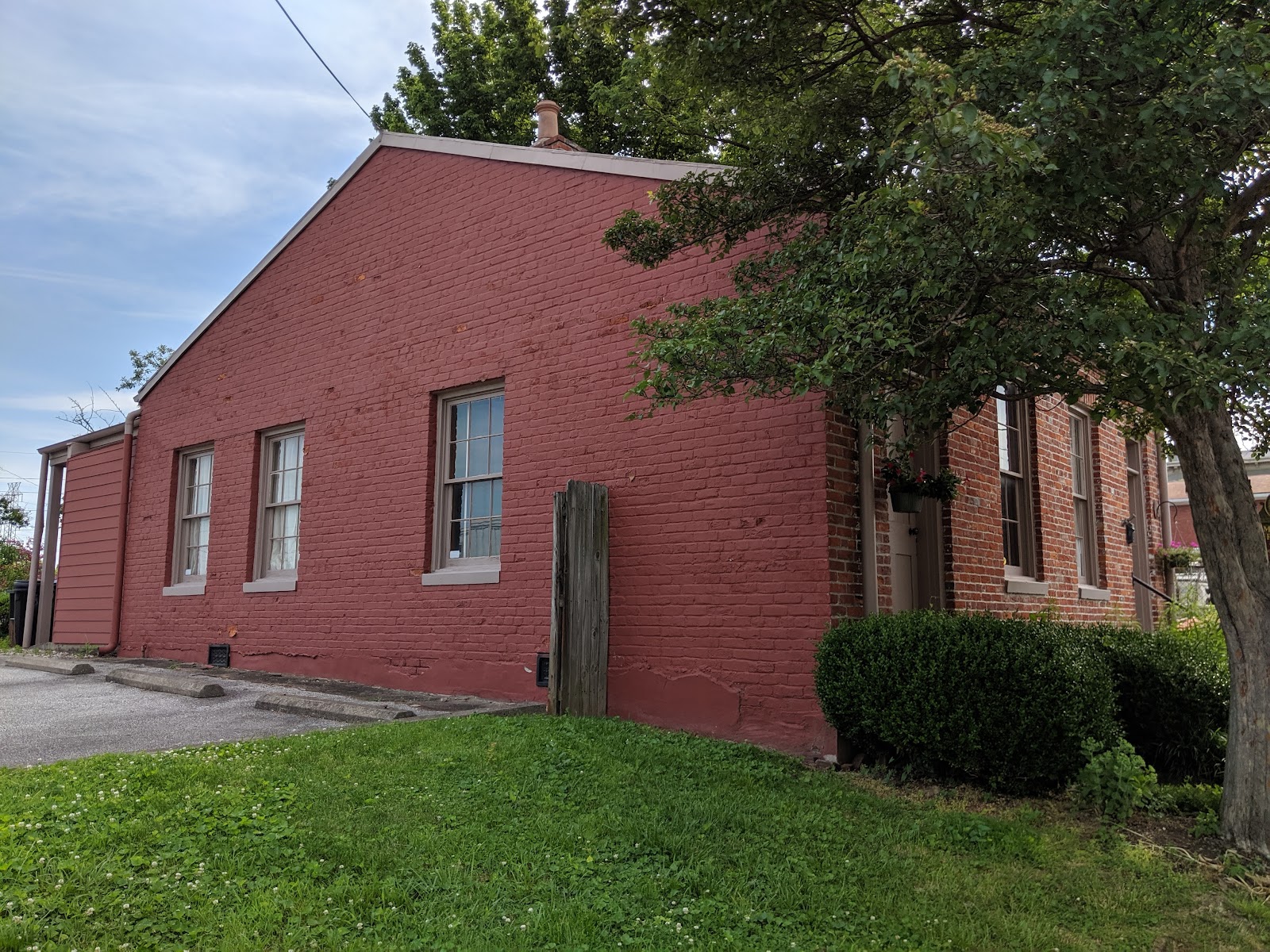
The Thomas Edison House is an 1850s cottage in Louisville’s Butchertown, built in the shotgun style characteristic of the neighbourhood, and notable because Thomas Edison lodged there in the 1860s while working as a telegraph operator. It operates as a small house museum.
Shotgun cottages are a specific vernacular type: narrow, one room wide, with rooms arranged in a line front to back. That layout produces a building that is genuinely tiny by venue standards, and it produces a particular kind of light — a long axis with a window at each end and comparatively little in between.
These are field notes on three problems. We have not photographed a wedding here, and given the scale, it is worth saying plainly that this is an elopement and micro-wedding venue rather than a conventional one. Capacity, whether ceremonies are held indoors or in the garden, and the museum’s conservation rules are for their team, and at a cottage of this size capacity is the first question.
Thomas Edison House at a glance
| Where | Butchertown, Louisville, Kentucky |
| Built | 1850s, shotgun-style cottage; Edison lodged here in the 1860s |
| Scale | Very small — one room wide, rooms in a line front to back |
| Light | A long axis with windows at each end; little lateral light between |
| Realistically | An elopement and micro-wedding venue, not a conventional one |
Problem one: a shotgun plan gives you one axis and nothing else
The rooms are arranged in a line, which means there is exactly one long sightline through the building and almost no lateral space at all. You cannot step sideways to change an angle, you cannot back up beyond the room you are in, and there is no position from which a wide frame shows anything other than the axis.
The way to work with that rather than against it is to use the axis deliberately. A shotgun cottage shot straight down its length — doorframes aligned, receding one behind another, with the couple at the far end — is a genuinely strong composition and it is completely specific to this building type. It is the frame worth planning the visit around.
Beyond that, everything is close. A 28mm or 35mm indoors, half-length and closer compositions, and an acceptance that this is intimate documentary coverage rather than portraiture with distance. Couples who want that will be delighted; couples expecting full-length dress photographs indoors will not.
It is worth being concrete about what the axis frame requires, because it is easy to get almost right. The doorframes have to be genuinely aligned, which means the camera sits on the centre line and level — a few centimetres off and the receding frames go lopsided and the whole effect collapses. Shoot it at a middling aperture so several doorframes stay sharp rather than only the nearest, and have the couple at the far end lit by the window behind them so they read as a bright shape at the end of a dark tunnel. Done properly it is the best photograph the building will ever give you.
Problem two: windows at the ends, darkness in the middle
The light in a shotgun cottage follows the plan. There is a window at the front and one at the back, and possibly small side windows, which means the two end rooms have usable daylight and the middle of the house is dim. In a wider building you would find a side window; here there is nothing to find.
So the portraits happen in an end room, close to the glass, with the subject turned into it. That gives soft directional light with fast falloff, which suits the space — the darkness behind is character rather than a fault in a building like this.
The middle rooms are for the axis frame and for detail, not for portraits. If lighting is permitted, one small bounced source transforms a dim middle room, and because ceilings are low and the space is tiny, very little power is needed — this is one of the few venues where a single on-camera bounce genuinely suffices.
Problem three: there is no group photograph indoors, at all
Not a small group; none. A room one wide in an 1850s cottage cannot hold a photographer plus more than a handful of people with any distance between them. That has to be planned around rather than discovered.
The answer is outside. Butchertown is a historic Louisville neighbourhood with nineteenth-century vernacular architecture, brick, and an industrial edge, and the cottage will have some garden or yard space. Between them you have somewhere for a group, somewhere for wider portraits, and backgrounds with real character.
This also shapes the sensible structure for the day: ceremony and intimate portraits at the cottage, group photographs and wider frames outside, celebration elsewhere. Treated that way the venue is charming. Treated as a full wedding venue it will disappoint.
One practical note about the neighbourhood: Butchertown’s mix of nineteenth-century cottages and industrial buildings photographs well but it is a working area, so scout where you intend to work rather than assuming a picturesque street is available at any hour.
There is one genuine advantage to a venue this small that is worth naming, because it is easy to overlook while cataloguing the constraints. In a tiny building nobody can stand back and watch, which means there is no audience and no performance. Couples relax faster in a cottage than in a ballroom, and the candid coverage that comes out of it is often the most natural work we see anywhere. The photographs are close because the building is close, and closeness reads as intimacy rather than as compromise.
What works in your favour
- Genuine 1850s vernacular architecture with a real historical association
- The shotgun axis — aligned doorframes receding — is a strong composition unique to the building type
- End rooms give soft directional window light ideal for intimate portraits
- Tiny rooms and low ceilings mean minimal added light achieves a great deal
- Butchertown’s nineteenth-century and industrial streets give characterful exterior backgrounds
What to plan around
- Extremely small — realistically an elopement or micro-wedding venue only
- No indoor group photographs of any size are possible
- Only one sightline exists; there is no lateral space to change an angle
- The middle of the house is dim, with no side windows to fall back on
- Full-length portraits indoors are effectively unavailable
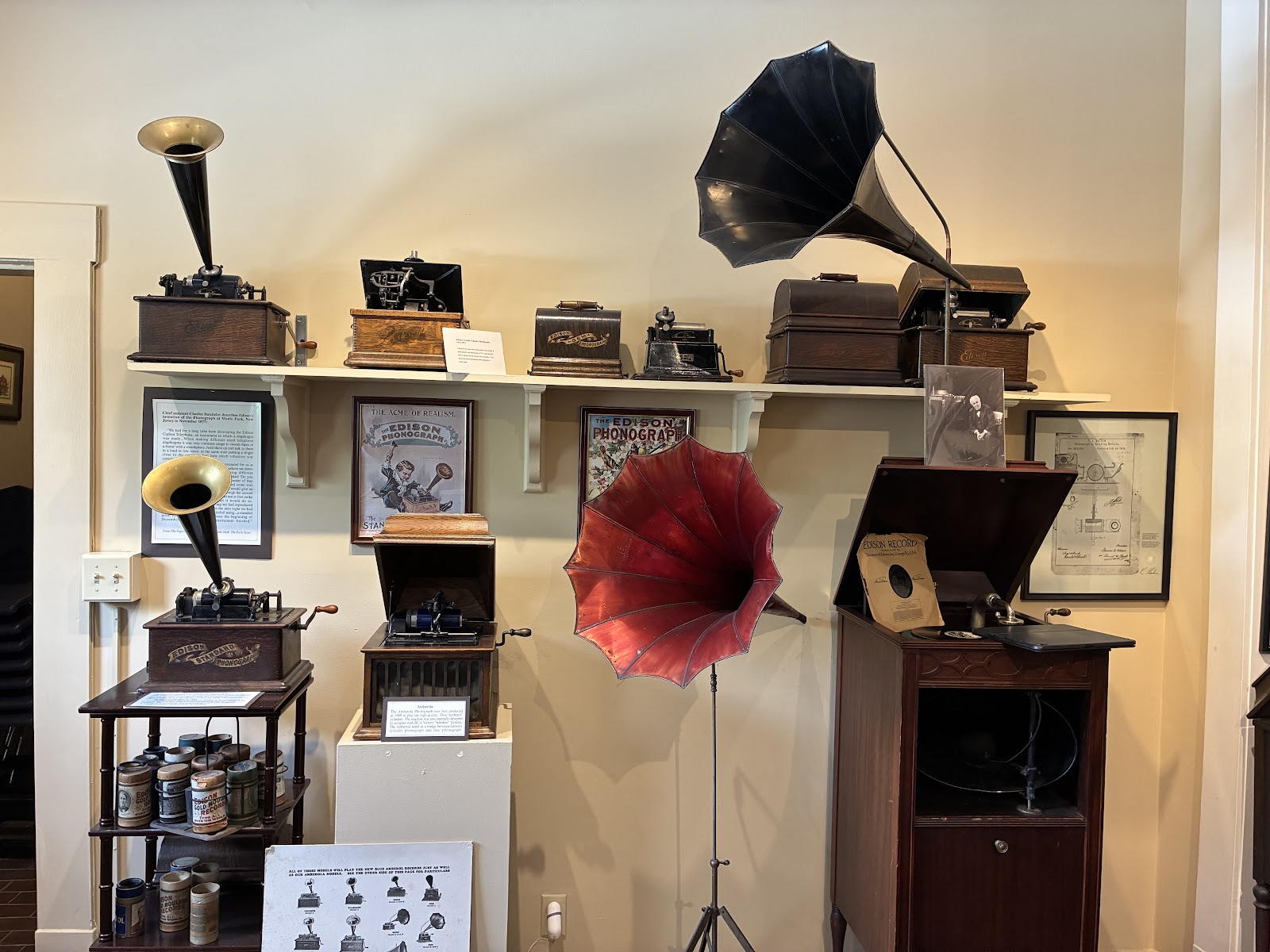
More frames from Thomas Edison House
Thomas Edison House wedding photography: common questions
How small is this venue really?
Very. It is a shotgun cottage — one room wide, with rooms arranged in a line front to back — so it is realistically an elopement or micro-wedding venue rather than a conventional one. Confirm capacity first, because it is the fact that determines whether anything else about the venue matters.
What is the signature photograph?
Straight down the building’s long axis, with the aligned doorframes receding one behind another and the couple at the far end. It is a composition entirely specific to the shotgun house type, and it is the frame worth planning the whole visit around.
Where is the usable light?
In the end rooms, close to the front or back windows. The plan means there is glazing at each end and little in between, so the middle of the house is dim with no side windows to fall back on. Portraits belong at a window, turned into it, with the darkness behind read as character.
Can we do a family group photo inside?
No — not a small one either. A room one wide in an 1850s cottage cannot hold a photographer and more than a handful of people with any distance between them. Groups happen in the garden or on the Butchertown streets, and that needs planning rather than improvising.
Is added lighting needed?
Helpful but modest. Because the ceilings are low and the rooms are tiny, a single bounced on-camera flash genuinely suffices to transform a dim middle room — which is unusual, since in most venues that technique is inadequate. Check first whether any lighting is permitted at all.
Is a tiny venue actually a disadvantage?
Not entirely. In a building this small nobody can stand back and watch, so there is no audience and no performance — couples relax faster in a cottage than in a ballroom, and the candid coverage is often the most natural work we see. The photographs are close because the building is close, and closeness reads as intimacy.
More Louisville venue guides
We are writing a photographer’s guide to every venue we would happily shoot in Louisville. Here are three more, plus the full index:
- Whitehall: A Season-by-Season Photography Guide
- The Brennan House: Who This Small Venue Suits
- The Brown Hotel: Reading the Light in a 1923 Grand Hotel
All Louisville Wedding Venues →
Planning a wedding at Thomas Edison House?
For an elopement or a very small wedding this cottage is a genuine find. Tell us your guest number and we will be straight with you about whether it fits — and plan the axis frame that makes it worth coming for.