 The Pines at Creston: A Photographer Answers Your Questions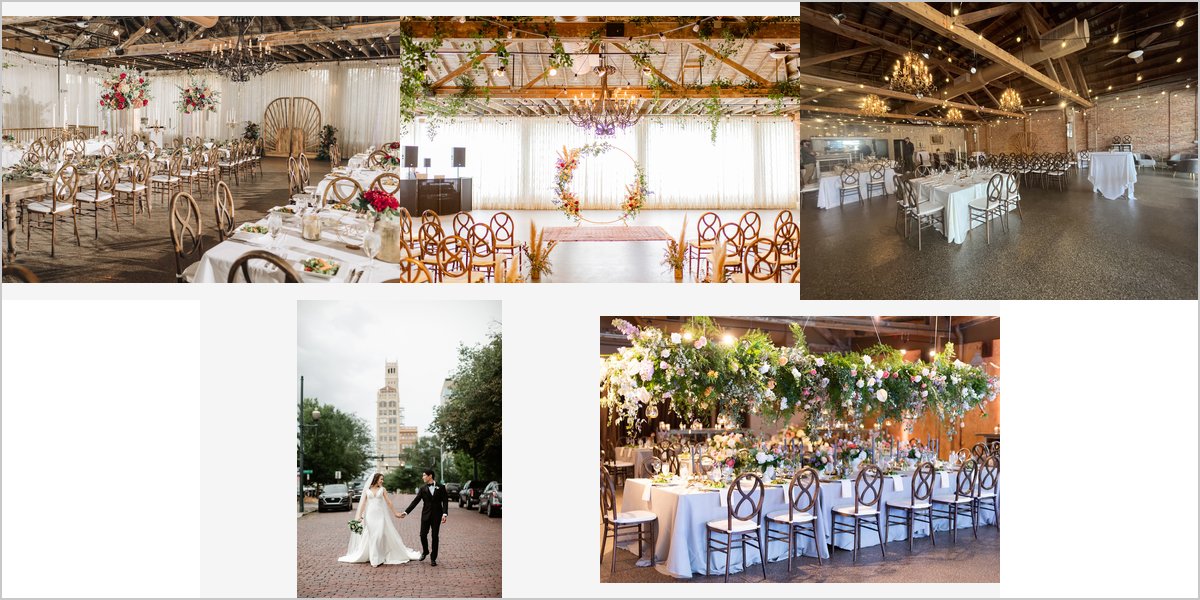
July 6, 2026
The Venue, Asheville: A Season-by-Season Guide
An indoor city venue whose outdoor location is the whole of downtown Asheville. The building is constant; the streets change completely with the season.
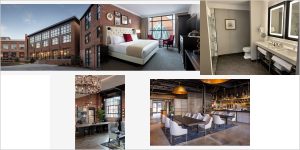
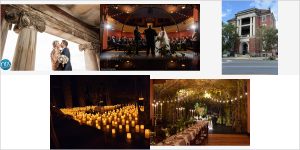
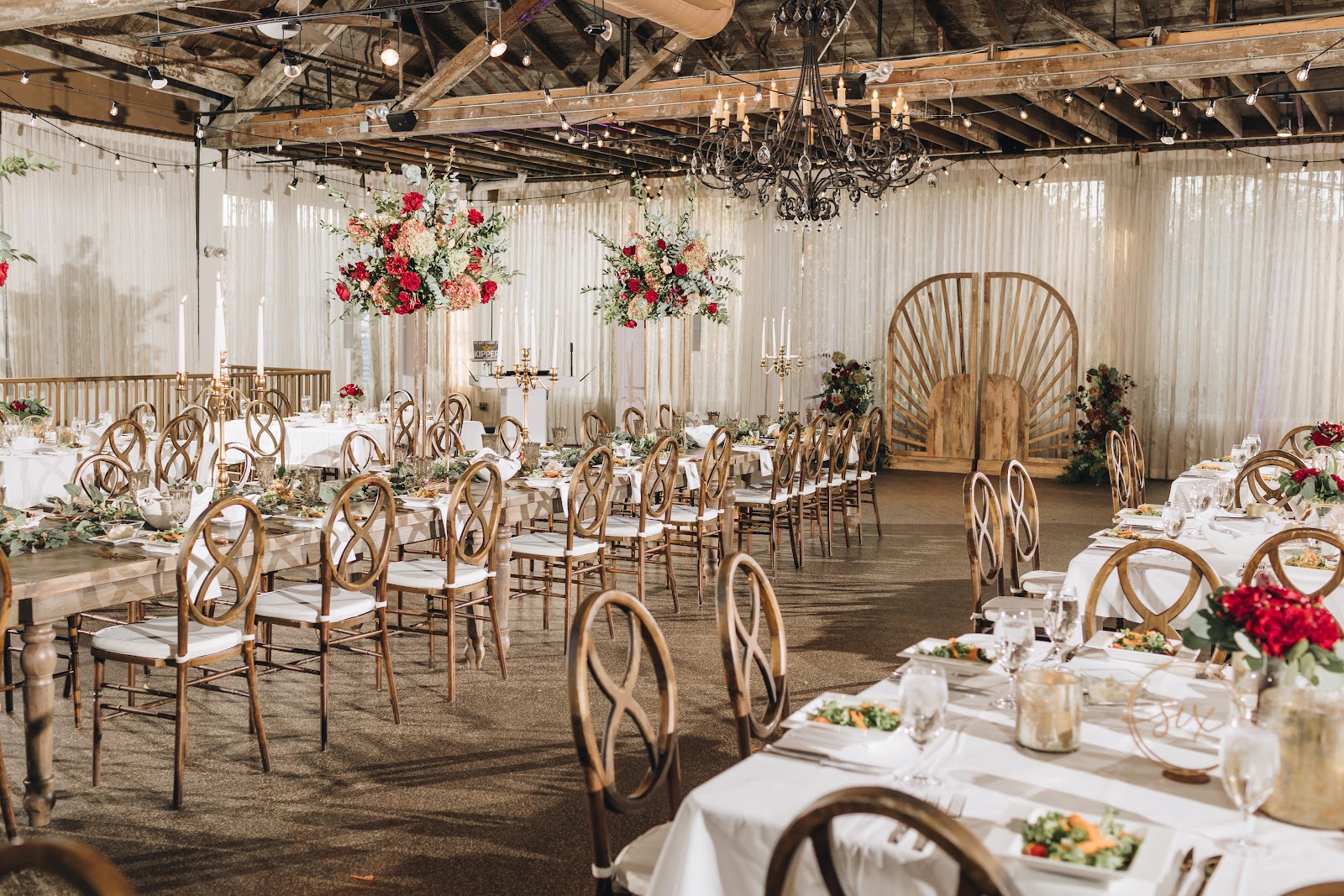
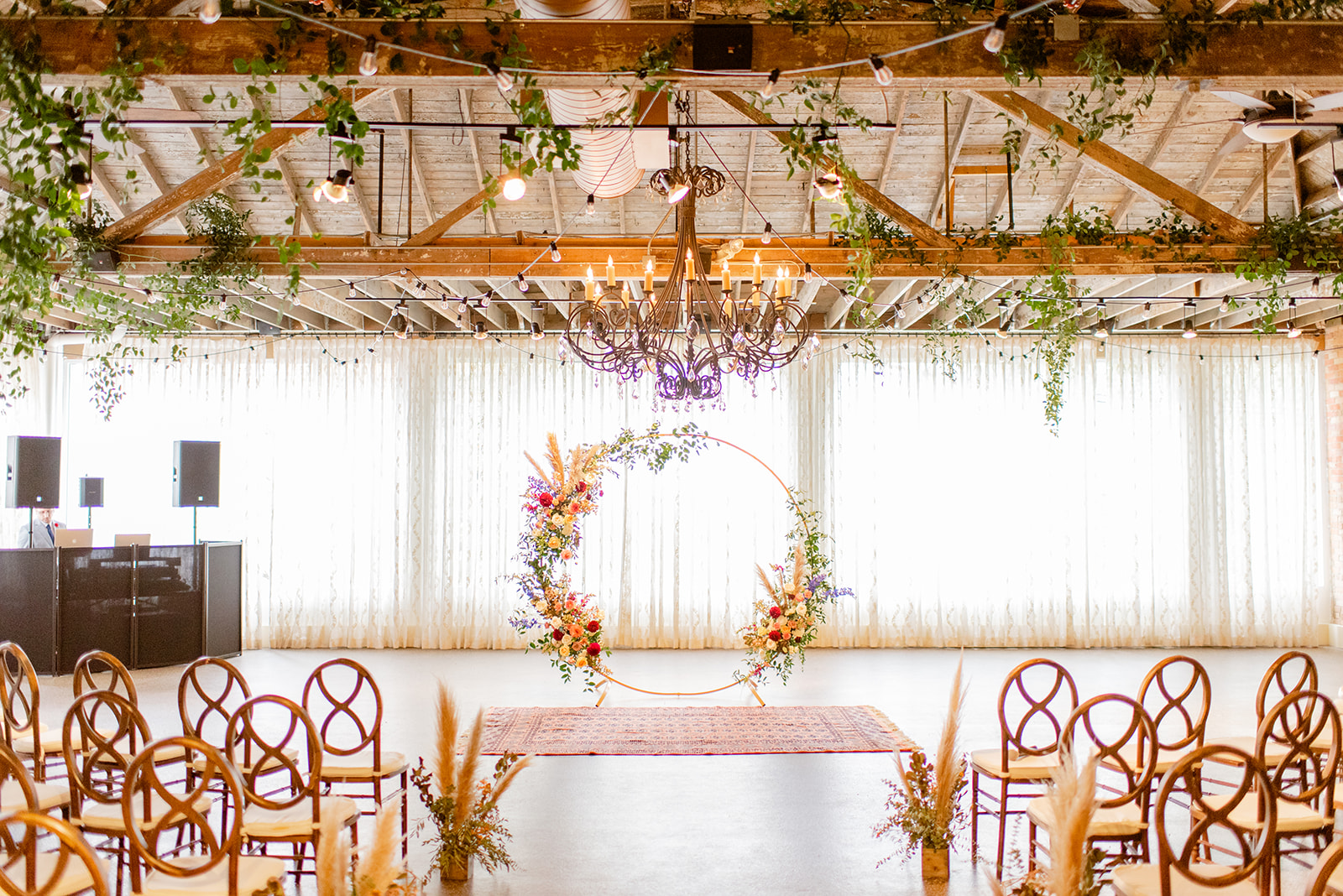
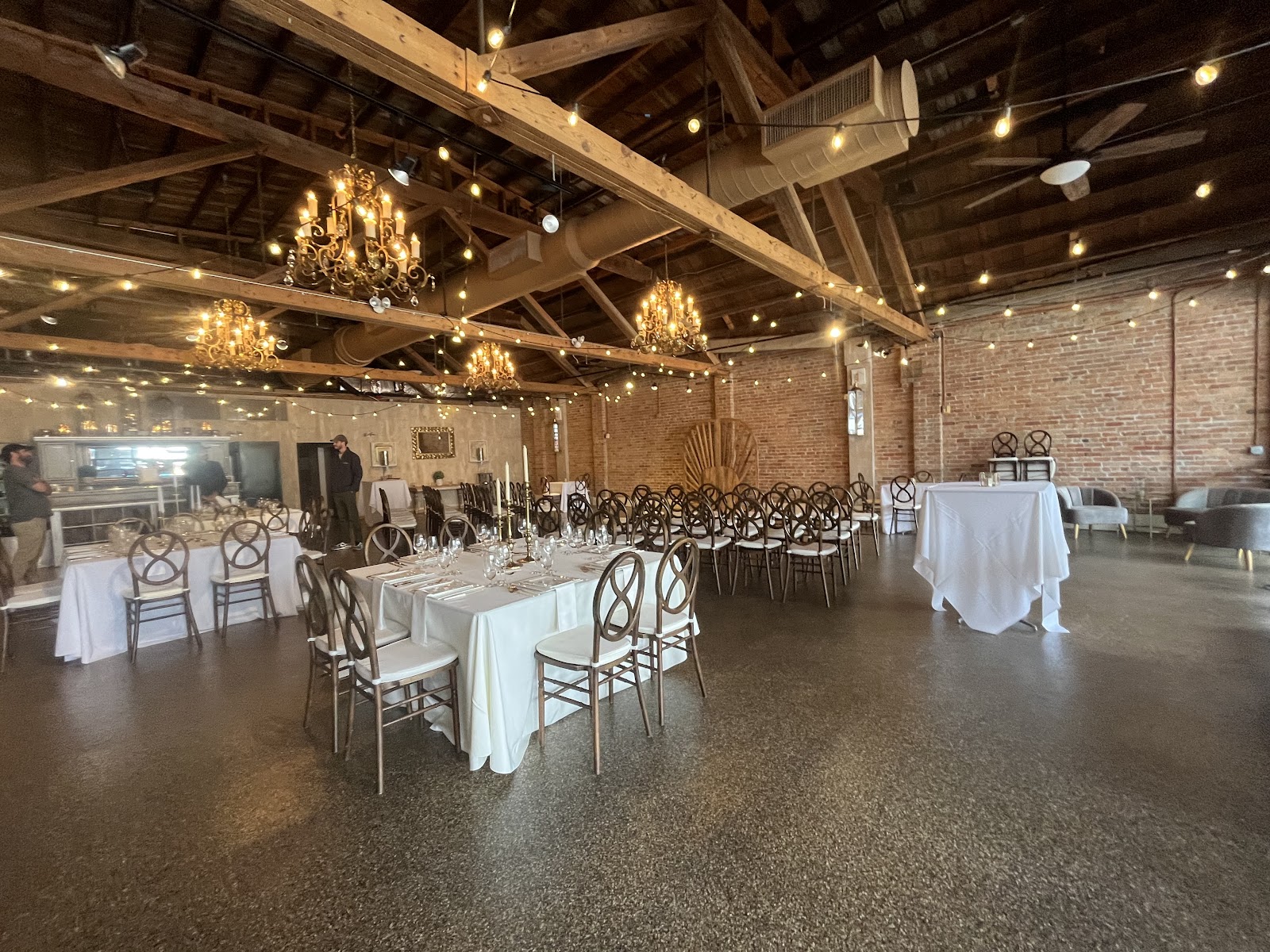
The Venue occupies a downtown building on Biltmore Avenue in central Asheville, operating as a flexible event space with interior rooms for ceremonies and receptions. It is a city venue rather than a scenic one, and that distinction shapes the whole approach.
At a venue with grounds, the grounds are the outdoor location. At a downtown venue, the city is. Asheville happens to be an unusually good city for this: compact, walkable, dense with early twentieth-century and Art Deco commercial architecture, with mountains visible at the ends of several streets and the River Arts District a short distance away.
Because the building is constant and the streets are not, this guide is organised by season. We have not photographed a wedding at The Venue; downtown Asheville’s seasonal light and weather are matters of record. Room configurations, capacity and what is included are for their team.
The Venue at a glance
| Where | Biltmore Avenue, downtown Asheville, North Carolina |
| Character | Flexible downtown event space; the city is the outdoor location |
| Light | Artificial inside; downtown streets and architecture outside |
| Seasonal driver | Street usability, daylight length, and how early the ridgelines take the sun |
| Advantage | Weather-independent indoors, with an excellent walkable city outside |
Spring: the easiest season
April and May give comfortable temperatures, long enough days that a late-afternoon ceremony still leaves usable light, and street trees coming into leaf. Downtown Asheville is pleasant to walk in, which matters when the outdoor location is a walk rather than a garden.
The light is at its most cooperative. The sun is high enough for long days but not yet punishing, and narrow downtown streets — which are shaded on one side at almost any hour — give you soft directional light with warm bounce from the sunlit buildings opposite. That combination is one of the best portrait situations any city offers and it costs nothing.
Mountain spring weather is changeable, so a shower is always possible. The advantage of a downtown venue is that shelter is thirty seconds away in any direction, which makes rain an inconvenience rather than a crisis.
Summer: hot streets, late light, and the ridgeline problem
Asheville summers are warm rather than brutal by Southern standards, helped by elevation, but downtown pavements and brick hold heat and the middle of the day is uncomfortable in formalwear. Midday sun in a street with buildings on both sides also produces the worst of both worlds — harsh light where it reaches and deep shadow where it does not.
The working approach is the shaded side of the street, which is available almost all day because downtown blocks are narrow. Shade with warm bounce from sunlit buildings opposite is flattering, directional and consistent, and it means you are not dependent on a particular hour.
Where the hour does matter is golden light on building fronts, and here the Blue Ridge rule applies: ridgelines to the west take the direct sun well before the published sunset, so the warm raking light on downtown facades arrives and departs earlier than a sunset app suggests. That gap is widest in summer.
A practical note on working a street rather than grounds: passers-by are unavoidable and they are usually a smaller problem than couples fear. A longer lens at a wide aperture reduces anyone more than a few metres away to soft shape and colour, and pedestrians move, so waiting three seconds usually clears a frame. What does not clear is parked cars and street furniture, so those are worth scouting — a bin or a signboard in the wrong place ruins a frame that no amount of patience will fix.
Autumn: the best of both
October is Asheville’s strongest month and a downtown venue benefits from it in two ways. The street trees turn, adding warm colour at eye level in frames that would otherwise be brick and stone. And the mountains visible at the ends of streets take on the banded colour that draws visitors to the region — which means a city frame can contain a mountain view.
The light is also at its most generous. The sun stays low through most of the afternoon, so the raking light on facades that makes early twentieth-century architecture look its best is available for hours rather than minutes.
It is the busiest and most expensive period, and downtown is crowded with visitors. A longer lens at a wide aperture handles that, and early morning remains genuinely quiet if an uncluttered frame matters.
Winter: the case for a city venue
Winter is where a downtown venue earns its keep relative to a scenic one. Mountain venues in January are cold, remote, often fogged in, and reached by roads that can be difficult. A downtown venue is warm, has shelter thirty seconds away, and its outdoor location — the street — works in weather that would cancel an outdoor ceremony entirely.
The constraint is daylight. Asheville’s winter sunset is in the late afternoon and the ridgelines take the direct sun earlier still, so a five o’clock ceremony happens in the dark. That means portraits before the ceremony, or a deliberate commitment to night photography on the downtown blocks — which, with streetlights, lit shopfronts and wet pavement, is genuinely good rather than a compromise.
Wet asphalt is the winter photographer’s friend: it doubles every light source and turns an ordinary street into a reflective surface. A rainy January evening in downtown Asheville produces better street portraits than a dry one, which is worth telling couples who are apologising for their date.
What works in your favour
- Weather-independent indoors, with shelter thirty seconds away in any direction
- Narrow downtown streets give shade with warm bounce almost all day
- Asheville’s Art Deco and early twentieth-century architecture is genuinely good
- Mountains visible at the ends of streets mean a city frame can hold a mountain view
- Wet winter pavement doubles light sources and improves night street portraits
What to plan around
- No grounds of its own — every outdoor frame depends on the streets and on walking
- Ridgelines take the warm light off the facades earlier than a sunset app suggests
- Downtown is crowded in autumn and on summer weekends
- Midday street light is harsh where it reaches and deeply shadowed where it does not
- Short winter days mean portraits must happen before a late-afternoon ceremony
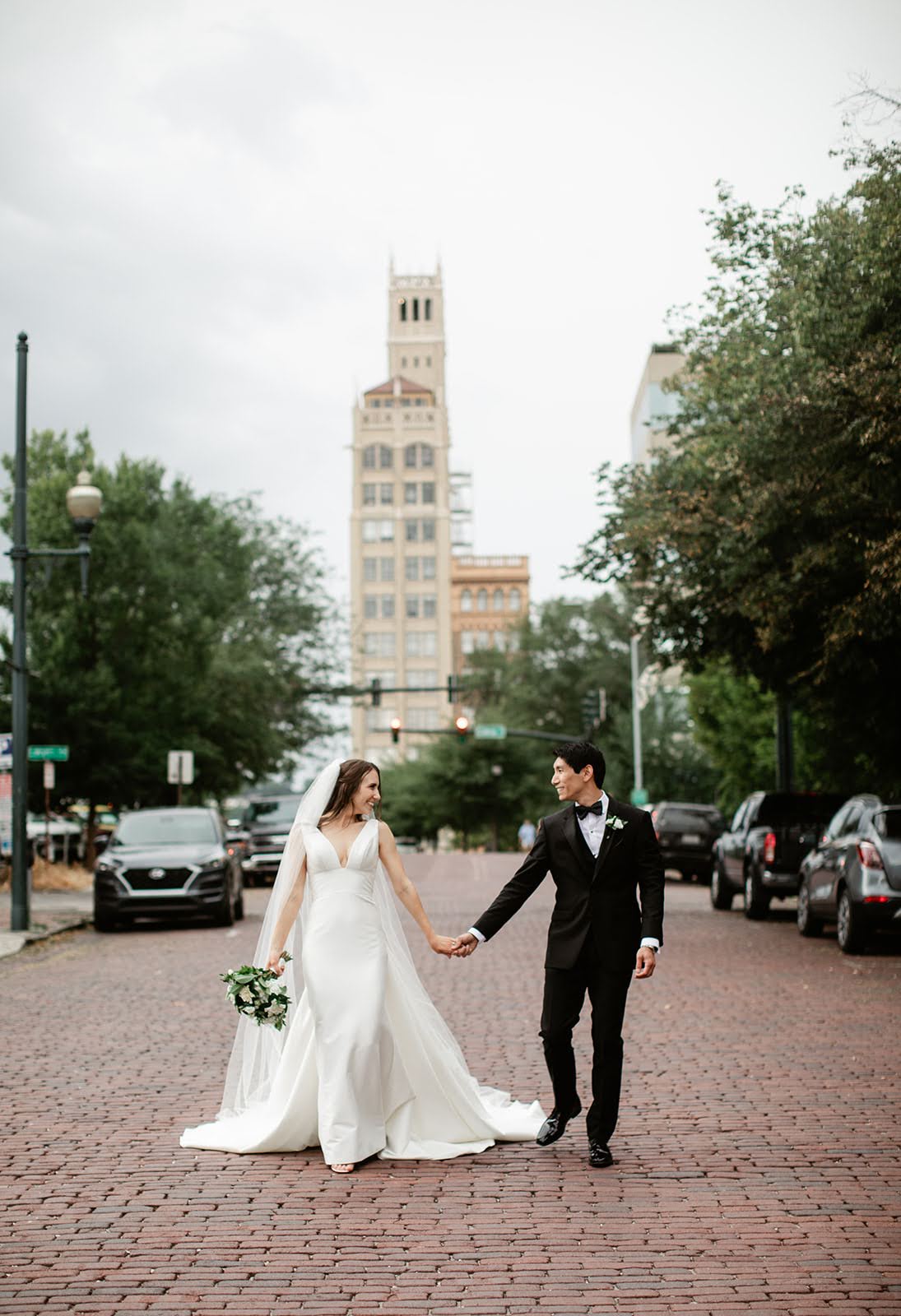
More frames from The Venue
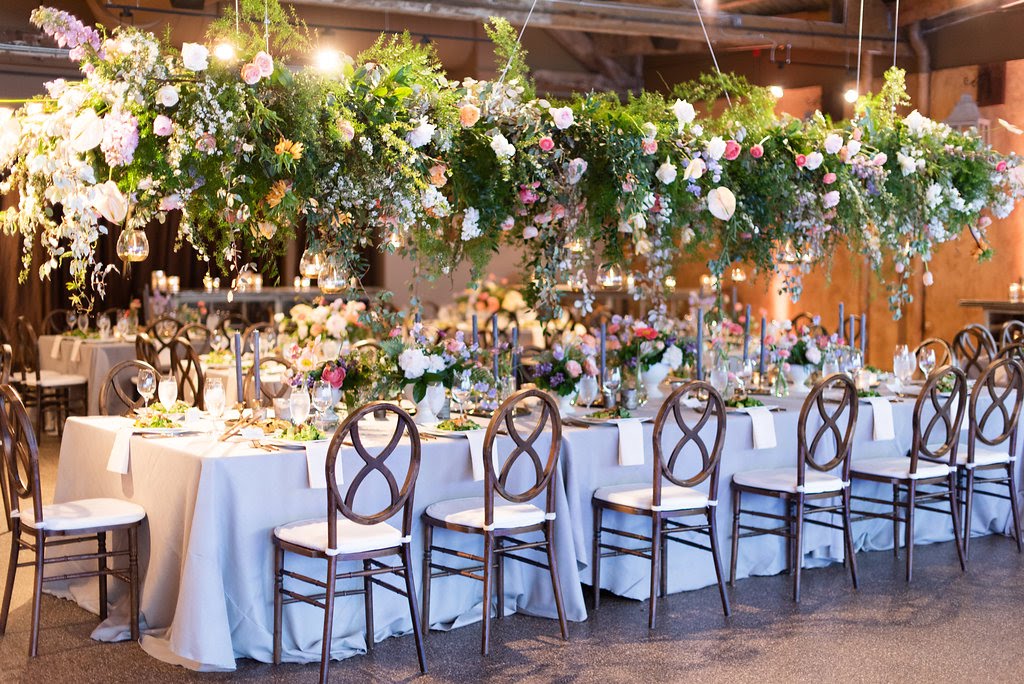
The Venue wedding photography: common questions
What is the outdoor location for a downtown venue?
The city itself. Asheville is compact and walkable with dense early twentieth-century and Art Deco architecture, mountains visible at the ends of several streets, and the River Arts District nearby. That is a genuinely good substitute for grounds — but it means every outdoor frame involves a walk, so budget the time.
What is the best street light?
The shaded side of the street, available almost all day because downtown blocks are narrow. Shade with warm bounce from the sunlit buildings opposite is soft, directional and flattering, and because it does not depend on a particular hour it is the most reliable light the location offers.
When is the best season?
October. The street trees turn, adding warm colour at eye level to frames that would otherwise be brick and stone, the mountains at the ends of streets take on banded colour, and the sun stays low through most of the afternoon so raking light on facades lasts hours rather than minutes.
Is a winter wedding here a bad idea?
Not at all — winter is when a downtown venue beats a scenic one. It is warm, shelter is thirty seconds away, and the streets work in weather that would cancel an outdoor ceremony. Just move portraits before the ceremony, because the sunset is late afternoon and the ridgelines take the light earlier still.
Does rain ruin the outdoor photographs?
It improves them, in winter especially. Wet asphalt doubles every light source and turns an ordinary street into a reflective surface, so a rainy evening in downtown Asheville produces better street portraits than a dry one. Clear umbrellas keep the light on faces neutral.
More Asheville venue guides
We are writing a photographer’s guide to every venue we would happily shoot in Asheville. Here are three more, plus the full index:
- Thomas Wolfe Auditorium: The Technical Side of a Civic Theatre
- The Asheville Masonic Temple: A Photographer’s Walk-Through
- Biltmore Estate: Reading the Light on 8,000 Acres
All Asheville Wedding Venues →
Planning a wedding at The Venue?
A downtown venue puts a whole city at your disposal, if the walking time is in the schedule. Tell us your date and we will map a route, the shaded side of the right streets, and the real ridgeline time.