 The Venue, Asheville: A Season-by-Season Guide
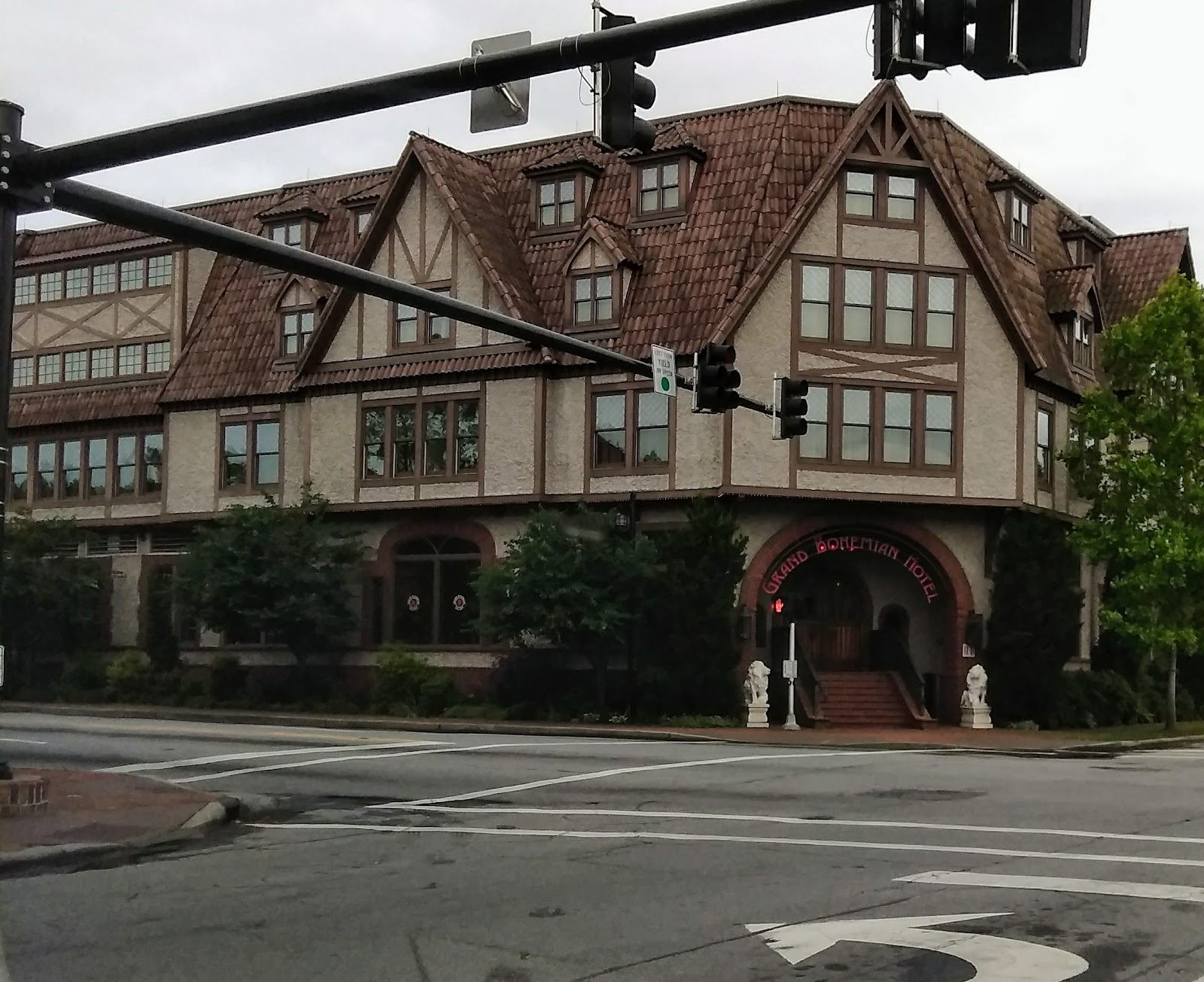
The Grand Bohemian Hotel Asheville: The Light Through a Day
A deliberately dark interior in one of the cloudiest parts of the eastern states. Both facts help.
A hotel furnished deliberately dark — timber, deep colour, heavy textile, low warm lighting — produces a particular kind of day, and in this region two local conditions make it easier rather than harder.
The first is the cloud. Asheville sits in the Blue Ridge Mountains in one of the wettest parts of the eastern United States, at an elevation that makes it cooler and cloudier than the surrounding lowlands. Overcast is frequent, and overcast is the best soft source there is — which means the windows in a dark hotel give even, shadowless, flattering light far more often than they would in a sunnier place.
The second is the haze. The bluish softening over the middle distance that names these mountains is in every frame with a view in it, which means any window looking out at the ridges gives a soft, tonal, receding background rather than a sharp one. That is a genuinely good thing to have behind a subject.
Inside, the conditions are the familiar ones for a dark interior: low ambient, warm bounce, steep fall-off and texture that needs raking light. And the interior does not change through the day, which means the schedule is built around the outdoor windows.
This is the day in order. We have not photographed a wedding at the Grand Bohemian Hotel Asheville; dark richly furnished hotels and Blue Ridge conditions behave consistently. Which spaces are included, whether the lighting is adjustable and what may be attached are questions for their team.
The Grand Bohemian Hotel Asheville at a glance
| Where | Asheville, North Carolina, in the Blue Ridge |
| Morning | Guest-room windows, which are best under the region’s frequent cloud |
| Midday | The interior, which is identical at every hour |
| The local gift | Overcast is common, and the haze softens every view |
| Evening | Outside: the raked facade, then the crossing |
Morning and midday
The morning belongs to the guest rooms, which in a dark hotel are the only significant daylight and are correspondingly valuable rather than incidental.
The requests are the familiar ones: largest window on the shaded side, every overhead fitting switched off so the room has one colour of light rather than two landing on the same face, lamps moved out of frame, and two to three metres back from the glass so the fall-off is even across two faces.
At Asheville’s latitude, about thirty-five and a half degrees north, the midday sun reaches roughly seventy-eight degrees above the horizon in June and about thirty-two in December. A north-facing room is shaded all year and is the most reliable — but in this region the more important variable is the weather, because on an overcast day every window is a north window and the whole orientation question dissolves.
That is worth stating as an advantage rather than a caveat. In a sunnier city a dark hotel’s windows are difficult half the time; here, with frequent cloud at elevation, they are soft and even far more often than not.
A window looking out at the ridges has a second advantage specific to the Blue Ridge. The haze that names these mountains — forest-derived scattering that turns distance into progressively paler blue layers — means a view through a window is tonal and receding rather than sharp and busy. That is a genuinely good background for a subject standing beside the glass, and it needs the exposure set for the faces with the view allowed to sit bright.
Through the middle of the day the interior is the venue and it does not change, which is the useful part: every indoor frame is movable, so the running order can follow the couple rather than the sun, and nothing is lost by stepping outside later.
It is also when the technical work should be done, and three measurements taken once govern the whole evening.
The ambient, which in a deliberately dark interior is two or three stops below a pale room with identical fittings — because timber, deep paint, heavy drapery and dense upholstery all absorb. Eyes adapt and meters do not, so measure rather than estimate.
The bounce, which in a dark room returns very little and arrives coloured by whatever it hit. One test frame per space settles it, and the pattern is usually that grand rooms with tall ceilings return nothing while guest rooms and corridors work.
And the colour survey: warm decorative fittings, cooler recessed downlights, candles, and any coloured uplighting installed for the event. Pick the one that should be correct, set white balance to it, and switch off or overpower whatever else lands on skin.
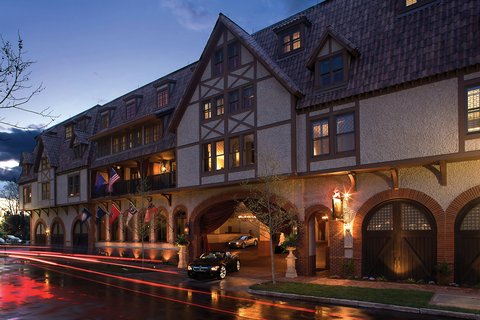
Evening, and the dark interior's own register
In the evening the interior does what it was furnished to do, and the method is to use its own light rather than replace it.
One source, off the camera axis, at face height, in a modifier large enough to be soft at working distance, gelled warm to match the room’s own fittings with white balance set to the gel, and exposed half a stop to a stop above the ambient. That reads as light belonging to the room.
The gel is the part most often skipped and it is what makes the difference: an ungelled flash is much bluer than warm decorative fittings, which produces a face that looks pasted into the room — the commonest tell in a hotel wedding photograph.
Over-lighting is the error and in a dark venue it is the commonest one. A face two stops above its surroundings floats in blackness, and a hotel furnished for atmosphere photographed that way loses the only thing it had. A stop is a lot here.
Steep fall-off is the compensation and it is genuinely useful: a subject three metres in front of anything else in a dark warm room sits against natural darkness with no equipment at all, which is free separation and the opposite of a pale modern room’s problem. So positions with depth behind them beat positions against a wall.
Warm bounce is the standing colour problem. Timber, brass, deep paint and warm textiles reflect strongly warm onto the shadow side of a face from several directions at once — localised and bounced, so global white balance cannot separate it from the subject. That is why gelling and matching is the method rather than correcting: a global correction turns skin grey and the timber the colour of ash.
Texture needs raking light and a richly furnished hotel is full of it — moulding, panelling, patterned textile, metalwork and artwork frames all read only when light runs along them. The positions where the existing light already grazes a surface are the ones worth finding on arrival, and there are usually two or three per room.
Decorative fittings are the best thing in the register. At a wide aperture, with real distance behind a subject, they become warm points of light in the depth — which is exactly what a dark furnished hotel does well. The condition is distance, because a bright fitting immediately beside a head pulls the eye off the face every time.
The evening’s outdoor frames are the timed ones. The last hour of daylight rakes the building’s material and makes it read; and the crossing, twenty-five to forty minutes after sunset, holds couple, building and sky in one exposure when the sky still matches the building’s own lighting. Since the interior does not change, taking ten minutes for it costs nothing indoors.
And on a mountain site the crossing has a bonus: the ridges beyond go deep blue while the building glows warm, which is a colour separation the region gives and a flat site cannot.
- On an overcast day every window is a north window — and cloud is frequent here
- Measure the ambient; a dark interior is two or three stops below a pale room
- One warm-gelled source, a stop above the room, never two
- Use the haze as a window background; it is tonal rather than busy
- At the crossing the ridges go blue while the building glows warm
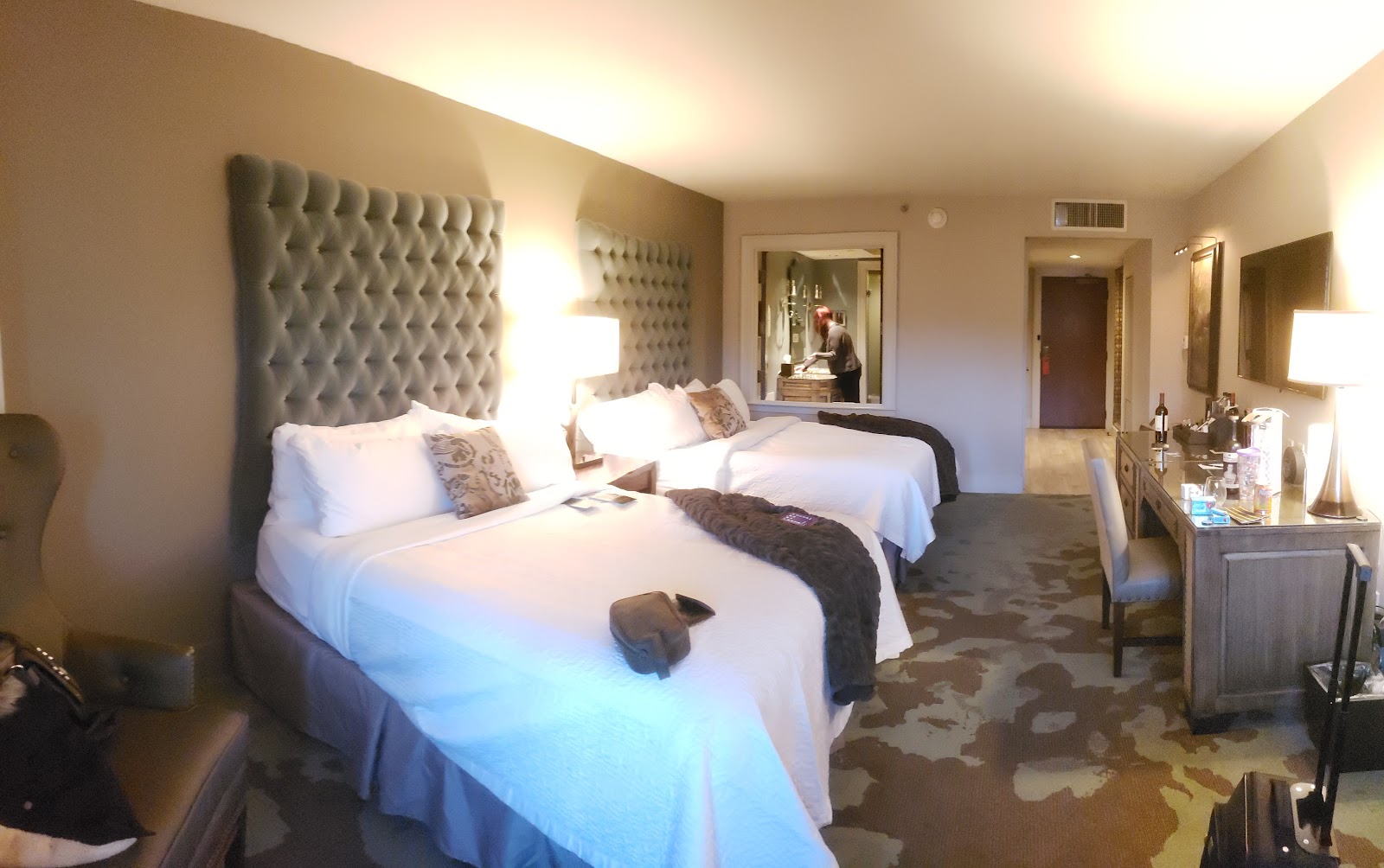
The Carolina mountain year
Autumn is what this region is known for and it is long rather than sharp, because of the elevation range. Colour peaks at the highest elevations in early October and works down into the valleys through the month and into early November — which means a hotel in the city has colour above it for weeks rather than a single weekend.
The air also clears as the humidity drops, which means the long views are at their best in autumn. So the season gives the colour and the distance at the same time, which is the region’s strongest combination.
The colour carries one exposure note: intense red and orange foliage saturates the red channel long before the overall exposure looks bright, so a frame that reads as correct may already have lost detail in the reds. Err a third of a stop darker and watch the individual channels.
Morning cloud inversions are frequent in autumn and they are the region’s other signature: from any elevated position, cloud filling the valleys while the ridges stand clear above it. That burns off, so it is an early opportunity rather than something to schedule, and it is worth asking whether the hotel has a position with a view for it.
Summer is warm, very humid and frequently cloudy, which for a dark hotel is genuinely good — frequent overcast means the windows are soft and even far more often than they would be in a sunnier place. What it costs is the long views, which the haze thickens in summer to the point where distant ridges can dissolve almost entirely.
Afternoon thunderstorms are a real possibility, which at an entirely indoor venue costs a decision rather than a picture. The compensation is that a storm clearing off a mountain, with cloud tearing through the ridges, is the most dramatic frame the region produces — and from a hotel window that is available without going out.
The fogging problem is severe in this humidity and it runs the opposite way from a cold climate: a body carried from an air-conditioned interior into July air fogs on every surface at once, and at these dew points it does not clear quickly. A bag opened twenty minutes before going out is the whole fix — and at a venue whose one unmovable frame is a timed crossing, a fogged lens means missing it.
Spring is long and staged here because flowering works uphill through April and May rather than arriving at once. The canopy has not yet closed, which means more light reaches the ground and any outdoor block is more forgiving than in summer.
Winter is mild by northern standards with cold snaps rather than sustained freeze, and it is quietly the best season for the interiors. The December midday sun at about thirty-two degrees above the horizon comes into tall windows at a low angle rather than from overhead, which means the interior light is directional and usable through the whole short day instead of for two hours at each end. In a hotel whose central problem is dark absorbent rooms, that is a substantial gain.
The bare canopy also opens the views to the ridges, which are screened in summer — so the window backgrounds are at their most complete in January. And snow is occasional at this elevation; when it comes it turns the ground into a reflector and brightens every window in the building.
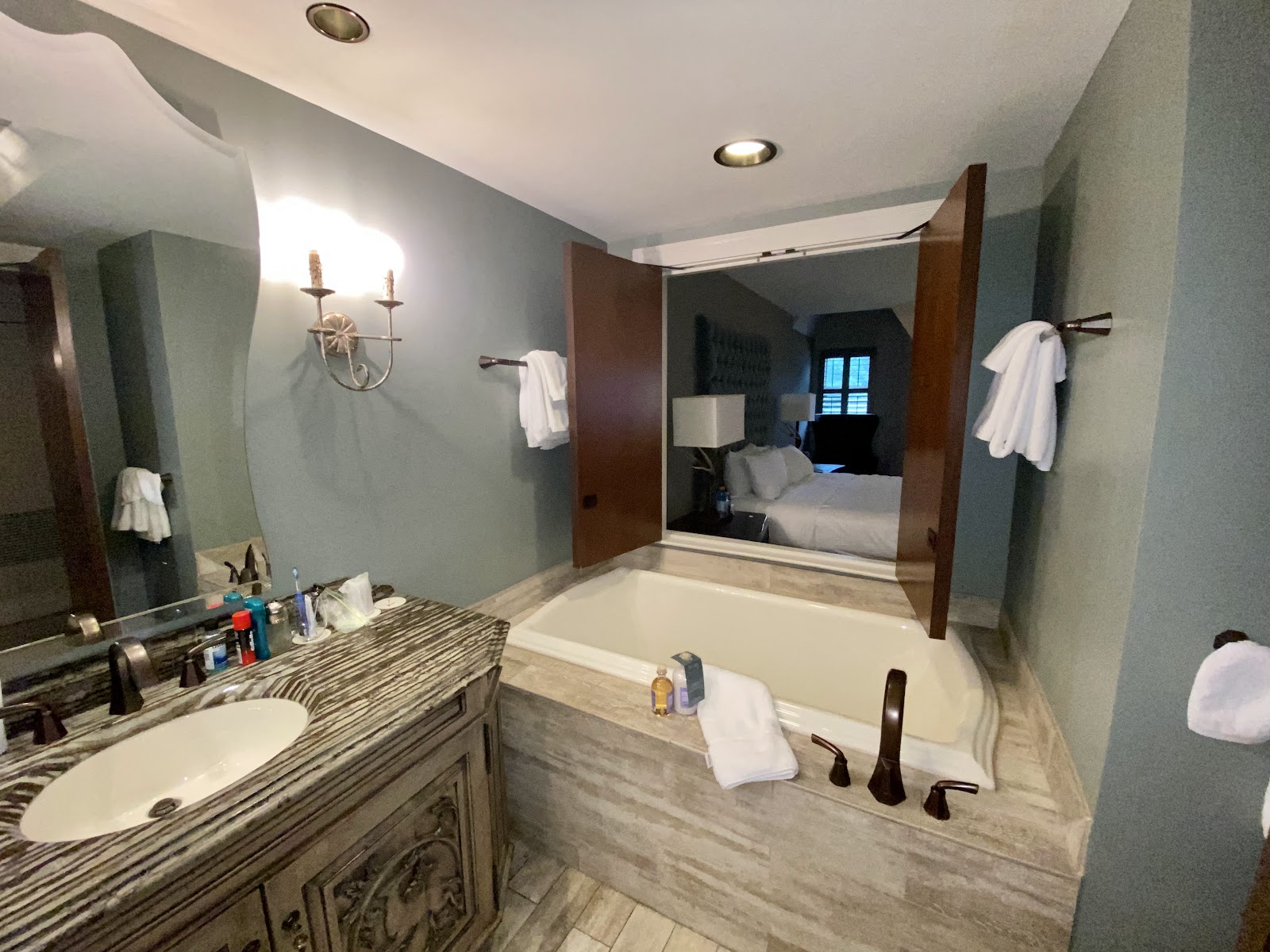
More frames from The Grand Bohemian Hotel Asheville
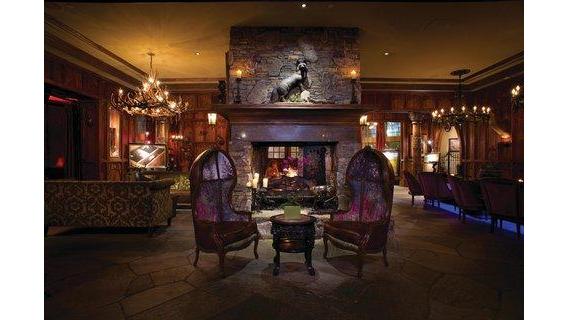
The Grand Bohemian Hotel Asheville wedding photography: common questions
Why does the cloud help here?
Because overcast is the best soft source there is, and on an overcast day every window is a north window — so the orientation question dissolves.
How does the haze help?
It turns a view into progressively paler blue layers rather than a sharp busy scene, which makes a window a tonal, receding background for a subject beside it.
How dark is a richly furnished interior?
Two or three stops below a pale room with identical fittings, because timber, deep paint and heavy textile all absorb. Measure rather than estimate.
How much light should be added?
About a stop above the ambient, gelled warm. Two stops floats a face in blackness and loses the only thing the room had.
What happens at the crossing on a mountain site?
The ridges go deep blue while the building glows warm — a colour separation a flat site cannot give.
When are the interiors at their best?
Winter. A low December sun comes into tall windows at an angle all day, and the bare canopy opens the views to the ridges.
More Asheville venue guides
We are writing a photographer’s guide to every venue we would happily shoot in Asheville. Here are three more, plus the full index:
- The North Carolina Arboretum, Asheville: A Garden in a Blue Haze
- The U.S. Cellular Center, Asheville: The Problem, and Four Ways Out
- The Asheville Masonic Temple: A Photographer’s Walk-Through
All Asheville Wedding Venues →
Planning a wedding at The Grand Bohemian Hotel Asheville?
A dark hotel in a cloudy place. Tell us your date and we will use both.