 Woodwinds, Branford: The Problem, and Four Ways Out
Waterview, Monroe: The Building’s Own Logic
A purpose-built venue has one of everything and a clock. Both of those help, if you know it.
A purpose-built banquet venue has a logic that is genuinely different from a historic building’s or a farm’s, and it comes from one thing: it was designed around a running order.
Such a place exists to move a wedding through a sequence efficiently — arrival, ceremony, cocktails, ballroom, departure — with a designated space for each stage and a known transition time between them. Frequently it does that for more than one wedding in a day, which means the schedule is real rather than flexible.
That has three photographic consequences and they are all worth knowing in advance.
The spaces are single-purpose, which means there is one ceremony position, one cocktail space and one ballroom rather than a building to explore. The pictures will be made in those places, and knowing what each one gives before the day is the whole of the preparation.
The timings are fixed, which means the portrait window is a defined slot rather than an opportunity that can be extended when the light is good. That is the single most important planning fact at a venue of this kind: if the light will be best at seven and the ballroom opens at six, the portraits have to happen before the light arrives or be negotiated in advance.
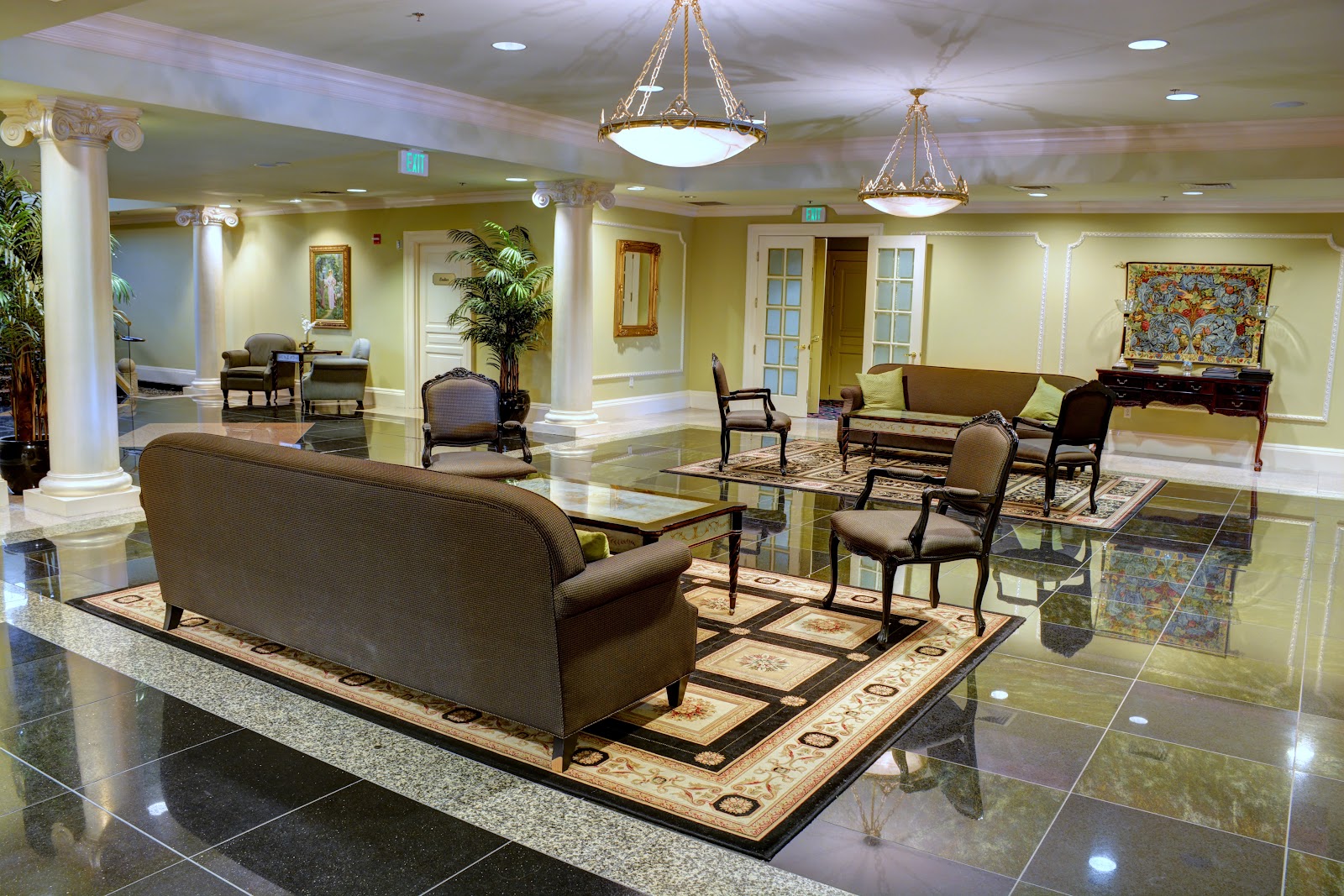
And the design is functional rather than characterful, which means the light has to be made rather than found — but also that it is predictable and repeatable, which has real value.
The counterpart is the grounds. A venue like this in western Connecticut typically has water, lawn and mature trees, which is where the daylight and the season are — and using them well is what distinguishes a good set of pictures from a competent one.
We have not photographed a wedding at the Waterview; purpose-built banquet venues behave consistently. Which spaces are included, whether the ballroom lighting can be dimmed or adjusted, what the actual timings and transitions are, whether more than one event runs on the date, and what daylight reaches the preparation rooms are questions for their team — and the timings in particular decide more than anything below.
Waterview at a glance
| Where | A purpose-built banquet venue with water and grounds at Monroe |
| The logic | One space per stage, and a schedule built for turnover |
| The constraint | The portrait window is a slot, not an opportunity |
| The grounds | Water, lawn and mature trees — where the daylight is |
| Ask first | Spaces included, lighting control, actual timings, other events that day |
The building: single-purpose spaces, and the light in them
The preparation rooms are the first stage and their value depends entirely on one thing: whether there is a usable window. In a purpose-built venue these rooms are often interior or have modest glazing, and the difference between a room with a good window and one without is the difference between an easy hour and a lit one.
Where there is a window, the technique is unchanged from any other building. A metre from the glass, turned about forty-five degrees to it, gives horizontal light at head height with steep fall-off behind — real modelling and free separation. Turn the room lights off, because warm bulbs against cool daylight put two colours on one face, and set a custom white balance on a face in position.
Where there is not, the whole hour is a lighting exercise, and the approach is to make one good source and use it repeatedly: a single light through a modifier, placed to one side, with the room’s own light exposed a stop or so under. That produces window-like light in a windowless room and it is consistent from frame to frame, which matters when the coverage is continuous.
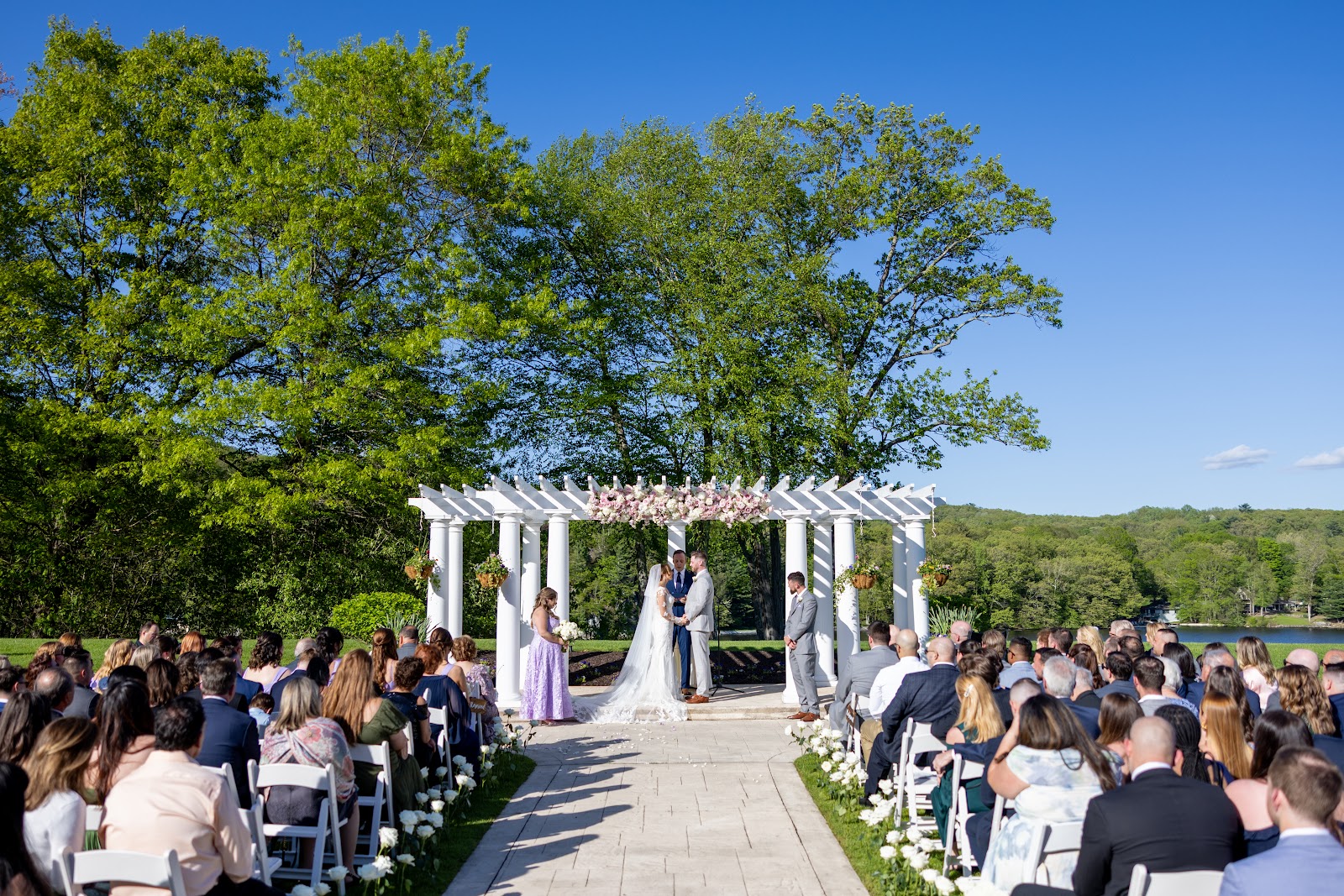
The ceremony space is the second stage and there is usually one of it, which means the position is decided rather than chosen. The questions worth asking in advance are which direction the couple will face, what is behind them, and where the light comes from — because those three determine everything and none of them can be changed on the day.
If the ceremony is indoors and artificially lit, the approach is to expose for the room about a stop under what faces need and add one source for the faces, gelled to match, so the space keeps its own look. If it is outdoors, the direction the couple faces relative to the sun is the one thing to establish beforehand, because a ceremony that puts low sun directly behind the couple gives rim light and dark faces, and reversed it gives squinting.
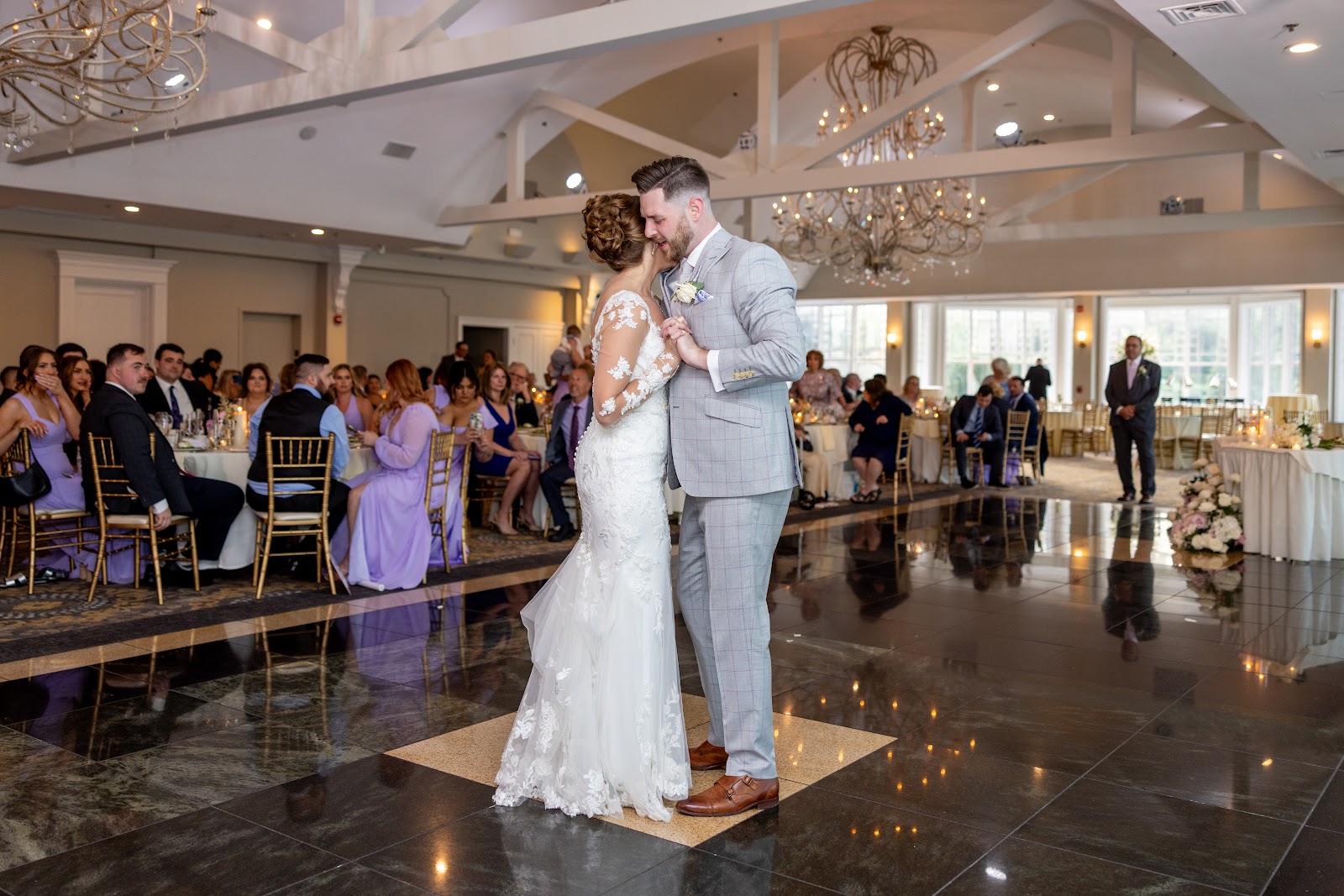
The ballroom is where the technical work concentrates, and a purpose-built one is more tractable than a historic ballroom for a specific reason: the ceiling is lower. A ceiling under four metres is a usable bounce surface, so a flash aimed into it returns soft overhead-forward light across the whole room — which a six-metre ballroom ceiling cannot do.
The caution is colour. A warm-painted or warm-lit ceiling colours the bounce, which means the white balance has to follow the bounce rather than the nominal daylight value — and a coffered or heavily detailed ceiling returns less than a flat one.
The method otherwise is standard and it is the difference between a good ballroom picture and a bad one. Expose the ambient about a stop or a stop and a half under what skin needs, so the room’s lighting keeps its presence and the space keeps depth, then add one source for the faces gelled warm to match, set just above what the ambient gives the skin, and diffused so it does not read as flash.
The instinct to raise sensitivity until the room is bright is what produces the characteristic bad banquet photograph: flat, uniformly warm, no depth, every table the same. Exposing a stop under and adding light is what prevents it.
Whether the lighting can be dimmed is the single most valuable question to ask, because a room whose house lights come down for the first dance and up for the speeches is substantially easier than one that cannot change.
Dance floors and polished surfaces are the ballroom’s other feature. A polished floor doubles every source and every figure standing on it, which is a strong frame used deliberately and a mess ignored — and a few degrees of camera angle is the whole difference. Uplighting, where the venue provides it, is coloured and it is a resource: a wash of colour behind a subject is a compositional element, and a frame built around one reads as intentional.
The grounds: water, lawn, and the slot
Outdoors is where the daylight and the season are, and at a venue with a fixed schedule the grounds have to be used efficiently rather than explored.
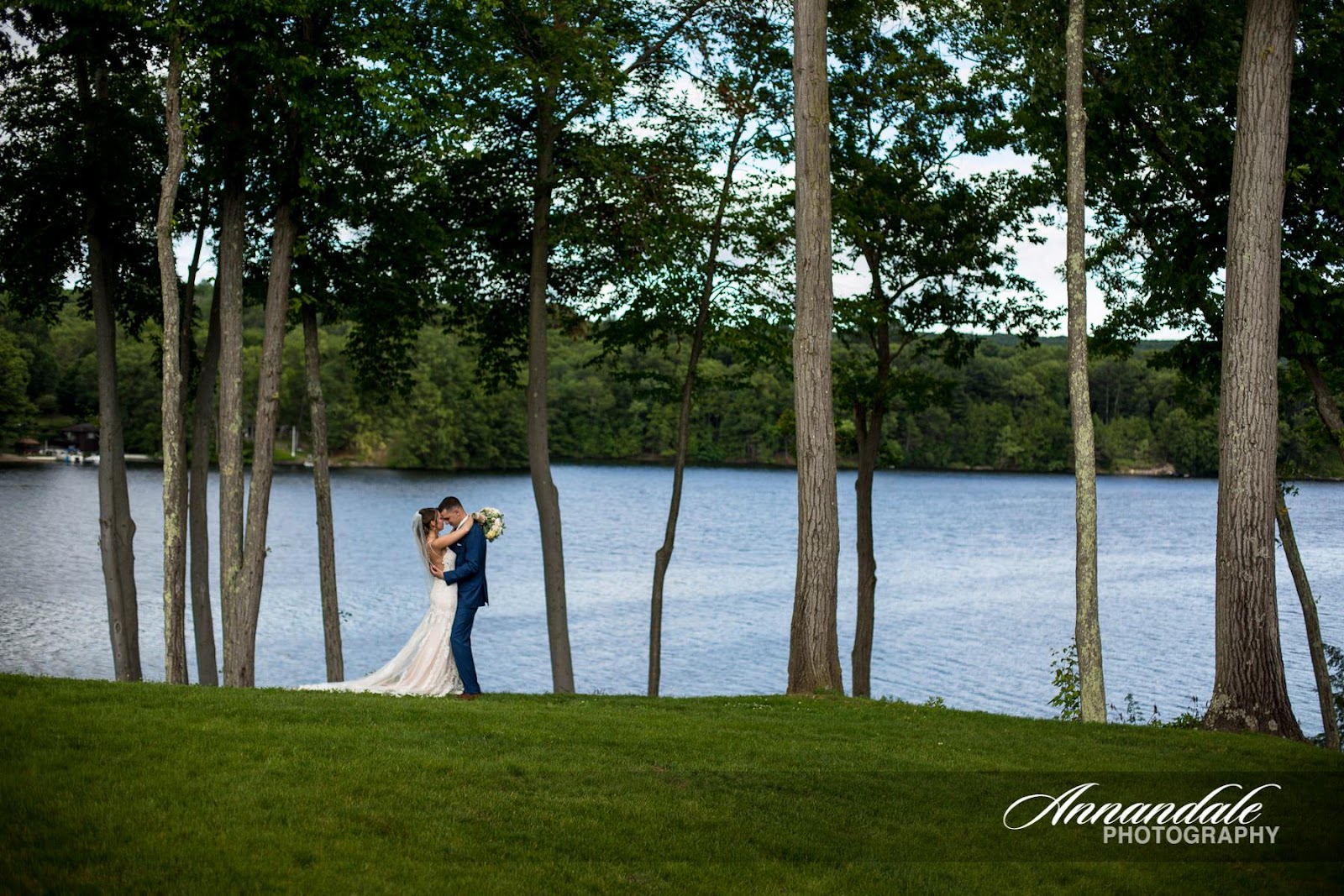
Water is the grounds’ best feature and it does three things. It is a horizontal reflector, so it throws light upward into faces standing above it — filling the shadows a high sun carves, at the cost of uplight under the chin, which something solid on one side corrects. It mirrors when it is calm, which on a sheltered inland pond or lake is most of the time, doubling trees and sky. And it gives a background with depth in it rather than a wall.
A reflection runs about a stop darker than what it reflects, which is the thing to know when metering a frame containing both. And the surface’s brightness changes with wind and cloud, so a frame metered twenty minutes ago is not metered now.
The lawn is the least interesting ground in the middle of the day and among the best at the end of it. Flat and green at noon with no modelling anywhere; raked in every blade by seven, with mown lines becoming graphic elements that lead into a frame or cut across it depending on where the camera stands.
Mature trees are the shade, and the standard New England rules apply. Maple, oak, birch and hickory filter as much as they block, so they dapple — look at the face rather than the ground, and a bright patch on skin means move a metre. Conifer, where there is any, gives the real full shade and the darkest background.
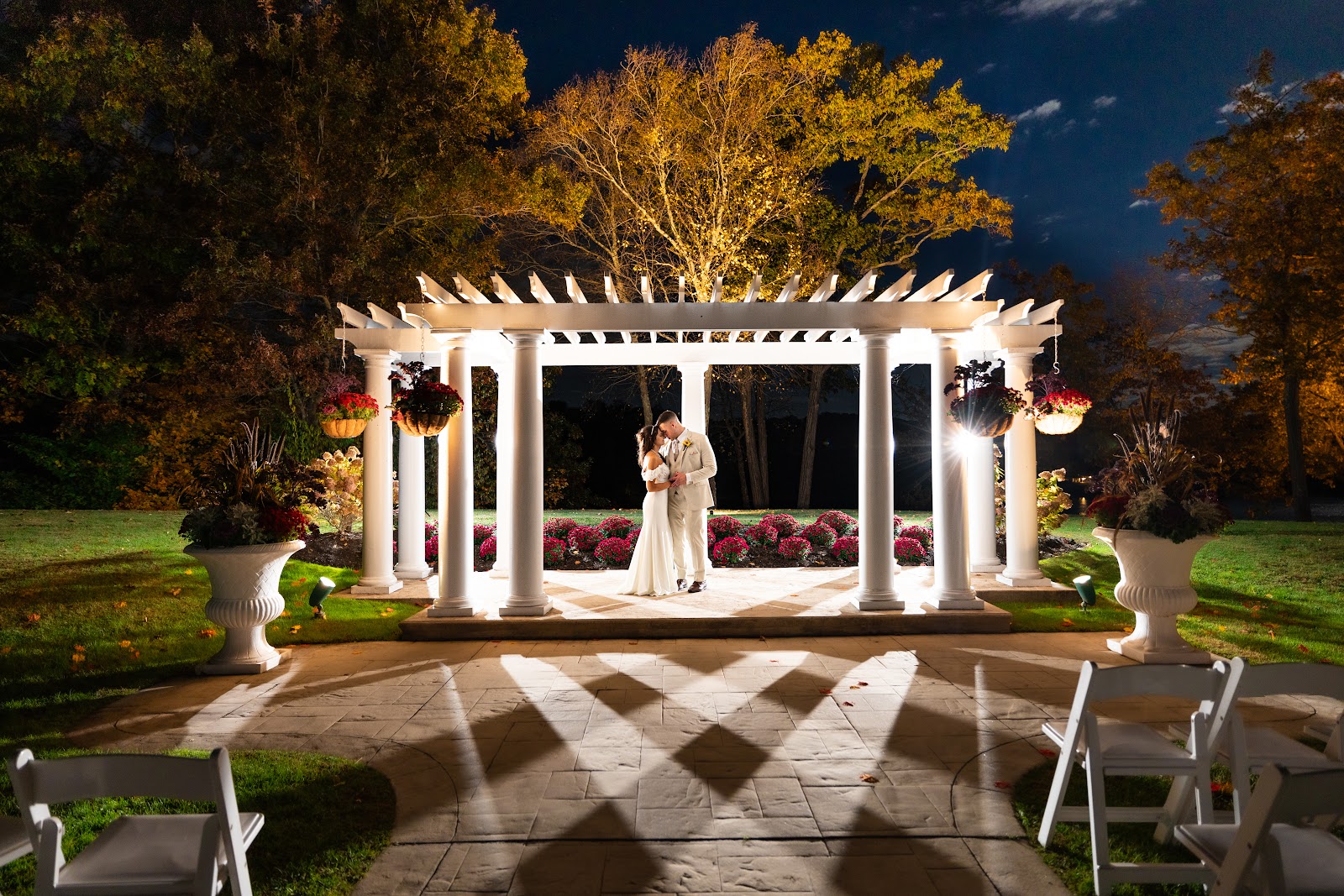
The canopy edge is the single most reliable outdoor position at any venue of this kind: a metre or two inside at the margin of an opening gives soft directional light in front and darkness behind, which is a window in a dark room without the building. It carries the standard trap — a meter looking at the canopy overexposes the face by a couple of stops while bright water or lawn fools it the other way — so manual exposure metered on skin throughout.
The building’s own shaded wall is the other dependable position, and at a functional building it has one advantage: the walls are large and plain, which means a subject against one in even shade has a clean uncluttered background. Plain surfaces demand precision — an approximate composition against a blank wall looks like a mistake — but they are honest and they work at any hour.
The slot is the constraint that shapes all of it and it deserves a plan rather than an improvisation. If the portrait window is a fixed twenty or thirty minutes, then the route matters more than the options: three positions close together, chosen in advance, produces considerably more than six spread across the grounds with walking time between them.
Walking the grounds once before the day and picking those three is the highest-value preparation available at a venue like this, and it takes ten minutes.
The other half of the plan is knowing when the good light falls relative to the slot. If the slot is at five and the best light is at seven, the honest options are to ask for a few minutes later in the evening — most venues will allow a short trip out during the reception, and it is worth asking in advance rather than on the night — or to accept that the portraits will be made in whatever light the slot gives and light them accordingly.
That second option is entirely workable and it is what the added source is for: a close gelled light, at a stop above the ambient, turns flat afternoon shade into directional portrait light in any position on the grounds. It is the difference between being dependent on the schedule and working within it.
Wind on open ground is the practical note: a lightstand is a liability and a held modifier is a sail, so handheld or bracketed is the configuration, and the lee of the building is worth walking to.
- Find out the real timings first — the portrait window is a slot, not an opening
- Windowless preparation rooms: make one good source and reuse it
- Ballroom: a stop under, then one gelled source; bounce off the lower ceiling
- Pick three outdoor positions close together, in advance, and use them
- Ask in advance about stepping out during the reception for better light
The western Connecticut year
Western Connecticut has four genuine seasons with some moderation from the Sound, and because a purpose-built venue is weather-independent, the calendar decides what the outdoor half of the day gives rather than whether the wedding works.
Winter is cold with snow in most years, and for an indoor venue that is close to irrelevant — which is the honest argument for this kind of building on a February date. Guests arrive, everything happens inside, and nothing depends on the sky.
Outdoors, winter is transformative and rarely used. Snow is the best natural fill available, lifting every shadow and throwing light upward into faces, and on open lawn with no canopy that effect is strongest. Snow against dark bare trunks or dark water gives the widest brightness range available — expose for the snow and let the rest go black. It fools a meter by about two stops toward underexposure, so deliberate overexposure relative to the camera is the rule.
The December sun at this latitude reaches only about twenty-six degrees above the horizon, so the whole short day rakes rather than floods — which removes the open-lawn problem entirely and makes the grounds usable from morning to evening. That matters at a venue with a fixed slot, because it means the slot will fall in good light whenever it happens to be.
Winter’s specific advantage for a scheduled venue is exactly that: in December there is no bad hour outdoors, so a five o’clock portrait window is as good as any other. In July it is not.
The costs are a short day, cold hands, batteries draining faster, and a cold camera fogging when brought back into a heated room. Spares in an inside pocket and bodies bagged until they warm.
Early spring is mud season and the weakest outdoor part of the year: bare trees, brown lawn, wet footing and no colour. On an April date the indoor spaces and a well-lit portrait are the honest plan.
Late spring is genuinely good: new foliage transmits light beautifully, lawns green, water margins fill in, and the light is lengthening. Late May is the first reliably strong outdoor month, and the long days mean the good light falls late — which for a fixed slot at five in the afternoon is a real consideration.
Summer is warm and humid — mid-eighties Fahrenheit with high humidity — with afternoon thunderstorms a real feature from June into August. Indoors none of it matters. Outdoors it means an afternoon slot belongs to canopy edges and shaded walls rather than to open ground, and that the best light of the day will be well after the ballroom has opened.
That is the summer version of the venue’s central constraint and the answer is either a negotiated few minutes later in the evening or an added source used properly in the slot that exists.
Autumn is the best season and it is the one where the outdoor trip is most worth arranging. Colour in western Connecticut peaks in the second half of October, and because the species turn at different rates — sugar maple scarlet, red maple crimson, birch and hickory yellow, oak russet — the window runs two or three weeks.
Doubled in still water, that colour is the strongest frame the grounds produce, and for a venue whose interiors are functional it gives the whole set of pictures a place and a season that the building itself does not provide. Autumn also brings the clearest air, the most settled weather, the most comfortable temperatures, and days short enough that the good light falls inside a normal afternoon slot rather than hours after it.
More frames from Waterview
Waterview wedding photography: common questions
What is the logic of a purpose-built venue?
It is designed around a running order: one space per stage, with known transitions. That makes it efficient and it makes the schedule real.
What is the main constraint?
The portrait window is a fixed slot rather than an opportunity, so it may not coincide with the best light. Ask about the actual timings early.
What if the light will be better later?
Ask in advance about stepping out for a few minutes during the reception. Most venues allow it, and it is much easier agreed beforehand.
How should the ballroom be lit?
Expose the ambient about a stop under what faces need, then add one warm-gelled source above skin level. A lower ceiling is a usable bounce surface.
What if the preparation room has no window?
Make one good source through a modifier, placed to one side, with the room’s own light exposed a stop under. It gives window-like light and stays consistent.
When is the site easiest?
December, because a low sun rakes all day — so a five o’clock slot falls in good light. In July the best light is hours after the slot.
More Connecticut venue guides
We are writing a photographer’s guide to every venue we would happily shoot in Connecticut. Here are three more, plus the full index:
- Westbrook Inn, Westbrook: One Frame, and How It Is Made
- Whaler’s Inn, Mystic: The Light Through the Day
- Whitney Center, Hamden: The Problem, and Four Ways Out
Planning a wedding at Waterview?
A venue with a clock. Tell us your date and the timings and we will work inside them.