 Woodwinds, Branford: The Problem, and Four Ways Out
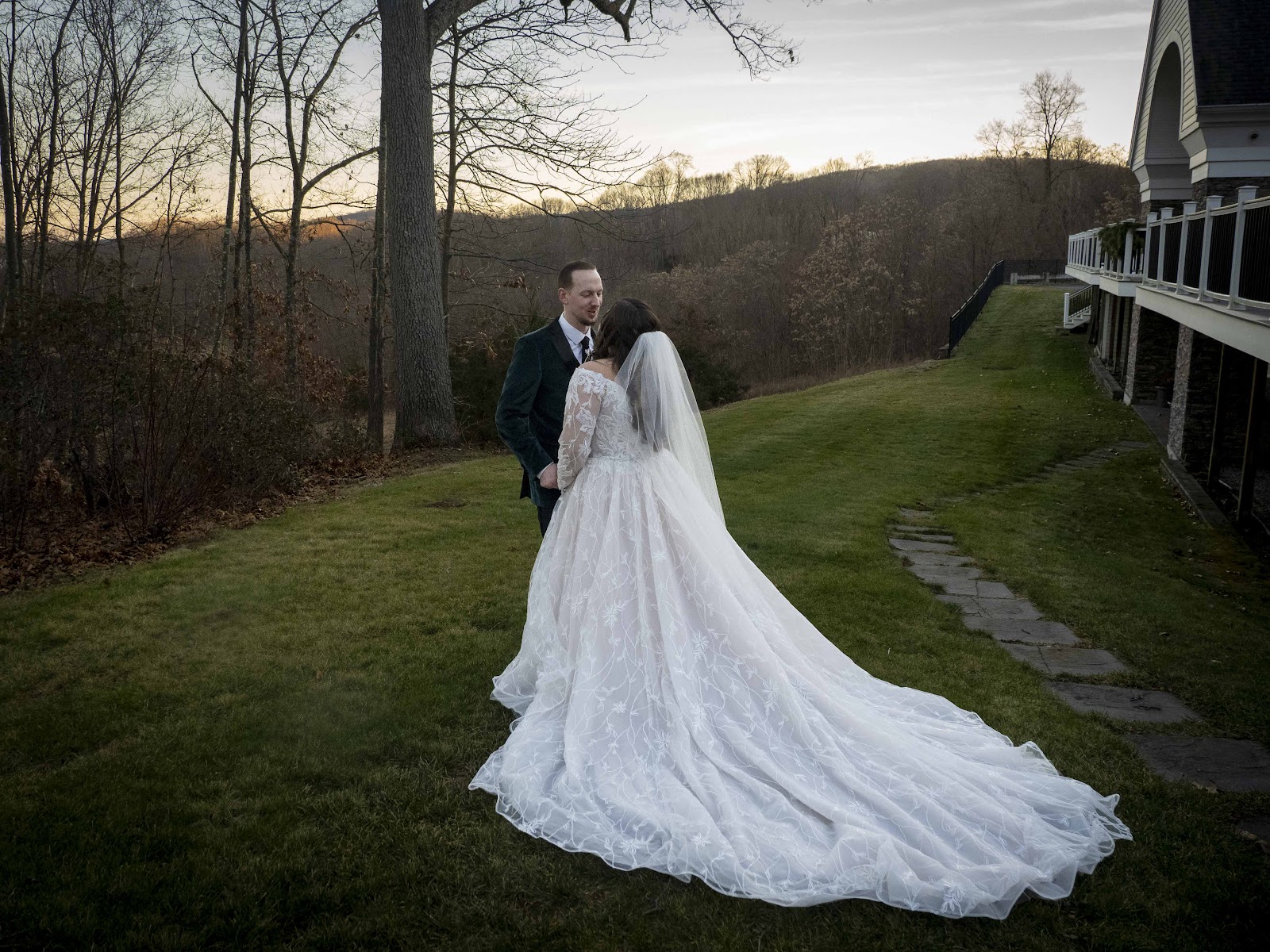
Riverhouse at Goodspeed Station, Haddam: A Walk Through the Site
A river with banks on both sides is a corridor. The light comes down it, not across it.
This is a walk through the site in the order a wedding day tends to use it, and the organising fact is that a river is a corridor rather than an expanse.
That distinction matters more than it sounds. A lake or a coast gives an open horizon, which means the light comes from wherever the sun is and the background is sky. A river with wooded banks on both sides is enclosed: the light arrives along the channel rather than across it, the banks block the sun at both ends of the day, and the background is trees rather than air.
The consequence is that the usable light here runs on the river’s axis rather than the sun’s. In the morning and the evening, when the sun is low, it comes down the channel and lights the whole length of the water — which is the best condition the site has. In the middle of the day it comes from overhead, the water goes dark, and the banks cast nothing useful.
The second fact is that the lower Connecticut River is tidal. This far from the sea the water still rises and falls a couple of feet on a six-hour cycle, which changes the level, the exposed margins, the height of anything moored, and the direction the current runs. It is knowable in advance and checking it takes a minute.
The third is the landscape: wooded hills on both banks, New England mixed deciduous forest running down to the water, and a working river with boats, a bridge and marine traffic on it. This is a river that is used rather than a scenic one, and that is an asset rather than otherwise.
We have not photographed a wedding at the Riverhouse at Goodspeed Station; riverside venues on this stretch behave consistently. Which rooms and outdoor areas are included, what dock or bank access is available, the covered alternative, whether the function-room lighting can be adjusted, and what the tide does on a given date are questions for their team.
Riverhouse at Goodspeed Station at a glance
| Where | The bank of the lower Connecticut River at Haddam |
| The logic | A corridor: the light comes along the channel, not across it |
| The tide | A couple of feet on a six-hour cycle, this far upriver |
| The banks | Wooded hills on both sides — they block the sun and give the background |
| Ask first | Areas included, bank and dock access, covered alternative, tide on the date |
The water's edge: the corridor, the tide, and the bridge
Start at the water, because the whole site is arranged around it and because the conditions there change fastest.
The corridor effect is the first thing to work with. Standing on the bank and looking along the river rather than across it gives the frame the site is built for: water receding into distance, wooded banks converging on both sides, and — at the ends of the day — low sun coming straight down the channel toward the camera.
That along-the-river frame is strong for a reason a cross-river frame is not: it has convergence and depth in it. Looking across a river gives three bands — near bank, water, far bank — which is a flat composition. Looking along it gives perspective.
A longer lens is the right instrument for it. Compression stacks the receding banks into layers of decreasing contrast, which is how an enclosed river reads best, and it keeps any bridge or boat in the distance large enough to matter. A wide lens along a river gives a great deal of empty water in the foreground.
The tide is the second thing and it changes what is there to photograph. At high water the river is full, the margins are covered, the surface comes close to the bank and anything moored sits high — the clean version. At low water the level drops, mud and marsh grass margins are exposed, rocks appear and boats sit low, which is honest and messier.
Neither is wrong and it is knowable in advance, which makes it a planning matter. If the portraits can move an hour or two, moving them toward high water is usually the right call; if they cannot, knowing the margins will be exposed means composing to exclude them rather than finding them in the viewfinder.
The water’s colour needs a note because it catches people used to coastal venues. A tidal river carries sediment, so it is brown or olive rather than blue — it does not go the colour of the sky the way open water does, and it fills faces near the bank with a muddy-coloured light. A custom white balance set on a face at the water’s edge fixes that in thirty seconds, and it needs resetting when the subject moves away.
What the brown water gives in return is that it is dark, which makes it an excellent surface for holding a warm reflection without competing with it. Blue water fights autumn colour; brown water holds it.
The bridge is the site’s distinctive structure and it is worth using deliberately. A working bridge is a strong horizontal with a repeating structural rhythm, which gives a frame something to sit against — and it also gives scale, because everyone knows roughly how big a bridge is.
Two ways to use it. From below or beside, a bridge is a graphic element: girders, verticals, shadow patterns. From a distance along the channel, on a longer lens, it closes the far end of the corridor and gives the frame an edge. The second is usually the stronger picture and it depends entirely on where the couple stands relative to the camera and the bridge.
Boats and marine traffic are the last element of the water’s edge and they are a matter of timing rather than control. A working river has vessels moving through, which changes a background composed carefully and removes a reflection with a wake for several minutes. That argues for making a frame several times rather than once.
Wind follows the channel, which means it is funnelled rather than open — frequently calmer than a lake or coast, and occasionally stronger. A lightstand near water is a liability either way, so handheld or bracketed sources are the working configuration.
The banks, the building, and the hour
Moving back from the water, the wooded banks are the site’s shade and its background, and they behave the way New England woodland always does.
The mix here is sugar and red maple, oak, birch and hickory, with hemlock and white pine on the damp lower ground near the river — and the two groups behave in opposite ways. Deciduous canopy filters as much as it blocks, so it dapples: look at the face rather than the ground, and a bright patch on skin means move a metre. Hemlock and pine block properly and give the real full shade.
The edge of the woodland is the most reliable outdoor position on the property. A metre or two inside the canopy at the margin of an opening gives soft directional light from the open side and near-darkness behind, which is three or four stops of free separation and the same physics as a window in a dark room.
That dark background carries the standard exposure trap, and beside a river it is pronounced: a meter looking at the canopy overexposes the face by a couple of stops, while the bright water five paces away fools the same meter hard the other way. Manual exposure, metered on skin, reset at every transition, is the discipline of a riverside site.
Transmitted light under maple is the best condition the banks give: broad thin leaves pass light through, so the light beneath is soft, even and coloured by the leaves. In summer that is a green cast needing a custom white balance; in October it is something a great deal better.
The banks also decide the timing, and this is the fact worth planning around. Wooded hills on the western side take the sun well before a sunset table says, which means the river goes into shade early — and it produces the interval frame: the water and near bank in even soft light while the far bank and the treetops above are still lit, for twenty or thirty minutes.
That frame is made by lifting the faces with a close warm-gelled source rather than by underexposing the lit bank to match them. Close matters because nothing over water bounces enough to lift a face: a source at two metres needs roughly a quarter of the output it needs at four.
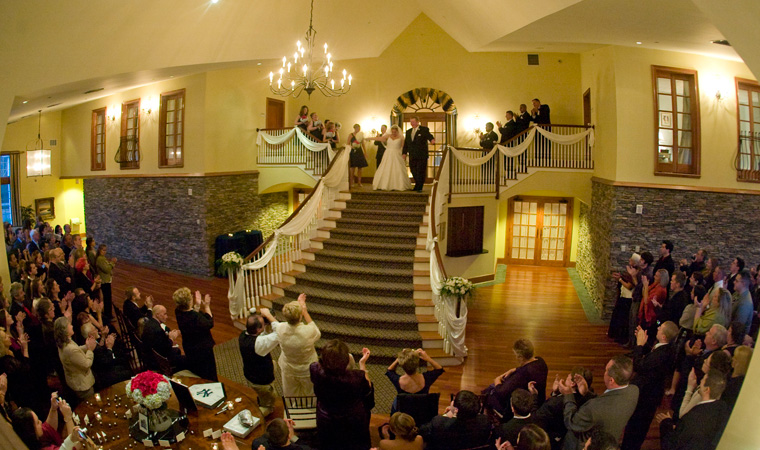
The building is the last part of the walk and it gives the weather-independent positions. Rooms facing the river get light off the water, which is bright, cool and slightly mobile because the surface’s brightness changes — so metering rather than assuming is the habit, and a custom white balance set on a face is the fix for the colour.
A subject a metre from a river-facing window, turned about forty-five degrees to it, gets horizontal light at head height with steep fall-off behind. Room lights off, because warm bulbs against cool water light are about as far apart as two sources get and no white balance reconciles them.
In a pale room the problem is separation rather than light, because the bounce fills every shadow and does not fall off. The fixes are to find something dark and put it behind the subject, to use the window as a directional source at forty-five degrees, or to add a source at a stop above the ambient specifically to restore the shadow side.
Any covered terrace or deck over the water is the best of both: a solid roof restricts the light to a horizontal band that models a face properly, the water bounces light up into it from below, and it cannot dapple. Two or three metres in from the open edge is the working position, at any hour in any weather.
For the evening, expose the ambient about a stop under what faces need so the room keeps its character, then add one warm-gelled source just above skin level with the white balance set to the gel. A lower ceiling is a usable bounce surface, which is a genuine advantage over a tall ballroom.
And the night frame is worth planning for, because a river does something after dark that a lake does not: current keeps the surface moving slightly, which turns point lights on the far bank and the bridge into long soft vertical streaks rather than hard reflections. A tripod, a few seconds and a close gelled source on the faces is the whole recipe.
- Look along the river, not across it — that is where the depth is
- Check the tide; it decides the level, the margins and the moorings
- Custom white balance at the water’s edge: sediment light renders skin muddy
- Woodland edge is the shade; conifer is the real shade; manual throughout
- Western banks bring the evening forward — plan the interval frame early
The Connecticut River valley year
The lower Connecticut River valley has four genuine seasons with slight moderation from the tidal water, and a river responds to each of them visibly.
Winter is cold with snow in most years, and the river in winter is a different subject: boats hauled out, empty moorings, bare banks, ice at the margins in cold spells, and the whole structure of the landscape visible. That is spare and graphic rather than absent.
Snow is the best natural fill available outdoors and against dark brown water it gives the widest brightness range on the property — expose for the snow and let the river go black. Snow fools a meter by about two stops toward underexposure, so deliberate overexposure relative to the camera is the rule.
The December sun at this latitude reaches only about twenty-five degrees above the horizon, which in a river corridor is decisive: low sun comes straight down the channel rather than over it, so the along-the-river frame is lit all through the short day rather than for an hour at each end. On the light alone, winter is the best season at a river venue.
In leafless woodland the same low sun comes horizontally through the trunks on the banks, which is the best light a New England wood receives — and the banks’ structure is visible in a way it is not in July.
Winter is also the clearest air of the year, which matters for a frame built on compressed distance. The honest caveat is that the boats are mostly out of the water between roughly November and April, which removes one element of the river frame — a question for the marina rather than a guess.
Early spring is mud season and the weakest part of the year: bare banks, brown ground, soft footing and high water from snow melt. Late April into May is when it turns, and the river is at its highest and fastest then.
Late spring is genuinely good: new foliage transmits light beautifully, the banks green up, and the light is lengthening. It is also when river mist is most frequent in the mornings, because the water is still cold and the air is warming — and mist in a river corridor is the most atmospheric condition the site produces, separating the receding banks into tonal layers.
Summer is warm and humid — mid to upper eighties Fahrenheit with high humidity — with afternoon thunderstorms a real feature from June into August, which for a site whose best positions are outdoors makes a named covered alternative a requirement. The middle of the day belongs to the covered terrace and the conifer shade rather than to the bank.
Humidity in a river valley is higher than in the surrounding country, which softens contrast and reduces clarity at distance — and warms and diffuses the light at the ends of the day, which flatters skin.
Autumn is the best season and at a river it is exceptional. Foliage in this valley peaks in the second half of October in most years, with sugar maple scarlet, red maple crimson, birch and hickory yellow and oak russet — and wooded banks on both sides of a channel means the colour surrounds the frame rather than sitting behind it.
Reflected in dark brown water, that colour is doubled and it holds, which is the specific advantage of a sediment-carrying river over a blue one. And autumn mornings are when the mist is heaviest, because the water is still warm from summer and the air has turned cold — so an October morning can give mist, a flat surface and full colour in one frame, which is the single best thing this property produces.
Autumn also brings the clearest air, the calmest water and the most settled weather of the year, which makes October the most reliable month as well as the most beautiful.
More frames from Riverhouse at Goodspeed Station
Riverhouse at Goodspeed Station wedding photography: common questions
Why does a river behave differently from a lake?
It is a corridor. The light comes along the channel rather than across it, the banks block the sun at both ends of the day, and the background is trees rather than sky.
What is the strongest frame?
Looking along the river rather than across it, on a longer lens — the receding banks give convergence and depth that a cross-river view cannot.
Does the tide matter this far upriver?
Yes. A couple of feet on a six-hour cycle changes the level, the exposed margins and the height of anything moored.
Why is the water brown?
It carries sediment. That means it does not brighten a frame the way an ocean does — but it is dark enough to hold a warm reflection without competing with it.
Where is the shade?
The woodland edge on the banks, and hemlock or pine where it occurs. Deciduous canopy filters and dapples.
When is the site at its best?
An October morning: mist over warm water in cold air, a flat surface, and foliage on both banks doubled in dark water. Winter has the best light of the year.
More Connecticut venue guides
We are writing a photographer’s guide to every venue we would happily shoot in Connecticut. Here are three more, plus the full index:
- Saybrook Point Inn, Old Saybrook: The One Decision That Governs Everything
- Simsbury Inn, Simsbury: Field Notes
- Spa at Norwich Inn, Norwich: What It Suits and What It Does Not
Planning a wedding at Riverhouse at Goodspeed Station?
A river that runs on its own clock. Tell us your date and we will walk the bank.