 The Audubon Aquarium: Field Notes on Photographing Through Glass
The Ritz-Carlton New Orleans: How the Light Moves
A grand hotel’s light does not change from morning to midnight. Everything that changes is outside it.
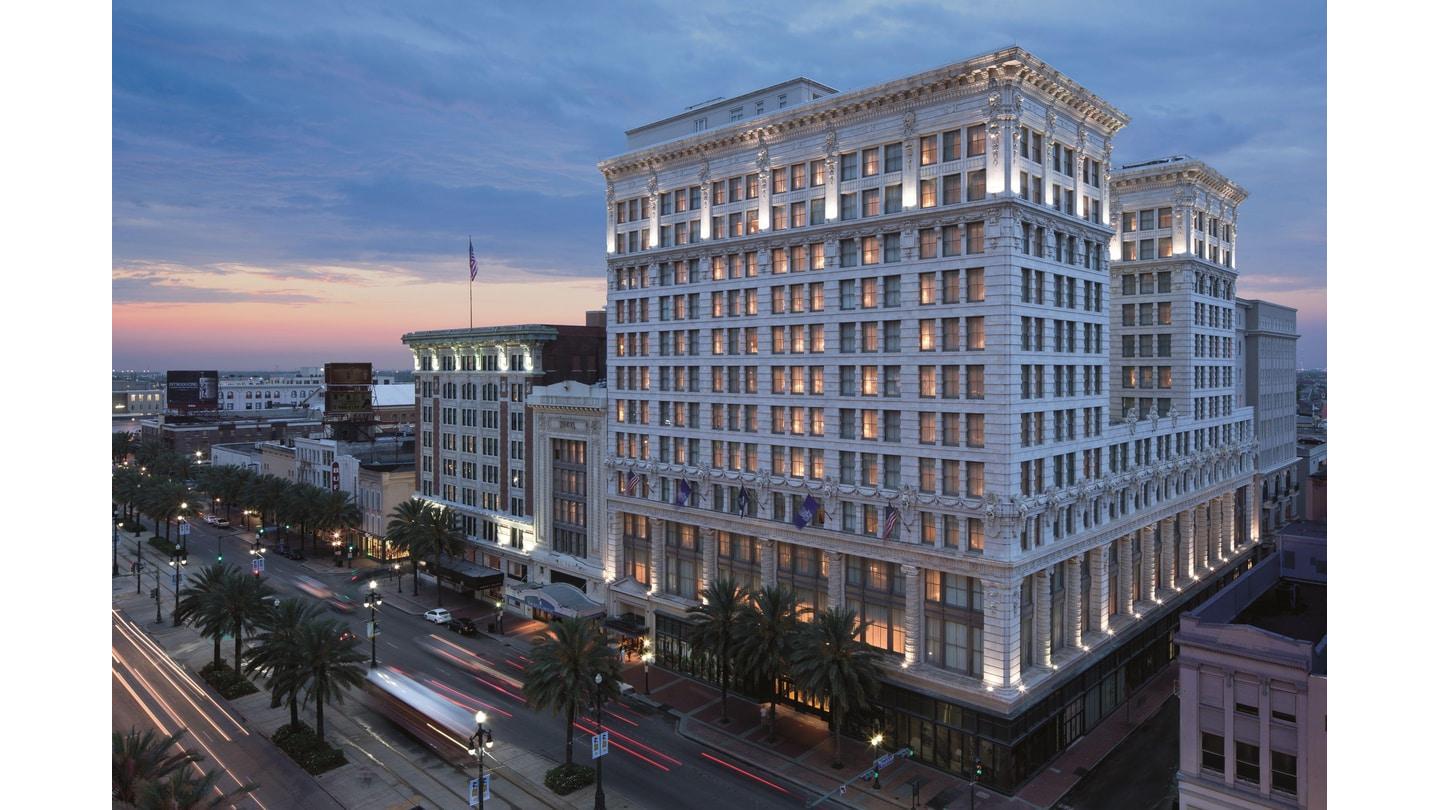
The Ritz-Carlton New Orleans occupies a converted early-twentieth-century building on Canal Street, and the level of service it provides is the thing its own description emphasises — which for a photographer translates into something practical: a day that runs on time.
Photographically, a large luxury hotel is best understood as a constant. From mid-morning to midnight the interior light is the same: controlled, warm, even, and unaffected by the sky. Nothing in a ballroom or a corridor is better at six than at two. That means all the variation in the day is outside, and the running order is the single most useful instrument available — put the outdoor block where the light is, and put the indoor coverage wherever it fits around it.
So this is written as a day, moving between a constant interior and a changing city. We have not photographed a wedding at the Ritz-Carlton; luxury hotels in converted early-century buildings behave consistently. Which rooms are included, whether the ballroom lighting is adjustable and what courtyard or balcony access exists are the questions for their team.
The Ritz-Carlton New Orleans at a glance
| Where | Canal Street, New Orleans, Louisiana |
| Character | A luxury hotel in a converted early-twentieth-century building |
| The constant | Interior light, from mid-morning to midnight |
| The variable | The French Quarter, a short walk away |
| Ask first | Rooms included, ballroom lighting control, courtyard or balcony access |
Morning and midday: guest rooms and public floors
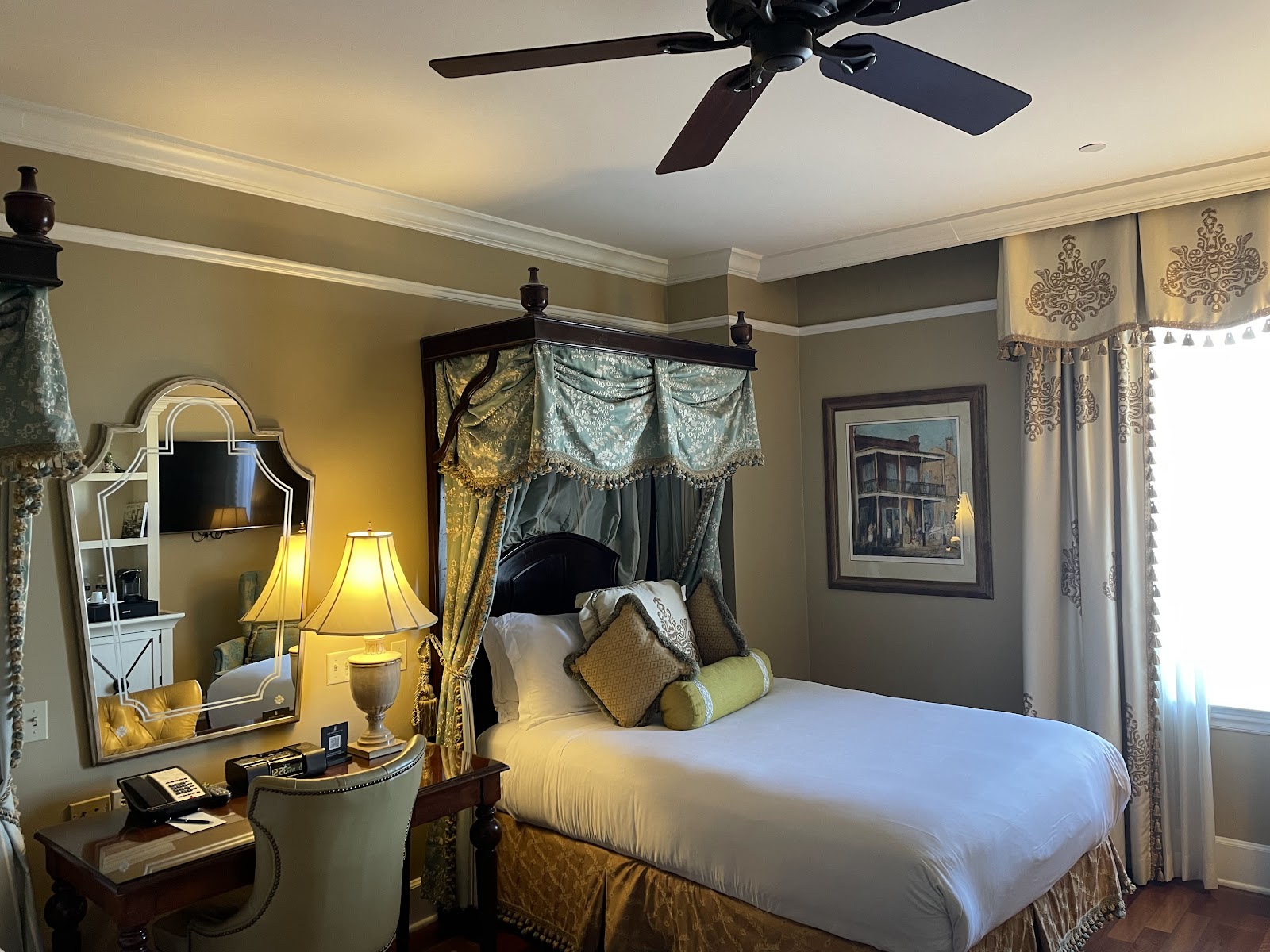
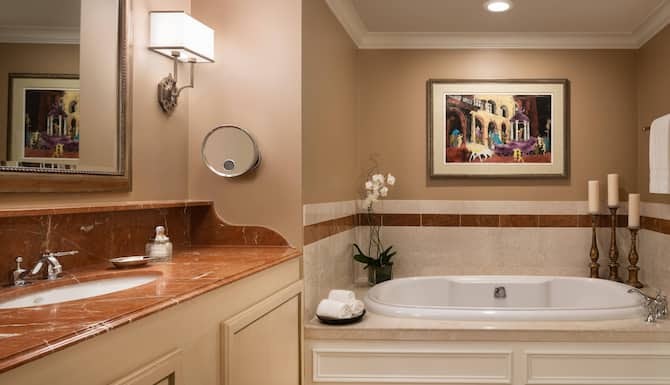
Morning belongs to the guest rooms, because in any hotel they are the best portrait light in the building. Windows are domestic in scale but generous relative to the floor area, the walls are close enough to bounce, and the ceilings are low enough that a flash aimed upward actually returns something usable — a combination that the ballroom and the lobby do not offer.
It is worth setting up rather than documenting as found, and the moves never change. Ask for the largest window on the shaded side of the building. Switch off every overhead fitting so the room has one colour of light instead of three, since mixed sources are the commonest reason preparation coverage looks worse than the room did. And move the lamps out of frame rather than composing around them.
In a converted early-century building the windows are frequently taller than in a modern hotel, which helps: a tall window sends light further into a room and higher up a standing figure, so a subject can stand further back and still be lit properly. Find the tallest window on the shaded elevation and work from there.
Public floors in a hotel of this class are luxurious and low-contrast, which is a problem disguised as a quality. Light is deliberately even, surfaces are pale and uncluttered, and both of those erase the things a photograph needs — the gradient across a face that reads as shape, and the tonal difference between a subject and a background.
The fixes are cheap and they stack. One directional source, off the camera axis at face height, set close to the ambient level rather than above it, restores a shadow side without making the frame look lit. Depth and a wide aperture separate a subject from a pale background. Placement against the darkest element in the room does the rest. And negative fill — something dark on the shadow side of a face — subtracts bounced light and deepens the gradient, which in a pale marble lobby can be the difference between a flat frame and a modelled one.
High ceilings in the grand public rooms remove bounce, so test it with one frame on arrival. Where it fails, a pale wall at a sensible distance is the better surface, and direct modified light better than either.
Late afternoon into dusk: the Quarter, and one timed frame
From about two hours before sunset the outside becomes the reason to leave the building, and in New Orleans the outside is unusually good. The French Quarter is a short walk from Canal Street and it offers material that no hotel interior can match.
The defining photographic feature of the Quarter is the cast-iron galleries and balconies overhanging the pavements. They create continuous covered shade along entire streets, which in this climate functions as an architectural softbox at street scale: a roof blocking the sky and an open side giving horizontal directional light. That light is available all day, it is soft, it is directional, and it works in rain — which in New Orleans is not a minor advantage.
Pastel stucco is the Quarter’s other specific condition and it needs deciding about. Walls painted pink, yellow, green or ochre bounce their own colour strongly onto anyone standing near them, and because the cast is localised rather than global, white balance cannot correct it. Either use it deliberately — a warm wall as the reason for warm light on a face — or step two metres away, and set white balance on a face in the position actually being used.
Quarter streets are narrow and buildings are two or three storeys, which means direct low sun reaches street level only when a street runs the right way. The streets that do run towards the setting sun give ninety minutes of raking light down a whole block; the ones that do not stay in shade, which is not a loss because gallery shade is good light anyway.
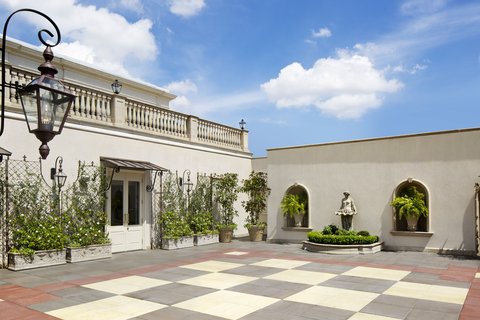
The one timed frame in a hotel of this kind is the dusk crossing, and it happens at a window or a balcony. For roughly twenty minutes after sunset the street outside falls to about the brightness of the interior lighting, and one exposure holds the lit room, the couple and the city beyond. Take the sunset time, add fifteen minutes, and be in position with the couple already there — after that the glass becomes a mirror and the frame is gone.
Canal Street itself is a wide thoroughfare rather than a Quarter street, which makes it the one nearby place where a genuinely wide view and a long sight line are available. Worth one frame for scale.
- Guest room: tallest shaded window, overheads off, lamps out of frame
- In pale public rooms, subtract light with negative fill rather than adding more
- Work under the cast-iron galleries — covered shade is the best street light here
- Decide about pastel stucco: use the colour, or move two metres
- Sunset plus fifteen at a window, then the glass turns to mirror
Evening indoors, and New Orleans weather
The ballroom is the evening and it is a known quantity in a hotel of this class: a large volume, a high ceiling with no usable bounce, warm decorative fittings, overhead sources, and a house scheme dimmed low for a reception. That gives low ambient, warm colour, steep fall-off — and the fall-off is the free separation the daytime interiors refuse to provide.
The handling is a few decisions rather than a lot of equipment. Expose for the room so it still reads as the warm dim ballroom it is; add one warm-gelled source at face height, off the camera axis, for anything that must be legible; set white balance to the gel and hold it for the whole block. Decorative fittings at a wide aperture become warm points behind a subject, which is the one thing a grand ballroom does beautifully — as long as a bright fitting is not sitting immediately beside a head.
Ask whether the ballroom lighting can be dimmed to pools rather than set evenly. It usually can be, and the difference is larger than any equipment choice: a room with a few areas lit and the rest falling away is dramatically better than a room lit uniformly.
New Orleans weather sets the limits on the outdoor half of the day and it is the most demanding climate in this series. Heat and humidity make long blocks genuinely difficult in formal clothes, so trips should be short and purposeful; afternoon thunderstorms are close to a daily feature of a Gulf Coast summer rather than an occasional event.
For a hotel wedding that is mostly an advantage: the day continues indoors without a decision being needed, which is exactly why a large hotel is a sensible choice in this city. The only casualty is the outdoor block, and the galleries answer that too, because a covered pavement is shelter and good light at the same time.
Humidity produces the region’s equipment problem in its most severe form. A camera and lens chilled by a strongly air-conditioned hotel interior fogs comprehensively and immediately on reaching the outside air, and in New Orleans it can take a long time to clear — long enough to lose an arrival or a first look. The handling is to let the kit warm towards outside temperature twenty or thirty minutes before it is needed, and to accept that repeatedly carrying equipment in and out will cost frames. Planning one outdoor excursion rather than three is the practical answer.
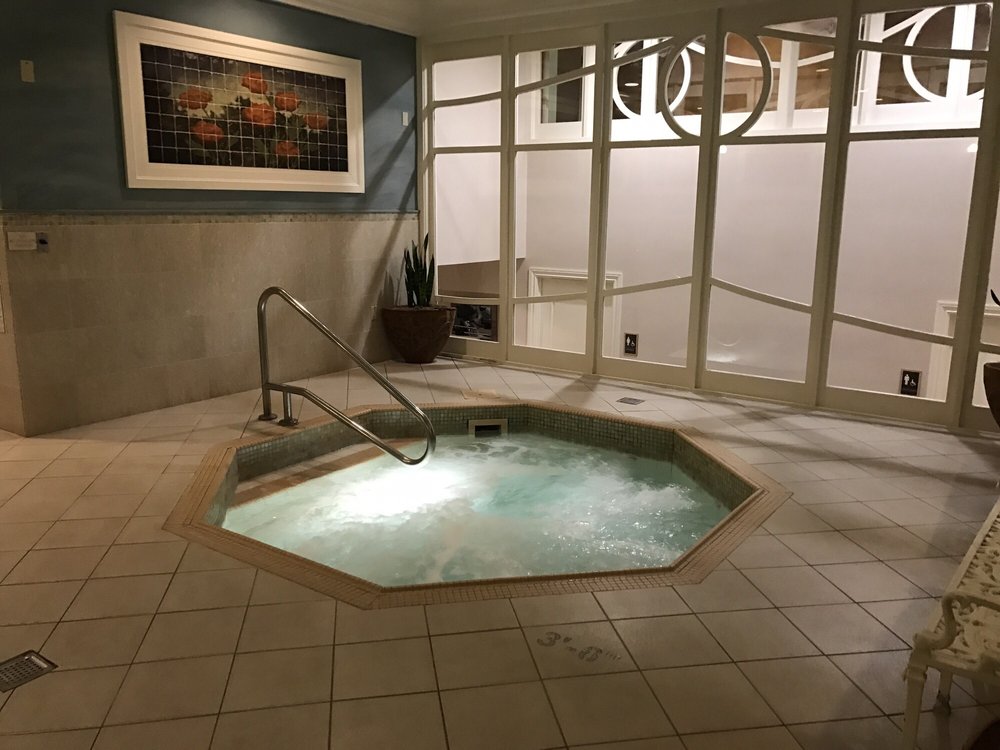
More frames from The Ritz-Carlton New Orleans
The Ritz-Carlton New Orleans wedding photography: common questions
Why is the running order the main tool?
Because the interior light is constant from mid-morning to midnight while everything outside changes. Put the outdoor block where the light is and fit the indoor coverage around it.
Where is the best portrait light in the hotel?
A guest room, and in a converted early-century building look for the tallest window on the shaded elevation — a tall window sends light further into the room and higher up a standing figure.
How do you handle pale, evenly lit public rooms?
Subtract rather than add. Negative fill on the shadow side of a face deepens the gradient, and depth plus a wide aperture separates the subject. One directional source at close to ambient level does the rest.
What is the best street light in the French Quarter?
Under the cast-iron galleries. They give continuous covered shade along whole streets — soft, directional, available all day, and working in rain.
What is the problem with pastel stucco?
It bounces its own colour onto nearby skin, and the cast is localised so white balance cannot fix it. Use it deliberately or step two metres away, and set white balance on a face in position.
Why plan one outdoor excursion rather than three?
Because in this humidity a camera chilled indoors fogs comprehensively every time it goes out and takes a long time to clear. Each in-and-out cycle costs frames.
More Louisiana venue guides
We are writing a photographer’s guide to every venue we would happily shoot in Louisiana. Here are three more, plus the full index:
- The Roosevelt New Orleans: The One Decision That Governs Everything
- St. Louis Cathedral, New Orleans: Photographing a Working Cathedral
- The Destrehan Plantation, Destrehan: The Light Through the Day
Planning a wedding at The Ritz-Carlton New Orleans?
One outdoor excursion, timed properly, does more than three. Tell us your date.