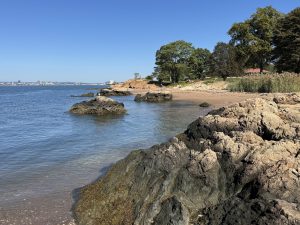
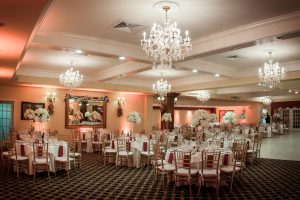
 Woodwinds, Branford: The Problem, and Four Ways Out
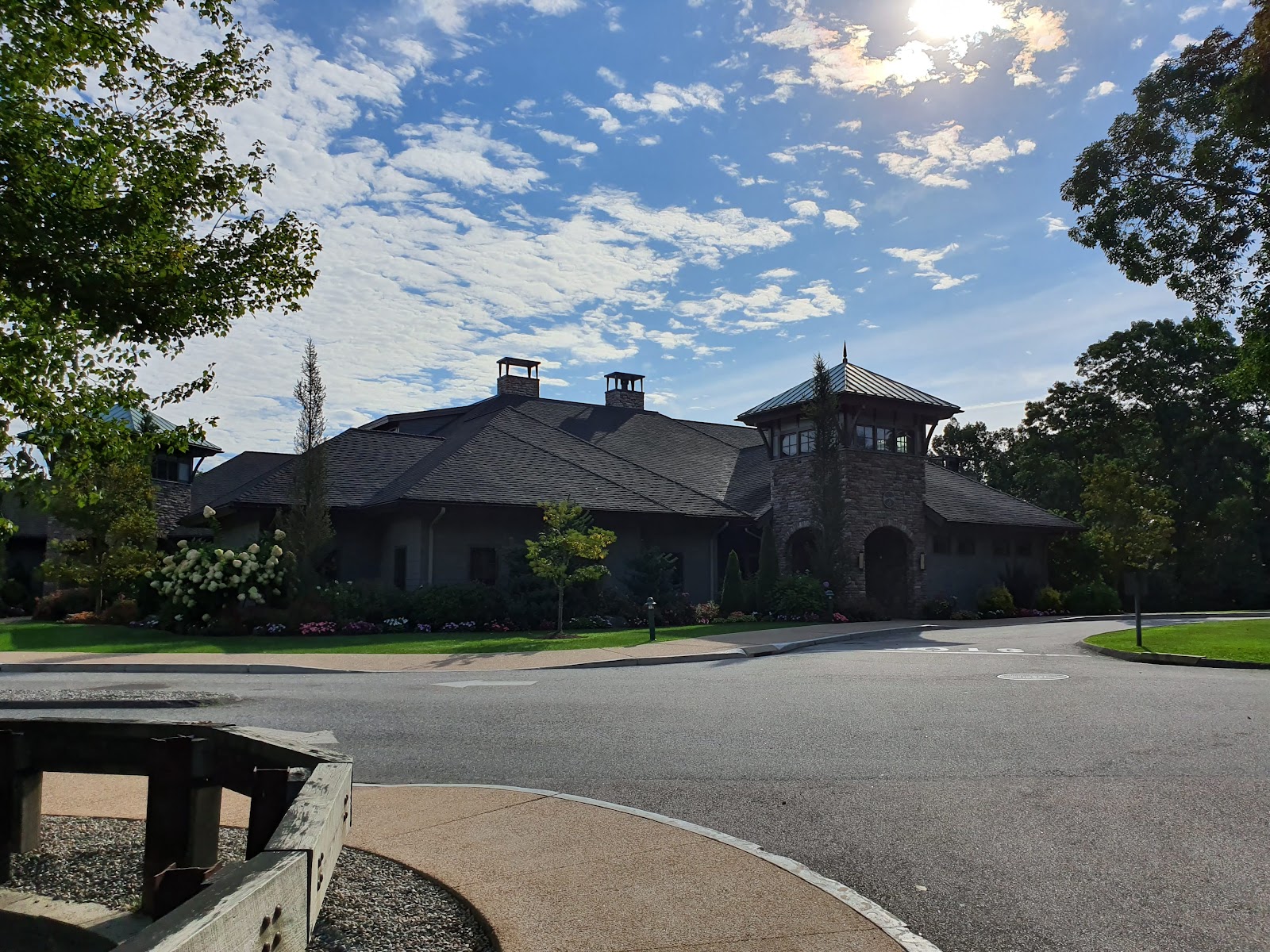
Lake of Isles, North Stonington: The Light Through the Day
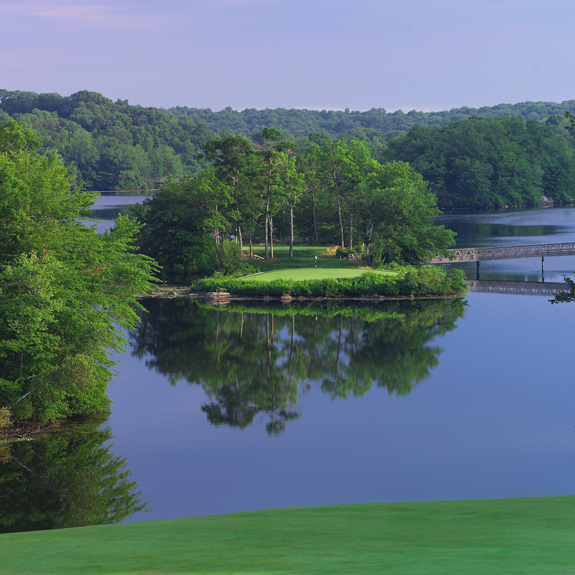
A lake is a mirror at seven, a glare at one, and a sheet of colour at seven again.
A freshwater lake surrounded by woodland has a day that changes more completely than almost any other kind of site, and the reason is that water behaves differently at every sun angle.
At a low angle it reflects almost everything that falls on it, which makes it a mirror. At a high angle it reflects very little and absorbs the rest, which makes it a dark surface with specular glare on the surface ripples. And in between it does both, unevenly, depending on where the camera stands relative to the sun.
So the same view across a lake is a luminous mirror at seven in the morning, a hard dark glare at one in the afternoon, and a sheet of reflected colour at seven in the evening. Nothing about the position changes; the water does.
The second governing fact is that a lake in inland woodland is sheltered rather than exposed, which means it goes genuinely flat far more often than coastal water — and flat fresh water is the best mirror available anywhere, because it has no swell in it at all.
The third is the woodland. This is eastern Connecticut mixed deciduous forest — sugar and red maple, oak, birch, hickory, with hemlock and white pine in the damp ground near the water — which means the shade, the colour and the reflection all change completely between May and November.
We have not photographed a wedding at Lake of Isles; lake and woodland sites in this region behave consistently. Which areas are included, what access there is to the water’s edge, the covered alternative and its capacity, whether the function-room lighting can be adjusted, and what the course access arrangements are on a given date are questions for their team.
Lake of Isles at a glance
| Where | A lake surrounded by woodland at North Stonington, eastern Connecticut |
| Morning | Mist on the water and the best mirror of the day |
| Midday | Water goes dark and glares; the woodland edge is the answer |
| Evening | Low sun across the lake, and a long sheet of reflected colour |
| Ask first | Areas included, water’s edge access, covered alternative, lighting control |
Morning: mist, and the mirror
The morning is the best light of the day at a lake and it is the one almost nobody uses, which is worth saying to a couple with a flexible schedule.
Two things happen early. The water is at its calmest, because wind builds through the day rather than overnight — and flat fresh water with no swell is a perfect mirror, which doubles the trees, the sky and anything standing at the margin. A reflection runs about a stop darker than what it reflects, which is the one technical thing to know when metering a frame that contains both.
And mist forms. On a lake in this region, cool air over water that is still warm from the previous day produces mist on the surface through much of the year — heaviest in autumn, when the water is warm and the mornings are cold, and frequent in spring and summer too. It burns off within an hour or two of sunrise.
Mist on water is the single most atmospheric condition this kind of site produces. It separates the far shore from the near, which gives depth that a clear morning does not; it makes shafts of low sun visible in the air, because the droplets scatter the light; and it renders the whole scene in tonal layers rather than in detail.
Handling it is straightforward. Expose for the mist rather than the shadows, which means the frame will be bright and low in contrast and that is correct. Set a custom white balance on a face rather than a daylight preset, because mist light is cool. And use a longer lens, because mist rewards compression — layers of receding tone read as layers only when the distances are stacked, and a wide lens spreads them into a flat pale expanse.
The low morning sun is the other resource and on a lake it does something specific: it comes in almost horizontally, which means it rakes across the water surface and lights the underside of everything on the far shore. Trees at the margin are lit from beneath as well as above, which is the reverse of normal and it looks it.
Indoors in the morning, the light from windows facing the water is soft and slightly cool, because it has bounced off a surface that is reflecting the sky. A subject a metre from that glass, turned about forty-five degrees to it, gets real modelling with steep fall-off behind — and the two free rules apply: turn the room lights off, and set the white balance on a face in position.
The scheduling argument follows from all of this. A first look, a couple’s portrait session or a small ceremony placed in the first two hours of the day gets the mist, the mirror and the raking light — all three of which are gone by nine. It is the highest-value hour on the property and it costs nothing but getting up.
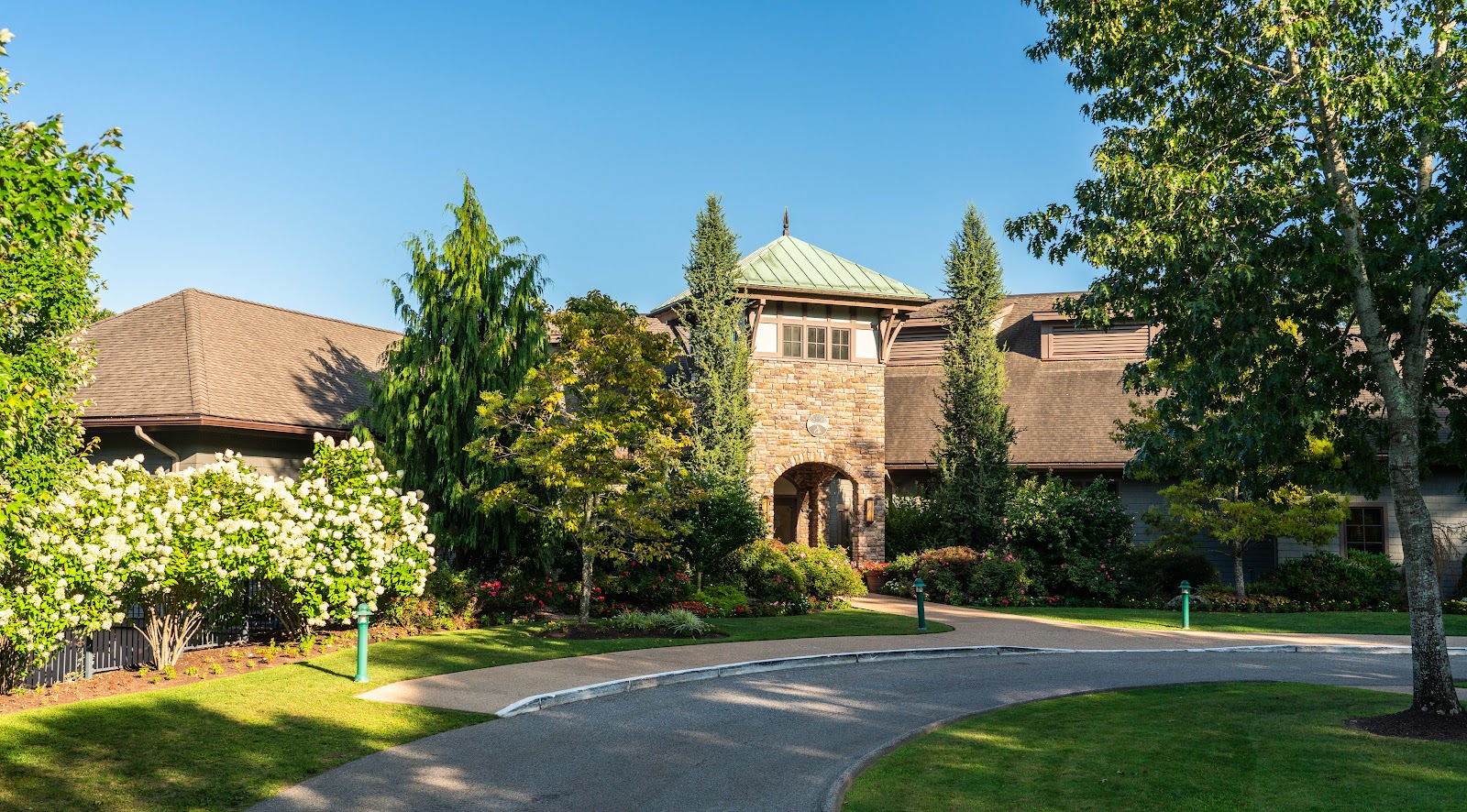
Midday to evening: glare, the woodland edge, and the colour
By the middle of the day the lake has stopped being a mirror and started being a problem.
High sun means the water reflects very little and absorbs most of what falls on it, so the surface goes dark — and the small ripples that are always there reflect the sun as thousands of specular points, which is glare. A frame across a lake at one in the afternoon therefore contains a dark surface with bright pinpoints in it, which clips easily and holds no colour.
It also means the open ground around a lake is at its worst. A shoreline, lawn or fairway has nothing overhead, and summer sun in inland Connecticut is high and humid: vertical shadows under the brows, a hard line under every chin, and squinting from anyone facing it. There is no technique that fixes a face in that light.
The woodland edge is the answer and it is the most reliable position on the property at any hour. Standing a metre or two inside the canopy at the margin of an opening gives soft directional light from the open side and near-darkness behind — the same physics as a window in a dark room, and it needs nothing brought.
It carries the standard exposure trap in a pronounced form, because woodland beside water is dark and water is bright. A meter looking at the canopy overexposes the face by a couple of stops; a meter looking at the lake five paces later fools it the other way. Manual exposure, metered on skin, reset at every transition, is the discipline of a lake site.
Within the woodland the species matter. Maple, oak, birch and hickory filter as much as they block, which means they dapple — the test is to look at the face rather than the ground, and a bright patch on skin means move a metre. Hemlock and white pine, which favour the damp ground near water, are the real full shade and the darkest backgrounds available.
Transmitted light under maple is the best condition in this landscape. Broad thin leaves pass light through, so the light beneath is soft, even and coloured by the leaves — green in summer, which needs a custom white balance set on a face, and something considerably better in October.
The other midday resource is the water as a fill source rather than a background. Even when the surface is dark, it throws some light upward — so a subject standing close to the margin is filled from beneath, which softens the shadows a high sun carves. The cost is uplight under the chin, and something solid on one side corrects it.
The evening is when the lake becomes the reason for the venue. As the sun drops, the water begins reflecting again, and because a sheltered lake goes flat it reflects broadly rather than in a narrow path — which means the whole surface takes the colour of the sky rather than just a strip of it.
That produces the property’s signature frame: a couple at the margin with an entire lake behind them, the same colour as the sky, and trees on the far shore in silhouette. The exposure goes on the water and the sky rather than on skin, with the faces lifted by a close warm-gelled source. Metering on faces gives a white sky and a flat grey lake, which throws the whole thing away.
Close matters because nothing out over water bounces enough to lift a face: a source at two metres needs roughly a quarter of the output of the same source at four. And the gel is what stops the faces reading as pasted in against light that is very warm at that hour.
The window after sunset is longer here than at an exposed site, because a sheltered lake holds its reflection while the wind drops — and it is frequently the calmest and most colourful part of the whole day. It belongs in the running order explicitly.
Wind is the practical variable throughout. It removes the reflection, which is the site’s main asset, and it makes a lightstand a liability and a veil unpredictable — so handheld or bracketed sources are the working configuration, and the calm periods are the morning and the evening rather than the middle of the day.
- The first two hours give mist, a mirror and raking light — all gone by nine
- Longer lens for mist: it rewards compressed layers, not a wide view
- Woodland edge is the midday answer; conifer is the real shade
- Manual, metered on skin, reset between canopy and water every time
- Evening: expose for the lake and sky, lift the faces close and gelled
The eastern Connecticut year
Inland eastern Connecticut has four genuine seasons with only slight maritime moderation, and a lake responds to each of them more visibly than most landscapes do.
Winter is cold with snow in most years, and a lake in winter is a different subject entirely. It freezes in cold spells, which turns a mirror into a flat pale plane — sometimes snow-covered, sometimes wind-scoured and dark — and that is graphic rather than reflective, and genuinely striking. It also means no reflection, which removes the site’s principal asset.
Snow is the best natural fill outdoors and against dark water or dark conifer it gives the widest brightness range on the property: expose for the snow and let the rest go black. Snow fools a meter by about two stops toward underexposure, so deliberate overexposure relative to the camera is the rule.
The December sun at this latitude reaches only about twenty-five degrees above the horizon, which at a lake is decisive: the water reflects at a low angle, so in winter it is reflecting all day rather than only at the ends of it. A cold clear winter afternoon gives the mirror condition for hours instead of twenty minutes, and in leafless woodland the light comes horizontally through the trunks at the same time.
On the light alone, winter is the easiest and arguably the best season at a lake. The costs are ice, a short day, cold hands, batteries draining faster, and a cold camera fogging when carried into a heated room.
Early spring is mud season and the weakest part of the year: bare trees, brown ground, wet footing, and a lake margin that is frequently soft. Late April into May is when it turns.
Late spring is undervalued and it is when the mist is at its most frequent in the mornings, because the water is still cold and the air is warming. New foliage transmits light beautifully and the woods are at their most luminous.
Summer is warm and humid — mid to upper eighties Fahrenheit with high humidity — and it is the lake’s worst season photographically for the reasons above: high sun, dark water, glare, and open ground with no cover. Afternoon thunderstorms are a real feature from June into August, which makes a named covered alternative a requirement rather than a courtesy.
What summer gives is the compensating one: haze and humidity warm and diffuse the light at the ends of the day, and a long evening means the good hour is genuinely late. A July wedding here should be weighted toward the evening rather than the afternoon.
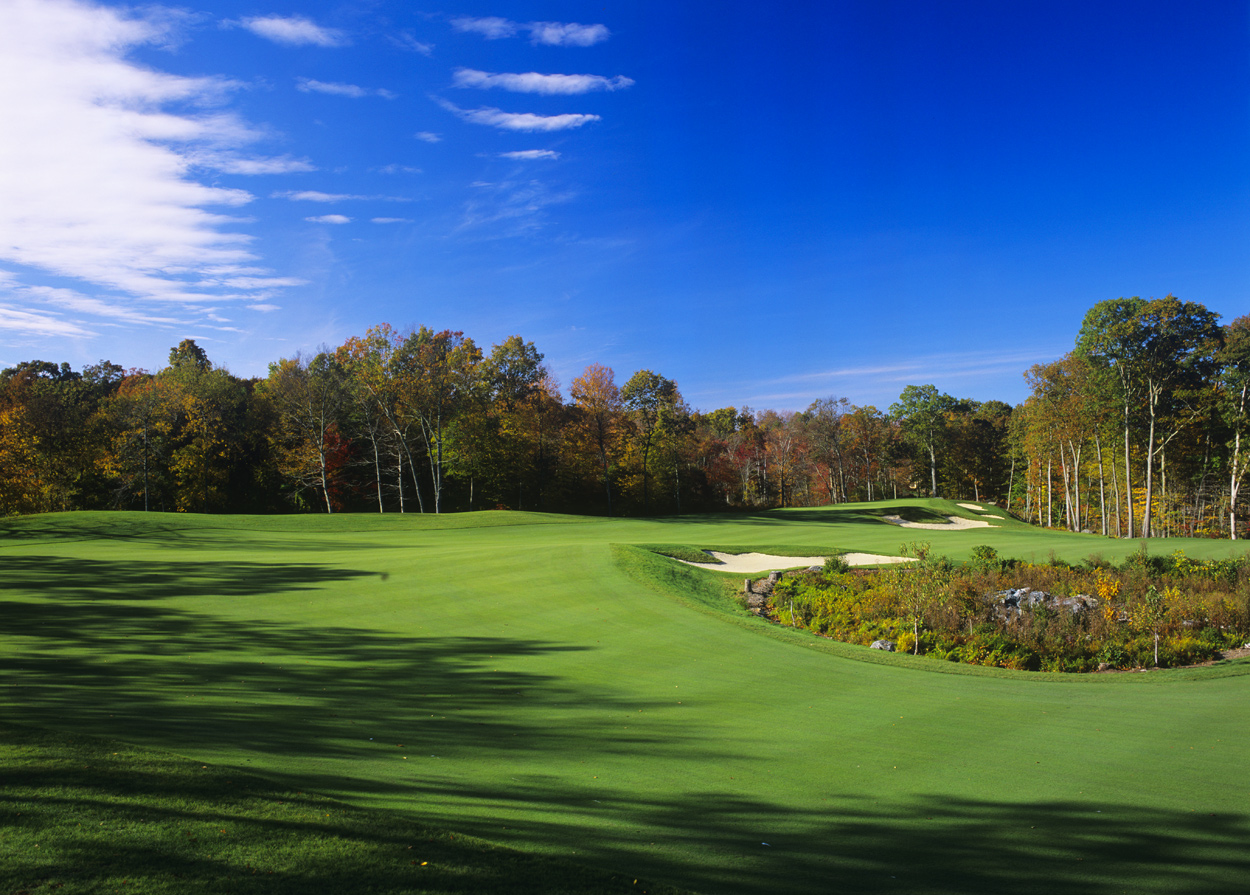
Autumn is the season and at a lake it is exceptional for a reason that is specific to water. Foliage in this region peaks in the second half of October, with sugar maple scarlet, red maple crimson, birch and hickory yellow and oak russet — and a flat lake doubles all of it.
Colour reflected in still water is roughly twice the colour, which is why lake venues in New England photograph better in October than any other kind of site. And autumn is also when the morning mist is heaviest, because the water is still warm from summer and the mornings have turned cold — so an October morning can give mist, a mirror and full foliage in one frame, which is the single best thing this property produces.
Autumn also brings the clearest air, the most settled weather and the calmest water of the year. It is the most reliable month as well as the most beautiful, and it is the reason October dates at lake venues go first.
Late autumn after leaf fall is spare and graphic: bare structure doubled in still dark water, russet oak holding, and the first snow on the far shore. It is the most underrated fortnight of the year here.
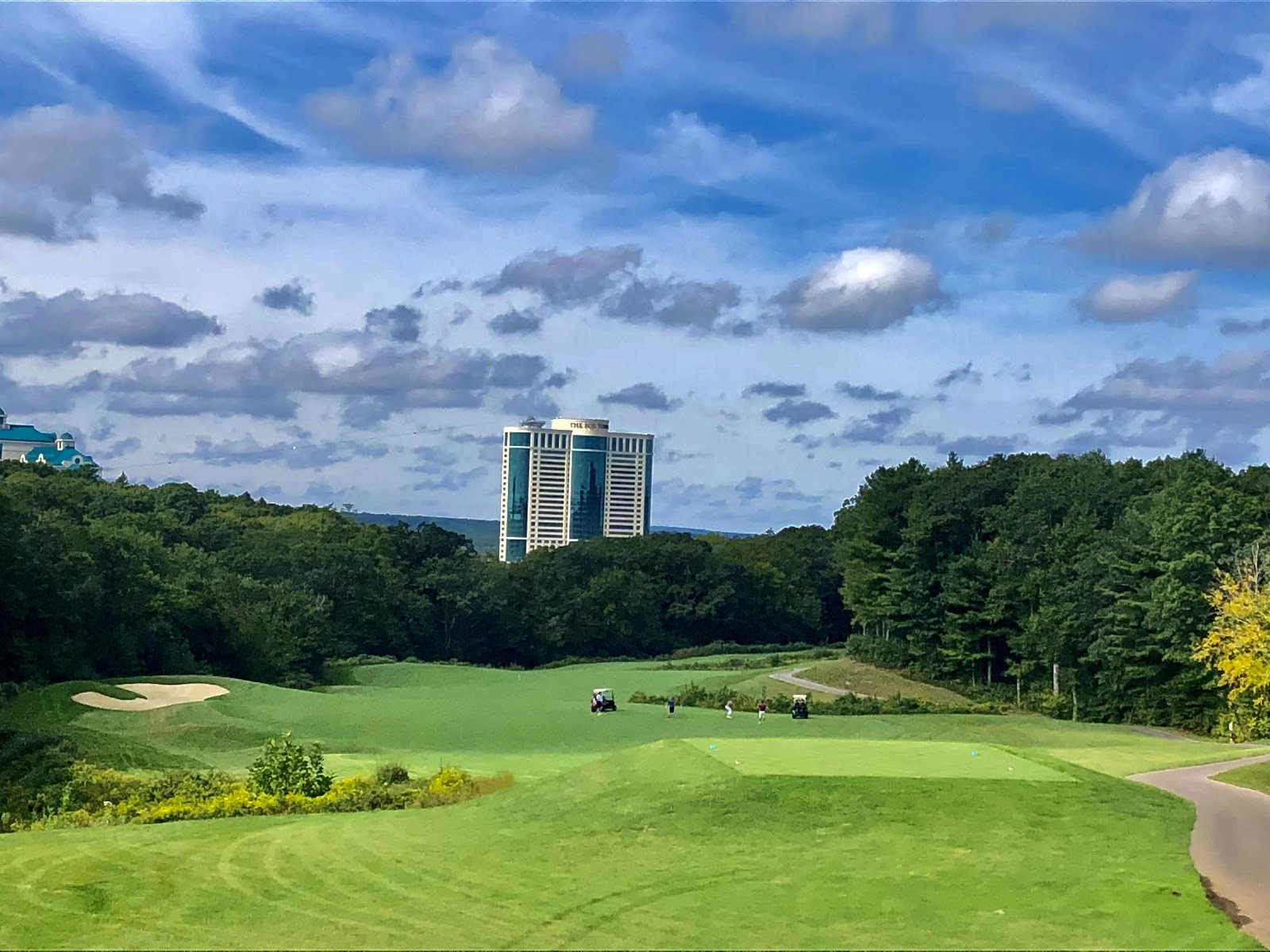
More frames from Lake of Isles
Lake of Isles wedding photography: common questions
Why does a lake change so much through the day?
Water reflects almost everything at a low sun angle and very little at a high one. The same view is a mirror at seven and a dark glare at one.
When is the best light?
The first two hours, for mist, a flat mirror and raking low sun — and the last hour and the window after sunset, when the whole surface takes the sky’s colour.
What handles the middle of the day?
The woodland edge, a metre or two inside the canopy at the margin of an opening. Conifer gives the real shade; deciduous canopy dapples.
How is the evening lake frame exposed?
For the water and the sky, with the faces lifted by a close warm-gelled source. Metering on skin gives a white sky and a flat grey lake.
Why work in manual?
Dark woodland makes a meter overexpose a face by a couple of stops and bright water fools it the other way, five paces apart.
When is the site at its best?
An October morning: mist on warm water, cold air, a flat mirror and full foliage doubled in it. Winter is the easiest light, because a low sun reflects all day.
More Connecticut venue guides
We are writing a photographer’s guide to every venue we would happily shoot in Connecticut. Here are three more, plus the full index:
- Lighthouse Point Marina, New Haven: The Problem, and Four Ways Out
- Lyman Orchards, Middlefield: Field Notes
- Madison Beach Hotel, Madison: The Building’s Own Logic
Planning a wedding at Lake of Isles?
A lake is a different site every hour. Tell us your date and we will use the best ones.