 The Hilton Garden Inn Fargo: Field Notes on a Standardised Hotel

The Grand Forks Country Club: One Frame, and How It Is Made
Open mown ground under a level horizon is a specific gift. Here is the frame it makes.
A country club on the northern plains offers a combination that is rarer than it sounds: a large expanse of mown, even, uncluttered ground, mature planting placed deliberately, and a horizon that is genuinely level.
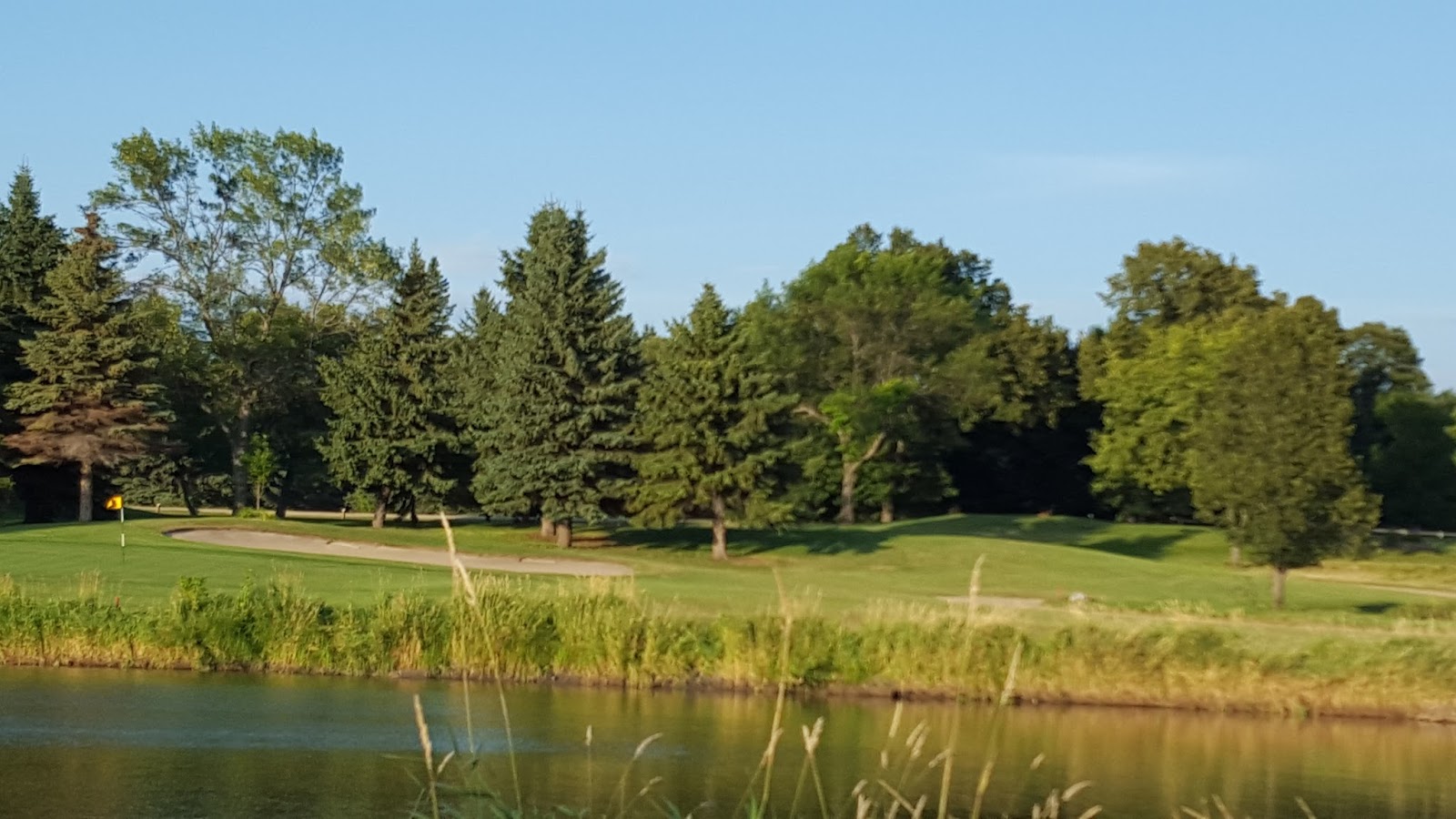
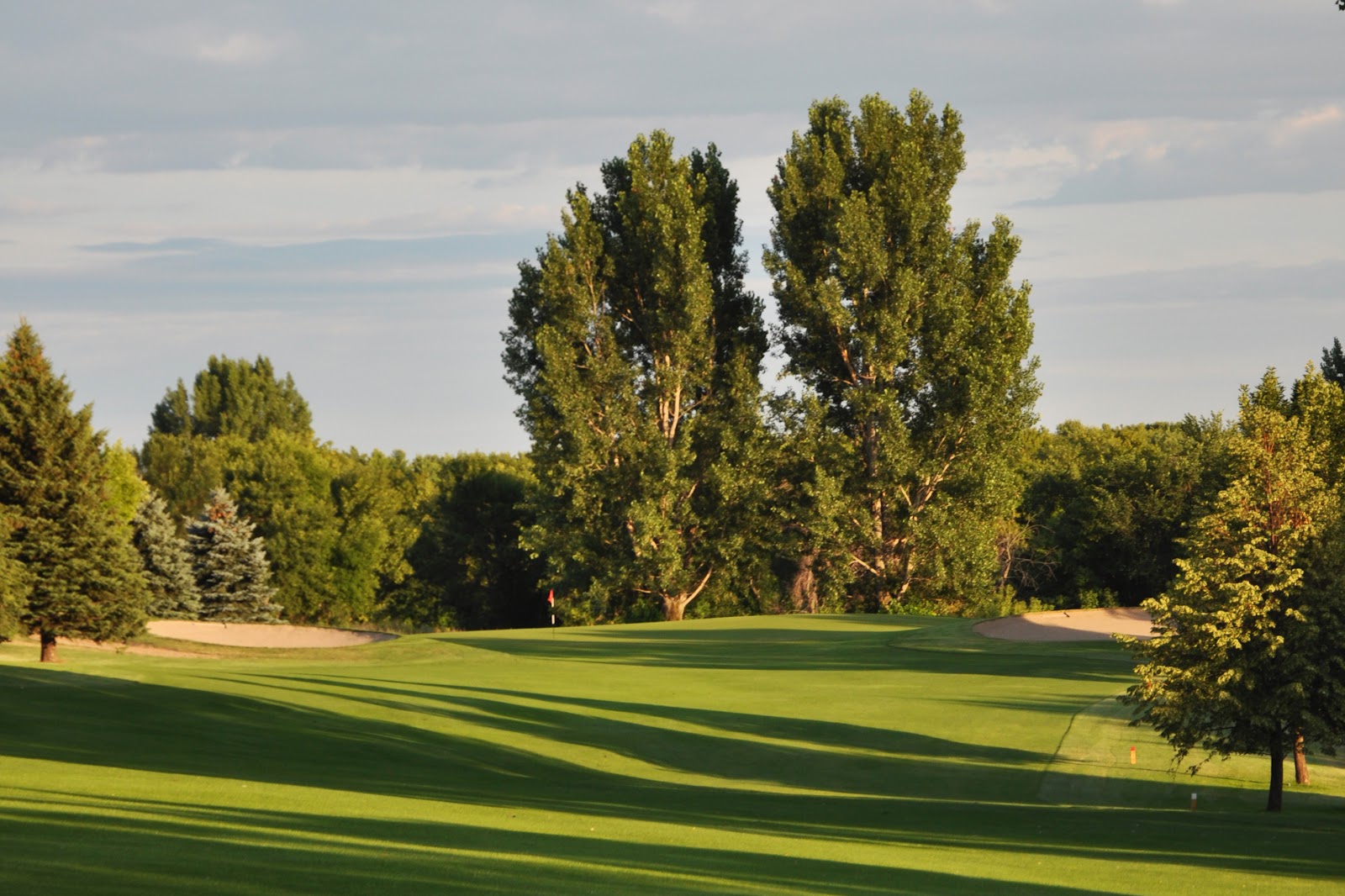
The frame that combination gives is this. A couple stands on open ground with low sun behind or across them. The grass is lit and textured, running away in every direction with nothing in it. Behind them the treeline sits as a dark band, and above that the sky occupies most of the picture, with the whole colour sequence of a plains sunset in it. Nothing is cluttered, nothing is cropped awkwardly, and the scale is the scale of the sky.
That frame takes five decisions and it is available at almost no other venue type, because almost nowhere else has both the open ground and the level horizon.
We have not photographed a wedding at the Grand Forks Country Club; open mown ground and plains light behave predictably. Which areas are available, whether the course may be used and when, and what the indoor alternative is are questions for their team.
The Grand Forks Country Club at a glance
| Where | Grand Forks, North Dakota |
| The frame | Open mown ground, a dark treeline, and a plains sky occupying most of the picture |
| The first decision | Which way the treeline sits relative to the sun |
| The constraint | Wind, with nothing on a flat plain to break it |
| Ask first | Course access and timing, areas available, indoor alternative |
Decisions one to three: the direction, the hour, the ground
The first decision is which way the treeline sits relative to the sun, and it decides the whole frame.
With the sun behind the couple and the treeline behind them too, the grass in front is lit, the couple is rim-lit, and the trees go dark — which is the frame described above and the strongest version. With the sun behind the camera, the couple is frontlit and flat, the grass is bright but textureless, and the sky behind is pale rather than coloured. The first is a picture and the second is a record.
So the working question, answered on arrival by looking rather than calculating, is where the sun will be at the hour being used and which open area has a dark band on that side. At most clubs there are two or three such positions and they are not interchangeable across the day.
The second decision is the hour, and at this latitude it is less restrictive than further south. Grand Forks sits at about forty-eight degrees north, which means the June midday sun reaches only around sixty-five degrees above the horizon — twenty-odd degrees lower than the southern United States. The harsh overhead light that makes midday unusable elsewhere is milder here, and the window of genuinely good raking light is correspondingly longer.
The last ninety minutes before sunset is still the target, and the final forty are the best of it. And in December, when the sun barely clears nineteen degrees all day, the entire afternoon is effectively golden hour — which makes a winter date at a venue like this photographically generous rather than a compromise, if the temperature is faced honestly.
The third decision is the ground, and mown grass is a better surface than people credit. It has three useful properties. It is even, so there is nothing in it to clutter a frame or distract from a subject. It takes raking light beautifully, because low sun across a mown surface picks up every blade and mowing line — so the same ground that looks like a flat green field at midday becomes a textured, directional surface at six in the evening.
And it is a mild reflector, throwing a little light upward and, importantly, throwing green. Dense grass close under a face puts a green cast on skin from below, which is subtle but real, and a custom white balance set on a face in the position being used handles it. Standing on a path or a paved area rather than in the middle of a fairway reduces it.
The mowing lines deserve one specific note: they are strong directional graphic elements, and they either lead into a frame deliberately or run across it distractingly. Which one depends entirely on where the camera stands, and it is worth two steps either way to check.
Decisions four and five: the sky, and the wind
The fourth decision is how much sky to include, and on a genuinely flat plain this is the decision that makes the frame work or fail.
The Red River Valley is the bed of a vast glacial lake and it is among the flattest terrain in North America — level for tens of miles rather than gently rolling. That means the horizon is a true horizontal line and there is nothing to interrupt it, which has a consequence worth stating plainly: the sky is the only large-scale thing in the landscape, so a frame that crops it short throws away the whole subject.
The working proportion is more sky than instinct suggests — two-thirds or more of the frame on an evening with anything happening up there. And because sunset occurs at the actual horizon rather than behind hills, the full colour sequence is visible from first light onward, which means the good frames start earlier and last longer than in country with relief.
The exposure for that frame has one rule: set it for the sky, not the faces. A plains sunset sky has more detail and more colour than anything else in the picture and it clips irrecoverably; the faces can always be lifted by an added source. Metering on skin produces a white sky, which is the commonest failure of this frame.
Which brings the added light, and it should be modest and close. One source, off the camera axis, at face height, gelled warm to match the low sun so the faces agree with the sky, at close range because competing with an open sky needs proximity rather than power. Underexpose the ambient by a stop or two, light the faces back up, and the sky deepens while the couple reads.
The fifth decision is the wind, and on this landscape it is not a footnote. There is nothing at all to break the wind on a flat open plain, and this is among the windiest inhabited country in North America. The consequences are specific and they need saying in advance rather than discovering.
A veil will not behave. A lightstand is a liability rather than a tool, and on open ground it will go over. A held diffusion panel is a sail. Hair needs managing, and a position on the lee side of a treeline or a building is worth walking to. Anything not held will move.
The compensations are genuine. Wind means movement, and a dress or veil moving in a frame is a good picture when it is anticipated rather than fought. And the lee side of any treeline is a calm pocket with excellent light, because the sky is still doing the work while the wind is not.
The practical configuration follows: source in a hand or on a bracket, no stands, and a wind direction noted on arrival so the positions can be chosen with it in mind rather than against it.
- Put the dark treeline behind the couple, on the sun’s side
- At this latitude a winter afternoon is one continuous golden hour
- Check the mowing lines — they lead in or cut across, depending where you stand
- Expose for the sky; the faces can be lifted, the sky cannot be recovered
- No stands. Note the wind direction on arrival and choose positions with it
Indoors, and the northern year
The clubhouse carries the day when the ground cannot, and club interiors have a consistent set of conditions. They are usually warm and traditionally furnished, which means the surfaces absorb rather than bounce, and the room sits a stop or two below a pale one with the same fittings — worth measuring rather than estimating, because eyes adapt and meters do not.
Ceilings are typically normal rather than cavernous, which means bounce flash works and a bounced source is a very large soft one. One test frame settles it, because a dark timber ceiling absorbs.
The windows are the good light and club windows tend to be generous, because a clubhouse is designed to look out at the course. Largest window on the shaded side, every overhead fitting off so the room has one colour of light, lamps out of frame, two to three metres back from the glass so the fall-off is even across two faces.
At forty-eight degrees north a north-facing window is shaded all year, while a south-facing one is a moderate high source in summer and a direct low one through most of a winter afternoon — so which window works is a seasonal question with a definite answer.
Warm bounce is the standing colour problem in a traditional interior: timber, brass, deep paint and warm textiles reflect strongly warm onto the shadow side of a face from several directions, which global white balance cannot separate from the subject. One warm-gelled source with white balance set to the gel handles it; correcting globally turns skin grey.
Outdoors, winter is long and severe, with temperatures well below freezing for months and snow cover through much of it. Snow is the best natural fill available, lifting exactly the shadows a low sun carves while fooling a meter by about two stops — and a snow-covered open course under a low sun, with a dark treeline and a plains sky above, is the winter version of the frame described earlier and arguably the better one, because the ground is now a reflector rather than a green cast.
Indoors, snow turns the ground into an enormous reflector, so the clubhouse windows give softer, brighter and more even light in February than in June.
The practical winter constraints are real. Cold drains batteries, so spares go in an inside pocket rather than a bag. An outdoor block in formal clothes at these temperatures is five minutes with coats rather than twenty without, and that is a welfare judgement. And fogging runs one way: a cold body brought back into a heated clubhouse fogs on every surface at once and does not clear quickly, so bodies stay bagged until warmed.
Summer is warm, bright and comparatively dry, with severe thunderstorms possible — which on an open course means a named indoor alternative rather than an assumption, and it means watching the western horizon, because on ground this flat an approaching storm is visible for a long time before it arrives. That visibility is both a warning and the most dramatic frame the landscape produces.
And the June evenings are very long at this latitude, so the crossing frame falls late. That needs agreeing in advance as a short deliberate excursion rather than discovered at ten at night.
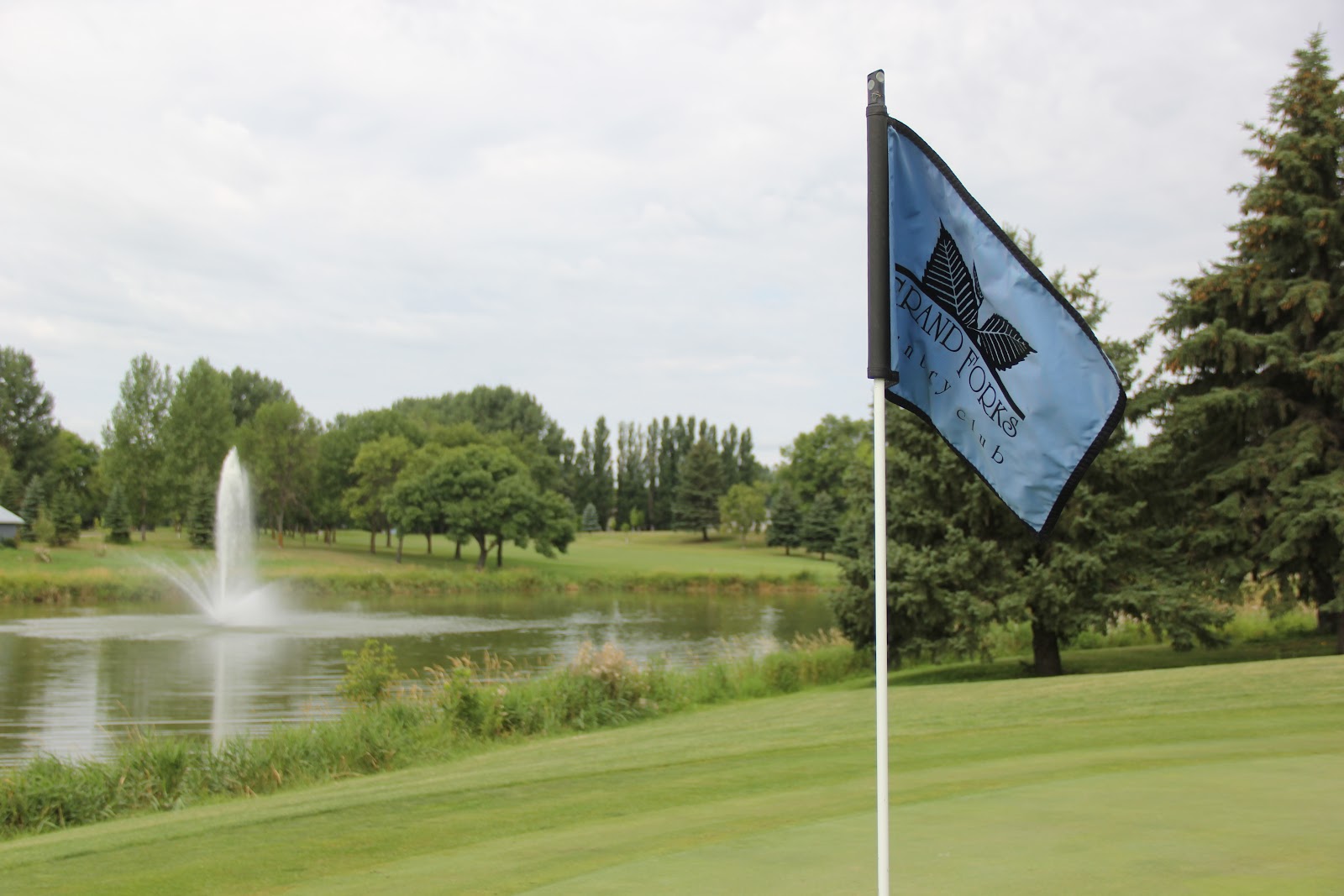
More frames from The Grand Forks Country Club
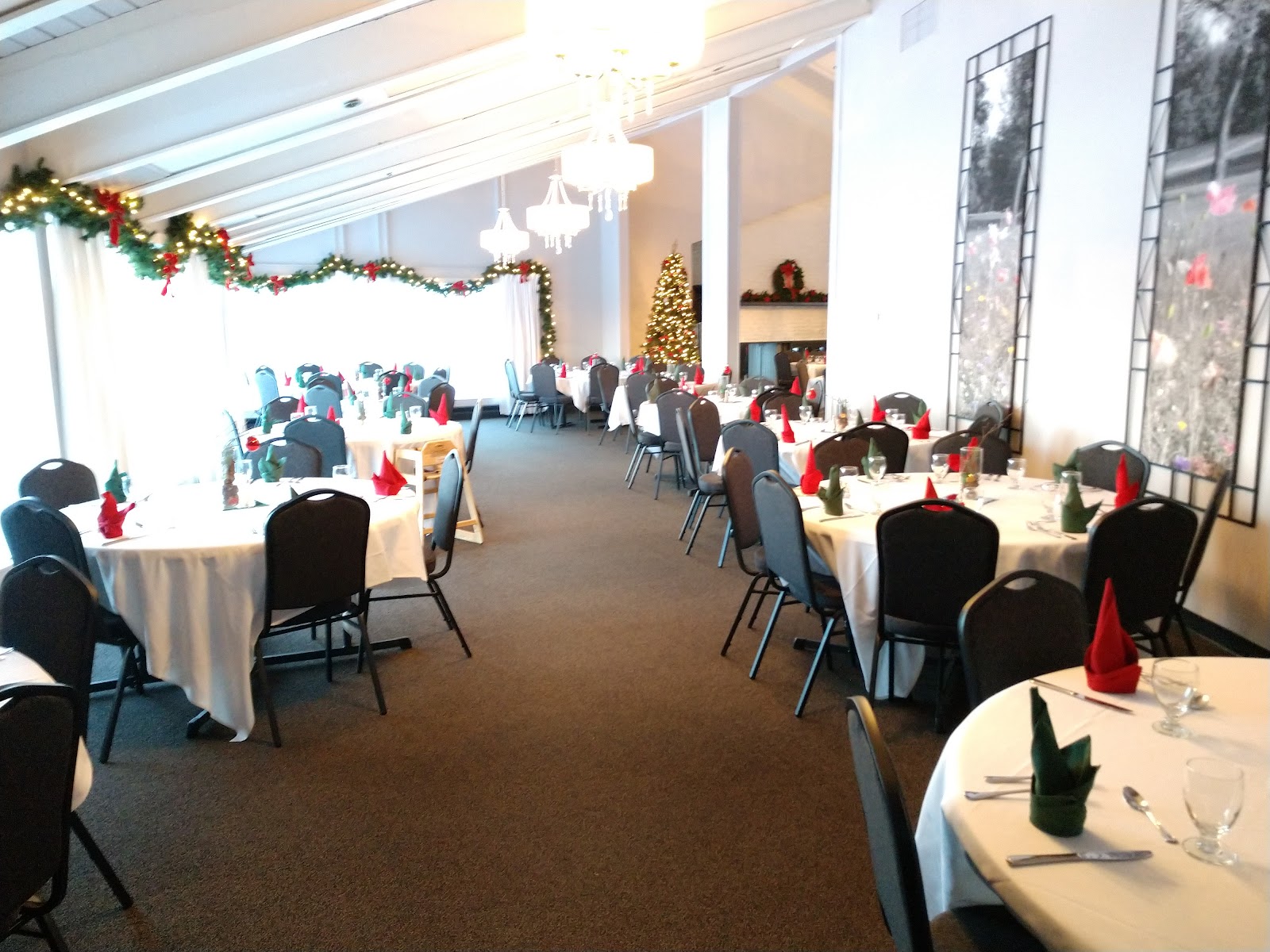
The Grand Forks Country Club wedding photography: common questions
What is the frame?
A couple on open mown ground with low sun across or behind them, a dark treeline behind, and a plains sky occupying two-thirds or more of the picture.
Which way should the treeline sit?
On the sun’s side, behind the couple — so the grass in front is lit, the couple is rim-lit, and the trees go dark.
Why is the hour less restrictive here?
At about forty-eight degrees north the June midday sun reaches only sixty-five degrees, so the overhead light that ruins midday further south is milder and good light lasts longer.
What should the exposure be set for?
The sky. It has the most colour and detail and it clips irrecoverably; the faces can always be lifted by an added source. Metering on skin gives a white sky.
How much of a problem is the wind?
A real one. On terrain this flat there is nothing to break it — no stands, a veil that will not behave, and positions chosen on the lee side of a treeline.
Is a winter date a compromise?
Photographically, no. A December afternoon at this latitude is one continuous golden hour, and snow turns the open ground into a reflector rather than a green cast.
More Grand Forks, ND venue guides
We are writing a photographer’s guide to every venue we would happily shoot in Grand Forks, ND. Here are three more, plus the full index:
- The Grand Theatre, Grand Forks: What It Suits, and What It Does Not
- The Alerus Center, Grand Forks: Field Notes on a Very Large Venue
- The Elks Lodge, Grand Forks: The One Decision That Governs Everything
Planning a wedding at The Grand Forks Country Club?
Open ground and a level horizon. Tell us your date and we will find the treeline.